×

Taiwan🇹🇼 | festivalsDajia Mazu Pilgrimagemulti-day trek, incense processions, roadside feasts | things to do and best time to go

Explore Mazu PilgrimageExplore Taichung Jazz Festival

Backpacking in Dajia Mazu Pilgrimage
🏆 Top pickfestival ranked #3
By Johan Kruseman 🇳🇱 | Updated October 15, 2026

Incense smoke claws at your throat as drums pound your ribs from the inside, firecrackers spit shrapnel of red paper at your ankles, and the Mazu palanquin surges past so close you feel the heat of bodies hauling it forward. This is the Dajia Mazu Pilgrimage, launching from Dajia District in Taichung, central Taiwan. It’s a multi-day religious procession more than a “festival,” with nonstop temple music, gongs, suona horns, and loudspeakers blasting chants instead of EDM. You’ll walk alongside families, grandmas in sun visors, hardcore devotees, and a scattering of backpackers chasing something raw and unscripted. The vibe is intense, chaotic, generous; people hand you food, but sleep and quiet vanish. It’s worth it if you crave endurance, culture, and street-level Taiwan, not if you need comfort or control.

Discover everything you want to know in the 📖 Taiwan Travel Guide.


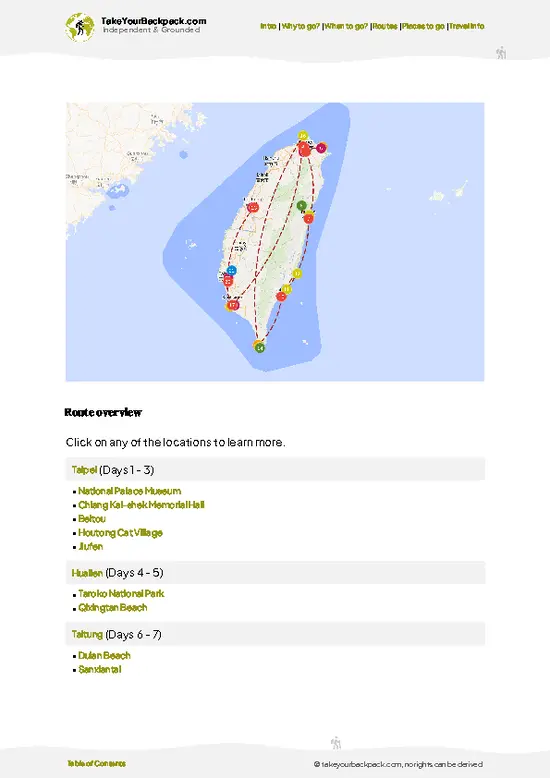
example page 0 from our offline Travel Guide for Taiwan
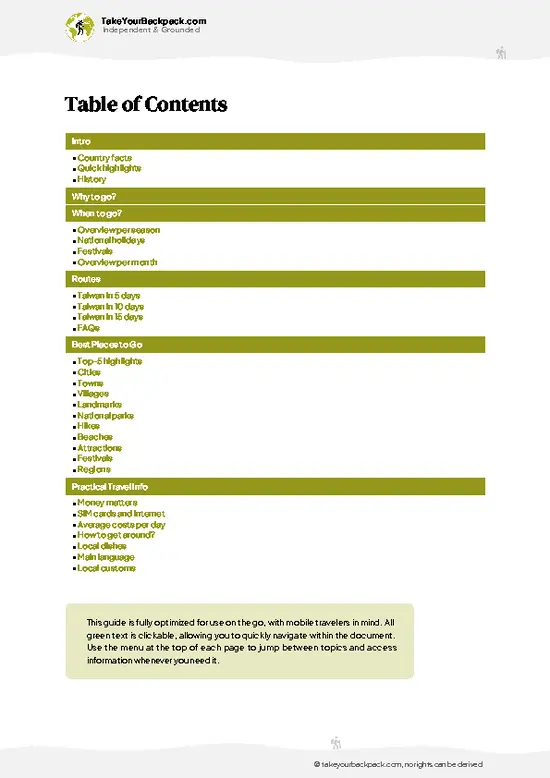
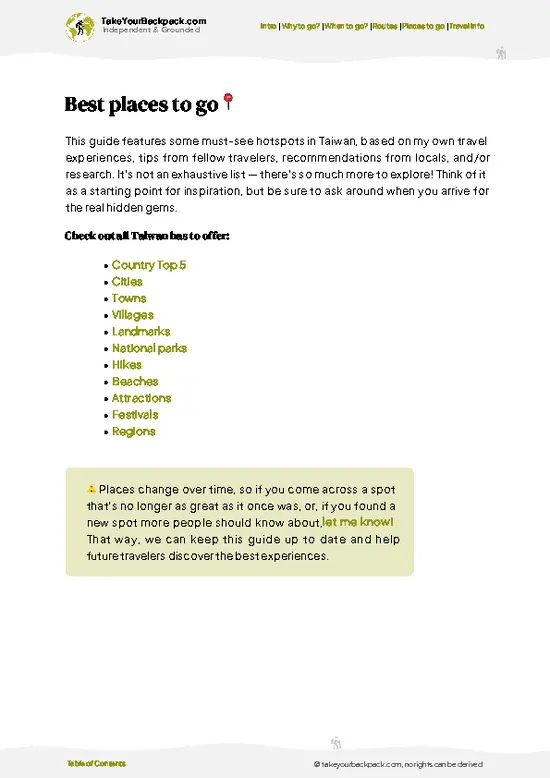
example page 1 from our offline Travel Guide for Taiwan
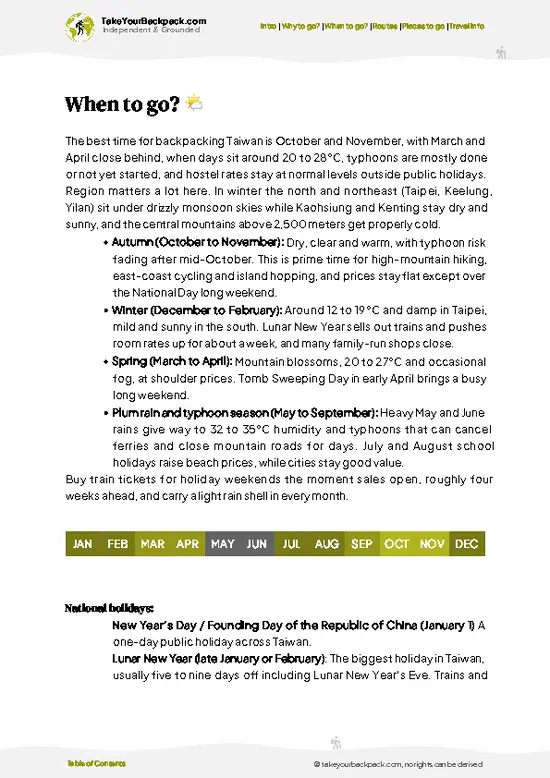
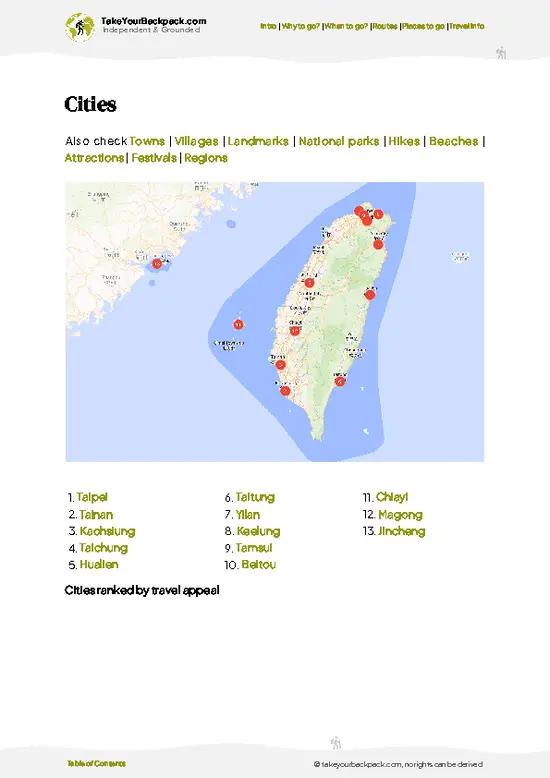
example page 2 from our offline Travel Guide for Taiwan
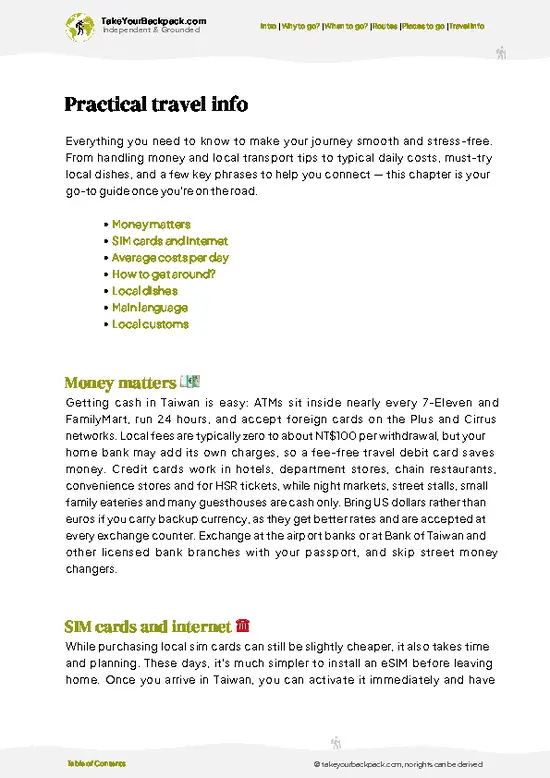
example page 3 from our offline Travel Guide for Taiwan
example page 4 from our offline Travel Guide for Taiwan
example page 5 from our offline Travel Guide for Taiwan
example page 6 from our offline Travel Guide for Taiwan
example page 7 from our offline Travel Guide for Taiwan
Loading the map 🌍
CLICK TO FILTER
cities
towns
villages
landmarks
national parks
hikes
beaches
attractions
festivals
regions
SHOW COUNTRY’S BESTSHOW ALL

✨ Why go?
Ranked #3 festival in Taiwan
The unique appeal for travelers

Backpackers flock to the Dajia Mazu Pilgrimage in Taiwan for a taste of social energy that’s hard to find elsewhere. This isn’t just a festival; it’s a temporary community where locals and travelers unite in vibrant celebration. You’ll feel the pulse of the crowd, the rhythm of drums, and the scent of street food wafting through the air. It’s a chance to dive deep into cultural immersion, witnessing rituals that have been passed down for generations.

Planning your route around this event isn’t just smart; it’s essential. The festival is a budget-friendly alternative to many other global events, offering rich experiences without breaking the bank. You can savor local delicacies and participate in traditional ceremonies, all while keeping your wallet intact.

Incorporating the pilgrimage into … read more 👉
Backpackers flock to the Dajia Mazu Pilgrimage in Taiwan for a taste of social energy that’s hard to find elsewhere. This isn’t just a festival; it’s a temporary community where locals and travelers unite in vibrant celebration. You’ll feel the pulse of the crowd, the rhythm of drums, and the scent of street food wafting through the air. It’s a chance to dive deep into cultural immersion, witnessing rituals that have been passed down for generations.

Planning your route around this event isn’t just smart; it’s essential. The festival is a budget-friendly alternative to many other global events, offering rich experiences without breaking the bank. You can savor local delicacies and participate in traditional ceremonies, all while keeping your wallet intact.

Incorporating the pilgrimage into your travel plans adds a layer of authenticity to your journey. It’s not just about the destination; it’s about the stories you collect along the way. So, lace up those boots, embrace the chaos, and let the Dajia Mazu Pilgrimage fuel your adventure. You’ll leave with memories that outshine any postcard.

💡 HighlightsThe experiences that define the visit

  • The Palanquin Procession (Mazu’s Sedan) — The soul of the event: an ornate wooden sedan carrying the Mazu statue is shouldered through streets and countryside, surrounded by chanting devotees, incense smoke and constant movement. It’s tactile and loud — people reach out to touch the palanquin for blessings, and the physicality of hundreds carrying a sacred object is a sight you won’t forget.
  • All-night Street Life and Pilgrim Hospitality — The roads turn into a rolling festival: pop-up food stalls, free vegetarian meals for pilgrims, temporary altars and families hosting travelers. Nights are especially electric — neon, drums, and people sleeping on mats outside temples — which gives the pilgrimage a warm, communal vibe rather than a purely formal ceremony.
  • Traditional Folk Arts and Pageantry
… read more 👉
  • The Palanquin Procession (Mazu’s Sedan) — The soul of the event: an ornate wooden sedan carrying the Mazu statue is shouldered through streets and countryside, surrounded by chanting devotees, incense smoke and constant movement. It’s tactile and loud — people reach out to touch the palanquin for blessings, and the physicality of hundreds carrying a sacred object is a sight you won’t forget.
  • All-night Street Life and Pilgrim Hospitality — The roads turn into a rolling festival: pop-up food stalls, free vegetarian meals for pilgrims, temporary altars and families hosting travelers. Nights are especially electric — neon, drums, and people sleeping on mats outside temples — which gives the pilgrimage a warm, communal vibe rather than a purely formal ceremony.
  • Traditional Folk Arts and Pageantry — You’ll see puppet theatre (budaixi), Taiwanese opera, lion and dragon dances, percussion troupes and blaring suona/brass bands at temple stops. These performances are not just entertainment; they’re ritual offerings that change tone from solemn to celebratory as the procession passes.
  • Temple Welcoming and Blessing Rituals — Every temple along the route stages its own welcome: incense rites, ceremonial bows, offerings and symbolic exchanges between deities. Those staged moments — the formal “greeting” and later the “send-off” — are where local identity and religious protocol shine through, often with elaborate incense towers and slow, precise rituals.
  • Up-close Devotion and Spontaneous Moments — Unlike a staged parade, the pilgrimage is unpredictable. Late-night processions, impromptu dances, devotees running to change shifts carrying the sedan, and quiet one-on-one blessings happen all the time. That blend of raw faith and everyday life — neighbors, tourists, and devotees mixing freely — is what makes the whole event uniquely human and immersive.
Spotted a mistake or missing something? Contact us.

Things to do near Dajia Mazu Pilgrimage

Ratings based on Tripadvisor reviews. When you book through this link, you support our work at no extra cost to you.

🌤️ When to go?When is the celebration of Dajia Mazu Pilgrimage?

  • Topic: Weather - The pilgrimage happens in spring, usually April. Taiwan’s weather then is warm but not yet sticky, averaging 20-25°C (68-77°F). Rain is less frequent than summer, so your gear stays dry and your spirits high.
  • Topic: Temperature - Daytime temps hover around a comfortable 22°C (72°F), perfect for long walks without overheating or freezing. Nights can dip to 16°C (61°F), so pack a light jacket to stay sharp.
  • Topic: Daylight Hours - With roughly 12-13 hours of daylight, you get plenty of time to soak in the procession and side events without rushing. Early starts and late finishes are doable without losing daylight.
  • Topic: Crowds - The pilgrimage draws tens of thousands, so expect dense crowds, especially near temples and main streets. Arriving early or staying on the outskirts
… read more 👉
  • Topic: Weather - The pilgrimage happens in spring, usually April. Taiwan’s weather then is warm but not yet sticky, averaging 20-25°C (68-77°F). Rain is less frequent than summer, so your gear stays dry and your spirits high.
  • Topic: Temperature - Daytime temps hover around a comfortable 22°C (72°F), perfect for long walks without overheating or freezing. Nights can dip to 16°C (61°F), so pack a light jacket to stay sharp.
  • Topic: Daylight Hours - With roughly 12-13 hours of daylight, you get plenty of time to soak in the procession and side events without rushing. Early starts and late finishes are doable without losing daylight.
  • Topic: Crowds - The pilgrimage draws tens of thousands, so expect dense crowds, especially near temples and main streets. Arriving early or staying on the outskirts helps you dodge the thickest throngs and keep your pace.
  • Topic: Seasonal Activities - Spring brings blooming flowers and local markets buzzing with fresh produce and snacks. These side experiences add flavor to the pilgrimage, making timing crucial for a full sensory hit.
  • Topic: Price Fluctuations - Accommodation and transport prices spike during the festival. Booking weeks ahead locks in better rates and spares you last-minute stress, preserving your budget for food and souvenirs.
Pro-tip: Aim for early April, just as the festival kicks off—weather’s kind, crowds manageable, and you’ll catch the freshest local vibes before the full surge hits.


source: climatestotravel.comJANJanuary: not recommended for travelingFEBFebruary: not recommended for travelingMARMarch: not recommended for travelingAPRApril: excellent for travelingMAYMay: not recommended for travelingJUNJune: not recommended for travelingJULJuly: not recommended for travelingAUGAugust: not recommended for travelingSEPSeptember: not recommended for travelingOCTOctober: not recommended for travelingNOVNovember: not recommended for travelingDECDecember: not recommended for traveling

✈️ The backpacker research shortcutTaiwan Travel Guide

An offline-friendly backpacking guide with optimized travel routes, ranked highlights, transport advice, and the best areas to stay.
example page 0 from our offline Travel Guide for Taiwan
example page 1 from our offline Travel Guide for Taiwan
example page 2 from our offline Travel Guide for Taiwan
example page 3 from our offline Travel Guide for Taiwan
example page 4 from our offline Travel Guide for Taiwan
example page 5 from our offline Travel Guide for Taiwan
example page 6 from our offline Travel Guide for Taiwan
example page 7 from our offline Travel Guide for Taiwan
The digital guide (425 pages) contains:
✅ 121 highlights, ranked by travel appeal
✅ Optimized 5, 10 & 15-day travel routes
✅ Cities, national parks, landmarks, beaches
✅ How to get around
✅ Offline-friendly for travel without Wi-Fi
👉 Click to see all 30+ guide features

📅 Plan smarter in minutes, not weeks
✅ Month by month travel advice
✅ Festivals & national holidays
✅ Budget expectations

🗺️ Go to the right places, skip the overrated ones
✅ Honest pros & cons of destinations
✅ Top hikes, parks & viewpoints
✅ Lesser-known places most travelers miss
✅ Clear “worth it vs skip it” guidance

🛏️ Travel smoothly without rookie mistakes
✅ Best areas to stay
✅ Transport systems explained simply
✅ Common scams & safety advice
✅ SIM cards, money & practical tips

🌍 Understand the country, not just visit it
✅ Culture & traditions
✅ 52 Essential phrases & customs
✅ Festivals worth planning around
✅ Traveler-friendly historical context
✅ Insights that make places more meaningful

📱 Built for real travel conditions
✅ Fully downloadable PDF
✅ Works completely offline
✅ Optimized for phone use
✅ Useful in remote areas & buses
✅ Everything in one place
Stop searching, start planning
Get instant access to your full guide. 30‑day money-back guarantee.
+ Add another guide for just

By proceeding you agree to our terms.
Sent to your inbox immediately after payment • 100% Secure Checkout
Best Backpacking Travel Advisor 2025 tourism awardBest Backpacking
Travel Advisor
2025
What others say about Take Your Backpack Guides:
⭐⭐⭐⭐⭐
Fantastic, amazing amount of information!
⭐⭐⭐⭐⭐
My goodness this is amazing, it's what I've been looking for hats off too you!
⭐⭐⭐⭐⭐
I think this is absolutely BRILLIANT
⭐⭐⭐⭐
Very complete and informative. It's still missing places, but I gotta to commend you
⭐⭐⭐⭐⭐
This is truly amazing, thank you, can't wait to explore it with my kids!
⭐⭐⭐⭐⭐
Awesome resource, thank you!
⭐⭐⭐⭐⭐
This is amazing! Can't wait to explore the ones I haven't seen
⭐⭐⭐⭐
I love this! Well done, great idea.
⭐⭐⭐⭐⭐
Thanks for taking the time to make this gem!
⭐⭐⭐⭐⭐
This might be the best website I've ever seen.
⭐⭐⭐⭐⭐
Congratulations, and thank you so much for your work; it's incredibly valuable.
⭐⭐⭐⭐
In all seriousness I think you did a great job pointing out the important spots
⭐⭐⭐⭐⭐
10/10 very good
⭐⭐⭐⭐⭐
As someone who's only just starting to visit regularly this is awesome, thank you.
⭐⭐⭐⭐
Thank you very much! I'm going to visit my dad, it's going to be very useful!
⭐⭐⭐⭐⭐
This is really cool! We'll be travelling for the first time and this definitely come in handy.
⭐⭐⭐⭐⭐
You are now our minister of culture, congratulations 👨‍💼
⭐⭐⭐⭐⭐
Just wanted to tell you that this is a pearl! Going to follow your recommendations.
⭐⭐⭐⭐⭐
This is so cool. I'll definitely be using the resource for my travels soon.
⭐⭐⭐⭐⭐
This is very impressive! Good work.
⭐⭐⭐⭐⭐
This is an amazing and informative site. Very well done!

🛏️ Where to stay?Choosing the right base

When diving into the Dajia Mazu Pilgrimage, your base matters. You want to be close to the action, but also in a spot that feels safe and welcoming.

Start in Dajia District itself. This area buzzes with energy during the festival. You’ll find a mix of local eateries and street vendors, perfect for fueling up before the day’s adventures. The vibe here is communal; you’ll meet fellow travelers and locals alike, sharing stories over bowls of beef noodle soup.

Next, consider Taichung City, just a short ride away. It’s a hub for backpackers, with a variety of budget-friendly accommodations. The … read more 👉
When diving into the Dajia Mazu Pilgrimage, your base matters. You want to be close to the action, but also in a spot that feels safe and welcoming.

Start in Dajia District itself. This area buzzes with energy during the festival. You’ll find a mix of local eateries and street vendors, perfect for fueling up before the day’s adventures. The vibe here is communal; you’ll meet fellow travelers and locals alike, sharing stories over bowls of beef noodle soup.

Next, consider Taichung City, just a short ride away. It’s a hub for backpackers, with a variety of budget-friendly accommodations. The city’s public transport makes it easy to hop back and forth to Dajia. Plus, you’ll find lively night markets and parks to unwind after a day of festivities.

If you’re feeling adventurous, look into nearby rural areas. Staying in a homestay can offer a unique glimpse into local life. You’ll get a taste of authentic Taiwanese hospitality, and it’s often cheaper than city options.

Avoid the tourist traps; they’ll drain your energy and wallet. Instead, focus on these vibrant areas where you can soak in the festival atmosphere while keeping your budget intact.

👛 Costs (as of 15 October 2026)What things cost and how to budget

The Dajia Mazu Pilgrimage is an exhilarating experience, but navigating the costs can be tricky. Here’s a breakdown to keep your budget intact while you soak in the vibrant atmosphere.
  • Festival Tickets: Entry to the festival is generally free, but you might want to budget around €10-€20 ($10-$22) for special events or activities that require tickets. Keep an eye out for any unique performances or ceremonies that might have a fee.
  • Accommodation: Expect to pay between €30-€100 ($33-$110) per night for a decent place. Hostels can be as low as €30 ($33), while mid-range hotels might hit €70-€100 ($77-$110). Book early to snag the best deals, as places fill up fast.
  • Local Transport: Public transport is your friend here. Budget around €5-€15 ($5-$16) per day for buses or trains. If you’re feeling adventurous,
… read more 👉
The Dajia Mazu Pilgrimage is an exhilarating experience, but navigating the costs can be tricky. Here’s a breakdown to keep your budget intact while you soak in the vibrant atmosphere.
  • Festival Tickets: Entry to the festival is generally free, but you might want to budget around €10-€20 ($10-$22) for special events or activities that require tickets. Keep an eye out for any unique performances or ceremonies that might have a fee.
  • Accommodation: Expect to pay between €30-€100 ($33-$110) per night for a decent place. Hostels can be as low as €30 ($33), while mid-range hotels might hit €70-€100 ($77-$110). Book early to snag the best deals, as places fill up fast.
  • Local Transport: Public transport is your friend here. Budget around €5-€15 ($5-$16) per day for buses or trains. If you’re feeling adventurous, consider renting a scooter for about €10-€15 ($11-$16) a day, but make sure you’re comfortable navigating local traffic.
  • Food & Drinks: Street food is a highlight, and you can feast on local delicacies for about €2-€5 ($2-$5) per meal. If you prefer sit-down restaurants, expect to pay around €10-€20 ($11-$22) for a hearty meal. Don’t forget to try the local drinks, which can range from €1-€3 ($1-$3).
  • Miscellaneous Expenses: Set aside €20-€50 ($22-$55) for souvenirs, snacks, or unexpected costs. This cushion will help you enjoy spontaneous experiences without stress.

Planning ahead will keep your energy focused on the festival, not on your wallet.


source: eng.taiwan.net.tw
⚠️ Prices can change and everyone travels differently, so take this as a rough guide. Hope it helps you plan your adventure!

🍲 FoodWhat to Eat & Drink

At the Dajia Mazu Pilgrimage, food and drink are as much a part of the experience as the vibrant processions. You’ll find local specialties like oyster omelets and braised pork rice sizzling on grills, their aromas mingling with the incense wafting through the air. Don’t miss the stinky tofu—it’s a rite of passage. The crispy exterior gives way to a soft, pungent center that’s surprisingly addictive.

Festival stalls overflow with sweet treats like pineapple cakes and mochi, perfect for a quick energy boost as you navigate the crowds. For drinks, grab a cup of bubble tea or a refreshing sour plum drink to cool off. Both are crowd-pleasers and will keep you hydrated as you soak in the festivities.

When it comes to etiquette, be prepared to share. Many vendors serve food in communal styles, … read more 👉
At the Dajia Mazu Pilgrimage, food and drink are as much a part of the experience as the vibrant processions. You’ll find local specialties like oyster omelets and braised pork rice sizzling on grills, their aromas mingling with the incense wafting through the air. Don’t miss the stinky tofu—it’s a rite of passage. The crispy exterior gives way to a soft, pungent center that’s surprisingly addictive.

Festival stalls overflow with sweet treats like pineapple cakes and mochi, perfect for a quick energy boost as you navigate the crowds. For drinks, grab a cup of bubble tea or a refreshing sour plum drink to cool off. Both are crowd-pleasers and will keep you hydrated as you soak in the festivities.

When it comes to etiquette, be prepared to share. Many vendors serve food in communal styles, so don’t hesitate to dive in with fellow festival-goers. Lines can get long, especially for the most popular stalls, so patience is key. Bring cash; some vendors don’t accept cards, and you don’t want to miss out on that delicious morsel because you’re fumbling for change. Serving sizes can be generous, so consider splitting dishes to sample more flavors without overloading your pack. Embrace the chaos, and let the flavors guide your adventure!

FAQFrequently asked questions about Dajia Mazu Pilgrimage

The Dajia Mazu Pilgrimage takes place annually in late March or early April, lasting about 9 days. It follows the lunar calendar, so exact dates vary each year but generally fall around this period.
Attending the Dajia Mazu Pilgrimage is free of charge for spectators. Costs may arise only if you choose to join organized tours or purchase food and souvenirs along the route.
No, you do not need tickets in advance to attend the Dajia Mazu Pilgrimage. It is an open public event where anyone can join or watch the procession along its route.
⚠️ Things can change over time, so always validate details locally before you go.

Other Taiwanese festivals near Dajia Mazu Pilgrimage

Explore more nearby:


💡 Not sure where to go next?
Create a personalized itinerary for Taiwan including Dajia Mazu Pilgrimage and the places that fit your trip.

Generate my itinerary

👉 Discover all festivals

Or checkout all Taiwan has to offer (think cities, towns, villages, national parks, hikes, beaches, festivals)
Country photo of Taiwan

We 💚 feedbackIs it worth it?

The Dajia Mazu Pilgrimage is a whirlwind of energy and devotion. You’ll feel the pulse of the crowd, the scent of incense, and the thrill of unexpected performances. But here’s the kicker: don’t underestimate the wear on your feet. Bring solid shoes and pace yourself; the journey is as much about the experience as the destination. The best surprise? The locals’ warmth and willingness to share stories over a bowl of noodles. Embrace it all, and you’ll leave with memories that linger long after the last lantern fades.

✍️ Help improve this page!
The information on this page is based on in-depth research, insights shared by experienced travelers, and feedback from the local travel community in Taiwan. While every effort is made to keep the information accurate and current, conditions can change — so if you spot anything incorrect or outdated, please get in touch.


🙋‍♂️ Give feedback

👋 Meet the founderWho’s Behind Take Your Backpack?

Johan, backpacker and founder of TakeYourBackpackHi, I’m Johan (Netherlands 🇳🇱), the creator of TakeYourBackpack. Over the past 3 decades, I’ve backpacked through 90+ countries across six continents, gaining extensive experience with independent travel, long-term trips, and overland routes.

This site is built on a combination of firsthand travel experience and carefully curated insights from other backpackers. Many guides are based on places I’ve personally visited, while others bring together tips, observations, and practical advice shared by trusted travelers I’ve met along the way.

The goal is to provide realistic, experience-driven guidance — not generic itineraries — so you can explore destinations with better context, clearer expectations, and more confidence.