v2.webp)
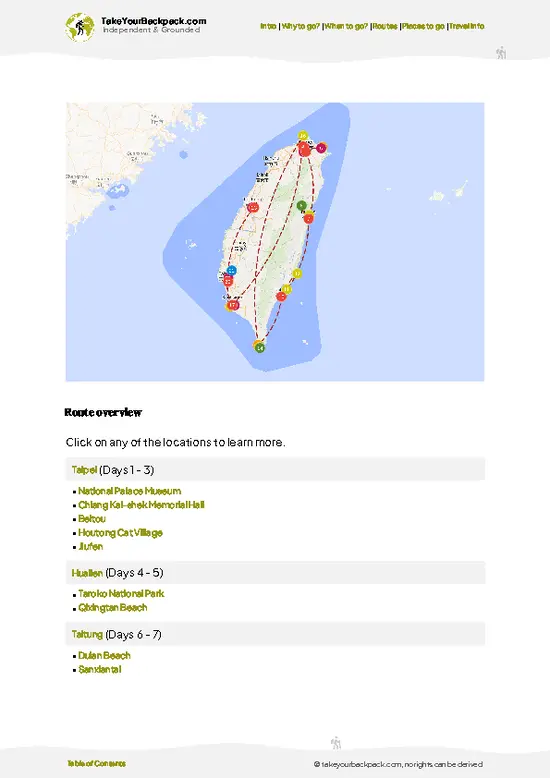
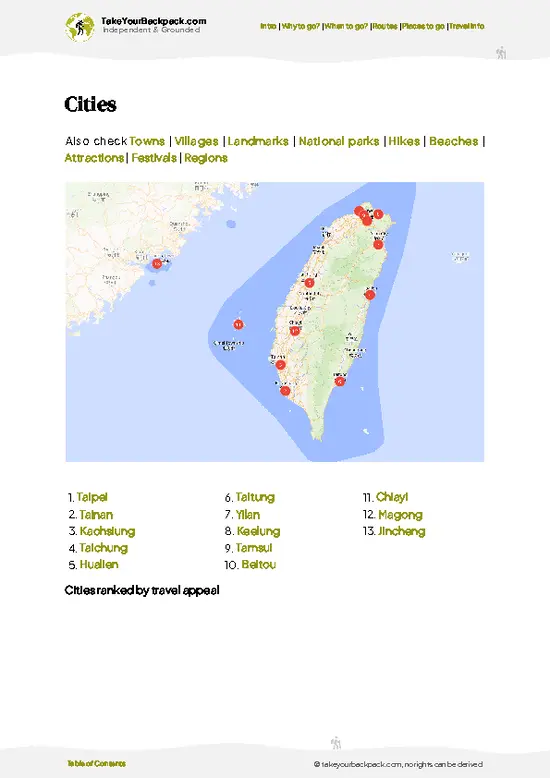
- Penghu Tianhou Temple (Magong Mazu Temple) — The spiritual heart of the city: centuries-old Mazu worship, ornate carvings and temple rituals that give you a real feel for local faith and history right in the old town center.
- Magong Old Street (媽宮老街 / Zhongzheng and surrounding lanes) — A compact tangle of shops, street food stalls and old storefronts where you can graze on local snacks, buy dried seafood, and see everyday Magong life up close.
- Four-Eyed Well (四眼井) — A super-photogenic, ancient communal well with four openings; small, oddly poetic and smack in the old district—nice for photos and imagining how the town once sourced water.
- Penghu Living Museum (澎湖生活博物館) — Nicely curated, small museum that explains Penghu’s fishing culture, local crafts and island life; useful context before
- Penghu Tianhou Temple (Magong Mazu Temple) — The spiritual heart of the city: centuries-old Mazu worship, ornate carvings and temple rituals that give you a real feel for local faith and history right in the old town center.
- Magong Old Street (媽宮老街 / Zhongzheng and surrounding lanes) — A compact tangle of shops, street food stalls and old storefronts where you can graze on local snacks, buy dried seafood, and see everyday Magong life up close.
- Four-Eyed Well (四眼井) — A super-photogenic, ancient communal well with four openings; small, oddly poetic and smack in the old district—nice for photos and imagining how the town once sourced water.
- Penghu Living Museum (澎湖生活博物館) — Nicely curated, small museum that explains Penghu’s fishing culture, local crafts and island life; useful context before you go exploring the rest of the islands.
- Magong Harbor & Waterfront Promenade — The harbor area is lively: fishing boats, ferries, sundown views, and street vendors. It’s where the town meets the sea and where most local rhythms are visible.
- Magong Fish Market (morning market near the port) — Early-morning hustle, fresh catches and a chance to see fishermen sell what they’ve brought in—great for breakfast seafood and people-watching.
- The Great Banyan by Tianhou Temple — An enormous, centuries-old banyan tree in the temple plaza that locals treat as a landmark; it’s shady, atmospheric and strangely calming amid the temple bustle.
- Mazu Cultural Gallery / Temple Museum — Small interpretive space attached to the temple complex where you can learn about Mazu legends, temple art and the rituals that shape Magong’s identity.
- Central Market & Local Food Alleys — A cluster of stalls and tiny eateries where you can try Penghu specialties (oyster omelettes, dried squid, local pastries) without straying far from the center.
- Japanese-era Streets and Colonial Architecture — Walkable pockets of old colonial-era buildings, lanes and signboards scattered around Magong; they reward slow wandering and show another layer of the city’s past.
Spotted a mistake or missing something? Contact us.

 Best Backpacking
.jpg) Hi, I’m Johan (Netherlands 🇳🇱), the creator of TakeYourBackpack. Over the past 3 decades, I’ve backpacked through 90+ countries across six continents, gaining extensive experience with independent travel, long-term trips, and overland routes.
Hi, I’m Johan (Netherlands 🇳🇱), the creator of TakeYourBackpack. Over the past 3 decades, I’ve backpacked through 90+ countries across six continents, gaining extensive experience with independent travel, long-term trips, and overland routes.