×

Tanzania🇹🇿 | beachesKiwengwa BeachEast-coast lagoon, sunrise shore, coral rag forest, seaweed farmers | things to do and best time to go

Explore KigamboniExplore Matemwe

Backpacking in Kiwengwa Beach
👍 Recommendedbeach ranked #5
By Johan Kruseman 🇳🇱 | Updated October 22, 2026

Your feet sink into sugar-fine sand, and a wave of warm turquoise water slides over your ankles while a seaweed farmer drags her basket past. That is Kiwengwa Beach on a typical morning. It sits on the east coast of Zanzibar's Unguja island in Tanzania, north of Stone Town. The sand is clean and the lagoon is calm at high tide. At low tide the water retreats far out, so you walk across ribbed sand flats for a swim. Big all-inclusive resorts dominate the shoreline, so budget beds and cheap local food are thin on the ground, and you hunt them in the village behind. Snorkeling is modest, the surf is flat and the nightlife is quiet. Beach lovers and couples after calm water will like it most. Party seekers and strict budget travelers won't.

Discover everything you want to know in the 📖 Tanzania Travel Guide.


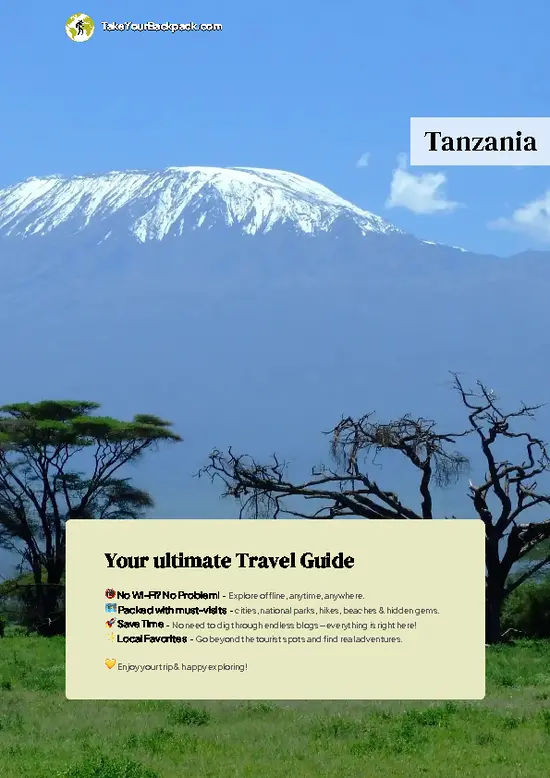
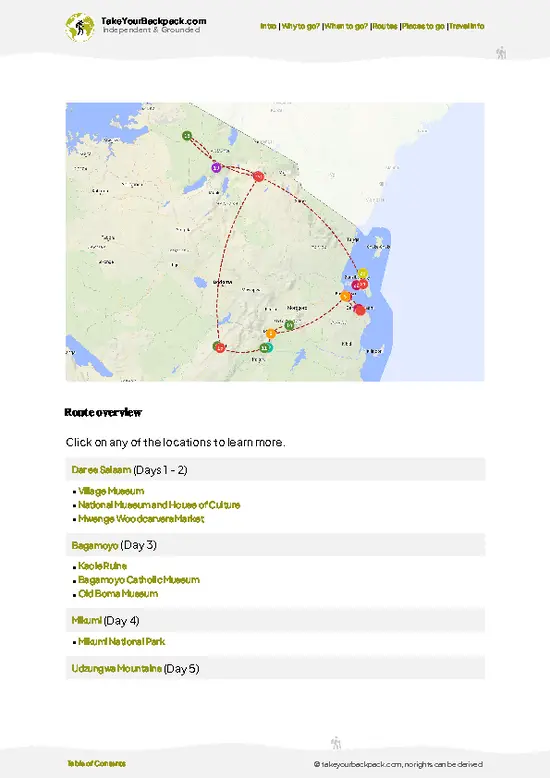
example page 0 from our offline Travel Guide for Tanzania
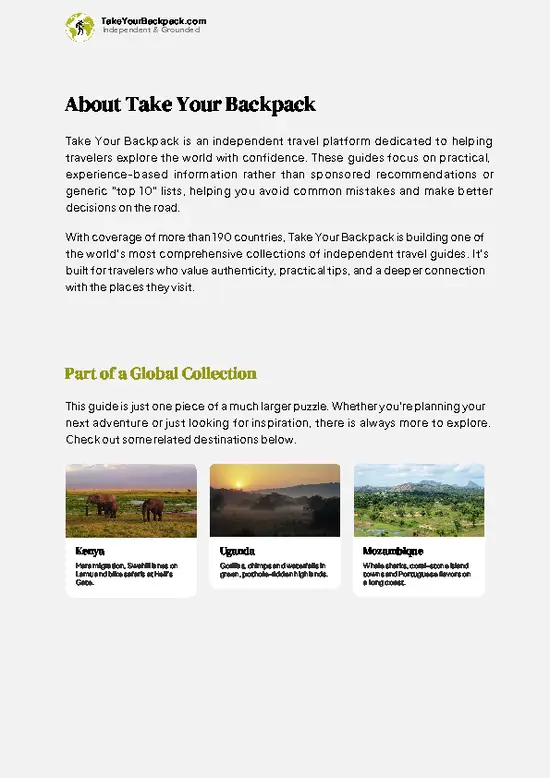
example page 1 from our offline Travel Guide for Tanzania
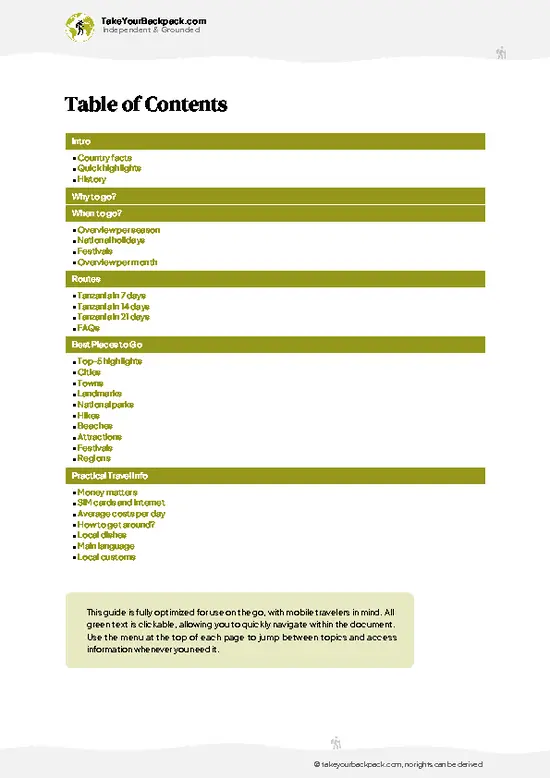
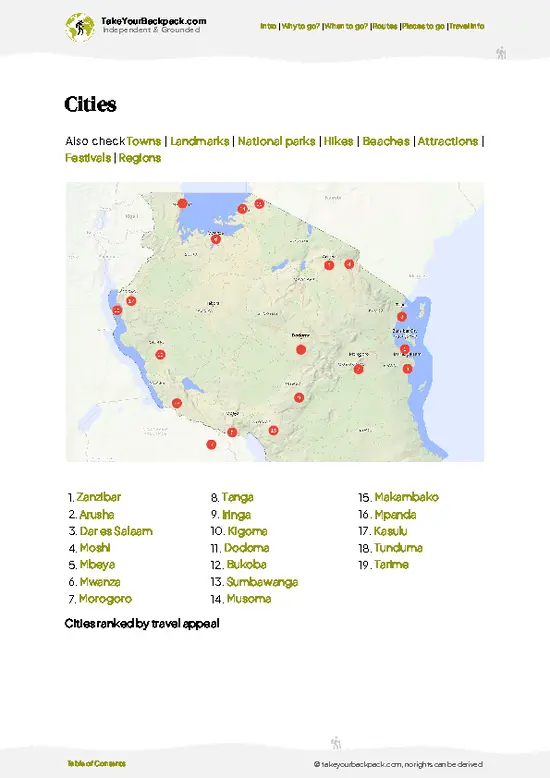
example page 2 from our offline Travel Guide for Tanzania
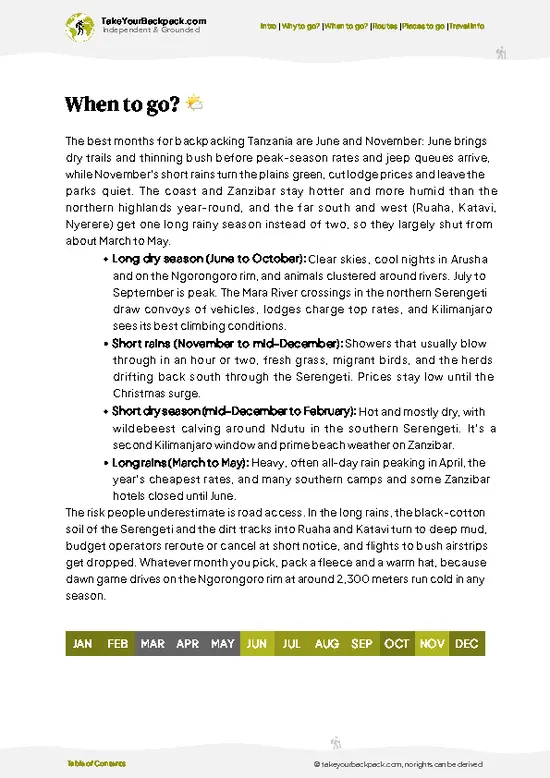
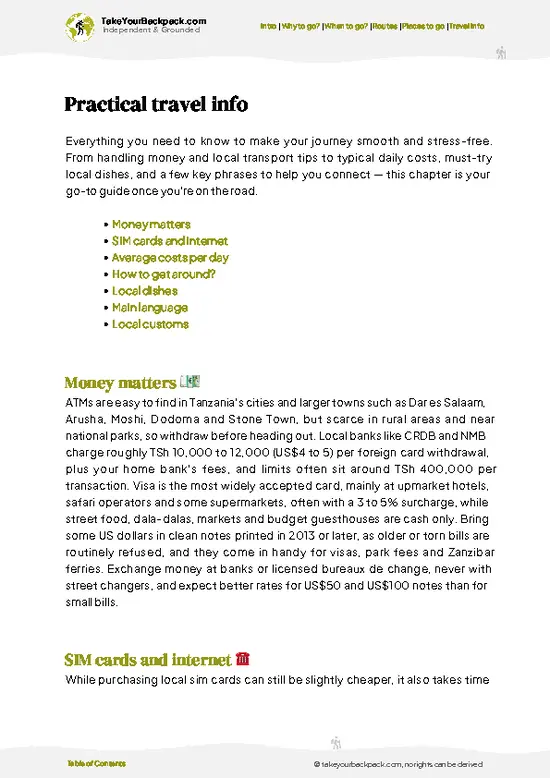
example page 3 from our offline Travel Guide for Tanzania
example page 4 from our offline Travel Guide for Tanzania
example page 5 from our offline Travel Guide for Tanzania
example page 6 from our offline Travel Guide for Tanzania
example page 7 from our offline Travel Guide for Tanzania
Loading the map 🌍
CLICK TO FILTER
cities
towns
landmarks
national parks
hikes
beaches
attractions
festivals
regions
SHOW COUNTRY’S BESTSHOW ALL

✨ Why go?
Ranked #5 beach in Tanzania
Why Kiwengwa Beach should be on your travel list

Kiwengwa Beach earns its stop for a few concrete reasons, and the first is the water. The reef sits well offshore, so the shallows stay calm and swimmable at high tide, which the exposed east coast cannot always promise. Come at low tide and the lagoon turns into a long, shallow flat where you can watch seaweed farmers working the beds, a daily routine you can see up close.

The second reason is the position. Kiwengwa Beach sits between the busier Nungwi in the north and the quieter southeast coast, so it works as a pause on a loop around Unguja. You can rest here after the dust of Stone Town and move on rested.

The third is the mangrove and forest country behind the sand. The Kiwengwa-Pongwe Forest Reserve lies just inland, so a beach day easily becomes a walk among monkeys and birds, which most resort beaches cannot offer.

💡 HighlightsWhat this place is best known for

  1. Kiwengwa Beach lagoon: The main draw is the long white strip and its shallow turquoise water. Swim at high tide and walk the sandbars at low tide, when pools form and small crabs scuttle about.
  2. Seaweed farming at low tide: Local women wade out to the lines staked across the flats and tend the crop. Watching them explains a major local livelihood, and you can ask permission before taking photos.
  3. Kiwengwa-Pongwe Forest Reserve: A patch of coastal forest just inland, with trails among coral rag woodland. Guides can point out birds, butterflies and small monkeys, and the shade is welcome after a hot beach morning.
  4. Snorkeling beyond the reef: Local boat operators run short trips to the outer reef. Fish life is decent rather than spectacular, but the clear water makes it an easy first snorkel.
  5. Sunrise
… read more 👉
  1. Kiwengwa Beach lagoon: The main draw is the long white strip and its shallow turquoise water. Swim at high tide and walk the sandbars at low tide, when pools form and small crabs scuttle about.
  2. Seaweed farming at low tide: Local women wade out to the lines staked across the flats and tend the crop. Watching them explains a major local livelihood, and you can ask permission before taking photos.
  3. Kiwengwa-Pongwe Forest Reserve: A patch of coastal forest just inland, with trails among coral rag woodland. Guides can point out birds, butterflies and small monkeys, and the shade is welcome after a hot beach morning.
  4. Snorkeling beyond the reef: Local boat operators run short trips to the outer reef. Fish life is decent rather than spectacular, but the clear water makes it an easy first snorkel.
  5. Sunrise walk along the shore: The beach faces east, so the sea lights up early and the sand is cool and nearly empty. Fishermen launch wooden boats and dhows, and you catch the coast before the sun-loungers fill.
The sunrise walk and the seaweed farming pair well in one day, since the farmers head out as the tide drops in the morning, leaving the afternoon for the forest reserve.
Spotted a mistake or missing something? Contact us.

Things to do around Kiwengwa Beach

Ratings based on Tripadvisor reviews. When you book through this link, you support our work at no extra cost to you.

🌤️ When to go?Best time to visit Kiwengwa Beach

  • Dry Season (June to October): Kiwengwa sees its calmest, sunniest weather, with highs of 28 to 30°C (82 to 86°F) and cooler nights near 20 to 22°C (68 to 72°F). Sea breezes keep afternoons comfortable, and resort prices peak in July and August.
  • Short Rains (November to December): Brief afternoon downpours clear fast, temperatures climb to 30 to 32°C (86 to 90°F), and rates drop noticeably before the holiday spike.
  • Hot Season (January to February): Dry, humid and the hottest stretch, around 31 to 33°C (88 to 91°F). Water is warm and clear, but Christmas and New Year bring the highest prices.
  • Long Rains (March to May): Heavy, steady rain, high humidity of 28 to 31°C (82 to 88°F), seaweed on the sand and many places shut or discount deeply. April and May are the quietest.
Daylight stays close to … read more 👉
  • Dry Season (June to October): Kiwengwa sees its calmest, sunniest weather, with highs of 28 to 30°C (82 to 86°F) and cooler nights near 20 to 22°C (68 to 72°F). Sea breezes keep afternoons comfortable, and resort prices peak in July and August.
  • Short Rains (November to December): Brief afternoon downpours clear fast, temperatures climb to 30 to 32°C (86 to 90°F), and rates drop noticeably before the holiday spike.
  • Hot Season (January to February): Dry, humid and the hottest stretch, around 31 to 33°C (88 to 91°F). Water is warm and clear, but Christmas and New Year bring the highest prices.
  • Long Rains (March to May): Heavy, steady rain, high humidity of 28 to 31°C (82 to 88°F), seaweed on the sand and many places shut or discount deeply. April and May are the quietest.
Daylight stays close to 12 hours all year, so plan beach days around the tides. Book ahead for July to August and the Christmas weeks.


source: climatestotravel.comJANJanuary: good for travelingFEBFebruary: good for travelingMARMarch: fair for travelingAPRApril: fair for travelingMAYMay: fair for travelingJUNJune: highly recommended for travelingJULJuly: excellent for travelingAUGAugust: excellent for travelingSEPSeptember: highly recommended for travelingOCTOctober: highly recommended for travelingNOVNovember: good for travelingDECDecember: good for traveling
when-to-go

✈️ The backpacker research shortcutTanzania Travel Guide

An offline-friendly backpacking guide with optimized travel routes, ranked highlights, transport advice, and the best areas to stay.
example page 0 from our offline Travel Guide for Tanzania
example page 1 from our offline Travel Guide for Tanzania
example page 2 from our offline Travel Guide for Tanzania
example page 3 from our offline Travel Guide for Tanzania
example page 4 from our offline Travel Guide for Tanzania
example page 5 from our offline Travel Guide for Tanzania
example page 6 from our offline Travel Guide for Tanzania
example page 7 from our offline Travel Guide for Tanzania
The digital guide (396 pages) contains:
✅ 103 highlights, ranked by travel appeal
✅ Optimized 7, 14 & 21-day travel routes
✅ Cities, national parks, landmarks, beaches
✅ How to get around
✅ Offline-friendly for travel without Wi-Fi
👉 Click to see all 30+ guide features

📅 Plan smarter in minutes, not weeks
✅ Month by month travel advice
✅ Festivals & national holidays
✅ Budget expectations

🗺️ Go to the right places, skip the overrated ones
✅ Honest pros & cons of destinations
✅ Top hikes, parks & viewpoints
✅ Lesser-known places most travelers miss
✅ Clear “worth it vs skip it” guidance

🛏️ Travel smoothly without rookie mistakes
✅ Best areas to stay
✅ Transport systems explained simply
✅ Common scams & safety advice
✅ SIM cards, money & practical tips

🌍 Understand the country, not just visit it
✅ Culture & traditions
✅ 52 Essential phrases & customs
✅ Festivals worth planning around
✅ Traveler-friendly historical context
✅ Insights that make places more meaningful

📱 Built for real travel conditions
✅ Fully downloadable PDF
✅ Works completely offline
✅ Optimized for phone use
✅ Useful in remote areas & buses
✅ Everything in one place
Stop searching, start planning
Get instant access to your full guide. 30‑day money-back guarantee.
+ Add another guide for just

By proceeding you agree to our terms.
Sent to your inbox immediately after payment • 100% Secure Checkout
Best Backpacking Travel Advisor 2025 tourism awardBest Backpacking
Travel Advisor
2025
What others say about Take Your Backpack Guides:
⭐⭐⭐⭐⭐
Fantastic, amazing amount of information!
⭐⭐⭐⭐⭐
My goodness this is amazing, it's what I've been looking for hats off too you!
⭐⭐⭐⭐⭐
I think this is absolutely BRILLIANT
⭐⭐⭐⭐
Very complete and informative. It's still missing places, but I gotta to commend you
⭐⭐⭐⭐⭐
This is truly amazing, thank you, can't wait to explore it with my kids!
⭐⭐⭐⭐⭐
Awesome resource, thank you!
⭐⭐⭐⭐⭐
This is amazing! Can't wait to explore the ones I haven't seen
⭐⭐⭐⭐
I love this! Well done, great idea.
⭐⭐⭐⭐⭐
Thanks for taking the time to make this gem!
⭐⭐⭐⭐⭐
This might be the best website I've ever seen.
⭐⭐⭐⭐⭐
Congratulations, and thank you so much for your work; it's incredibly valuable.
⭐⭐⭐⭐
In all seriousness I think you did a great job pointing out the important spots
⭐⭐⭐⭐⭐
10/10 very good
⭐⭐⭐⭐⭐
As someone who's only just starting to visit regularly this is awesome, thank you.
⭐⭐⭐⭐
Thank you very much! I'm going to visit my dad, it's going to be very useful!
⭐⭐⭐⭐⭐
This is really cool! We'll be travelling for the first time and this definitely come in handy.
⭐⭐⭐⭐⭐
You are now our minister of culture, congratulations 👨‍💼
⭐⭐⭐⭐⭐
Just wanted to tell you that this is a pearl! Going to follow your recommendations.
⭐⭐⭐⭐⭐
This is so cool. I'll definitely be using the resource for my travels soon.
⭐⭐⭐⭐⭐
This is very impressive! Good work.
⭐⭐⭐⭐⭐
This is an amazing and informative site. Very well done!

🛏️ Where to stay?Best areas to stay in Tanzania

Kiwengwa itself is mostly large all-inclusive resorts spread along the coast, so backpackers do better staying just outside the resort strip and visiting the beach by day. The village of Kiwengwa, a short walk inland from the sand, has small guesthouses and homestays at roughly US$20 to 45 a night. You get local food stalls, shops and a quiet, safe feel, though nightlife is minimal and social options are limited.

For a real hostel scene, Nungwi in the north is the best choice, with a young crowd, sunset bars, dorm beds at about US$12 to 25 and easy swimming at any tide. Paje on the southeast … read more 👉
Kiwengwa itself is mostly large all-inclusive resorts spread along the coast, so backpackers do better staying just outside the resort strip and visiting the beach by day. The village of Kiwengwa, a short walk inland from the sand, has small guesthouses and homestays at roughly US$20 to 45 a night. You get local food stalls, shops and a quiet, safe feel, though nightlife is minimal and social options are limited.

For a real hostel scene, Nungwi in the north is the best choice, with a young crowd, sunset bars, dorm beds at about US$12 to 25 and easy swimming at any tide. Paje on the southeast coast suits kitesurfers and yoga fans, with a lively beach-bar strip and many shared dorms. Stone Town works well for the first or last night, with the widest range of budget beds, cheap street food and daladala connections to every coast. Staying in Nungwi or Paje and visiting Kiwengwa on a day trip by taxi or shared minibus is the most social route.

🛡️ SafetyStaying Safe: What Travelers Should Know

Kiwengwa Beach is calm and easy for most travelers, with no notable rip currents. The sea lies inside the reef, so waves are small, but the tide changes everything. At low tide the water retreats far and leaves rocky, weedy shallows with sea urchins, so wear reef shoes if you wade. Swim at mid to high tide for the best depth. Sun is intense year-round, so cover up between late morning and mid-afternoon. Seaweed collects on the sand in some months. Beach boys sell tours and souvenirs, and a polite no with a smile usually ends it. Keep phones and cash out of sight on empty stretches, and don’t leave bags unattended on the sand. Walking back along dark paths at night is best avoided. Use a taxi after dark instead.

FAQTraveler FAQ

Most travelers reach Kiwengwa Beach by taxi from Stone Town, about 40 to 50 km northeast and roughly 1 to 1.25 hours, costing around US$35 to 50. Zanzibar airport is about 45 minutes away, with transfers at similar prices. Shared dala-dala minibuses run from Stone Town’s Darajani station toward the northeast coast for under US$2, but you’ll usually need to change and walk the last stretch.
Kiwengwa Beach is good for swimming at mid to high tide, when the reef-sheltered water is calm, warm and turquoise. Surfing is not an option because the reef kills the waves, and kitesurfers head to Paje instead. Snorkeling is possible from boat trips to nearby reef spots, costing roughly US$20 to 40 per person, since the shallows right off the sand are limited.
Kiwengwa Beach is free to visit, since all Zanzibar beaches are public up to the high-tide line. Resorts may restrict access to their sunbeds and pools, and day passes run about US$15 to 40 if you want facilities. Walking in from the village side costs nothing, and you can rent a sunbed or buy drinks from local vendors for a few dollars.
⚠️ Things can change over time, so always validate details locally before you go.

Other Tanzanian beaches near Kiwengwa Beach

Explore more nearby:

  • Matemwe—Mnemba Atoll boats, dawn snorkel, village lanes, low-tide flats| 14 km away
  • Kendwa Beach—Swimmable at any tide, west-facing sunsets, full moon nights, dive boats| 28 km away
  • Nungwi Beach—Dhow builders, northern-tip sunsets, turtle lagoon, atoll dive trips| 31 km away

💡 Not sure where to go next?
Create a personalized itinerary for Tanzania including Kiwengwa Beach and the places that fit your trip.

Generate my itinerary

👉 Discover all beaches

Or checkout all Tanzania has to offer (think cities, towns, villages, national parks, hikes, beaches, festivals)
Country photo of Tanzania

We 💚 feedbackFinal thoughts on visiting Kiwengwa Beach

Kiwengwa Beach works best as a two-night rest in the middle of an Unguja loop, tucked between Stone Town's alleys and the livelier north around Nungwi. I would pair it with a spice-farm day and bring cash, since the village shops are small. Check the tide table before planning a swim.

✍️ Help improve this page!
The information on this page is based on in-depth research, insights shared by experienced travelers, and feedback from the local travel community in Tanzania. While every effort is made to keep the information accurate and current, conditions can change — so if you spot anything incorrect or outdated, please get in touch.


🙋‍♂️ Give feedback

👋 Meet the founderWho’s Behind Take Your Backpack?

Johan, backpacker and founder of TakeYourBackpackHi, I’m Johan (Netherlands 🇳🇱), the creator of TakeYourBackpack. Over the past 3 decades, I’ve backpacked through 90+ countries across six continents, gaining extensive experience with independent travel, long-term trips, and overland routes.

This site is built on a combination of firsthand travel experience and carefully curated insights from other backpackers. Many guides are based on places I’ve personally visited, while others bring together tips, observations, and practical advice shared by trusted travelers I’ve met along the way.

The goal is to provide realistic, experience-driven guidance — not generic itineraries — so you can explore destinations with better context, clearer expectations, and more confidence.