×

Timor-Leste🇹🇱 | attractionsArte MorisWorking studios, scrap-metal sculpture, student murals, donation entry | things to do and best time to go

Explore Tais MarketExplore Cristo Rei of Dili

Backpacking in Arte Moris
👌 Worth visitingattraction ranked #8
By Johan Kruseman 🇳🇱 | Updated October 15, 2026

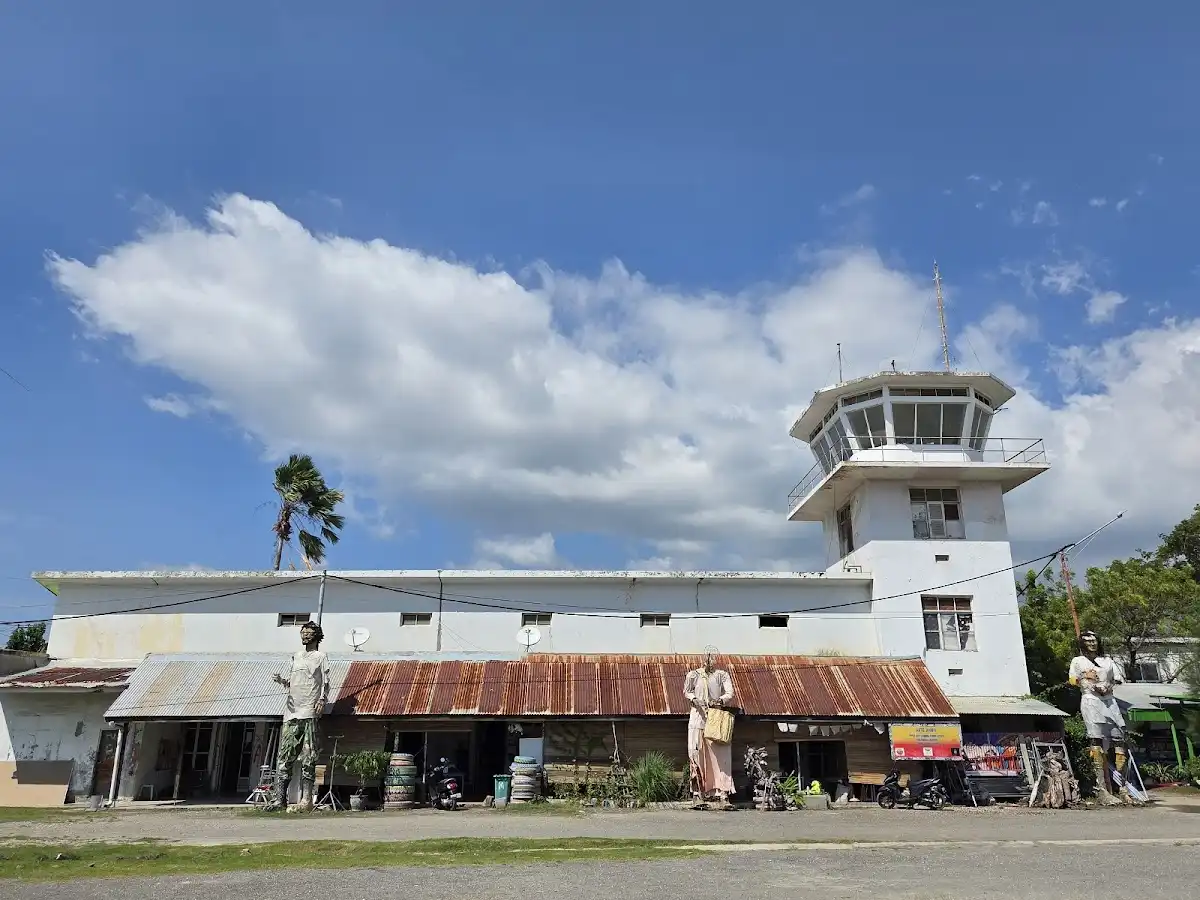
Arte Moris is a working art school with studios, not a museum with fixed opening hours and a ticket desk, so the gallery rooms change with whatever students are making. It is based in Timor-Leste’s capital, Dili, and for 18 years filled the former National Museum buildings at Comoro, west of the center, until its eviction in December 2021. Entry is free, which is the reason to go slowly and leave a donation instead of rushing through. Visit in the morning, when students are painting and the heat hasn’t peaked, and ask to see the studios rather than only the front gallery. Expect no polish: tin roofs ticking in the sun, the smell of paint and drying wood, hand-carved doors. Outside, a rusty sculpture of recycled scrap stands watch over the yard.

Discover everything you want to know in the 📖 Timor-Leste Travel Guide.


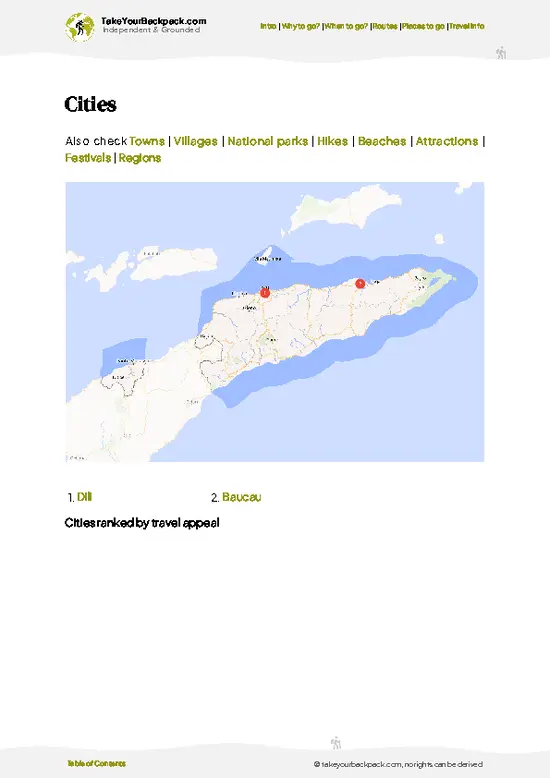
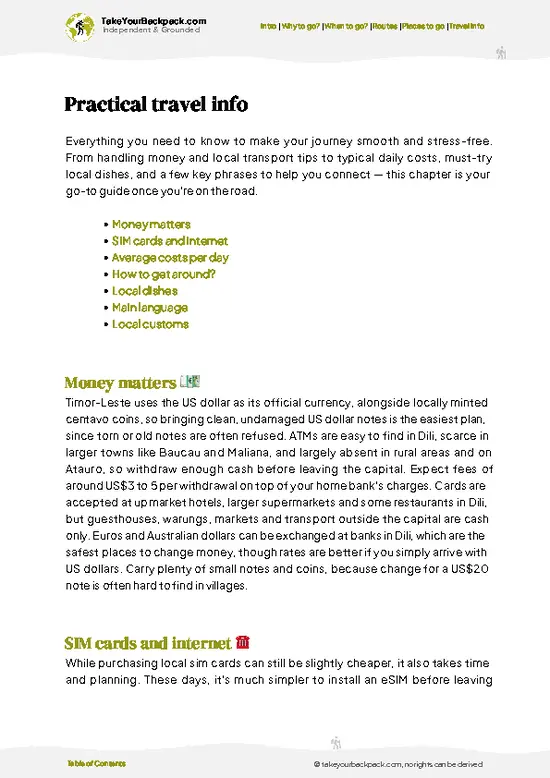
example page 0 from our offline Travel Guide for Timor-Leste
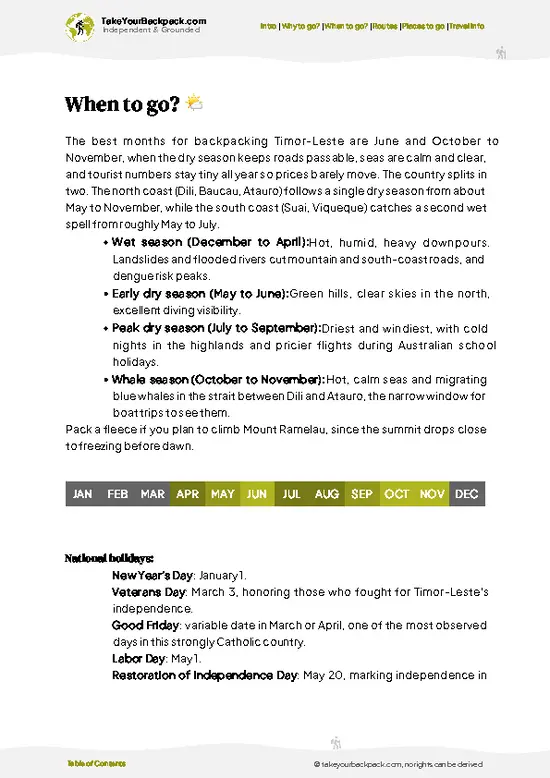
example page 1 from our offline Travel Guide for Timor-Leste
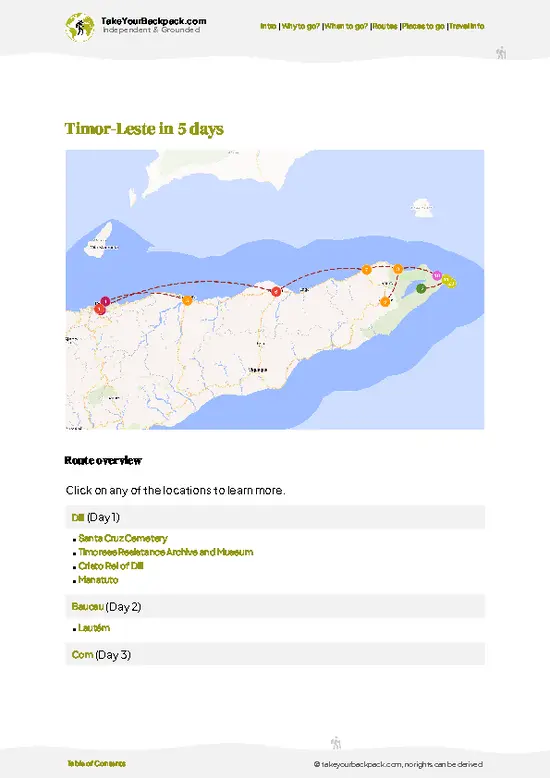
example page 2 from our offline Travel Guide for Timor-Leste
example page 3 from our offline Travel Guide for Timor-Leste
example page 4 from our offline Travel Guide for Timor-Leste
example page 5 from our offline Travel Guide for Timor-Leste
example page 6 from our offline Travel Guide for Timor-Leste
example page 7 from our offline Travel Guide for Timor-Leste
Loading the map 🌍
CLICK TO FILTER
cities
towns
villages
national parks
hikes
beaches
attractions
festivals
regions
SHOW COUNTRY’S BESTSHOW ALL

✨ Why go?
Ranked #8 attraction in Timor-Leste
The unique appeal for travelers

Arte Moris, “Free Art School” in Tetum, opened after independence to give young Timorese a place to express what they had lived through. It is one of the few places in Dili where you hear the post-conflict generation speak for itself through paint, sculpture and installation instead of through a guide’s script.
You also meet the makers. Students and teachers work in open studios, so you can ask about a canvas and get an answer from the person holding the brush. That beats any wall label.
For a milestone in your route, it pairs well with the Resistance Museum and the Tais Market, filling in the cultural picture that traditional tais weaving and Fretilin-era history only sketch. Buying a small piece sends money directly to the artist.

💡 HighlightsKey sights and experiences for travelers

  1. The main gallery: the front rooms hold rotating student and alumni work, often large paintings on the independence struggle and daily village life, with colors that hit hard in the tropical light.
  2. Open studios: you can watch students painting, carving and printing, and conversation is welcome. This is the best part of the visit.
  3. Scrap and recycled sculptures: metal, wood and found objects are welded or lashed into figures and installations around the grounds.
  4. Murals and painted walls: the buildings and courtyard carry bold wall art, including traditional motifs reworked in contemporary styles.
  5. Woodcarving and tais-inspired pieces: look for carved panels and works that borrow Timorese patterns and symbols such as the uma lulik house shape.
  6. The art shop corner: small paintings, prints and cards are
… read more 👉
  1. The main gallery: the front rooms hold rotating student and alumni work, often large paintings on the independence struggle and daily village life, with colors that hit hard in the tropical light.
  2. Open studios: you can watch students painting, carving and printing, and conversation is welcome. This is the best part of the visit.
  3. Scrap and recycled sculptures: metal, wood and found objects are welded or lashed into figures and installations around the grounds.
  4. Murals and painted walls: the buildings and courtyard carry bold wall art, including traditional motifs reworked in contemporary styles.
  5. Woodcarving and tais-inspired pieces: look for carved panels and works that borrow Timorese patterns and symbols such as the uma lulik house shape.
  6. The art shop corner: small paintings, prints and cards are sold at modest prices, and the money goes to the artists and the school.
  7. Performance and workshop spaces: the school has hosted theater, music and film evenings, and the open yard is where they happen when scheduled. Ask at the gate what is coming up.
Allow about one to two hours for everything, longer if you get pulled into a studio conversation.
Spotted a mistake or missing something? Contact us.

Things to do near Arte Moris

Ratings based on Tripadvisor reviews. When you book through this link, you support our work at no extra cost to you.

🌤️ When to go?Best time to visit Arte Moris

The dry season, May to November, is the easiest time to visit Arte Moris in Comoro, on the western edge of Dili.
  • Dry Season (May to November): Days run 29 to 33°C (84 to 91°F) with little rain, so the open-air studios, sculpture yard and murals are comfortable to browse. Sunrise is near 6:30 a.m. and sunset near 6:30 p.m. Visitor numbers are small, though flights and beds tighten a little around August and the late-year holidays.
  • Wet Season (December to April): Afternoon downpours are common, with humidity high and temperatures of 27 to 32°C (81 to 90°F). Roads in Comoro can flood briefly, and some studios and workshops close when it rains. Rooms are easier to find and cheaper.
  • Independence and Culture Weeks: Exhibitions and performances cluster around May 20 and Independence-related dates, when
… read more 👉
The dry season, May to November, is the easiest time to visit Arte Moris in Comoro, on the western edge of Dili.
  • Dry Season (May to November): Days run 29 to 33°C (84 to 91°F) with little rain, so the open-air studios, sculpture yard and murals are comfortable to browse. Sunrise is near 6:30 a.m. and sunset near 6:30 p.m. Visitor numbers are small, though flights and beds tighten a little around August and the late-year holidays.
  • Wet Season (December to April): Afternoon downpours are common, with humidity high and temperatures of 27 to 32°C (81 to 90°F). Roads in Comoro can flood briefly, and some studios and workshops close when it rains. Rooms are easier to find and cheaper.
  • Independence and Culture Weeks: Exhibitions and performances cluster around May 20 and Independence-related dates, when the art school sometimes hosts open events.
Come on a weekday morning, when students are working and the heat is gentler.


source: climatestotravel.comJANJanuary: fair for travelingFEBFebruary: fair for travelingMARMarch: fair for travelingAPRApril: fair for travelingMAYMay: excellent for travelingJUNJune: excellent for travelingJULJuly: highly recommended for travelingAUGAugust: highly recommended for travelingSEPSeptember: excellent for travelingOCTOctober: excellent for travelingNOVNovember: fair for travelingDECDecember: good for traveling
timor-leste-attraction-arte-moris
© Google |

✈️ The backpacker research shortcutTimor-Leste Travel Guide

An offline-friendly backpacking guide with optimized travel routes, ranked highlights, transport advice, and the best areas to stay.
example page 0 from our offline Travel Guide for Timor-Leste
example page 1 from our offline Travel Guide for Timor-Leste
example page 2 from our offline Travel Guide for Timor-Leste
example page 3 from our offline Travel Guide for Timor-Leste
example page 4 from our offline Travel Guide for Timor-Leste
example page 5 from our offline Travel Guide for Timor-Leste
example page 6 from our offline Travel Guide for Timor-Leste
example page 7 from our offline Travel Guide for Timor-Leste
The digital guide (171 pages) contains:
✅ 46 highlights, ranked by travel appeal
✅ Optimized 2, 3 & 5-day travel routes
✅ Cities, national parks, landmarks, beaches
✅ How to get around
✅ Offline-friendly for travel without Wi-Fi
👉 Click to see all 30+ guide features

📅 Plan smarter in minutes, not weeks
✅ Month by month travel advice
✅ Festivals & national holidays
✅ Budget expectations

🗺️ Go to the right places, skip the overrated ones
✅ Honest pros & cons of destinations
✅ Top hikes, parks & viewpoints
✅ Lesser-known places most travelers miss
✅ Clear “worth it vs skip it” guidance

🛏️ Travel smoothly without rookie mistakes
✅ Best areas to stay
✅ Transport systems explained simply
✅ Common scams & safety advice
✅ SIM cards, money & practical tips

🌍 Understand the country, not just visit it
✅ Culture & traditions
✅ 52 Essential phrases & customs
✅ Festivals worth planning around
✅ Traveler-friendly historical context
✅ Insights that make places more meaningful

📱 Built for real travel conditions
✅ Fully downloadable PDF
✅ Works completely offline
✅ Optimized for phone use
✅ Useful in remote areas & buses
✅ Everything in one place
Stop searching, start planning
Get instant access to your full guide. 30‑day money-back guarantee.
+ Add another guide for just

By proceeding you agree to our terms.
Sent to your inbox immediately after payment • 100% Secure Checkout
Best Backpacking Travel Advisor 2025 tourism awardBest Backpacking
Travel Advisor
2025
What others say about Take Your Backpack Guides:
⭐⭐⭐⭐⭐
Fantastic, amazing amount of information!
⭐⭐⭐⭐⭐
My goodness this is amazing, it's what I've been looking for hats off too you!
⭐⭐⭐⭐⭐
I think this is absolutely BRILLIANT
⭐⭐⭐⭐
Very complete and informative. It's still missing places, but I gotta to commend you
⭐⭐⭐⭐⭐
This is truly amazing, thank you, can't wait to explore it with my kids!
⭐⭐⭐⭐⭐
Awesome resource, thank you!
⭐⭐⭐⭐⭐
This is amazing! Can't wait to explore the ones I haven't seen
⭐⭐⭐⭐
I love this! Well done, great idea.
⭐⭐⭐⭐⭐
Thanks for taking the time to make this gem!
⭐⭐⭐⭐⭐
This might be the best website I've ever seen.
⭐⭐⭐⭐⭐
Congratulations, and thank you so much for your work; it's incredibly valuable.
⭐⭐⭐⭐
In all seriousness I think you did a great job pointing out the important spots
⭐⭐⭐⭐⭐
10/10 very good
⭐⭐⭐⭐⭐
As someone who's only just starting to visit regularly this is awesome, thank you.
⭐⭐⭐⭐
Thank you very much! I'm going to visit my dad, it's going to be very useful!
⭐⭐⭐⭐⭐
This is really cool! We'll be travelling for the first time and this definitely come in handy.
⭐⭐⭐⭐⭐
You are now our minister of culture, congratulations 👨‍💼
⭐⭐⭐⭐⭐
Just wanted to tell you that this is a pearl! Going to follow your recommendations.
⭐⭐⭐⭐⭐
This is so cool. I'll definitely be using the resource for my travels soon.
⭐⭐⭐⭐⭐
This is very impressive! Good work.
⭐⭐⭐⭐⭐
This is an amazing and informative site. Very well done!

🛏️ Where to stay?How to pick the right area

Stay in central Dili, around the waterfront Avenida de Portugal and the Farol and Colmera districts, then reach Arte Moris by a short microlet or taxi ride west.
This stretch has the greatest concentration of backpacker-friendly guesthouses and hostels, so you will find other solo travelers, easy sharing of rides, and cheap eateries within walking distance. The seafront promenade is flat, lit at night, and busy with joggers and food stalls in the evening, which makes returning after dark feel straightforward.
Farol is quieter and greener, a good pick if you want sleep over socializing. Colmera is … read more 👉
Stay in central Dili, around the waterfront Avenida de Portugal and the Farol and Colmera districts, then reach Arte Moris by a short microlet or taxi ride west.
This stretch has the greatest concentration of backpacker-friendly guesthouses and hostels, so you will find other solo travelers, easy sharing of rides, and cheap eateries within walking distance. The seafront promenade is flat, lit at night, and busy with joggers and food stalls in the evening, which makes returning after dark feel straightforward.
Farol is quieter and greener, a good pick if you want sleep over socializing. Colmera is closer to the markets, bakeries and money changers, but louder.
Comoro, the neighborhood right around the school, has a few simple rooms and sits near the airport, which suits an early flight. It has fewer cafes and little nightlife, so it works better as a short stop than a base.
Avoid wandering unlit side streets late at night, and use a taxi for the ride home.

👛 Costs (as of 15 October 2026)Money, prices, and spending tips

Budget about US$29 to 66 a day in Dili with a visit to Arte Moris, since entry to the school and gallery is free or by small donation. Timor-Leste uses the US dollar.
CategoryBudget RangeLocal Reality
Entry to Arte MorisUS$0 to 2Browsing is free; a small donation is welcomed, and artworks and prints are for sale.
Accommodation (high season)US$15 to 25Dorm beds or basic private rooms in central Dili, often with fan or air-conditioning at the higher end.
FoodUS$6 to 12Warung rice plates cost US$2 to 4; restaurants on the waterfront run US$8 to 15 a main.
Local transportUS$1 to 8Microlets cost about US$0.25 to 0.50 a ride; taxis from the center to Comoro are roughly US$3 to 6.
Art and souvenirsUS$5 to 15Small paintings, prints and tais cloth; larger pieces cost more.
Water and extrasUS$2 to 4Bottled
… read more 👉
Budget about US$29 to 66 a day in Dili with a visit to Arte Moris, since entry to the school and gallery is free or by small donation. Timor-Leste uses the US dollar.
CategoryBudget RangeLocal Reality
Entry to Arte MorisUS$0 to 2Browsing is free; a small donation is welcomed, and artworks and prints are for sale.
Accommodation (high season)US$15 to 25Dorm beds or basic private rooms in central Dili, often with fan or air-conditioning at the higher end.
FoodUS$6 to 12Warung rice plates cost US$2 to 4; restaurants on the waterfront run US$8 to 15 a main.
Local transportUS$1 to 8Microlets cost about US$0.25 to 0.50 a ride; taxis from the center to Comoro are roughly US$3 to 6.
Art and souvenirsUS$5 to 15Small paintings, prints and tais cloth; larger pieces cost more.
Water and extrasUS$2 to 4Bottled water and coffee stops.
Total Daily BudgetUS$29 to 66Lower end if you skip purchases and use microlets.
⚠️ Prices can change and everyone travels differently, so take this as a rough guide. Hope it helps you plan your adventure!

FAQCommon questions from travelers

Plan 1 to 2 hours for Arte Moris, which is enough to walk the studios, sculpture yard and gallery and talk to students. Add another hour if you want to join a workshop or catch a performance. It pairs easily with a half-day in Dili.
Yes, because entry is free or by small donation, so the real question is how much you spend on art. The school is a former Indonesian-era building turned into a student-run studio, with murals, sculpture and painting by local artists. Buying a print or small painting for US$5 to 20 supports the program directly.
Arte Moris sits in Comoro, about 15 to 20 minutes west of central Dili. A taxi from the waterfront costs roughly US$3 to 6, and microlets heading toward Comoro and the airport cost around US$0.25 to 0.50. The airport is under 10 minutes away, so you can visit on arrival day.
⚠️ Things can change over time, so always validate details locally before you go.

Other Timorese attractions near Arte Moris

Explore more nearby:

  • Immaculate Conception Cathedral—Twin towers, cool nave, Sunday Mass, candle corners| 1 km away
  • Tais Market—Tais feto and mane, regional motifs, backstrap weavers, kaibauk jewelry| 1 km away
  • Motael Church—Whitewashed chapel, 1989 papal visit, Sebastião Gomes memorial, shaded churchyard| 1 km away

💡 Not sure where to go next?
Create a personalized itinerary for Timor-Leste including Arte Moris and the places that fit your trip.

Generate my itinerary

👉 Discover all attractions

Or checkout all Timor-Leste has to offer (think cities, towns, villages, national parks, hikes, beaches, festivals)
Country photo of Timor-Leste

We 💚 feedbackWhat to keep in mind

This place suits curious travelers who like talking to makers more than reading wall text, and anyone who wants Dili beyond memorials. Bring small cash for a print or a donation, and go early in the week when students are in the studios.

✍️ Help improve this page!
The information on this page is based on in-depth research, insights shared by experienced travelers, and feedback from the local travel community in Timor-Leste. While every effort is made to keep the information accurate and current, conditions can change — so if you spot anything incorrect or outdated, please get in touch.


🙋‍♂️ Give feedback

👋 Meet the founderWho’s Behind Take Your Backpack?

Johan, backpacker and founder of TakeYourBackpackHi, I’m Johan (Netherlands 🇳🇱), the creator of TakeYourBackpack. Over the past 3 decades, I’ve backpacked through 90+ countries across six continents, gaining extensive experience with independent travel, long-term trips, and overland routes.

This site is built on a combination of firsthand travel experience and carefully curated insights from other backpackers. Many guides are based on places I’ve personally visited, while others bring together tips, observations, and practical advice shared by trusted travelers I’ve met along the way.

The goal is to provide realistic, experience-driven guidance — not generic itineraries — so you can explore destinations with better context, clearer expectations, and more confidence.