
×

Trinidad and Tobago🇹🇹 | attractionsFort King George Museumhilltop fortifications, colonial relics, panoramic sea views, Tobago history | things to do and best time to go

Explore Pigeon Point Heritage ParkExplore Tobago Museum

Backpacking in Fort King George Museum
By Johan Kruseman 🇳🇱 | Updated October 23, 2026

A salty breeze cuts through the midday heat as you grip the cool, pockmarked cannon, its iron slick with the sweat of centuries. Below, the roofs of Scarborough sprawl toward the sea, and the air is thick with the scent of wet grass and old stone. You hear the scrape of your boots on the uneven ramparts—no velvet ropes, no glossy placards, just the echo of your own footsteps and the distant cackle of a kiskadee.

Fort King George Museum sits on a bluff above Tobago’s capital, Scarborough, and it’s the rare Caribbean fort that feels more lived-in than staged. Here’s the truth: you won’t find crowds jostling for selfies, and the entry fee is pocket change compared to the price of a rum punch on Store Bay. The museum’s colonial relics are battered but real, and the view alone is worth the climb. It’s not adrenaline, but it is atmosphere—raw, unpolished, and honest. If you want spectacle, head for Nylon Pool. If you want to feel the pulse of Tobago’s tangled history, this is where you stand still and listen.

Discover everything you want to know in the 📖 Trinidad and Tobago Travel Guide.


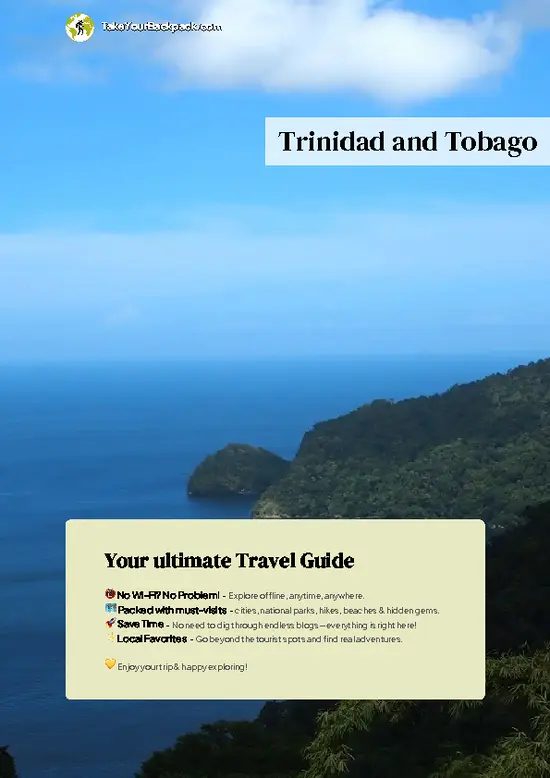
example page 0 from our offline Travel Guide for Trinidad and Tobago
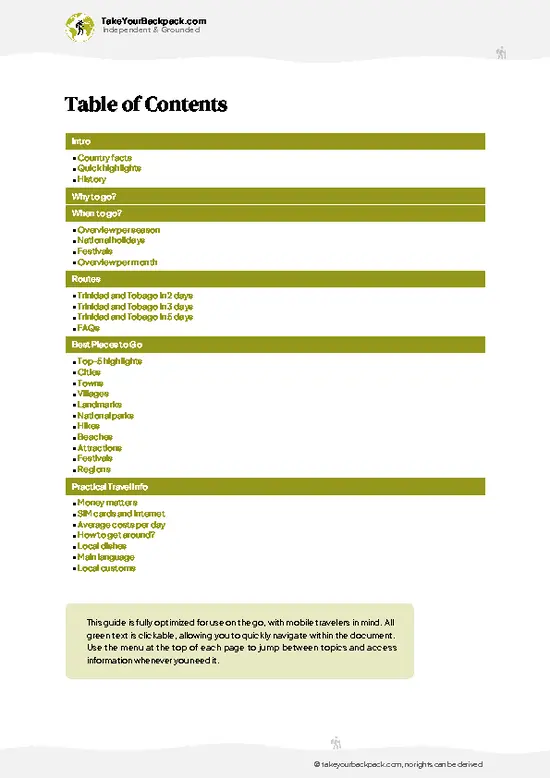
example page 1 from our offline Travel Guide for Trinidad and Tobago
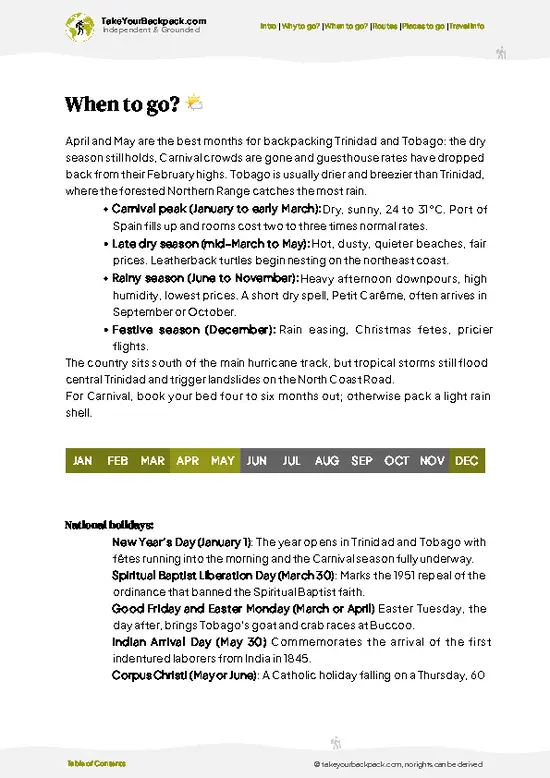
example page 2 from our offline Travel Guide for Trinidad and Tobago
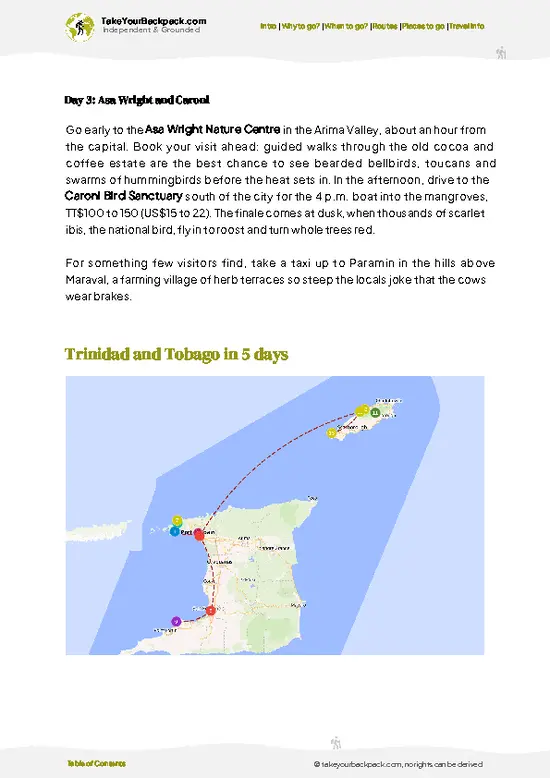
example page 3 from our offline Travel Guide for Trinidad and Tobago
example page 4 from our offline Travel Guide for Trinidad and Tobago
example page 5 from our offline Travel Guide for Trinidad and Tobago
example page 6 from our offline Travel Guide for Trinidad and Tobago
example page 7 from our offline Travel Guide for Trinidad and Tobago
Loading the map 🌍
CLICK TO FILTER
cities
towns
villages
landmarks
national parks
hikes
beaches
attractions
festivals
regions
SHOW COUNTRY’S BESTSHOW ALL

✨ Why go?
Ranked #99 attraction in Trinidad and Tobago
What makes this attraction worth visiting

Fort King George Museum in Trinidad and Tobago isn’t just another photo op on the tourist trail—it’s a checkpoint where history slaps you in the face with raw authenticity. Sure, it’s not a secret hideaway; expect crowds, especially during peak hours. But here’s the kicker: this place is a living archive of colonial power plays, military grit, and the complex cultural mash-up that shaped Trinidad. The fort itself, perched on a hill overlooking Scarborough, offers more than just views—it’s a tangible link to the 18th-century struggles between European empires and the resilience of local communities.

Backpackers who carve out time for Fort King George aren’t just ticking a box; they’re diving into a deep well of stories that textbooks skim over. The museum’s exhibits don’t sugarcoat the past—they … read more 👉
Fort King George Museum in Trinidad and Tobago isn’t just another photo op on the tourist trail—it’s a checkpoint where history slaps you in the face with raw authenticity. Sure, it’s not a secret hideaway; expect crowds, especially during peak hours. But here’s the kicker: this place is a living archive of colonial power plays, military grit, and the complex cultural mash-up that shaped Trinidad. The fort itself, perched on a hill overlooking Scarborough, offers more than just views—it’s a tangible link to the 18th-century struggles between European empires and the resilience of local communities.

Backpackers who carve out time for Fort King George aren’t just ticking a box; they’re diving into a deep well of stories that textbooks skim over. The museum’s exhibits don’t sugarcoat the past—they lay out the brutal realities of slavery, colonial warfare, and the island’s strategic importance. It’s a heavy dose of history, but one that rewards effort with a richer understanding of Trinidad’s identity.

For anyone trekking through Tobago, this stop is a major milestone. It’s a place where you can catch your breath, soak in panoramic views, and recalibrate your journey with a sense of place that no beach or jungle trail can match. The adrenaline here isn’t from adrenaline sports—it’s from confronting history head-on.

💡 HighlightsWhat this place is best known for

The Cannon-Lined Ramparts
Let’s get real: you’re not coming here for a sterile museum behind glass. The old stone ramparts, still bristling with cannons, are the real draw. Climb up, run your hands over the pitted iron, and look out over Scarborough’s harbor. The view is a punch of blue and green, but the real thrill is imagining the centuries of tension—French, British, pirates—who all wanted this hilltop. It’s not a sanitized diorama; it’s the bones of colonial ambition, and you’re standing right on top of it.


The Officer’s Quarters
Skip the Instagram pose and actually step inside. The restored Officer’s Quarters are a rare survivor—most Caribbean forts are just shells, but here you get a sense of how the British lived: creaky floorboards, thick walls, and a whiff of old wood and salt air. … read more 👉
The Cannon-Lined Ramparts
Let’s get real: you’re not coming here for a sterile museum behind glass. The old stone ramparts, still bristling with cannons, are the real draw. Climb up, run your hands over the pitted iron, and look out over Scarborough’s harbor. The view is a punch of blue and green, but the real thrill is imagining the centuries of tension—French, British, pirates—who all wanted this hilltop. It’s not a sanitized diorama; it’s the bones of colonial ambition, and you’re standing right on top of it.


The Officer’s Quarters
Skip the Instagram pose and actually step inside. The restored Officer’s Quarters are a rare survivor—most Caribbean forts are just shells, but here you get a sense of how the British lived: creaky floorboards, thick walls, and a whiff of old wood and salt air. The exhibits are straightforward, not flashy, but the real entertainment is picturing the daily grind of colonial officers sweating through their uniforms, plotting over rum, and watching the horizon for trouble.


The Prison Cells
Dark, cramped, and absolutely not designed for comfort. These stone cells are a gut-punch reminder that history isn’t all uniforms and parades. Step inside and you’ll feel the temperature drop. The graffiti scratched into the walls is still visible—names, dates, desperate messages. It’s not pretty, but it’s honest, and it’s the kind of detail that sticks with you long after you leave.


The Signal Station
This isn’t just a lookout; it was the nerve center for the whole island. The Signal Station’s location is strategic genius—on a clear day, you can see for miles. Imagine relaying urgent messages with flags and lanterns, knowing that a single mistake could mean disaster. Today, it’s a killer spot for photos, but it’s also a reminder of how high the stakes were in the age before cell towers and satellites.


The Cemetery
Most visitors breeze past, but the small cemetery is where the fort’s story gets personal. Weathered headstones, some barely legible, mark the final resting place of soldiers, officers, and even their families. It’s quiet, a little overgrown, and deeply humanizing. If you want to connect with the real people behind the uniforms, this is where you do it.


The Museum’s Artifacts
Don’t expect a blockbuster collection, but what’s here is authentic: muskets, uniforms, maps, and tools that were actually used on this hill. The best pieces aren’t behind velvet ropes—they’re right there, close enough to study. It’s a tactile, unvarnished look at the daily life of the fort, and it’s refreshingly free of hype.


The View at Sunset
Forget the midday crowds and come late. As the sun drops, the fort empties out and the light turns golden. The harbor glows, the breeze picks up, and for a few minutes, you get the place almost to yourself. It’s not a secret, but it feels like one. That’s the real magic—history, landscape, and a moment of peace, all rolled into one.
Spotted a mistake or missing something? Contact us.

Things to do around Fort King George Museum

Ratings based on Tripadvisor reviews. When you book through this link, you support our work at no extra cost to you.

🌤️ When to go?Weather, crowds, and seasonal trade-offs

  • Topic: Weather and Temperature - The best time to visit Fort King George Museum is during the dry season, from January to May. Temperatures hover around 24-31°C (75-88°F), making it comfortable for exploring without the oppressive humidity and sudden downpours typical of the wet season from June to December.
  • Topic: Daylight Hours - Daylight is fairly consistent year-round, roughly 11 to 12 hours, but visiting in the dry season means clearer skies and more reliable sunlight, which helps when you want to take in the panoramic views from the fort’s ramparts.
  • Topic: Crowds - Expect fewer tourists between September and November, but that’s also the wet season, so you might trade crowds for mud and rain. The dry season, especially around Easter and Christmas, draws more visitors, so plan accordingly
… read more 👉
  • Topic: Weather and Temperature - The best time to visit Fort King George Museum is during the dry season, from January to May. Temperatures hover around 24-31°C (75-88°F), making it comfortable for exploring without the oppressive humidity and sudden downpours typical of the wet season from June to December.
  • Topic: Daylight Hours - Daylight is fairly consistent year-round, roughly 11 to 12 hours, but visiting in the dry season means clearer skies and more reliable sunlight, which helps when you want to take in the panoramic views from the fort’s ramparts.
  • Topic: Crowds - Expect fewer tourists between September and November, but that’s also the wet season, so you might trade crowds for mud and rain. The dry season, especially around Easter and Christmas, draws more visitors, so plan accordingly if you want a quieter experience.
  • Topic: Seasonal Activities - The dry months coincide with local festivals and cultural events in Tobago, adding layers of authentic experience beyond the museum itself. The wet season sees fewer events, and some outdoor activities might be limited.
  • Topic: Price Fluctuations - Accommodation and flights peak in the dry season, especially from December to April. Visiting just before or after this window can save money, but be ready for a bit more humidity and occasional showers.
Pro-tip: Aim for late January to early March—sweet spot for good weather, manageable crowds, and a chance to catch local culture without the premium prices of peak holiday periods.


source: climatestotravel.comJANJanuary: excellent for travelingFEBFebruary: excellent for travelingMARMarch: excellent for travelingAPRApril: highly recommended for travelingMAYMay: highly recommended for travelingJUNJune: fair for travelingJULJuly: fair for travelingAUGAugust: fair for travelingSEPSeptember: good for travelingOCTOctober: good for travelingNOVNovember: good for travelingDECDecember: highly recommended for traveling
when-to-go

✈️ The backpacker research shortcutTrinidad and Tobago Travel Guide

An offline-friendly backpacking guide with optimized travel routes, ranked highlights, transport advice, and the best areas to stay.
example page 0 from our offline Travel Guide for Trinidad and Tobago
example page 1 from our offline Travel Guide for Trinidad and Tobago
example page 2 from our offline Travel Guide for Trinidad and Tobago
example page 3 from our offline Travel Guide for Trinidad and Tobago
example page 4 from our offline Travel Guide for Trinidad and Tobago
example page 5 from our offline Travel Guide for Trinidad and Tobago
example page 6 from our offline Travel Guide for Trinidad and Tobago
example page 7 from our offline Travel Guide for Trinidad and Tobago
The digital guide (222 pages) contains:
✅ 58 highlights, ranked by travel appeal
✅ Optimized 2, 3 & 5-day travel routes
✅ Cities, national parks, landmarks, beaches
✅ How to get around
✅ Offline-friendly for travel without Wi-Fi
👉 Click to see all 30+ guide features

📅 Plan smarter in minutes, not weeks
✅ Month by month travel advice
✅ Festivals & national holidays
✅ Budget expectations

🗺️ Go to the right places, skip the overrated ones
✅ Honest pros & cons of destinations
✅ Top hikes, parks & viewpoints
✅ Lesser-known places most travelers miss
✅ Clear “worth it vs skip it” guidance

🛏️ Travel smoothly without rookie mistakes
✅ Best areas to stay
✅ Transport systems explained simply
✅ Common scams & safety advice
✅ SIM cards, money & practical tips

🌍 Understand the country, not just visit it
✅ Culture & traditions
✅ Local customs
✅ Festivals worth planning around
✅ Traveler-friendly historical context
✅ Insights that make places more meaningful

📱 Built for real travel conditions
✅ Fully downloadable PDF
✅ Works completely offline
✅ Optimized for phone use
✅ Useful in remote areas & buses
✅ Everything in one place
Stop searching, start planning
Get instant access to your full guide. 30‑day money-back guarantee.
+ Add another guide for just

By proceeding you agree to our terms.
Sent to your inbox immediately after payment • 100% Secure Checkout
Best Backpacking Travel Advisor 2025 tourism awardBest Backpacking
Travel Advisor
2025
What others say about Take Your Backpack Guides:
⭐⭐⭐⭐⭐
Fantastic, amazing amount of information!
⭐⭐⭐⭐⭐
My goodness this is amazing, it's what I've been looking for hats off too you!
⭐⭐⭐⭐⭐
I think this is absolutely BRILLIANT
⭐⭐⭐⭐
Very complete and informative. It's still missing places, but I gotta to commend you
⭐⭐⭐⭐⭐
This is truly amazing, thank you, can't wait to explore it with my kids!
⭐⭐⭐⭐⭐
Awesome resource, thank you!
⭐⭐⭐⭐⭐
This is amazing! Can't wait to explore the ones I haven't seen
⭐⭐⭐⭐
I love this! Well done, great idea.
⭐⭐⭐⭐⭐
Thanks for taking the time to make this gem!
⭐⭐⭐⭐⭐
This might be the best website I've ever seen.
⭐⭐⭐⭐⭐
Congratulations, and thank you so much for your work; it's incredibly valuable.
⭐⭐⭐⭐
In all seriousness I think you did a great job pointing out the important spots
⭐⭐⭐⭐⭐
10/10 very good
⭐⭐⭐⭐⭐
As someone who's only just starting to visit regularly this is awesome, thank you.
⭐⭐⭐⭐
Thank you very much! I'm going to visit my dad, it's going to be very useful!
⭐⭐⭐⭐⭐
This is really cool! We'll be travelling for the first time and this definitely come in handy.
⭐⭐⭐⭐⭐
You are now our minister of culture, congratulations 👨‍💼
⭐⭐⭐⭐⭐
Just wanted to tell you that this is a pearl! Going to follow your recommendations.
⭐⭐⭐⭐⭐
This is so cool. I'll definitely be using the resource for my travels soon.
⭐⭐⭐⭐⭐
This is very impressive! Good work.
⭐⭐⭐⭐⭐
This is an amazing and informative site. Very well done!

🛏️ Where to stay?Where staying makes the most sense

If you’re backpacking near Fort King George Museum in Tobago, brace yourself: this isn’t a place swarming with party crowds or flashy hostels. The reality is quieter, more laid-back, and honestly, that’s where the charm lies. The best spots to crash are in the Scarborough area, the island’s capital, just a short walk from the fort. Scarborough isn’t a backpacker mecca like some global hotspots, but it’s safe, easy to navigate, and has a handful of budget guesthouses and small inns where you can meet fellow travelers without the chaos of a big hostel.

Staying in Scarborough means you’re close … read more 👉
If you’re backpacking near Fort King George Museum in Tobago, brace yourself: this isn’t a place swarming with party crowds or flashy hostels. The reality is quieter, more laid-back, and honestly, that’s where the charm lies. The best spots to crash are in the Scarborough area, the island’s capital, just a short walk from the fort. Scarborough isn’t a backpacker mecca like some global hotspots, but it’s safe, easy to navigate, and has a handful of budget guesthouses and small inns where you can meet fellow travelers without the chaos of a big hostel.

Staying in Scarborough means you’re close to local markets, street food stalls, and the pulse of everyday Tobago life. It’s social in a low-key way—think chatting over doubles or sorrel at a roadside stand, not loud dorm parties. The vibe is genuine, and you get to soak in the island’s culture beyond the museum walls.

If you want to stretch your legs, the area around Fort King George itself offers some quiet guesthouses with views of the harbor. It’s a bit more secluded, perfect if you want to escape the small-town buzz but still be within walking distance of the fort and the Scarborough buzz.

Bottom line: don’t expect a backpacker party hub here. Expect a safe, authentic base where you can connect with locals and travelers who came for the real Tobago experience, not just the Instagram shot.

👛 Costs (as of 23 October 2026)How expensive it really is

As of 2025, the entrance fee to Fort King George Museum in Trinidad and Tobago is approximately €3 to €5. Guided tours are available for an additional €9 to €18. Transportation costs vary, with taxi fares from Scarborough ranging from €14 to €23, and car rentals adding to the expense. Nearby dining options are limited, with meals costing around €9 to €14. Souvenirs are available, with prices ranging from €4 to €14.

source: takeyourbackpack.com
⚠️ Prices can change and everyone travels differently, so take this as a rough guide. Hope it helps you plan your adventure!

FAQTraveler FAQ

Plan to spend about 1 to 2 hours visiting Fort King George Museum to fully explore the exhibits and enjoy the panoramic views of Scarborough and the sea. This allows enough time to read the informational plaques and take photos without rushing.
Yes, Fort King George Museum is worth the entrance fee, which is typically around 10 TTD (Trinidad and Tobago dollars). The museum offers a rich historical experience with well-preserved artifacts and stunning views, making it a valuable cultural stop.
To get to Fort King George Museum, take a taxi or local bus to Scarborough, Tobago's main town, then walk or take a short taxi ride uphill to the fort. It is located on a hill overlooking the town, about 1 km from the town center.
⚠️ Things can change over time, so always validate details locally before you go.

Other Trinidadian and Tobagonian attractions near Fort King George Museum

Explore more nearby:


💡 Not sure where to go next?
Create a personalized itinerary for Trinidad and Tobago including Fort King George Museum and the places that fit your trip.

Generate my itinerary

👉 Discover all attractions

Or checkout all Trinidad and Tobago has to offer (think cities, towns, villages, national parks, hikes, beaches, festivals)
Country photo of Trinidad and Tobago

We 💚 feedbackKey takeaways before you go

Fort King George Museum isn’t some polished, crowd-pleaser with Instagram-perfect angles. It’s a bit rough around the edges, and yes, you’ll share the space with a few curious tourists and local families. But that’s exactly where its charm lies—the raw, lived-in feel of history that’s not trying too hard. The real surprise? The views from the ramparts, where you can soak in the Caribbean breeze and imagine the stories behind those weathered walls. Just don’t expect a flashy show; this place rewards patience and curiosity.

✍️ Help improve this page!
The information on this page is based on in-depth research, insights shared by experienced travelers, and feedback from the local travel community in Trinidad and Tobago. While every effort is made to keep the information accurate and current, conditions can change — so if you spot anything incorrect or outdated, please get in touch.


🙋‍♂️ Give feedback

👋 Meet the founderWho’s Behind Take Your Backpack?

Johan, backpacker and founder of TakeYourBackpackHi, I’m Johan (Netherlands 🇳🇱), the creator of TakeYourBackpack. Over the past 3 decades, I’ve backpacked through 90+ countries across six continents, gaining extensive experience with independent travel, long-term trips, and overland routes.

This site is built on a combination of firsthand travel experience and carefully curated insights from other backpackers. Many guides are based on places I’ve personally visited, while others bring together tips, observations, and practical advice shared by trusted travelers I’ve met along the way.

The goal is to provide realistic, experience-driven guidance — not generic itineraries — so you can explore destinations with better context, clearer expectations, and more confidence.