
The Cazabon Gallery
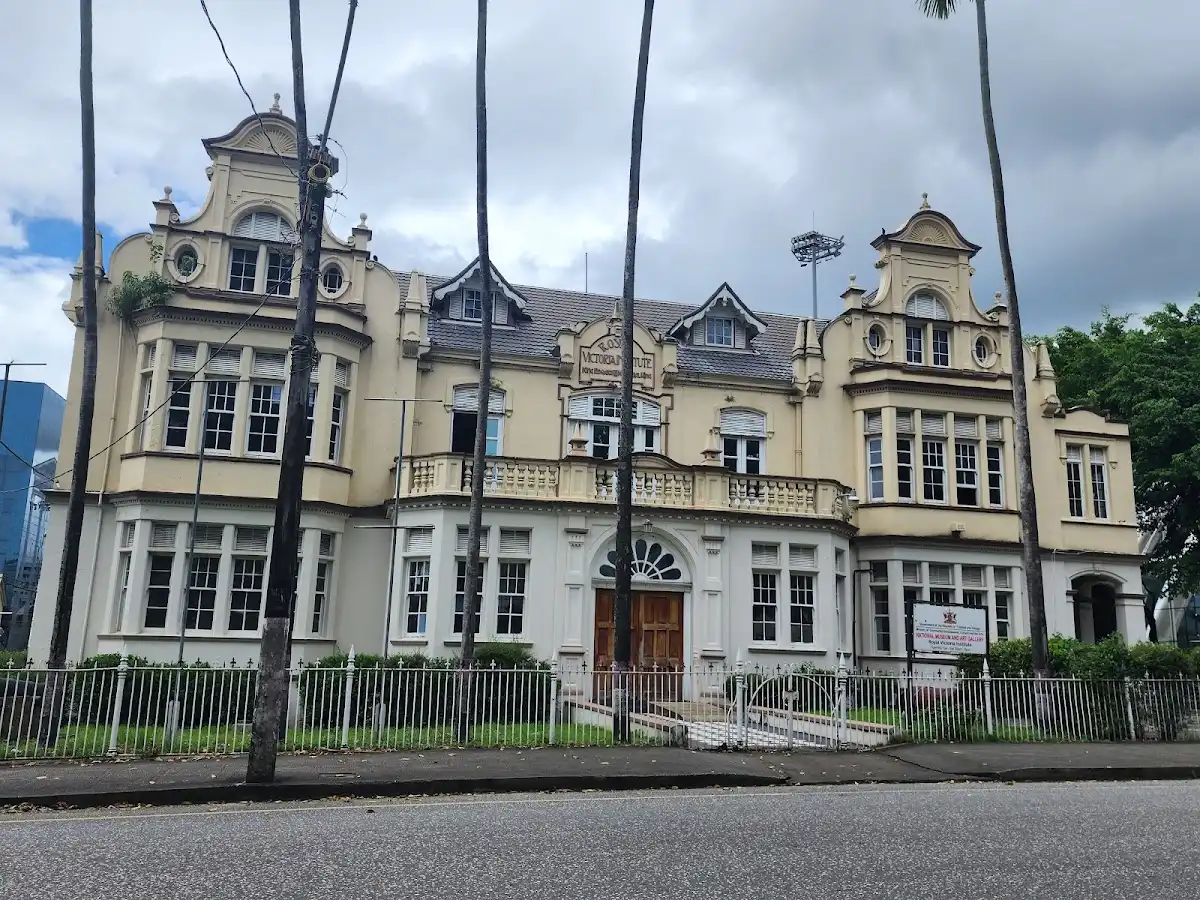
Forget the generic “local art” pitch. This is where you meet Michel-Jean Cazabon, Trinidad’s answer to Turner, but with more humidity and sharper social commentary. His 19th-century landscapes are not just pretty—they’re loaded with the contradictions of colonial Trinidad. You’ll see sugar estates, bustling ports, and the kind of tropical light that makes you sweat just looking at it. The real kicker? Cazabon’s work is a time capsule of a society in flux, painted with the eye of an insider who knew exactly what he was showing—and what he was leaving out.
The Carnival Room
Instagram will sell you feathers and sequins, but the Carnival Room is where you get the real story. This isn’t just a costume display; it’s a deep dive into the wild, rebellious, and sometimes subversive … read more 👉
Forget the generic “local art” pitch. This is where you meet Michel-Jean Cazabon, Trinidad’s answer to Turner, but with more humidity and sharper social commentary. His 19th-century landscapes are not just pretty—they’re loaded with the contradictions of colonial Trinidad. You’ll see sugar estates, bustling ports, and the kind of tropical light that makes you sweat just looking at it. The real kicker? Cazabon’s work is a time capsule of a society in flux, painted with the eye of an insider who knew exactly what he was showing—and what he was leaving out.
The Carnival Room
Instagram will sell you feathers and sequins, but the Carnival Room is where you get the real story. This isn’t just a costume display; it’s a deep dive into the wild, rebellious, and sometimes subversive … read more 👉
The Cazabon Gallery
Forget the generic “local art” pitch. This is where you meet Michel-Jean Cazabon, Trinidad’s answer to Turner, but with more humidity and sharper social commentary. His 19th-century landscapes are not just pretty—they’re loaded with the contradictions of colonial Trinidad. You’ll see sugar estates, bustling ports, and the kind of tropical light that makes you sweat just looking at it. The real kicker? Cazabon’s work is a time capsule of a society in flux, painted with the eye of an insider who knew exactly what he was showing—and what he was leaving out.
The Carnival Room
Instagram will sell you feathers and sequins, but the Carnival Room is where you get the real story. This isn’t just a costume display; it’s a deep dive into the wild, rebellious, and sometimes subversive heart of Trinidadian culture. You’ll see costumes up close—yes, they’re dazzling, but they’re also loaded with meaning, from political satire to sly social commentary. The room pulses with the energy of steelpan, calypso, and the kind of creative anarchy that makes Trinidad’s Carnival the most original street party on the planet. No filter required.
The Petroleum and Geology Exhibit
Oil and gas might not sound sexy, but in Trinidad, they’re the backbone of the modern nation. This exhibit doesn’t sugarcoat it: you get the gritty, hands-on story of how black gold shaped everything from the skyline to the politics. There are old drilling tools, geological samples, and the kind of maps that make you want to go prospecting yourself. It’s a crash course in why Trinidad looks and feels the way it does today—industrial, ambitious, and always a little bit on edge.
The Indigenous Heritage Collection
Most visitors breeze past this, but don’t. Here’s where you get the pre-Columbus story—pottery, tools, and artifacts from the original peoples of Trinidad and Tobago. It’s not a massive collection, but it’s a necessary reality check. You’ll see the fingerprints of the island’s first inhabitants, and you’ll realize just how much of their world was erased or absorbed. It’s humbling, and it adds a layer of depth you won’t find in the tourist brochures.
The Rotunda Murals
Walk into the main rotunda and look up—seriously, don’t miss this. The murals are a riot of color and history, painted by local artists to capture the island’s journey from colonial outpost to independent nation. It’s not subtle, and that’s the point. The murals are loud, proud, and unapologetically Trinidadian. They’re the visual equivalent of a steelpan band at full volume: impossible to ignore, and absolutely worth the neck cramp.
Forget the generic “local art” pitch. This is where you meet Michel-Jean Cazabon, Trinidad’s answer to Turner, but with more humidity and sharper social commentary. His 19th-century landscapes are not just pretty—they’re loaded with the contradictions of colonial Trinidad. You’ll see sugar estates, bustling ports, and the kind of tropical light that makes you sweat just looking at it. The real kicker? Cazabon’s work is a time capsule of a society in flux, painted with the eye of an insider who knew exactly what he was showing—and what he was leaving out.
The Carnival Room
Instagram will sell you feathers and sequins, but the Carnival Room is where you get the real story. This isn’t just a costume display; it’s a deep dive into the wild, rebellious, and sometimes subversive heart of Trinidadian culture. You’ll see costumes up close—yes, they’re dazzling, but they’re also loaded with meaning, from political satire to sly social commentary. The room pulses with the energy of steelpan, calypso, and the kind of creative anarchy that makes Trinidad’s Carnival the most original street party on the planet. No filter required.
The Petroleum and Geology Exhibit
Oil and gas might not sound sexy, but in Trinidad, they’re the backbone of the modern nation. This exhibit doesn’t sugarcoat it: you get the gritty, hands-on story of how black gold shaped everything from the skyline to the politics. There are old drilling tools, geological samples, and the kind of maps that make you want to go prospecting yourself. It’s a crash course in why Trinidad looks and feels the way it does today—industrial, ambitious, and always a little bit on edge.
The Indigenous Heritage Collection
Most visitors breeze past this, but don’t. Here’s where you get the pre-Columbus story—pottery, tools, and artifacts from the original peoples of Trinidad and Tobago. It’s not a massive collection, but it’s a necessary reality check. You’ll see the fingerprints of the island’s first inhabitants, and you’ll realize just how much of their world was erased or absorbed. It’s humbling, and it adds a layer of depth you won’t find in the tourist brochures.
The Rotunda Murals
Walk into the main rotunda and look up—seriously, don’t miss this. The murals are a riot of color and history, painted by local artists to capture the island’s journey from colonial outpost to independent nation. It’s not subtle, and that’s the point. The murals are loud, proud, and unapologetically Trinidadian. They’re the visual equivalent of a steelpan band at full volume: impossible to ignore, and absolutely worth the neck cramp.
Spotted a mistake or missing something? Contact us.
v2.webp)


Best Backpacking
Hi, I’m Johan (Netherlands 🇳🇱), the creator of TakeYourBackpack. Over the past decade, I’ve backpacked through 80+ countries across six continents, gaining extensive experience with independent travel, long-term trips, and overland routes.