v2.webp)
The Grand Facade and Scale
Forget the Instagram angles—this mosque is a colossus, and you feel it the second you step onto the plaza. The Ertuğrul Gazi Mosque doesn’t just dominate the Ashgabat skyline; it practically dares you to look away. Four minarets rocket skyward, dwarfing the city’s usual marble monotony. The scale is almost absurd, but that’s the point: Turkmenistan wanted a statement piece, and they got it. The sheer size is entertainment in itself—standing beneath those minarets, you’re not just a visitor; you’re an ant in a marble forest.
The Ottoman-Inspired Interior
Step inside and the mood flips from bombastic to intricate. The interior is a direct nod to Istanbul’s Blue Mosque, but with a Turkmen twist—think endless blue Iznik-style tiles, gold calligraphy, and a dome that … read more 👉
Forget the Instagram angles—this mosque is a colossus, and you feel it the second you step onto the plaza. The Ertuğrul Gazi Mosque doesn’t just dominate the Ashgabat skyline; it practically dares you to look away. Four minarets rocket skyward, dwarfing the city’s usual marble monotony. The scale is almost absurd, but that’s the point: Turkmenistan wanted a statement piece, and they got it. The sheer size is entertainment in itself—standing beneath those minarets, you’re not just a visitor; you’re an ant in a marble forest.
The Ottoman-Inspired Interior
Step inside and the mood flips from bombastic to intricate. The interior is a direct nod to Istanbul’s Blue Mosque, but with a Turkmen twist—think endless blue Iznik-style tiles, gold calligraphy, and a dome that … read more 👉
The Grand Facade and Scale
Forget the Instagram angles—this mosque is a colossus, and you feel it the second you step onto the plaza. The Ertuğrul Gazi Mosque doesn’t just dominate the Ashgabat skyline; it practically dares you to look away. Four minarets rocket skyward, dwarfing the city’s usual marble monotony. The scale is almost absurd, but that’s the point: Turkmenistan wanted a statement piece, and they got it. The sheer size is entertainment in itself—standing beneath those minarets, you’re not just a visitor; you’re an ant in a marble forest.
The Ottoman-Inspired Interior
Step inside and the mood flips from bombastic to intricate. The interior is a direct nod to Istanbul’s Blue Mosque, but with a Turkmen twist—think endless blue Iznik-style tiles, gold calligraphy, and a dome that seems to hover above your head. The craftsmanship is real, not just for show. If you’ve seen a hundred mosques, you’ll still pause here. The echo of your footsteps, the filtered light, the hush—this is where the spectacle turns contemplative.
The Chandelier—A Jaw-Dropper
Most mosques have chandeliers. Ertuğrul Gazi’s is a monster: a multi-tiered, crystal-laden beast that looks like it could anchor a cruise ship. It’s not subtle, but it is mesmerizing. Stand under it and you’ll catch the light refracting in a hundred directions, painting the marble with shifting patterns. It’s over-the-top, but in a way that’s hard not to admire.
The Plaza and People-Watching
Here’s where the Instagrammers miss the plot. The plaza outside is where Ashgabat’s real life leaks through the marble. You’ll see families picnicking, kids racing around, and elders in traditional dress catching up on gossip. It’s a rare slice of Turkmen public life—open, relaxed, and surprisingly lively for a city that often feels staged. If you want to feel the pulse of Ashgabat, skip the posed photos and just sit on the steps for a while.
The Call to Prayer—Sound and Atmosphere
If you’re lucky enough to be there at prayer time, the muezzin’s call is a showstopper. The acoustics inside and out are engineered for drama. The sound rolls across the plaza, echoing off the marble, and for a moment, the city’s relentless order gives way to something raw and human. It’s a reminder that this place isn’t just a monument—it’s alive, and it’s loud.
Forget the Instagram angles—this mosque is a colossus, and you feel it the second you step onto the plaza. The Ertuğrul Gazi Mosque doesn’t just dominate the Ashgabat skyline; it practically dares you to look away. Four minarets rocket skyward, dwarfing the city’s usual marble monotony. The scale is almost absurd, but that’s the point: Turkmenistan wanted a statement piece, and they got it. The sheer size is entertainment in itself—standing beneath those minarets, you’re not just a visitor; you’re an ant in a marble forest.
The Ottoman-Inspired Interior
Step inside and the mood flips from bombastic to intricate. The interior is a direct nod to Istanbul’s Blue Mosque, but with a Turkmen twist—think endless blue Iznik-style tiles, gold calligraphy, and a dome that seems to hover above your head. The craftsmanship is real, not just for show. If you’ve seen a hundred mosques, you’ll still pause here. The echo of your footsteps, the filtered light, the hush—this is where the spectacle turns contemplative.
The Chandelier—A Jaw-Dropper
Most mosques have chandeliers. Ertuğrul Gazi’s is a monster: a multi-tiered, crystal-laden beast that looks like it could anchor a cruise ship. It’s not subtle, but it is mesmerizing. Stand under it and you’ll catch the light refracting in a hundred directions, painting the marble with shifting patterns. It’s over-the-top, but in a way that’s hard not to admire.
The Plaza and People-Watching
Here’s where the Instagrammers miss the plot. The plaza outside is where Ashgabat’s real life leaks through the marble. You’ll see families picnicking, kids racing around, and elders in traditional dress catching up on gossip. It’s a rare slice of Turkmen public life—open, relaxed, and surprisingly lively for a city that often feels staged. If you want to feel the pulse of Ashgabat, skip the posed photos and just sit on the steps for a while.
The Call to Prayer—Sound and Atmosphere
If you’re lucky enough to be there at prayer time, the muezzin’s call is a showstopper. The acoustics inside and out are engineered for drama. The sound rolls across the plaza, echoing off the marble, and for a moment, the city’s relentless order gives way to something raw and human. It’s a reminder that this place isn’t just a monument—it’s alive, and it’s loud.
Spotted a mistake or missing something? Contact us.






 Best Backpacking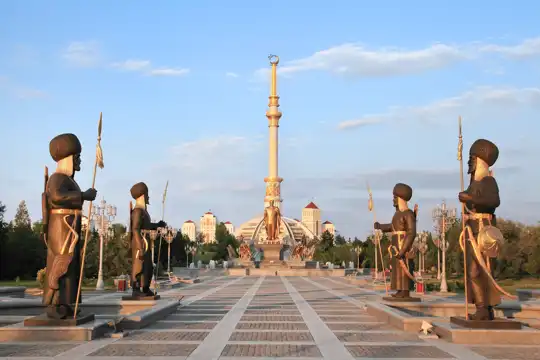
.jpg) Hi, I’m Johan (Netherlands 🇳🇱), the creator of TakeYourBackpack. Over the past 3 decades, I’ve backpacked through 90+ countries across six continents, gaining extensive experience with independent travel, long-term trips, and overland routes.
Hi, I’m Johan (Netherlands 🇳🇱), the creator of TakeYourBackpack. Over the past 3 decades, I’ve backpacked through 90+ countries across six continents, gaining extensive experience with independent travel, long-term trips, and overland routes.