×

Ukraine🇺🇦 | attractionsChernobyl Exclusion Zoneabandoned city, reactor ruins, exclusion perimeter | things to do and best time to go

Explore Lvivarnya Beer MuseumExplore Maria Zankovetska Theatre

Backpacking in Chernobyl Exclusion Zone
👍 Recommendedattraction ranked #9
By Johan Kruseman 🇳🇱 | Updated October 15, 2026

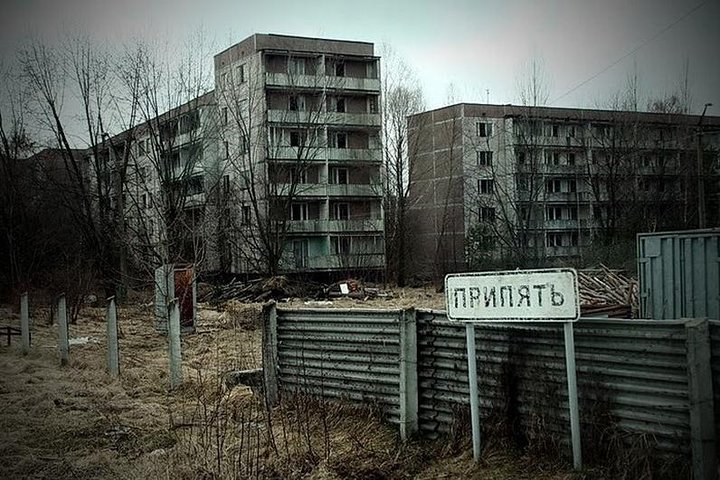
Forget the Instagram fantasy: Pripyat and the Chernobyl Exclusion Zone are not some post-apocalyptic playground where you’ll snap moody selfies in total solitude. The reality? You’ll be sharing cracked Soviet relics and radioactive birch forests with a steady stream of hard-hat day-trippers and guided tour groups, all under the watchful eye of Geiger counters and Ukrainian authorities. Located about two hours north of Kyiv, this is the heart of Ukraine’s most infamous no-go zone—an accidental monument to human error and resilience. The draw isn’t comfort or beauty; it’s the gut-punch of standing in a place where history went sideways, where silence feels heavy and the air hums with stories. It’s not cheap, either—permits, guides, and transport add up fast, and you can’t just wander in on your own. But if you want a destination that delivers raw, unfiltered impact—one that leaves you thinking for days—Pripyat’s ghostly ferris wheel and the wild, reclaimed streets deliver a kind of awe you won’t find at Lviv’s coffeehouses or Odesa’s beaches.

Discover everything you want to know in the 📖 Ukraine Travel Guide.
Safety warning

The current risk level for Ukraine is high. Check the advice before going.


Loading the map 🌍
CLICK TO FILTER
cities
towns
villages
landmarks
national parks
hikes
beaches
attractions
festivals
SHOW COUNTRY’S BESTSHOW ALL

✨ Why go?
Ranked #9 attraction in Ukraine
What sets this place apart

Visiting the Chernobyl Exclusion Zone isn’t about ticking off a typical tourist spot; it’s a raw, unfiltered dive into a chapter of history that still hums beneath the surface. Yes, it’s crowded—especially with thrill-seekers and history buffs—but that’s because this place carries a weight few others do. The iconic status of Chernobyl is undeniable: it’s the site of the worst nuclear disaster in history, frozen in time yet pulsing with stories of human error, resilience, and eerie abandonment.

Backpackers don’t just come for the photos of rusted amusement parks or empty streets; they come for the cultural significance and the chance to witness a living museum of Cold War-era Soviet life abruptly halted. The historical depth here is profound—every cracked window and overgrown playground whispers … read more 👉
Visiting the Chernobyl Exclusion Zone isn’t about ticking off a typical tourist spot; it’s a raw, unfiltered dive into a chapter of history that still hums beneath the surface. Yes, it’s crowded—especially with thrill-seekers and history buffs—but that’s because this place carries a weight few others do. The iconic status of Chernobyl is undeniable: it’s the site of the worst nuclear disaster in history, frozen in time yet pulsing with stories of human error, resilience, and eerie abandonment.

Backpackers don’t just come for the photos of rusted amusement parks or empty streets; they come for the cultural significance and the chance to witness a living museum of Cold War-era Soviet life abruptly halted. The historical depth here is profound—every cracked window and overgrown playground whispers lessons about technology, politics, and nature’s stubborn reclaiming of space.

The adrenaline rush isn’t just from the radiation scare—it’s from stepping into a place where the past and present collide in a way that challenges your perspective on risk and survival. For anyone trekking through Ukraine, this is a major milestone, a stark reminder that some journeys are about confronting uncomfortable truths, not just scenic views. The effort to get here pays off in a way few other destinations can match.

💡 HighlightsPlaces and moments you shouldn't skip

The Ferris Wheel in Pripyat Amusement Park
Forget the Instagram shots of a rusted Ferris wheel framed by wildflowers—this is not a quirky photo op, it’s a punch-in-the-gut symbol of a city frozen in catastrophe. The wheel never spun with laughter; it was scheduled to open for May Day 1986, days after the disaster. Standing beneath it, you feel the weight of interrupted lives. The silence is not peaceful; it’s loaded. No filter can capture the real chill of that emptiness.


The Reactor 4 Sarcophagus and New Safe Confinement
You don’t come to Chernobyl for beauty. You come to stare down the consequences of human ambition and error. The massive steel arch covering Reactor 4 is the world’s most expensive tomb, built to contain what’s still dangerous beneath. Seeing it up close is a lesson in scale—both … read more 👉
The Ferris Wheel in Pripyat Amusement Park
Forget the Instagram shots of a rusted Ferris wheel framed by wildflowers—this is not a quirky photo op, it’s a punch-in-the-gut symbol of a city frozen in catastrophe. The wheel never spun with laughter; it was scheduled to open for May Day 1986, days after the disaster. Standing beneath it, you feel the weight of interrupted lives. The silence is not peaceful; it’s loaded. No filter can capture the real chill of that emptiness.


The Reactor 4 Sarcophagus and New Safe Confinement
You don’t come to Chernobyl for beauty. You come to stare down the consequences of human ambition and error. The massive steel arch covering Reactor 4 is the world’s most expensive tomb, built to contain what’s still dangerous beneath. Seeing it up close is a lesson in scale—both of disaster and of the global effort to contain it. The air is safe enough for short visits, but the sense of risk is real, not staged.


Pripyat’s Abandoned Apartment Blocks
Wandering these concrete skeletons is not for the faint-hearted or the selfie-obsessed. Peeling wallpaper, children’s toys, and calendars forever stuck in April 1986—these details hit harder than any ghost story. It’s urban exploration with the volume turned up: every creak and echo reminds you that this was a thriving city, not a movie set. The entertainment here is raw, emotional, and absolutely unsanitized.


The Red Forest
This is not your average woodland stroll. The Red Forest, named for the color the trees turned after absorbing massive radiation, is one of the most contaminated places on Earth. You’ll see the landscape’s scars—muted, eerie, and off-limits except for brief, guided glimpses. It’s a living reminder that nature doesn’t always heal on our timeline. The thrill here is real: Geiger counters click, and you’re reminded that the danger isn’t just history.


Duga Radar (“The Russian Woodpecker”)
This colossal wall of metal looks like a Cold War fever dream. The Duga radar array was a top-secret Soviet project, once broadcasting mysterious signals that drove Western radio operators mad. Up close, it’s both sci-fi and Soviet relic, a playground for conspiracy theorists and photographers alike. The scale is absurd—bigger than any Instagram crop can handle. It’s the kind of place that makes you feel small, curious, and a little bit spooked.


The Pripyat Swimming Pool “Azure”
This is not a pool you’ll want to swim in, but it’s one of the most intact buildings left. The empty lanes and shattered glass are haunting, but there’s a strange beauty in the decay. It’s a favorite for filmmakers and urban explorers because it feels like time stopped mid-stroke. The entertainment is in the details: faded murals, abandoned lockers, and the echo of what was once ordinary life.
Spotted a mistake or missing something? Contact us.

Things to do near Chernobyl Exclusion Zone

Ratings based on Tripadvisor reviews. When you book through this link, you support our work at no extra cost to you.

🌤️ When to go?When to go for the best experience

  • Weather & Temperature: The best window is late spring through early autumn—May to September. Temperatures range from a crisp 10°C (50°F) in May to a warm 23°C (73°F) in July and August. Winters are brutal, often below freezing, with snow that can make the terrain treacherous and tours less accessible.
  • Daylight Hours: Long summer days mean more time to explore. June and July offer up to 16 hours of daylight, perfect for soaking in the eerie landscape without rushing. By October, daylight shrinks to about 9 hours, limiting your window for safe exploration.
  • Crowds: Summer months bring the most visitors, especially July and August. If you want fewer tourists and a more contemplative experience, aim for May or September. The zone isn’t a party spot, but the difference in crowd size is noticeable.
… read more 👉
  • Weather & Temperature: The best window is late spring through early autumn—May to September. Temperatures range from a crisp 10°C (50°F) in May to a warm 23°C (73°F) in July and August. Winters are brutal, often below freezing, with snow that can make the terrain treacherous and tours less accessible.
  • Daylight Hours: Long summer days mean more time to explore. June and July offer up to 16 hours of daylight, perfect for soaking in the eerie landscape without rushing. By October, daylight shrinks to about 9 hours, limiting your window for safe exploration.
  • Crowds: Summer months bring the most visitors, especially July and August. If you want fewer tourists and a more contemplative experience, aim for May or September. The zone isn’t a party spot, but the difference in crowd size is noticeable.
  • Seasonal Activities: Spring and summer reveal the zone’s haunting greenery reclaiming the ruins, while autumn paints the forests in muted golds and reds—adding a surreal beauty. Winter’s snow muffles sound and adds a ghostly stillness but complicates access.
  • Price Fluctuations: Peak season (June to August) sees higher prices for guided tours, sometimes up to 30% more. Shoulder months like May and September offer better deals and more flexible bookings without sacrificing the experience.
Pro-tip: Visit in late spring or early autumn to dodge the crowds, enjoy mild weather, and get the best bang for your buck on tours.


source: climatestotravel.comJANJanuary: below average for travelingFEBFebruary: below average for travelingMARMarch: fair for travelingAPRApril: good for travelingMAYMay: excellent for travelingJUNJune: highly recommended for travelingJULJuly: highly recommended for travelingAUGAugust: highly recommended for travelingSEPSeptember: excellent for travelingOCTOctober: good for travelingNOVNovember: fair for travelingDECDecember: below average for traveling
when-to-go

✈️ The backpacker research shortcutUkraine Travel Guide

An offline-friendly backpacking guide with optimized travel routes, ranked highlights, transport advice, and the best areas to stay.
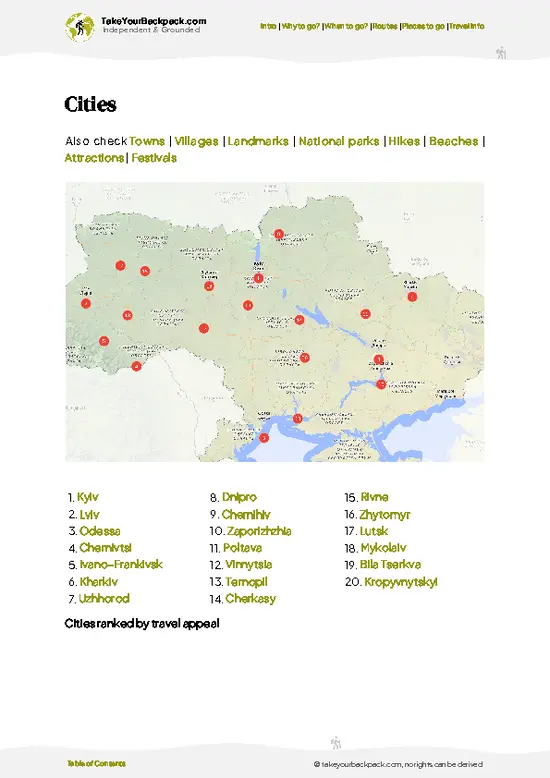
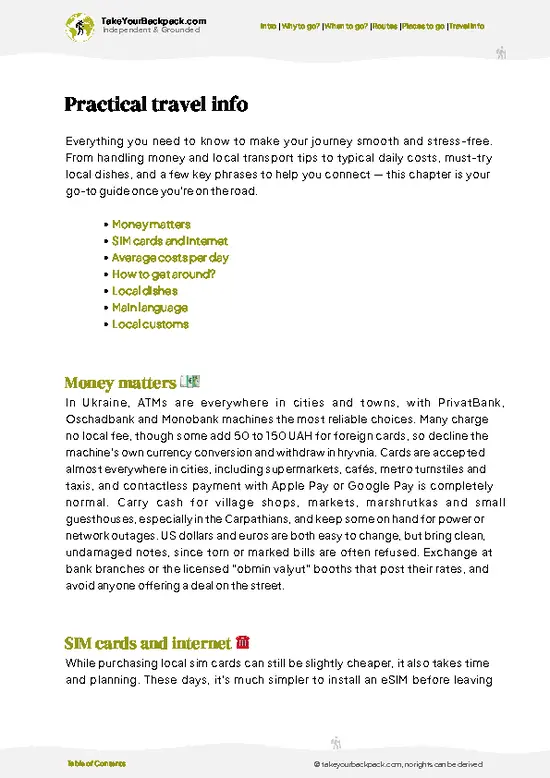
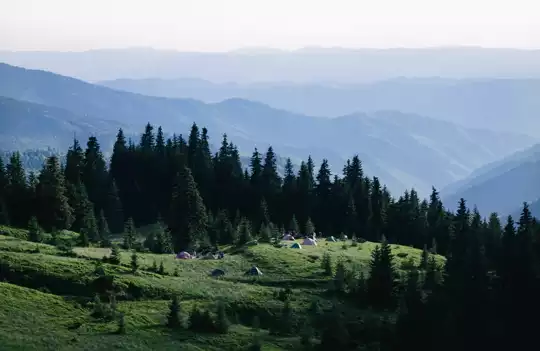
example page 0 from our offline Travel Guide for Ukraine
example page 1 from our offline Travel Guide for Ukraine
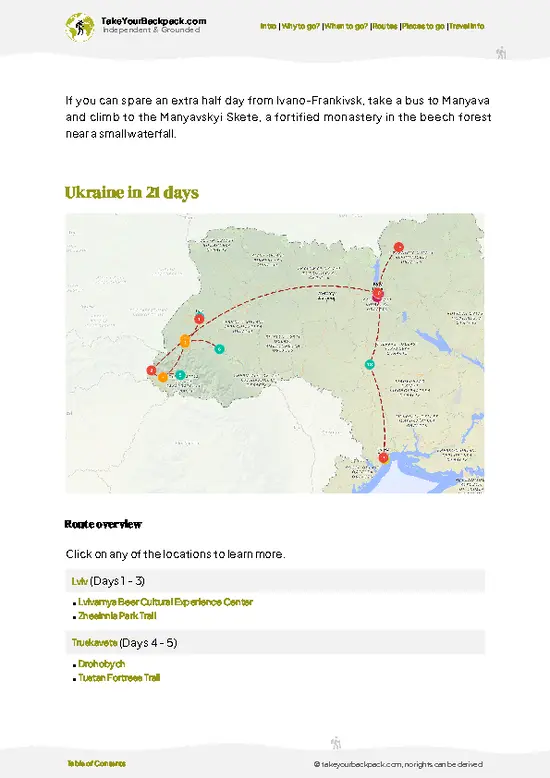
example page 2 from our offline Travel Guide for Ukraine
example page 3 from our offline Travel Guide for Ukraine
example page 4 from our offline Travel Guide for Ukraine
example page 5 from our offline Travel Guide for Ukraine
example page 6 from our offline Travel Guide for Ukraine
example page 7 from our offline Travel Guide for Ukraine
The digital guide (407 pages) contains:
✅ 109 highlights, ranked by travel appeal
✅ Optimized 7, 14 & 21-day travel routes
✅ Cities, national parks, landmarks, beaches
✅ How to get around
✅ Offline-friendly for travel without Wi-Fi
👉 Click to see all 30+ guide features

📅 Plan smarter in minutes, not weeks
✅ Month by month travel advice
✅ Festivals & national holidays
✅ Budget expectations

🗺️ Go to the right places, skip the overrated ones
✅ Honest pros & cons of destinations
✅ Top hikes, parks & viewpoints
✅ Lesser-known places most travelers miss
✅ Clear “worth it vs skip it” guidance

🛏️ Travel smoothly without rookie mistakes
✅ Best areas to stay
✅ Transport systems explained simply
✅ Common scams & safety advice
✅ SIM cards, money & practical tips

🌍 Understand the country, not just visit it
✅ Culture & traditions
✅ 52 Essential phrases & customs
✅ Festivals worth planning around
✅ Traveler-friendly historical context
✅ Insights that make places more meaningful

📱 Built for real travel conditions
✅ Fully downloadable PDF
✅ Works completely offline
✅ Optimized for phone use
✅ Useful in remote areas & buses
✅ Everything in one place
Stop searching, start planning
Get instant access to your full guide. 30‑day money-back guarantee.
+ Add another guide for just

By proceeding you agree to our terms.
Sent to your inbox immediately after payment • 100% Secure Checkout
Best Backpacking Travel Advisor 2025 tourism awardBest Backpacking
Travel Advisor
2025
What others say about Take Your Backpack Guides:
⭐⭐⭐⭐⭐
Fantastic, amazing amount of information!
⭐⭐⭐⭐⭐
My goodness this is amazing, it's what I've been looking for hats off too you!
⭐⭐⭐⭐⭐
I think this is absolutely BRILLIANT
⭐⭐⭐⭐
Very complete and informative. It's still missing places, but I gotta to commend you
⭐⭐⭐⭐⭐
This is truly amazing, thank you, can't wait to explore it with my kids!
⭐⭐⭐⭐⭐
Awesome resource, thank you!
⭐⭐⭐⭐⭐
This is amazing! Can't wait to explore the ones I haven't seen
⭐⭐⭐⭐
I love this! Well done, great idea.
⭐⭐⭐⭐⭐
Thanks for taking the time to make this gem!
⭐⭐⭐⭐⭐
This might be the best website I've ever seen.
⭐⭐⭐⭐⭐
Congratulations, and thank you so much for your work; it's incredibly valuable.
⭐⭐⭐⭐
In all seriousness I think you did a great job pointing out the important spots
⭐⭐⭐⭐⭐
10/10 very good
⭐⭐⭐⭐⭐
As someone who's only just starting to visit regularly this is awesome, thank you.
⭐⭐⭐⭐
Thank you very much! I'm going to visit my dad, it's going to be very useful!
⭐⭐⭐⭐⭐
This is really cool! We'll be travelling for the first time and this definitely come in handy.
⭐⭐⭐⭐⭐
You are now our minister of culture, congratulations 👨‍💼
⭐⭐⭐⭐⭐
Just wanted to tell you that this is a pearl! Going to follow your recommendations.
⭐⭐⭐⭐⭐
This is so cool. I'll definitely be using the resource for my travels soon.
⭐⭐⭐⭐⭐
This is very impressive! Good work.
⭐⭐⭐⭐⭐
This is an amazing and informative site. Very well done!

🛏️ Where to stay?Best areas and accommodation options

If you’re heading to the Chernobyl Exclusion Zone, the reality is this: you won’t be camping inside the zone or crashing in Pripyat itself. It’s a no-go for overnight stays—strictly controlled and off-limits. So where do backpackers land? The answer is Kyiv, Ukraine’s capital, about 2.5 hours away. It’s not just a convenient base; it’s where you’ll find the social scene, budget options, and the chance to decompress after a day in a radioactive ghost town.

Kyiv isn’t glamorous in a postcard way, but it’s gritty, alive, and loaded with affordable hostels that attract solo travelers and groups alike. … read more 👉
If you’re heading to the Chernobyl Exclusion Zone, the reality is this: you won’t be camping inside the zone or crashing in Pripyat itself. It’s a no-go for overnight stays—strictly controlled and off-limits. So where do backpackers land? The answer is Kyiv, Ukraine’s capital, about 2.5 hours away. It’s not just a convenient base; it’s where you’ll find the social scene, budget options, and the chance to decompress after a day in a radioactive ghost town.

Kyiv isn’t glamorous in a postcard way, but it’s gritty, alive, and loaded with affordable hostels that attract solo travelers and groups alike. You’ll meet people who’ve just returned from the zone, swapping stories over cheap beer or local borscht. It’s the kind of place where you can find camaraderie and safety without blowing your budget.

Trying to stay closer—like in Chernobyl town itself—isn’t practical or safe for backpackers. The infrastructure is minimal, and accommodations are sparse and pricey, mostly for official personnel or researchers. Kyiv offers the best balance: easy access to tours, a vibrant backpacker community, and the chance to experience Ukraine’s raw urban energy before and after your eerie, unforgettable day in the zone.

👛 Costs (as of 15 October 2026)Travel costs and budget guide for Chernobyl Exclusion Zone

As of the most recent estimates, visiting the Chernobyl Exclusion Zone in Ukraine involves several cost components. A one-day group tour typically starts at €99 per person, which includes transportation from Kyiv, a professional guide, and necessary permissions. For a more immersive experience, multi-day tours are available, with prices ranging from €150 to €250 per person, depending on the duration and inclusions. Additional activities, such as riding in an armored vehicle (BRDM-2) for €30 per person, or an ATV ride in a SHERP all-terrain vehicle for €28 per person, can be added to enhance the visit. Meals within the zone are available for approximately €8 per person. It's important to note that prices can vary based on the tour operator, group size, and specific tour packages.

source: chernobyl-tour.com
⚠️ Prices can change and everyone travels differently, so take this as a rough guide. Hope it helps you plan your adventure!

FAQTraveler FAQ

A typical visit to Pripyat and the Chernobyl Exclusion Zone requires one full day, usually around 8 to 10 hours. Some tours offer extended 2-day options for deeper exploration. Plan for early morning departure from Kyiv to maximize time inside the zone.
Yes, the entrance fee is generally considered worth it for the unique historical and educational experience. Prices for guided tours start around $100 to $150, which covers permits, transport, and a guide. The fee supports safety measures and preservation efforts in the zone.
You get to Pripyat and the Chernobyl Exclusion Zone by booking a guided tour from Kyiv, approximately 130 kilometers north. Private vehicles are not allowed without special permits, so official tours provide transport and necessary access permissions.
⚠️ Things can change over time, so always validate details locally before you go.

Other Ukrainian attractions near Chernobyl Exclusion Zone

Explore more nearby:


💡 Not sure where to go next?
Create a personalized itinerary for Ukraine including Chernobyl Exclusion Zone and the places that fit your trip.

Generate my itinerary

👉 Discover all attractions

Or checkout all Ukraine has to offer (think cities, towns, villages, national parks, hikes, beaches, festivals)
Country photo of Ukraine

We 💚 feedbackFinal thoughts on visiting Chernobyl Exclusion Zone

Visiting Pripyat and the Chernobyl Exclusion Zone isn’t a casual day trip or a photo op for your feed—it’s a heavy, eerie experience that sticks with you. Expect crowds, yes, but also a strange silence that swallows the noise. The real magic isn’t the rusted Ferris wheel or abandoned buildings; it’s the haunting reminder of human error and resilience. Be ready for cold winds and a somber mood. If you go in with respect and curiosity, it’ll change how you see history—and maybe yourself.

✍️ Help improve this page!
The information on this page is based on in-depth research, insights shared by experienced travelers, and feedback from the local travel community in Ukraine. While every effort is made to keep the information accurate and current, conditions can change — so if you spot anything incorrect or outdated, please get in touch.


🙋‍♂️ Give feedback

👋 Meet the founderWho’s Behind Take Your Backpack?

Johan, backpacker and founder of TakeYourBackpackHi, I’m Johan (Netherlands 🇳🇱), the creator of TakeYourBackpack. Over the past 3 decades, I’ve backpacked through 90+ countries across six continents, gaining extensive experience with independent travel, long-term trips, and overland routes.

This site is built on a combination of firsthand travel experience and carefully curated insights from other backpackers. Many guides are based on places I’ve personally visited, while others bring together tips, observations, and practical advice shared by trusted travelers I’ve met along the way.

The goal is to provide realistic, experience-driven guidance — not generic itineraries — so you can explore destinations with better context, clearer expectations, and more confidence.