v2.webp)
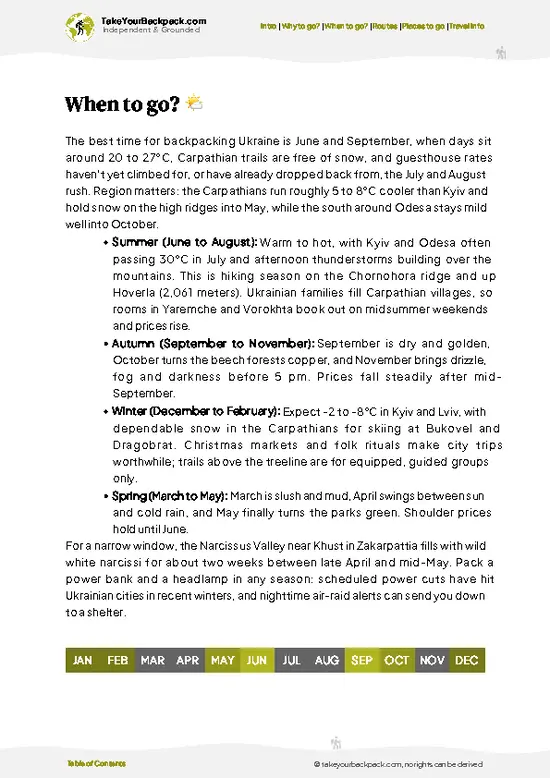
The Ferris Wheel in Pripyat Amusement Park
Forget the Instagram shots of a rusted Ferris wheel framed by wildflowers—this is not a quirky photo op, it’s a punch-in-the-gut symbol of a city frozen in catastrophe. The wheel never spun with laughter; it was scheduled to open for May Day 1986, days after the disaster. Standing beneath it, you feel the weight of interrupted lives. The silence is not peaceful; it’s loaded. No filter can capture the real chill of that emptiness.
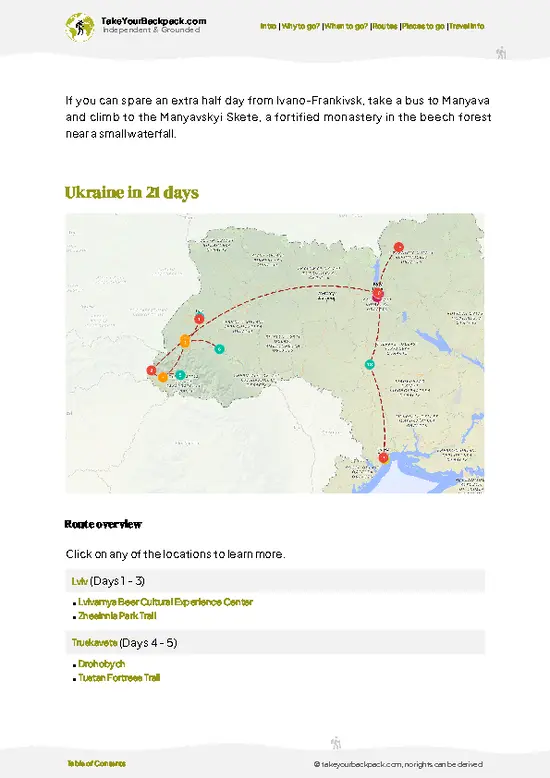
The Reactor 4 Sarcophagus and New Safe Confinement
You don’t come to Chernobyl for beauty. You come to stare down the consequences of human ambition and error. The massive steel arch covering Reactor 4 is the world’s most expensive tomb, built to contain what’s still dangerous beneath. Seeing it up close is a lesson in scale—both … read more 👉
Forget the Instagram shots of a rusted Ferris wheel framed by wildflowers—this is not a quirky photo op, it’s a punch-in-the-gut symbol of a city frozen in catastrophe. The wheel never spun with laughter; it was scheduled to open for May Day 1986, days after the disaster. Standing beneath it, you feel the weight of interrupted lives. The silence is not peaceful; it’s loaded. No filter can capture the real chill of that emptiness.
The Reactor 4 Sarcophagus and New Safe Confinement
You don’t come to Chernobyl for beauty. You come to stare down the consequences of human ambition and error. The massive steel arch covering Reactor 4 is the world’s most expensive tomb, built to contain what’s still dangerous beneath. Seeing it up close is a lesson in scale—both … read more 👉
The Ferris Wheel in Pripyat Amusement Park
Forget the Instagram shots of a rusted Ferris wheel framed by wildflowers—this is not a quirky photo op, it’s a punch-in-the-gut symbol of a city frozen in catastrophe. The wheel never spun with laughter; it was scheduled to open for May Day 1986, days after the disaster. Standing beneath it, you feel the weight of interrupted lives. The silence is not peaceful; it’s loaded. No filter can capture the real chill of that emptiness.
The Reactor 4 Sarcophagus and New Safe Confinement
You don’t come to Chernobyl for beauty. You come to stare down the consequences of human ambition and error. The massive steel arch covering Reactor 4 is the world’s most expensive tomb, built to contain what’s still dangerous beneath. Seeing it up close is a lesson in scale—both of disaster and of the global effort to contain it. The air is safe enough for short visits, but the sense of risk is real, not staged.
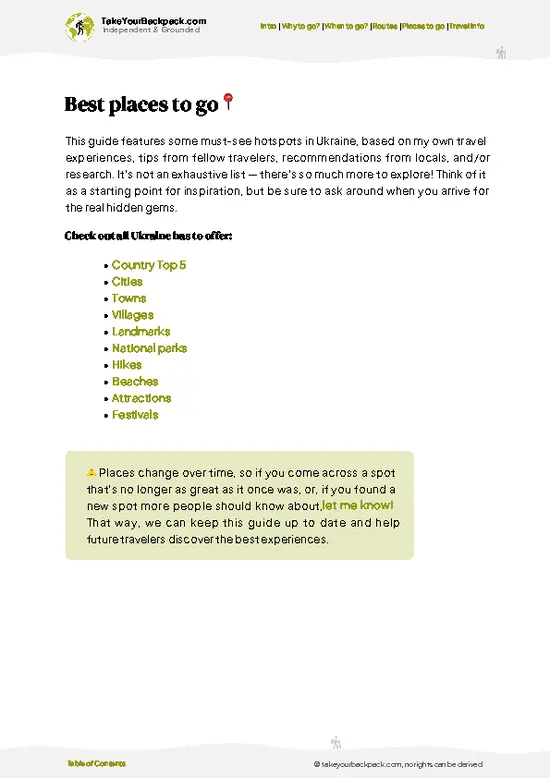
Pripyat’s Abandoned Apartment Blocks
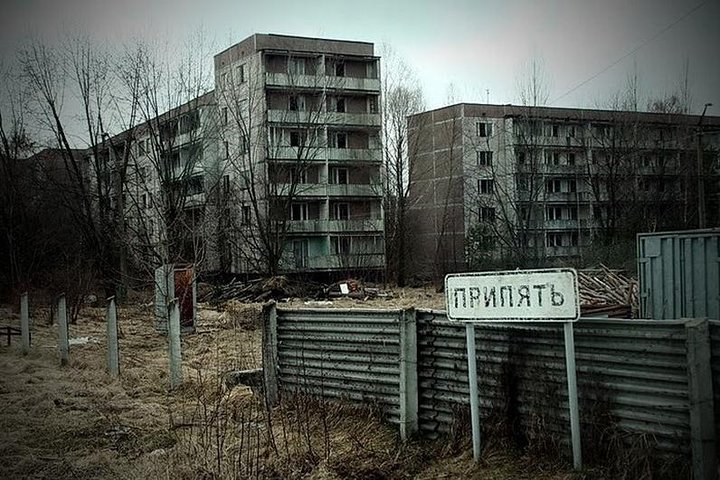
Wandering these concrete skeletons is not for the faint-hearted or the selfie-obsessed. Peeling wallpaper, children’s toys, and calendars forever stuck in April 1986—these details hit harder than any ghost story. It’s urban exploration with the volume turned up: every creak and echo reminds you that this was a thriving city, not a movie set. The entertainment here is raw, emotional, and absolutely unsanitized.
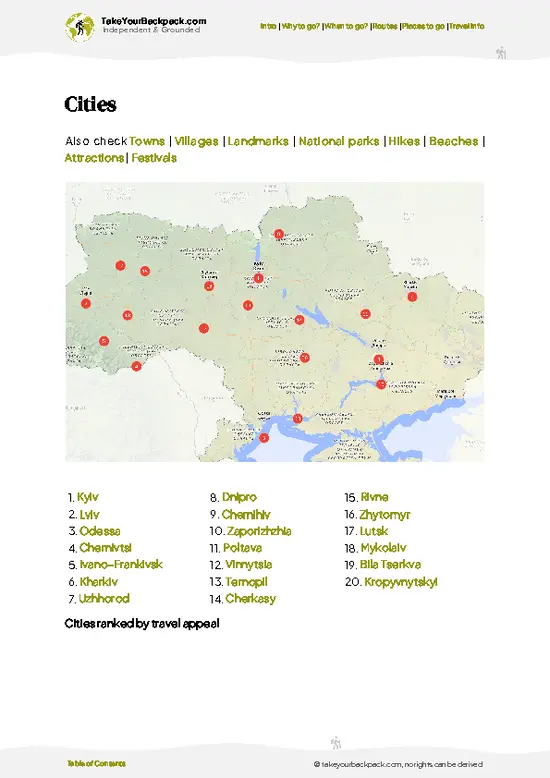
The Red Forest
This is not your average woodland stroll. The Red Forest, named for the color the trees turned after absorbing massive radiation, is one of the most contaminated places on Earth. You’ll see the landscape’s scars—muted, eerie, and off-limits except for brief, guided glimpses. It’s a living reminder that nature doesn’t always heal on our timeline. The thrill here is real: Geiger counters click, and you’re reminded that the danger isn’t just history.
Duga Radar (“The Russian Woodpecker”)
This colossal wall of metal looks like a Cold War fever dream. The Duga radar array was a top-secret Soviet project, once broadcasting mysterious signals that drove Western radio operators mad. Up close, it’s both sci-fi and Soviet relic, a playground for conspiracy theorists and photographers alike. The scale is absurd—bigger than any Instagram crop can handle. It’s the kind of place that makes you feel small, curious, and a little bit spooked.
The Pripyat Swimming Pool “Azure”
This is not a pool you’ll want to swim in, but it’s one of the most intact buildings left. The empty lanes and shattered glass are haunting, but there’s a strange beauty in the decay. It’s a favorite for filmmakers and urban explorers because it feels like time stopped mid-stroke. The entertainment is in the details: faded murals, abandoned lockers, and the echo of what was once ordinary life.
Forget the Instagram shots of a rusted Ferris wheel framed by wildflowers—this is not a quirky photo op, it’s a punch-in-the-gut symbol of a city frozen in catastrophe. The wheel never spun with laughter; it was scheduled to open for May Day 1986, days after the disaster. Standing beneath it, you feel the weight of interrupted lives. The silence is not peaceful; it’s loaded. No filter can capture the real chill of that emptiness.
The Reactor 4 Sarcophagus and New Safe Confinement
You don’t come to Chernobyl for beauty. You come to stare down the consequences of human ambition and error. The massive steel arch covering Reactor 4 is the world’s most expensive tomb, built to contain what’s still dangerous beneath. Seeing it up close is a lesson in scale—both of disaster and of the global effort to contain it. The air is safe enough for short visits, but the sense of risk is real, not staged.
Pripyat’s Abandoned Apartment Blocks
Wandering these concrete skeletons is not for the faint-hearted or the selfie-obsessed. Peeling wallpaper, children’s toys, and calendars forever stuck in April 1986—these details hit harder than any ghost story. It’s urban exploration with the volume turned up: every creak and echo reminds you that this was a thriving city, not a movie set. The entertainment here is raw, emotional, and absolutely unsanitized.
The Red Forest
This is not your average woodland stroll. The Red Forest, named for the color the trees turned after absorbing massive radiation, is one of the most contaminated places on Earth. You’ll see the landscape’s scars—muted, eerie, and off-limits except for brief, guided glimpses. It’s a living reminder that nature doesn’t always heal on our timeline. The thrill here is real: Geiger counters click, and you’re reminded that the danger isn’t just history.
Duga Radar (“The Russian Woodpecker”)
This colossal wall of metal looks like a Cold War fever dream. The Duga radar array was a top-secret Soviet project, once broadcasting mysterious signals that drove Western radio operators mad. Up close, it’s both sci-fi and Soviet relic, a playground for conspiracy theorists and photographers alike. The scale is absurd—bigger than any Instagram crop can handle. It’s the kind of place that makes you feel small, curious, and a little bit spooked.
The Pripyat Swimming Pool “Azure”
This is not a pool you’ll want to swim in, but it’s one of the most intact buildings left. The empty lanes and shattered glass are haunting, but there’s a strange beauty in the decay. It’s a favorite for filmmakers and urban explorers because it feels like time stopped mid-stroke. The entertainment is in the details: faded murals, abandoned lockers, and the echo of what was once ordinary life.
Spotted a mistake or missing something? Contact us.

Private tour to Kyiv region - the horrors of ruzzian occupation

Kiev One Day 6-Hour Tour

Individual tour to the Chernobyl Zone from Kyiv

Discover Kyiv: The Most Complete 6 Hours Private Sightseeing Tour by car

Private Full Day Tour Of Kyiv with Hotel Pickup Walking or By Car

Kiev Pechersk Lavra Tour
Full-Day Private Chernobyl and Pripyat Tour from Kiev

Private guided Mezhyhirya tour (Yanukovych Residence, Museum of corruption)

Kiev walking tour


 Best Backpacking
.jpg) Hi, I’m Johan (Netherlands 🇳🇱), the creator of TakeYourBackpack. Over the past 3 decades, I’ve backpacked through 90+ countries across six continents, gaining extensive experience with independent travel, long-term trips, and overland routes.
Hi, I’m Johan (Netherlands 🇳🇱), the creator of TakeYourBackpack. Over the past 3 decades, I’ve backpacked through 90+ countries across six continents, gaining extensive experience with independent travel, long-term trips, and overland routes.