×

Vanuatu🇻🇺 | townsMota LavaVolcanic peaks, remote beaches, traditional villages, Banks Islands | things to do and best time to go

Explore LuganvilleExplore Port Vila

Backpacking in Mota Lava
👌 Worth visitingtown ranked #4
By Johan Kruseman 🇳🇱 | Updated June 16, 2026

Your first real fork in the road with Mota Lava is this: do you commit to the hassle of tiny-plane logistics and bare-bones infrastructure, or do you stay on easier islands and just admire it on a map. That choice matters, because Mota Lava sits way up in Vanuatu’s remote Banks group in the far north, where every flight, boat, and delay shapes your whole route. The main village feels more like an extended seaside community than a “town”: sandy paths, smoke from cooking fires at dusk, kids yelling in Bislama, and the sea always in earshot. For backpackers, it’s less a base with services and more a launchpad for raw nature and kastom life—nearby Ra island, reef walks at low tide, jungle tracks instead of marked “hikes.” It’s harder to reach and quieter than Santo or even Gaua, with almost no nightlife, limited guesthouses, higher transport costs, but a safer, slower, deeply local atmosphere where you’ll meet more curious villagers than fellow travelers.

Discover everything you want to know in the 📖 Vanuatu Travel Guide.


Get your Vanuatu guide
43 ranked highlights, routes & tips, works offline (182 pages)
Loading the map 🌍
CLICK TO FILTER
towns
villages
landmarks
national parks
hikes
beaches
attractions
festivals
regions
SHOW COUNTRY’S BESTSHOW ALL

✨ Why go?
Ranked #4 town in Vanuatu
What makes it a must-see town

Mota Lava is a backpacker’s waypoint in Vanuatu, perfectly positioned for those craving both adventure and culture. The walkable streets invite you to explore local life, where the scent of fresh seafood mingles with the salty breeze. Small-scale hostels and guesthouses offer a cozy atmosphere, making it easy to connect with fellow travelers.

This town serves as a launchpad for nearby hikes, like the stunning trails leading to volcanic landscapes or secluded beaches. You can spend your days trekking through lush greenery, then return to share stories over a plate of local cuisine—think grilled fish and root vegetables, bursting with flavor.

Most backpackers tend to linger a few days, soaking in the laid-back vibe. It’s a place for slow travelers and solo adventurers, not a party hub. You’ll … read more 👉
Mota Lava is a backpacker’s waypoint in Vanuatu, perfectly positioned for those craving both adventure and culture. The walkable streets invite you to explore local life, where the scent of fresh seafood mingles with the salty breeze. Small-scale hostels and guesthouses offer a cozy atmosphere, making it easy to connect with fellow travelers.

This town serves as a launchpad for nearby hikes, like the stunning trails leading to volcanic landscapes or secluded beaches. You can spend your days trekking through lush greenery, then return to share stories over a plate of local cuisine—think grilled fish and root vegetables, bursting with flavor.

Most backpackers tend to linger a few days, soaking in the laid-back vibe. It’s a place for slow travelers and solo adventurers, not a party hub. You’ll find a friendly social atmosphere, perfect for those who appreciate meaningful connections over fleeting nightlife. Mota Lava isn’t just a stop; it’s a chance to immerse yourself in the rhythm of island life.
Want to include Mota Lava in your Vanuatu route?
Create a personalized Vanuatu itinerary that includes Mota Lava and the places that fit your trip — based on your travel style, budget, and available time. Get your route in seconds.

Generate my trip

💡 HighlightsThe experiences that define the visit

Quick reality check: Mota Lava’s main village area is very small and tightly-knit — there simply aren’t ten distinct, named, physically visitable “attractions” strictly inside the village without drifting into generic things like “a village path” or inventing spot names. I can do one of three honest options — tell me which you want and I’ll produce the HTML list you asked for:

- A short list (6-8) of genuine, visitable highlights that are actually inside the village proper, plus a clear note of nearby island spots; or
- A full top-10 that includes the village highlights plus nearby island highlights (still real and visitable from the village); or
- A fully island-wide top-10 (the best things on Mota Lava island, not limited to the village).

Which option do you want?
Spotted a mistake or missing something? Contact us.

🏘️ NeighborhoodsKey areas and districts to know

Mota Lava is a slice of paradise where the rhythm of life slows down, and the beauty of Vanuatu unfolds. Each area has its own character, making it easier to find your perfect spot.

Port Olry: This coastal area is the heartbeat of Mota Lava. The vibe is laid-back, with local eateries serving fresh seafood. Walkability is high; you can stroll along the beach and soak in the sunset. It’s ideal for short stays, especially if you want to dive into local culture. Nightlife is low-key, perfect for unwinding after a day of exploring.

Vao: A bit quieter, Vao offers a more secluded experience. The atmosphere is serene, surrounded by lush greenery. It’s less touristy, which means lower costs for accommodation. Transport options are limited, but the tranquility makes it worth it for longer stays. You’ll … read more 👉
Mota Lava is a slice of paradise where the rhythm of life slows down, and the beauty of Vanuatu unfolds. Each area has its own character, making it easier to find your perfect spot.

Port Olry: This coastal area is the heartbeat of Mota Lava. The vibe is laid-back, with local eateries serving fresh seafood. Walkability is high; you can stroll along the beach and soak in the sunset. It’s ideal for short stays, especially if you want to dive into local culture. Nightlife is low-key, perfect for unwinding after a day of exploring.

Vao: A bit quieter, Vao offers a more secluded experience. The atmosphere is serene, surrounded by lush greenery. It’s less touristy, which means lower costs for accommodation. Transport options are limited, but the tranquility makes it worth it for longer stays. You’ll find yourself immersed in nature, with hiking trails nearby.

Asanvari: This area is a hidden treasure for those seeking adventure. The vibe is energetic, with opportunities for snorkeling and diving. While it’s not as walkable, local transport is available. Asanvari is great for both short and longer stays, especially if you’re keen on water activities. The evenings here can be lively, with local music filling the air.

Each neighborhood offers a unique slice of Mota Lava, ensuring you find the right fit for your backpacking journey.

⌛️ 1 dayWhat you can realistically do in a day

Mota Lava, a small island in Vanuatu, is a slice of paradise where the pace of life slows down, and the beauty of nature takes center stage. The island’s volcanic landscape, lush greenery, and friendly locals create an atmosphere that feels both welcoming and untouched. You’ll find a blend of traditional culture and stunning scenery that makes every moment feel special.

Start your day early with a stroll along the beach at Loltong. The soft sand beneath your feet and the gentle sound of waves lapping at the shore set a serene tone. As the sun rises, the light dances on the water, creating a golden glow that’s perfect for those early morning photos. Grab a fresh coconut from a local vendor; the sweet, cool water is a refreshing way to kick off your adventure.

In the afternoon, head towards … read more 👉
Mota Lava, a small island in Vanuatu, is a slice of paradise where the pace of life slows down, and the beauty of nature takes center stage. The island’s volcanic landscape, lush greenery, and friendly locals create an atmosphere that feels both welcoming and untouched. You’ll find a blend of traditional culture and stunning scenery that makes every moment feel special.

Start your day early with a stroll along the beach at Loltong. The soft sand beneath your feet and the gentle sound of waves lapping at the shore set a serene tone. As the sun rises, the light dances on the water, creating a golden glow that’s perfect for those early morning photos. Grab a fresh coconut from a local vendor; the sweet, cool water is a refreshing way to kick off your adventure.

In the afternoon, head towards the village of Sola. This isn’t on the typical tourist path, but it’s where you’ll find the heart of local life. Engage with the villagers, and if you’re lucky, you might witness traditional weaving or cooking. The scent of wood smoke and the sound of laughter fill the air, making it a vibrant experience. Don’t miss the chance to visit the nearby waterfalls; the hike is short but rewarding, with crystal-clear pools inviting you for a dip.

As the sun sets, return to Loltong Beach. The sky transforms into a canvas of oranges and purples, and the atmosphere shifts to one of relaxation. Settle in at a local eatery for dinner, where the catch of the day is grilled to perfection. The flavors of fresh fish, coconut, and local spices will linger long after your meal, wrapping up your day in Mota Lava with a taste of the island’s soul.
Turn your Mota Lava visit into an Vanuatu adventure
Build a complete Vanuatu route with Mota Lava, hidden gems, must-see destinations, and realistic travel times included.

Generate my trip

🌤️ When to go?Choosing the right time of year


  • Topic: Weather – Mota Lava’s dry season from May to October is your best bet. Expect clear skies and minimal rain, making trails less slippery and the air crisp. The wet season, November to April, brings heavy tropical downpours that can turn paths into mud baths and disrupt boat schedules.

  • Topic: Temperature – Temperatures hover between 24°C and 30°C (75°F to 86°F) year-round, but the dry season feels more comfortable with lower humidity. The wet season’s heat combined with humidity can sap your energy faster, especially on hikes.

  • Topic: Daylight Hours – Near the equator, daylight stays steady around 11 to 12 hours daily. This consistency means you can plan early starts and late finishes without worrying about losing light too soon.

  • Topic: Crowds – Mota Lava is off the beaten path,
read more 👉

  • Topic: Weather – Mota Lava’s dry season from May to October is your best bet. Expect clear skies and minimal rain, making trails less slippery and the air crisp. The wet season, November to April, brings heavy tropical downpours that can turn paths into mud baths and disrupt boat schedules.

  • Topic: Temperature – Temperatures hover between 24°C and 30°C (75°F to 86°F) year-round, but the dry season feels more comfortable with lower humidity. The wet season’s heat combined with humidity can sap your energy faster, especially on hikes.

  • Topic: Daylight Hours – Near the equator, daylight stays steady around 11 to 12 hours daily. This consistency means you can plan early starts and late finishes without worrying about losing light too soon.

  • Topic: Crowds – Mota Lava is off the beaten path, so crowds are rare anytime. However, the dry season sees a slight uptick in visitors, mainly locals and a handful of adventurous backpackers, which means more social opportunities without losing solitude.

  • Topic: Seasonal Activities – The dry season aligns with local festivals and traditional ceremonies, offering a rare chance to witness authentic cultural events. The wet season limits outdoor activities but brings lush greenery and fewer tourists.

  • Topic: Price Fluctuations – Prices for accommodation and transport tend to rise modestly during the dry season due to increased demand. Booking ahead can secure better rates and guarantee spots on limited boats and guesthouses.


Pro-tip: Aim for the shoulder months of May or October to catch pleasant weather, fewer crowds, and better prices—perfect for soaking in Mota Lava’s raw charm without the hassle.


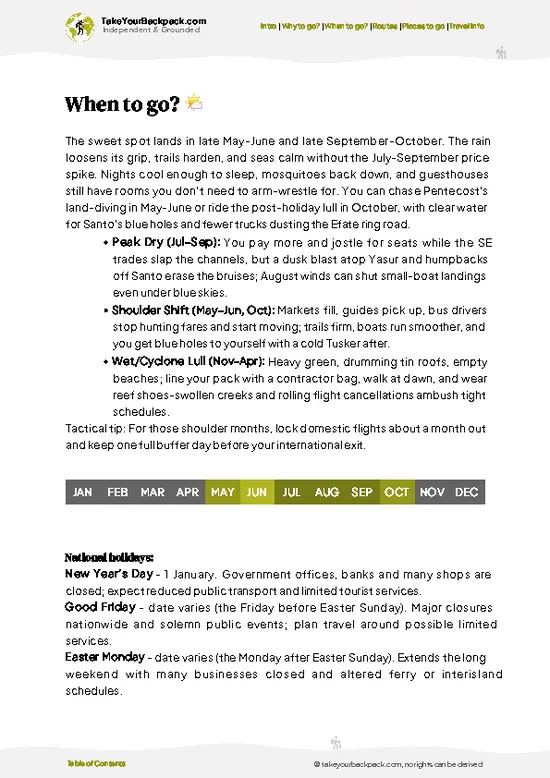
source: climatestotravel.comJANJanuary: fair for travelingFEBFebruary: fair for travelingMARMarch: fair for travelingAPRApril: fair for travelingMAYMay: highly recommended for travelingJUNJune: excellent for travelingJULJuly: excellent for travelingAUGAugust: excellent for travelingSEPSeptember: excellent for travelingOCTOctober: highly recommended for travelingNOVNovember: fair for travelingDECDecember: fair for traveling
when-to-go

✈️ The backpacker research shortcutVanuatu Travel Guide

An offline-friendly backpacking guide with optimized travel routes, ranked highlights, transport advice, and the best areas to stay.
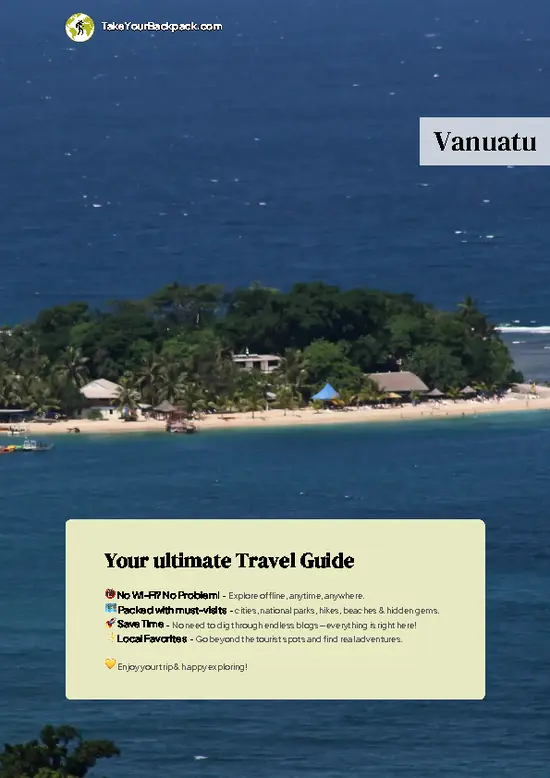
example page 0 from our offline Travel Guide for Vanuatu
example page 1 from our offline Travel Guide for Vanuatu
example page 2 from our offline Travel Guide for Vanuatu
example page 3 from our offline Travel Guide for Vanuatu
example page 4 from our offline Travel Guide for Vanuatu
example page 5 from our offline Travel Guide for Vanuatu
example page 6 from our offline Travel Guide for Vanuatu
example page 7 from our offline Travel Guide for Vanuatu
The digital guide (182 pages) contains:
43 highlights, ranked by travel appeal
Optimized 2, 3 & 5-day travel routes
Cities, national parks, landmarks, beaches
How to get around
Offline-friendly for travel without Wi-Fi
👉 Click to see all 30+ guide features

📅 Plan smarter in minutes, not weeks
Month by month travel advice
Festivals & national holidays
Budget expectations

🗺️ Go to the right places, skip the overrated ones
Honest pros & cons of destinations
Top hikes, parks & viewpoints
Lesser-known places most travelers miss
Clear “worth it vs skip it” guidance

🛏️ Travel smoothly without rookie mistakes
Best areas to stay
Transport systems explained simply
Common scams & safety advice
SIM cards, money & practical tips

🌍 Understand the country, not just visit it
Culture & traditions
52 Essential phrases & customs
Festivals worth planning around
Traveler-friendly historical context
Insights that make places more meaningful

📱 Built for real travel conditions
Fully downloadable PDF
Works completely offline
Optimized for phone use
Useful in remote areas & buses
Everything in one place
Save weeks of stressful planning
Get instant access to your full guide. 30‑day money-back guarantee.


By proceeding you agree to our terms.
Sent to your inbox immediately after payment • 100% Secure Checkout
Best Backpacking Travel Advisor 2025 tourism awardBest Backpacking
Travel Advisor
2025
What others say about Take Your Backpack Guides:
⭐⭐⭐⭐⭐
Fantastic, amazing amount of information!
⭐⭐⭐⭐⭐
My goodness this is amazing, it's what I've been looking for hats off too you!
⭐⭐⭐⭐⭐
I think this is absolutely BRILLIANT
⭐⭐⭐⭐
Very complete and informative. It's still missing places, but I gotta to commend you
⭐⭐⭐⭐⭐
This is truly amazing, thank you, can't wait to explore it with my kids!
⭐⭐⭐⭐⭐
Awesome resource, thank you!
⭐⭐⭐⭐⭐
This is amazing! Can't wait to explore the ones I haven't seen
⭐⭐⭐⭐
I love this! Well done, great idea.
⭐⭐⭐⭐⭐
Thanks for taking the time to make this gem!
⭐⭐⭐⭐⭐
This might be the best website I've ever seen.
⭐⭐⭐⭐⭐
Congratulations, and thank you so much for your work; it's incredibly valuable.
⭐⭐⭐⭐
In all seriousness I think you did a great job pointing out the important spots
⭐⭐⭐⭐⭐
10/10 very good
⭐⭐⭐⭐⭐
As someone who's only just starting to visit regularly this is awesome, thank you.
⭐⭐⭐⭐
Thank you very much! I'm going to visit my dad, it's going to be very useful!
⭐⭐⭐⭐⭐
This is really cool! We'll be travelling for the first time and this definitely come in handy.
⭐⭐⭐⭐⭐
You are now our minister of culture, congratulations 👨‍💼
⭐⭐⭐⭐⭐
Just wanted to tell you that this is a pearl! Going to follow your recommendations.
⭐⭐⭐⭐⭐
This is so cool. I'll definitely be using the resource for my travels soon.
⭐⭐⭐⭐⭐
This is very impressive! Good work.
⭐⭐⭐⭐⭐
This is an amazing and informative site. Very well done!

🛏️ Where to stay?Where staying makes the most sense

Mota Lava is not your typical backpacker hub, so your choice of where to stay matters more than you might expect. The best spot is the village area near the main wharf—this is where the island’s pulse is strongest. It’s safe, naturally social, and the few budget accommodations cluster here, making it easier to meet fellow travelers without the forced vibe of a big hostel. The scent of salt and wood smoke drifts through the air, mixing with the chatter of locals and the occasional laughter from a group sharing kava.

Staying close to the wharf means you’re steps away from the island’s informal … read more 👉
Mota Lava is not your typical backpacker hub, so your choice of where to stay matters more than you might expect. The best spot is the village area near the main wharf—this is where the island’s pulse is strongest. It’s safe, naturally social, and the few budget accommodations cluster here, making it easier to meet fellow travelers without the forced vibe of a big hostel. The scent of salt and wood smoke drifts through the air, mixing with the chatter of locals and the occasional laughter from a group sharing kava.

Staying close to the wharf means you’re steps away from the island’s informal market and the handful of small eateries where you can grab fresh fish or root vegetables cooked over an open fire. It’s not polished, but that’s the point—the atmosphere is raw and real, a chance to soak in daily island life.

Other parts of Mota Lava are quieter and more spread out, with fewer travelers and less infrastructure. That might sound peaceful, but it also means you’ll be isolated, missing out on the spontaneous connections that make backpacking memorable. The village near the wharf balances accessibility with authenticity, giving you a smoother, more connected experience on this remote island.

🚌 Getting aroundHow to get around Mota Lava

Mota Lava moves at the pace of the tides—unhurried, shaped by the sun’s arc and the rhythm of the sea breeze. It’s not a place where you’ll find strict timetables or flashing digital boards. Instead, the flow here is organic, a blend of local intuition and the natural world’s cues. The scent of salt and damp earth hangs in the air, and the sound of distant waves sets a steady pulse. If you want to get around like a local, you’ll need to sync with this relaxed tempo, embracing a bit of unpredictability while knowing the essentials that keep the island connected.

Walking is the backbone of getting around Mota Lava. The island’s compact size means you can cover most spots on foot within 30 to 60 minutes. Trails are often dirt paths, sometimes uneven, so sturdy shoes are a must. Walking lets … read more 👉
Mota Lava moves at the pace of the tides—unhurried, shaped by the sun’s arc and the rhythm of the sea breeze. It’s not a place where you’ll find strict timetables or flashing digital boards. Instead, the flow here is organic, a blend of local intuition and the natural world’s cues. The scent of salt and damp earth hangs in the air, and the sound of distant waves sets a steady pulse. If you want to get around like a local, you’ll need to sync with this relaxed tempo, embracing a bit of unpredictability while knowing the essentials that keep the island connected.

Walking is the backbone of getting around Mota Lava. The island’s compact size means you can cover most spots on foot within 30 to 60 minutes. Trails are often dirt paths, sometimes uneven, so sturdy shoes are a must. Walking lets you soak in the island’s raw textures—the rough bark of banyan trees, the salty tang carried on the breeze, and the occasional burst of tropical birdcalls. It’s free, flexible, and the best way to catch the subtle shifts in light and shadow that define the island’s character.

Local Outrigger Canoes serve as the primary water taxis between villages and nearby islets. These boats don’t run on a strict schedule but typically depart in the morning around 7:00 AM and return by late afternoon, weather permitting. A ride costs about 200 to 400 Vatu, depending on distance. The ride is slow and rhythmic, with the splash of paddles and the salty spray grounding you in the island’s maritime pulse. It’s not about speed but the experience of moving with the sea.

Shared Motorbike Taxis are a rare but useful option for longer distances or when you’re pressed for time. They usually operate from 8:00 AM to 5:00 PM, charging roughly 500 to 800 Vatu per trip. Roads can be rough, so expect a bumpy ride and hold on tight. This is your fastest way to cover ground but comes with less comfort and a bit of adrenaline.

Chartered Boats offer a more flexible, if pricier, way to explore beyond the island or reach remote spots on Mota Lava. You’ll need to negotiate directly with local fishermen, with prices varying widely based on distance and duration. These trips are weather-dependent and best booked early in the day to avoid afternoon winds. The payoff is access to secluded beaches and snorkeling spots few visitors see.

Occasional Mini-Bus Services operate sporadically, mainly during market days or special events. They’re not reliable for daily commuting but can be a budget-friendly way to travel if your timing aligns. Expect a slow, crowded ride with frequent stops, perfect for people-watching and catching local life in motion.

Mastering Mota Lava’s transit means embracing its natural rhythms and local customs. Walk when you want to linger, paddle when you want to drift, and ride when you need to speed up. Each mode offers a different slice of island life, turning travel from a chore into part of the adventure itself.

👛 Costs (as of 18 May 2026)How expensive it really is

Backpacking in Mota Lava, Vanuatu, means embracing a slow rhythm where costs are modest but the logistics demand a bit of patience and planning.
  • Dorm Accommodation: Options here are sparse and basic, often in local guesthouses rather than formal hostels. Expect to pay around $10 to $15 USD per night. The rooms are simple, sometimes with shared bathrooms, but the trade-off is waking up to the scent of the ocean and the sound of birds rather than city noise.
  • Meals: Food is straightforward and fresh, mostly local staples like root vegetables, fish, and coconut. Street food or small local eateries will cost about $3 to $6 USD per meal. Cooking your own food is possible if you have access to a kitchen, which can bring costs down.
  • Local Transport: Mota Lava is small, so transport costs are minimal.
read more 👉
Backpacking in Mota Lava, Vanuatu, means embracing a slow rhythm where costs are modest but the logistics demand a bit of patience and planning.
  • Dorm Accommodation: Options here are sparse and basic, often in local guesthouses rather than formal hostels. Expect to pay around $10 to $15 USD per night. The rooms are simple, sometimes with shared bathrooms, but the trade-off is waking up to the scent of the ocean and the sound of birds rather than city noise.
  • Meals: Food is straightforward and fresh, mostly local staples like root vegetables, fish, and coconut. Street food or small local eateries will cost about $3 to $6 USD per meal. Cooking your own food is possible if you have access to a kitchen, which can bring costs down.
  • Local Transport: Mota Lava is small, so transport costs are minimal. Walking is the main mode, but if you need to get around faster, occasional boat rides or shared rides might run you $2 to $5 USD. There’s no formal public transport system, so plan accordingly.
  • Basic Activities/Entry Fees: Most activities revolve around nature—hiking, beachcombing, and village visits. These are often free or involve a small community fee of $1 to $3 USD to support local initiatives. Organized tours are rare and usually arranged locally, costing $10 to $20 USD if available.
  • Miscellaneous Expenses: This includes essentials like water, snacks, or occasional phone credit. Budget around $2 to $5 USD daily. Internet access is limited and can be pricey, so plan offline entertainment or work accordingly.

Altogether, you’re looking at roughly $20 to $40 USD per day to cover the essentials in Mota Lava. It’s not about luxury but about tuning into a place where simplicity and nature set the pace, and every dollar stretches into a genuine experience.


source: vanuatu.travel
⚠️ Prices can change and everyone travels differently, so take this as a rough guide. Hope it helps you plan your adventure!

🚌 Day tripsWhere to go beyond the main area

Mota Lava is a backpacker’s dream base, offering access to stunning landscapes and rich culture without the hassle of long travel times. Here are some day trips that will elevate your Vanuatu experience.

1. The Lava Tubes Adventure
A short boat ride from Mota Lava leads you to the mesmerizing lava tubes of the nearby island. These natural formations are like nature’s own art gallery, with walls that shimmer in the light. You’ll spend about two hours exploring, and the entrance fee is minimal—around $10. The best time to go is early morning when the sun casts a golden hue on the rocks. A common mistake? Forgetting your headlamp; it’s essential for navigating the darker sections.


2. Snorkeling at Toga Island
Just a 30-minute boat ride away, Toga Island offers some of the best snorkeling … read more 👉
Mota Lava is a backpacker’s dream base, offering access to stunning landscapes and rich culture without the hassle of long travel times. Here are some day trips that will elevate your Vanuatu experience.

1. The Lava Tubes Adventure
A short boat ride from Mota Lava leads you to the mesmerizing lava tubes of the nearby island. These natural formations are like nature’s own art gallery, with walls that shimmer in the light. You’ll spend about two hours exploring, and the entrance fee is minimal—around $10. The best time to go is early morning when the sun casts a golden hue on the rocks. A common mistake? Forgetting your headlamp; it’s essential for navigating the darker sections.


2. Snorkeling at Toga Island
Just a 30-minute boat ride away, Toga Island offers some of the best snorkeling in the region. The coral reefs are alive with color, and you might even spot a sea turtle gliding by. Plan for a half-day trip, and budget around $25 for gear rental and boat fare. Late afternoon is ideal for fewer crowds and clearer water. Many first-timers underestimate the current; stay close to your guide for safety.


3. Cultural Tour of the Local Villages
Immerse yourself in the local culture with a guided tour of nearby villages. This trip typically takes about three hours and costs around $15. You’ll witness traditional dances, sample local cuisine, and learn about the island’s history. The best time to visit is during festival seasons, when the energy is palpable. A common pitfall? Skipping the chance to engage with locals; they have stories that will enrich your experience.


4. Hiking to Mount Tefala
For those craving a workout, the hike to Mount Tefala is a must. It takes about four hours round-trip, and the views from the summit are breathtaking. Bring water and snacks, as the trek can be challenging. Expect to spend around $5 for a local guide. The dry season, from May to October, is the best time to tackle this trail. Many newcomers underestimate the trail’s difficulty; wear sturdy shoes and pace yourself.


Mota Lava is your gateway to adventure, blending natural beauty with cultural richness. Each trip offers a unique slice of Vanuatu that you won’t want to miss.
Want to know what more Vanuatu offers?
The Vanuatu Travel Guide describes 43 highlights, from cities to national parks, from beaches to hikes

Get the Travel Guide -

🛡️ SafetySafety Tips and Common Scams in Mota Lava

Mota Lava is generally safe, but a few practical tips can enhance your experience. The town has a laid-back vibe, but keep an eye on your belongings, especially in crowded areas like the market. When wandering solo, especially at night, stick to well-lit paths and avoid isolated spots.

Local hospitality is warm, but be aware of the occasional overzealous vendor. If someone offers you a “special deal,” it’s often just a way to upsell. Politely decline and keep moving.

Annoyances can include the occasional stray dog, which may bark but usually means no harm. Just give them space. Carry yourself with confidence; a friendly smile and a nod can go a long way in building rapport. Embrace the rhythm of the island, and you’ll find that the little bumps in the road only add to the adventure.

Other Ni-Vanuatu towns near Mota Lava

Explore more nearby:

  • Luganville—WWII relics, blue holes, Espiritu Santo gateway, local produce markets| 209 km away
  • Port Vila—Harborfront, French-influenced dining, handicraft markets, Efate transport hub| 457 km away
  • Tanna—Yasur volcano, kastom villages, black sand beaches, southern Vanuatu| 673 km away

💡 Not sure where to go next?
Create a personalized itinerary for Vanuatu including Mota Lava and the places that fit your trip.

Generate my itinerary

👉 Discover all towns

Or checkout all Vanuatu has to offer (think cities, towns, villages, national parks, hikes, beaches, festivals)
Country photo of Vanuatu

We 💚 feedbackIs it worth it?

Mota Lava is raw and real, a place where the earth breathes fire and the ocean whispers secrets. The best surprise? The locals’ warmth; they’ll share stories over kava that make you feel like family. But don’t underestimate the hike to the volcano. It’s steep and sweaty, but that’s part of the thrill. Embrace the challenge, and you’ll be rewarded with views that make every drop of sweat worth it. This isn’t just a trip; it’s a rite of passage.

✍️ Help improve this page!
The information on this page is based on in-depth research, insights shared by experienced travelers, and feedback from the local travel community in Vanuatu. While every effort is made to keep the information accurate and current, conditions can change — so if you spot anything incorrect or outdated, please get in touch.


🙋‍♂️ Give feedback

👋 Meet the founderWho’s Behind Take Your Backpack?

Johan, backpacker and founder of TakeYourBackpackHi, I’m Johan (Netherlands 🇳🇱), the creator of TakeYourBackpack. Over the past decade, I’ve backpacked through 80+ countries across six continents, gaining extensive experience with independent travel, long-term trips, and overland routes.

This site is built on a combination of firsthand travel experience and carefully curated insights from other backpackers. Many guides are based on places I’ve personally visited, while others bring together tips, observations, and practical advice shared by trusted travelers I’ve met along the way.

The goal is to provide realistic, experience-driven guidance — not generic itineraries — so you can explore destinations with better context, clearer expectations, and more confidence.

Get full Vanuatu guide •
Instant download • 43 highlights • Full Offline guide