v2.webp)
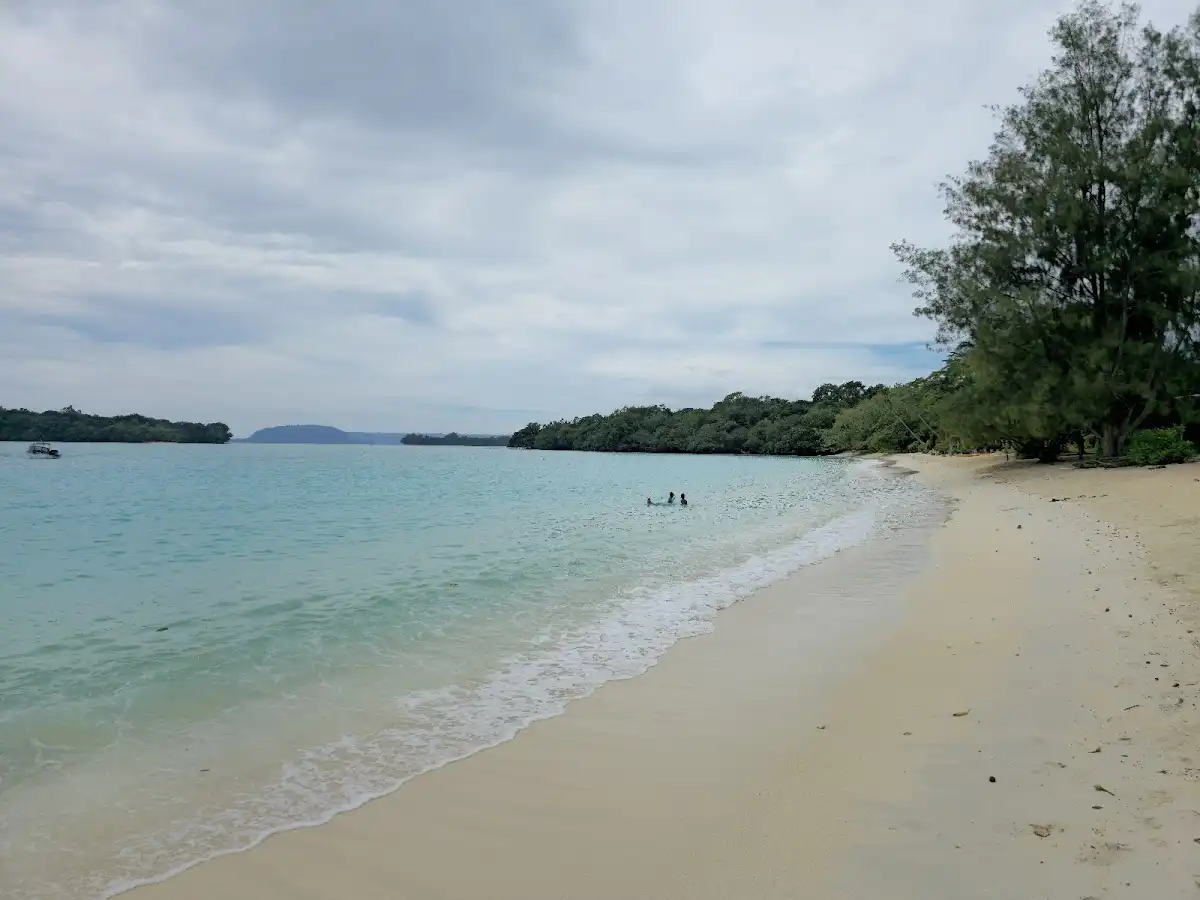
- Snorkelling the doorstep reef — The coral garden starts just a few strokes from the sand, so you don’t need a boat to see colourful hard corals, reef fish and the occasional turtle. The water is shallow, very clear and calm most mornings, which makes it perfect for lazy, long snorkel sessions and easy photography. Bring your own mask and reef-safe sunscreen; you’ll often have whole stretches of reef to yourself.
- Low-tide reef walks and tidepool hunting — At low tide the bay reveals a network of exposed reef flats and tiny pools full of crabs, starfish and sea cucumbers. It’s a great hands-on way to learn local sea life without scuba gear, and the shells and little marine creatures here have a different feel than the tourist beaches further north. Go with a local or your host to avoid damaging
- Snorkelling the doorstep reef — The coral garden starts just a few strokes from the sand, so you don’t need a boat to see colourful hard corals, reef fish and the occasional turtle. The water is shallow, very clear and calm most mornings, which makes it perfect for lazy, long snorkel sessions and easy photography. Bring your own mask and reef-safe sunscreen; you’ll often have whole stretches of reef to yourself.
- Low-tide reef walks and tidepool hunting — At low tide the bay reveals a network of exposed reef flats and tiny pools full of crabs, starfish and sea cucumbers. It’s a great hands-on way to learn local sea life without scuba gear, and the shells and little marine creatures here have a different feel than the tourist beaches further north. Go with a local or your host to avoid damaging fragile corals and to learn which finds are OK to take.
- Paddle and explore the sheltered lagoon — Rent a kayak or SUP from a guesthouse and quietly weave between palms, shallow sandbars and small reef fingers. The water is glassy in the mornings and you can creep up on wading birds, spot fish in ankle-deep water, or chase little hidden coves that are invisible from the main beach. It’s simple, peaceful, and a proper way to see the bay’s shape and villages from the water.
- Village life and local food experiences — Port Olry is a working village, so the real attraction is the people: home-cooked food (think fresh fish and laplap), weaving demonstrations, and the chance to hang out with families who run guesthouses. These interactions aren’t staged tourist shows — they’re daily life — so you get honest conversations, an invite to a meal, or a local’s tip about a quiet viewpoint. Be respectful and open; you’ll learn more than you would at any resort.
- Sunset, moonlit beach walks and mellow evening culture — Nights at Port Olry are quiet in the best way: palms silhouetted against a big star field, the bay glowing under moonlight, and village sounds drifting from a church or a family kitchen. There aren’t loud clubs here; instead you’ll find informal music, maybe a community feast or dance if there’s a celebration — ask your host. It’s the kind of nighttime that makes you slow down rather than party hard.
Spotted a mistake or missing something? Contact us.

Major Tom -Sailing Day Cruise, with Snorkeling, Lunch & More!
✓ Free cancellation

Small Group River Kayaking Tour from Port Vila
✓ Free cancellation

Vanuatu Jungle Zipline with Transfers
✓ Free cancellation

Vanuatu Jungle Zipline - Self Drive Option
✓ Free cancellation

Full-Day Efate Round Island Trip with Yumi Tours
✓ Free cancellation

Rarru Cascades, Waterfall & Kava
✓ Free cancellation

83 Islands Distillery & Sightseeing of Port Vila with Yumi Tours
✓ Free cancellation

Arrival Transfer from the Airport in Port Vila to the Hotel
✓ Free cancellation

Discovery Bush Walk from Port Vila
✓ Free cancellation

Nguna Island Full Day Hike and Snorkeling Adventure from Port Vila Vanuatu
✓ Free cancellation
 Best Backpacking
.jpg) Hi, I’m Johan (Netherlands 🇳🇱), the creator of TakeYourBackpack. Over the past decade, I’ve backpacked through 80+ countries across six continents, gaining extensive experience with independent travel, long-term trips, and overland routes.
Hi, I’m Johan (Netherlands 🇳🇱), the creator of TakeYourBackpack. Over the past decade, I’ve backpacked through 80+ countries across six continents, gaining extensive experience with independent travel, long-term trips, and overland routes.