×

Western Sahara🇪🇭 | villagesBir Lehloudesert outpost, administrative center, Sahrawi government presence | things to do and best time to go

Explore TichkaExplore Oum Dreyga

Backpacking in Bir Lehlou
🏆 Top pickvillage ranked #2
By Johan Kruseman 🇳🇱 | Updated May 12, 2026

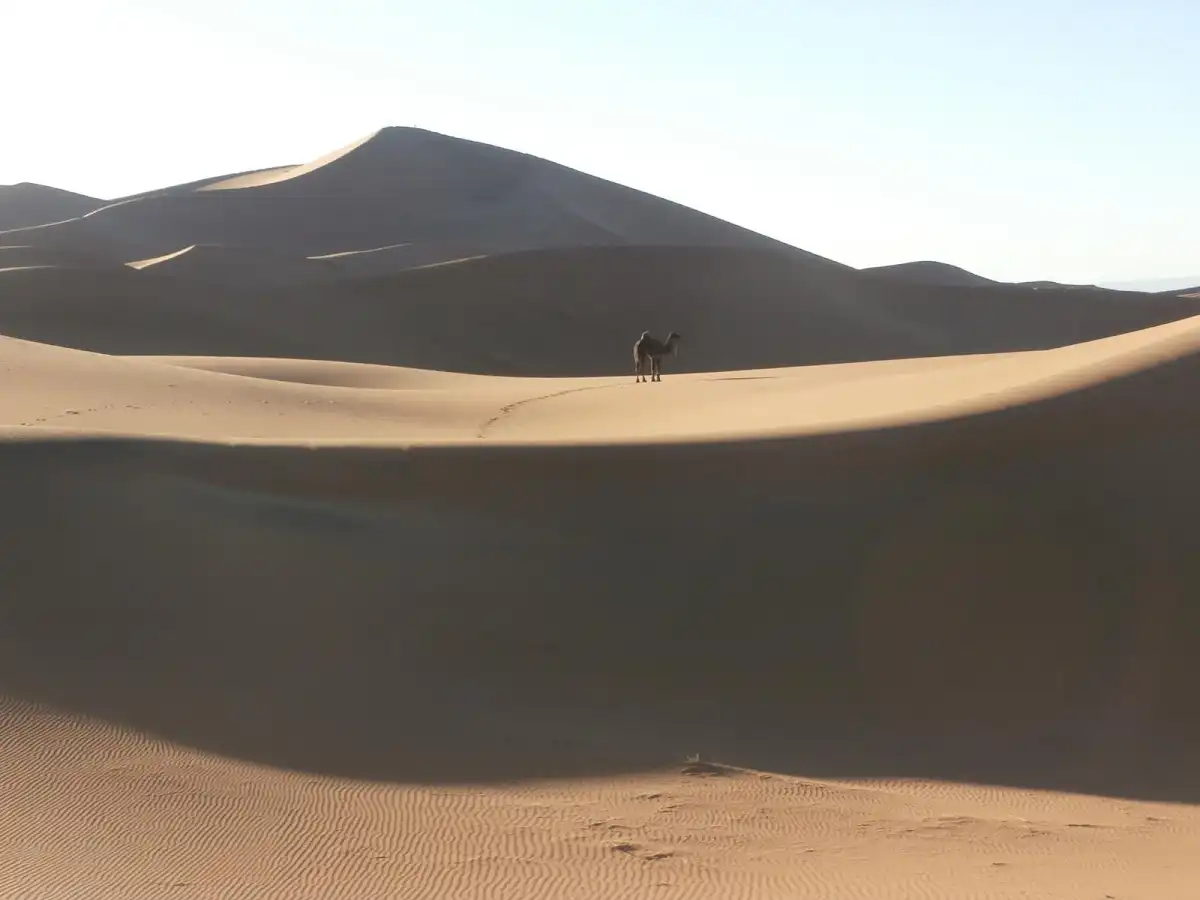
The first thing nobody tells you about Bir Lehlou: the silence is a resource, not a void. Most travelers only realize this after a night under the Saharan stars, when the absence of city noise sharpens every other sense—the wind’s edge, the scent of dust, the slow, deliberate rhythm of life. Bir Lehlou sits deep in the northeast of Western Sahara, far from the Atlantic’s salt and the border’s tension, and even farther from the tourist circuits that define most Saharan towns. For backpackers, this is not a place of bustling markets or Instagram-ready ruins. It’s a checkpoint on the map—sometimes literally, as it’s a political and logistical hub for the Sahrawi Arab Democratic Republic. The town itself is spare, practical, and honest: a scattering of low buildings, a few government offices, and the kind of hospitality that comes from necessity, not commerce. It works best as a staging post for those heading into the desert proper or tracing the route between Tindouf and the Moroccan-controlled coast. Don’t expect nightlife or a hostel scene; evenings are slow, social only if you make the effort, and you’ll likely be the only foreigner in sight. Costs are low, but so are amenities. Compared to Dakhla or Smara, Bir Lehlou is quieter, more purposeful, and less about spectacle—ideal if you want to feel the Sahara’s pulse without the filter of tourism.

Discover everything you want to know in the 📖 Western Sahara Travel Guide.
Loading the map 🌍
CLICK TO FILTER
city
town
village
unique site
beach
festival
region
SHOW COUNTRY’S BESTSHOW ALL

✨ Why go?
Ranked #2 village in Western Sahara
Why Bir Lehlou should be on your travel list

Bir Lehlou is a strategic waypoint for backpackers navigating the vastness of Western Sahara. Its proximity to stunning hikes and cultural sites makes it a natural stop. You can lace up your boots and hit the trails, where the desert unfolds in a palette of ochre and gold, or explore local markets that pulse with life and flavor. The walkable streets invite you to wander, with small-scale hostels and guesthouses offering a cozy place to rest your head after a day of adventure.

The atmosphere here is friendly and laid-back, perfect for solo travelers or those in small groups. You’ll find fellow backpackers swapping stories over a plate of tagine, the spices wafting through the air, creating a sense of community. Most travelers stay for a couple of days, soaking in the local culture and the … read more 👉
Bir Lehlou is a strategic waypoint for backpackers navigating the vastness of Western Sahara. Its proximity to stunning hikes and cultural sites makes it a natural stop. You can lace up your boots and hit the trails, where the desert unfolds in a palette of ochre and gold, or explore local markets that pulse with life and flavor. The walkable streets invite you to wander, with small-scale hostels and guesthouses offering a cozy place to rest your head after a day of adventure.

The atmosphere here is friendly and laid-back, perfect for solo travelers or those in small groups. You’ll find fellow backpackers swapping stories over a plate of tagine, the spices wafting through the air, creating a sense of community. Most travelers stay for a couple of days, soaking in the local culture and the stark beauty of the landscape. If you’re looking for a place to recharge before heading deeper into the desert or to the coast, Bir Lehlou is your launchpad. It’s not just a stop; it’s a piece of the journey that feels earned.
Get the complete Travel Guide for Western Sahara
Everything organized for offline planning — routes, highlights, costs & tips

See what’s inside 👉

Get the Travel Guide -

💡 HighlightsWhat this place is best known for

  • Site of the 27 February 1976 Declaration of the Sahrawi Arab Democratic Republic — The single most important historic spot in Bir Lehlou: where Sahrawi leaders proclaimed the SADR. Visiting puts you at the political origin point of the modern Sahrawi national movement and you’ll see the area still treated as a symbolic ceremony ground.
  • The original ”Bir” (white well) — The well that gave Bir Lehlou its name and anchored settlement here for generations. The old water point and its immediate surroundings show traditional desert settlement logic and make for a quiet, tangible link to local everyday life.
  • Temporary SADR administrative quarter — The cluster of government tents/buildings used when Bir Lehlou functioned as the SADR’s temporary capital. The area offers a clear view of contemporary
read more 👉
  • Site of the 27 February 1976 Declaration of the Sahrawi Arab Democratic Republic — The single most important historic spot in Bir Lehlou: where Sahrawi leaders proclaimed the SADR. Visiting puts you at the political origin point of the modern Sahrawi national movement and you’ll see the area still treated as a symbolic ceremony ground.
  • The original ”Bir” (white well) — The well that gave Bir Lehlou its name and anchored settlement here for generations. The old water point and its immediate surroundings show traditional desert settlement logic and make for a quiet, tangible link to local everyday life.
  • Temporary SADR administrative quarter — The cluster of government tents/buildings used when Bir Lehlou functioned as the SADR’s temporary capital. The area offers a clear view of contemporary Sahrawi governance in the liberated territories and often displays national flags, notices, and administrative activity.
  • Local Sahrawi camp life and tented households — Scattered nomadic and semi-nomadic camps around the village where you can observe or respectfully visit traditional tent life, nomad herding patterns and the Sahrawi hospitality ritual (tea service and conversation).
Nearby day-trip highlights include Tifariti (historic Sahrawi sites and memorials) and the raw hamada and Mauritanian borderlands for open-desert scenery and short cross-border landscapes.
Spotted a mistake or missing something? Contact us.
⌛️ 1 day1-day itinerary for Bir Lehlou

Bir Lehlou, a small town in Western Sahara, is a unique blend of history and resilience. It’s not on every traveler’s radar, but that’s part of its charm. The stark beauty of the desert landscape, punctuated by the occasional acacia tree, sets the stage for a day that feels both adventurous and grounding.

Start your morning with a stroll through the town’s main square. The early light casts long shadows, and the air is crisp, carrying the scent of earth and sage. Grab a traditional breakfast at a local café—think flatbread with honey and mint tea. This isn’t just fuel; it’s a taste of the culture. Engage with the locals, who are often eager to share stories about their lives and the history of the region.

As the sun climbs higher, head towards the outskirts to explore the nearby ruins of … read more 👉
Bir Lehlou, a small town in Western Sahara, is a unique blend of history and resilience. It’s not on every traveler’s radar, but that’s part of its charm. The stark beauty of the desert landscape, punctuated by the occasional acacia tree, sets the stage for a day that feels both adventurous and grounding.

Start your morning with a stroll through the town’s main square. The early light casts long shadows, and the air is crisp, carrying the scent of earth and sage. Grab a traditional breakfast at a local café—think flatbread with honey and mint tea. This isn’t just fuel; it’s a taste of the culture. Engage with the locals, who are often eager to share stories about their lives and the history of the region.

As the sun climbs higher, head towards the outskirts to explore the nearby ruins of the old French fort. It’s a short walk, and the path is lined with wildflowers that bloom defiantly in the arid soil. The fort offers a panoramic view of the surrounding dunes, a reminder of the area’s strategic importance. Spend some time here, soaking in the silence and the vastness. This is a spot rarely visited by tourists, making it feel like your own secret discovery.

In the afternoon, return to town and wander through the residential neighborhoods. The adobe houses, with their earthy tones, blend seamlessly into the landscape. Stop by a small artisan shop where you can find handmade crafts—perfect souvenirs that support local artisans.

As evening approaches, find a spot to watch the sunset. The sky transforms into a canvas of oranges and purples, reflecting off the sand. For dinner, seek out a local eatery serving tagine. The flavors are rich, and the atmosphere is warm, filled with laughter and conversation.

Bir Lehlou may be off the beaten path, but it’s a place where every moment feels earned, and every experience is a connection to the heart of the Sahara.
Build the Right Itinerary
Use the Western Sahara Travel Guide’s 2, 3 & 5-day routes as a starting point to plan a trip that actually works on the ground.

Get the Travel Guide -

🌤️ When to go?Choosing the right time of year


  • Topic: Weather — Bir Lehlou sits in the Sahara’s harsh embrace, so timing your visit around cooler months is key. From November to February, temperatures hover between 15°C and 25°C (59°F to 77°F), making daytime exploration bearable without the relentless desert scorch.

  • Topic: Temperature — Summer highs can spike above 40°C (104°F), turning the landscape into an oven. Nights cool sharply, but the daytime heat is brutal. Visiting in winter means you avoid this oven effect and can enjoy the desert’s raw textures without melting into your gear.

  • Topic: Daylight Hours — The Sahara offers long, bright days year-round, but winter days are shorter, with about 10 hours of light. This means cooler mornings and evenings perfect for trekking or photography, while midday heat is less punishing
read more 👉

  • Topic: Weather — Bir Lehlou sits in the Sahara’s harsh embrace, so timing your visit around cooler months is key. From November to February, temperatures hover between 15°C and 25°C (59°F to 77°F), making daytime exploration bearable without the relentless desert scorch.

  • Topic: Temperature — Summer highs can spike above 40°C (104°F), turning the landscape into an oven. Nights cool sharply, but the daytime heat is brutal. Visiting in winter means you avoid this oven effect and can enjoy the desert’s raw textures without melting into your gear.

  • Topic: Daylight Hours — The Sahara offers long, bright days year-round, but winter days are shorter, with about 10 hours of light. This means cooler mornings and evenings perfect for trekking or photography, while midday heat is less punishing than in summer.

  • Topic: Crowds — Bir Lehlou is off the beaten path, so crowds are minimal year-round. However, cooler months see a slight uptick in adventurous travelers, which means you’ll find more fellow explorers without losing the sense of solitude.

  • Topic: Seasonal Activities — Winter months align with local cultural events and nomadic gatherings, offering a rare chance to witness Saharan traditions firsthand. Summer’s extreme heat shuts down most outdoor activities, limiting your experience to brief morning or evening excursions.

  • Topic: Price Fluctuations — Expect slightly higher prices during the cooler season due to increased demand, but the premium is worth it for comfort and access. Off-season summer visits might save money but come with the cost of enduring punishing heat and limited services.


Pro-tip: Aim for late autumn or early spring to catch the desert in transition—cool enough to roam freely, with the light shifting just right to reveal the Sahara’s rugged beauty without the summer’s harsh glare.


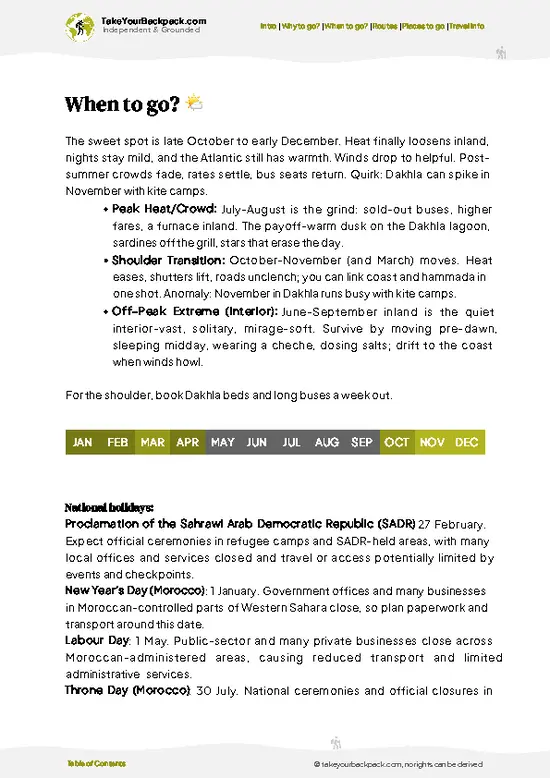
source: climatestotravel.comJANJanuary: excellent for travelingFEBFebruary: excellent for travelingMARMarch: highly recommended for travelingAPRApril: good for travelingMAYMay: fair for travelingJUNJune: below average for travelingJULJuly: below average for travelingAUGAugust: below average for travelingSEPSeptember: fair for travelingOCTOctober: highly recommended for travelingNOVNovember: excellent for travelingDECDecember: excellent for traveling
western-sahara-city-bir-lehlou
© Google |

✈️ The backpacker research shortcutWestern Sahara Travel Guide

An offline-friendly backpacking guide with optimized travel routes, ranked highlights, transport advice, and the best areas to stay.
example page 0 from our offline Travel Guide for Western Saharaexample page 1 from our offline Travel Guide for Western Saharaexample page 2 from our offline Travel Guide for Western Saharaexample page 3 from our offline Travel Guide for Western Saharaexample page 4 from our offline Travel Guide for Western Saharaexample page 5 from our offline Travel Guide for Western Saharaexample page 6 from our offline Travel Guide for Western Saharaexample page 7 from our offline Travel Guide for Western Sahara
The digital guide (117 pages) contains:
22 highlights, ranked by travel appeal
Optimized 2, 3 & 5-day travel routes
Cities, national parks, beaches, historical sites, ...
How to get around
Offline-friendly for travel without Wi-Fi
👉 Click to see all 30+ guide features

📅 Plan smarter in minutes, not weeks
Month by month travel advice
Festivals & national holidays
Budget expectations

🗺️ Go to the right places, skip the overrated ones
Honest pros & cons of destinations
Top hikes, parks & viewpoints
Lesser-known places most travelers miss
Clear “worth it vs skip it” guidance

🛏️ Travel smoothly without rookie mistakes
Best areas to stay
Transport systems explained simply
Common scams & safety advice
SIM cards, money & practical tips

🌍 Understand the country, not just visit it
Culture & traditions
52 Essential phrases & customs
Festivals worth planning around
Traveler-friendly historical context
Insights that make places more meaningful

📱 Built for real travel conditions
Fully downloadable PDF
Works completely offline
Optimized for phone use
Useful in remote areas & buses
Everything in one place
Save weeks of stressful planning
Get instant access to the full guide directly. 30-day money-back guarantee.


Sent to your inbox immediately after payment • 100% Secure Checkout
Best Backpacking Travel Advisor 2025 tourism awardBest Backpacking
Travel Advisor
2025
What others say about Take Your Backpack Guides:
⭐⭐⭐⭐⭐
Fantastic, amazing amount of information!
⭐⭐⭐⭐⭐
My goodness this is amazing, it's what I've been looking for hats off too you!
⭐⭐⭐⭐⭐
I think this is absolutely BRILLIANT
⭐⭐⭐⭐
Very complete and informative. It's still missing places, but I gotta to commend you
⭐⭐⭐⭐⭐
This is truly amazing, thank you, can't wait to explore it with my kids!
⭐⭐⭐⭐⭐
Awesome resource, thank you!
⭐⭐⭐⭐⭐
This is amazing! Can't wait to explore the ones I haven't seen
⭐⭐⭐⭐
I love this! Well done, great idea.
⭐⭐⭐⭐⭐
Thanks for taking the time to make this gem!
⭐⭐⭐⭐⭐
This might be the best website I've ever seen.
⭐⭐⭐⭐⭐
Congratulations, and thank you so much for your work; it's incredibly valuable.
⭐⭐⭐⭐
In all seriousness I think you did a great job pointing out the important spots
⭐⭐⭐⭐⭐
10/10 very good
⭐⭐⭐⭐⭐
As someone who's only just starting to visit regularly this is awesome, thank you.
⭐⭐⭐⭐
Thank you very much! I'm going to visit my dad, it's going to be very useful!
⭐⭐⭐⭐⭐
This is really cool! We'll be travelling for the first time and this definitely come in handy.
⭐⭐⭐⭐⭐
You are now our minister of culture, congratulations 👨‍💼
⭐⭐⭐⭐⭐
Just wanted to tell you that this is a pearl! Going to follow your recommendations.
⭐⭐⭐⭐⭐
This is so cool. I'll definitely be using the resource for my travels soon.
⭐⭐⭐⭐⭐
This is very impressive! Good work.
⭐⭐⭐⭐⭐
This is an amazing and informative site. Very well done!

🛏️ Where to stay?How to pick the right area

Bir Lehlou isn’t your typical backpacker hotspot, but that’s exactly why the right neighborhood matters. The town’s heart pulses in the central district, where you’ll find the most accessible, social spots. This area is compact, with narrow streets that catch the late afternoon light just right—dusty, warm, and alive with local chatter. Staying here means you’re steps away from the market buzz and the handful of guesthouses that cater to budget travelers. It’s safe, not because of heavy policing, but because the community is tight-knit and watchful, which gives solo travelers a quiet confidence. … read more 👉
Bir Lehlou isn’t your typical backpacker hotspot, but that’s exactly why the right neighborhood matters. The town’s heart pulses in the central district, where you’ll find the most accessible, social spots. This area is compact, with narrow streets that catch the late afternoon light just right—dusty, warm, and alive with local chatter. Staying here means you’re steps away from the market buzz and the handful of guesthouses that cater to budget travelers. It’s safe, not because of heavy policing, but because the community is tight-knit and watchful, which gives solo travelers a quiet confidence.

Venture outside this core, and you hit quieter, more residential zones that feel isolated and less welcoming to outsiders. These areas lack the social vibe backpackers crave—no casual meetups over mint tea or spontaneous invitations to share a meal. The central district’s guesthouses might not be flashy, but they’re practical hubs where you can swap stories with other travelers and locals alike. The scent of freshly baked bread from nearby stalls and the occasional waft of desert wind through open windows create a sensory backdrop that makes the stay feel authentic, not staged.

In Bir Lehlou, choosing the central district isn’t just about convenience; it’s about plugging into the town’s rhythm, making your stay smoother and richer without unnecessary hassle.

🚌 Getting aroundMoving around without the hassle

Bir Lehlou moves at its own rhythm—less a clock-bound town and more a place where time stretches and contracts with the sun and the wind. The air carries a dry, dusty scent, punctuated by the occasional waft of cooking fires and the faint metallic tang of well-worn tools. Streets aren’t marked by strict schedules but by the ebb and flow of locals and travelers alike, where intuition and patience are your best allies. This isn’t a place for rushing; it’s a place where the journey itself is part of the story, and understanding the transit options here means syncing with that pulse rather than fighting it.


  • Walking: The most reliable and immersive way to get around Bir Lehlou. Distances between key points are manageable on foot, and walking lets you soak in the textures of the town—the cracked
read more 👉
Bir Lehlou moves at its own rhythm—less a clock-bound town and more a place where time stretches and contracts with the sun and the wind. The air carries a dry, dusty scent, punctuated by the occasional waft of cooking fires and the faint metallic tang of well-worn tools. Streets aren’t marked by strict schedules but by the ebb and flow of locals and travelers alike, where intuition and patience are your best allies. This isn’t a place for rushing; it’s a place where the journey itself is part of the story, and understanding the transit options here means syncing with that pulse rather than fighting it.


  • Walking: The most reliable and immersive way to get around Bir Lehlou. Distances between key points are manageable on foot, and walking lets you soak in the textures of the town—the cracked earth underfoot, the chatter from market stalls, and the shifting light as the sun arcs overhead. It’s free, flexible, and perfect for budget travelers who want to move at their own pace.


  • Shared Taxis: These operate on a semi-regular basis, usually filling up before departure rather than sticking to a strict timetable. Expect to pay a few dollars for trips to nearby towns or transport hubs. Comfort is basic—think worn seats and open windows—but the speed is decent, and the social experience is part of the charm. They typically start running early morning and taper off by late afternoon.


  • Motorbike Rentals: If you’re comfortable on two wheels, renting a motorbike offers a fast, flexible way to explore beyond the town limits. Prices are modest, but you’ll want to negotiate upfront and check the bike thoroughly—dust and sand can be brutal on machinery here. Riding at dawn or dusk is best to avoid the midday heat and catch the landscape in softer light.


  • Local Minibuses: These are less predictable and often depart only when full, which can mean waiting in the heat. They cover longer distances and are the cheapest option for budget travelers heading to regional centers. The ride is bumpy and slow, but it’s a genuine slice of local life, with stops dictated by passengers’ needs rather than a fixed route.


  • Bicycle Rentals: For those who want a slower pace than a motorbike but more ground covered than walking, bicycles are a solid choice. The terrain is mostly flat but dusty, so bring water and sunscreen. Rentals are affordable, and cycling through the town’s quiet streets in the early morning offers a peaceful, tactile connection to the place.

👛 Costs (as of 15 February 2026)How expensive it really is

Backpacking in Bir Lehlou, Western Sahara, is a raw, off-the-grid experience where costs stay low but the infrastructure is sparse, so every euro or dollar stretches differently than in more touristy spots.
  • Dorm Accommodation: Options are extremely limited here, mostly basic guesthouses or shared rooms in local homes. Expect to pay around €5 to €10 per night. These places are no-frills—think simple bedding, minimal privacy, and sometimes shared bathrooms. The scarcity means booking ahead isn’t always possible, so flexibility is key.
  • Meals: Food is straightforward and local. A typical meal of couscous, tagine, or grilled meat with bread will cost between €2 and €5. Street food or small local eateries dominate, offering fresh but simple fare. Water and soft drinks add a bit more, around €0.
read more 👉
Backpacking in Bir Lehlou, Western Sahara, is a raw, off-the-grid experience where costs stay low but the infrastructure is sparse, so every euro or dollar stretches differently than in more touristy spots.
  • Dorm Accommodation: Options are extremely limited here, mostly basic guesthouses or shared rooms in local homes. Expect to pay around €5 to €10 per night. These places are no-frills—think simple bedding, minimal privacy, and sometimes shared bathrooms. The scarcity means booking ahead isn’t always possible, so flexibility is key.
  • Meals: Food is straightforward and local. A typical meal of couscous, tagine, or grilled meat with bread will cost between €2 and €5. Street food or small local eateries dominate, offering fresh but simple fare. Water and soft drinks add a bit more, around €0.50 to €1 each, since imported goods can be pricier.
  • Local Transport: Public transport is almost nonexistent. Most travelers rely on shared taxis or hitchhiking. Shared taxis for short distances might cost around €1 to €3. Renting a vehicle is expensive and complicated, so plan to walk or negotiate rides with locals. This means transport costs can be unpredictable but generally low if you’re patient.
  • Basic Activities/Entry Fees: There are no formal tourist sites with entry fees here. The main draw is the landscape and cultural immersion, which are free but require some effort to access. Guided tours, if available, can cost €10 to €20, but these are rare and usually arranged through local contacts.
  • Miscellaneous Expenses: Think essentials like SIM cards, bottled water, or occasional snacks. SIM cards with data might cost around €5 to €10, and bottled water is about €0.50. Keep some cash handy for unexpected needs, as ATMs and card payments are almost nonexistent.

Bir Lehlou’s daily budget is lean, roughly €10 to €25. The low cost reflects the rawness of the place—no polished tourist infrastructure, just the stark Sahara and local life. Budgeting here means embracing simplicity and unpredictability, which is part of the authentic experience.
⚠️ Prices can change and everyone travels differently, so take this as a rough guide. Hope it helps you plan your adventure!

🚌 Day tripsExploring the surroundings

Bir Lehlou is a unique launchpad for exploring the stark beauty of the Western Sahara. With its rugged landscapes and rich culture, it offers a series of day trips that are both accessible and rewarding.

Chott el Jerid
This vast salt flat stretches endlessly, creating a shimmering mirage under the sun. The drive takes about two hours, and the surreal landscape is worth every minute. Bring plenty of water and snacks; you’ll want to linger. The best time to visit is early morning or late afternoon when the light dances across the salt crust. A common mistake is underestimating the sun’s intensity—sunscreen is a must. Expect to spend around $10 for transport and snacks.


Oasis of Figuig
A hidden oasis that feels like stepping into another world. It’s roughly a three-hour drive, but the … read more 👉
Bir Lehlou is a unique launchpad for exploring the stark beauty of the Western Sahara. With its rugged landscapes and rich culture, it offers a series of day trips that are both accessible and rewarding.

Chott el Jerid
This vast salt flat stretches endlessly, creating a shimmering mirage under the sun. The drive takes about two hours, and the surreal landscape is worth every minute. Bring plenty of water and snacks; you’ll want to linger. The best time to visit is early morning or late afternoon when the light dances across the salt crust. A common mistake is underestimating the sun’s intensity—sunscreen is a must. Expect to spend around $10 for transport and snacks.


Oasis of Figuig
A hidden oasis that feels like stepping into another world. It’s roughly a three-hour drive, but the lush palm groves and cool springs make it a refreshing escape. You can wander through the date palm groves and sip mint tea with locals, immersing yourself in their way of life. The best time to go is in spring when the flowers bloom. Many first-timers miss the chance to engage with the community; don’t just take photos—share a moment. Budget around $15 for transport and refreshments.


Erg Chebbi Dunes
These iconic sand dunes are a must-see, about four hours from Bir Lehlou. The undulating waves of orange sand are mesmerizing, especially at sunset. Pack a picnic and enjoy the view from the top of a dune. The best time to visit is during the cooler months, from October to March. A common rookie mistake is not bringing enough water; it’s easy to underestimate the heat. Expect to spend around $20 for transport and snacks.


Taghit
This small town is a gateway to stunning landscapes and ancient rock art. It’s about a two-hour drive, and the journey is filled with breathtaking views. Explore the nearby cliffs and discover petroglyphs that tell stories of the past. The best time to visit is in the cooler months, avoiding the summer heat. Many travelers overlook the historical significance of the art; take time to appreciate it. Budget around $12 for transport and a light meal.
Want to know what more Western Sahara offers?
The Western Sahara Travel Guide describes 22 highlights, from cities to national parks, from beaches to hikes

Get the Travel Guide -

🛡️ SafetyStaying Safe: What Travelers Should Know

Bir Lehlou is generally safe, but a few practical tips can enhance your experience. The town is small, so keep your wits about you in crowded areas, especially near markets. Vendors can be persistent, and while they’re usually friendly, a firm “no” is often needed to maintain your space.

If you’re traveling solo, stick to well-lit areas after dark. The atmosphere shifts at night; the quiet can feel eerie, so it’s wise to move with purpose.

Scams are rare, but be cautious with offers that seem too good to be true, especially regarding guided tours or transportation. Always confirm prices upfront.

Annoyances may include occasional language barriers; a few phrases in Arabic or French can go a long way. Carry yourself confidently, engage with locals, and you’ll find that the challenges only add depth to your journey.

Where to go next

Bir Lehlou isn’t the only highlight in Western Sahara. Explore all what Western Sahara has to offer.
Country photo of Western Sahara

We 💚 feedbackIs it worth it?

Bir Lehlou has a raw, untouched vibe that feels like stepping into another world. The silence is profound, broken only by the whisper of the wind across the dunes. You might be surprised by the warmth of the locals; their hospitality is genuine and welcoming. Just be prepared for the starkness—amenities are basic, so pack wisely. Embrace the simplicity; it’s part of the experience. This place isn’t just a stop; it’s a moment to breathe and reflect.

✍️ Help improve this page!
The information on this page is based on in-depth research, insights shared by experienced travelers, and feedback from the local travel community in Western Sahara. While every effort is made to keep the information accurate and current, conditions can change — so if you spot anything incorrect or outdated, please get in touch.


🙋‍♂️ Give feedback

👋 Meet the founderWho’s Behind Take Your Backpack?

Johan, backpacker and founder of TakeYourBackpackHi, I’m Johan (Netherlands 🇳🇱), the creator of TakeYourBackpack. Over the past decade, I’ve backpacked through 80+ countries across six continents, gaining extensive experience with independent travel, long-term trips, and overland routes.

This site is built on a combination of firsthand travel experience and carefully curated insights from other backpackers. Many guides are based on places I’ve personally visited, while others bring together tips, observations, and practical advice shared by trusted travelers I’ve met along the way.

The goal is to provide realistic, experience-driven guidance — not generic itineraries — so you can explore destinations with better context, clearer expectations, and more confidence.

Get full country guide •
Instant download • 22 highlights • Full Offline guide