If you love
| | | | | | | | | | When it comes to budget travel in Asia, certain regions stand out for their affordability, while others can put a bit of a dent in your wallet. If you're looking to stretch your dollars, focus on Southeast and Central Asia, which are generally more budget-friendly. On the flip side, East Asia tends to be pricier, particularly in urban areas.
Southeast Asia is a hotspot for budget travelers. Countries like Cambodia, Vietnam, Thailand, and Laos offer cheap accommodations, street food that won’t break the bank, and plenty of free or low-cost attractions. You can easily find dorms for under $10 a night and enjoy delicious meals for just a couple of bucks. This region has a well-trodden backpacker trail, so you'll find a supportive community and resources to help you save even more.
In
Central Asia, countries like Kyrgyzstan, Tajikistan, and Uzbekistan are fantastic for those on a budget. Accommodation is often affordable, public transport is cheap, and local food is delicious and inexpensive. Plus, the stunning landscapes and rich culture offer plenty of free activities, like hiking and exploring local markets. Just be prepared for some language barriers, but that’s part of the adventure!
Moving to
South Asia, countries such as India, Nepal, and Bangladesh are incredibly affordable. You can find budget accommodations all over, and the street food is not only cheap but also some of the best you'll ever taste. The cost of living is low, making it easier to explore off-the-beaten-path destinations without burning a hole in your pocket. Just keep in mind that some touristy areas can be pricier, particularly in India.
In contrast,
East Asia — including countries like China, South Korea, Japan, and Taiwan — can be trickier for budget travelers. While there are affordable options, especially in rural areas, major cities tend to have higher prices for accommodations, food, and transportation. You might find it challenging to stay under budget, so if you're aiming for affordability, consider visiting during the off-peak season or sticking to smaller towns.
Overall, Southeast and Central Asia offer the best bang for your buck, while East Asia may require a bit more financial planning. Happy travels!
⚠️ Select affordability in the filters below on the right to find your perfect match.
When it comes to exploring architectural wonders in Asia, certain regions stand out for their rich history, diverse styles, and stunning structures, while others might not offer the same level of intrigue for architecture enthusiasts. Here’s a quick breakdown of some key areas to consider.
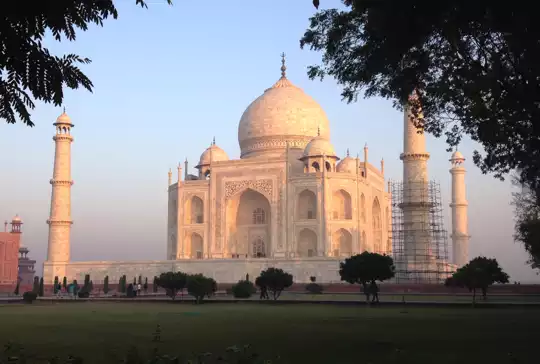
East Asia is a treasure trove for architecture lovers. Countries like China, Japan, and South Korea boast a mix of ancient temples, modern skyscrapers, and unique designs that reflect their cultural evolution. From the Great Wall and Forbidden City in China to the serene temples of Kyoto and the sleek buildings of Seoul, this region offers a variety of architectural styles that span centuries. Hong Kong adds its own twist with its iconic skyline and colonial buildings, making East Asia a must-visit for anyone interested in architecture.
Moving to
South Asia, India and Nepal are standout destinations. India’s architecture is a feast for the eyes, with its grand palaces, intricate temples, and colonial influences, offering a glimpse into its diverse history. Nepal, while smaller, is packed with stunning pagodas and the awe-inspiring architecture of Kathmandu. However, some parts of South Asia may be less accessible or overwhelming for backpackers, so it’s wise to plan your routes carefully.
In
Central Asia, countries like Uzbekistan and Azerbaijan offer a unique blend of Islamic architecture and Soviet-era structures. The intricately tiled mosques and madrasas in cities like Samarkand and Baku are captivating, but the region is less traveled, which can be both a blessing and a challenge for backpackers seeking architectural wonders. Infrastructure can be hit or miss, so be prepared for some logistical hurdles.
The
Middle East is another fascinating area for architecture enthusiasts. Countries like Iran, Jordan, and Turkey feature stunning ancient sites, from the ruins of Petra to the grandeur of the Hagia Sophia. The region is steeped in history, and the architectural styles vary dramatically, showcasing both ancient and modern influences. However, be mindful of political climates, as they can impact travel plans.
Lastly, Southeast Asia, including Cambodia, Vietnam, and Thailand, offers a mix of colonial architecture and ancient temples. The Angkor Wat complex in Cambodia is a prime example, while Vietnam’s French colonial buildings and Thailand’s ornate wats provide a diverse architectural experience. This region is generally more accessible for backpackers, with well-trodden paths and plenty of budget-friendly options.
In summary, East Asia and South Asia are top choices for architecture lovers, while Central Asia and the Middle East offer unique experiences but may require more planning. Southeast Asia provides a mix of both worlds, making it an attractive option for budget travelers.
⚠️ Select architecture in the filters below on the right to find your perfect match.
When it comes to vibrant backpacker scenes in Asia, certain regions stand out for their affordability, social atmosphere, and overall traveler-friendly vibe. Generally, Southeast Asia and parts of Central Asia are hotspots for backpackers, while some areas may offer less of that lively, budget-friendly experience.
Southeast Asia is undoubtedly the crown jewel for backpackers. Countries like Cambodia, Laos, Vietnam, and Thailand are well-known for their well-trodden paths, offering a mix of breathtaking scenery, rich culture, and budget accommodations. You'll find a plethora of hostels, street food stalls, and opportunities to connect with fellow travelers. The ease of getting around—thanks to cheap transport options—makes it even more enticing. Plus, the party scenes in places like Thailand’s islands and Vietnam’s cities keep the energy high.
Moving north to
Central Asia, you'll discover places like Georgia and Kyrgyzstan, which are gaining popularity among adventurous backpackers. While the infrastructure isn't as developed as in Southeast Asia, the stunning landscapes and unique cultural experiences are more than worth it. Here, you’ll find a more laid-back vibe, and it’s easier to meet locals and other travelers in guesthouses and community spaces. However, language barriers can be a bit of a challenge, so brush up on some basic phrases to help you navigate.
In the
South Asia region, countries like India and Nepal offer a rich tapestry of experiences that attract backpackers. From bustling cities to serene mountain landscapes, you can find both social scenes and tranquil retreats. The affordability of travel and food is a huge plus, but be prepared for a more chaotic atmosphere, especially in larger cities. The backpacker community is often vibrant, particularly in areas like Rishikesh or Varanasi, where you can easily connect with others.
Finally, the
Middle East has seen a rise in backpackers, especially in countries like Israel and Jordan. While these places can be pricier compared to Southeast Asia, they offer unique experiences and a chance to delve into rich histories. The backpacker scene here is more niche, but you can find hostels and social hubs in cities like Tel Aviv and Amman. Just be aware of the cultural norms and regulations to ensure a smooth trip.
In summary, if you're chasing that vibrant backpacker vibe, stick to Southeast Asia for the ultimate experience, explore the emerging scenes in Central Asia, delve into the cultural richness of South Asia, and don’t overlook the unique opportunities in the Middle East, as long as you’re mindful of the local context.
⚠️ Select backpackers in the filters below on the right to find your perfect match.
When it comes to beach life in Asia, you're in for a treat. The continent boasts some of the world's most stunning coastlines, vibrant cultures, and diverse ecosystems. However, not all regions are created equal for beach lovers. Areas like Southeast Asia and the Indian Ocean are especially favorable, while some parts of the Arabian Peninsula might not offer the same tropical vibe.
Southeast Asia is a top pick for backpackers seeking beach paradise. Countries like Thailand and Vietnam provide a mix of lively beach scenes, serene spots, and affordable accommodations. Islands such as Phuket and Koh Samui in Thailand are famous for their nightlife and water activities, while places like Vietnam's Phu Quoc offer quieter retreats. The Philippines is another standout, known for its breathtaking islands like Palawan and Boracay, where pristine beaches and crystal-clear waters are the norm.
In the
Indian Ocean, the Maldives and Sri Lanka shine for those looking for a mix of relaxation and adventure. The Maldives is all about luxurious experiences, but you can still find budget options on local islands. Meanwhile, Sri Lanka offers a diverse range of beaches, from the surf-friendly shores of Arugam Bay to the tranquil sands of Unawatuna. Both destinations are rich in marine life and provide opportunities for snorkeling and diving.
On the
Arabian Peninsula, Oman and the United Arab Emirates offer a different vibe. While the beaches in Oman are stunning, with dramatic backdrops and less crowded shores, the United Arab Emirates is more about glamour and luxury. If you’re after a beach experience mixed with modern attractions, Dubai's beaches could be appealing, but they come with a higher price tag.
In contrast, regions like northern Yemen and some inland areas of Oman might not cater as well to beach enthusiasts, lacking the tropical atmosphere and easy access to the sea. Overall, for a budget-friendly beach life experience in Asia, stick to Southeast Asia and the Indian Ocean for a winning combination of affordability, beauty, and adventure.
⚠️ Select beach life in the filters below on the right to find your perfect match.
When it comes to delicious food, Asia is a powerhouse with a diverse culinary landscape that can satisfy any palate. From the spicy street eats of Southeast Asia to the rich flavors of South Asia and the sophisticated dishes of East Asia, there’s no shortage of mouthwatering options. However, not every region is created equal when it comes to culinary experiences, especially for backpackers on a budget.
Starting with
Southeast Asia, this area is a dream for food lovers. Countries like Thailand, Vietnam, and Malaysia offer vibrant street food scenes that are not only affordable but also incredibly diverse. You can find everything from pho and pad Thai to satay and roti, all packed with flavor and made fresh daily. The food culture here is accessible, with many local markets and stalls serving up generous portions at a fraction of the cost you'd find at sit-down restaurants.
Moving on to
East Asia, which includes countries like China, Japan, and South Korea, the food here is a delightful mix of tradition and innovation. Street food is prevalent, and you can find everything from dumplings to sushi that won’t break the bank. However, dining in more urban areas can sometimes get pricey, particularly in Japan, so it’s wise to stick to local eateries and food stalls where the locals eat.
In
South Asia, countries like India, Nepal, and Sri Lanka serve up some of the most flavorful dishes you'll ever encounter. The use of spices is unparalleled, and meals are often very budget-friendly. Street food is abundant, with options like samosas, dosas, and curries that are both cheap and satisfying. However, be mindful of food safety — it's best to eat where you see a lot of locals.
Lastly,
Middle East countries like Israel and Jordan offer unique culinary experiences, with dishes that are rich in flavor and history. While dining can be pricier here, street food options like falafel and shawarma can keep costs manageable. Just remember that some areas might not have as many budget-friendly options compared to other regions.
Overall, Southeast Asia and South Asia are your best bets for budget-friendly food adventures, while East Asia and the Middle East offer a mix of budget and mid-range options. Just keep your eyes peeled for local favorites, and you’ll be in for a delicious journey across the continent!
⚠️ Select food in the filters below on the right to find your perfect match.
When it comes to exploring mountains in Asia, there are definitely regions that stand out as ideal playgrounds for backpackers. The towering peaks, stunning landscapes, and rich cultures make these areas a must-visit for anyone with a passion for the great outdoors. However, some regions might be less appealing due to accessibility or safety concerns, so it's worth knowing where to focus your efforts.
The
Himalayan Region is the crown jewel for mountain lovers. Countries like Nepal and Bhutan offer some of the most breathtaking trekking routes in the world, with iconic peaks like Everest and Kanchenjunga drawing adventurers from all over. The trails are well-marked, and you'll find a range of accommodations from teahouses to homestays, making it accessible for budget travelers. India, particularly in states like Himachal Pradesh and Uttarakhand, also showcases stunning mountain ranges, though the infrastructure can vary significantly.
Moving to the
Caucasus Region, Armenia and Georgia provide an incredible mix of rugged mountains and rich history. The landscapes are less crowded than the Himalayas, and you can experience a unique blend of cultures while trekking through the stunning terrain. Azerbaijan has some mountainous areas, but it's worth noting that it may not be as popular among backpackers focused solely on mountainous exploration.
In Central Asia, the
Central Asian Mountains offer some unreal hiking opportunities. Kyrgyzstan is a prime destination for those looking for dramatic scenery and less touristy trails. Kazakhstan and Tajikistan have their own impressive ranges, but be mindful that accessibility can be more challenging, so plan your routes carefully.
Finally, Southeast Asia's
Southeast Asian Highlands feature unique landscapes. Indonesia, with its volcanic mountains, offers beautiful treks, while the Philippines has great options as well, particularly if you're interested in combining beach days with mountain hikes. However, these areas may not have the same level of infrastructure or safety as the previously mentioned regions, so do your homework.
In summary, if you're keen on mountains, stick to the Himalayas, the Caucasus, and Central Asia for the best experiences. Southeast Asia can be rewarding too, but expect more challenges in terms of logistics. Happy trekking!
⚠️ Select mountains in the filters below on the right to find your perfect match.
When it comes to meeting people in Asia, some regions are definitely more welcoming than others. Generally, Southeast Asia and parts of Central Asia offer vibrant social scenes, making them ideal for backpackers hoping to connect with locals and fellow travelers. On the flip side, some areas in the Middle East and East Asia might not be as conducive to socializing, often due to cultural norms or language barriers.
Southeast Asia is a hotspot for those looking to mingle. Countries like Thailand, Vietnam, and the Philippines are packed with hostels, street markets, and social activities that encourage interaction. The laid-back vibe and hospitable locals create an atmosphere where striking up a conversation feels natural, whether you’re in a bustling city or on a serene beach.
Moving to
Central Asia, countries like Kyrgyzstan and Tajikistan offer a unique experience. While the infrastructure might be less developed, the warmth of the local hospitality is unmatched. Home-stays and community-based tourism are common here, allowing for genuine interactions with locals who are often eager to share their culture and stories.
In contrast,
East Asia can be a mixed bag. Countries like Japan and South Korea have their own social dynamics. While there are plenty of opportunities to meet people, especially in urban centers, language barriers and cultural nuances may make initial interactions a bit challenging. Still, with a little effort, you can find ways to connect, especially through group activities or language exchanges.
Finally, the
Middle East offers a fascinating but complex social landscape. Countries like Iran and Jordan are known for their hospitality, but interactions may be more structured compared to other regions. Being aware of cultural sensitivities is key here, as locals may be more reserved initially. However, once you establish rapport, you’ll likely find some of the most enriching conversations and experiences.
So, if meeting people is your goal, focus on Southeast Asia for its ease and openness, dip into Central Asia for authentic connections, and approach East and Middle Eastern countries with an open mind and cultural sensitivity.
⚠️ Select people in the filters below on the right to find your perfect match.
If safety is a top priority for your travels in Asia, certain regions definitely stand out as more favorable than others. Generally, East and Southeast Asia are known for their relatively low crime rates and well-developed infrastructure, making them excellent choices for safety-conscious backpackers. On the flip side, some areas in Central Asia and parts of the Middle East can present challenges, though they can also offer unique experiences for those willing to navigate them carefully.
East Asia is a solid bet for safety, especially countries like Japan and South Korea, where the crime rates are low and the public transport systems are efficient. These countries not only provide a sense of security but also boast a rich cultural experience, delicious food, and modern amenities.
In
Southeast Asia, you’ll find a mixed bag. Countries like Singapore and Malaysia are well-regarded for their safety, cleanliness, and tourist-friendly environments. Thailand and Vietnam, while generally safe, can have areas that are more prone to petty crime, so staying vigilant is key. Still, the vibrant culture and hospitality in these countries make them popular among travelers.
Central Asia offers a unique experience but can be hit or miss when it comes to safety. Countries like Georgia and Kazakhstan have made strides in improving safety for tourists, but it's wise to stay informed about local conditions.
Finally, in the
Middle East, places like Jordan and the United Arab Emirates are relatively safe for travelers, thanks to effective law enforcement and tourist-friendly policies. However, some neighboring countries might not be as stable, so it’s important to check travel advisories before planning your trip.
In summary, if safety is your priority while backpacking in Asia, focus on East and Southeast Asia for the best experiences with minimal risks, while keeping an open mind about Central Asia and specific parts of the Middle East. Always stay informed and trust your instincts!
⚠️ Select safety in the filters below on the right to find your perfect match.
When it comes to incredible scenery in Asia, some regions really stand out for backpackers looking to soak in breathtaking views. While places like Southeast Asia and the Himalayas are often the go-to spots, other areas offer unique landscapes that are worth exploring. However, some regions might not have the same level of visual appeal or accessibility, making them less ideal for those focused solely on stunning scenery.
The
Southeast Asia region, which includes countries like Vietnam, Thailand, and the Philippines, is a treasure trove of diverse landscapes. From the lush rice terraces of northern Vietnam to the pristine beaches of Thailand's islands, this area is packed with natural beauty. The Philippines is especially notable for its turquoise waters and dramatic limestone cliffs. However, popular spots can get crowded, so it's wise to venture off the beaten path for a more serene experience.
Moving north, the
Himalayan region—encompassing Nepal, India, and parts of Pakistan—offers some of the most awe-inspiring mountain scenery in the world. Trekking in the Annapurna or Everest regions of Nepal gives you a front-row seat to towering peaks and breathtaking vistas. India’s Ladakh and Himachal Pradesh regions also boast stunning landscapes, from high deserts to lush valleys. It's a paradise for those who love mountains and rugged terrain, but be prepared for varying levels of infrastructure and accessibility.
The
Central Asia region, represented by Kyrgyzstan and Georgia, is gaining traction for its dramatic landscapes, from the soaring Tien Shan mountains to the verdant valleys of Svaneti. These countries are less touristy, allowing for a more authentic experience with nature. Adventure seekers will love the hiking and the chance to immerse themselves in local culture while enjoying the stunning scenery.
In the Middle East, countries like Jordan and Oman offer unique landscapes ranging from the red deserts of Wadi Rum to the dramatic fjords of Musandam. While not as lush as some other areas, these regions present striking contrasts and rich historical sites amidst the natural beauty.
On the flip side, some regions in Asia may not be ideal for those primarily seeking stunning scenery. For instance, while Saudi Arabia and Yemen have their charms, the vast desert landscapes may not offer the same dramatic variety as other regions. But if you're open to adventure and cultural experiences, they can still surprise you.
Overall, Asia is a diverse continent with a plethora of scenic options. Whether you're drawn to beaches, mountains, or rugged terrains, there's something for every backpacker looking to feast their eyes on incredible landscapes. Just be sure to consider accessibility and the level of tourism when planning your trip!
⚠️ Select scenery in the filters below on the right to find your perfect match.
When it comes to exploring Asia's uniqueness, some regions stand out for their rich cultural tapestry, diverse landscapes, and historical depth. If you’re a backpacker looking for experiences that stray from the beaten path, regions like the Caucasus and Central Asia are particularly favorable. On the flip side, areas with heavy tourist traffic, such as some parts of Southeast Asia, might feel less unique, as they can be oversaturated with the same experiences.
The
Caucasus region, including countries like Armenia and Georgia, offers a fascinating blend of European and Asian influences. You'll find stunning mountain landscapes, ancient monasteries, and vibrant traditions. The culture is incredibly rich, and the hospitality of locals can lead to some memorable encounters. Plus, it's not as heavily commercialized as other areas, making it easier to find unique experiences.
Moving eastward,
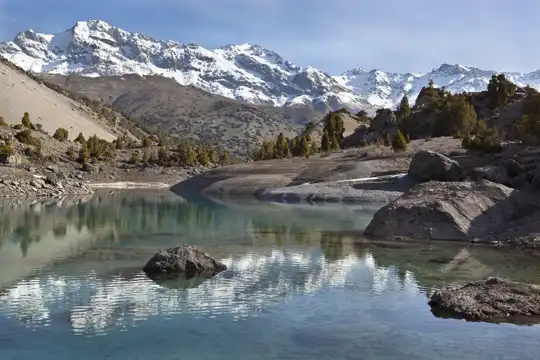
Central Asia encompasses places like Kyrgyzstan, Tajikistan, and Turkmenistan. This region is perfect for those who crave adventure. The dramatic landscapes, from the Pamir Mountains to the vast steppes, provide a backdrop for trekking and exploration. The Silk Road history gives a unique twist to your travels, and you'll encounter cultures that are still relatively untouched by mass tourism.
In South Asia, countries like Bhutan, Nepal, and Myanmar offer a deep dive into spirituality, stunning nature, and traditional lifestyles. These places prioritize preserving their unique identities, making them ideal for backpackers seeking authentic experiences. While India is a bit more touristy, certain regions still hold unique experiences, especially if you venture off the standard tourist routes.
Southeast Asia, which includes places like Indonesia and the Philippines, can be a mixed bag. While popular tourist spots can feel repetitive, there are still less-visited islands and communities that showcase the region's diversity and uniqueness. It just requires a bit more effort to seek them out.
In the Middle East, countries like Iran and Jordan present incredible historical sites and cultural experiences. The hospitality of the locals and the depth of history make these countries worthwhile for those looking for something beyond the typical tourist trail. Just be mindful of current events and travel advisories before planning your trip.
Overall, the key to discovering Asia’s uniqueness lies in exploring the less-traveled paths and immersing yourself in local cultures. Each region has its charm, and with a little research, you'll find experiences that are truly one-of-a-kind.
⚠️ Select uniqueness in the filters below on the right to find your perfect match.
When it comes to wildlife watching in Asia, certain regions stand out as top destinations for nature enthusiasts, while others might not offer the same level of diversity or accessibility. If you're keen on spotting unique species in their natural habitats, focus your travels on the following areas.
South Asia is a prime spot for wildlife lovers. Countries like India and Nepal are home to iconic creatures such as tigers, elephants, and rhinos. National parks like Chitwan and Ranthambore provide excellent opportunities for sightings, and the diverse ecosystems offer everything from lush jungles to mountainous terrains. Sri Lanka also fits into this region, boasting a rich variety of wildlife including leopards and a plethora of bird species, making it a fantastic choice for both land and marine wildlife enthusiasts.
Moving to
Southeast Asia, you'll find a treasure trove of wildlife experiences. Indonesia, with its vast rainforests and unique biodiversity, is perfect for those wanting to catch a glimpse of orangutans and diverse marine life. Malaysia and the Philippines also offer rich ecosystems, with places like Borneo and Palawan showcasing incredible wildlife. Thailand, known for its national parks, provides a mix of terrestrial and marine wildlife, from elephants to vibrant coral reefs. However, be mindful that some popular tourist areas may not deliver the same level of wildlife encounters as the more remote spots.
On the other hand, regions like
East Asia and parts of
Central Asia might not be as favorable for wildlife enthusiasts. While China has some remarkable national parks, the focus is often more on urban attractions and cultural sites, making wildlife watching a bit more challenging. Similarly, Pakistan's stunning landscapes are often overshadowed by accessibility issues for wildlife viewing.
Overall, if you're passionate about wildlife, prioritize South and Southeast Asia for the richest experiences. These regions have a range of ecosystems, abundant wildlife, and the infrastructure to support adventurous travelers.
⚠️ Select wildlife in the filters below on the right to find your perfect match.
If you travel in
| | | | | | | | | | | April is a dynamic month for travel in Asia, as spring brings a mix of climates and conditions across the continent. While some regions are basking in pleasant weather, others might be gearing up for the heat or experiencing seasonal rains. It’s essential to know where to go for the best experience.
In
Southeast Asia, countries like Cambodia, Laos, and Vietnam are generally warm and dry, making it a great time for outdoor adventures and cultural exploration. However, expect higher humidity in places like Thailand and Malaysia, which can be a bit uncomfortable for some travelers. The beaches are still lovely, but keep hydrated and plan for some downtime during the hottest parts of the day.
Moving to
East Asia, Japan is a standout in April, especially for cherry blossom season, which attracts travelers from all over. South Korea also offers mild temperatures and blooming landscapes, perfect for hiking and city exploration. In contrast, China can vary widely, so check specific regions; the south tends to be warm, while northern areas might still be chilly.
In
Central Asia, countries like Uzbekistan and Turkmenistan are starting to warm up, making it a good time for exploring historical sites and enjoying the stunning landscapes. However, be prepared for variable weather, especially in higher altitudes.
Over in
the Middle East, places like Jordan and Israel are quite pleasant in April, with comfortable temperatures ideal for sightseeing. Meanwhile, countries like Iraq and Iran are warming up, offering a unique experience for those willing to venture off the beaten path, but be mindful of varying travel advisories.
Lastly, in
South Asia, Nepal and Bhutan are gearing up for trekking season, with clear skies and great visibility in the mountains. However, it can start to get hot in places like India and Sri Lanka, so plan accordingly if you’re heading there.
Overall, April is a fantastic month for exploring many parts of Asia, but being aware of the regional climates can significantly enhance your travel experience.
⚠️ Select April in the filters below on the right to find your perfect match.
August can be a tricky month for travel in Asia, as the continent experiences a mix of climates and weather conditions. While some regions are basking in warm sunshine, others are battling monsoon rains or sweltering heat. If you're looking to backpack through Asia during this time, it's essential to know which regions offer favorable conditions and which might be less ideal for your adventure.
Starting with
Southeast Asia, countries like Indonesia and Malaysia can be a great choice in August. While it's generally the dry season in many parts of Indonesia, Malaysia's west coast is usually pleasant too. You can enjoy stunning beaches and vibrant culture without the heavy rains that plague other areas. Just keep in mind that the eastern parts of Malaysia might be experiencing wet weather, so plan accordingly.
Moving to
Central Asia, countries like Kazakhstan, Kyrgyzstan, and Tajikistan are perfect for those who love the outdoors. August brings warm, dry weather, ideal for trekking in the mountains. The stunning landscapes and rich nomadic culture make it a worthwhile stop. Just be prepared for cooler nights, especially in the mountains.
In
South Asia, Sri Lanka and parts of Vietnam can be visited, but with caution. In Sri Lanka, the southwest is dry during this time, making it great for exploring the cultural sites and beaches. However, the east coast may still be experiencing some rain. Meanwhile, Vietnam in August can be quite hot and humid, especially in the south, but northern areas like Hanoi are relatively cooler, making it a decent option for travelers.
Lastly,
Mongolia offers a unique experience in August as it’s the peak of the summer season. The weather is generally warm and dry, making it perfect for exploring the vast landscapes and attending the Naadam Festival, which showcases traditional sports and culture.
In summary, while August presents a mixed bag of weather across Asia, regions like
Southeast Asia,
Central Asia, and parts of
South Asia can be quite favorable for budget travelers. Just keep an eye on local weather patterns and plan your itinerary to avoid the rain where possible. Happy travels!
⚠️ Select August in the filters below on the right to find your perfect match.
December in Asia offers a diverse range of climates and experiences, making it a fantastic time for backpackers to explore the continent. While some regions bask in pleasant weather, others can be less inviting due to cooler temperatures or monsoon rains. Understanding the varying conditions across Asia can help you choose the best destinations for your December travels.
Starting with
South Asia, countries like India, Sri Lanka, and the Maldives are great picks. December marks the dry season for much of the region, offering comfortable temperatures and plenty of sunshine. The beaches in the Maldives are idyllic, while the cultural experiences in India and Sri Lanka are vibrant and captivating. It's a popular time, so be prepared for some crowds, especially in tourist hotspots.
Moving to
Southeast Asia, places like Thailand, Cambodia, and Laos are also fantastic in December. You’ll find warm weather and little rain, perfect for exploring ancient temples or chilling on tropical beaches. This region is backpacker-friendly, with plenty of affordable accommodation and food options. Just keep in mind that it’s peak tourist season, so booking ahead for popular spots is wise.
In the
Middle East, countries such as Oman, Qatar, and the UAE experience mild and pleasant weather in December. This is a great time to explore the deserts, indulge in local cuisine, or enjoy the modern attractions of cities like Dubai and Muscat. Prices can be a bit higher during this time due to the influx of tourists, but the unique experiences make it worthwhile.
On the flip side, the
Far East with places like Hong Kong and Macau can be a bit chilly in December, with temperatures dropping. While it's still manageable for city exploration and enjoying the local culture, it’s not ideal for beach activities. If you don’t mind the cooler weather, these cities can be vibrant and festive during the holiday season.
Overall, December can be a great month for backpacking in Asia, with many regions offering favorable conditions. Just choose wisely based on your preferences for weather and activities, and you’ll have an unforgettable trip!
⚠️ Select December in the filters below on the right to find your perfect match.
February is a fantastic time to explore Asia, as the continent offers a wide range of climates and conditions that cater to various travel preferences. While some regions bask in pleasant weather, others may be less inviting due to cooler temperatures or rain. Understanding these regional variations can help you make the most of your backpacking trip.
In
Southeast Asia, countries like Cambodia, Laos, Thailand, and Vietnam typically enjoy dry, warm weather during February, making it a prime time for trekking, beach lounging, and cultural exploration. The moderate temperatures and lower humidity are perfect for outdoor activities, and you’ll find vibrant local festivals and events that add to the experience. The Philippines also falls into this category, where island hopping and beach time are at their peak.
Moving over to the
South Asia region, India and Sri Lanka offer a mix of warm weather and cultural richness in February. In India, the northern regions might still be a bit chilly, but the south is pleasantly warm, ideal for exploring temples and markets. Sri Lanka’s dry season means it's a great time to visit the beaches or go on safari in the national parks.
In the
Middle East, countries like Oman, Qatar, Saudi Arabia, and the United Arab Emirates provide a unique experience in February. The temperatures are mild, making it suitable for desert adventures, city exploration, and even some beach time. However, be mindful of cultural norms and local laws, as these can greatly differ from other regions.
On the flip side, countries like Yemen and Kuwait may not be the most favorable for travel in February due to political instability or harsher climates. While there are beautiful sights to see, it's essential to stay updated on safety advisories and local conditions before planning your visit.
Overall, February is a vibrant month for backpackers in Asia, with plenty of regions offering enticing weather and cultural experiences. Just be sure to choose your destinations wisely based on what kind of adventure you’re after!
⚠️ Select February in the filters below on the right to find your perfect match.
January is a fascinating time to explore Asia, with the continent offering a variety of climates and experiences. While some areas bask in warm sunshine, others can be chilly or even wet. For backpackers, understanding these regional variations is key to planning an enjoyable trip.
Starting with
South Asia, this region is generally favorable in January. Countries like India and Sri Lanka offer pleasant temperatures, making it ideal for outdoor exploration. The dry season means less rain, and many festivals occur during this time, allowing travelers to immerse themselves in local culture. The Maldives is also stunning in January, with clear skies and perfect beach weather, but keep an eye on accommodation prices since they can skyrocket during peak season.
Moving on to
Southeast Asia, January is prime time here as well. Countries like Thailand, Cambodia, and Laos enjoy dry and cool weather, perfect for trekking and beach hopping. The Philippines is another great option, with its gorgeous islands and vibrant natural scenery. Just be aware that popular tourist spots can get crowded, so plan your itinerary accordingly to avoid the masses.
In the
Middle East, January can be quite pleasant, especially in places like Oman and the UAE, where daytime temperatures are mild. It's a good time for outdoor activities and sightseeing, as the weather is comfortable. However, countries like Yemen might not be the best choice due to ongoing instability, so it's wise to stay updated on safety advisories.
Finally, while the
Far East sees a mix of weather, places like Singapore and Brunei are generally warm and humid year-round, making them accessible for travelers. In contrast, areas in northern Asia can be quite cold, so be prepared for winter conditions if you venture toward places like Myanmar.
In summary, January is a fantastic month for backpacking in Asia, especially in regions like South Asia, Southeast Asia, and parts of the Middle East. Just do your research on the specific areas you want to visit, as some places can be less ideal due to weather or political conditions. Safe travels!
⚠️ Select January in the filters below on the right to find your perfect match.
July in Asia brings a mix of climates and travel conditions that can significantly affect your backpacking plans. While some regions are basking in dry, sunny weather, others may throw a curveball with heavy rains and humidity. If you're looking to explore this vast continent during the month of July, understanding the regional climates can help you make the best choices for your trip.
Starting with
Southeast Asia, countries like Indonesia and Malaysia can be quite appealing in July. While Indonesia experiences some regional variations, July generally brings drier weather to popular spots like Bali, making it a great time for beach hopping or exploring the lush interiors. Malaysia, known for its vibrant cities and stunning islands, also enjoys relatively pleasant weather, especially on the west coast. Just be mindful that the eastern coast might be a bit wetter this month.
Moving on to
Central Asia, Kazakhstan and Kyrgyzstan present an excellent opportunity for outdoor enthusiasts. July is perfect for hiking in the stunning Tien Shan mountains and enjoying the warm temperatures while exploring the rich culture. The weather is generally sunny and dry, ideal for trekking and camping. Tajikistan, while a bit more challenging to navigate, also offers great trekking opportunities during this month, though be prepared for some variability in conditions.
In
South Asia, Sri Lanka experiences the monsoon season in July, particularly in the southwestern part of the island. This means you’ll likely encounter heavy rains, which can hinder travel plans. However, the east coast tends to be drier during this time, allowing for some beach time and exploration. Mongolia is an interesting option as well; while July is technically summer, it’s often the best time to witness the famous Naadam festival and enjoy the stunning landscapes, although be ready for cooler nights.
Finally,
East Asia is a mixed bag. Mongolia falls into this region too, but if you're considering other destinations, keep in mind that many parts can be hot and humid, making travel less enjoyable.
In summary, July is a varied month across Asia, but with the right planning and choice of regions, you can have an incredible backpacking experience. Focus on Southeast and Central Asia for the best conditions while staying flexible and aware of the monsoon impacts in some areas. Happy travels!
⚠️ Select July in the filters below on the right to find your perfect match.
June in Asia can be a mixed bag when it comes to travel. The continent's vastness means you'll encounter a variety of climates and conditions, so it’s essential to know where to go for pleasant weather and where to avoid the sweltering heat or monsoon rains.
Starting with
Central Asia, countries like Kazakhstan, Kyrgyzstan, and Tajikistan offer some of the best experiences in June. The weather is generally mild and perfect for outdoor adventures, like trekking and exploring stunning landscapes. This is prime time for hiking in the mountains, and you’ll find fewer crowds compared to peak summer months.
Moving to the
Caucasus, Armenia, Azerbaijan, and Georgia are also great picks. June marks the beginning of summer here, and while temperatures rise, it’s still manageable. Plus, you can indulge in the region's rich culture, food, and wine, making it a delight for budget travelers looking for a mix of adventure and leisure.
In
East Asia, Japan and South Korea can be decent options, but keep in mind that temperatures and humidity can spike. However, if you’re okay with some sweat, you’ll find plenty of festivals and events happening that month. Just be prepared for the occasional rain as the region transitions into the summer season.
On the flip side,
Southeast Asia is typically hot and humid in June, with many countries like Indonesia and Malaysia experiencing monsoon seasons. While some regions remain accessible, be ready for downpours and muddy trails if you venture into areas prone to flooding. Sri Lanka also faces similar weather challenges, but it’s still worth considering if you're aiming for a more off-the-beaten-path experience.
Lastly, the
Middle East offers unique options like Lebanon and North Korea, but expect extreme heat in many places. However, if you can handle the heat, you’ll have fewer tourists to contend with, making it a more intimate experience.
In summary, Central Asia and the Caucasus stand out as the most favorable regions for backpackers in June, while parts of East Asia and Southeast Asia can be a bit hit-or-miss depending on your tolerance for heat and rain. Choose wisely, and you’ll have a memorable adventure!
⚠️ Select June in the filters below on the right to find your perfect match.
March is a fantastic time to explore Asia, as the continent offers a mix of climates and experiences. During this month, you’ll find pleasant weather in many regions, making it ideal for backpackers looking to soak in the sights without the sweltering heat or monsoon rains that often come later in the year. However, some areas can be less appealing due to cooler temperatures or ongoing political issues, so it's good to know where to focus your travels.
In
South Asia, countries like India, Nepal, and Bhutan are prime destinations in March. The weather is generally mild, perfect for trekking in the Himalayas or exploring cultural sites. This region is also vibrant in March, with various festivals and events that give you a taste of local life. However, be cautious in areas experiencing political unrest.
Moving to
Southeast Asia, you’ll find that countries like Thailand, Cambodia, Vietnam, and Malaysia are welcoming travelers with warm, dry conditions. This is the tail end of the dry season for many, making it a great time to visit beaches, national parks, and bustling cities. Just be mindful of the tourist crowds, especially in popular spots.
Meanwhile, the
Middle East, with countries like Jordan, Israel, and Oman, also offers a comfortable climate in March. It's a great time to explore archaeological sites and enjoy outdoor adventures without the extreme heat. However, keep an eye on regional tensions or travel advisories, as situations can change quickly.
In contrast,
East Asia presents a mixed bag in March. While Japan is stunning with cherry blossoms starting to bloom, temperatures can still be chilly, especially in the north. Hong Kong and Taiwan generally have pleasant weather, making them good choices for city exploration.
On the other hand, if you're considering
Central Asia, countries like Afghanistan and Iran can be less ideal due to unpredictable weather and safety concerns. It's best to research thoroughly and prepare for potential challenges if you choose to venture there.
In summary, March can be a stellar month for traveling across Asia, with many regions showcasing their best selves. Focus on South and Southeast Asia for the most favorable conditions, but keep your wits about you and stay informed about local situations wherever you go.
⚠️ Select March in the filters below on the right to find your perfect match.
May in Asia is a mixed bag when it comes to travel, with various regions offering different experiences based on climate and conditions. As spring transitions to summer, some countries are basking in pleasant weather, while others may be sweltering or experiencing monsoon rains. Here’s a quick rundown of what to expect across the continent.
Starting with
South Asia, countries like Bhutan, Nepal, and Sri Lanka are fantastic choices in May. The weather is generally warm and dry, perfect for trekking in the Himalayas or exploring the lush landscapes of Sri Lanka. However, keep in mind that it can get pretty hot in countries like India, so plan accordingly if you’re heading that way.
In
East Asia, Japan and South Korea are both in full swing come May, with comfortable temperatures and blooming scenery. It’s a great time for outdoor activities and cultural festivals. Meanwhile, Taiwan also offers favorable weather, making it ideal for exploring both urban and natural attractions. On the flip side, keep an eye on the weather for places like Hong Kong, as it can start to get humid and rainy.
Moving over to
Southeast Asia, Indonesia and the Philippines can still be enjoyable in May, especially in places like Bali or Palawan, as it’s generally before the peak of the rainy season. Malaysia also has decent weather for travel, though some areas might start to experience brief showers.
In
Western Asia, countries like Turkey and Iran can be quite pleasant in May, with mild temperatures perfect for sightseeing. However, be cautious in places like Iraq and Syria, where conditions can be unpredictable, making travel challenging.
For
Caucasus, Armenia and Georgia are both appealing in May, with beautiful landscapes and vibrant cultures, though temperatures can vary.
In summary, May is a great month for travel in many parts of Asia, especially in South and East Asia. Just be mindful of local weather patterns, and you’ll have an awesome time exploring!
⚠️ Select May in the filters below on the right to find your perfect match.
November is a great time to explore Asia, as the weather varies significantly across the continent, offering different experiences depending on where you venture. Generally, this month marks the transition between seasons in many regions, making it a sweet spot for backpackers looking to avoid the peak tourist crowds while enjoying pleasant weather.
In
South Asia, the climate is generally mild in November, making it a popular time to visit. Countries like Nepal and Bhutan offer stunning Himalayan views, while India’s northern states are perfect for cultural exploration without the sweltering heat. However, be mindful that southern India might still be dealing with monsoon effects, so check local forecasts if you’re heading that way.
Moving over to
Southeast Asia, November is prime time for backpackers. The rainy season is winding down, especially in countries like Thailand, Cambodia, and Laos, which means you can enjoy lush landscapes and fewer tourists. The beaches are starting to dry out nicely, making this a fantastic time for some island hopping. Just remember, it can still be a bit humid, so stay hydrated!
In the
Middle East, November offers mild temperatures, ideal for exploring cities like Jerusalem or Beirut. This is a great time to enjoy outdoor activities and cultural sites without the scorching summer heat. However, keep in mind that some regions may still be politically sensitive or have travel advisories, so it's worth doing your homework beforehand.
Finally, in
East Asia, countries like Japan and South Korea begin to show off their stunning autumn foliage in November, providing a picturesque backdrop for exploration. The weather is typically cool and crisp, perfect for hiking and city exploration. However, keep an eye on the northern regions, as temperatures can drop significantly.
Overall, November is a fantastic month for backpacking across Asia, with varying climates that allow for diverse experiences. Just remember to plan your itinerary based on regional weather patterns to make the most of your travels.
⚠️ Select November in the filters below on the right to find your perfect match.
October is a fantastic time to explore various parts of Asia, as the continent offers a wide range of climates and experiences. While some regions bask in pleasant weather, others can be less inviting due to seasonal shifts. It’s crucial to choose your destination wisely to make the most of your backpacking adventure.
Starting with
South Asia, countries like India and Bhutan are in the midst of autumn, bringing mild temperatures and clearer skies. This is a great time for trekking in the Himalayas and experiencing vibrant festivals. However, keep in mind that some areas may still be recovering from monsoon rains, so check specific regions.
Moving over to
East Asia, Japan and South Korea are at their peak in October. Expect stunning fall foliage, especially in rural areas, and comfortable temperatures perfect for exploring cities and temples. Hong Kong and Taiwan also offer pleasant weather, making it an ideal time for outdoor markets and hikes. Just be prepared for occasional typhoons, especially in Taiwan.
In
Central Asia, countries like Uzbekistan and Kazakhstan start to cool down, but the weather is generally stable and dry. This is a great time to explore the Silk Road cities without the summer crowds. Just be aware that nights can get chilly, so pack accordingly.
For
West Asia, places like Turkey and Iran can be quite pleasant in October. You’ll enjoy mild weather perfect for exploring ancient ruins and bustling bazaars. However, some areas may still be hot, especially in southern Turkey, so do your research based on your specific itinerary.
In contrast,
South-East Asia can be a mixed bag in October. While countries like Vietnam and Malaysia are still experiencing rain from the tail end of the monsoon season, you can find some good deals and fewer tourists. Just be ready for the occasional downpour and plan your outdoor activities around it.
Overall, October can be a rewarding month to explore Asia if you choose your regions wisely. Happy travels!
⚠️ Select October in the filters below on the right to find your perfect match.
September is a transitional month in Asia, marking the shift from summer to autumn in many regions. This means you'll encounter a variety of climates and travel conditions, so it's essential to know where to go and what to expect. Some areas are basking in beautiful weather, while others might still be recovering from monsoon rains or facing chilly temperatures.
In
East Asia, countries like Japan and South Korea are fantastic choices in September. The weather is generally mild, making it perfect for exploring bustling cities and stunning nature. Japan’s autumn leaves start to hint at their arrival, adding a colorful backdrop to your travels. Meanwhile, Taiwan sees pleasant temperatures, especially for those looking to hike or enjoy outdoor activities.
Moving over to
Southeast Asia, September can be a mixed bag. While Indonesia and Malaysia experience some rain, the showers often come in short bursts, leaving plenty of time for exploration. Just be prepared for the humidity! On the other hand, Vietnam is also experiencing its rainy season, particularly in the north, which might dampen some plans but can bring a unique charm to its landscapes.
In
Central Asia, countries like Kyrgyzstan and Tajikistan offer stunning adventures in September. The weather is usually stable and pleasant for trekking, and it's a great time to experience the local culture without the intense summer heat. However, be mindful that some higher-altitude treks might start to get chilly as autumn sets in.
Finally, in
Western Asia, places like Iran and Turkey are still warm, making them ideal for exploring historical sites and enjoying local cuisines. The temperatures are generally more bearable compared to the scorching summer months, allowing for comfortable sightseeing. However, countries like Iraq and Syria might still present challenges due to ongoing safety concerns, so always check travel advisories before planning a trip.
Ultimately, September can offer a range of experiences across Asia, from vibrant city life to breathtaking natural landscapes. Just be sure to pack accordingly and stay flexible with your plans!
⚠️ Select September in the filters below on the right to find your perfect match.
v2.webp)