If you love
| | | | | | | | | | When it comes to budget travel in South America, some regions really stand out for their affordability, while others can put a bit of a dent in your wallet. If you're looking to stretch your dollars, you’ll want to focus on areas where the cost of living is lower, local cuisine is delicious and cheap, and transportation is manageable.
Andean Region: This area, including countries like Bolivia, Ecuador, and Peru, is a backpacker’s paradise. The cost of living is generally low, with affordable hostels and street food options that won’t break the bank. Plus, you get access to stunning landscapes, ancient ruins, and vibrant cultures without spending a fortune. Buses are also affordable and often connect major sites, making it easy to travel on a budget.
Southern Cone: Argentina and Chile can be more mixed in terms of costs, but you can still find budget options, especially in less touristy areas. Argentina offers cheap wine and asados (barbecues), while Chile has beautiful landscapes without the heavy tourist prices of some other regions. Just keep an eye on exchange rates — they can fluctuate and affect your overall budget.
Caribbean Coast & Amazon Basin: Colombia and Venezuela bring a unique flavor to budget travel. Colombia is generally affordable, especially if you stick to the less touristy areas. While Venezuela’s current situation may make it a bit tricky, the costs can be incredibly low if you navigate wisely. Just be prepared for some complexities in logistics and safety.
Guyana and Suriname: These countries are often overlooked, but they can be quite affordable for adventurous travelers. With less tourist infrastructure, you might find costs can vary, but local food and experiences are generally budget-friendly.
Uruguay and Paraguay: Uruguay tends to be on the pricier side, especially in areas like Montevideo and Punta del Este, but off-season travel can yield decent deals. Paraguay, however, remains one of the more affordable countries in the region, with low accommodation and food costs.
In summary, focusing on the Andean Region and being strategic in the Southern Cone can really help keep your travel budget in check. Keep your eyes open for local deals and be flexible, and you'll have a fantastic time exploring South America without spending a fortune!
⚠️ Select affordability in the filters below on the right to find your perfect match.
For architecture enthusiasts, South America offers some seriously captivating experiences. While certain regions stand out for their rich architectural heritage, others might not deliver the same level of intrigue. Let’s break it down by region.
The
Andean Region is a top pick for architecture lovers, particularly in countries like Peru and Chile. In Peru, cities like Cusco and Arequipa showcase stunning colonial architecture alongside ancient Incan structures, making it a feast for the eyes. The intricate designs and historical significance of Peru’s buildings offer layers of meaning that are hard to resist. Chile also has its share of architectural marvels, especially in Santiago, where modern skyscrapers contrast beautifully with historic neighborhoods, creating a unique urban landscape that tells the story of its evolution.
Moving to the
Coastal Region, Chile's Valparaíso is a must-see. Its colorful hillside houses, street art, and vibrant port culture make it a visually striking destination. The city's eclectic architecture tells a story of its maritime history and cultural influences. While coastal cities tend to focus more on natural beauty and beach vibes, Valparaíso stands out with its rich architectural tapestry that draws in those with a keen eye for design.
On the flip side, if you're considering the
Amazon Region, you might be a bit disappointed in terms of architectural diversity. While it's an incredible place for nature lovers, the focus is largely on the lush environment rather than built structures. This area is more about experiencing indigenous cultures and the natural landscape rather than exploring architectural wonders.
In summary, for the best architectural experiences in South America, stick to the
Andean Region and the
Coastal Region. These areas boast a mix of historical significance and modern design that will satisfy any architecture buff's wanderlust.
⚠️ Select architecture in the filters below on the right to find your perfect match.
For backpackers hunting for a vibrant scene in South America, certain regions definitely stand out. The
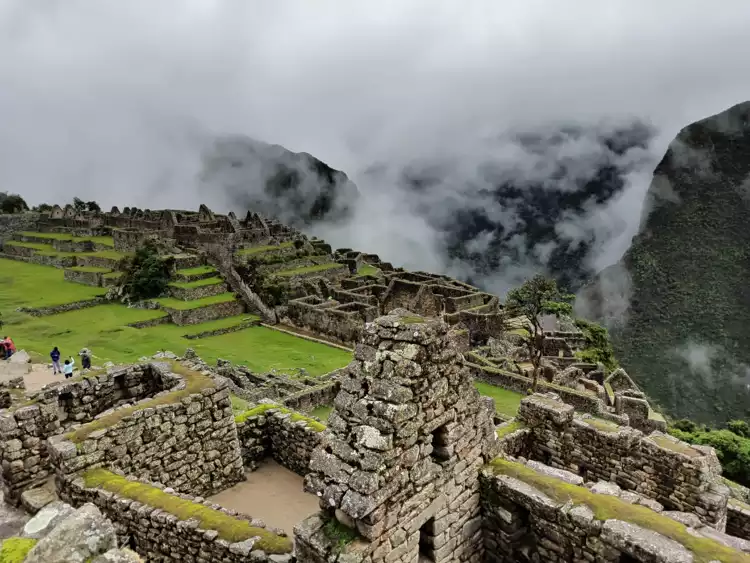
Andean region, which includes countries like Bolivia, Peru, and Ecuador, is a top pick. You’ll find a mix of breathtaking landscapes, rich indigenous cultures, and plenty of affordable hostels and local eateries. Plus, iconic spots like Machu Picchu in Peru and the Salar de Uyuni in Bolivia draw in fellow travelers, making it easy to meet new friends.
Moving to the
Southern Cone with Argentina and Chile, you’ll experience a lively backpacker vibe, particularly in cities like Buenos Aires and Santiago. These urban hubs are packed with nightlife, art scenes, and a plethora of budget accommodations. Don't forget the stunning landscapes of Patagonia, which attract adventurous souls, although it can get a bit pricey in the more remote areas.
Brazil is a mixed bag in the
northern region and
southeastern region. Places like Rio de Janeiro and Salvador are fantastic for socializing and have a dynamic backpacker culture, especially during carnival season. However, the cost can vary widely, and some areas are less accessible for budget travelers.
In contrast, while Colombia has become increasingly popular and is great for backpackers—especially in Medellín and Cartagena—the rural areas can be hit-or-miss in terms of infrastructure and social scenes.
In essence, the Andean region and Southern Cone are your best bets for a vibrant backpacker experience, while Brazil and Colombia offer exciting spots but require a bit more planning to navigate the costs and logistics.
⚠️ Select backpackers in the filters below on the right to find your perfect match.
When it comes to beach life in South America, you're in for a treat. The continent boasts some fantastic coastal regions where sun, sand, and surf come together perfectly. However, not all areas are created equal for beach lovers. Here’s a breakdown of the regions that shine for beach life and those that might leave you wanting more.
Northeast Brazil is a top spot for beach enthusiasts. Think Bahia and the stunning coastlines of Pernambuco and Ceará. These areas are known for their warm waters, vibrant beach culture, and plenty of activities, from surfing to relaxing in hammocks. The beaches here are beautiful, with a mix of lively spots and tranquil hideaways, making it great for backpackers seeking both adventure and relaxation.
Moving on to
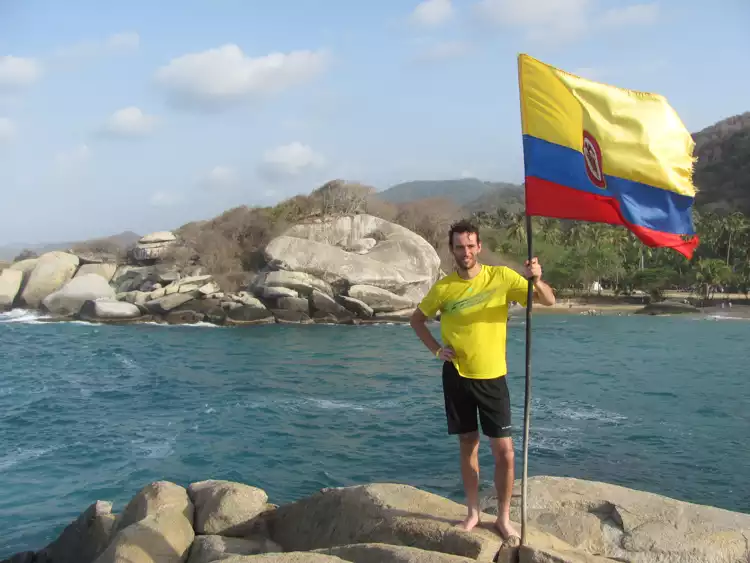
Colombia's Caribbean Coast, this region is also a must-visit for beach lovers. Places like Cartagena and Santa Marta offer a mix of historic charm and beautiful beaches. The nearby Tayrona National Park is a highlight, with stunning scenery and opportunities for hiking and swimming. The vibe here can be vibrant, especially during festival seasons, so it's a good place to meet fellow travelers.
The Caribbean island of
Curaçao is another excellent choice. Known for its colorful architecture and pristine beaches, it has a laid-back atmosphere that's perfect for sunbathing and snorkeling. The island's unique blend of cultures adds to its appeal, making it a great place to unwind after a day on the beach.
On the other hand,
Venezuela's northern coast has some beautiful beaches, especially in areas like Los Roques. However, political and economic instability can make travel here tricky, so it’s essential to stay informed and exercise caution. While the beaches can be exquisite, the overall experience might not be as reliable or safe as in the other regions mentioned.
In summary, for an unforgettable beach life experience in South America, focus on the Northeast of Brazil and Colombia's Caribbean Coast, with a side trip to Curaçao if you can swing it. Just keep an eye on the situation in Venezuela before planning any beach escapades there. Happy travels!
⚠️ Select beach life in the filters below on the right to find your perfect match.
When it comes to delicious food in South America, certain regions really stand out while others might not be as exciting for food lovers. If you’re a backpacker with a passion for culinary adventures, you’ll want to focus on some prime areas that serve up mouth-watering dishes and unique flavors.
The
Southern Cone, which includes Argentina and Chile, is a haven for food enthusiasts. Argentina is famous for its steaks, and you can’t miss trying asado, the traditional barbecue. Pair that with some fine Malbec, and you’re in for a treat. Chile offers a diverse range of seafood and fresh produce, plus their empanadas are a must-try. The vibrant markets in cities like Buenos Aires and Santiago are great for sampling local specialties.
Moving north, the
Andean Region, encompassing Peru and Ecuador, is another culinary hotspot. Peru is renowned for its fusion cuisine, blending indigenous ingredients with influences from Europe and Asia. Dishes like ceviche and lomo saltado are crowd-pleasers. Ecuador also offers a rich food scene, featuring hearty soups and unique flavors from the Amazon. The fresh ingredients and local markets make this region a paradise for adventurous eaters.
On the other hand, while Brazil has its charm, its vastness means that food experiences can vary widely, and some areas may disappoint in terms of culinary diversity for the budget traveler. However, cities like São Paulo and Rio de Janeiro do have thriving food scenes that are worth exploring if you find yourself there.
Colombia rounds out the list with its flavorful dishes and street food culture. While some regions are known for their tasty options, the culinary scene can be hit or miss depending on where you go. Still, big cities like Bogotá and Medellín offer plenty of delicious food experiences.
In summary, for those serious about indulging in delicious food, focus your travels on the
Southern Cone and the
Andean Region for some of the best culinary experiences South America has to offer.
⚠️ Select food in the filters below on the right to find your perfect match.
For mountain lovers, South America is a paradise packed with diverse landscapes, from the towering Andes to the lush ranges of the Amazon. While some regions are renowned for their peaks and trekking opportunities, others might not be the best fit for serious mountain exploration. Here’s a breakdown of the regions that stand out for their spectacular mountain scenery and those that might be less appealing for backpackers with a passion for heights.
The
Andean Region is the crown jewel for mountain enthusiasts. Stretching through countries like Argentina, Bolivia, Chile, Ecuador, and Peru, this region boasts some of the highest peaks in the world, including Aconcagua and Huascarán. Here, you'll find a plethora of trekking options, from the classic Inca Trail to the stunning routes in Patagonia. The varied climates and ecosystems also offer unique experiences, whether you're hiking through high-altitude deserts or lush cloud forests. The well-established infrastructure and vibrant local cultures make it relatively accessible for backpackers.
Moving north, the
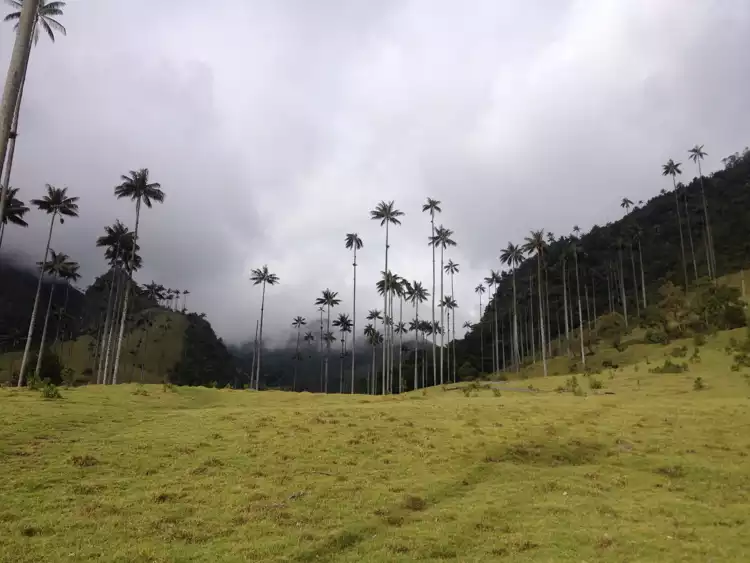
Colombian Andes provides another fantastic setting for mountain exploration. With its stunning landscapes, diverse ecosystems, and charming towns, Colombia offers numerous trails and opportunities for adventure. Areas like the Cocora Valley and Parque Nacional Natural Tayrona are well worth the trek, and the hospitality of locals adds to the experience.
On the flip side, the
Brazilian Highlands are less focused on rugged mountain terrains compared to the Andes. While there are some beautiful places like Chapada Diamantina, the emphasis here is more on plateaus and valleys rather than towering peaks. If you're specifically seeking intense mountain experiences, this region might not fully satisfy your cravings.
Finally, while
Venezuela has its share of mountains, particularly the iconic Tepuis, the current political and economic situation can make travel challenging and potentially unsafe for backpackers. If you’re considering exploring mountains there, be sure to do thorough research and stay updated on safety conditions.
In summary, if mountains are your passion, stick to the Andean and Colombian regions for the best experiences. The Brazilian Highlands may offer some scenic beauty, but the real mountain adventures lie further south.
⚠️ Select mountains in the filters below on the right to find your perfect match.
When it comes to South America, some regions stand out for travelers eager to connect with locals and fellow adventurers. The vibrant cultures and social atmospheres in these areas make them particularly appealing for anyone looking to meet new people. In contrast, certain regions may not offer the same level of interaction and community, making them less ideal for those focused on social experiences.
The
North Coast, particularly in Brazil, is a hotspot for socializing. Cities like Rio de Janeiro and Salvador buzz with festivals, beach parties, and a laid-back vibe that encourages mingling. The lively street culture, combined with the warmth of the locals, creates an inviting atmosphere for backpackers looking to make new friends. Plus, the diverse mix of travelers here means you’re likely to meet people from all over the world.
Moving to the
Andean Region, Colombia and Ecuador shine as excellent choices for social butterflies. Cities like Medellín and Quito offer vibrant nightlife, a strong sense of community, and numerous hostels where travelers often gather. The locals are friendly, and the shared experiences in this mountainous backdrop—like hiking or exploring coffee plantations—make it easy to strike up conversations and forge connections. Plus, the hosteling scene is strong, giving you plenty of opportunities to meet fellow backpackers.
Peru, especially around areas like Cusco and the Sacred Valley, is also worth mentioning in the
Andean Region. The influx of tourists heading to Machu Picchu creates a bustling social environment, with plenty of opportunities to connect over shared adventures. However, while these areas are rich in social potential, some more remote or rural parts of Peru might not have the same level of interaction, so plan accordingly if meeting people is a priority.
Lastly, while Curaçao is a beautiful destination, it's a bit more laid-back compared to the hustle of the mainland. The
Caribbean Region generally caters to a more relaxed vibe, which can be less conducive to meeting people compared to the lively cities found on the South American mainland. However, if you find yourself in a hostel or at local events, you might still stumble upon some interesting conversations.
In summary, if you're keen on meeting people while backpacking in South America, focus on the North Coast and the Andean regions for vibrant social scenes. Just keep in mind that some areas may not offer the same level of interaction, so choose your destinations wisely!
⚠️ Select people in the filters below on the right to find your perfect match.
When it comes to safety in South America, some regions stand out more than others for travelers who prioritize their well-being. Generally, the southern and western parts of the continent tend to offer a more secure environment, while certain areas in the north can be a bit trickier. Here’s a breakdown of the regions you might want to consider if safety is high on your priority list.
Starting with the
Southern Cone, which includes Argentina, Chile, and Uruguay, you'll find some of the safest urban environments in the continent. Cities like Buenos Aires, Santiago, and Montevideo have relatively low crime rates compared to other major South American cities. These areas also have reliable public transport, a variety of accommodations, and a vibrant culture that’s welcoming to travelers. Overall, the Southern Cone is a solid choice for those who want to enjoy South America with a bit more peace of mind.
In the
Andean region, which includes Bolivia, Ecuador, Peru, and parts of Paraguay, safety can be a mixed bag. While there are some places that are relatively safe, like certain areas in Cusco or La Paz, travelers should always remain vigilant, particularly in crowded areas. These countries offer stunning landscapes and rich cultural experiences, but it’s wise to stay informed about the local situations and take common-sense precautions.
Over in the
Guianas, which includes Suriname and French Guiana, the safety levels vary, but these areas tend to be less traveled, which can mean fewer tourists and potentially less petty crime. However, the remoteness of some locations can pose challenges in terms of healthcare and accessibility, so being prepared is essential.
Lastly, the
Caribbean South America, represented by Curaçao and the Falkland Islands, typically boasts higher safety ratings. The Falkland Islands, in particular, have a very low crime rate and a friendly atmosphere. Curaçao, while primarily known for its beautiful beaches, is also considered relatively safe for tourists, making it an attractive spot for those who want to enjoy a tropical vibe without too many worries.
In summary, if safety is your main concern, stick to the Southern Cone for the best experience, while keeping an eye on the Andean region for its attractions, albeit with a bit more caution. The Guianas and the Caribbean South America offer unique experiences but come with their own considerations. Always stay informed, and you’ll have a great time exploring this diverse continent.
⚠️ Select safety in the filters below on the right to find your perfect match.
When it comes to stunning scenery, South America is a treasure trove. From towering mountains to lush jungles, this continent has it all. However, some regions stand out more than others for backpackers seeking incredible views, while others may not be as rewarding.
The
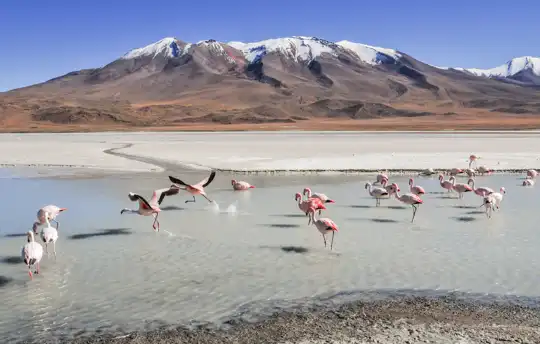
Andes Region is a must-see for any nature lover. This mountain range stretches across several of the countries on your list, including Argentina, Bolivia, Chile, and Peru. Here, you’ll find breathtaking landscapes, from the dramatic peaks of Patagonia to the high-altitude lakes of Bolivia and the iconic Inca Trail leading to Machu Picchu. The diverse terrains offer everything from glaciers to vibrant deserts, making it a prime spot for those who appreciate awe-inspiring vistas.
In contrast, the
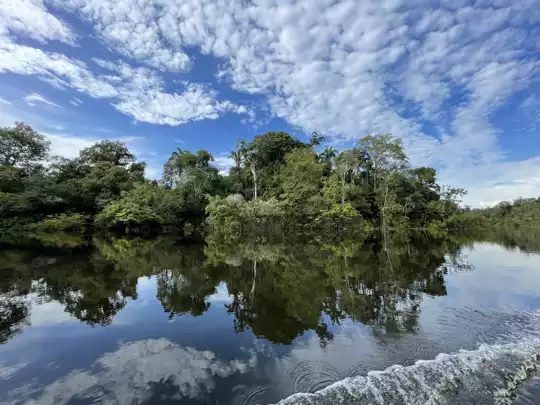
Amazons Region, found mainly in Colombia and Ecuador, offers a different kind of beauty. This area is all about lush greenery, diverse wildlife, and intricate river systems. If you’re after vibrant ecosystems and the chance to immerse yourself in nature, this is the place to be. However, while the scenery is stunning, it can be challenging to navigate due to the dense jungle and lack of established trails, which might not suit every backpacker’s style.
The
Coastal Region of Brazil, particularly around Rio de Janeiro and the surrounding areas, is also a visual treat. Think dramatic cliffs, stunning beaches, and lush mountains meeting the ocean. While this region is more developed and touristy, the views are iconic and worth experiencing. Just be prepared for the crowds, especially in peak season.
Finally, the
Falkland Islands offer a unique blend of rugged coastline and wildlife, perfect for those who enjoy more remote landscapes. It’s less traveled, which can be appealing if you’re looking for solitude amidst stunning scenery. However, access can be tricky and often requires planning ahead, so it may not be the easiest option for spontaneous backpackers.
In summary, the Andes and Amazon regions are top choices for breathtaking scenery, while the coastal areas provide a different but equally stunning experience. The Falkland Islands can be rewarding but require more effort to visit. Choose your destination based on the type of scenery that excites you the most!
⚠️ Select scenery in the filters below on the right to find your perfect match.
When it comes to exploring the unique aspects of South America, certain regions stand out for their distinct cultures, landscapes, and experiences. For travelers keen on uncovering the quirks and individuality of a place, the
Andean Region and the
Brazilian Coast are particularly favorable. On the flip side, areas like the
Venezuelan Highlands might not be as accessible or safe for backpackers looking for off-the-beaten-path adventures.
The
Andean Region, which includes parts of countries like Bolivia and Peru, is known for its rich indigenous cultures, stunning mountain scenery, and vibrant traditions. Here, you can experience unique festivals, traditional markets, and breathtaking hikes like the Inca Trail. This region's unique blend of ancient history and natural beauty makes it a haven for those seeking something different.
On the other hand, the
Brazilian Coast offers a captivating mix of urban and natural wonders. Places like Rio de Janeiro bring together vibrant street life and stunning beaches, while spots further north provide opportunities to explore biodiversity in the Amazon and the unique culture of Afro-Brazilian communities. This region is a feast for the senses, with unique flavors, music, and landscapes that set it apart from the rest.
Meanwhile, while the
Venezuelan Highlands offer incredible natural beauty and a chance to experience unique ecosystems, challenges such as safety concerns and accessibility can make it less ideal for budget travelers. If you're after unique experiences, consider sticking to areas that are easier to navigate and more welcoming to backpackers.
⚠️ Select uniqueness in the filters below on the right to find your perfect match.
If you’re keen on wildlife watching in South America, you’re in for a treat. The continent is home to diverse ecosystems that offer unique opportunities to see everything from vibrant birds to elusive mammals. However, not all regions are equally packed with wildlife experiences, so it's good to know where to focus your efforts.
Amazon Basin is a hotspot for wildlife enthusiasts. This region spans parts of Brazil, Ecuador, and Peru, and is teeming with biodiversity. From jaguars to pink river dolphins and countless bird species, the Amazon is a must-visit for anyone serious about spotting wildlife. Many eco-lodges and guided tours cater specifically to wildlife watchers, making it relatively easy to navigate.
Moving to the
Southern Cone — which includes parts of Argentina and Chile — you'll find incredible national parks like Torres del Paine and Los Glaciares. Here, you can encounter guanacos, condors, and even the occasional puma. While the wildlife might not be as abundant as in the Amazon, the stunning landscapes and well-maintained trails are a huge draw. Just keep in mind that some areas can be a bit more touristy, so plan accordingly.
The
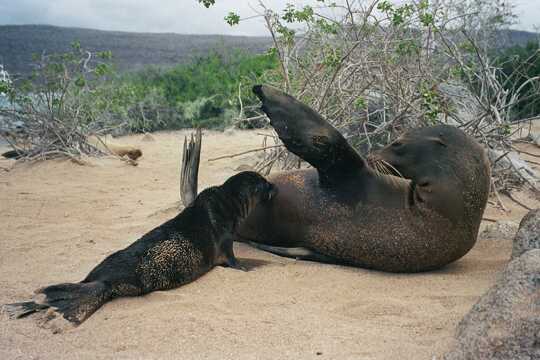
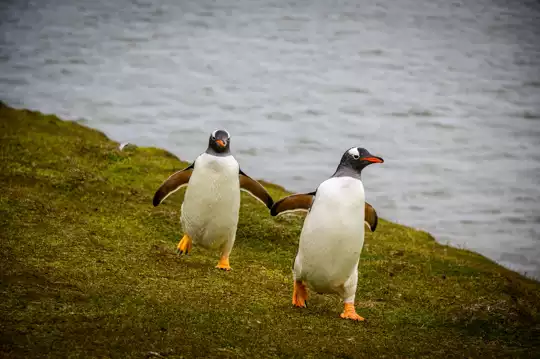
Falkland Islands are also worth a mention, especially if you’re into seabirds and penguins. The wildlife here is unique, and you can spot various species nesting on the rugged coastline. However, access can be tricky and more expensive compared to mainland South America, so factor that into your budget.
Lastly,
Guyana offers a more off-the-beaten-path experience for wildlife watchers. The rainforests and savannas are home to species like the giant river otter and the capybara. It’s less commercialized compared to other regions, so you’ll likely have a more authentic experience, but it may require some extra planning to get around.
In summary, the Amazon Basin is the ultimate destination for wildlife lovers, while the Southern Cone offers majestic landscapes with decent wildlife viewing. The Falkland Islands and Guyana provide unique experiences but come with their own challenges. Choose your region based on what types of wildlife you’re hoping to see and the level of adventure you're seeking!
⚠️ Select wildlife in the filters below on the right to find your perfect match.
If you travel in
| | | | | | | | | | | April is an interesting month to explore South America, as the continent boasts a diverse range of climates and landscapes that can greatly affect your travel experience. As you plan your journey, keep in mind that some regions are more favorable for backpacking in April than others.
In the
Andean region, which includes countries like Peru and parts of Argentina, April is generally a great time to visit. This month marks the end of the rainy season in many areas, especially around Machu Picchu and Cusco, so you can expect milder weather and fewer tourists compared to the peak season that follows in May and June. The lush green landscapes are a bonus for those looking to hike or just soak in the incredible scenery.
Heading over to the
Southern Cone, which features Argentina and Uruguay, April brings fall-like conditions with cooler temperatures and stunning autumn colors. This is an excellent time to explore cities like Buenos Aires and Montevideo, where you can enjoy cultural events, food festivals, and wine tours without the summer crowds. Just be prepared for some chillier nights, especially in the southern parts of Argentina.
On the other hand, the
Venezuelan region can be a mixed bag in April. While it’s typically dry, the political situation and safety concerns can make travel tricky. If you're set on visiting, stay informed about the current conditions and stick to more tourist-friendly areas.
Lastly, the
Guyana and Curaçao region offers a unique blend of experiences, with Guyana showcasing its rich biodiversity and Curaçao providing a colorful Caribbean vibe. April is generally a good time for both, but keep an eye on the weather forecasts, as the rain can start to pick up in some areas.
In summary, April is a promising month for backpackers in South America, with the Andean and Southern Cone regions offering ideal conditions for exploration, while the Venezuelan and Guyana/Curaçao areas require a bit more caution. Always check the local weather and political situation before you go, and you’ll be set for an unforgettable adventure!
⚠️ Select April in the filters below on the right to find your perfect match.
August is a unique time to explore South America, as the continent showcases a variety of climates and travel experiences depending on where you choose to go. While some regions enjoy mild weather and vibrant festivals, others may be less inviting due to cooler temperatures or heavy rainfall. Understanding these regional differences can help you make the most of your backpacking adventure.
In the
Andean Region, which includes Bolivia, Peru, and Ecuador, the dry season is in full swing. This means clear skies and pleasant temperatures, making it an ideal time for trekking in places like the Inca Trail or exploring the stunning landscapes of the Altiplano. Just be prepared for chilly nights, especially at higher altitudes.
Moving to the
Amazônia region, you’ll find countries like Peru and Brazil. August marks the dry season here as well, so it's a good time for jungle treks and wildlife spotting. The humidity is lower, making your adventures a bit more comfortable, although be ready for the occasional rain shower.
On the other hand, the
Southern Cone, which includes Paraguay and parts of Brazil, can be quite chilly in August. While it's not the peak travel season, you might find fewer crowds and better deals on accommodations. Just remember to pack for cooler weather if you're planning to visit here.
Finally, the
Caribbean Coast, notably represented by Curaçao, offers warm temperatures and plenty of sunshine in August. This region can be a great escape if you’re looking to relax on beautiful beaches, but keep in mind that it can be pricier compared to other South American destinations.
In summary, August can be a fantastic month to explore South America, especially in the Andean and Amazon regions where the weather is generally favorable for outdoor activities. Just keep the conditions in mind when planning your itinerary!
⚠️ Select August in the filters below on the right to find your perfect match.
December is a fantastic month to explore South America, as the continent showcases a diverse range of climates and landscapes. While the southern parts are warming up for summer, the northern regions are experiencing their own unique weather patterns. Understanding these variations is key for budget travelers looking to make the most of their trip.
Starting with the
Andes Region, which includes parts of Chile and Colombia, December is a prime time to visit. The weather is generally warm and dry, especially in places like Santiago and Medellín, making it perfect for outdoor activities and exploring urban settings. The mountains are also accessible for trekking, so if you’re into hiking, this is a no-brainer.
Moving to the
Caribbean Coast, particularly in northern Colombia, this region is also quite favorable in December. The temperatures are warm, and the rain is minimal, allowing for beach time and vibrant local festivals. It’s a great chance to dive into the culture without worrying about getting drenched.
On the other hand, the
Southern Cone, which includes the Falkland Islands and parts of Chile, can be a mixed bag in December. While it’s summer down there, the weather can still be unpredictable, especially in areas like Patagonia. If you’re looking for stunning landscapes and hiking, be prepared for some rain and wind, but also know that it can be breathtakingly beautiful.
Lastly, the
Guyana and Venezuela Region might not be the top choice in December due to potential rain and humidity, particularly in the interior areas. However, if you plan carefully and target the right spots, you can still enjoy the natural wonders and rich cultures these countries offer. Just be aware that some areas may be less accessible due to weather conditions.
In summary, December is a great time for backpackers in South America, especially if you stick to the Andean and Caribbean regions. Just keep an eye on the weather and plan your itinerary accordingly!
⚠️ Select December in the filters below on the right to find your perfect match.
February in South America is a mixed bag when it comes to weather and travel conditions. As the southern hemisphere is in the midst of summer, you’ll find warmer temperatures and vibrant festivities in some areas, while others may be experiencing their rainy season. This month can be a great time to explore, but it’s essential to know where to go for the best experience.
In the
Andean region, countries like Chile and Colombia are excellent picks. This time of year, you can enjoy pleasant temperatures in places like Santiago or the stunning landscapes of Colombia’s coffee region. The weather is generally dry, making it perfect for hiking and exploring. Just keep in mind that some high-altitude areas can be a bit cooler, so pack accordingly.
On the other hand, the
Caribbean region, including Curaçao, offers a different vibe altogether. February is an ideal time to hit the beaches, with warm, sunny days and lower humidity. You’ll find fewer crowds compared to peak winter months, making it a great time for budget travelers looking for relaxation and water activities.
When considering the
Southern Cone, which includes parts of Chile and the Falkland Islands, February is still summer, but expect fluctuating conditions. Southern Chile can be quite windy, and the Falklands can be chilly, so plan for variable weather if you head that way. However, the landscapes are stunning, and this is a great time for wildlife watching.
In contrast, the
Guyana and Venezuela region might not be the most favorable during February due to the potential for heavy rainfall, especially in the rainforest areas. While the natural beauty is undeniable, the wet conditions can make travel more challenging and limit outdoor activities.
Overall, February is a solid choice for exploring South America, especially if you stick to the
Andean and
Caribbean regions for the best weather. Just keep an eye on the forecasts and be prepared for varying conditions!
⚠️ Select February in the filters below on the right to find your perfect match.
January is a dynamic time to explore South America, as the continent experiences a mix of climates and conditions. While some areas bask in summer warmth, others might be facing heavy rainfall or cooler temperatures. Understanding these regional variations can help you make the most of your travel plans.
In the
Andean region, which includes parts of Chile and Colombia, January is generally warm and dry, making it a fantastic time for hiking and outdoor adventures. The stunning landscapes, from the Atacama Desert in Chile to the lush coffee regions in Colombia, are perfect for exploration. Just remember that higher altitudes can still be chilly, so pack accordingly.
On the other hand, the
Caribbean coast, where you'll find Curaçao, is ideal in January. Expect sunny skies and warm temperatures, perfect for beach lounging and water sports. This region is great for budget travelers looking to enjoy vibrant local culture, delicious food, and a laid-back atmosphere without the summer crowds.
The
southern regions, including the Falkland Islands, can be a bit trickier in January. While it is summer down there, the weather can be unpredictable, with strong winds and chilly temperatures. It’s not the best time for those looking for guaranteed sunshine, but if you're up for rugged beauty and wildlife, it might still be worth a visit.
In contrast, the
tropical northern regions like Guyana and Venezuela can be quite humid and wet in January. Expect higher chances of rain, which might limit outdoor activities and make travel more challenging. If you’re keen on exploring these areas, be prepared for the possibility of rain and consider focusing on the cultural experiences rather than extensive trekking.
Overall, January is a mixed bag across South America, but with a little planning and flexibility, you can enjoy a range of experiences from vibrant cities to breathtaking natural landscapes.
⚠️ Select January in the filters below on the right to find your perfect match.
July is an interesting time to explore South America, as the continent boasts a wide range of climates and conditions that can greatly influence your travel experience. While some areas are basking in winter sunshine, others might be experiencing rain or colder temperatures. Knowing where to go can help you make the most of your journey.
In the
Andean Region, countries like Peru and Bolivia are prime destinations in July. This is the dry season in the highlands, making it an excellent time for trekking, especially on famous trails like the Inca Trail. You'll find clear skies and pleasant temperatures, ideal for exploring ancient ruins and vibrant local cultures. Just be prepared for chilly nights in the mountains!
Moving to the
Amazônia Region, Ecuador is a fantastic place to visit in July, particularly if you're adventurous and enjoy lush landscapes. While it's technically the dry season, humidity and occasional rain can still occur, but that only enhances the vibrant rainforest experience. Wildlife activity is high, making it a great time for nature enthusiasts.
In
Brazil, July is winter, and places like Rio de Janeiro and São Paulo can be cooler and less crowded compared to the peak summer months. The weather is generally mild and comfortable for city exploration, although it’s worth noting that some regions, like the Amazon, may be experiencing their wet season, which could limit travel options in those areas.
Lastly, the
Southern Cone includes countries like Paraguay and parts of Brazil. July is winter here too, so expect cooler temperatures. If you’re looking for a unique experience, this is a good time to explore cultural festivals and events that might only happen during the winter months. Just make sure to layer up, as nights can get quite chilly.
In summary, July offers diverse travel opportunities across South America. Focus on the Andean and Amazon regions for the best weather, while keeping in mind the cooler temperatures in the Southern Cone. With a little planning, you can enjoy the unique offerings of each region during this time of year.
⚠️ Select July in the filters below on the right to find your perfect match.
South America in June offers a mix of climates and experiences, making it a fascinating time to explore the continent. As winter settles in the southern hemisphere, temperatures drop in some areas while others enjoy milder weather. Understanding these regional variations can help you plan your backpacking journey effectively.
The
Andean region, which includes countries like Bolivia and Peru, is particularly appealing this time of year. June marks the dry season in these high-altitude areas, making it ideal for hiking and exploring ancient ruins like Machu Picchu without the drenching rains. The weather is crisp, nights can be chilly, but the clear skies provide stunning views of the landscapes. Just be prepared for altitude sickness if you’re venturing high.
Head east to the
Amazon basin, specifically parts of Ecuador, and you’ll find a different story. While June is part of the rainy season, the jungle’s lush beauty is in full swing. Expect warm temperatures and the chance to see vibrant wildlife, but be ready for sudden downpours. If you don’t mind getting a bit wet, this region offers a unique adventure.
The
Southern Cone, including parts of Brazil and Paraguay, experiences cooler temperatures in June, but this can be a great time to explore cities like São Paulo or the cultural hubs of Paraguay. Urban areas are less crowded, and you can enjoy local festivals and events without the usual tourist rush. However, if you’re looking to hit the beach, you might want to consider postponing your trip to Brazil until later in the year.
In summary, June can be a great month to travel in South America, especially if you focus on the Andean region for outdoor adventures or the Amazon for a jungle experience. Just keep an eye on your weather preferences and prepare accordingly!
⚠️ Select June in the filters below on the right to find your perfect match.
March is a fantastic time to explore South America, as the continent experiences a variety of climates and conditions that can greatly influence your travel plans. As summer wraps up in the Southern Hemisphere, many countries transition into autumn, bringing milder temperatures and fewer crowds. However, keep in mind that conditions can vary widely depending on the region.
In the
Andean Region, which includes countries like Argentina and Colombia, March is a sweet spot for backpackers. The weather is generally pleasant, making it ideal for trekking and exploring vibrant cities like Buenos Aires and Bogotá. The Andes mountains offer stunning views and great hiking opportunities, and the fall foliage starts to kick in, adding a beautiful backdrop to your adventures.
Moving to the
Caribbean Coast, particularly in Colombia, you’ll find warm weather and vibrant festivities. March is just before the rainy season, so you can enjoy the beaches and lively towns without the downpours. Plus, the cultural experiences in this area are rich, with plenty of local festivals and events happening during this time.
On the other hand, the
Amazon Region, which includes parts of Guyana and Venezuela, can be a mixed bag in March. While it might be less humid than in the peak of the rainy season, the risk of rain is still present. If you’re up for an adventure in the jungle, it's doable, but be prepared for mud and insects.
Lastly, in the
Southern Cone, encompassing Uruguay and parts of Argentina, March is a great time to enjoy the tail end of summer. The beaches are still inviting, but the crowds are starting to thin out. It’s a great moment to take in the local culture, enjoy some wine in Mendoza, or relax in Montevideo.
Overall, March offers a mix of experiences across South America, with the Andean and Caribbean regions being particularly favorable for backpackers, while the Amazon might require a little more flexibility and grit. Plan accordingly, and you'll have a memorable trip!
⚠️ Select March in the filters below on the right to find your perfect match.
May is a great time to explore South America, as the continent showcases a variety of climates and conditions that cater to different travel preferences. As autumn settles in the southern hemisphere, you'll find delightful weather in some regions, while others may not be as favorable for your backpacking adventures.
In the
Southern Cone, which includes Argentina, Uruguay, and parts of southern Brazil, May is generally mild and pleasant. The temperatures are cooler but comfortable, making it perfect for exploring vibrant cities like Buenos Aires or Montevideo. Plus, this time of year means fewer tourists, so you can enjoy attractions without the crowds. If you’re into wine, Mendoza is also in full swing as the grape harvest wraps up, which is a great excuse to indulge in some local tastings.
Heading north to the
Andean Region, which includes Bolivia and Peru, May is an excellent choice for trekking and outdoor activities. The rainy season is winding down, especially in places like Cusco and the Sacred Valley, so you can expect clearer skies and better hiking conditions for iconic trails like the Inca Trail. Just be prepared for cooler nights, especially at higher altitudes.
On the flip side, the
Amazon Basin, which touches parts of Brazil and Bolivia, can be quite humid and wet during this time. May marks the beginning of the rainy season, which means you might encounter a lot of rain and muddy trails, making travel more challenging. If you’re set on visiting the Amazon, just be prepared for the possibility of heavy showers and plan accordingly.
Lastly, the
Gran Chaco and Paraguay can be quite warm and dry in May, but it’s less traveled compared to its neighbors. If you're looking for a unique experience off the beaten path, this could be an interesting stop, though you might not find as many backpacker-friendly amenities.
In summary, May offers a mix of opportunities across South America. The Southern Cone and Andean regions provide comfortable travel experiences, while the Amazon may be best avoided unless you’re ready for some wet weather.
⚠️ Select May in the filters below on the right to find your perfect match.
November is a fantastic time to explore South America, as the continent showcases a range of climates and experiences. As spring transitions into summer in the Southern Hemisphere, you'll find warmer temperatures and longer days, making it an appealing time for backpackers. However, conditions can vary significantly across regions, so it’s essential to know where to head and where to avoid.
The
Southern Cone, which includes Argentina and Uruguay, is particularly inviting in November. This is when cities like Buenos Aires buzz with life, and the weather is warm but not oppressively hot. Outdoor activities, cultural festivals, and vibrant nightlife make this region a prime choice for travelers. Plus, the wine harvest season in Mendoza is in full swing, offering a great opportunity for vineyard tours and tastings.
Moving north, the
Guiana Shield region, encompassing French Guiana and Suriname, offers a different experience. November marks the start of the rainy season in French Guiana, but it’s still manageable for those keen on exploring its lush rainforests and unique wildlife. Suriname, on the other hand, is in a transitional phase, where you might encounter some rain, but this doesn’t detract from the vibrant culture and rich history you can explore in places like Paramaribo.
In contrast, the
Andean region can be less ideal in November. While some areas may be accessible, higher altitudes might still be dealing with unpredictable weather and lingering cold from the previous winter months. If you’re considering trekking or high-altitude adventures, it’s best to check specific local conditions before planning your trip.
Overall, November can be a great month to travel through South America, especially if you focus on the warmer, more inviting regions like the Southern Cone and parts of the Guiana Shield. Just keep an eye on the weather patterns to ensure a smooth backpacking experience!
⚠️ Select November in the filters below on the right to find your perfect match.
October is a transitional month in South America, where you can experience a mix of climates depending on the region. As spring takes hold in the southern hemisphere, some areas are just starting to warm up, while others are still feeling the effects of winter. This means that when planning your backpacking adventure, it's essential to consider the diverse weather patterns and conditions across the continent.
In the
Andean Region, which includes parts of Argentina and Bolivia, October is generally a great time to visit. The weather is warming up, making it ideal for trekking and outdoor activities. In Bolivia, places like La Paz and the Salt Flats begin to thaw out, offering stunning landscapes and unique experiences. Argentina’s northern regions, such as Mendoza, also see pleasant weather, perfect for wine tours and hiking in the foothills.
Moving to the
Amazon Basin, including parts of Peru and Suriname, October can be a mixed bag. It’s the tail end of the dry season in some areas, meaning you can enjoy less rain and better access to remote locations. However, be prepared for humidity and bugs if you’re heading deep into the jungle, as conditions can shift quickly.
In the
Southern Cone, which encompasses Uruguay and the southern parts of Argentina, October is springtime, so expect mild temperatures and blooming landscapes. This is a great time for enjoying the beaches of Uruguay, especially in places like Punta del Este, before the summer crowd arrives. However, be aware that southern Argentina can still be a bit chilly, particularly in Patagonia, where conditions can be unpredictable.
On the flip side, if you're considering visiting French Guiana, note that October marks the beginning of the rainy season. While it's not the worst time to go, frequent showers can impact your plans, especially for outdoor activities.
Overall, October is a fantastic month for exploring South America, but choosing the right region can make all the difference in your backpacking experience.
⚠️ Select October in the filters below on the right to find your perfect match.
September is an interesting month to explore South America, as the continent showcases a variety of climates and conditions. As spring arrives in the Southern Hemisphere, many regions start to warm up, offering pleasant weather for travelers. However, it's essential to keep in mind that conditions can vary significantly depending on the area you choose to visit.
The
Andean Region, which includes countries like Argentina, Bolivia, Ecuador, and Peru, is generally favorable in September. This time of year sees milder temperatures and less rain, making it ideal for trekking in the highlands or exploring vibrant cities. The stunning landscapes of Patagonia in Argentina are also accessible, although it can still be chilly, so be ready for varying conditions.
On the other hand, the
Brazilian Coast is another region worth considering. While September is technically the end of winter, you can expect pleasant weather, especially in cities like Rio de Janeiro and Salvador. The beaches start to come alive again, and it's a great time to enjoy the surf and vibrant culture without the summer crowds.
However, if you're thinking about visiting the
Amazon Basin (which includes parts of Brazil and Peru), September can be a bit tricky. It's the tail end of the dry season, which means fewer mosquitoes but also lower water levels. This can limit access to some areas, so plan accordingly if you want to venture into the jungle.
In contrast, the
Southern Cone (comprising Argentina, Uruguay, and parts of Chile) can be a mixed bag. While Argentina's Patagonia and parts of Uruguay are starting to warm up, the weather can still be unpredictable, with chances of rain and cold snaps. If you're open to some adventure and don’t mind the cooler temperatures, this region can still offer some incredible sights and experiences.
Finally, the
Guiana Region, which includes Suriname, French Guiana, and parts of Brazil, is generally less traveled in September due to its tropical climate and potential for rain. While you can experience unique wildlife and cultures, be prepared for humidity and occasional downpours.
Overall, September is a great time for backpackers to explore South America, especially in the Andean and Brazilian coastal regions. Just keep an eye on the weather and plan your itinerary accordingly!
⚠️ Select September in the filters below on the right to find your perfect match.