×

Best countries for hiking mountains in 2026

Discover the best countries that are great for exploring mountains (impressively high peaks, hiking trails, alpine lakes, glaciers). Drawing on personal backpacking experiences, this guide helps you find the destinations that match your interests and travel timing.

Best countries for mountains in

Africa | Asia | Europe | North America | South America | Oceania
When it comes to exploring mountains in Africa, certain regions stand out for their diverse landscapes, breathtaking views, and a variety of trekking opportunities. The continent is home to some of the highest peaks and most stunning mountain ranges, especially in East and Southern Africa. However, not every area is equally suited for mountain exploration, with some regions being less ideal for backpackers seeking high-altitude adventures.

East Africa is a hotspot for mountain lovers. Countries like Kenya and Tanzania boast iconic peaks, including Mount Kilimanjaro, Africa's tallest mountain, and the stunning Rwenzori Mountains that straddle the Uganda-Democratic Republic of the Congo border. Ethiopia is also noteworthy, with the Simien and Bale Mountains offering unique treks and endemic wildlife. These areas are well-equipped for travelers, with established trails, local guides, and accommodations catering to various budgets.

Moving to Southern Africa, you'll find countries like Lesotho and South Africa providing dramatic mountain landscapes. The Drakensberg Mountains in South Africa offer a range of hiking options, while Lesotho, often referred to as the "Kingdom in the Sky," presents rugged terrains and rewarding vistas. Malawi's mountains, including the Mulanje Massif, are less crowded and provide a more off-the-beaten-path experience, perfect for those looking to escape the tourist trail.

In contrast, North Africa, particularly Algeria and Morocco, offers the Atlas Mountains, which are rich in culture and stunning scenery. However, the infrastructure for trekking can be less developed than in East and Southern Africa, making it a bit trickier for independent backpackers. While beautiful, these regions might require more planning and preparation for a successful mountain adventure.

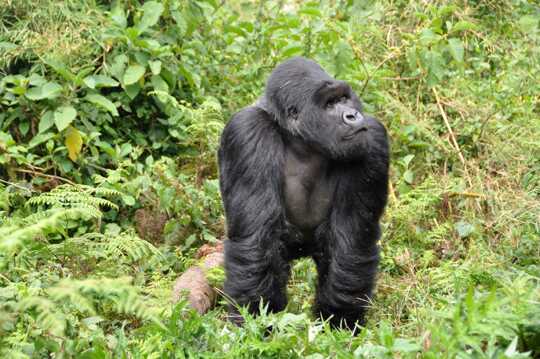
Lastly, Central Africa is often overlooked for mountain exploration, and while Rwanda's Virunga Mountains are famous for gorilla trekking, the overall mountain experience is less varied compared to its eastern and southern neighbors.

In summary, East and Southern Africa are the go-to regions for mountain exploration, offering well-established trails and diverse landscapes. North Africa has some great options but may require more effort to navigate, while Central Africa has potential but is less ideal for mountain-focused trips.

⚠️ At 'Which continent' below, select Africa and use the filters on the right to find your perfect match.
When it comes to exploring mountains in Asia, there are definitely regions that stand out as ideal playgrounds for backpackers. The towering peaks, stunning landscapes, and rich cultures make these areas a must-visit for anyone with a passion for the great outdoors. However, some regions might be less appealing due to accessibility or safety concerns, so it's worth knowing where to focus your efforts.

The Himalayan Region is the crown jewel for mountain lovers. Countries like Nepal and Bhutan offer some of the most breathtaking trekking routes in the world, with iconic peaks like Everest and Kanchenjunga drawing adventurers from all over. The trails are well-marked, and you'll find a range of accommodations from teahouses to homestays, making it accessible for budget travelers. India, particularly in states like Himachal Pradesh and Uttarakhand, also showcases stunning mountain ranges, though the infrastructure can vary significantly.

Moving to the Caucasus Region, Armenia and Georgia provide an incredible mix of rugged mountains and rich history. The landscapes are less crowded than the Himalayas, and you can experience a unique blend of cultures while trekking through the stunning terrain. Azerbaijan has some mountainous areas, but it's worth noting that it may not be as popular among backpackers focused solely on mountainous exploration.

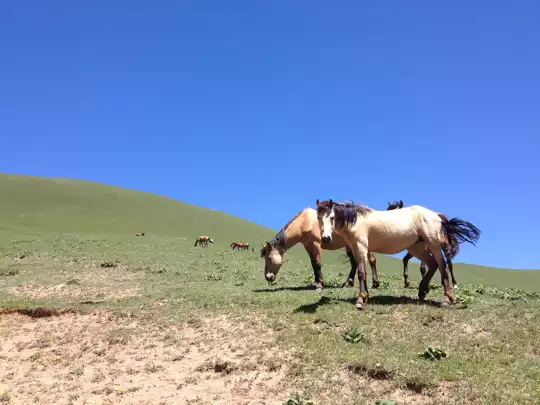
In Central Asia, the Central Asian Mountains offer some unreal hiking opportunities. Kyrgyzstan is a prime destination for those looking for dramatic scenery and less touristy trails. Kazakhstan and Tajikistan have their own impressive ranges, but be mindful that accessibility can be more challenging, so plan your routes carefully.

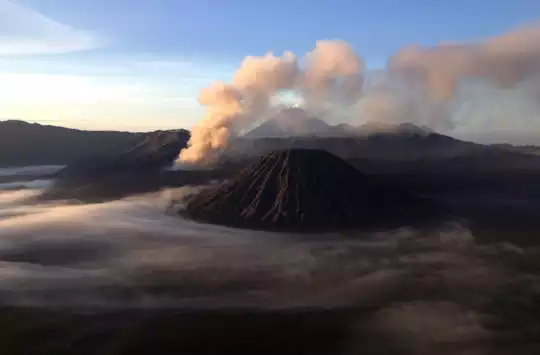
Finally, Southeast Asia's Southeast Asian Highlands feature unique landscapes. Indonesia, with its volcanic mountains, offers beautiful treks, while the Philippines has great options as well, particularly if you're interested in combining beach days with mountain hikes. However, these areas may not have the same level of infrastructure or safety as the previously mentioned regions, so do your homework.

In summary, if you're keen on mountains, stick to the Himalayas, the Caucasus, and Central Asia for the best experiences. Southeast Asia can be rewarding too, but expect more challenges in terms of logistics. Happy trekking!

⚠️ At 'Which continent' below, select Asia and use the filters on the right to find your perfect match.
When it comes to exploring mountains in Europe, some regions truly stand out for their breathtaking landscapes and diverse hiking opportunities. The best spots are often in Central and Northern Europe, where the scenery is stunning and the trails are plentiful. On the other hand, regions with flatter terrain or less accessible mountain ranges might not be as appealing for mountain enthusiasts.

The Alps in Central Europe are a top choice, encompassing parts of Austria, France, Germany, Italy, and Switzerland. This region offers iconic peaks and well-marked trails suitable for all levels of hikers. Whether you're into serious climbs or leisurely walks with stunning views, the Alps have it all. Plus, the infrastructure is excellent, with plenty of budget accommodation options and public transport to get you to trailheads.

Moving to the Balkan Mountains, countries like Albania, Bulgaria, Kosovo, Montenegro, and North Macedonia provide a more rugged, off-the-beaten-path experience. These areas are less crowded than the Alps, offering a chance to explore pristine nature and local cultures. While you might find fewer amenities, the scenery is just as breathtaking, and the warmth of the locals makes up for it.

In Northern Europe, Scandinavia—particularly Norway and Sweden—offers dramatic fjords and expansive wilderness. The hiking trails here range from well-trodden paths to remote adventures. Just be prepared for more rugged conditions and a higher cost of living. Iceland also fits into this region, boasting unique volcanic landscapes that attract adventurous hikers. However, it's worth noting that accessibility can be a bit tricky depending on the season.

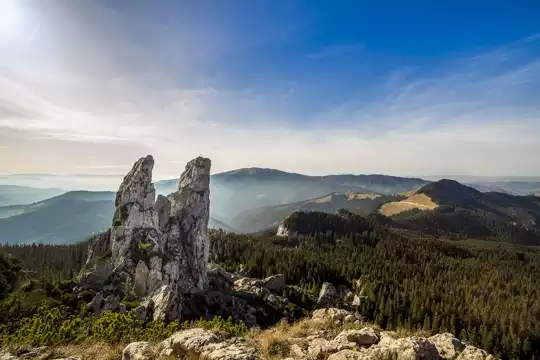
Finally, the Carpathians in Romania and parts of Poland offer beautiful, less-explored mountain ranges that are perfect for those looking to escape the crowds. The hikes here are often rewarded with stunning views and rich wildlife, plus they tend to be friendlier on the budget.

In summary, stick to the Alps for classic mountain experiences, explore the Balkans for adventure and culture, embrace the wild beauty of Scandinavia, and don’t overlook the Carpathians for a more tranquil experience. Each region has its own charm and challenges, so pick based on your style and comfort level!

⚠️ At 'Which continent' below, select Europe and use the filters on the right to find your perfect match.
When it comes to mountain exploration in North America, you’ve got some fantastic options across different regions, each offering unique landscapes and adventures. The key areas to focus on are the Western U.S. and Canada, while the mountainous regions of Mexico may not be as well-known for serious trekking but still have their own charm.

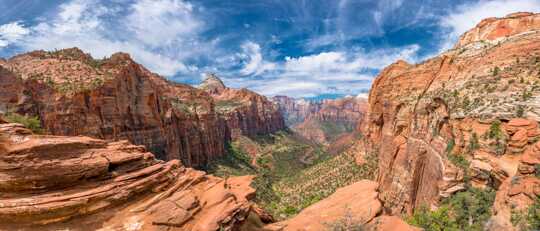
Starting with the Western U.S., this region is a playground for mountain enthusiasts. With iconic ranges like the Rockies, the Sierra Nevada, and the Cascades, there’s no shortage of trails, climbing spots, and stunning vistas. National Parks like Yellowstone, Yosemite, and Glacier are must-visits, boasting well-maintained trails and a wealth of wildlife. Plus, the accessibility of these parks makes it easy to hop from one breathtaking view to another.

Moving on to Canada, it’s hard to beat the Canadian Rockies for sheer beauty and variety. Places like Banff and Jasper offer incredible hikes, breathtaking lakes, and a chance to see glaciers up close. The coast ranges in British Columbia also provide amazing options, from the rugged mountains around Whistler to the trails on Vancouver Island. Canada is ideal for those seeking both rugged backcountry and well-marked paths.

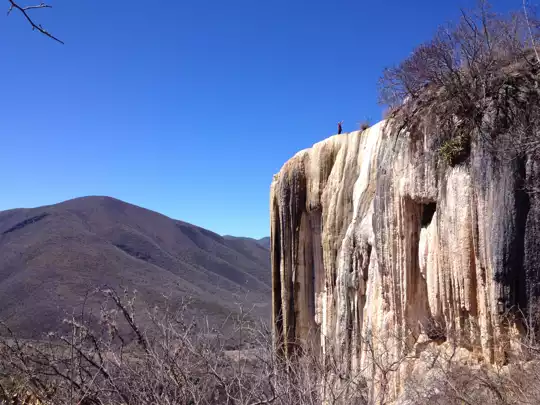
In contrast, Mexico has some mountain areas worth exploring, particularly in the Sierra Madre and the highlands near Oaxaca. However, these spots are often less developed for trekking compared to the U.S. and Canada. You might find some great local experiences and fewer crowds, but the infrastructure for serious mountain exploration isn’t as robust.

Overall, for serious mountain backpacking, stick to the Western U.S. and Canada. They offer the most diverse and accessible options for adventurers looking to soak up stunning mountain scenery.

⚠️ At 'Which continent' below, select North America and use the filters on the right to find your perfect match.
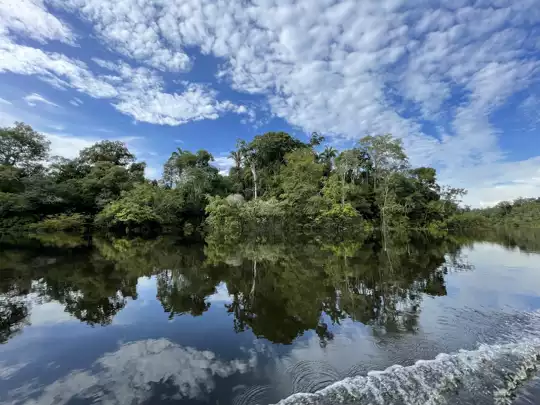
For mountain lovers, South America is a paradise packed with diverse landscapes, from the towering Andes to the lush ranges of the Amazon. While some regions are renowned for their peaks and trekking opportunities, others might not be the best fit for serious mountain exploration. Here’s a breakdown of the regions that stand out for their spectacular mountain scenery and those that might be less appealing for backpackers with a passion for heights.

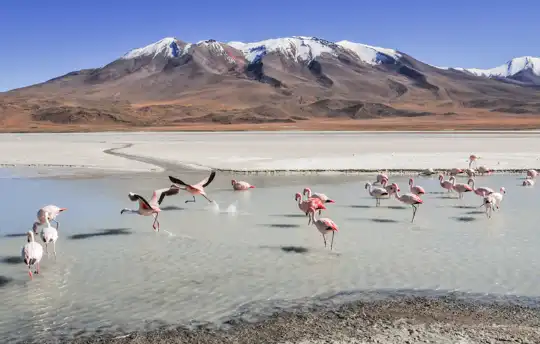
The Andean Region is the crown jewel for mountain enthusiasts. Stretching through countries like Argentina, Bolivia, Chile, Ecuador, and Peru, this region boasts some of the highest peaks in the world, including Aconcagua and Huascarán. Here, you'll find a plethora of trekking options, from the classic Inca Trail to the stunning routes in Patagonia. The varied climates and ecosystems also offer unique experiences, whether you're hiking through high-altitude deserts or lush cloud forests. The well-established infrastructure and vibrant local cultures make it relatively accessible for backpackers.

Moving north, the Colombian Andes provides another fantastic setting for mountain exploration. With its stunning landscapes, diverse ecosystems, and charming towns, Colombia offers numerous trails and opportunities for adventure. Areas like the Cocora Valley and Parque Nacional Natural Tayrona are well worth the trek, and the hospitality of locals adds to the experience.

On the flip side, the Brazilian Highlands are less focused on rugged mountain terrains compared to the Andes. While there are some beautiful places like Chapada Diamantina, the emphasis here is more on plateaus and valleys rather than towering peaks. If you're specifically seeking intense mountain experiences, this region might not fully satisfy your cravings.

Finally, while Venezuela has its share of mountains, particularly the iconic Tepuis, the current political and economic situation can make travel challenging and potentially unsafe for backpackers. If you’re considering exploring mountains there, be sure to do thorough research and stay updated on safety conditions.

In summary, if mountains are your passion, stick to the Andean and Colombian regions for the best experiences. The Brazilian Highlands may offer some scenic beauty, but the real mountain adventures lie further south.

⚠️ At 'Which continent' below, select South America and use the filters on the right to find your perfect match.
When it comes to mountain exploration in Oceania, some regions definitely stand out for their breathtaking landscapes and adventurous opportunities. If you're a backpacker keen on hitting the trails, you’ll want to pay attention to the following regions.

Starting with Australia, this vast continent offers a mix of iconic ranges like the Blue Mountains and the Australian Alps. These areas boast well-maintained hiking trails, stunning views, and diverse ecosystems, making them accessible for all levels of hikers. Plus, the relatively developed infrastructure means you can find budget accommodations and transport options without too much hassle. However, the outback is less mountainous and might not satisfy the peak-bagging itch if that's what you’re after.

Next up is New Zealand, often considered a paradise for mountain lovers. The Southern Alps are a highlight, with dramatic peaks and plenty of trails, from casual day hikes to serious multi-day treks like the Routeburn and Milford Tracks. The scenery is jaw-droppingly beautiful, and the country has a solid backpacker-friendly culture, so you’ll find plenty of fellow adventurers and budget accommodations. Just be prepared for some unpredictable weather, especially in the mountains.

Moving on to Fiji and Papua New Guinea, both offer unique mountain experiences but cater to different types of adventurers. Fiji’s interior mountains are less explored, providing a chance to experience lush landscapes and remote villages. It’s not as developed for trekking as New Zealand, but there’s a certain charm in discovering off-the-beaten-path trails. Papua New Guinea, on the other hand, is quite rugged and offers incredible biodiversity and cultural experiences. However, it can be more challenging due to less infrastructure and safety concerns, so it’s best for seasoned backpackers.

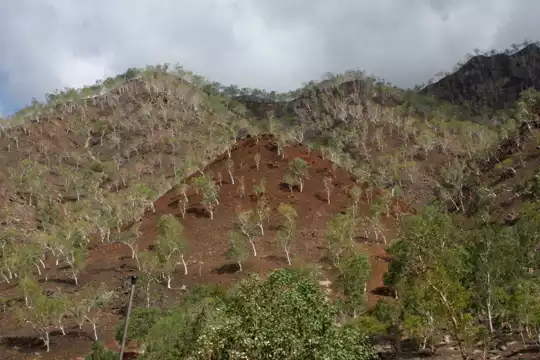
Lastly, Timor-Leste is a rising destination for those interested in mountains, featuring stunning ranges and a glimpse into the local culture. The mountains here are less touristy, offering a more authentic experience, but again, the infrastructure isn't as developed, so plan accordingly.

In summary, for mountain exploration in Oceania, New Zealand and Australia stand out as the most accessible and appealing for backpackers. Fiji, Papua New Guinea, and Timor-Leste provide unique experiences but come with varying levels of challenge, making them ideal for those looking for a bit more adventure.

⚠️ At 'Which continent' below, select Oceania and use the filters on the right to find your perfect match.
Check friendliest countries
Mapping the planet 🌍
Preferences
WHEN DO YOU GO?


WHAT DO YOU LIKE?


How does it work?

show country info
India
1

India

Move constantly through intense contrasts of scale and life.


Move constantly through cities, villages, mountains, and forests, experiencing culture, chaos, and diverse landscapes for adventurous, curious travelers.
India rewards hikers who respect its scale. In one trip you can cross Ladakh’s wind-burned passes, climb through Sikkim’s rhododendron belts toward Kanchenjunga, and wake in Uttarakhand meadows that explode with first light. The payoff is real; the gotchas are too, and dodging them saves your legs and your budget. Build two buffer days—landslides happen. Aim post-monsoon (Sep–Oct) for Himachal, Uttarakhand, Sikkim; save July–Aug for Ladakh. India is not Nepal: beyond a few day hikes (Triund, Kedarkantha), you’ll camp or use homestays—budget for mandatory guides on some routes (Goecha La), forest entry fees, and mules priced per kilo. Carry cash; ATMs thin out fast. Permits aren’t drama if you prep: Inner Line for Ladakh, Protected Area for Sikkim; passport copies and spare photos shave hours. Pro tip: leech socks in the Western Ghats during rains—cheap insurance. I’ve stood on the 4 a.m. ridge at Sandakphu and watched Everest, Lhotse, Makalu, and Kanchenjunga line up in hard, clean air. That’s what you’re protecting your energy for.
Best known for:Known for: mountains | architecture | food
Best time to visit: July - March
Daily cost: US$20 to 36
China
2

China

Navigate immense distances while shifting through entirely different worlds.


Navigate massive distances, moving from bustling cities to ancient villages, high mountains, and river valleys, experiencing culture, nature, and adventure across immense regions.
China is engineered for mountain walking. Granite steps, cable cars, and mandatory park shuttles turn huge relief into a solvable puzzle, so you trade suffering for strategy. The payoff spans styles: knife-edge granite on Huangshan, forested stair-climbs on Taishan, laddered cliffs at Huashan, glaciated massifs in Sichuan and Yunnan, karst towers around Zhangjiajie. Culture rides along: temples, tea stalls, hot water urns at altitude. The system rewards timing and ticket math. Most parks sell combo tickets (entry + bus + cable car). Buy once, ride early. Take the first shuttle; you’ll beat tour groups by an hour and own the ridgelines. Save a cable car for descent—knees last longer than pride. Pro tip: sleep on Huangshan; the “sea of clouds” tends to form after rain and wind clears, and dawn crowds are smaller. Carry your passport; gates scan IDs. Cashless dominates, but every kiosk can scan your code for noodles and ponchos. I’ve padded climbs by adding the cheap accident insurance at the turnstile and using the back gates—Huashan’s west entry at first light gave me 20 quiet minutes on East Peak. Altitude? In Sichuan/Yunnan, step up days (2,500 m, then 3,000–3,600 m) and you’ll move faster than anyone sprinting from sea level. Avoid Golden Week and May Day; any other Tuesday is your friend.
Best known for:Known for: scenery | mountains | architecture
Best time to visit: March - June, September - November
Daily cost: US$25 to 45
Nepal
3

Nepal

Climb life-changing trails step by deliberate step.


Climb Himalayan trails, valleys, and villages, experiencing mountains, culture, and trekking for adventurous, nature-focused travelers.
Nepal makes you climb for your views. Stone steps bite calves, thin air narrows your world to breath and boot. Then the trail rounds a mani wall and the whole Annapurna amphitheater hits you like sunrise in stereo. Yak bells, juniper smoke, prayer flags cracking in the wind—earned miles taste better. Pro tip: leave at first light to slip past mule trains and afternoon clouds; carry a buff for dust. I still remember the first cold beer in Namche after the EBC push, legs wrecked, lungs clean, Khumbu glowing. You don’t just see mountains here—you earn them.
Best known for:Known for: mountains | low cost | people
Best time to visit: February - April, September - December
Daily cost: US$25 to 45 [welcomenepal.com]
Peru
4

Peru

Climb ancient paths into misty cloud forests.


Climb ancient trails, mountains, and cloud forests, experiencing history, culture, and dramatic landscapes for adventurous, culturally minded travelers.
Peru rewards legs that earn it. The Andes cut straight through the country, stacking blue lakes under ice-capped walls and long passes where you can hear your own pulse. Hike here and you move—up, over, down—through real elevation and big payoffs. Protect your engine. Altitude is the tax; pay it smart. Sleep low first (Ollantaytambo beats Cusco for night one), then climb gradual. Dry season (May–Sept) means solid trails but cold nights; start before dawn because storms and crowds build after lunch. Pro tip: skip the permit circus—Salkantay, Ausangate, and Santa Cruz deliver giant views with fewer rules and smaller bills. I save money by taking colectivos, carrying a filter, and packing a real puffy; afternoons can swing from T‑shirt to frost fast. Cash-only park fees, exact change, no drama.
Best known for:Known for: mountains | backpackers | architecture
Best time to visit: April - October, December
Daily cost: US$30 to 45 [peru.travel]
Japan
5

Japan

Navigate precision transit between tradition and futurism daily.


Navigate fast trains, shrines, and mountains, experiencing tradition, modernity, and landscapes for travelers seeking contrasts, culture, and efficiency.
Japan rewards hikers because the country is engineered for it: trains and buses drop you at real trailheads, mountain huts stitch the ridgelines, and hot springs sit exactly where your quads give up. That “why” becomes a “how.” Use the rail network to leapfrog cities and sleep near the start; then go hut-to-hut with a light pack. Pro tip: ship your suitcase with takkyubin and carry 8–10 kg at most—I sent mine Tokyo→Takayama and floated through Kamikochi to Yarigatake. The system assumes early starts and cash: huts expect reservations and yen, and 3–4 a.m. headlamps beat clouds, lightning, and crowds. Convenience stores handle fuel and breakfasts; on the back end, an onsen resets everything. In bear country (Hokkaido, parts of Nagano), wear a bell; in typhoon weeks, front-load big days when the window opens.
Best known for:Known for: scenery | mountains | architecture
Best time to visit: October - June
Daily cost: US$60 to 110 [japan.travel]
Chile
6

Chile

Move north to south as climates completely transform around you.


Move from deserts to glaciers, islands, and mountains, experiencing dramatic landscapes and local life for adventurous, outdoor-focused travelers.
Chile is a hiker’s control panel: one narrow country, every mountain climate on a dial. Ride north for bone‑dry volcano ascents and big altitude; aim mid‑country for lava cones, araucaria forests, and snowlines you can reach after breakfast; drop south for granite, ice, and wind that can fold a tent. The system is sequencing. You chase windows, not dates—midsummer for Patagonia, shoulder season for the Lake District, any clear 2–3 days for the Atacama. Buses stitch it all together overnight, so you reposition while you sleep. Pro tip: in Patagonia, start before dawn; gusts spike after lunch. Watch “rachas,” not averages. I carry a hard shell over insulation, microspikes in spring in Pucón, and buy gas canisters locally (you can’t fly with them). Book Torres del Paine far ahead; if not, pivot to Cerro Castillo and win the week.
Best known for:Known for: mountains | scenery | wildlife
Best time to visit: September - May
Daily cost: US$45 to 90 [chile.travel]
Pakistan
7

Pakistan

Climb dramatic highways into mountain kingdoms.


Climb dramatic mountains, valleys, and rivers, experiencing culture, history, and adventure for intrepid, nature-loving travelers.
Pakistan’s high country doesn’t hand you views; it makes you earn them. The Karakoram, Himalaya, and Hindu Kush collide here, all rock, ice, and long horizons. Trails bite back—loose scree to Rakaposhi Base Camp from Minapin, goat paths above Shimshal, the long moraine grind on the Baltoro—then they pay out: Nanga Parbat’s north face catching evening fire, the Passu Cones carving the sky, silence you feel in your ribs. Pro tip: start pre-dawn, nap when katabatic winds rise, and build two buffer days; the Karakoram Highway shuts for landslides without apology. Permits are real in border zones; K2 needs an agency, guide, and porter system—worth it once you step onto the ice. I still taste the dust from the Raikot–Tattu jeep; the first hot chai at Fairy Meadows made every rattle worth it.
Best known for:Known for: mountains | people | uniqueness
Best time to visit: September - May
Daily cost: US$23 to 35 [tourism.gov.pk]
Argentina
8

Argentina

Ride long distances from Andean villages to raw Patagonian emptiness.


Ride long distances from Andean villages to Patagonian plains, experiencing music, food, and diverse landscapes ideal for adventurous, landscape-loving travelers.
Argentina pays back effort with outsized mountain days. Fitz Roy’s granite, Aconcagua’s altitude, Bariloche’s hut-to-hut ridgelines, the high volcanoes of the Puna—four different games in one country. Time trade-offs: buses are cheap but eat days; flights cost more and save your knees and patience. Patagonia is wind country—build a 24–48 hour buffer or you’ll watch your summit window slam shut from a café. Shoulder season (Oct–Nov, Apr) trims crowds and prices, adds snow and mud. Pick your poison. Money trade-offs: Los Glaciares day hikes are free and world-class; Bariloche refugios are simpler and cheaper than the Alps. Aconcagua permits and guiding drain a budget fast; the Puna is nearly free once you’re there, but you pay in logistics and grit. Renting a car multiplies access, halves spontaneity, doubles cost. Comfort trade-offs: expect bruising wind, cold nights, rough tread, and altitude in the northwest. The payoff is real. Pro tip: In El Chaltén, taxi to El Pilar, climb to Laguna de los Tres for sunrise, loop back in a day—beat the crowds, catch the alpenglow. I’ve had guy lines ice up there and still smiled the whole descent.
Best known for:Known for: scenery | mountains | safety
Best time to visit: March - May, September - December
Daily cost: US$35 to 55 [argentina.gob.ar]
Kyrgyzstan
9

Kyrgyzstan

Hike ancient horse trails linking alpine camps.


Hike ancient horse trails, alpine valleys, and villages, experiencing mountains, culture, and nomadic life for adventurous, outdoors-focused travelers.
Kyrgyzstan rewards effort. Trails climb from apricot orchards to scree and snow, passing yurts and wolf-scarred dogs. Your lungs protest, then the ridge opens and Issyk-Kul flashes like polished steel. I earned Ala-Kul at sunrise, fingers numb, and the first sip of hot chai in Karakol felt like a medal. Pro tip: start early; storms build fast and passes hold hail even in July. Jyrgalan gives quiet valley-to-ridge circuits, while the Alay delivers big alpine with cheap horse support. Carry a filter, learn “salaamatsyzby,” and take the steep line. It pays.
Best known for:Known for: mountains | people | low cost
Best time to visit: May - October
Daily cost: US$30 to 60 [tourism.kg]
Taiwan
10

Taiwan

Ride trains linking mountains, coasts, and night markets.


Ride trains, mountains, and coasts, experiencing urban culture, forests, and cuisine for travelers seeking compact, scenic, and immersive journeys.
Taiwan turns big‑mountain goals into short transfers and light packs. 3,000‑meter peaks rise straight from sea level, yet buses drop you within hiking distance of trailheads and huts cut pack weight. Because ridgelines run north–south and weather rides in from the Pacific, early starts and leeward routes pay off. The permit system looks fussy, but it rewards planning: weekday slots, online apps, simple check-ins at police stations. You chase Baiyue “100 Peaks” like a game, resupply at a 7‑Eleven, finish at a hot spring. Big mountains, tight logistics, low friction if you play it right.
Best known for:Known for: mountains | safety | backpackers
Best time to visit: July - April
Daily cost: US$32 to 52 [eng.taiwan.net.tw]
Bolivia
11

Bolivia

Cross salt flats and high cities beneath immense open skies.


Cross salt flats, high-altitude cities, and jungles, experiencing dramatic landscapes, indigenous culture, and adventure for intrepid travelers seeking diverse, offbeat experiences.
Bolivia rewards effort. The air thins fast, trails kick straight up, and then the Andes open like a hard-won door. The Cordillera Real throws granite and ice for days; glaciers start an hour from La Paz. I felt the burn on Huayna Potosí’s pre-dawn push, then watched the altiplano glow, La Paz twinkle, and Titicaca wink on the horizon while my gloves crusted with frost. Pro tip: spend two days stomping La Paz’s stair-labyrinth or ride to Chacaltaya for a 5,000 m shakeout before any summit. When the lungs need a break, drop the Takesi stone path into cloud forest—knees screaming, birds loud, and a coca-sweet tea at the end. Guides and gear are accessible and cheaper than Peru’s Cordillera Blanca; always check crampon fit and headlamp batteries before leaving Zongo Pass.
Best known for:Known for: scenery | mountains | backpackers
Best time to visit: April - October
Daily cost: US$25 to 35
New Zealand
12

New Zealand

Drive cinematic landscapes changing dramatically every hour.


Drive cinematic landscapes, mountains, and coasts, experiencing diverse scenery, adventure, and Maori culture for travelers seeking active, nature-focused journeys.
New Zealand rewards mountain walkers who like systems. The Department of Conservation ties valleys to ridges with marked routes and huts, so you can move light and sleep dry while chasing short weather windows. Great Walks give you the on-ramp; the real payoff is the side-trip above the bushline—Conical Hill off the Routeburn, the Luxmore ridge on the Kepler, or the quick, honest climb to Mueller Hut for a face-full of Aoraki’s ice. The trick is timing. Westerlies soak Fiordland, then skies clear faster on the leeward side (Wanaka, Mackenzie). Use a wet day to reposition; hike high the morning after a front. Pro tip: treat sunrise as summit time—down before afternoon gusts. I still hear kea heckling my lunch on the Kepler; worth it, because the ridge was mine while the buses were still idling.
Best known for:Known for: scenery | mountains | safety
Best time to visit: September - May
Daily cost: US$50 to US$90
Tajikistan
13

Tajikistan

Climb remote highways threading through immense peaks.


Climb remote valleys, mountains, and villages, experiencing dramatic landscapes, culture, and nomadic life for adventurous, nature-focused travelers.
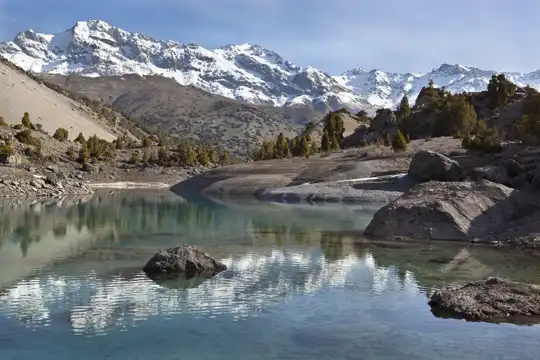
Tajikistan makes you earn every view. You grind up goat tracks in the Fann, lungs thin, boots chewing scree, then crest Chimtarga Pass and the Kulikalon spires punch the sky over glassy lakes. In the Pamirs, trucks growl the switchbacks of the M41; you hitch, shoulder your pack, and walk past yak caravans and blown sand to a ridge above the Wakhan, Afghanistan laid out across the river. The payoff is blunt and perfect: apricot jam on hot naan in a Pamiri home, stars so bright you blink, legs wrecked, spirit wide awake.
Best known for:Known for: mountains | people | uniqueness
Best time to visit: May, July - October
Daily cost: US$30 to 45
United States
14

United States

Road-trip endlessly through wildly contrasting landscapes.


Road-trip through deserts, forests, cities, and coasts, experiencing diverse landscapes, culture, and adventure for travelers seeking immersive, varied journeys.
The USA does mountains like it does everything else: oversized, varied, and occasionally ridiculous to reach. You trade time for solitude, money for access, and comfort for altitude. Pick your currency. Time: distances are huge. A “quick” loop can mean half a day of driving between the Sierra and the desert, or between Colorado ranges. Permits for Whitney and popular High Sierra basins eat planning time; the Wind River Range or Colorado’s San Juans cost more sweat, less paperwork. Money: rental cars climb faster than you do, national parks charge at the gate, and huts in the White Mountains can cost as much as a motel. The flip side is free dispersed camping on public land and trails that don’t charge you per mile of granite. Comfort: afternoon lightning in the Rockies, black flies in the Northeast, snow lingering on Cascade volcanoes, and thin air everywhere. Start before dawn, finish before clouds build. Pro tip: the America the Beautiful pass pays off at three parks. Personal: I learned the “off the summit by noon” rule on Longs Peak—hail at 1 p.m. rewires habits faster than any guidebook.
Best known for:Known for: scenery | mountains | safety
Best time to visit: March - November
Daily cost: US$80 to 110
Bhutan
15

Bhutan

Climb slowly where altitude and tradition pace every single step.


Climb high valleys, monasteries, and forests, experiencing spiritual culture, mountains, and slow village life for travelers seeking contemplative, scenic journeys.
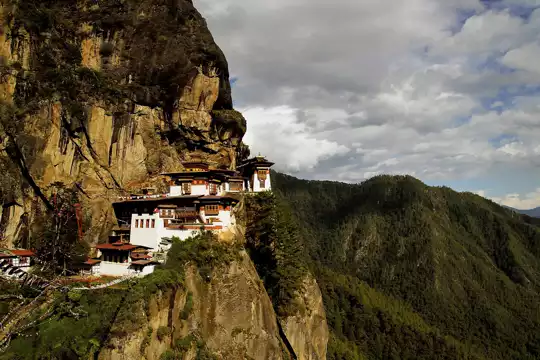
Bhutan rewards hikers with big, clean mountain country and trails that still feel empty. The permit-and-guide system and the nightly tourism fee keep numbers down; the tradeoff is structure that actually helps you go farther, safer. Most treks are full-support camping with cooks and pack mules, so you carry a daypack and can push high passes. Go in Oct–Nov for crisp views, or Apr–May for flowers. Acclimatize; many camps sit above 3,800 m. Start with the Druk Path or Jomolhari; save the Snowman for when you know you like suffering.
Best known for:Known for: mountains | uniqueness | safety
Best time to visit: September - May
Daily cost: US$60 to 120 [bhutan.travel]
Austria
16

Austria

Glide between alpine villages on trains shaping relaxed mountain journeys.


Glide between alpine villages, lakes, and cities, experiencing scenic landscapes, classical culture, and outdoor adventures ideal for travelers seeking balance of nature and history.
Austria makes hiking feel engineered for joy. Trails are blazed red‑white‑red, signposts list hours not hype, and huts are spaced like chess pieces—three to six hours apart—so you can plan clean, efficient days. The system clicks: train to valley (ÖBB), Postbus to trailhead, boots on within minutes. If you want to cheat the climb, summer lifts slot neatly into routes; use them to bank a ridge traverse and drop to a hut before the afternoon thunder. Pro tip: get an Alpenverein membership. Hut discounts, rescue coverage, and you’ll be treated like you belong—because you do. The work pays immediately. Limestone ridges in the Karwendel cut like shark fins. The Schladminger Tauern throws lakes at your feet all day. On the Stubai High Trail, I hit 1,400 meters of gain, rolled into a hut with salt stiff in my shirt, and the first cold beer tasted earned, not bought. Start early; storms like to build after lunch. Carry cash; huts often don’t do cards. Shoulder season means old snow on north faces—microspikes save pride. If you’re based in Vienna, Rax and Schneeberg deliver real alpine legs in a day. If you’re chasing big horizons, Hohe Tauern ridges at dawn will silence you. Then you descend to dumpling soup and a bunk you don’t have to carry. That’s the game.
Best known for:Known for: mountains | safety | scenery
Best time to visit: March - October
Daily cost: €70 to €90 [austria.info]
Canada
17

Canada

Measure distance in forests, lakes, and epic overland routes.


Measure journeys in forests, lakes, and cities, experiencing vast nature and urban culture for travelers seeking scenic, adventure-filled exploration.
Canada rewards effort. Dawn comes slow over ice and larch; the air smells like cold spruce and river rock; your breath hangs while alpenglow crawls down a face of quartzite. The scale is real enough to quiet you mid-step. But the good stuff asks for a trade. Time: early starts buy you empty ridgelines and bear-free choke points. Shoulder season gives you larches and firm snow, but eats daylight and toes. Long approaches—Assiniboine, Garibaldi, Kluane—cost hours; they pay back with silence. Money: you can burn it on a gondola, a shuttle-only valley, or a helicopter seat into the core, and skip two days of slog; or keep your cash and camp rough, cook your own, and earn every view with your knees. Comfort: July mosquitoes and horseflies, calf-deep scree, cold rain that turns to graupel at 2,200 meters, and the constant bear calculus. Trade a little comfort and you get a lot of country. Pro tip: I hiked into Assiniboine twice and flew once. The flight was clever; the hike was better—the peaks reveal themselves step by step like a slow drumroll. Bring microspikes in June–October and keep bear spray on your hip, not in your pack.
Best known for:Known for: mountains | safety | scenery
Best time to visit: April - October
Daily cost: US$65 to 95 [destinationcanada.com]
Switzerland
18

Switzerland

Glide mountains to cities smoothly by train.


Glide smoothly by train between mountains, lakes, and cities, experiencing culture, landscapes, and alpine adventure for travelers seeking scenic, structured journeys.
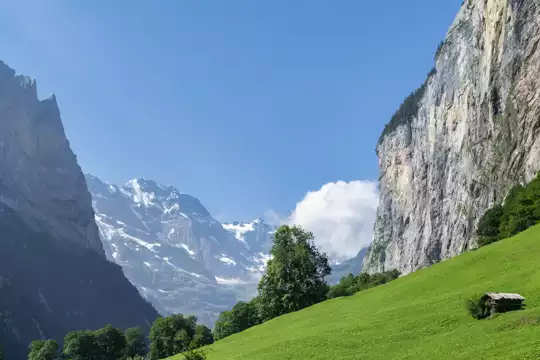
Switzerland rewards hikers because the country is engineered for moving through mountains. Trails are graded (T1–T6), signed with time estimates, and stitched to trains, PostBuses, and lifts that run to the minute. That means you can plan ambitious traverses without gambling on a ride out. Huts add hot soup and dry blankets to the middle of nowhere, so you carry less and range farther. Pro tip: chase the first lift up, then descend by foot to a valley station. My best day: pre-dawn cable car in Saas Fee, alpenglow on 4,000ers, knees saved by gondola home.
Best known for:Known for: mountains | safety | scenery
Best time to visit: March - October
Daily cost: US$100 to 135 [myswitzerland.com]
Morocco
19

Morocco

Move from souks to deserts within days.


Move from souks to deserts, mountains, and coastlines, experiencing culture, landscapes, and local life for adventurous, culturally curious travelers.
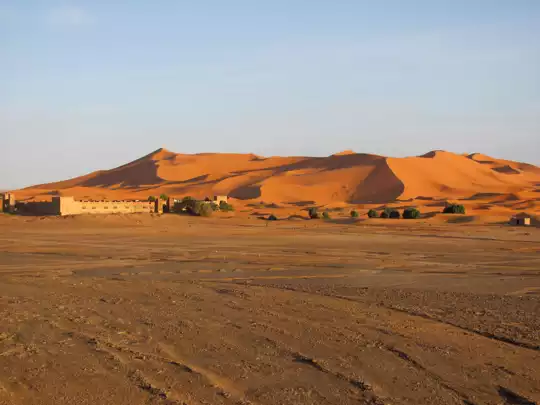
Instagram shows empty ridgelines above red villages. Reality: Toubkal can feel like a staircase with mule traffic, plastic near the refuges, and prices that are cheaper than the Alps but higher than the Balkans if you hire a guide and mule. Go anyway. Morocco’s mountains reward effort: walnut valleys, goat paths to wind-scoured plateaus, tea poured by a shepherd who insists you sit. I froze on M’Goun at sunrise and heard nothing but wind and a distant azan. Pro tip: hit Toubkal midweek pre-dawn or skip to Aït Bougmez–M’Goun or Tafraoute’s Anti-Atlas granite.
Best known for:Known for: backpackers | food | mountains
Best time to visit: March - June, September - November
Daily cost: US$30 to 45 [visitmorocco.com]
Italy
20

Italy

Wander endlessly through layered history woven into everyday life.


Wander endlessly from historic towns to coastlines, exploring cuisine, art, and landscapes for travelers seeking immersive cultural adventures.
Italy is a mountain country first, postcard second. The Dolomites give you limestone cathedrals and World War I tunnels; the western Alps give you glaciers and big, honest climbs; the Apennines give you silence and wolf country. The rifugi network lets you hike light and eat hot polenta at 2,500 meters. The tradeoff: crowds swarm the easy postcards. Fine—work harder. Essential: dawn on the Alta Via (I like a Locatelli sunrise over Tre Cime), Gran Paradiso as a first 4,000er, and multi-day loops in Adamello-Brenta. Overrated: midday Lago di Braies and the Seceda catwalk. Pro tip: go in September, start before 6 a.m., and aim for weekdays. I’ve had the Lagazuoi tunnel to myself with a headlamp, then spent more on the cable car down than on last night’s hut bunk. Worth it.
Best known for:Known for: architecture | food | scenery
Best time to visit: March - October
Daily cost: €40 to €70 [italia.it]
Ecuador
21

Ecuador

Shift ecosystems quickly between coast, Andes, and jungle.


Shift rapidly from coast to Andes to jungle, experiencing diverse ecosystems, culture, and adventure for travelers seeking intense, varied journeys.
Ecuador packs the high Andes into tight mileage: bus two hours, step onto 4,000 m páramo, start climbing. Time buys acclimatization in Quito; money buys glacier guides for Cotopaxi, Cayambe, or Chimborazo; comfort gets traded for midnight starts, thin air, and sleet that bites. The payoff is real: ash under your boots, condors surfing ridgelines, a chain of volcanoes laid out from Rumiñahui. Pro tip: base in Latacunga, stash extra gear, do the Quilotoa Loop to build lungs, then tag Illiniza Norte. I learned to leave trailheads by 8 a.m.—storms punish late starters.
Best known for:Known for: wildlife | backpackers | scenery
Best time to visit: April - November
Daily cost: US$30 to 45 [ecuador.travel]
Spain
22

Spain

Drift effortlessly between fiestas and long afternoons.


Drift effortlessly from beaches to mountains, historic towns, and cities, experiencing culture, cuisine, and lively landscapes for travelers seeking immersive journeys.
Spain’s mountains pay out because variety: knife-edge granite in Picos de Europa, high desert moonscape on Teide, alpine passes in the Pyrenees, and dry limestone ribs in Sierra de Gredos—often reachable by cheap buses if you’re patient. Trails are usually well waymarked, refugios feed you like a hungry cousin, and the weather rewards early starts. Pro tip: shoulder seasons (May–June, Sept–Oct) save you from heat and snow slop; the Pyrenees hold snow into June, and storms bully afternoons. I still think sunrise at Collado Jermoso in the Picos is the best “why”—gold light, cowbells, and your legs earning every bite of tortilla. Bring cash for huts, book weekends, and carry real sun protection; Andalusian sun does not negotiate. Teide’s summit needs a permit; the volcanic grit will eat soft shoes.
Best known for:Known for: architecture | beach life | mountains
Best time to visit: April - October
Daily cost: €50 to €90 [spain.info]
Tanzania
23

Tanzania

Move savannah to spice islands effortlessly.


Move from savannahs to spice islands, exploring wildlife, beaches, and culture for adventurous, nature-loving travelers.
Tanzania rewards hikers who enjoy earning their views. Kilimanjaro’s ice cap, Meru’s razorback crater, the volcanic cone of Ol Doinyo Lengai, and the biodiverse ridgelines of the Usambaras give you four very different fights. You trade coin and comfort on Kili—mandatory guides, park fees that bite, cold nights above 4,000 m—in exchange for sunrise over the Rift and the curve of Africa at your feet. Meru costs less time and money but demands nerve on the airy ridge. The Usambaras deliver village-to-village footpaths, tea fields, and monkey-loud forests on a shoestring if you accept muddy boots and bucket baths. Lengai is brutal, ash and scree, but quick and cheap. In Tanzania, you pick your pain—altitude, budget, or rough edges—and get paid in raw, earned moments.
Best known for:Known for: wildlife | scenery | mountains
Best time to visit: June - February
Daily cost: US$45 to 55
Georgia
24

Georgia

Move feast to feast through mountain valleys and towns.


Move from mountains to valleys, historic towns, and vineyards, experiencing cuisine, culture, and scenery for travelers seeking scenic, culturally rich adventures.
Georgia’s Caucasus don’t flatter you; they test you. Trails switch from damp beech forest to loose scree in a mile, thunder builds without warning, and shepherd dogs take their job seriously. But then Ushba blushes pink, towers of Svaneti throw long shadows, and the first cold Natakhtari in Mestia tastes like a medal. Pro tip: when crossing flocks, give wide berth and pick up a rock—shepherds expect it; dogs respect it. I time Kazbegi hikes for late afternoon—Gergeti bells, wind in the barley, glacier light pouring down the valley.
Best known for:Known for: safety | mountains | uniqueness
Best time to visit: March - November
Daily cost: US$30 to 40 [georgia.travel]
Iceland
25

Iceland

Drive endless loops through dramatic, living geology.


Drive endless loops through geysers, glaciers, waterfalls, and volcanoes, experiencing dramatic nature for adventurous, outdoors-focused travelers.
Iceland’s mountains aren’t pretty postcards; they’re fresh scars. Scree slides under your boots, sulfur hangs in your nose, and wind can slap you sideways. Yes, tours clog the first lookouts and a hut bed costs what a budget hotel does in Spain—but push past the selfie shelf and the crowd vanishes. On Bláhnúkur above Landmannalaugar, I watched the rhyolite glow like embers at 6 a.m., alone but for steam and ptarmigan croaks. Pro tip: take the first highland bus or camp, then climb at dawn; the light is sideways and the ridgelines feel newly made.
Best known for:Known for: scenery | uniqueness | safety
Best time to visit: April - October
Daily cost: US$120 to 150
Cabo Verde
26

Cabo Verde

Hike volcanic paths between ocean winds and musical nights.


Hike volcanic paths, drift through coastal towns, and explore beaches, experiencing music, culture, and tropical landscapes for travelers seeking active island adventures.
I go to Cabo Verde for the ridgelines, not the resorts. Santo Antão’s old mule paths knife between terraced valleys, and Pico do Fogo lets you crunch lava before breakfast if you start pre‑dawn. Fly to São Vicente, take the first ferry—trade one extra transfer for real trails. Fewer crowds than the Canaries, warmer than the Azores, tougher than postcards.
Best known for:Known for: scenery | mountains | people
Best time to visit: March - July, November - December
Daily cost: €40 to €60
Papua New Guinea
27

Papua New Guinea

Move village to village through raw terrain.


Move village to village through dense forests and mountains, experiencing tribal culture, landscapes, and adventure for intrepid travelers.
Papua New Guinea makes you earn every summit. Trails claw up through dripping jungle, leeches hitch a ride, and rain turns clay to grease. Then the ridge opens and the world drops away: dawn from Mount Wilhelm over the Bismarck Sea, tarns like black mirrors at Piunde, wind tearing at your jacket on Giluwe’s alpine grasslands. The Kokoda Track’s history presses underfoot, villages offer hot kaukau and a place by the fire, and the first cold SP Lager back in Kundiawa tastes like a trophy. You don’t just hike here—you climb into a wilder rhythm.
Best known for:Known for: uniqueness | mountains | wildlife
Best time to visit: April - November
Daily cost: US$40 to 75 [papuanewguinea.travel]
Slovenia
28

Slovenia

Move effortlessly from alpine lakes to peaks.


Move effortlessly from alpine lakes to mountains, forests, and villages, experiencing landscapes, culture, and outdoor adventure for travelers seeking scenic journeys.
Slovenia rewards hikers who like systems that work. Three ranges—Julian Alps, Karavanke, Kamnik–Savinja—fit inside a day’s travel, so you can chase weather, not forecasts. Trails are uniformly waymarked with red‑white Knafelc blazes, and hut-to-hut routes in Triglav National Park make big alpine days safe and light. Summer storms build by mid‑afternoon; start at dawn and aim to be sipping čaj at a koča by two. Pro tip: carry cash for huts and a thin liner. I still think sunrise from the Pokljuka–Triglav ridge pays back every step.
Best known for:Known for: safety | mountains | scenery
Best time to visit: May - October
Daily cost: €40 to €65 [slovenia.info]
France
29

France

Move confidently between regions using effortless transport links.


Move confidently between regions, cities, and countryside, experiencing history, cuisine, and scenic landscapes for travelers seeking cultural and culinary journeys.
France pays you back for effort. Alps, Pyrenees, Corsica, Auvergne—tight distances, huge relief, real infrastructure. You can go hut-to-hut for a week beneath serious rock and still eat Beaufort and tartiflette instead of freeze‑dried regret. Trails are clearly blazed (GR red‑white), IGN maps are honest, and lifts in places like Chamonix let you spend your legs on ridgelines, not logging roads. High-reward moments stack: ibex at dawn above Lac Blanc, the Cirque de Gavarnie wall hitting your chest like drum skin, Écrins glaciers hanging over empty valleys. Pro tip: book demi‑pension in refuges; you get a bed, dinner, and local rhythm. Start at first light, off the ridge by 2 p.m.—storms build fast. I’ve tiptoed around patous in the Queyras; poles down, wide arc. August crowds? Go late June or September instead.
Best known for:Known for: architecture | mountains | beach life
Best time to visit: April - October
Daily cost: €70 to €90 [france.fr]
Poland
30

Poland

Move across plains linking resilient historic cities.


Move across plains, lakes, and historic towns, experiencing culture, history, and landscapes for travelers seeking scenic, immersive journeys.
Poland’s mountains earn their miles. The Tatras draw crowds—queues on Orla Perć, a jostle at Morskie Oko, parking gone by sunrise in Zakopane—and weekend prices bite compared with the rest of the country. Go anyway. Trails are blazed to the meter, buses reach most trailheads, and huts serve hot barszcz and cheap bunks that undercut the Alps by half. The payoff is quiet at first light: sheep bells in the Pieniny, fog rolling over Bieszczady beeches, granite ridges firing pink above lakes. That’s the real hook, and it’s honest.
Best known for:Known for: safety | mountains | backpackers
Best time to visit: March - October
Daily cost: €38 to €55 [poland.travel]
Norway
31

Norway

Ride ferries through dramatic fjords and islands.


Ride ferries, fjords, and coastal roads, experiencing mountains, wildlife, and culture for adventurous, nature-focused travelers.
Norway pays you in granite ridgelines, glacier-polished slabs, and cold blue lakes. In June the light hangs near midnight; you can climb after dinner while gulls wheel below and sheep bells carry. The price is real: long approaches, weather that turns fast, and a place where one burger can equal two bus fares. Trade Time for empty trails and long golden hours; spend Money on ferries and a DNT key; surrender Comfort to rain, bog, and scree. Pro tip: carry light spikes in early summer. Best payoff: Romsdalseggen at 6 a.m., cloud sea tearing open by nine.
Best known for:Known for: safety | scenery | mountains
Best time to visit: April - October
Daily cost: €85 to €115
Kazakhstan
32

Kazakhstan

Cross vast steppes where distance dominates every journey.


Cross vast steppes, mountains, and cities, experiencing expansive landscapes and nomadic culture for travelers seeking solitude, adventure, and wide-open spaces.
Kazakhstan rewards hikers who like big country and honest elevation. From Almaty, a city bus drops you at Medeu; two hours later you’re grinding switchbacks under larch and scree toward Tuyuksu, thunderheads building, meltwater biting your teeth. Trails run clean and direct—no boardwalks, no fences—so you earn every ridge of the Zailiyskiy Alatau, and you get it: glaciers hanging over you, Kyrgyz peaks stacked on the horizon, the city a toy down-valley. Push farther and the Altai and Dzungarian Alatau stretch for days: cold passes, wolf tracks, campfire smoke that sticks to your jacket. The payoff isn’t complicated: a blue lake at dusk, horses snorting by your tent, and back in town a plate of lagman and a cold beer, legs humming, dust on your boots.
Best known for:Known for: safety | mountains | low cost
Best time to visit: March - June, September - October
Daily cost: US$30 to 45
Indonesia
33

Indonesia

Island-hop endlessly through wildly varied cultures and landscapes.


Island-hop through volcanic landscapes, tropical forests, and bustling towns, moving naturally with local customs, ocean tides, and vibrant culture across the archipelago.
Best known for:Known for: scenery | people | wildlife
Best time to visit: April - October, December
Daily cost: US$28 to 50 [indonesia.travel]
Brazil
34

Brazil

Move with music and energy across vast distances and cultures.


Move with music, festivals, and tropical landscapes, exploring beaches, rainforests, and cities for travelers seeking vibrant, energetic, and culturally immersive experiences.
Brazil pays you back for effort. Granite domes punch out of Atlantic rainforest near Rio, high ridgelines freeze your breath in the Mantiqueira, and the sea of clouds at Pico da Bandeira makes the 2 a.m. alarm feel like a smart decision. You can bus from the city to real mountains in a morning: Pedra da Gávea for ocean views with a bit of honest scrambling, Itatiaia’s Agulhas Negras for volcanic-looking slabs, or the classic Petrópolis–Teresópolis traverse in Serra dos Órgãos where ladders, caves, and bromeliads keep you awake without caffeine. Save your budget and legs by dodging the gotchas. Dry season (May–Aug) is king; wet slabs turn lethal fast. Don’t trust random fixed ropes on Gávea; bring gloves and your own nerve. Book permits for the Travessia and Agulhas Negras; quotas are real. Carry cash for park gates (think R$20–40/day) and camping. The 4x4 to Itatiaia’s high plateau is the wallet trap—share at the gate or thumb a ride after walking the road. Serra Fina? Water is scarce; carry 4–5 liters. Borrachudos will eat you in Serra do Mar—long sleeves, strong repellent. Pro tip: start pre-dawn to beat heat and petty theft at urban trailheads. I’ve scraped frost off my bivy at Terreirão, then watched Minas and Espírito Santo drown under a glowing cloud ocean. That’s the payoff.
Best known for:Known for: scenery | wildlife | backpackers
Best time to visit: April - June, August - November
Daily cost: US$35 to 60
Mexico
35

Mexico

Move endlessly between cultures, climates, and unforgettable food.


Move between deserts, mountains, jungles, and cities, experiencing culture, cuisine, and landscapes for adventurous, immersive travelers.
Forget the beach brochures: Mexico’s mountains are the real punchline—and the payoff. Yes, Izta-Popo fills with weekend hikers from CDMX, Nevado de Toluca has a gate fee and a dusty 4x4 shuttle, and Orizaba guiding can cost more than a week in a Oaxaca hostel. Worth it anyway. At 5 a.m. on Iztaccíhuatl’s Knees I watched Popocatépetl breathe fire-red at dawn and forgot my numb toes. The air smells like resin and cold basalt; the tacos afterward taste like a medal. Pro tip: acclimatize on La Malinche, then go higher. Start early; storms roll in by lunch and Uber does not collect you at 4,000 meters. Bring cash for park gates and warmth you can peel. Weekdays are quieter. The grind is real; the views feel earned.
Best known for:Known for: scenery | backpackers | architecture
Best time to visit: February - June, August, October - November
Daily cost: US$35 to 55
Greece
36

Greece

Island-hop slowly between history-soaked shores and villages.


Move from islands to mountains, ancient ruins to coastal towns, experiencing vibrant culture, cuisine, and landscapes for travelers seeking scenic and immersive journeys.
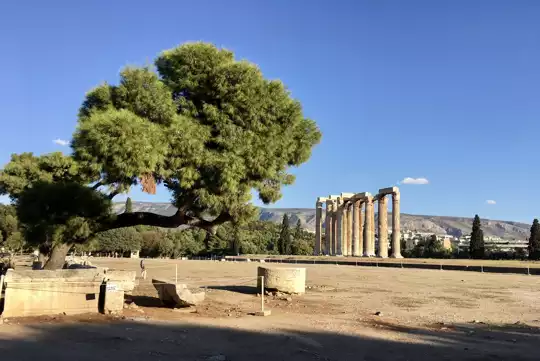
Greece rewards sweat. Limestone spines rise from olive valleys and the sea throws hard light on every ridge; you climb through thyme and goat-bell wind to views that feel earned. Time vs money is simple here: buses are slow but cheap to Zagori; a small car halves the hours to trailheads. Comfort is the tax—scree, sun, and sudden wind—but the payoff is dusk over the Aegean and cold springs under plane trees. I still think Olympus is the starter. Pro tip: book a refuge bunk, start pre-dawn, carry cash, and beat the afternoon storms.
Best known for:Known for: architecture | beach life | food
Best time to visit: April - June, September - October
Daily cost: €45 to €65
Philippines
37

Philippines

Island-hop endlessly through water-shaped daily life.


Island-hop through tropical reefs, towns, and forests, experiencing vibrant culture and ocean life for adventurous, active travelers.
The Philippines pays out big if you trade sleep and certainty for altitude and weather swings. Pine ridges in the Cordilleras, volcano spines in the Visayas, and knife-edges like Guiting-Guiting all deliver when you hit the timing right. I’ve shivered through a 2 a.m. start on Mt. Pulag and walked into a sea of clouds at sunrise—worth the numb fingers. Pro tip: dry season (roughly Nov–May), midweek, first jeepney out. Night bus Manila–Baguio saves a hotel; rent cold gear in Baguio for Pulag to avoid hauling it. Many peaks require guides and permits; you’re buying safety and access, not hand-holding—budget for it. If you’re short on time, Mt. Ulap or Ugo are clean day or 2-day plays; if you want teeth, G2 and Apo demand three days and real legs. Leeches in rainy months—bring gaiters and salt.
Best known for:Known for: people | backpackers | beach life
Best time to visit: November - May
Daily cost: US$32 to 45
Kenya
38

Kenya

Move between cities and wildlife-filled open plains.


Move from cities to savannahs and coasts, experiencing wildlife, culture, and landscapes for adventurous, nature-focused travelers.
Kenya rewards hikers who earn it. You climb through bamboo to open moorland dotted with giant lobelias, skirt tarns below Mount Kenya’s spires, and watch hard light crack the horizon from Point Lenana. The payoff is immediate; the costs are negotiable. Trade money for time with a guide, porter, and a Chogoria–Sirimon traverse that runs smooth, or save cash with matatus and self-carry and bleed hours at gates, in town hops, and on logistics you could have outsourced. Trade comfort for altitude: cold huts, thin air, muddy Aberdare trails, and the odd buffalo detour; gain solitude and big-country scale. Short on days? Hit Chyulu’s ash cones or Ngong’s wind-whipped ridges. Have five? Go high on Kenya or loop Elgon’s vast caldera. Choose your pain, earn your view.
Best known for:Known for: wildlife | scenery | low cost
Best time to visit: June - February
Daily cost: US$30 to 45
South Africa
39

South Africa

Drive wildlife parks to wine towns easily.


Drive wildlife parks, vineyards, and coastal towns, experiencing diverse landscapes and culture for adventurous, varied travelers.
South Africa pays out fast for hikers: the Drakensberg’s basalt walls, Cape Town’s ocean-to-summit lines, the Cederberg’s burnt-orange labyrinths—all reachable without weeks of logistics. But you keep the magic by dodging the dumb losses. Start absurdly early in summer; the Berg throws lightning by noon and Cape fynbos bakes like a kiln. Pro tip: the Table Mountain cable car shuts when wind hits—budget the legs for a round-trip. I once burned a day waiting; never again. Carry 2–3 liters, a shell, and a real map; markings vanish when the mist rolls in. Pay the conservation fees—cheap next to a rescue—and park only where there are attendants. Pro tip: hike popular routes in small groups near Cape Town; petty crime clusters on quiet paths. For raw payoff, the Tugela escarpment at sunrise is worth the early alarm, every time.
Best known for:Known for: wildlife | beach life | scenery
Best time to visit: March - November
Daily cost: US$40 to 60 [southafrica.net]
Colombia
40

Colombia

Ride winding roads connecting colorful coffee towns and coastlines.


Ride winding roads connecting coffee towns, coasts, and mountains, experiencing vibrant culture and landscapes for travelers seeking active and colorful journeys.
Colombia rewards hikers who show up prepared. Three Andean cordilleras plus the Sierra Nevada de Santa Marta give you páramo plateaus, glaciated volcanoes, and jungle-to-snow transitions in one country. You’ll earn it mile by mile, but the views hit like a truth you can’t unsee. Start early. Afternoon storms and lightning ruin proud plans. Altitude bites fast—sleep a night or two in Bogotá or Sogamoso before pushing higher. Pro tip: El Cocuy now runs on permits, registered guides, and checkpoints; carry cash and passport copies or you’ll hike nowhere. I’ve been turned around by weather on a high pass there; a 3 a.m. start saved my second attempt. Los Nevados is classic—Tolima demands a guide for glacier sections. Santa Marta’s peaks close for indigenous ceremonies. Respect closures, get quieter trails. Pack real rain gear, poles, gaiters. Buses crawl; build buffers.
Best known for:Known for: backpackers | scenery | people
Best time to visit: July - August, December - March
Daily cost: US$30 to 50 [colombia.travel]
Australia
41

Australia

Measure travel in days as landscapes radically change around you.


Measure travel in days as deserts, reefs, and cities shift dramatically, experiencing vast nature and modern culture for adventurous, road-tripping travelers.
Australia does mountains differently: not tall, but big on weather, wildlife, and distance. You earn views with sunburn, windburn, or a fly in your coffee. Worth it. The Alps give you rolling ridgelines and snow gums; Tasmania throws jagged dolerite at you; the Red Centre makes you feel small in the best way. Time trade-offs are clear. Got a day? Take the train to the Blue Mountains and be on cliff-top trails before your second coffee. Got a week? The Overland Track or Larapinta turn into slow-burn epics where the horizon moves only if you do. Money-wise, day hikes are cheap (train fare, park pass, meat pie). Long routes cost more: hut fees in Tassie, shuttles and food drops in the Outback, and a rental car if you hate timetables. Comfort is the tax: alpine cold even in summer, leeches after rain, UV that treats sunscreen like a suggestion. Pro-tip: a head-net in summer weighs nothing and saves your sanity. I once swore by mine on Mount Jagungal when the flies formed a union. Another: start at first light; Australia rewards the early and roasts the late.
Best known for:Known for: wildlife | beach life | safety
Best time to visit: April - June, September - October
Daily cost: US$60 to 90 [australia.com]
Kosovo
42

Kosovo

Move socially through compact cities and green landscapes.


Move socially through compact towns, mountains, and villages, experiencing culture, history, and landscapes for travelers seeking scenic, offbeat journeys.
Kosovo’s mountains don’t coddle you. From Peja you climb straight into the Rugova, past damp pine and goat scat, and by lunchtime you’re on limestone ridgelines staring into the Accursed range. I still taste resin in the morning air. The payoff lands: cold Birra Peja, trout, legs humming. Pro tip: start at dawn; give wide berth to shepherd dogs; greet the shepherd—“Mirëdita”—and pass calmly.
Best known for:Known for: people | food | low cost
Best time to visit: March - November
Daily cost: €20 to €35 [visitkosovo.org]
Romania
43

Romania

Wind through villages beneath forested mountain castles.


Wind through villages, castles, and forests, experiencing history, culture, and dramatic landscapes for travelers seeking immersive, scenic adventures.
Romania rewards hikers who like their views earned. The Carpathians rise in grassy spines and sawtoothed limestone, marked by red-and-white blazes that vanish, then reappear like a dare. I’ve watched fog swallow a ridge and had to trust the paint. Mornings smell of resin and sheep; your calves sting on Bucegi steps, your palms brush Piatra Craiului’s chains. Afternoons bring pop-up storms; evenings settle into wood-smoke at a cabană, boots drying near a radiator. Then the payoffs: Făgăraș unrolling, marmots in Retezat, a cold Ciuc and hot ciorbă that taste earned.
Best known for:Known for: safety | backpackers | architecture
Best time to visit: April - July, September - October
Daily cost: €35 to €50 [romaniatourism.com]
Albania
44

Albania

Move easily between rugged mountains and quiet beaches within short distances.


Move easily between rugged mountains, quiet beaches, and historic towns, experiencing vibrant local life, unspoiled nature, and cultural layers ideal for curious, active travelers.
Albania’s ranges feel raw and close. The Accursed Mountains rise sheer from beech valleys; trails grind over limestone scree and smell of wild thyme. You earn the pass at Qafa e Valbonës, lungs burning, then the world opens—grey teeth of rock, Theth tucked far below, and a cold Korça at the first guesthouse. I still remember that first sip. Take the early Komani Lake ferry: diesel, goats, jade water between canyon walls, and you reach Valbonë before the heat bites. Shoulder season works—snow lingers on north faces, so pack layers and respect the sky.
Best known for:Known for: food | low cost | safety
Best time to visit: March - October
Daily cost: €35 to €45
Fiji
45

Fiji

Slow life to island pace through village-centered days.


Slow life to island pace, exploring villages, reefs, and tropical forests, experiencing culture and natural beauty for travelers seeking relaxed, immersive journeys.
Fiji’s mountains aren’t gentle postcards—they’re cloud-forests, knife-edge ridges, and village gates that open if you show respect. You sweat for views: Mamanuca blues from Batilamu, Viti Levu spread out from Tomanivi. Start at dawn to beat the clouds, carry kava for sevusevu, and choose your trade: pay for a 4WD, or add two muddy hours on foot.
Best known for:Known for: people | beach life | safety
Best time to visit: May - October, December
Daily cost: US$65 to 130
Rwanda
46

Rwanda

Walk green hills stitched with footpaths.


Walk green hills, lakes, and villages, experiencing wildlife, local life, and culture for adventurous, nature-focused travelers.
Rwanda rewards hikers with big mountains in a small package. The Virunga volcanoes rise straight from farmland to cloud forest, with crater lakes and afro-alpine ridges you can reach in a day or a hard weekend. Permits and guides are mandatory, but that structure keeps trails clear, logistics simple, and safety high. Dry seasons are predictable; transport is straightforward; effort pays.
Best known for:Known for: wildlife | safety | scenery
Best time to visit: June - October, December - February
Daily cost: US$30 to 45
Malawi
47

Malawi

Live lakeside days shaped by warmth and kindness.


Live lakeside days, hills, and villages, experiencing warm culture, landscapes, and local life for travelers seeking immersive, serene journeys.
Malawi makes you earn your views. Mulanje’s granite rises straight out of tea country; you’ll sweat through red dust, scramble slick rock, and feel your calves bite before the plateau finally levels and the sap-scented wind hits your face. Nyika rolls like a high, empty sea—zebra flicking tails in the cold light—and nights crackle by the hut fire. Zomba smells of pine and wet earth after rain. The payoff is clean: Lake Malawi glinting to the east, the tea fields below, and a Kuche Kuche pulled cold when you’re back in town.
Best known for:Known for: people | uniqueness | low cost
Best time to visit: April - December
Daily cost: US$25 to 45
Bulgaria
48

Bulgaria

Move between mountain villages and Black Sea coastlines easily.


Move between mountain villages, Black Sea coasts, and historic towns, experiencing diverse landscapes and traditions for adventurous, culturally curious travelers.
Bulgaria rewards hikers who like big scenery without Swiss prices. Rila, Pirin, and the Stara Planina give you granite ridges, ice-cold tarns, and weeklong traverses; you pay in sweat, not euros. Huts are cheap, hearty, and occasionally eccentric—expect bean soup, wood smoke, and a mattress that squeaks like a mouse choir. Buses reach most trailheads, though schedules feel aspirational. Afternoon storms crack hard, shepherd dogs have opinions, and trail blazes wander. The trade: time and a bit of comfort, in exchange for space, silence, and real mountain days.
Best known for:Known for: safety | backpackers | low cost
Best time to visit: April - July, September - October
Daily cost: €30 to €45 [bulgariatravel.org]
Timor-Leste
49

Timor-Leste

Travel rugged roads revealing unpolished natural beauty.


Travel rugged roads, beaches, and villages, experiencing remote landscapes, culture, and ocean life for adventurous, offbeat travelers.
Timor-Leste rewards hikers who like their summits earned. Trails leave from coffee villages—Maubisse, Hato Builico—straight into steep ridges that smell of eucalyptus and wood smoke. Ramelau’s pre-dawn climb bites in the calves, Matebian’s limestone cuts the wind, and then the payoff: cloud seas, church bells drifting up from valleys, coral coastlines far below. Back in Dili, the first cold beer tastes earned.
Best known for:Known for: uniqueness | low cost | scenery
Best time to visit: April - November
Daily cost: US$40 to 55 [timorleste.tl]
Azerbaijan
50

Azerbaijan

Watch modern streets fade into timeless villages beyond the capital.


Watch modern streets fade into timeless villages, experiencing mountains, rivers, and history for travelers seeking diverse landscapes and cultural immersion.
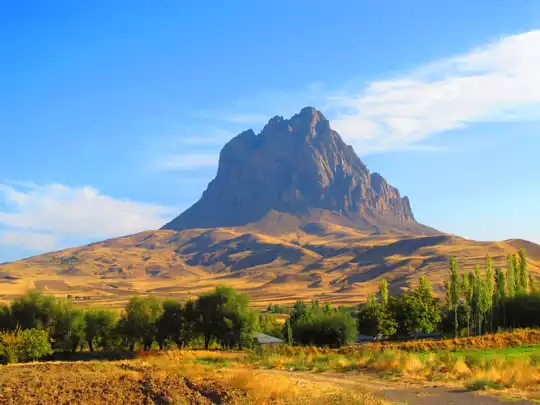
Azerbaijan’s mountains reward effort with big relief, short approaches, and real village life. The Greater Caucasus around Shahdag delivers airy limestone ridges, waterfalls at Laza, and the long pull toward Bazardüzü (4,466 m), while Khinalig at 2,200 m makes a solid base for high meadows and shoulder-season snow. South, the Talysh hills are greener and quieter. Trails are lightly marked; you follow sheep tracks and spurs. Weather turns on a dime. Border zones can need permits. Tea is hot, rides are cheap, and the terrain feels honest underfoot.
Best known for:Known for: low cost | mountains | people
Best time to visit: March - June, September - November
Daily cost: US$13 to 22 [azerbaijan.travel]
Ireland
51

Ireland

Follow winding roads and pub-lit village evenings.


Follow winding roads, villages, and coasts, experiencing music, pubs, and lush landscapes for travelers seeking scenic, culturally rich journeys.
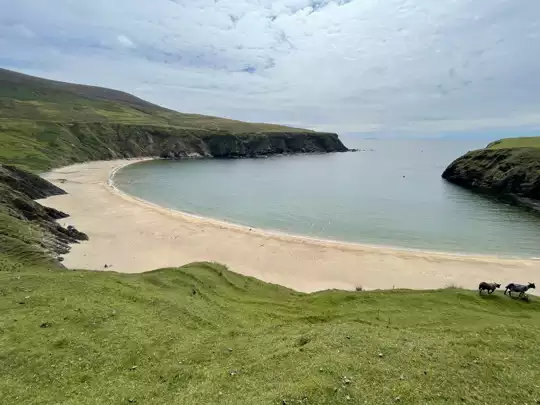
Ireland’s mountains aren’t high; they’re honest. Short climbs that go straight up, bog that tries to eat your boots, and weather that cycles through all moods before lunch. But then—Atlantic light on the Twelve Bens, the Reeks ridge running like a backbone, sheep staring as if you owe them rent. Pro tip: skip the Devil’s Ladder on Carrauntoohil; take O’Shea’s Gully and carry actual map and gaiters. I’ve wrung socks in a Wicklow ditch, then earned a pint by a turf fire. Worth every squelch.
Best known for:Known for: safety | people | scenery
Best time to visit: March - October
Daily cost: €70 to €100
South Korea
52

South Korea

Ride fast trains between ancient neighborhoods.


Ride fast trains, cities, and mountains, experiencing culture, technology, and scenery for travelers seeking efficient, immersive journeys.
South Korea is a hiker’s cheat code. Mountains knit the whole country, transit stitches you to them. You can sleep in Seoul, hit Bukhansan’s granite before breakfast, or ride a bus to Seoraksan and be on ridge ladders by noon. Trails are brutally direct but immaculately signed; stairs where it’s exposed, ropes where it’s slick, emergency call boxes at saddles. Park gates often have gear shops, coin lockers, and a CU or GS25 for kimbap—so you pack light and move fast. Autumn burns red; winter is ice—microspikes turn “maybe” into “yes.” Weekends draw half the nation, so go early or go Tuesday and have the ridge to yourself. Finish with a jjimjilbang soak and soup. The system rewards those who plan one step ahead.
Best known for:Known for: safety | food | mountains
Best time to visit: March - June, October - November
Daily cost: US$45 to 70 [english.visitkorea.or.kr]
North Macedonia
53

North Macedonia

Circle deep lakes where borders seem irrelevant.


Circle lakes, mountains, and towns, experiencing history, culture, and local life for travelers seeking scenic, culturally rich journeys.
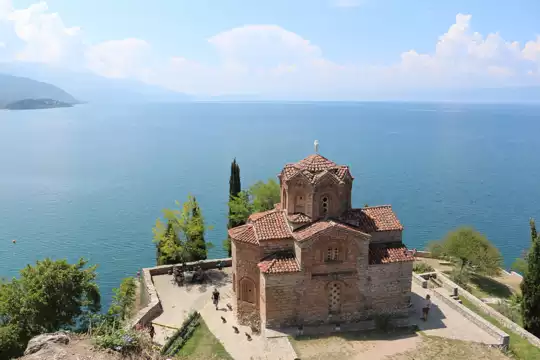
North Macedonia rewards hikers willing to sweat. Trails bite with limestone scree on Šar and Pelister; summer storms roll fast over Korab. Waymarks fade, shepherd dogs test your nerve, springs run cold and clean. Then the payoff: Galičica’s ridge giving twin blues of Ohrid and Prespa, dusk bell-notes from flocks, and a cold Skopsko back in the village.
Best known for:Known for: safety | architecture | low cost
Best time to visit: April - October
Daily cost: €25 to €40
Algeria
54

Algeria

Cross Mediterranean cities before drifting deep into the Saharan silence.


Cross Mediterranean cities before drifting deep into Saharan deserts, experiencing vast landscapes, ancient history, and traditional life for travelers seeking adventure and solitude.
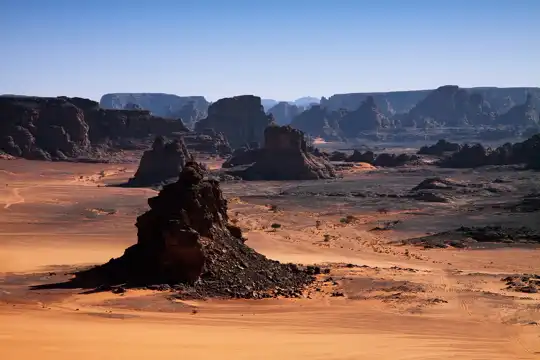
Algeria rewards hikers who like their mountains honest. The Djurdjura’s limestone ribs bite with late snow; the Aurès crack open into red gullies; far south, the Hoggar and Tassili lift dark towers out of desert silence. The work is real: long bus hauls, a gendarme checkpoint or three, paths that fade into goat routes, heat that bullies by 10 a.m. and, in winter, ice that slicks the rock. Carry water and humility; take a local guide in the Sahara. The payoff is clean and total. Dawn at Assekrem turns the black pinnacles gold and the Sahara into a quiet sea. In Kabylie, cedar shade, bread still warm, olives salty, the call to prayer floating up a valley. In Tassili, tea foams high and rock art glows under your headlamp.
Best known for:Known for: low cost | scenery | mountains
Best time to visit: September - June
Daily cost: US$35 to 60 [algeria.com]
Armenia
55

Armenia

Climb hills linking ancient monasteries, memory, and mountain air.


Climb hills connecting ancient monasteries, rivers, and villages, experiencing layered history, culture, and mountain life for travelers seeking immersive, offbeat experiences.
Armenia rewards hikers who like their mountains rough-cut. Trails climb on sheep tracks through thyme and dust, past khachkars and half-ruined caravanserais. On Aragats you crunch over black lava and hit wind that tastes like snow; in the Geghama you cross ash plains to a red crater lake and petroglyphs. Khustup wakes in cloud, Dilijan hides cool beech. The hard bits are real: loose scree, sun that cooks, the occasional shepherd dog. Then the payoff: monasteries clinging to cliffs, Ararat filling the horizon, spring water cold as glass, a cheap beer under a walnut tree.
Best known for:Known for: low cost | safety | mountains
Best time to visit: April - November
Daily cost: US$25 to 45
Eswatini
56

Eswatini

Move gently through culture-led rural landscapes and traditions.


Move through cultural villages, mountains, and forests, experiencing local traditions, landscapes, and wildlife for travelers seeking immersive, off-the-beaten-path experiences.
Eswatini packs real mountain walking into a small map: Highveld ridges, granite domes, and deep river cuts. You can summit Emlembe, scramble Sibebe Rock, and roam Malolotja in the same week without long transfers. Trails are quiet and honest—hoof paths, rock, grass—wildlife in view, homesteads below, and big horizons that arrive by sweat, not gondolas.
Best known for:Known for: low cost | scenery | mountains
Best time to visit: March - October
Daily cost: US$25 to 38 [thekingdomofeswatini.com]
Montenegro
57

Montenegro

Climb from fjord-like bays into rugged peaks.


Climb fjord-like bays, mountains, and historic towns, experiencing dramatic landscapes and culture for travelers seeking scenic, immersive journeys.
Montenegro pays you back in height and silence. Durmitor and Prokletije rise in pale limestone, lakes like coins dropped in the rock. Mornings smell of wet stone and spruce resin; by noon, thunderheads muscle over the ridges. Pro tip: start before dawn and carry at least 2 liters—the karst runs dry. Spend a few euros on a jeep to remote trailheads and you trade money for hours. Sleep in katuns for cheap warmth and smoky cheese. I earned sunrise on Bobotov Kuk through ball-bearing scree; the Tara canyon lit up like a fuse.
Best known for:Known for: safety | low cost | scenery
Best time to visit: April - October
Daily cost: €40 to €55 [montenegro.travel]
Sweden
58

Sweden

Travel quietly through forests and island archipelagos.


Travel quietly through forests, islands, and towns, experiencing nature, culture, and design for travelers seeking calm, scenic journeys.
Sweden’s mountains reward effort: long trails, big sky, and real solitude above the Arctic Circle. The Kungsleden is waymarked with STF huts every 10–20 km; go hut-to-hut for comfort (and cost) or wild camp free under Allemansrätten if you’ll carry the weight. Midnight sun stretches your days; July mosquitoes are brutal—bring a head net. Kebnekaise is doable from Nikkaluokta; pay for the Ladtjojaure boat to save 6 km, or walk and keep your kronor. I’ve sat out a whiteout at Kebnekaise Fjällstation—one buffer day is worth it. Pro tip: night trains to Abisko save a hotel night.
Best known for:Known for: people | safety | mountains
Best time to visit: February, May - October
Daily cost: €85 to €115
Germany
59

Germany

Travel efficiently while landscapes subtly transform along the way.


Travel efficiently through cities, forests, and alpine landscapes, experiencing culture, history, and natural beauty for travelers seeking structured yet scenic journeys.
Germany is built for mountain travel, not just blessed with peaks. Trails are waymarked to a common logic, huts sit a day’s walk apart, and trains slot neatly into the start and end of routes. That means you can play the elevation game: gain height fast on a cable car, spend your legs on a ridge, descend on soft forest to a station. Pro tip: the Bayern Ticket makes dawn runs to Garmisch, Tegernsee, or Mittenwald cheap and simple; be at the trailhead by 8. Thunderstorms often hit after lunch—start early, think ridges before noon, valleys after. The DAV hut system is the backbone: book, bring cash and a liner, eat the half‑board, sleep, repeat. I like Tegernsee to Risserkogel at first light, stew at Neureuth, train home by dinner—clean, efficient, satisfying.
Best known for:Known for: architecture | safety | mountains
Best time to visit: March - October
Daily cost: €60 to €80 [germany.travel]
Lesotho
60

Lesotho

Travel high-altitude roads rising above everything else.


Travel high-altitude roads, valleys, and villages, experiencing mountains, rural life, and culture for adventurous, nature-focused travelers.
Lesotho’s mountains don’t coddle you. The air thins, the wind picks up dust and sheep-bell music, and the pony tracks tilt straight into the Maloti. You grind past stone kraals and dung-smoke, knees hot, hands cold. Then the sky opens. Mile-wide ridges, the Senqu glittering far below, and a cold Maluti beer at a trading post that feels earned.
Best known for:Known for: low cost | mountains | safety
Best time to visit: April - May, September - February
Daily cost: US$20 to 35

What do you like when backpacking?