×

The best countries to go backpacking in July, 2027

Discover the best countries to go backpacking in July, based on weather, festivals, wildlife, and seasonal highlights. Drawing on firsthand travel experiences, this guide helps you find destinations that match your interests—whether it’s scenic landscapes, cultural events, or unique adventures. Refine your search to plan the perfect July journey.”

Best countries in July in

Africa | Asia | Europe | North America | South America | Oceania
July in Africa presents a mixed bag of climates and experiences, making it a great time for backpackers to explore various regions. As the continent transitions through its winter months, many areas enjoy milder temperatures and less rain, while others can be quite dry or even chilly. Understanding the different regional climates can help you make the most of your travel plans.

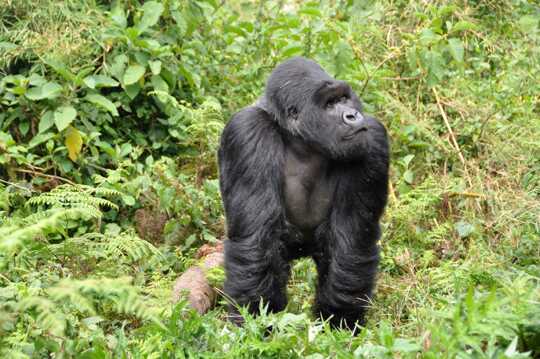
Starting with East Africa, countries like Kenya, Tanzania, Uganda, and Rwanda are quite appealing in July. This is peak dry season, perfect for wildlife viewing in national parks and enjoying outdoor activities. The weather is generally warm, and the landscapes are vibrant, making it a fantastic time for trekking, especially if you're eyeing the gorillas in Rwanda or the savannas of the Serengeti.

In Southern Africa, Namibia, Botswana, and Zimbabwe are also in their prime. July offers cool, dry weather, ideal for safaris and exploring the stunning landscapes, from the deserts of Namibia to the Okavango Delta. The cooler temperatures during the day make long treks and wildlife spotting much more enjoyable, and you'll find that the wildlife is more active and visible.

Moving to Central Africa, countries like Gabon and the Republic of the Congo can be a mixed experience in July. While you might encounter fewer tourists and enjoy lush landscapes, the humidity can be high, and rain is still a possibility. If you’re up for some jungle adventures and less-traveled paths, it could be worth it, but be prepared for potential downpours.

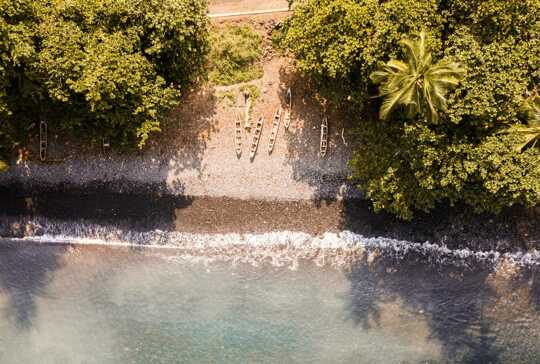
Finally, in Island Nations like Madagascar, Seychelles, and São Tomé and Príncipe, July is generally dry and pleasant. The cooler temperatures make it a great time for beach lounging or exploring unique wildlife and ecosystems. Just keep in mind that these islands can be more expensive compared to mainland options, so budget accordingly.

In summary, focus your travels in July on East and Southern Africa for the best conditions, while Central Africa offers a more adventurous, albeit humid, experience. The islands will charm you with their beauty, but be ready for potentially higher costs. Happy travels!

⚠️ At 'Which continent' below, select Africa and use the filters on the right to find your perfect match for July.
July in Asia brings a mix of climates and travel conditions that can significantly affect your backpacking plans. While some regions are basking in dry, sunny weather, others may throw a curveball with heavy rains and humidity. If you're looking to explore this vast continent during the month of July, understanding the regional climates can help you make the best choices for your trip.

Starting with Southeast Asia, countries like Indonesia and Malaysia can be quite appealing in July. While Indonesia experiences some regional variations, July generally brings drier weather to popular spots like Bali, making it a great time for beach hopping or exploring the lush interiors. Malaysia, known for its vibrant cities and stunning islands, also enjoys relatively pleasant weather, especially on the west coast. Just be mindful that the eastern coast might be a bit wetter this month.

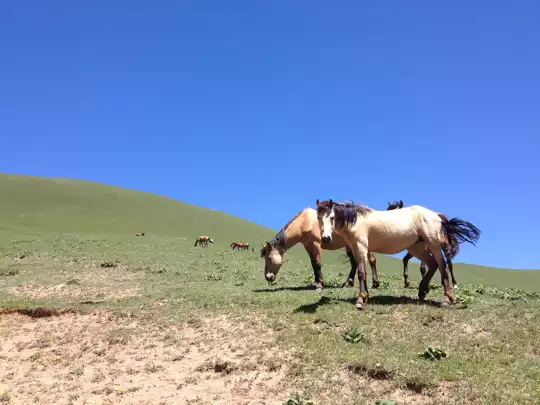
Moving on to Central Asia, Kazakhstan and Kyrgyzstan present an excellent opportunity for outdoor enthusiasts. July is perfect for hiking in the stunning Tien Shan mountains and enjoying the warm temperatures while exploring the rich culture. The weather is generally sunny and dry, ideal for trekking and camping. Tajikistan, while a bit more challenging to navigate, also offers great trekking opportunities during this month, though be prepared for some variability in conditions.

In South Asia, Sri Lanka experiences the monsoon season in July, particularly in the southwestern part of the island. This means you’ll likely encounter heavy rains, which can hinder travel plans. However, the east coast tends to be drier during this time, allowing for some beach time and exploration. Mongolia is an interesting option as well; while July is technically summer, it’s often the best time to witness the famous Naadam festival and enjoy the stunning landscapes, although be ready for cooler nights.

Finally, East Asia is a mixed bag. Mongolia falls into this region too, but if you're considering other destinations, keep in mind that many parts can be hot and humid, making travel less enjoyable.

In summary, July is a varied month across Asia, but with the right planning and choice of regions, you can have an incredible backpacking experience. Focus on Southeast and Central Asia for the best conditions while staying flexible and aware of the monsoon impacts in some areas. Happy travels!

⚠️ At 'Which continent' below, select Asia and use the filters on the right to find your perfect match for July.
July in Europe offers a mixed bag of climates and conditions, making it a fantastic time to explore, but also one where some regions can get a bit sweltering or crowded. Generally, the northern parts of Europe tend to be mild and pleasant, while the southern regions can experience intense heat, especially in tourist hotspots. Here’s a quick breakdown of what to expect from different regions this month.

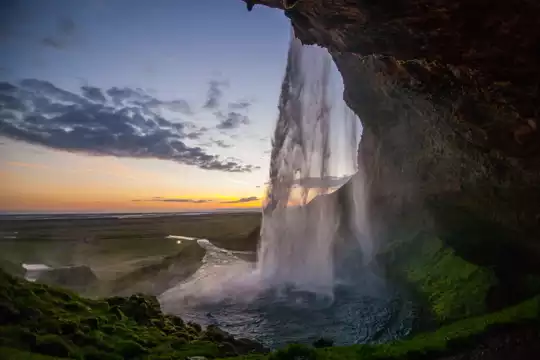
Starting with the Nordic region, including countries like Norway, Sweden, Finland, and Iceland, July is prime time for backpackers. The weather is usually mild, perfect for hiking and exploring stunning landscapes without the biting cold. Plus, the long daylight hours mean you can make the most of your adventures. Just be mindful that some areas can be a bit pricey, especially Iceland, so budgeting is key.

Moving to Central Europe, countries like Germany, Austria, and Switzerland come alive in July. Expect warm, sunny days that are ideal for outdoor activities, beer gardens, and festivals. However, this is peak tourist season, so popular spots can be crowded. If you're looking to avoid the throngs, consider venturing into the lesser-known towns or rural areas.

In the Eastern Europe corner, countries such as Poland, Estonia, Latvia, and Lithuania offer a nice mix of warm weather and fewer tourists compared to their western counterparts. July is a great time to experience local festivals and outdoor events, while also enjoying relatively affordable prices for accommodation and food. Just keep an eye on the weather, as it can be unpredictable at times.

Lastly, the British Isles—including the United Kingdom, Ireland, and the Channel Islands—can be a bit of a toss-up in July. While you might encounter some lovely sunny days, you should also be prepared for rain. The upside? The landscapes are lush and green, and outdoor festivals are in full swing. Just pack a light rain jacket and you’ll be good to go.

In summary, July in Europe has something for everyone, but it’s all about picking the right region for your travel style. Whether you prefer the cooler northern climates or the warmer central and eastern areas, there’s plenty to explore without breaking the bank.

⚠️ At 'Which continent' below, select Europe and use the filters on the right to find your perfect match for July.
July is a popular travel month in North America, but the climate can vary widely, influencing your backpacking plans. From the warm, sunny beaches to cooler mountain ranges, each region has something unique to offer. However, it’s important to know where to go for the best experience and where to avoid potential pitfalls like extreme heat or heavy rain.

Starting with the Western United States, this region shines in July, especially areas like California and the Pacific Northwest. Expect warm temperatures perfect for hiking and enjoying the coast. National Parks like Yosemite and the Redwoods are in full swing, although be prepared for crowds. The only downside? Some desert areas can be scorching, so plan accordingly if you're heading to places like Death Valley.

Moving to the Eastern United States, July means summer heat and humidity, particularly in cities like New York and Washington, D.C. While cultural festivals and outdoor events abound, be ready for sticky conditions. The Appalachian region, however, offers cooler temperatures and beautiful hiking trails, making it a solid choice for nature lovers escaping the urban heat.

In Canada, July is prime time, especially in the Rockies and coastal areas. Places like Banff and Vancouver are vibrant with activities, and the weather is generally fantastic. Just be mindful of potential tourist crowds in popular spots. The eastern provinces can be a mixed bag; while cities like Montreal and Quebec City are lively, they can also be quite humid.

Lastly, Greenland offers a unique experience in July with milder temperatures as the ice begins to melt, revealing stunning landscapes and opportunities for hiking and boat tours. It’s not the most conventional backpacking destination, but if you’re seeking adventure and breathtaking scenery, it’s worth considering.

In short, aim for the West and parts of Canada for ideal conditions, while the East might be best for those who enjoy a bit of summer hustle and bustle. Plan wisely, and you’ll have an unforgettable July in North America!

⚠️ At 'Which continent' below, select North America and use the filters on the right to find your perfect match for July.
July is an interesting time to explore South America, as the continent boasts a wide range of climates and conditions that can greatly influence your travel experience. While some areas are basking in winter sunshine, others might be experiencing rain or colder temperatures. Knowing where to go can help you make the most of your journey.

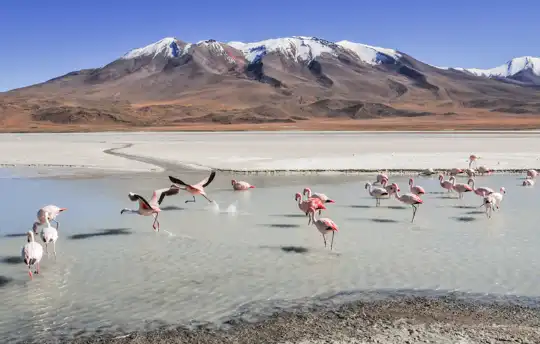
In the Andean Region, countries like Peru and Bolivia are prime destinations in July. This is the dry season in the highlands, making it an excellent time for trekking, especially on famous trails like the Inca Trail. You'll find clear skies and pleasant temperatures, ideal for exploring ancient ruins and vibrant local cultures. Just be prepared for chilly nights in the mountains!

Moving to the Amazônia Region, Ecuador is a fantastic place to visit in July, particularly if you're adventurous and enjoy lush landscapes. While it's technically the dry season, humidity and occasional rain can still occur, but that only enhances the vibrant rainforest experience. Wildlife activity is high, making it a great time for nature enthusiasts.

In Brazil, July is winter, and places like Rio de Janeiro and São Paulo can be cooler and less crowded compared to the peak summer months. The weather is generally mild and comfortable for city exploration, although it’s worth noting that some regions, like the Amazon, may be experiencing their wet season, which could limit travel options in those areas.

Lastly, the Southern Cone includes countries like Paraguay and parts of Brazil. July is winter here too, so expect cooler temperatures. If you’re looking for a unique experience, this is a good time to explore cultural festivals and events that might only happen during the winter months. Just make sure to layer up, as nights can get quite chilly.

In summary, July offers diverse travel opportunities across South America. Focus on the Andean and Amazon regions for the best weather, while keeping in mind the cooler temperatures in the Southern Cone. With a little planning, you can enjoy the unique offerings of each region during this time of year.

⚠️ At 'Which continent' below, select South America and use the filters on the right to find your perfect match for July.
Oceania is a diverse and captivating region, offering a mix of stunning landscapes, rich cultures, and unique experiences. However, the climate varies significantly across its islands in July, which is winter for many places in the Southern Hemisphere. This means it's crucial to consider where to go based on the weather and what you want to experience.

In the South Pacific, countries like Fiji, Samoa, and the Cook Islands are experiencing dry season, making July one of the best times to visit. You’ll find pleasant temperatures, minimal rain, and plenty of sunshine, ideal for beach activities, snorkeling, and hiking. These islands also host vibrant festivals and cultural events during this time, adding an extra layer of adventure for backpackers.

On the other hand, the Melanesia region, which includes Papua New Guinea and the Solomon Islands, can be a bit tricky in July. While you can still find enjoyable weather, it tends to be more humid with a higher chance of rain, especially in the jungle areas. However, if you're keen on immersing yourself in local culture and exploring unique wildlife, it can still be worth a visit, just be prepared for some wet weather and plan accordingly.

In Polynesia, especially in places like French Polynesia and American Samoa, July is also a good time to travel. The temperatures are comfortable, and the natural beauty is breathtaking. If you're looking to indulge in some idyllic beach time or explore volcanic landscapes, this region won't disappoint.

Conversely, Micronesia, including places like Nauru and Kiribati, can be unpredictable in July. While you might get lucky with decent weather, the region generally sees more rainfall and humidity, which could limit your outdoor plans. If you do decide to venture here, keep your itinerary flexible.

Overall, July offers a range of experiences across Oceania, but your best bet for pleasant travel conditions and enjoyable adventures lies mainly in the South Pacific and Polynesia. Plan ahead, and you might just find your perfect island escape!

⚠️ At 'Which continent' below, select Oceania and use the filters on the right to find your perfect match for July.
Check August
Loading the map 🌍
Preferences
WHEN DO YOU GO?


WHAT DO YOU LIKE?


How does it work?

show best time to go
Peru
1

Peru

Climb ancient paths into misty cloud forests.


Climb ancient trails, mountains, and cloud forests, experiencing history, culture, and dramatic landscapes for adventurous, culturally minded travelers.
The sweet spot for Peru backpacking lands in late April–May and again in late September–October. Andes trails firm up after the rains, but the June–August stampede hasn’t hit (or has just faded). Hostels roll back rates, Machu Picchu tickets and trekking permits are easier to snag, and buses stop slipping in mud. You still get crisp mornings and long hiking windows without the brittle cold of mid-winter nights. The Amazon eases off its daily downpours, river levels become workable, and bugs relent a notch. On the coast, north beaches still carry enough warmth to swim, while Lima’s gloom hasn’t fully clamped down in May and hasn’t yet lifted you into high-summer pricing in October. It’s the calendar seam where weather behaves, crowds thin, and your soles bite into real value.
  • Peak Dry (June–August): You grind through booking queues, surge-priced Machu Picchu trains, and festival crush in Cusco. But you earn clean blue mornings, rock-solid passes on Salkantay, and night skies that switch on like a planetarium. Inti Raymi and Fiestas Patrias ignite the streets; every terrace hums. You’ll pay more and move slower, but the payoff is traction underfoot and zero-afternoon-thunderstorm anxiety.
  • Shoulder Switch (May, September–October): Trails harden, cloud ceilings lift, and shop shutters rattle open. Guides cut deals, colectivos run fuller and cheaper, and ticket lines shrink from a snake to a lizard. You cover more ground per day because weather stops arguing with you. It’s Peru in motion, not in gridlock—momentum without the melee.
  • Wet and Wild (November–March): The Andes breathe mist, valleys go emerald, and the crowds fall away. Storms drum tin roofs at night, and you’ll have whole switchbacks to yourself. Survival hack: start pre-dawn, carry a real poncho plus a trash-compactor bag as a pack liner, and favor valley walks over exposed passes. Expect landslide detours; build slack days. When the highlands soak, ride the coast—north beaches fire in December–March, and buses actually make time.
Tactical tip: in shoulder months, lock Machu Picchu entry and any train first, then buy everything else on arrival; that single sequence saves the most money and prevents itinerary collapse.
Best known for:Known for: mountains | backpackers | architecture
Best time to visit: April - October, December
Daily cost: US$30 to 45 [peru.travel]
Kenya
2

Kenya

Move between cities and wildlife-filled open plains.


Move from cities to savannahs and coasts, experiencing wildlife, culture, and landscapes for adventurous, nature-focused travelers.
Late June and October are the backpacker’s sweet spot in Kenya. The long dry has either settled or is easing, so tracks firm up, grass thins, and cats start showing in daylight. You dodge the August migration stampede and the school-holiday surge, so vehicle jams shrink and camps slide to shoulder rates instead of peak. Highlands stay cool enough for dawn buses, afternoons don’t melt you, and coastal humidity hasn’t hit full throttle. You still catch clear air for Rift Valley hikes and solid visibility in the parks, but you’re not paying the “river-crossing tax” of peak-season markups. It’s the same wildlife engine, fewer elbows at the sighting, and your shillings stretch into extra days on the road.
  • Peak Dry (Migration/School Holidays): July–September and late December crackle with energy and price spikes. Expect leopard jams, radio chatter, and rates that jump—beds, flights, even transfers. You grind through gate queues and midday heat, but the high is feral and clean: wildebeest throwing themselves at the Mara River in August–September, crocs sliding in, guides whispering “now.” If you want that moment, this is the narrow window.
  • Shoulder Dry: June and October move. Roads harden, dust lifts, camps reopen wings, and rangers start grading tracks. Crowds thin, guides linger longer at sightings, and prices soften back from peak. Grass stubble sharpens visibility; elephants file out of cover; coast breezes feel forgiving. You keep momentum—night bus, dawn chai, afternoon game drive—without burning half your budget on scarcity.
  • Long Rains Off-Peak: April–May turns the country inward. Thunderheads stack, acacias drip, birds explode in color, and you can have a whole valley to yourself. Buses still run, but black-cotton soils swallow vehicles. Survival hack: line your pack with a contractor bag, switch to sandals for mud, aim game drives for the morning lull between squalls, and favor all‑weather parks like Nairobi NP or Nakuru over Mara’s boggy loops.
Tactical tip: If you’re chasing the Mara river crossings, lock beds and park transport about six months out; for late June or October, pounce 4–8 weeks before arrival when camps cut to shoulder rates.
Best known for:Known for: wildlife | scenery | low cost
Best time to visit: June - February
Daily cost: US$30 to 45
Kyrgyzstan
3

Kyrgyzstan

Hike ancient horse trails linking alpine camps.


Hike ancient horse trails, alpine valleys, and villages, experiencing mountains, culture, and nomadic life for adventurous, outdoors-focused travelers.
Late June to mid-July and again in early–late September is the sweet spot. The high passes have shed most snow, rivers drop from violent to fordable, and marshrutkas still run often enough to stitch valleys together. Prices haven’t hit peak-yurt-gouge or have already slid back, and you’ll find beds in Karakol without begging. Days run warm at altitude, nights bite just enough to keep mosquitoes down. September adds larch turning gold and clearer skies; June gives you longer light and fewer tour groups. Both windows keep effort high and nonsense low.
  • Peak Heat/Crowd (July–August): You pay more, jostle for marshrutka seats, and queue for a photo at Ala-Kul. Then the payoff: dry trails, big daylight, Issyk-Kul swims, and a beer cold enough to make the pass you just crushed feel worth every ten som.
  • Autumn Shoulder (September): Camps fold, prices ease, dust settles. Trails empty but services still tick. You move fast—harvest markets pop, skies sharpen, and yurts still smoke on the jailoo. Oddity: early October goes quiet fast; weather holds, but transport thins.
  • Spring Shoulder (late May–late June): Snowlines retreat, shops reopen, guides answer phones again. Rivers roar by midday, so start pre-dawn, hit crossings early, and ride the country waking up under your boots.
  • Winter/Deep Off-Peak (late Oct–April): Silence sits heavy. Blue shade, iron-cold bus stops, empty trailheads. Hack it by carrying microspikes and aiming for south-facing routes and low valleys; end days in a banya, not a bivy.
Pack a three-season bag that’s honest to freezing, and in July–August pre-book yurts and horses 3–5 days out; outside that window, book nothing and let the marshrutka map your route.
Best known for:Known for: mountains | people | low cost
Best time to visit: May - October
Daily cost: US$30 to 60 [tourism.kg]
Bolivia
4

Bolivia

Cross salt flats and high cities beneath immense open skies.


Cross salt flats, high-altitude cities, and jungles, experiencing dramatic landscapes, indigenous culture, and adventure for intrepid travelers seeking diverse, offbeat experiences.
Mid-September to early October is the sweet spot. Roads stay dry and reliable after the winter rush, the Amazon still runs on firm trails and low rivers, and the Altiplano delivers knife-sharp horizons without the bone-cracking cold of mid-winter. Salar de Uyuni shows clean white polygon cracks instead of soup, and most circuits run end-to-end. Crowds thin fast once the Europeans fly home, which means last‑minute tours without getting stuck in a bad jeep, and hostel beds that don’t require haggling at midnight. Prices ease from peak without sliding into rainy-season chaos. Winds pick up in the afternoons, but you trade dust for wide-open logistics and long, clean views.
  • Peak Dry (June–August): The grind: booked-out jeeps, pricier tours, and nights that bite at altitude. The high: surgical-blue skies, galaxies so bright you forget the headlamp, safe road conditions, and wildlife that actually shows in the Amazon—worth the elbowing if you want guaranteed clarity and big Andean days.
  • Late-Dry Shoulder (September–October): The country shifts gears. Guides hustle, buses land on time, the dust lifts in crosswinds, and you move—La Paz to Uyuni to Rurrenabaque—without sweating scarcity; you still get bone-dry trails and easy space at sunset on the salt.
  • Rain Season/Heat (November–March): Bolivia turns inward and quiet under fat clouds; buses bog down, jungle air steams, and the Salar floods into a mirror that bends the sky but shuts routes without warning. Survival hack: buy cheap rubber boots in town, line your pack with a compactor bag, and move at dawn to dodge storms and roadblocks; fly the Amazon legs instead of trusting the highway.
  • Early Shoulder (April–May): The country exhales after the deluge—markets brim, peaks gleam, and operators dust off jeeps; Uyuni may still hold water in April for reflections, but detours are common and the Amazon stays tacky. Fewer people, easier deals, some patience required.
Personal tip: For a September run, lock long-haul flights early, then book Uyuni and Amazon legs 5–7 days out and carry one absolute: a warm, packable jacket plus a 20L dry bag to stay nimble across both zones.
Best known for:Known for: scenery | mountains | backpackers
Best time to visit: April - October
Daily cost: US$25 to 35
Iceland
5

Iceland

Drive endless loops through dramatic, living geology.


Drive endless loops through geysers, glaciers, waterfalls, and volcanoes, experiencing dramatic nature for adventurous, outdoors-focused travelers.
Late August to mid-September is the sweet spot. The highland buses still run, most F-roads are open, and the ground feels firm under boots instead of thaw-soup. Daylight lingers, but night finally returns so the sky can go electric. Families have flown home, so car rates ease and campsites breathe again. The air cools just enough to hike hard without sweating through your base layers, and the moss looks hyper-saturated after the late-summer rains. You’ll still dodge a tour bus on the South Coast, but you can find empty wind-scoured ridges by dinner, then eat hot noodles in a wool hat while sheep call from the hills and the steam smells faintly of sulfur.
  • Peak Summer: June–August. Prices jump, trailheads clog, and you’ll queue for a photo at Skógafoss. The trade is raw abundance: midnight light on rhyolite in Landmannalaugar, puffin cliffs roaring, the option to hike at 11 pm and outlast the buses. If you book months ahead and accept the diesel-and-drones soundtrack, the long light gives you extra miles that feel stolen.
  • Late-Summer Shoulder: Late August–September. The country exhales—shops shorten hours, lamb roundups kick off, aurora flickers on. Crowds thin, though early September stays busier than you’d expect as photographers chase color and clear roads. Momentum favors you: keep moving and you’ll stack quiet camps with warm pools and gulls for company.
  • Deep Winter Off-Peak: November–March. The interior mood is lunar and private; towns smell of wet wool and wood smoke. Storms rule, so survive by planning around wind, not rain—if the gusts spike, shelve the waterfall run and hole up by a pool, then pounce when the isobars relax. Microspikes turn treacherous ice into a sidewalk.
Personal tip: for the late-August window, book your car six weeks out and spend your saved weight on a true windproof shell plus extra guylines—wind, not cold, is the real tax.
Best known for:Known for: scenery | uniqueness | safety
Best time to visit: April - October
Daily cost: US$120 to 150
São Tomé and Príncipe
6

São Tomé and Príncipe

Circle jungle roads hugging quiet Atlantic shores.


Circle jungle roads, coastal towns, and beaches, experiencing tropical landscapes and local life for travelers seeking remote, scenic island journeys.
I time São Tomé for late May–June and again September. Rains back off, laterite roads bite, and rooms aren’t on summer or holiday pricing. Gravana’s cooler breeze blunts humidity; seas calm enough for the Príncipe hop and coastal pangas. Forest stays green without knee‑deep mud. School crowds haven’t arrived—or just left—so Boca do Inferno and the cacao racks feel yours, and that first cold beer hits clean.
  • Peak Dry: July–August and late December stack demand. Rooms jump, Príncipe seats vanish, seas roughen. You grind, then watch humpbacks roll near Santa Catarina. Sweat earned; view delivers.
  • Shoulder Shift: Late May–June, September. Rains slacken, winds soften, stalls reopen, drivers cut rates, trails turn tacky not slick. You move fast; the island shifts.
  • Rain Surge: October–November and April. Tin roofs roar, paths liquefy, solitude thickens. Quick‑drain shoes, wool socks, double‑dry the pack; start at first light between squalls.
Tactical tip: Book the São Tomé–Príncipe hop early; seats vanish first in summer and Christmas.
Best known for:Known for: low cost | people | safety
Best time to visit: May - September, December - March
Daily cost: US$40 to 65 [visitstp.org]
Botswana
7

Botswana

Travel with wildlife rhythms shaping every movement and overnight stay.


Travel with wildlife rhythms through savannahs and riverine landscapes, experiencing nature and local culture for adventurous, nature-focused travelers.
Late May through mid-June is the cleanest win. The rains are done, the mud has baked hard, and mosquitoes taper off. Okavango floodwater is rising from the north, so mokoro channels open while roads remain passable. Days run mild, nights crisp enough for sleep without hauling arctic gear. Wildlife starts pulling toward permanent water, but the safari convoy hasn’t fully arrived and prices still sit in the shoulder band. Basing in Maun or Kasane works: public transport runs predictably, day trips are cheaper, and you can cherry‑pick a few 4x4 park days without paying peak-season tax.
  • Dry Peak (Jul–Oct): You pay in dust and early alarms, but predators stack along shrinking water and elephants pack the Chobe riverfront. Campsites sell out, gate queues get real, and October heat slaps. Ignored risk: strict park gate curfews—misjudge distance and you’re bivvying outside the fence.
  • Shoulder Rise (May–Jun): Grasses slump, tracks firm, boats return to dugout channels, and rates lag behind demand. The country exhales; you move faster, spend less, see more. Ignored risk: cold dawns—without a real mid‑layer and beanie, those game drives are misery.
  • Green Off‑Peak (Dec–Mar): Thunderheads, neon plains, birds everywhere, and long stretches where it’s just you and a road rinsed clean. Take the solitude; plan around storms. Survival hack: pitch on slight rises and carry a small tarp to rig a dry porch—keeps gear off the mud and spirits intact. Ignored risk: black‑cotton soil turns to glue; a 2WD will bury to the axle fast.
Book core park campsites a season ahead, but keep gateway nights flexible so you can pivot with water levels and road reports.
Best known for:Known for: wildlife | scenery | people
Best time to visit: April - November
Daily cost: US$35 to 55 [botswanatourism.co.bw]
Canada
8

Canada

Measure distance in forests, lakes, and epic overland routes.


Measure journeys in forests, lakes, and cities, experiencing vast nature and urban culture for travelers seeking scenic, adventure-filled exploration.
The quiet sweet spot for backpacking Canada is early to mid‑September. The logic: kids are back in school, so campgrounds and trailheads breathe again; rates drop from summer highs and last‑minute walk‑up sites actually exist; nights turn crisp enough for solid sleep without frostbite; mosquitoes fade from the boreal; wildfire smoke usually loosens its grip as cool nights and the first rains arrive; and the high country is still open—larch needles going gold in the Rockies, tundra going red in the North, maples lighting up the East. Daylight is still generous, but the sun is lower and kinder. The trade: you move faster and watch the forecast like a hawk, because the first skiffs of snow can ambush a pass. If you need a second window, late June works below true alpine—the snowline is retreating, ferries add sailings on the coasts, and prices haven’t hit the summer wall—just expect lingering snowfields and prime bug season.
  • High Summer (July–August): The grind is real—trailhead lots jam by sunrise, shuttle seats vanish days out, sticker prices jump, and heat shimmers off Interior gravel roads while mosquitoes whine at northern dusk. But the high is worth it: every pass is open, rivers are fordable by noon, meadows hum with bees, and there’s enough daylight to tag a summit and still cook dinner without a headlamp.
  • Shoulder Shift (Late May–June & September–Early October): The country exhales. Snowline retreats, rangers peel back seasonal closures, outfitters restock fuel, ferries add runs; later, crowds thin, buses run half‑full, and hostel boards show actual availability. Prices ease, bugs taper, colors flare. Momentum favors you—just lace microspikes for early‑season ice or a surprise September crust.
  • Deep Winter (December–March): Canada turns inward. The cold is dry and honest; snow squeaks, breath crystallizes, forests fall silent, and the sky can rip open with aurora. Trails become ski tracks and pulk lines. The solitude is absolute. Survival hack: keep water bottles upside down so the ice forms at the “top,” and sleep with tomorrow’s socks in your bag to dodge the morning sting.
Book backcountry permits the week systems open and pack a shoulder‑season hedge: headnet and light fleece for June, microspikes and a 0°C-rated bag for September.
Best known for:Known for: mountains | safety | scenery
Best time to visit: April - October
Daily cost: US$65 to 95 [destinationcanada.com]
Norway
9

Norway

Ride ferries through dramatic fjords and islands.


Ride ferries, fjords, and coastal roads, experiencing mountains, wildlife, and culture for adventurous, nature-focused travelers.
Late August to mid-September is the sweet spot. Days are still long enough for a full ridge, but July’s fever has broken. The snowpack has pulled back; trails firm, bogs dry out. Ferries keep summer hours; huts are staffed. Cool nights hush the mosquitoes. Prices ease, and you can finally hear the river. The coast smells of kelp and diesel; birch leaves begin to bronze. You earn the light, and at sunset the fjords go copper.
  • High Summer Peak (July–early Aug): The country runs loud. Queues for ferries, full bunks, prices at their sharpest. But climb at 11 p.m. above the Arctic Circle and walk in amber daylight that won’t quit; that glow wipes out the grind.
  • Autumn Shoulder (late Aug–Sept): Crowds thin, buses breathe, costs soften. Huts still ladle stew; boats still churn wakes. Birch turns honey, weather shifts but rarely bites. Move far, then sit with warm bread and quiet. This is the safe unguided window for Trolltunga.
  • Winter/Off-Peak (Nov–Mar): Deep blue noon, snow hiss, towns wrapped in woodsmoke. You own the trail and the silence. Survival hack: carry microspikes; Norwegian ice turns sidewalks and trailheads into traps. Aurora and stormlight repay the effort.
I book the Oslo–Bergen train and my first DNT hut about a month ahead for late August, and let the forecast dictate everything else.
Best known for:Known for: safety | scenery | mountains
Best time to visit: April - October
Daily cost: €85 to €115
Svalbard
10

Svalbard

Move cautiously where Arctic forces dominate daily life.


Move cautiously among glaciers, fjords, and Arctic landscapes, experiencing wildlife and isolation for adventurous, nature-focused travelers.
Late August to mid‑September is the sweet spot: sea ice is lowest, ground mostly dry, morning rivers calmer, and the cruise surge fades so beds and tours stop gouging. Daylight stays long but finally dims, bugs ease, boats still run, and aurora can flicker—bear precautions still apply.
  • Peak Summer: Jul–early Aug brings packed boats, sold‑out tours, and steep beds. You’re buying endless light and open fjords—midnight hikes, calving ice, roaring bird cliffs.
  • Late‑Summer Shoulder: Late Aug–mid Sep, cruise ships peel off, prices ease, guides still run. Rivers drop, tundra reddens, boats start trimming schedules—move early and bank miles.
  • Polar Night: Nov–Feb trades trails for polar night: cobalt calm, savage wind, flight scrubs happen. Survival hack: two headlamps with lithium cells, worn inside your parka.
Tactical tip: Pack knee‑high neoprene socks for river fords; they buy you miles.
Best known for:Known for: uniqueness | safety | scenery
Best time to visit: May - October
Daily cost: US$100 to 160 [visitnorway.com]
Finland
11

Finland

Drift between lakes where silence feels entirely intentional.


Drift between lakes, forests, and northern towns, experiencing calm landscapes, aurora light, and local culture for travelers seeking serenity and nature immersion.
Late August to mid-September is the sweet spot for Finland on a backpacker’s budget. The light turns honeyed, evenings smell of woodsmoke from lakeside saunas, and the birch edges go yellow without the skies sulking for days. Trails firm up after summer storms, mosquitoes fade to a tolerable whine, and families retreat from the national parks back to school. Summer ferry and bus schedules still run, but beds and night-train berths stop vanishing the second you blink. Daylight is long enough to move without headlamps, short enough to sleep, and in Lapland the first aurora flickers begin while the ground still gives berries and mushrooms underfoot. Prices ease from peak, not bargain-basement, just fair.
  • High Summer Peak: You pay in queues and markups, and you share every grill shelter with ten others—but the payoff is real: warm lake swims at midnight, ridge walks under a sun that refuses to set, archipelago ferries reaching out to the last skerries. Above the Arctic Circle, true midnight-sun hikes only happen in late June–July. Bring a headnet and patience; you’ll earn the glow.
  • Autumn Shoulder: The country exhales. Families empty cabins, shops pivot to shorter hours, trails get crunchy with leaves. You move faster, pick blueberries by the fistful, and camp without the insect chorus. Trains and huts free up, and the first fires feel justified.
  • Deep Winter Off-Peak: The land goes quiet enough to hear snow squeak under your boots. Long, dark hours mean real solitude and sky shows when the aurora walks overhead. Survival hack: keep batteries and a soft flask inside your base layer; cold kills both faster than pride.
Book the northbound sleeper first and early; I carry a bug headnet in June, then swap it for microspikes and a thin down skirt by late September.
Best known for:Known for: safety | scenery | wildlife
Best time to visit: March - November
Daily cost: €65 to €95
Tonga
12

Tonga

Live communal days shaped by ocean traditions.


Live communal days, beaches, and villages, experiencing island culture and tropical landscapes for travelers seeking relaxed, immersive experiences.
Sweet spot: late June and September–early October. The southeast trades cool nights and dry the clay on ’Eua’s ridges; reefs clear up, and ferries more often keep to the plan. Prices are still human after the winter-holiday surge, and you can still catch humpback song under your ribs without ten boats circling the same pod. Cyclones are off the table, heat backs down, and guesthouses start saying “yes” again.
  • Peak (Whale Run, Jul–Aug): Cost spikes, boats book out, and every van in Vava’u seems full. Then you slide into cobalt water and a cow and calf drift past, close enough to taste salt and adrenaline. Worth the scramble.
  • Shoulder (May–Jun, Sep–Oct): Shops unshutter, seas steady, and trails grip. You move—dawn ferries, afternoon snorkels, dusks with smoke and hymnals. Momentum without elbows.
  • Off-Peak Wet/Cyclone (Nov–Apr): Heavy air, mango-sweet gutters, empty beaches. Start at first light, carry a compact umbrella and dry bag, and switch to sandals when the sky dumps.
Tactical tip: For whale swims in September, book your operator weeks ahead and pad two weather days.
Best known for:Known for: safety | people | beach life
Best time to visit: May - October
Daily cost: US$45 to 70 [tongaholiday.com]
Republic of the Congo
13

Republic of the Congo

Navigate jungle waterways defining true travel routes.


Navigate rivers, forests, and villages, experiencing wildlife, isolation, and adventure for intrepid, offbeat travelers.
Late June through July, then again in September, is the sweet spot for Congo. The big rains have backed off, laterite roads knit into firm red corrugations, and the air loses that wet-wool heaviness that makes you sweat standing still. Transport runs more predictably when the tracks and bush pistes are dry; malaria pressure eases with fewer biting hours; and beds price lower than the holiday spike of December and the oil-worker weekends of August in Pointe-Noire. Wildlife pushes to bais as puddles shrink, so the forest actually shows itself, and the coast brings a bonus: humpback whales roll close to shore between July and September. You feel like you earned every view because you didn’t wade through knee-deep clay to get it.
  • Peak Dry: July–August brings the busiest weeks and the tightest seats on the Brazzaville–Pointe-Noire line; rooms near the beach jump, and you’ll queue for a bush taxi at dawn. The payoff is crisp, blue mornings, gorilla-tracking on firm trails, and whales breaching off Pointe-Noire—you sip a lukewarm beer that suddenly tastes cold because the air finally isn’t.
  • Shoulder Shift: May–June and September move—shops drag racks into the sun, graders chew at potholes, dust puffs underfoot, and drivers start promising “today” and meaning it. Fares soften, park tracks reopen, and river runs settle into a steady, readable flow perfect for long pirogue days.
  • Long Rains: October–April turns the forest inward. Low cloud, diesel on wet asphalt, frogs loud enough to rattle the tarp. Solitude comes easy. Survival hack: buy knee-high rubber boots in a market, line your pack with a contractor bag, and move at first light before the storms reload.
If you’re aiming for whales, lock in Pointe-Noire beds and a train berth two weeks out; otherwise pack a tiny umbrella year-round—it’s shade in the dry and salvation in the squalls.
Best known for:Known for: low cost | safety
Best time to visit: May - September
Daily cost: US$40 to 70 [congo-tourisme.org]
Andorra
14

Andorra

Walk alpine valleys where borders disappear naturally between high mountain peaks.


Walk alpine valleys, ski slopes, and mountain villages, experiencing compact landscapes and high-altitude charm for travelers seeking active, scenic adventures.
Sweet spot: mid‑September to early October. Heat and afternoon storms back off, trails stay mostly snow‑free, and families have left, so hut bunks and rooms stop disappearing at breakfast. Rates drop from July–August highs, weekday border traffic calms, and the beech–birch mix turns the valleys into good walking light. Most services still run; only the very highest refuges start winding down near October.
  • Summer Peak: July–August. Expect border queues and full huts in Madriu, Comapedrosa, and Sorteny—with higher rates. The payoff is big: long light, warm alpine lakes, wardens on duty, all shops open. Start pre‑dawn, nap through storm risk, and take ridges after 5 pm.
  • Shoulder (Late June & mid–late Sept): Snowlines retreat or settle, shops flip to trail gear, herds come off the tops, crowds thin. Streams run high in late June; by late Sept, storms ease. Anomaly: the first week of September stays busy with lingering school holidays.
  • Off‑Peak/Extreme: Late Oct–May for hikers. Quiet valleys, ice on north faces, many huts unguarded. Survival hack: pick south‑facing traverses, carry microspikes, and default to free refuges when staffed ones close.
Tactical tip: for July–August (and early‑September weekends), reserve guarded refuges 7–14 days ahead; otherwise, walk‑in usually works.
Best known for:Known for: safety
Best time to visit: June - October
Daily cost: €40 to €75 [visitandorra.com]
Kiribati
15

Kiribati

Live ocean-paced days across fragile remote atolls.


Live ocean-paced days across fragile atolls, experiencing local culture, reefs, and island life for travelers seeking immersive, remote journeys.
The sweet spot runs June through September. Southeast trades take the edge off the equatorial heat, rains back off, and the lagoon finally turns workable for small boats without slamming you sideways. Airfares ease after the school-holiday spikes, guesthouses stop quoting “festival” rates, and causeways on South Tarawa stay mostly dry instead of brown rivers. You earn your sunsets—salt drying on your neck, diesel tang from the port—but the payoff is clear water, calm crossings to outer islets, and a quiet beer as the reef hisses.
  • Peak Heat/Crowd: July–August and late December bite. Flights fill, prices climb, and the sun drills you by midday. The trade-off: Independence Week dance nights under the maneaba and glassy dawn runs across Tarawa Lagoon that feel like flying.
  • Shoulder Shift: May–June, September–October. Winds settle, shops restock, boat schedules firm up. Catch the super‑low spring tides to walk the reef flat to Betio’s WWII guns—only doable on those moon-pinched windows.
  • Wet/Quiet: November–April. Squalls, glare, and king-tide puddles turn lanes to soup; the islands exhale and go inward. Hack it by moving at dawn, napping at noon, and sleeping under a maneaba with a mosquito coil and reef booties by the door.
Tactical tip: Lock the Fiji–Tarawa or Hawai‘i–Kiritimati flight first; seats disappear long before rooms or boats.
Best known for:Known for: safety
Best time to visit: May - October
Daily cost: US$45 to 80
Madagascar
16

Madagascar

Travel rough roads revealing unfamiliar wildlife and landscapes.


Travel rough roads, rainforests, and coastal paths, experiencing wildlife, landscapes, and local life for adventurous, nature-focused travelers.
The sweet spot lands in late May through June, and again from early September into mid‑October. Cyclones have spent themselves, the laterite tracks firm up, and park gates that were chained in March creak open. Mornings in the highlands bite just enough to make the first cup of burnt-sugar coffee taste like fuel, yet the sun has teeth by midday without boiling you. Bush‑taxis fill, but they don’t spill; you can still find a seat without standing money‑in‑hand at dawn for an hour. Prices haven’t been kicked up by the European holiday wave, and you can actually hear the wind in the baobabs because you’re not shoulder‑to‑shoulder with tour vans. Wildlife wakes up too: orchids show, lemurs court and, by September, cling with new babies. Trails are passable, ferries run on schedule-ish, and the Grand Tsingy’s rope bridges actually open—an access window you don’t get in the rains. The payoff: cool, blue evenings after a dusty RN7 ride, a THB sweating on the table, and the kind of sky that makes you unroll your mat outside.
  • Peak Dry (July–August): Lines at taxi‑brousse stations before sunrise, rates bump, 4x4s get claimed, and every sunset viewpoint comes with elbows. But the air is razor‑clear, tsingy limestone grips dry underfoot, and whales throw white spray off Sainte‑Marie—your reward for the grind when you finally crack a cold beer at the Avenue of the Baobabs and watch the trunks turn ember-red.
  • Opening Shoulder (May–June): Puddles shrink, ruts harden, guides unlock sheds, and markets hang fresh trail food. You move—fast. Parks stamp permits without fuss, roadblocks wave you by, and Andringitra’s granite opens for clean, cool ascents. Crucially, Grand Tsingy’s via ferrata and rope bridges usually open in this window, a narrow door that slams shut once the rains return.
  • Wet Season Deep (January–March): The interior goes quiet. Air heavy, frogs loud, roads soft. You walk with the smell of wet leaf and diesel, alone on trails. Survival hack: line your pack with contractor bags and travel predawn, then sit out the noon deluge under a tin awning while your socks actually dry.
Book Grand Tsingy permits and a 4x4 at least two weeks ahead for June–September; everything else you can keep flexible.
Best known for:Known for: uniqueness | scenery | people
Best time to visit: April - December
Daily cost: US$35 to 90 [madagascar-tourisme.com]
Colombia
17

Colombia

Ride winding roads connecting colorful coffee towns and coastlines.


Ride winding roads connecting coffee towns, coasts, and mountains, experiencing vibrant culture and landscapes for travelers seeking active and colorful journeys.
February through early March is the cleanest window for backpacking Colombia. Holiday inflation has bled out, Semana Santa hasn’t detonated prices or bus lines yet, and the weather balance tilts your way: Caribbean coast still dry enough for beach days and Tayrona trails (watch for the annual February closure window), Andean paths firm for Cocora and Los Nevados, and rivers clear for rafting. Trade-off: heat on the coast is real at midday, but you can dodge it by moving early and late. If you want cooler mountain air and cheaper beds, late July to late August is the runner-up: the Andes sit in a dry spell, the Amazon eases a bit, and Colombians are mostly back at work; the Caribbean takes more passing showers, but they’re short and prices slip.
  • Peak Dry (Holiday/Carnival): Mid-December to early January and Semana Santa. You’ll wrestle for dorm bunks and pay festival rates, but you get rock-steady sun on the Caribbean, firm jungle paths, city parties in fifth gear, and guides fully staffed. Worth it if your goal is beach, fiestas, and big-ticket treks on dry ground.
  • Shoulder Momentum (Post-Holiday Dry): Late January to March (skip Carnival week). Crowds thin, vendors reopen at sane hours, and rates settle. Buses run with seats to spare, Tayrona quotas aren’t maxed, and Medellín’s afternoon sprinkles stay brief. Mid-year echo: July–August delivers similar flow in the mountains with even cheaper beds.
  • Rain Pulse Off-Peak: April–June and September–November. The country goes inward: cloud forests whisper, colonial plazas empty, and beaches go moody. Move at dawn to beat downpours and landslide delays, line your pack with a compactor bag, and pick towns with covered sidewalks. On the Pacific, this is whale season; you’ll be wet, and you’ll forget you’re wet.
Personal tactical tip: Book domestic flights about a month out for the shoulder, and always line your backpack with a trash-compactor bag—one cheap fix that saves gear when the sky flips.
Best known for:Known for: backpackers | scenery | people
Best time to visit: July - August, December - March
Daily cost: US$30 to 50 [colombia.travel]
Tanzania
18

Tanzania

Move savannah to spice islands effortlessly.


Move from savannahs to spice islands, exploring wildlife, beaches, and culture for adventurous, nature-loving travelers.
The sweet spot lands in early June and again in November. In June, the long rains are done, roads firm up, skies clear, and operators shift from maintenance to movement—prices are still shoulder, camps have space, and you get migration action in the Serengeti’s Western Corridor without a scrum of vehicles at every bend. November rides the short rains: fast-moving showers tamp the dust, cool the afternoons, and kick prices down while transport keeps rolling; wildlife stays active on fresh grass, Kilimanjaro softens under stable skies, and Zanzibar breathes between holiday spikes. You trade a few wet hours and the odd slick track for cheaper beds, faster decisions, and room to breathe at viewpoints.
  • Peak Dry (Jul–Sep + holiday spike): You grind—higher lodge rates, packed safari vehicles at river crossings, queues on Ngorongoro’s descent road, and booked-out Kilimanjaro routes. You earn the high: cats stacked at shrinking waterholes, the thrum of hooves at the Mara and Grumeti, razor-sharp horizons that make camp coffee taste like a victory. Ignore the sea at your peril—southeast monsoon winds rough up the Dar–Zanzibar crossing; ferries delay and stomachs turn.
  • Transition/Shoulder (early Jun; Nov): The country shifts. Graders smooth ruts, camps reopen, buses hit schedules, market stalls refill, and prices loosen their grip. You cover ground—Serengeti herds slide west in June; in November the bush greens, heat backs off, and guides linger longer at sightings because there’s space to linger. Your shillings travel farther, your days run cleaner.
  • Long Rains Off-Peak (Mar–May): Tanzania goes inward. Storm light, empty trails in the Usambaras, hippos grunting through mist. Black-cotton soil turns to glue, minor bridges wash out, and some camps shutter without warning. Survival hack: line your pack with a contractor bag, stick to tarmac when moving between hubs, and buy time—start early, build buffers, and let storms pass before pushing on.
Book the shoulder (June or November) 6–8 weeks out to snag fair rates and choice routes; peak season needs a longer fuse, so lock your core moves at least three months ahead.
Best known for:Known for: wildlife | scenery | mountains
Best time to visit: June - February
Daily cost: US$45 to 55
Malaysia
19

Malaysia

Hop easily between islands, cities, and jungles.


Hop between islands, cities, and jungles, experiencing tropical landscapes, culture, and local life for adventurous, diverse travelers.
The sweet window is late April to early June, with a second calm patch in September. By late April the northeast monsoon has backed off the east coast; boats to Perhentian/Tioman run, and Borneo trails firm without full mud. West-coast spots still have decent weather minus December prices. You dodge school-holiday surges yet get reliable ferries and clear water. September repeats the trick after summer crowds leave and before the next monsoon muscles in.
  • Peak (Holidays & Summer): Wallet and patience take the hit: rates jump, ferries fill, and Kinabalu permits vanish. The payoff—glassy east-coast seas, long dive days, and turtle nesting nights on Redang/Perhentian in June–July.
  • Shoulder (Mar–Apr, Sep): The country exhales—island shops lift shutters, boats sputter back, trails reopen, buses roll with spare seats. You move faster, spend less, and still catch beach days and workable jungle.
  • Monsoon/Off-Peak (Nov–Feb east; Oct–Jan Borneo): Skies go pewter and surf batters jetties; the mood turns inward—tea evenings in the Cameron Highlands, quiet museums in KL. Survive with early starts, a dry bag, and a west-coast pivot (Penang/Langkawi) while the east sleeps.
Reserve east-coast boats/rooms two weeks ahead in shoulder, a month in peak; carry a tiny umbrella and one spare pair of dry socks.
Best known for:Known for: low cost | safety | wildlife
Best time to visit: March - September, December
Daily cost: US$28 to 45
Mozambique
20

Mozambique

Follow coastal routes lined with color and warmth.


Follow coastal roads, beaches, and fishing villages, experiencing tropical scenery, culture, and ocean life for travelers seeking immersive, relaxed journeys.
The sweet spot hits twice: late May through June, then again in September. Rains are gone, roads firm up, and chapas stop dying in puddles. Air runs cooler, but not cold; you can hike coastal dunes without frying and sleep under a light sheet. Water clears for Tofo and Bazaruto dives, whales start drifting past, and parks open without the churned mud of mid-season. Prices still act local—beach shacks negotiate, park camps have space—and the big regional holiday crowds haven’t landed yet. September repeats the trick after winter breaks end, with just a hint of heat returning to nudge you up at dawn.
  • Festive Heat Peak: December–January crowds slam the coast and cities. Buses jam, ATMs cough, and the sun cooks you flat by midday. Then you hit Tofo, slide into warm water with whale sharks, and the first 2M beer after sundown feels earned right down to your toes.
  • Early-Dry Shoulder: May–June moves. Potholes dry, ferries keep better rhythm, shutters lift on island guesthouses. You cover ground fast, snag walk-in rates, and watch the country switch from sticky to breathable as you go north.
  • Cyclone Wet Low: February–March turns inward. Rivers swell, horizons blur, and you’ll have beaches to yourself, plus mangoes for breakfast. Survival hack: line your pack with a heavy-duty trash bag—staying dry inside keeps your head straight when the sky won’t.
  • Late-Dry Wildcard: September–October runs hot, clear, and—oddly—October can go quiet after school holidays vanish. Start hikes pre-dawn, nap hard at noon, then chase breeze and grilled peixe at dusk.
Tactical tip: For the shoulder months, book only your first and last nights; walk in everywhere else and negotiate—availability favors patience.
Best known for:Known for: beach life | uniqueness | low cost
Best time to visit: April - November
Daily cost: US$35 to 50
Rwanda
21

Rwanda

Walk green hills stitched with footpaths.


Walk green hills, lakes, and villages, experiencing wildlife, local life, and culture for adventurous, nature-focused travelers.
Late September–early October and mid‑January–February are the sweet spot. Trails have firmed after the dry runs, the short rains hit in pulses, and highland skies open between them. Gorilla treks run smoothly without peak‑season pressure. Room rates dip after summer and the holidays. You trade a little mud for greener hills, quieter briefings, and easier transport.
  • Peak Dry: June–September (plus Christmas–New Year). Prices jump, permits vanish, dawn queues at Kinigi drag. Roads run dusty; sun bites on open slopes. The payoff: fast, clean footing and big Virunga views.
  • Transition/Shoulder: Late September–October and January–February. First showers tamp dust, fields glow, trucks thin; buses run filled, not packed. February is oddly quiet for the quality, so permits and beds fall into place.
  • Off‑Peak/Extreme: Long Rains March–May; short burst in November. Muted days, low cloud, bamboo dripping; the forest is yours. Survival hack: hire a porter, add knee‑length gaiters, and start early before the mud fattens.
Tactical tip: Secure gorilla permits before flights—months ahead for June–August; in February, a few weeks often suffices.
Best known for:Known for: wildlife | scenery | low cost
Best time to visit: June - October, December - February
Daily cost: US$30 to 45
Solomon Islands
22

Solomon Islands

Navigate ocean distances defining isolation and connection.


Navigate ocean distances, forests, and villages, experiencing remote islands, culture, and tropical scenery for adventurous, offbeat travelers.
Late May through June, and again in September, is the sweet spot. The big rains have stepped back, trails firm up, and the southeast trades cut the stickiness without kicking up angry seas. Reef visibility sharpens, river crossings drop from thigh‑deep to knee‑deep, and boatmen stop shrugging at afternoon squalls. Beds are easier to snag than in the July–August school‑holiday pulse, and fares soften just enough that you can stretch to a remote outpost instead of settling for town. You still earn your dinner—sweat under a white sun, red clay on your calves—but you end the day with a cold Solbrew while the air cools and the reef pops under a long, clean sunset.
  • Peak Dry (June–August): Boats fill, guesthouses quote “holiday” rates, and WWII sites see groups. The grind is real—early queues for permits, no‑spare seats on domestic hops—but trade‑wind mornings are crisp, seas tidy, and manta cleaning stations in Western Province run like clockwork. The payoff is glassy dawn paddles and 30‑meter viz.
  • Shoulder Shift (May–June, September): Markets swell with pineapples, ferries run steadier, and crowds thin after school breaks. You move—pack, boat, hike—in a rhythm, nudged by steady breeze. Villages reopen homestays, and prices come back to earth.
  • Wet Edge (Nov–April, heaviest Jan–Mar): Squalls slam hard, tracks turn to soap, and rivers surge. Solitude is deep and good if you respect it. Survival hack: travel early tides, pack a 20L roll‑top dry bag, and wear reef shoes for surf launches. Note the anomaly—late December gets busy with homecomings, so beds vanish even in rain.
Tactical tip: For the shoulder months, book domestic flights six weeks out and leave two float days; gearwise, a light tarp or poncho plus a dry bag matters more here than extra clothes.
Best known for:Known for: beach life | safety | people
Best time to visit: April - October
Daily cost: US$40 to 65 [visitsolomons.com.sb]
Brunei
23

Brunei

Drift quietly through rainforest roads and surprisingly peaceful river towns.


Drift quietly through rainforest towns, river pathways, and small villages, experiencing local culture and tropical landscapes for travelers seeking serene, culturally rich journeys.
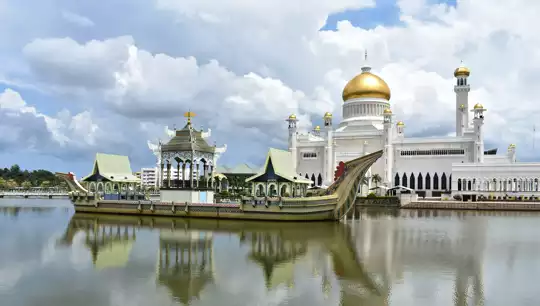
Brunei’s sweet spot is February–March: the Northeast monsoon eases, showers shrink to quick bursts, boardwalks dry, and jungle tracks firm while waterfalls pump. Airfares and rooms sit below August/December surges, and pre-haze skies stay clear.
  • Peak Heat & Holidays: August and late December push prices and boat queues, and heat punishes noon walks—but Kampong Ayer sunsets and night markets pay you back. Anomaly: Hari Raya (often May–June) packs Bandar.
  • Post-Monsoon Shoulder: February–March shifts fast: trails dry, taxis run clean loops, and Ulu Temburong’s canopy clears by dawn. You stack sights without weather lag and still catch longboats on good levels.
  • Monsoon Deep: October–January turns inward: rain drums roofs, mosques quiet, forest goes leechy. Work morning windows; storms hit mid-afternoon. Survival hack: leech socks plus salt; do the canopy at first light.
Tactical tip: Carry a 10–15L roll‑top dry bag for water taxis and sudden squalls.
Best known for:Known for: safety | scenery | people
Best time to visit: February - September, December
Daily cost: US$30 to 50
Namibia
24

Namibia

Drive horizons where roads nearly disappear.


Drive horizons, deserts, and coastal plains, experiencing wildlife, landscapes, and remote adventure for travelers seeking dramatic natural scenery.
May to early June is the sweet spot. The last storms have rinsed the air clean and moved on; gravel roads firm up, pans start shrinking, and the country smells like sun-warmed dust and acacia. Days sit in that easy band where you can hike in a light shirt and still feel your coffee steaming in the dawn cold. Wildlife begins to funnel to water yet the big tour buses haven’t arrived, so you get patient sightings without the chorus of idling engines. Car hires and camps are still shoulder-priced before winter school holidays crank up. You move farther on less money, with clearer skies and fewer gate queues.
  • Peak Dry (Jul–Sep): This is the grind and the high. Camps fill, prices jump, and you’ll wait at park gates in a frosty line, breath hanging in the blue. But Etosha’s waterholes turn into living dioramas and Sossusvlei’s dunes hold firm under your boots at sunrise. If you’ve got patience and a warm bag, the density of life within one field of view is worth the elbowing.
  • Shoulder Shift (May–early Jun): Namibia is shrugging into clarity. Graders smooth the C-roads, grass lies down, and operators reopen tracks. Crowds thin, rates sit kinder, and you can string long, quiet drives with time to stop when the light turns copper. Momentum is on your side; the map loosens up without yet feeling busy.
  • Rains & Heat (Nov–Mar): The country turns inward. Thunderheads stack, the first raindrops hit hot gravel and lift that earthy smell, and you may have a whole campsite to yourself. Birds arrive, plains go green, and storms rework your plans. Survival hack: start before dawn, sleep through the white-hot noon, and stick to known gravel after rain—black-cotton clay will swallow your rig.
Book a high-clearance vehicle and inside-Etosha camps a couple of months ahead for May–early June so you wake inside the gates with the first light, not outside with a line of tail-lights.
Best known for:Known for: scenery | wildlife | safety
Best time to visit: April - October
Daily cost: US$45 to 60
Papua New Guinea
25

Papua New Guinea

Move village to village through raw terrain.


Move village to village through dense forests and mountains, experiencing tribal culture, landscapes, and adventure for intrepid travelers.
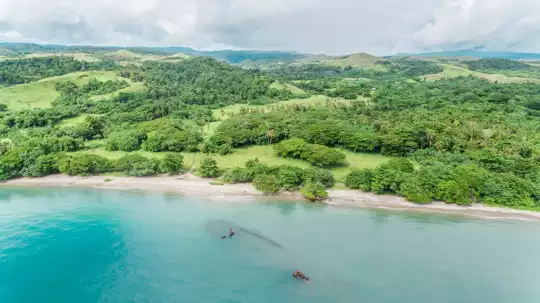
Late May to late June — with a second pocket in early October — is the sweet spot. The rain has backed off, so Highlands clay stops eating your ankles and PMVs make passes without digging out. Rivers drop, crossings turn from gambles to wades, and the coast trades steam-bath humidity for a workable afternoon breeze. Seas clear for Milne Bay and Kimbe runs, while nights turn crisp enough up high that you sleep hard. You’re ahead of the big festival surge and the priciest Kokoda groups; beds still haggle, flights haven’t spiked, and trails hold a line. You move all day, then hit a cold SP Lager while the ridge stays clear instead of smothering you in cloud.
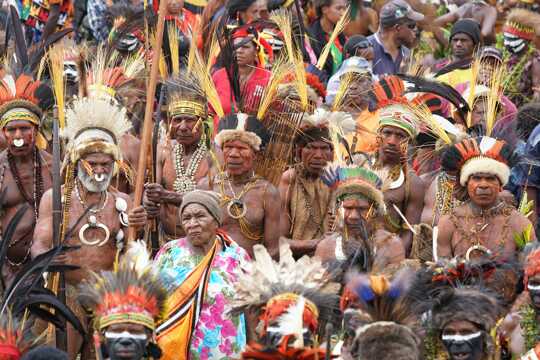
  • High Dry (Jul–Sep): Prices climb, trucks pack out, and dust rasps your throat. You push anyway because the Mount Hagen and Goroka sing-sings hit hard: kundu drums thump through your chest, plumes flare, and mountain views go long. September is the surprise crush — book early or pay for it.
  • Shoulder Shift (Late May–Jun / Early Oct): Roads firm, clouds lift, shops roll their shutters, rangers reopen tracks, and dive skippers reset moorings. Crowds thin, costs soften, and you cover distance fast. Momentum builds; the country opens lane by lane.
  • Monsoon Lull (Dec–Mar): Rain drums on tin, rivers go brown, and the bush goes quiet. Solitude deepens; you own the trail if you respect it. Survival hack: start at first light, plan half-days, and double-bag everything — a long poncho and dry sacks beat any “waterproof” promise.
Tactical tip: lock in domestic flights first for June or early October, then keep guesthouses flexible — seats disappear before beds.
Best known for:Known for: uniqueness | mountains | wildlife
Best time to visit: April - November
Daily cost: US$40 to 75 [papuanewguinea.travel]
Zambia
26

Zambia

Move river paths toward thunderous Victoria Falls.


Move along river paths, wildlife parks, and villages, experiencing nature, adventure, and local life for adventurous, nature-focused travelers.
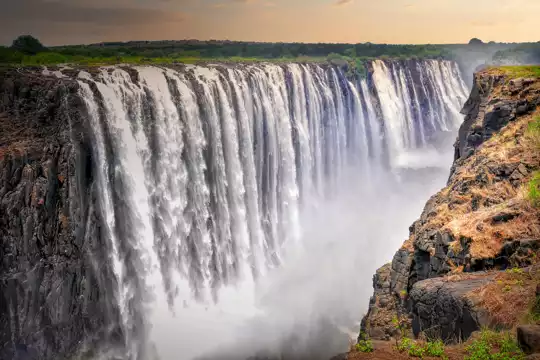
May to late June is the backpacker’s sweet spot in Zambia. The long rains shut off, the dirt hardens, and buses start hitting their marks again. Park tracks reopen, guides roll out walking safaris, and rates still sit in shoulder mode—weeks before the July price spike. Cool mornings mean you can move, not melt; nights bite just enough for a fleece. Wildlife begins tightening toward rivers without the full-on September furnace, while Victoria Falls still roars on the Zambian side. You trade peak kill-shot sightings for broader access: Luangwa workable, Kafue reachable, Bangweulu floatable. It’s the window where logistics unlock without the high-season tax.
  • The Crowd/Heat Peak: July–October. Prices climb, dust hangs, and midday cooks you. You pay in sweat and kwacha, then watch lions work a shrinking lagoon at last light and forget the ledger. Luangwa goes cinematic, Busanga Plains finally opens, and every waterhole fills with life because there’s nowhere else to drink.
  • The Transition/Shoulder: May–June. Roads firm, operators fire up, shelves restock, and you cover twice the ground for half the hassle. Victoria Falls thunders without gate-crush crowds, and walking safaris restart. Narrow window bonus: track shoebill in Bangweulu when the water is perfect for reed-canoes and sightings.
  • The Off-Peak/Extreme: November–March. The country goes quiet and green; storms drum the roof and birds flood the air. Many camps close, black cotton soil eats tires, and patience becomes currency. Survival hack: line every bag with cheap contractor sacks and move at dawn between cells.
Tactical tip: For the shoulder window, lock Luangwa or Kafue beds 6–8 weeks out; wing the rest on arrival.
Best known for:Known for: wildlife | safety | scenery
Best time to visit: May - October
Daily cost: US$40 to 55
Poland
27

Poland

Move across plains linking resilient historic cities.


Move across plains, lakes, and historic towns, experiencing culture, history, and landscapes for travelers seeking scenic, immersive journeys.
Late May to June and early September to early October are the sweet spot for Poland. Daylight stretches without the broil, you can walk cities and still have legs for an evening tram ride, and beds don’t vanish behind “event pricing.” Trails in the Tatras have shaken off most snow by June; Baltic beaches trade boom-box Saturdays for wind, space, and a decent sunset. Beer gardens and museums run full hours, ferries and mountain huts are open, and trains have seats without a bidding war. Prices sit below the summer spike and crowds thin once Polish schools resume. Watch out for the early-May holiday week—domestic travel surges.
  • Summer Peak: July–August is a grind—full dorms, busy trains, and heat bouncing off Kraków’s cobbles. The payoff is real: long golden evenings on Baltic dunes, mountain ridges buzzing with life, festivals every weekend. Start pre-dawn in the Tatras; storms roll in fast.
  • Shoulder Season: May–June and September press forward—benches slide onto squares, ferries restart, trail mud firms up, then crowds drop as school bells ring. Apples and mushrooms hit markets. Ignore this and you miss value. Hidden risk: ticks in forests—treat socks and do a nightly check.
  • Winter Off-Peak: December–February turns inward: quiet streets, steam on tram windows, forests hushed. Go for solitude and hearty food. Survival hack: microspikes for icy pavements, merino layers, and trains over buses when snow stacks up. Watch winter smog in the south.
Tactical tip: For July–August, reserve intercity trains and Tatra huts about two weeks ahead to keep your plan intact.
Best known for:Known for: safety | mountains | backpackers
Best time to visit: March - October
Daily cost: €38 to €55 [poland.travel]
Eswatini
28

Eswatini

Move gently through culture-led rural landscapes and traditions.


Move through cultural villages, mountains, and forests, experiencing local traditions, landscapes, and wildlife for travelers seeking immersive, off-the-beaten-path experiences.
Target May–early June. Rains switch off, trails firm, rivers still move, and days stay mild. Shoulder rates
Best known for:Known for: low cost | scenery | mountains
Best time to visit: March - October
Daily cost: US$25 to 38 [thekingdomofeswatini.com]
Austria
29

Austria

Glide between alpine villages on trains shaping relaxed mountain journeys.


Glide between alpine villages, lakes, and cities, experiencing scenic landscapes, classical culture, and outdoor adventures ideal for travelers seeking balance of nature and history.
Austria pays out best in June and September. Snow has pulled back from the high passes, huts unlock their doors, and thunderstorms behave like clockwork rather than chaos. Trains have seats, prices slide back from ski-town levels and August markups, and you get clear mornings that turn into long, workable days. I walk early, nap through the afternoon pop-up showers, and close with a view from a ridge that would’ve been buried a month earlier.
  • Spring: Friction: high passes hold snow and melt turns trails to soup; some bridges are out. Reward: roaring waterfalls, cheap valley rooms, orchard and lakeside paths in full swing. Stick mid-elevation and carry gaiters.
  • Summer: Friction: August crowds spike hut bunks and festival weeks jack city rates; afternoon thunder rules. Reward: all lifts running, via ferrata dry, big itineraries link cleanly. Start at dawn and book classic huts.
  • Autumn: Friction: lifts pause for maintenance and the first dusting bites ridgelines. Reward: cold, clear air, quiet huts, golden larch weeks that flare briefly in late October. That narrow window is worth a detour. Pack microspikes and a warmer bag.
  • Winter: Friction: icy closures and storm hiccups on buses; resort towns price for skiers. Reward: snowshoe loops on groomed tracks and empty valleys one stop from the lifts. Traction and avalanche awareness are non‑negotiable.
My tactic: lock the cheap long‑distance train early, keep hut nights flexible in June and September, and carry a featherweight shell plus microspikes for the shoulder pivots.
Best known for:Known for: mountains | safety | scenery
Best time to visit: March - October
Daily cost: €70 to €90 [austria.info]
Czechia
30

Czechia

Drift through storybook towns between long beer-filled evenings.


Drift through storybook towns, forests, and historic cities, experiencing architecture, culture, and lively traditions for travelers seeking accessible, culturally rich exploration.
The sweet spot: mid-May to mid-June and mid-September to early October. Spring has long days, steady sunshine, and trails that have finally dried after the thaw; beer gardens drag their benches outside, and hostels still price like they remember winter. By autumn, the heat and stag parties have bled off, harvest kicks in across South Moravia, and forests in Šumava and the Krkonoše go copper without closing the paths. In both windows, trains and dorms are gettable without wrestling apps at midnight, and you’ll actually hear your boots on Prague’s cobbles instead of a tour group’s megaphone.
  • Peak Summer (Jul–Aug): Prices swell compared to May/Sept, lines stretch at Prague Castle, and day-trip trains to Český Krumlov hit standing-room. The payoff is real: warm river days on the Sázava, live music in squares, and clear, late light on ridgelines above Špindlerův Mlýn.
  • Shoulder in Motion (May–Jun, Sep–early Oct): Cities wake—chairs scrape onto cobbles, kiosks unroll awnings, trailheads hum. September adds grape presses and cool evenings; weekdays feel roomy, weekends tighten around cheap-flight city breaks, so hop to secondary towns or hills then.
  • Deep Off-Peak (late Oct–Mar): Mornings come blue and quiet; castles sit empty; forests belong to you and the crows. It’s cold, not cruel—wear merino, waterproof your boots, and use cafés as radiators. Anomaly: December spikes busy for Christmas markets despite the freeze.
Tactical tip: in the sweet spot, book Prague weekends and mountain huts a couple weeks ahead; everywhere else, stay flexible and carry a packable rain shell.
Best known for:Known for: backpackers | safety | architecture
Best time to visit: April - October, December
Daily cost: €36 to €52 [czechtourism.com]
Samoa
31

Samoa

Live village-centered days shaped by ocean rhythms.


Live village-centered days, reefs, and forests, experiencing tropical culture and landscapes for travelers seeking immersive, relaxed island adventures.
Sweet spot: late May–mid June and September. Trades steady, humidity easing, rain tapering, cyclone risk low. Water clears but falls still punch from the wet. School breaks haven’t hit; fales and buses have space, prices lag. You sleep under a fan, then walk the dawn road to a cold Vailima.
  • Peak Dry (June–August): Heat bounces off lava. Fales fill, cars vanish, prices bite. Then Lalomanu dawn goes glass-flat, and one cold Vailima resets you.
  • Shoulder Shift (late May–mid June; September–October): Buses breathe; shutters lift; rain slides off. You move—walk, hop, swim—without bargaining. May stays oddly quiet while trails firm.
  • Cyclone Wet (December–March): The country turns inward; sky bruised, leaves dripping. December crowds return despite squalls. Walk at first light; carry a roll‑top dry bag.
In June–August, reserve the inter‑island ferry and beach fales three weeks ahead; the shoulder lets you book on arrival.
Best known for:Known for: beach life | safety | people
Best time to visit: April - November
Daily cost: US$40 to 70
Greenland
32

Greenland

Let ice, distance, and weather dictate all movement.


Let ice, glaciers, and fjords dictate movement, experiencing remote wilderness and Arctic life for adventurous, nature-focused travelers.
Late August to early September is the sweet spot for backpacking Greenland. The sea ice has pulled back enough that boats run and supply ships keep shelves stocked; trails are mostly dry and snow-free; the mosquitoes that made June rage have thinned; and prices ease off the July spike when cruise ships and school holidays jack demand. Daylight is still generous, but night returns—dark enough for a first aurora flicker over a glassy fjord. You can carry a normal alpine kit instead of full expedition armor. In town the air smells of diesel and kelp, not bug repellent, and in the hills the tundra turns copper. It feels earned: wind-chapped cheeks, salt on your lips, then the soft click of a can from the shop as you watch an iceberg roll in the blue hour.
  • Peak Summer (mid‑July–early August): Prices and beds run hotter than the weather—boats to Eqi and Disko fill well ahead, and Ilulissat’s boardwalk can feel like an airport concourse. Fog can pin flights for a day. The payoff? Midnight sun turning the Icefjord peach at 2 a.m., humpbacks breathing in flat water, and that first cold beer on the harbor rocks with your socks steaming after a long ridge walk.
  • Late‑Summer Shoulder (late August–early September): Greenland shifts gears. Tour groups taper, shop hours stay long, and ferries still run. Bugs fade, winds pick up, and you move faster: firm tundra, crisp evenings, aurora hinting above roofs in Nuuk. Same iceberg silence, fewer elbows, slightly softer rates, and you can actually hear the brash ice tinking against the shore.
  • Dark Season (November–March): The interior mood takes over—blue noon, sled dogs yowling, dry snow squeaking like styrofoam. Solitude is complete and the sky can explode with light, but the cold is an authority. Survival hack: wear a vapor‑barrier liner inside your socks to keep boot insulation dry; it’s the difference between happy miles and dead toes.
Tactical tip: For late‑August plans, lock flights and Ilulissat beds a couple of months out, keep boat day‑trips cancellable, and buffer one weather day.
Best known for:Known for: uniqueness | safety | scenery
Best time to visit: April - May, July - October
Daily cost: US$150 to 220
Mauritius
33

Mauritius

Circle coastal roads blending cultures effortlessly.


Circle coastal roads, mountains, and villages, experiencing culture, beaches, and tropical landscapes for travelers seeking scenic, diverse journeys.
The sweet spot is late May–June and September–October: summer heat breaks, trade winds relax, and prices slide between school holidays. Trails firm, coastal traffic eases, lagoons stay warm and clear. You get diving without cyclone roulette and breezes for boards without sandblasting. Rooms and cars open up.
  • The Crowd/Heat Peak: December’s peak is a grind—rates spike, tables book out, beaches jam. The payoff: pre-dawn baths in glassy lagoons, sega on the sand, fruit so ripe it drips.
  • The Transition/Shoulder: May–June and September move. Humidity drops, winds even out, buses breathe. Guesthouses answer fast, reefs settle by late morning, trails stop sucking at your shoes.
  • The Off‑Peak/Extreme: January–March turns inward. Forests steam, waterfalls punch, crowds vanish. Survival hack: base west, start at first light, stash a dry bag. Ignored risk: cyclone alerts halt buses and boats; cash and ATMs get flaky.
Shoulder months: book coast stays about a month out.
Best known for:Known for: beach life | safety | low cost
Best time to visit: April - November
Daily cost: US$35 to 50 [mauritiusnow.com]
Switzerland
34

Switzerland

Glide mountains to cities smoothly by train.


Glide smoothly by train between mountains, lakes, and cities, experiencing culture, landscapes, and alpine adventure for travelers seeking scenic, structured journeys.
Early to mid-September is the cleanest play. Snow has retreated from the big passes, the violent afternoon storms of midsummer calm down, and the air cools enough that long climbs waste less water and energy. Summer lift and hut schedules still hold, but local holidays end, so beds open and prices stop flexing upward. Trails dry quickly after showers; daylight stays long enough to stack ridges without running a headlamp, and lakes keep July’s warmth for an honest swim. You might wake to a decorative dusting above 3,000 m, but tread stays firm. It’s the window where access, cost, and calm finally line up.
  • Peak Summer: You’ll queue for cable cars, watch dorm prices spike, and dodge selfie traffic on famous traverses—but the trade buys late light on wildflower meadows, every lift spinning, every hut kitchen stocked, and the highest circuits fully in reach.
  • Shoulder (Transition): June thaws and roars—waterfalls surge, huts unlock, and mid-altitude ridges come alive while high passes still hold patches; September exhales—crowds thin, cattle descend, prices ease, and the network keeps running as the country shifts into a cooler, faster rhythm.
  • Off‑Peak/Extreme: Valleys go quiet, fog sits on lakes, and snow turns footsteps into the only sound; survive it by starting at first light for firm snow, sticking to signed winter trails and south-facing tracks, and carrying light traction plus a hot flask.
Tactical tip: For September, reserve weekend hut bunks 10–14 days out and leave weekdays flexible to chase weather without paying panic rates.
Best known for:Known for: mountains | safety | scenery
Best time to visit: March - October
Daily cost: US$100 to 135 [myswitzerland.com]
Nauru
35

Nauru

Walk the entire island before lunchtime.


Walk the small island, exploring beaches, villages, and reefs, experiencing tropical isolation for travelers seeking compact, immersive journeys.
Late May–June and late Aug–Sept are the sweet spots. The northwest monsoon has switched off, the southeast trades steady the air, nights ease a notch, and reef entries stop feeling like a dare. Weather delays drop compared with Nov–Mar, but you’ve slipped past the tiny mid-year seat/room squeeze. Costs don’t plunge; they just stop punishing you for storms and cancellations.
  • The Crowd/Heat Peak: July–August. Seats get snapped by contractors and the few hotels play hardball, and midday heat bites—but dawn gives glassy water at Anibare Bay and the clearest snorkeling you’ll get all year.
  • The Transition/Shoulder: April–May and September–October. Clouds thin, puddles vanish, shops open early, and the island moves again; hit neap-tide mornings in late May for easy shore snorkels without getting rag-dolled by swell.
  • The Off-Peak/Extreme: November–March. Monsoon squalls, hot nights, empty roads; Buada Lagoon feels private. Survival hack: run your day 5–9 a.m., stash electronics in double dry-bags, and wear reef shoes plus a light umbrella for sideways rain.
Book flights 6–10 weeks ahead and pad one extra night to absorb schedule shuffles without paying panic prices.
Best known for:Known for: safety | people | beach life
Best time to visit: April - October
Daily cost: US$90 to 130
Lithuania
36

Lithuania

Drift through forests and understated historic cities.


Drift through forests, lakes, and historic towns, experiencing culture, history, and natural beauty for travelers seeking scenic, immersive journeys.
Late May–mid June and early September are the sweet spot: trails are firm, daylight runs long, and temperatures sit in the comfortable-middle without the July–August price bump. Buses still have seats, guesthouses aren’t gouging, and everything you came for—Curonian Spit ferries, lakeside saunas, outdoor cafés—is operating. Mosquitoes haven’t hit full force yet, and September’s forests trade sweat for crisp air and mushrooms.
  • Peak (Jul–Aug): The grind is real—higher room rates, bus tours in Vilnius, weekend queues to the Curonian Spit—but the high is Baltic “white” evenings, warm lake swims, and amber light over the dunes.
  • Shoulder (Late May–Jun, Sep): The country wakes and then exhales: terraces roll out, services extend hours, trails dry, then crowds slip away while ferries and cafés keep running.
  • Off-Peak (Nov–Mar): Quiet streets, low sun, deep woods to yourself; carry merino and a windproof shell for knife-cold wind. Anomaly: early March jolts busy in Vilnius for Kaziukas Fair.
Book Nida/Curonian Spit lodging 3–4 weeks ahead in Jul–Aug; in late May or September, a week is enough.
Best known for:Known for: safety | low cost | architecture
Best time to visit: March, May - October
Daily cost: €40 to €55
Tuvalu
37

Tuvalu

Walk fragile islands surrounded completely by sky.


Walk fragile islands surrounded by ocean, experiencing calm, tropical life for travelers seeking remote, peaceful journeys.
Sweet spot: late May–June and September. Trades blunt the heat, rain eases, lagoon clears, yet the July–August squeeze hasn’t hit. Boats say yes more, mosquitoes back off, cyclone risk is asleep. With Tuvalu’s tiny capacity, this is when you actually find a bed and pay less. Skip early October when celebrations soak up rooms.
  • Peak Dry (Jul–Aug): Grind: pricier flights, scarce beds, trade-wind chop. High: most reliable boats, clear lagoon, cool maneapa evenings.
  • Shoulder (May–Jun, Sep): Islands exhale; showers fade, shops restock, captains shift from “maybe” to “yes,” and rates ease as holiday traffic ebbs.
  • Wet/Cyclone Edge (Nov–Mar): Heavy air, moody seas, near-solitude. Survival hack: assume slips; use flexible tickets, dry-bag cash/passport, and pick a guesthouse with generator and rainwater tank.
Tactical tip: Book flights early, hold a cancellable Funafuti room, and pad a night in Suva for weather slips.
Best known for:Known for: safety | beach life | scenery
Best time to visit: April - September
Daily cost: US$40 to 70
Côte d’Ivoire
38

Côte d’Ivoire

Move between forest towns and energetic Atlantic coastlines.


Move between forest towns, beaches, and markets, experiencing local culture, traditions, and landscapes for adventurous, culturally curious travelers.
Late January through early March is the sweet spot. The big rains are long gone; harmattan still cools the dawn, but the chalky haze thins so horizons return. Dirt roads into Man and Korhogo bake firm; gbakas make time instead of fishtailing. Coastal swell softens compared to midyear, and beach flags drop more days than they rise. Holiday travelers are back at work; prices ease from their December high. You move, you sweat less, and that first beer in a maquis actually cools you instead of just rinsing heat from your throat.
  • The Crowd/Heat Peak: December holidays and March–April. Prices jump in Abidjan and Assinie, gbakas jam, and the sun slams your shoulders. The trade: festivals crackle, northern paths stay bone-dry, and an ice-cold Flag by the lagoon hits like a reset button.
  • The Transition/Shoulder: Late November–mid December, and late February. Shops roll up shutters, dust settles, guides answer calls again. Roads firm, beaches behave, and rooms ease midweek if you show up with cash and patience.
  • The Off-Peak/Extreme: May–June (plus October in the south). Tin roofs thunder, clay turns to grease, and parks sit empty. Survival hack: line your pack with a contractor bag, switch to rubber sandals in town, and ride dawn buses before ruts deepen.
  • The Little Dry/Overcast: July–August. Cooler air, slate light, rougher surf; trekking breathes easier. Cheaper stays and long coffees under zinc awnings while the city slows to a humid murmur.
For that window, book coastal weekends about a week ahead; inland guesthouses are easiest to negotiate same-day around the main gare routière.
Best known for:Known for: low cost | safety
Best time to visit: July - September, November - April
Daily cost: US$40 to 60 [cotedivoiretourisme.ci]
Moldova
39

Moldova

Drift rural roads and underground wine cellars.


Drift through villages, vineyards, and towns, experiencing history, wine, and culture for travelers seeking quiet, scenic journeys.
Late April–May, then September to early October is the sweet spot. Spring shakes off the chill; tracks firm, orchards bloom, beds stay weekday-priced, and the light runs long. Early autumn drops the dust and school rush; vines hang heavy, and you hike Orheiul Vechi in dry air before cool cellar whites.
  • Peak: July–August bakes. Marshrutkas pack tight, beaches thrum, rooms rise—but the payout is long golden evenings, sunflower horizons, and a cold lager on a stoop after a Dniester swim.
  • Transition/Shoulder: Late April–May and September–early October move fast: markets open, fluff drifts, trails dry, grape trucks roll. Hit the crush and National Wine Day (first October weekend) when cellars pour from the barrel.
  • Off-Peak/Winter: December–February turns inward—blue-gray light, wood smoke, empty monasteries, frost on vineyard wires. Wear wool, add a windproof shell, catch early buses; tea in a thermos buys another hour outside.
Tactical tip: For harvest weekends, reserve Chisinau beds early; otherwise arrive midweek and bargain in person.
Best known for:Known for: low cost | safety
Best time to visit: March - October
Daily cost: US$30 to 45 [moldova.travel]
Guam
40

Guam

Walk island loops shaped continuously by ocean views.


Walk island loops, coastal paths, and forests, experiencing ocean views and local life for travelers seeking relaxed, immersive island experiences.
Late February to early April is the sweet spot. Dry trades settle the air, the rain backs off, and the typhoon roulette is at its quietest. New Year crowds have flown home, Golden Week and summer charters haven’t landed yet, so beds and cars drop to sane prices. Trails like Lamlam firm up, reef visibility improves, and the humidity is pushy but workable if you move early and nap through the noon furnace.
  • Peak Dry/Heat: Late Dec–early Jan, and Jul–Aug. Prices bite and Tumon packs out, but dawn dives at Blue Hole/Gab Gab deliver glassy water, and Lamlam’s ridge gives you ocean-to-ocean horizons. Watch for king-tide rips on east coasts in winter.
  • Shoulder (Sweet Spot): Feb–Apr. Winds clean the sky, showers blink and vanish, shops and boats run on rhythm, and beaches breathe again. You move, the island moves with you.
  • Off-Peak Wet/Typhoon: Sep–Nov. Trails go quiet and the jungle hums. Start hikes at first light, wear lugged shoes for Guam’s red-clay slick, stash a dry bag, and never commit to stream crossings after bursts.
Tactical tip: lock a rental car with free cancellation 4–6 weeks out; buses won’t save a tight itinerary.
Best known for:Known for: safety | beach life
Best time to visit: December - August
Daily cost: US$50 to 90
Indonesia
41

Indonesia

Island-hop endlessly through wildly varied cultures and landscapes.


Island-hop through volcanic landscapes, tropical forests, and bustling towns, moving naturally with local customs, ocean tides, and vibrant culture across the archipelago.
Late May through June, then September into early October, is the sweet spot for backpacking Indonesia. The logic is simple: monsoon mud fades, volcano trails set firm, and inter-island ferries hit their stride before the July–August price surge and the Christmas choke. Mornings run clear on Java and Bali, reefs east of Lombok calm enough for budget boats, and the air still carries moisture so rice terraces glow instead of baking brown. Guesthouses answer with real prices instead of “high season” shrugs; trains and long-distance buses have seats without the lottery. Waterfalls still move, but not so much that every path is a slide. You cover ground faster, spend less, and still smell clove smoke and wet earth at dawn on a crater rim. The caveat: skip the big domestic holiday migration if it falls inside this window; everything else tilts in your favor.
  • Crowd/Heat Peak (Jul–Aug + late Dec): You grind for the good stuff. Fast boats to Nusa islands overbook, sunrise queues knot on Batur, and room rates jump by a head and a half. But the trade is real: bone-dry ridgelines on Bromo, glassy dawn surf on the Bukit, high-viz reef days around the Gilis. If you commit to pre-dawn starts and late lunches, you thread the crush and earn those long, windless sunsets that make the heat worth carrying.
  • Early Dry Shoulder (May–June): The country shifts gears. Tarps come down, paint dries on warung signs, ferries keep to daylight runs, and guides answer texts again. Trails harden, scooters stop fishtailing, and rice fields pop neon right beside the road. You move—train, bemo, ferry—in a clean rhythm, bargaining without groveling, landing volcano summits with clear mornings and empty shelters.
  • Monsoon/Off-Peak (Nov–Mar): The interior voice gets loud. Rain drums on tin roofs, jungle breathes, and towns slow to a human pace. Boats cancel and you learn patience; temples drip and belong to you and the caretakers. Heat presses, but the solitude pays. Survival hack: carry a cheap umbrella instead of a sweatbox rain jacket—shade in sun, airflow in rain, and your daypack stays dry.
  • Late Dry Shoulder (Sep–early Oct): Dust rises in eastern islands, paddies fade gold, and crowds thin fast after school breaks. Prices soften, transport runs on time, and dive ops still hum. Haze can creep in on Sumatra/Borneo; chase coasts with sea breeze and lean into dawn starts. Waterfalls shrink, but long crossings calm, and you get empty guesthouse verandas and early nights that actually restore you.
Personal tip: in the shoulder months, I book domestic flights about 12–14 days out (stretch it to 4–6 weeks for July–August) and let ferries and rooms stay flexible.
Best known for:Known for: scenery | people | wildlife
Best time to visit: April - October, December
Daily cost: US$28 to 50 [indonesia.travel]
India
42

India

Move constantly through intense contrasts of scale and life.


Move constantly through cities, villages, mountains, and forests, experiencing culture, chaos, and diverse landscapes for adventurous, curious travelers.
The sweet spot for backpacking India is mid‑February to mid‑March, with a secondary window of late September to late October if you dodge the Diwali week. Here’s why: winter holiday inflation has deflated by February, trains and decent guesthouses have space again, the north’s killer fog eases, Rajasthan is warm without frying you, Kerala’s backwaters aren’t a steam room yet, and low-altitude hikes in the Himalaya start to reopen. Wildlife parks are still open and sightings improve as water sources shrink, without the furnace of April. The post‑monsoon shoulder (late Sep–Oct) gives you clean air, green hills, full waterfalls, and prices that haven’t climbed to December levels—just avoid festival spikes that fill beds and jack fares.
  • Peak (Dec–Jan on the plains; May–June in hill stations): You’ll fight for rooms, pay holiday rates, and queue for everything. Go anyway if you want winter’s crisp Varanasi dawn—oars slicing the Ganges while ash settles on cold water—or that blue, high-clarity air in Himachal. In summer, the hills and Manali–Shimla toy train turn into a moving crowd, but cool nights and deodar forests can reset a fried brain. You earn the high by absorbing the grind; budget for it or skip it.
  • Shoulder (Feb–Mar and late Sep–Oct): India loosens its jaw. Trains release berths, shop shutters rise, trekking tea houses sweep out damp mats, beach shacks repaint and reopen. You move faster with fewer negotiations. This is where kilometers stretch cheaper and your patience lasts longer. Crowd anomaly: October is deceptively busy around Durga Puja/Diwali, especially in Kolkata and Rajasthan—book those weeks or slide your dates.
  • Monsoon/Extreme (Jun–Sep, plus the furnace of Apr–May): The country turns inward. Rice fields glow, lanes smell of wet earth, and you get long, empty museum rooms and quiet ghats. Rains wash roads; landslides clip Himalayan buses; coastal ferries pause. Survival hack: travel at first light when storms stall, stash a roll‑top dry bag for your pack liner, wear quick‑dry synthetics, and sip ORS salts; in the pre‑monsoon heat, start before sunrise, nap at noon behind thick walls, and ride AC sleeper trains instead of buses.
  • High‑Altitude Window (Ladakh/Zanskar Jul–Aug): While the rest of India steams, the trans‑Himalaya opens. It’s a magnet—expect scarce beds in Leh and surge‑priced taxis—but the payoff is walking past prayer flags cracking in thin air and moon‑yellow rivers under big skies. Book jeeps and permits early or you hemorrhage time in queues.
My tactical move: for any intercity overnighter during shoulder months, I lock a 3A/SL berth two to four weeks out—before Tatkal day—so I keep my cash and my sleep instead of paying surcharges and riding a folding seat.
Best known for:Known for: mountains | architecture | food
Best time to visit: July - March
Daily cost: US$20 to 36
Türkiye
43

Türkiye

Move effortlessly between continents, cuisines, and histories.


Move from coasts to mountains, cities to ruins, experiencing culture, cuisine, and landscapes for travelers seeking scenic, immersive journeys.
The sweet spot is mid‑May to mid‑June and late September to mid‑October. Those weeks line up the puzzle pieces: the coasts are warm enough to swim without the July furnace; Cappadocia gives cool, flyable dawns instead of heatstroke breakfasts; inland buses don’t smell like a sock drawer; and pensions haven’t flipped the “tourist tax” switch yet. Domestic school holidays haven’t detonated the beaches in spring, and they’ve retreated by fall. You trade a few chilly evenings and the odd spring shower for cheaper rooms, sane lines at ruins, and long walking days where your water bottle isn’t a lifeline. You won’t clear Kaçkar high passes in May, and the sea cools by November, but in these shoulder windows the country feels open, functional, and priced for mortals.
  • Peak Heat (Jul–Aug): Prices puff up, buses fill, and every Aegean cove hosts three Bluetooth speakers arguing. Grind accepted, the high is real: dusk swims off Çıralı when the sea holds the day’s warmth, Efes stones bleeding heat under a red sky, and multi‑day Lycian Way legs where you finish by diving off a dock. Narrow window bonus: Kaçkar high passes and alpine camps are usually viable only late July to early September.
  • Shoulder in Motion (May–Jun, Sep–Oct): Cafes drag chairs onto sidewalks, ferries add runs, markets overflow with cherries, and the country shifts from idle to cruising speed. Trails dry out, balloon pilots in Cappadocia rack up flyable mornings, and the coast breathes—enough energy for fun, not enough for queues. Istanbul parks throw their tulips in April, then the crowds slide away and you actually get a bench.
  • Winter Interior (Dec–Feb): The coasts go sleepy, Anatolia turns steely, and you get ruins to yourself with a crow for company. Cappadocia under snow is quiet magic; the hack is layering: thin down, shell, hat, and dry socks in a zip bag. Buses stay warm, but platforms bite—hand warmers earn their pack space. Skiing at Uludağ or Erciyes beats beach weather cosplay.
I book Cappadocia balloons and coastal weekends two weeks ahead, and let everything else ride day‑by‑day, with a compressible down jacket buried in the pack for Anatolian nights.
Best known for:Known for: people | backpackers | beach life
Best time to visit: March - November
Daily cost: US$25 to 50
Sri Lanka
44

Sri Lanka

Circle compact routes linking tea hills and temples.


Circle tea hills, beaches, temples, and jungle paths, experiencing tropical culture, wildlife, and landscapes for travelers seeking scenic, immersive journeys.
The sweet spot lands from mid-February through late March. The holiday surge has drained away, rates on the south and west coasts slide back to human, and the weather still behaves: seas calmer for cheap bus-to-beach hops, hill-country mornings crisp with blue distance, Adam’s Peak lamps still lit for the night climb. Heat builds by noon, but you win long, clear hours for trains with open windows and tea-scented air, for dry tracks in the Knuckles, for wildlife pushed to water in Udawalawe. Crowds thin just enough that “sold out” turns into “we’ll find you a seat,” and a plate of rice and curry returns to local prices.
  • Crowd/Heat Peak: December–February on the south/west, July–August in the east. You pay festival and holiday premiums, trains are sardine-tight, and Mirissa hostels fill. The reward is real: ocean like blue glass at dawn, whales off the headland, night drumming in Kandy, sunrise on Adam’s Peak with the wind snapping at your sweat.
  • Transition/Shoulder: March–April and September. The island shifts gears: shutters roll up in Arugam Bay, south-coast menus shrink to locals again, buses exhale, prices soften. You move faster—Sigiriya at first light with only swallows for company, then an empty third-class bench to Ella.
  • Off-Peak/Monsoon: May–June (south/west) and October–November (island-wide storms). Solitude blooms inland: rain drums on tin at tiny tea stalls, mist threads the pines above Nuwara Eliya, Polonnaruwa’s stone lions glisten. Survival hack: chase the dry side—east when the south goes wild—and wear leech socks; start hikes at first light to beat the daily deluge.
Personal tip: I lock a seat on the Ella–Kandy train as soon as tickets drop, then leave everything else open so I can pivot coast-to-coast with the weather.
Best known for:Known for: wildlife | backpackers | low cost
Best time to visit: July - September, December - April
Daily cost: US$28 to 40 [srilanka.travel]
Italy
45

Italy

Wander endlessly through layered history woven into everyday life.


Wander endlessly from historic towns to coastlines, exploring cuisine, art, and landscapes for travelers seeking immersive cultural adventures.
The sweet spot is late May to mid June and mid September to mid October. Warm days without the asphalt bake; seas swimmable; mid‑elevation Alps open. After spring holidays and once school is back, beds drop to sane rates and lines loosen. Amalfi buses, Cinque Terre paths, the Vatican—still busy, but you can breathe. Markets brim, harvests hit menus, and ferries keep workable schedules. This window is Essential. July–August is Overrated unless you’re chasing festivals and bathtub‑warm water.
  • Peak (July–August): Lines coil at Pompeii before breakfast, dorms price like hotels, and coastal buses wheeze past full. The upside is raw: midnight swims off Sicily, piazzas alive past midnight, Dolomites huts fully open, daylight for a bonus hike. If you crave heat and buzz, take the hit.
  • Shoulder (late May–June; mid‑September–mid‑October): Momentum. Shutters lift, ferries add runs, trails dry, and the country shifts from prep to pace. Autumn exhales—grape trucks, chestnut smoke, crisp views. Late spring pops with wildflowers and warming water. Prices ease, reservations get sane, and you move instead of queueing. Best balance for miles, meals, and mood.
  • Off‑Peak (November–March): The Interior. Museums breathe; hill towns echo; you hear your footsteps. Expect rain streaks, short days, and closed passes in the north. Southern coasts stay workable and cheaper. Survival hack: wear a base layer, carry a compact umbrella, book heated rooms, and time travel legs to land before dusk.
I lock discounted high‑speed train fares early and keep lodging cancellable, but I always pack a rain shell and one warm layer—even in June.
Best known for:Known for: architecture | food | scenery
Best time to visit: March - October
Daily cost: €40 to €70 [italia.it]
Ecuador
46

Ecuador

Shift ecosystems quickly between coast, Andes, and jungle.


Shift rapidly from coast to Andes to jungle, experiencing diverse ecosystems, culture, and adventure for travelers seeking intense, varied journeys.
Sweet spot: May and late October–November. Andes rains ease and trails set while nights stay manageable; volcano days stop feeling like roulette. On the coast, May keeps warm, clear water as storms taper; late Oct–Nov delivers green hills without summer crowds. The Amazon stays high for easy boats with less bite. After Easter and again after September, buses breathe, hostels bargain, and you move fast without peak premiums.
  • The Crowd/Heat Peak: Jun–Aug and late Dec–early Jan. Prices jump, dorms cram, refugios sell out. You sweat on packed buses and queue for permits. Payoff: a windless Cotopaxi sunrise or humpbacks off Puerto López that hush the beach.
  • The Transition/Shoulder: Apr–May. Rains back off, clouds tear by midday, shopkeepers repaint signs, drivers stop again. You stitch coast heat to clearing ridges in one push; gear dries; bargaining returns; kilometers stack cheaply.
  • The Off-Peak/Extreme: Jan–Mar (coast/Amazon) and Mar–Apr (highlands). Towns hush under heavy storms; trails turn inward. Waterfalls roar and you sleep alone. Survival hack: start pre-dawn and line your pack—thread the gaps between downpours.
  • The Second Shoulder: Oct–Nov. The country exhales: firm trails, green slopes, fair sun, friendly rates. Crowd anomaly: early November spikes for Día de los Difuntos and Cuenca fiestas—rooms vanish—then it drops to easy mode again.
Tactical tip: For June–August and holiday weeks, I lock volcano huts and popular hostels 7–10 days out; otherwise I walk in and let the forecast choose my next bus.
Best known for:Known for: wildlife | backpackers | scenery
Best time to visit: April - November
Daily cost: US$30 to 45 [ecuador.travel]
Spain
47

Spain

Drift effortlessly between fiestas and long afternoons.


Drift effortlessly from beaches to mountains, historic towns, and cities, experiencing culture, cuisine, and lively landscapes for travelers seeking immersive journeys.
The sweet spot is late May to mid-June, then mid-September to mid-October. Summer timetables are running, but seats still exist without a fistfight. Coasts are swimmable, high trails are open, and inland cities aren’t yet frying pans. Dorms and intercity fares sit in the sane zone, especially midweek. Town fiestas and grape harvests add energy without mandatory price gouging. Snow has retreated from most ranges, storms are brief, and daylight lets you stack a morning hike, a lazy lunch, and a bar-hopping night without sprinting. Even the Camino breathes instead of wheezes.
  • Peak Summer (July–August): Prices climb, plazas fill, and the sun treats Andalusian cobbles like a skillet. You’ll queue for museum slots and sprint for bus seats, then remember why you came when a midnight swim in the Med resets your soul and a village fiesta keeps you dancing till dawn. Wildfires can close trails and reroute buses overnight; inland treks often pause midday when heat warnings hit. Siesta isn’t quaint here—it’s survival.
  • Shoulder Momentum (late Apr–June & Sept–Oct): Awnings unfurl, terraces multiply, seasonal buses return to trailheads, refuges unlock, and vendimia trucks grind through Rioja. You glide—cool mornings for climbs, warm afternoons for swims, golden hours that stretch. Quick hitters still happen: spring squalls in the north soak cliff paths, and autumn holiday weekends quietly sell out trains. Pack a thin shell and buy big-ticket rides a touch early; the rest you can improvise.
  • Winter Low (Nov–March): Spain turns inward. Stone plazas echo, cafés steam their windows, and Atlantic swells slap empty promenades. You get museums to yourself and long, quiet city walks. Cold sneaks up in uninsulated rooms; a light down jacket and a merino beanie change everything. Reduced rural buses—especially Sundays—can strand you; plan legs around daylight and stick to bigger hubs when storms roll through.
My move: lock the first night and any long-haul train a week or two ahead in the shoulder, and carry a silk liner plus a packable puffy so you can roll with dorm roulette and snap-temperature swings.
Best known for:Known for: architecture | beach life | mountains
Best time to visit: April - October
Daily cost: €50 to €90 [spain.info]
South Africa
48

South Africa

Drive wildlife parks to wine towns easily.


Drive wildlife parks, vineyards, and coastal towns, experiencing diverse landscapes and culture for adventurous, varied travelers.
Late August to early October is the sweet spot. The northeast is in late dry season, so Kruger’s waterholes pull game into the open, grass is down, bugs are fewer, and afternoon storms haven’t started slapping dirt roads into porridge. Meanwhile the Western Cape is shaking off winter fronts; rain eases, days warm without that sandblasting summer wind, and prices haven’t climbed into December madness. You get spring flowers in Namaqualand and whales along the Overberg without tour-bus gridlock, plus sane car-rental rates and open hostel dorms. The Drakensberg turns crisp and hikeable, snow mostly gone, rivers still running. It’s shoulder pricing, strong wildlife odds, and workable weather across two very different climates—just skip the short school-holiday spike around late September if you can.
  • The Crowd/Heat Peak: December to early February is a grind: sold‑out campsites, minimum stays, rental cars disappearing, and humid storms up north. You pay for the long light and warm surf on the KZN coast, sunrise swims, beach braais, and late mountain sunsets that make you forget your budget for an hour. The risk people ignore: the Cape Doctor. That wind shreds cheap tents, shuts the Table Mountain cableway, and turns sand into projectiles—pack proper eye protection and anchor your shelter or book solid walls.
  • The Transition/Shoulder: March–May and late October–November move. Rates slide, vineyards wrap harvest, the Cape wind eases, and Kruger flips from wet to drying (or back again) with animals starting to bunch. Trails open up, booking calendars breathe, and bus timetables normalize after holidays. Watch Easter and long weekends—locals pounce on coastal cabins and Garden Route camps, so lock those dates early or route inland through the Karoo.
  • The Off-Peak/Extreme: June–July quiets the country. The Cape is wet, museums empty, and hikes feel private; the northeast is gold for game with cold, clear mornings and smoke‑blue skies. Bring a compact down layer and a hot‑water bottle; South African houses love tile floors and weak heaters. Snow and black ice can close Drakensberg passes—carry flexibility, not fixed checkout times.
I book Kruger rest camps a season ahead and keep the coast flexible; if I’m late, I aim for a lesser‑used park gate and pounce on last‑week cancellations.
Best known for:Known for: wildlife | beach life | scenery
Best time to visit: March - November
Daily cost: US$40 to 60 [southafrica.net]
Kosovo
49

Kosovo

Move socially through compact cities and green landscapes.


Move socially through compact towns, mountains, and villages, experiencing culture, history, and landscapes for travelers seeking scenic, offbeat journeys.
Late May–June, then mid‑September to mid‑October. Snow pulls back from the Sharr and Accursed; trails firm up, rivers run clear, and days sit in the middle—T‑shirt hikes, fleece nights. City heat hasn’t cooked the asphalt yet, summer returnees haven’t lifted room rates, and buses keep rhythm. Autumn adds crisp air and peppers and grapes at market, and a cleaner sky over Prizren’s castle.
  • Peak Summer: Jul–Aug. Heat shimmers off Pristina’s boulevards; Dokufest packs Prizren; rooms climb. Payoff: long light on Sharr ridges and a cold Peja riverside.
  • Late Spring Shoulder: May–Jun. Snow shrinks, shepherds push flocks uphill, cafés drag chairs outside, trailheads wake. Mud dries fast; buses loosen; guesthouses say yes to walk-ins.
  • Winter Off-Peak: Dec–Feb. Quiet streets, coal and woodsmoke, mountains emptied except for skiers. Survive it with microspikes, midday buses, and rooms heated by stoves.
Reserve Prizren early for Dokufest; in shoulders, skip bookings and carry a packable down.
Best known for:Known for: people | food | low cost
Best time to visit: March - November
Daily cost: €20 to €35
Portugal
50

Portugal

Drift slowly through sunlit coastal towns.


Drift slowly through sunlit coastal towns, vineyards, and mountains, experiencing culture, food, and landscapes for travelers seeking relaxed, scenic adventures.
Late May to June and late September to mid-October are the clean hit for backpackers in Portugal. The air runs warm without the slap of inland heat, mornings smell like wet stone and coffee, and the Atlantic is friendlier—especially in autumn, when the sea holds summer’s warmth. Hostels haven’t cranked to July prices, buses still have empty seats, and you feel the country open—lifeguards on beaches, ferries on fuller schedules—without the queue fatigue. Spring gives wildflowers in the Alentejo and jacaranda dropping purple confetti in Lisbon; early autumn brings grape pickers in the Douro and quieter lanes in Sintra after school resumes. Rain is brief, wind is tamer than winter, and you still get long evenings to actually use the day.
  • Peak Summer: Heat presses inland, queues stack at Belém and Benagil, and dorm beds can cost roughly double what you’d pay in November. The trade: saint-day street parties, sardine smoke drifting through alleys, and warm midnight air on Atlantic cliffs. Move at dawn, nap at noon, then chase the blue hour. Seasonal risk: wildfire alerts can shut interior trails without notice.
  • Late Spring Shoulder: Awnings roll up, boards get waxed, grills flare with first sardines. Crowds thin enough to breathe, trains feel spacious, and towns shake off winter dust. Surf softens, paths firm up, and cafes stretch onto cobbles. Momentum without mayhem.
  • Winter Off-Peak: Granite glistens, river valleys fog, and you hear bootsteps echo in empty alleys. It’s damp-cold more than icy; pick tiled cafes with heaters and slow down. Survival hack: stuff boots with newspaper overnight—every barista has yesterday’s paper.
Book the sweet-spot months two to three weeks out for trains and your first and last hostel nights; keep the middle loose to follow the weather window.
Best known for:Known for: safety | people | architecture
Best time to visit: March - November
Daily cost: €45 to €65 [visitportugal.com]
Costa Rica
51

Costa Rica

Move from cloud forests to surf towns with ease.


Move from cloud forests to surf towns, explore volcanoes, beaches, and wildlife for travelers seeking adventurous, nature-focused tropical journeys.
The backpacker’s sweet spot lands twice: early May to mid-June, and late November to mid-December. In May the first rains tamp the dust, rivers wake, forests breathe, and you buy beds and bus seats without surrendering your budget; mornings open bright, afternoons crackle with thunder, and the air smells like wet leaf litter and roadside coffee. By late November the Pacific light sharpens, trails firm up, and the holiday crush hasn’t hit; you move with space, catch dry-season clarity without dry-season prices, and the evening breeze carries salt and jacaranda instead of exhaust and sunscreen.
  • Dry-Season Peak: December through Easter is a grind—prices jump, buses sell out, sun bites by 9 a.m. The payoff is real: crisp volcano horizons, bone-dry trails, and Pacific dawns that feel carved from glass. Risk people ignore: Manuel Antonio and other caps sell out; without advance tickets you’re stuck at the gate.
  • Green-Shift Shoulder: May–June rolls in; dust settles, waterfalls thunder, and rates ease while shops switch back to local pace. Hike early, nap through the lightning, surf the evening glass-off. Watch for landslides that reroute buses with zero warning.
  • Rain-Soaked Lull: September–October turns the Pacific hushed, hostels echo, and the jungle breathes in long, wet sentences. Base on the Caribbean where it’s drier, move at dawn, line your pack with a contractor bag; roads can vanish overnight.
  • Early-Dry Shoulder: Late November–mid December clears the skies and thins the lines; trails firm, wildlife shows. Papagayo winds can cancel dives and bathe boat rides in spray—plan buffer days on the north Pacific.
Personal tip: Pack a simple contractor-bag liner for your backpack—zero weight, total insurance when trails turn into creeks.
Best known for:Known for: scenery | wildlife | backpackers
Best time to visit: November - August
Daily cost: US$40 to 65 [visitcostarica.com]
Panama
52

Panama

Cross continents naturally within a single day.


Cross continents, islands, and jungles, experiencing canals, beaches, and culture for travelers seeking scenic, varied adventures.
Late April to mid-June is the Panama backpacker sweet spot. Here’s the system: after Easter, international demand drops, local school terms resume, and hostel prices slide back to shoulder levels. The Pacific side shifts from bone-dry to “clockwork” showers—mornings clear for hiking and buses, late-day downpours that rinse dust without closing trails. Trade winds on the Caribbean ease compared to Jan–March, so boat crossings get calmer and snorkeling isn’t constantly wind-chopped. Rivers recharge for rafting, waterfalls fatten, cloud forests go from brittle to grippy. You dodge the holiday spikes and still avoid the mud-trap chaos of September–October. It’s the workable middle—predictable weather windows, lower costs, and fewer elbows at the big-ticket islands.
  • Peak Dry: Mid‑December to Easter. The grind is real: hotter buses, booked beds, prices a tier above shoulder, lines at locks and islands. The high is just as real: dry, blue mornings that run on rails, razor-clear Pacific horizons, Coiba visibility, firm trails in Santa Fe and Baru, and daily boats that actually go.
  • Early Rains Shoulder: Late April–June. The country exhales. Crowds thin, rates ease, surf steadies, guides re-open slots. Mornings hum—shops roll up doors, buses move on time, trails hold traction—then the sky flips its switch and dumps, resetting dust and cooling the air.
  • Deep Rain: September–October. The interior goes quiet and lush, thunder pacing the afternoons, waterfalls roaring. Roads slough, plans slip. Survival hack: pre‑dawn starts, dry bags inside your pack, choose ridge trails and bedrock routes; meanwhile, the Caribbean often flips to glass—use it for Bocas or Guna Yala while the Pacific drowns.
Tactical tip: In the shoulder, I lock ferries/long buses 48–72 hours ahead and keep everything else walk‑in, which preserves flexibility without getting stranded.
Best known for:Known for: scenery | backpackers | architecture
Best time to visit: November - August
Daily cost: US$40 to 60 [visitpanama.com]
Taiwan
53

Taiwan

Ride trains linking mountains, coasts, and night markets.


Ride trains, mountains, and coasts, experiencing urban culture, forests, and cuisine for travelers seeking compact, scenic, and immersive journeys.
The sweet spot is mid‑October through late November. Typhoons have mostly spent their fury, the muggy lid lifts, and trails firm up. Mountain permits become easier to snag because weekend warriors retreat to classrooms and offices. Hostels slide back to weekday rates, trains and buses open up, and ferries to Green/Orchid Islands are still workable before winter swells. It lands between the humid “plum rains” of May–June and the chill, damp northeast monsoon that leans on the north in winter. You get clear central ranges, warm south-coast water, and a country running at full function without summer chaos or major holiday price spikes.
  • Heat Peak (Jul–Aug): Prices rise, trains sell out, and noon heat punches like a hair dryer. Typhoon roulette adds stress. The payoff: river‑tracing canyons run perfect, mango ice keeps you upright, and warm Pacific nights on the east coast feel electric after dark.
  • Autumn Shoulder (Oct–Nov): The island exhales. Humidity drains, shopkeepers switch to off‑season rates, park offices process permits without lines, and buses actually match the timetable. You move altitude by day and night market by night without queueing for either.
  • Winter Off‑Peak (Jan–Feb): North turns steel‑gray and quiet; hot springs steam, beaches empty, and the south delivers blue windows. Survival hack: chase the leeward south and central valleys, carry a thin down plus a compact shell, and use the HSR spine to outrun squalls.
Tactical tip: Lock mountain huts and permits the day their booking window opens, then keep city beds flexible so you can pivot around rain or road closures.
Best known for:Known for: mountains | safety | backpackers
Best time to visit: July - April
Daily cost: US$32 to 52 [eng.taiwan.net.tw]
Georgia
54

Georgia

Move feast to feast through mountain valleys and towns.


Move from mountains to valleys, historic towns, and vineyards, experiencing cuisine, culture, and scenery for travelers seeking scenic, culturally rich adventures.
Mid-September to mid-October is the clean window. Heat has bled from Tbilisi’s pavements, the Black Sea still holds summer, and high passes are firm. After August, prices ease, homestays answer again, and marshrutkas stop overflowing. Vineyards crackle with rtveli—the air smells of crushed grapes and woodsmoke—and the light goes amber. You move easier: hike without daily storms and finish with a cold beer on a quiet balcony.
  • Peak Summer: July–August is the grind: metal minibus steps burn, Batumi’s boulevard heaves, and rates jump in the obvious hubs. The high is real—long light, alpine meadows wide open, canyon spray like needles—and a salty beer after a Black Sea swim resets the day.
  • Autumn Shoulder: Early autumn moves: markets swell with figs, grape trucks rattle past, and buses offer seats again. Trails stay open, noon softens, kitchens simmer. You cover miles cleanly, then eat khinkali under vines while moths thrum at the bulb.
  • Winter Off-Peak: Winter drops the volume. Passes close, villages go to embers, and Tbilisi smells of sulfur and wet wool. You get galleries to yourself and glass-still steppe days. Survival hack: start early for daylight, wear a windproof shell, stash dry socks.
For autumn, book coastal weekends and a Tusheti 4x4 ahead, and pack a light down for sharp mountain nights.
Best known for:Known for: safety | mountains | uniqueness
Best time to visit: March - November
Daily cost: US$30 to 40 [georgia.travel]
Romania
55

Romania

Wind through villages beneath forested mountain castles.


Wind through villages, castles, and forests, experiencing history, culture, and dramatic landscapes for travelers seeking immersive, scenic adventures.
Late June into early July, and again through September, is the clean hit for Romania on a backpacker’s budget. In late June the high snow finally pulls back from the Făgăraș and Retezat, trails firm up instead of sucking at your boots, and the Transfăgărășan opens just as prices lag behind beach season. You get long light and cool nights without trains packed to the doors. September trims the heat and the noise; families go home, room rates loosen, and the air smells like cut hay and woodsmoke. Daylength still works, storms calm down, and that first cold beer in a village bar lands like a medal after a ridge day.
  • Peak Summer: The grind is real—crowded CFR cars to Brașov, sweaty switchbacks in Piatra Craiului, selfie traffic on the Transfăgărășan, and price bumps near castles. The high is bigger—huge daylight, berry-stained fingers, thunderheads that rinse the haze clean, and an ice-cold Ursus under a Saxon tower.
  • Late-June Shoulder: Romania shifts—shutters lift, kiosks roll open, shepherds drive flocks uphill, trail paint reappears from melt. Buses breathe again. Ride or hitch the Transfăgărășan in its first quiet weeks after it opens; those dawn hairpins feel like your road.
  • Winter Off-Peak: The interior turns inward—woodsmoke, church bells, and forests holding their breath. You earn every mile. Hack it with merino layers, microspikes for icy steps, and short, blue-sky pushes right after a storm.
Tactical tip: For late June and September, reserve popular cabanas for Friday/Saturday a week out; keep the rest walk-in so you can pivot around weather.
Best known for:Known for: safety | backpackers | architecture
Best time to visit: April - July, September - October
Daily cost: €35 to €50 [romaniatourism.com]
Albania
56

Albania

Move easily between rugged mountains and quiet beaches within short distances.


Move easily between rugged mountains, quiet beaches, and historic towns, experiencing vibrant local life, unspoiled nature, and cultural layers ideal for curious, active travelers.
Mid‑September to early October is the sweet spot. Heat drains from Tirana’s asphalt, but the Ionian stays swimmable. In the Alps, crisp, dry days keep passes open before the first snow and the low light sharpens every ridge. August pricing relaxes, buses still run on summer rhythm, ferries stop choking. Figs and grapes stack the markets; hosts un‑rush. You cover distance without fighting the sun or a line.
  • Peak Summer (Jul–Aug): Heat slams the Riviera; minibuses bulge; beds run pricier than shoulder. But dusk swims go glassy, sardines hiss on grills, and a cold Korça on a stoop resets you.
  • Shoulder (May–Jun & Sep–Oct): Momentum. Shutters lift, ferries add runs, trails shed snow, beach clubs fold, dust settles. Spring briefly opens Osumi Canyon rafting on snowmelt (late Mar–Apr).
  • Winter/Deep Off‑Season (Nov–Mar): The interior exhales. Alpine villages hush under snow; castles and lagoons are yours at noon. Hack: hard shell over fleece, microspikes for icy lanes, hike short and early.
In September I book the coast days out, keep the Alps flexible, and carry light down plus shell.
Best known for:Known for: food | low cost | safety
Best time to visit: March - October
Daily cost: €35 to €45
Zimbabwe
57

Zimbabwe

Travel wildlife plains anchored by stone-built cities.


Travel wildlife plains, mountains, and towns, experiencing landscapes, culture, and adventure for travelers seeking immersive, scenic journeys.
Aim for May or September. In May the rains release their grip, dirt roads set firm, mosquitoes ease, and nights cool; the bush thins just enough for game-spotting while Victoria Falls still roars without blinding you in spray. Rates hover below safari-peak, buses run cleaner schedules, and camps reopen with space to spare. September flips the script: waterholes pull wildlife in tight, rafting on the Zambezi hits its stride, mornings stay crisp, and the heat hasn’t turned punitive yet. Prices sag after mid-year holiday surges, crowds thin, and veteran guides move fast—track, glass, walk—before the October furnace.
  • Dry Peak (Aug–Oct): You pay more and queue earlier. The sun hits hard, dust coats your teeth, and camps fill. The trade: Hwange’s pumped pans stack with elephants at noon, lions hug the last shade, and Mana Pools serves those electric, on-foot encounters on the Zambezi flats.
  • Early-Dry Shoulder (Apr–Jun): Roads harden, potholes quit swallowing minibuses, seasonal tracks reopen, and rates stay forgiving. Grass drops, visibility climbs, and Victoria Falls still thunders without total whiteout. You move fast and cover ground while the country shifts from soggy to go-time.
  • Green Season (Nov–Mar): Thunderheads build, heat presses, and mud tests your patience; in exchange you get empty ruins at Great Zimbabwe, emerald hills, and outrageous birdlife. Survival hack: line your pack with a trash bag—sideways rain beats fancy covers every time.
I book May or September park stays and intercity seats about a month out, then buy Vic Falls activities on arrival when operators bargain to fill boats.
Best known for:Known for: wildlife | scenery | people
Best time to visit: April - October
Daily cost: US$35 to 85
Fiji
58

Fiji

Slow life to island pace through village-centered days.


Slow life to island pace, exploring villages, reefs, and tropical forests, experiencing culture and natural beauty for travelers seeking relaxed, immersive journeys.
The play for Fiji is late May–mid June and late September–October. Trades steady, humidity humane, seas calm for cheap open boats. Cyclones are distant; showers brief. Viz jumps and currents ease, so mantas work Yasawa channels while Cloudbreak still pulses. Crowds exist but don’t bully—beds and boats without bidding wars.
  • Crowd/Heat Peak: July–Aug and Christmas week. Prices bite, ferries jam, plans rigid. But bone‑dry days, crisp dawns, glassy reefs, and Cloudbreak’s roar repay the grind.
  • Shoulder/Transition: Late May–June, late Sept–Oct: the islands exhale. Schedules firm, rooms deal, breezes cool. Hit the Yasawa manta channel on morning flood tides—this is the window.
  • Wet Off‑Peak: Nov–Apr: thunderheads, lush hills, quiet beaches, softer rates. Move at dawn, shelter at noon, swim late. Base leeward, carry a real drybag, treat bites fast.
Tactic: for shoulder, lock ferries and first/last beds three weeks out; peak needs six.
Best known for:Known for: people | beach life | safety
Best time to visit: May - October, December
Daily cost: US$65 to 130
Belize
59

Belize

Swap jungle paths for reef days without ever rushing plans.


Swap jungle paths for reef dives, exploring ruins, villages, and forests, for travelers seeking active, adventurous, and diverse tropical experiences.
Belize’s sweet spot for backpackers lands in late November–mid December and again from late April into early June. By then the first dries have firmed jungle trails, nights cool enough inland to sleep under a fan, and trade winds steady on the cayes. Reef visibility lifts, rivers still run for caves and waterfalls, and buses and water taxis have seats. Rooms slide to shoulder rates, minimums vanish, and guides aren’t rushing. You buy the cold beer with sweat, not with surge pricing.
  • Crowd/Heat Peak: December through Easter hums; May bakes inland. Beds vanish, tours sell out by breakfast, and prices bite, but you get razor-clear reef days, easier logistics to Lighthouse Reef, and bone-dry approaches. Hit Xunantunich at opening, then crush a Belikin on the river ferry.
  • Transition/Shoulder: Late Nov–mid Dec and late Apr–early Jun, the country shifts. Shutters lift on Caye Caulker, skiffs return from maintenance, mango crates stack, crowds thin. Guides deal, buses breathe, and you can choose reef days by wind. Start inland hikes at dawn; nap through the white noon.
  • Off-Peak/Extreme: September–October is the green hush: hard rain on tin roofs, empty Maya plazas, mosquitoes after dusk. Some coastal shops close and clay turns slick, but the solitude is deep. Run trail runners with wool socks, permethrin clothes, a tiny umbrella, and a trash‑bag pack liner.
Tactical tip: For the sweet spot, book beds and any big-ticket dives two weeks out, but keep one buffer day to pivot around wind and afternoon squalls.
Best known for:Known for: beach life | scenery | wildlife
Best time to visit: November - August
Daily cost: US$45 to 65
Croatia
60

Croatia

Island-hop along a coastline shaped deeply by layered history.


Island-hop along historic coasts, explore towns and national parks, experiencing scenic landscapes and layered culture for curious and adventurous travelers.
The sweet spot for backpacking Croatia is early June and mid‑September into the first week of October. Here’s why: the sea is warm enough to swim without bracing yourself, ferries still run on summer timetables, and hostels have beds without the August ransom. The heat backs off so you can hike Biokovo or loop Plitvice without frying, and cruise numbers dip after the first September surge, especially in Dubrovnik. In June, islands shake off their winter yawn; in late September, they exhale—bars stay open, but locals reclaim the coves. You get long days, ripe markets, soft sunsets, and room to move.
  • High Summer Peak: Late June–August is a squeeze—prices climb, buses fill, and Dubrovnik’s walls feel like a turnstile. The trade: pre‑dawn swims in Hvar’s harbors like warm glass, midnight ferries buzzing, and Vis caves glowing when you’re first in.
  • Shoulder Shift: May–early June and mid‑September–early October hum. Shutters go up, ferry boards expand, grape harvests roll in. Crowds thin, hostel dorms bargain again, and you can actually linger at a konoba without a timer running.
  • Deep Off‑Season: November–March turns inward. Split’s stone alleys echo, Istria smells of woodsmoke, and the bura slaps you sideways on the quays. Survival hack: a real windproof shell and bus‑first planning; ferries shrink and sway.
Personal tip: In June and September, lock Dubrovnik and Split two weeks out, then keep the islands walk‑in so you can chase the clearest water and best weather.
Best known for:Known for: backpackers | safety | beach life
Best time to visit: May - October
Daily cost: €45 to €85 [croatia.hr]
Malawi
61

Malawi

Live lakeside days shaped by warmth and kindness.


Live lakeside days, hills, and villages, experiencing warm culture, landscapes, and local life for travelers seeking immersive, serene journeys.
Mid-May through June is the sweet spot. The rains have rinsed the dust from the air, tracks firm up, and the hills gleam with that last wash of green before the burn begins. Nights on the lake are cool enough for a light fleece, mosquitoes drop, and bus timetables stop fighting puddles. Lodges haven’t flipped to peak rates yet, and you can actually pick your bed. Wildlife isn’t at its tightest concentration, but visibility is clean and the bush still has color. A short second window sits in early September—post-holiday calm, animals edging to water—though smoke from field burns can mute the long views and afternoons carry a dry heat.
  • Peak Dry (July–Aug + late Dec): You’ll pay more, queue longer, and share sunsets, but the highs land hard: elephants stacked on Liwonde’s open banks, glassy night water and a cold green lager after a bone-rattling matola ride. Oddly, the lakeshore pops again in December with local holidays, even as thunderheads patrol the horizon.
  • Early Dry Shoulder (May–June): Malawi shakes itself dry. Roads harden, shops restock, ferries run clean, and the air smells like split pine and charcoal. Prices lag behind the weather, and trails still hold a forgiving spring underfoot.
  • Rains/Off-Peak (Jan–Mar): The country turns inward: slate light on the lake, frogs drumming all night, hills alone except for you and a shepherd. Survival hack: move at dawn, buy market gumboots, line your pack with a maize sack, and ride the big buses when storms build.
  • Heat Edge (Sep–Oct): Quiet, hot, and honest. Haze softens the horizons, but the lake goes calm for long swims and cheap dives; siesta hard, chase shade, sip rehydration salts, and hunt breezes on the plateaus at dusk.
Tactical tip: For June you can walk in most lake lodges; for July–August, lock beds a few weeks ahead and carry a light fleece plus a real sun hat.
Best known for:Known for: people | uniqueness | low cost
Best time to visit: April - July, September
Daily cost: US$25 to 45
Bosnia and Herzegovina
62

Bosnia and Herzegovina

Follow river valleys where cultures still meet naturally today.


Follow river valleys, mountains, and old towns, experiencing layered history and cultural contrasts for travelers seeking scenic, culturally rich journeys.
Late May to mid‑June and mid‑September to early October is Bosnia and Herzegovina’s sweet spot. Heat backs off in Mostar, but rivers still hold summer warmth; mountain snow has retreated from Bjelašnica and Prenj’s main trails, yet nights keep the bugs and sweat at bay. Guesthouses haven’t flipped to high‑summer pricing, buses and the Sarajevo–Mostar train have spare seats, and crowds thin enough that sevdah from a courtyard carries down the lane. Spring rains taper, autumn storms haven’t set in, and the light turns crisp—the kind that makes limestone glow and the first cold Sarajevsko taste earned.
  • Peak Summer: Streets radiate heat; Stari Most goes shoulder‑to‑shoulder by noon; beds jump and you queue for everything. Then sunset drops, stone cools, and you plunge into the Neretva or nurse a cold beer in a shady han as the call to prayer skims the bridge.
  • Shoulder: Shutters lift, markets brim with peppers and plums, trails dry fast. Huts unlock, room rates dip, buses run full not frantic, and train windows crack to the river’s clean scent. You move—city to ridge to water—in a day without rushing.
  • Winter Off‑Peak: Short days, blue smoke in Sarajevo’s valley, rain slicking Old Town stone, high country snowed deep and quiet. Locals linger over thick coffee; you walk empty alleys and own every museum. Survival hack: pocket microspikes for Sarajevo’s glassy sidewalks.
For the shoulder window, book rooms roughly a week ahead to keep flexibility while dodging last‑minute price bumps.
Best known for:Known for: uniqueness | low cost | scenery
Best time to visit: March - October
Daily cost: €35 to €55 [visitbih.ba]
Bulgaria
63

Bulgaria

Move between mountain villages and Black Sea coastlines easily.


Move between mountain villages, Black Sea coasts, and historic towns, experiencing diverse landscapes and traditions for adventurous, culturally curious travelers.
Late May to mid-June and early to mid-September are the sweet spot in Bulgaria. Spring pushes snowlines back in Rila and Pirin just as huts unlock and buses add departures; wildflowers still show in June, but the thunderheads are more bark than bite. On the Black Sea, the water warms by June without the towel-to-towel chaos, then September keeps the sea bath‑warm while prices quietly drop after August’s frenzy. Days are long enough for a ridge plus a town stroll, nights cool enough to sleep, and the big tour groups have either not yet arrived or already gone home.
  • Peak Summer (Jul–Aug): The heat and crowds punch first. Sofia hostels fill, seaside prices climb, and there’s a queue to pose at the Seven Rila Lakes. The high: endless daylight, every lift running, huts stocked, and a golden hour on Pirin’s granite that makes you forget the bus station sauna you survived.
  • Shoulder Shift (Late May–June, Sept): Bulgaria stretches awake. Chairs scrape onto sidewalks, trail signs reappear from snowmelt, grapes sag on trucks, and beaches exhale as families leave in September. Anomaly: early May holiday weekends spike domestic crowds in monasteries and eco‑trails—looks like July for 72 hours, then it’s quiet again.
  • Deep Off‑Peak (Nov–Mar): Interiors rule. Sofia goes soft and steamy in mehanas while the Black Sea turns steel. Mountain bowls empty out, wind bites, and streets glaze. Survival hack: carry microspikes—Sofia sidewalks and trailheads turn to polished glass after a thaw‑freeze.
Tactical tip: For July–August weekends, reserve mountain huts about two weeks ahead or sleep outside.
Best known for:Known for: safety | backpackers | low cost
Best time to visit: April - July, September - October
Daily cost: €30 to €45 [bulgariatravel.org]
Cabo Verde
64

Cabo Verde

Hike volcanic paths between ocean winds and musical nights.


Hike volcanic paths, drift through coastal towns, and explore beaches, experiencing music, culture, and tropical landscapes for travelers seeking active island adventures.
Late November to mid-December and late March through June are the sweet spot. The weather sits in that dry, forgiving lane; the trade winds back off just enough for calmer inter-island crossings; Santo Antão’s ridges are still green from earlier showers; and the holiday/Carnival surge has bled out of room rates. You move without elbows in your ribs, but you still get energy on the streets and reliable hiking conditions. Hit this window and you buy time: fewer sold‑out ferries, more choice in hospedarias, and clear mornings before the ocean breath really kicks.
  • Peak (Holidays & Trade-winds): Mid-December to Easter spikes prices and patience. Ferries fill, kites crowd the line-up. The payoff: Mindelo Carnival, bulletproof wind sessions, and long, cool ridge walks without heat-bonk.
  • Shoulder (Reset & Flow): Late Nov–mid Dec, late Mar–Jun. Winds ease, seas calm, shopkeepers have time, and trails feel yours. You cover islands fast and cheap by moving early and light.
  • Off-Peak (Rain & Heat): Aug–Oct turns valleys lush and empty. Squalls pop, humidity sits. Wear mesh trail runners, line your pack, start at dawn, and pad a day for weather-tossed boats.
Tactical tip: Book inter-island flights first, then fit lodgings and hikes around those fixed wings.
Best known for:Known for: scenery | mountains | safety
Best time to visit: March - July, November - December
Daily cost: €40 to €60
Hungary
65

Hungary

Soak slowly between walking-heavy city days.


Soak slowly between historic streets, thermal baths, and villages, experiencing culture, architecture, and cuisine for travelers seeking relaxed, immersive journeys.
The clean window is mid-September to mid-October. Summer’s stampede has stepped off the trams, hostel beds fall back to sane rates, and the heat breaks into sweater weather that’s kind to a daypack. Vineyards glow, forest paths in the Börzsöny and Bükk carry that dry-leaf crunch, and Budapest’s baths steam in cool air without a queue curling around the gates. Rain comes, but in passable bursts. You earn space on the Danube embankment at dusk, you smell grapes on village roads, and your money stretches just far enough to add a slow intercity detour instead of a rushed one.
  • High Summer Peak: July–August bakes the pavement and spikes prices, Balaton’s beaches and Budapest’s ruin bars jammed shoulder-to-shoulder. The grind is real. The high is real too: late-night swims off Balaton’s piers and the August Sziget blowout when the island hums like a generator.
  • Autumn Shoulder: September slides open. School’s back, patios stay out, trains breathe again. Trails clear, cellars open, and Tokaj’s harvest weekends hit a tight window where you can taste must straight from the press and hear buckets clatter in the lanes.
  • Winter Off-Peak: December–February turns inward. Streets thin, the Great Plain feels lunar, and thermal courtyards billow like kettles. Survive it by living like a local: merino base layer, wool socks, and long thaw sessions in public baths before dark.
Tactical tip: For the autumn shoulder, lock Tokaj or Eger beds two weeks ahead, but keep city nights flexible so you can chase clear forecasts.
Best known for:Known for: backpackers | architecture | safety
Best time to visit: March - November
Daily cost: €45 to €70
Jamaica
66

Jamaica

Move at rhythm-first island pace shaped by music.


Move at rhythm-first island pace, exploring beaches, forests, and villages, experiencing music, culture, and tropical landscapes for relaxed, vibrant travelers.
Late November to early December is the sweet spot. Hurricane risk backs off, trade winds scrub the air, and the sea clears without the Christmas stampede. Rooms haven’t spiked yet; you can still bargain without being laughed out of the yard. Heat is real but manageable, and buses aren’t crammed with winter escapees or summer school breaks. If you miss that, late April into May works too: peak ends, prices slide, showers are short and predictable, and you get space on the sand without surrendering sunshine.
  • Peak Dry (mid‑Dec to March): The grind is cost and crowds—sold‑out guesthouses, inflated taxis, and cruise‑day choke points. The high is razor‑clear water, firm hiking trails, and Blue Mountain dawn that hits like a clean drumbeat. If you can stomach the price, conditions are dialed.
  • Shoulder Shift (late Nov–early Dec; late Apr–June): The island exhales. Rates drift down, shop shutters lift earlier, beach sellers actually make eye contact, and routes open up. You move faster with fewer detours and better conversations.
  • Hurricane Core (Aug–Oct): Quiet beaches, brooding hills, long talks under zinc roofs. Start early, finish by early afternoon, and carry a dry bag; squalls are sharp and roads pond fast. Flex your plans and stick to uphill lodgings for drainage.
  • Summer Steam (June–July): Heavy heat, ripe fruit, late nights. Most places are calm, but July pops near Montego Bay and Ocho Rios—Reggae Sumfest and school breaks spike beds unexpectedly.
I book my first and last nights two weeks out in the sweet spot, then walk in midday elsewhere—cash ready, bag light—because that’s when owners actually deal.
Best known for:Known for: beach life | scenery | people
Best time to visit: November - July
Daily cost: US$60 to 85
Tajikistan
67

Tajikistan

Climb remote highways threading through immense peaks.


Climb remote valleys, mountains, and villages, experiencing dramatic landscapes, culture, and nomadic life for adventurous, nature-focused travelers.
September into early October is the sweet spot. The high passes hold, trails go firm, and the lowland furnace cools to human. River levels drop after the big melt, so crossings calm and jeep fords stop feeling like a dare. Harvest crowds markets with apples, walnuts, and cheap bread; tour convoys thin; homestays bargain because rooms sit empty midweek. You can push the Fanns or the Pamirs without postholing or swatting flies all day, and sunsets go copper without the thunderheads of midsummer. Wait too long and October’s first snows can bite the ridges and choke a route overnight; go too early and June’s melt and leftover drifts shut doors that look open on the map.
  • Heat Peak (July–August): The grind: hot, dusty lowlands, long waits for shared 4x4 seats, prices padded because everyone wants the same jeep. The high: endless daylight on the Pamir roof, ice-fed lakes like mirrors, herder tea that tastes like a rescue. Quiet risk people ignore: afternoon rockfall and landslides after heat and melt—start early.
  • Shoulder (Late May–June and September): The country shifts. Snow retreats, roads unseal, drivers extend routes; markets wake. In June the rivers surge and swallow trails by noon; in September the dust settles, families go home, and you move faster for less money.
  • Off-Peak/Extreme (November–March): Interior miles. Steel-blue mornings, empty valleys, weak sun on frozen scree. Transport turns skeletal and black ice rules the timetable; pick valley floors, layer down, and live in bathhouses and homestays for heat and local intel.
For a September run, line up your Pamir jeep after landing to haggle with real options, and pack a true three-season bag for frosty nights.
Best known for:Known for: mountains | people | uniqueness
Best time to visit: May, July - October
Daily cost: US$30 to 45
Timor-Leste
68

Timor-Leste

Travel rugged roads revealing unpolished natural beauty.


Travel rugged roads, beaches, and villages, experiencing remote landscapes, culture, and ocean life for adventurous, offbeat travelers.
Late May–June and late September–early November are the sweet spot. The rains back off and the roads stop dissolving, so the microlets grind through the hills instead of stalling in red clay. Seas calm in the mornings, dive visibility steadies, and ferries to Atauro actually leave when they say. Prices sit below the July–August Aussie-holiday bump, yet the country’s awake: markets piled with mangoes, mountain air clean enough to taste. You sweat in the capital, then earn the first cold beer on the seawall as the light turns copper.
  • Dry Peak (Jul–Aug): Heat shimmers off Dili’s asphalt, guesthouses and Atauro boats fill, and rates climb. The payoff: Ramelau’s windless sunrise and glassy blue walls where you hang at 20 meters like a speck in space.
  • Shoulder/Transition (May–Jun; Sep–Nov): Winds ease, boats relaunch, dust settles after first showers, coffee villages hum. Bonus: blue whale passes off Atauro spike Oct–Nov—blink-and-you-miss-it magic.
  • Monsoon Lull (Dec–Mar): The interior goes quiet and lush; thunder stacks over emerald ridges, roads slump. Survival hack: line your pack with a heavy trash bag and move at dawn before the daily downpour.
Tactical tip: For Oct–Nov whales, lock Atauro beds and a boat a couple of weeks out; everything else you can book on the ground with a flexible route.
Best known for:Known for: uniqueness | low cost | scenery
Best time to visit: April - November
Daily cost: US$40 to 55 [timorleste.tl]
Ireland
69

Ireland

Follow winding roads and pub-lit village evenings.


Follow winding roads, villages, and coasts, experiencing music, pubs, and lush landscapes for travelers seeking scenic, culturally rich journeys.
Late May to late June—and again in September—is Ireland’s sweet spot for backpackers. Daylight stretches without the full July-August price hike, ferries and rural buses run their summer schedules, and you’ll share trails with walkers instead of tour coaches. The weather tilts toward workable: showers pass, grass dries in the wind, and you get enough clear windows to commit to longer ridgelines without gambling your whole day. Midges haven’t fully mobilized in May–June and lose their nerve by September, which matters on west-coast bog and lakes. Kids are still in school (or just back), so accommodation doesn’t vanish by 4 p.m., and bar sessions feel local rather than staged. It’s the rare window where your budget, patience, and rain shell stay intact.
  • Peak (Jul–Aug): Prices jump, dorms fill, and the Ring of Kerry becomes a metal centipede. You queue for coffee like it’s a festival. But then you crest the ridge on Slieve League, catch sun on skin you forgot you owned, and your pint at dusk tastes earned because the light hangs around like an old friend.
  • Shoulder (Late May–Jun, Sep): Ferries resume, trails firm up, beer gardens drag out benches, and crowds thin week by week. You move—coast to hill to trad session—without friction. Narrow window: boat landings to Skellig Michael are most reliable now; calm seas and active permits line up if you plan ahead.
  • Off-Peak (Nov–Feb): Grey moods, empty hostels, Atlantic tantrums. The land feels private—peat smoke, silent lanes, ruins to yourself. Survival hack: wool next to skin, a real rain shell, and short-loop hikes you can bail from when gusts turn sidewalks into slipways.
Book key rural beds in the shoulder a few weeks out and bring a pack liner—Irish rain treats “waterproof” as a dare.
Best known for:Known for: safety | people | scenery
Best time to visit: March - October
Daily cost: €70 to €100
Slovenia
70

Slovenia

Move effortlessly from alpine lakes to peaks.


Move effortlessly from alpine lakes to mountains, forests, and villages, experiencing landscapes, culture, and outdoor adventure for travelers seeking scenic journeys.
Late June and September are the smart windows for Slovenia. By late June the snowpack has pulled back from most high passes, mountain huts unlock, seasonal buses reach Bohinj and the Soča, and lakes are finally swimmable without a wince—yet the July–August price jump hasn’t hit full force. September keeps the alpine routes open and the sea warm, but school holidays end, tour buses thin, and room rates ease in Bled, Bohinj, and Piran; thunderstorms calm down and the heat breaks, so you can stack big hiking days without wasting afternoons hiding from sun or hail. Daylight is still generous, vineyards and larch forests start to color, and you get the full menu—coast, karst, and Alps—without trading your patience or your budget for the privilege.
  • Peak Summer (July–August): The grind is real: full huts, higher rates around Bled and the coast, queues at Vršič hairpins. The payoff matches the effort—long bluebird windows for Triglav, Soča swims after ridge traverses, late light for camp chores. Summer shuttles run deep into valleys, so you can chain point-to-point routes cleanly if you’ve reserved beds early.
  • Shoulder Momentum (Late June & September): Trails thaw, huts flip signs to “open,” and buses extend schedules; then, after August, crowds exhale and prices soften. Meadows pop, thunderstorms back off, grape harvest hums, and you move faster—routes link easier, decisions simplify, and you keep altitude without heat penalties.
  • Off-Peak/Cold & Wet (Nov–Mar): Quiet valleys, misted beech forests, locked huts. Snow buries high routes; rain soaks the west. Go inward: karst trails, coastal ridgelines, caves on foul days. Survival hack: carry microspikes and a hot drink; pick valley loops and use trains to hop between clearer microclimates.
I book Triglav-area huts the moment my summit day is fixed and hold a cancellable bed in Bohinj as a bad-weather pivot.
Best known for:Known for: safety | mountains | scenery
Best time to visit: May - October
Daily cost: €40 to €65 [slovenia.info]
United States
71

United States

Road-trip endlessly through wildly contrasting landscapes.


Road-trip through deserts, forests, cities, and coasts, experiencing diverse landscapes, culture, and adventure for travelers seeking immersive, varied journeys.
The practical sweet spots for backpacking the USA are mid-May to mid-June and mid-September to mid-October. In late spring, deserts cool to human settings, coastal fog hasn’t fully locked in, and high trails begin to thaw without unleashing the full mosquito brigades; prices haven’t jumped yet and school is still in session, which keeps crowds manageable. Early fall flips the equation: kids are back in class, gateway-town rates soften, wildfire smoke usually eases with the first fronts, and you get crisp mornings with stable, dry afternoons from the Rockies westward; just steer inland if the Atlantic and Gulf start spinning storms. These windows let you string together desert slots, mid-elevation forests, and lower alpine without playing temperature roulette or paying peak-season surcharges for the privilege.
  • Peak Summer: This is crowded buses, sold-out permits, and cold plunge pools packed like beach clubs. Prices climb in gateway towns and trailheads look like stadium parking. But the payoff is pure high-country access: snow-free Sierra granite, long days to link ridges without a headlamp, blueberries staining your fingers in the Cascades, thunderheads booming over a lake you actually get to swim in. If you can stomach the scrum, you earn the widest trail menu of the year, plus alpine sunsets that stretch forever.
  • Spring Shoulder: The country wakes up. Crews clear blowdowns, seasonal roads creak open, and snowlines retreat by the week. Rivers roar, waterfalls flex, and desert blooms hang on at dawn if you start early. You move with the thaw—Zion narrows before heat sets in, then Colorado foothills as the melt climbs. Watch for rotten snow above treeline, swollen creek crossings, and the first bug waves; a headnet weighs less than your regret. Narrow-window gold: the Smokies’ synchronous fireflies flash in early June—if you time it, you’ll feel like you hacked nature’s scheduling system.
  • Deep Winter: The USA goes quiet. Empty campgrounds, low sun, and big skies that make every step sound louder. Desert trails turn runnable, the Everglades trade mosquitoes for birds, and red rock glows like a wood stove at 4 p.m. Cold snaps still bite, ice lingers in shaded gullies, and mountain storms end plans fast. Survival hack: sleep with your water filter and a hot water bottle in the bag; frozen filters die silently, and you’ll wake ready instead of brittle.
Tactical tip: For first-come campsites in popular parks during the shoulder, arrive midweek and stand by at checkout time; turnover beats any online refresh war.
Best known for:Known for: scenery | mountains | safety
Best time to visit: March - November
Daily cost: US$80 to 110
Dominican Republic
72

Dominican Republic

Balance beach days with mountain escapes and city life.


Balance beaches, mountains, and colonial towns, experiencing vibrant culture, landscapes, and ocean life for travelers seeking varied, active adventures.
Late November to mid-December is the sweet spot. Hurricane roulette has mostly cashed out, the trade winds flip on like free AC, and prices haven’t climbed into holiday-theater. Trails in the Cordillera dry enough that your boots don’t live as bricks, river crossings shrink, and dorm nights don’t feel like a steam room. You’re early enough to find walk-in beds in surf towns and a seat on the guagua, but late enough for steady sun and clear water on the Caribbean side. It’s the stretch where your pesos buy time, not towel origami.
  • Dry Season Peak: December–April. You’ll pay more and share every viewpoint with ten resort bracelets, but the trade winds are crisp, mornings are clean and blue, Samaná whales show in winter, and Pico Duarte gives you views instead of mud. The grind stings; the highs land hard.
  • Shoulder Shift: Late April–June and November. Easter banners come down, rates ease, shop shutters roll up earlier, and buses stop bursting at the seams. Afternoon showers flicker, trails firm, and you move faster—same coastlines, more space, less spend.
  • Hurricane Stretch: August–October. The island goes inward: thick air, sudden squalls, long empty beaches. Start at dawn, nap through noon rain under a colmado awning, carry a dry bag, and wear permethrin-treated layers—mosquitoes respect chemistry more than bravado.
Book flights for the sweet spot a few weeks out, keep lodging cancellable, and pack a compact rain shell plus one long-sleeve treated for bugs.
Best known for:Known for: beach life | uniqueness | low cost
Best time to visit: November - July
Daily cost: US$35 to 60 [godominicanrepublic.com]
France
73

France

Move confidently between regions using effortless transport links.


Move confidently between regions, cities, and countryside, experiencing history, cuisine, and scenic landscapes for travelers seeking cultural and culinary journeys.
The sweet spot for backpacking France is mid-May to late June and mid-September to early October. Essential. Here’s why: the weather is steady without the scorched sidewalks, the Med is swimmable, mid-altitude trails are open without rotten snow fields, and you’re not jousting every bakery line with bus tours. Hostels run weekday rates instead of “every day is Saturday” pricing, long-distance trains still have sane fares, and you can actually hear the church bells in small towns without a convoy of coaches idling nearby. In June, alpine valleys wake up—lifts start, cows head uphill, and the GR paths feel alive. In late September, grape harvest hums, the Atlantic keeps its warmth, and Paris breathes again after the exodus. July–August? Overrated unless you’re chasing festivals, high-alpine mileage, or pure beach heat—then commit hard and build your days at dawn and after 7 p.m.
  • Peak Summer (Jul–Aug): The grind is real: lines at Versailles snake, dorms without AC turn into slow cookers, and the “cheap” menu du jour crawls up in price. The high is also real: 10 p.m. golden hours on alpine ridgelines, late-night swims off Marseille, village fêtes that run on accordion and rosé. If you go, hit museums at opening, nap through the furnace, climb high or escape west to the breezy Atlantic.
  • Shoulder (mid-May–Jun, mid-Sep–early Oct): France shifts under your boots—terraces roll out chairs, markets pile up cherries or figs, trail signage gets re-bolted, ferry schedules expand, then later the crowds thin, vines droop with fruit, and coastal paths feel roomy. You move faster, spend less, and stack more experiences per day because nothing fights you.
  • Off-Peak/Cold & Wet (Nov–Mar): The country turns inward. Gray seas, empty lanes, steam curling off zinc bars. Paris museums are suddenly yours; Brittany’s cliffs boom with winter swell; the Alps flip from hikers to skins and crampons. Survival hack: run a strict heat-dry cycle—merino base, packable shell, and rotate socks on radiators every night so your core stays warm and your feet don’t quit.
Personal tip: For the sweet-spot months, pounce on long-distance train tickets the moment they’re released and only lock your first night’s bed—mobility beats over-planning.
Best known for:Known for: architecture | mountains | beach life
Best time to visit: April - October
Daily cost: €70 to €90 [france.fr]
North Macedonia
74

North Macedonia

Circle deep lakes where borders seem irrelevant.


Circle lakes, mountains, and towns, experiencing history, culture, and local life for travelers seeking scenic, culturally rich journeys.
Sweet spot in North Macedonia lands in late May–mid June and again mid‑September–early October: high trails shed snow,
Best known for:Known for: safety | architecture | low cost
Best time to visit: April - October
Daily cost: €25 to €40
Armenia
75

Armenia

Climb hills linking ancient monasteries, memory, and mountain air.


Climb hills connecting ancient monasteries, rivers, and villages, experiencing layered history, culture, and mountain life for travelers seeking immersive, offbeat experiences.
Mid-September to mid-October is the sweet spot. The heat loosens its grip on Yerevan, trails harden after summer dust, and the high country hasn’t yet folded under snow. Marshrutkas still run on full schedules, but the diaspora wave has ebbed, so you find a seat and a fair fare. Hostel prices ease from their July peaks, wineries open their doors, and the air smells like grape must and wood smoke. Days stay long enough to reach a ridge and back; nights cool enough that sleep finally lands heavy. The payoff is tactile: golden light on Noravank’s cliffs, pears sold from car trunks, and a cold Kilikia sweating on a courtyard table after a long descent.
  • The Crowd/Heat Peak (Jul–Aug): Yerevan blows hot like a hair dryer and Garni’s stones radiate at noon. Beds and taxi quotes jump. But Sevan’s bite-cold swim erases the asphalt, evenings at 2,000 meters turn crisp, and fruit stands brim with peaches and apricots.
  • The Transition/Shoulder (Mid-Sep–Mid-Oct): Markets swap melons for grapes, tour buses thin, drivers negotiate again. Trails empty, air sharpens, harvest tables materialize roadside. You move faster, farther, with daylight to spare.
  • The Off-Peak/Extreme (Dec–Mar): Monasteries sit in a hush of snow; the country turns inward. Carry microspikes for icy steps and ride midday buses when engines (and bones) are warm. Rooms are cheap; silence is not.
Tactical tip: For the shoulder, lock Yerevan weekends a week ahead; everywhere else, show up by midday and bargain in person.
Best known for:Known for: low cost | safety | mountains
Best time to visit: April - November
Daily cost: US$25 to 45
Laos
76

Laos

Drift river routes where time stretches peacefully.


Drift along rivers, villages, and forests, experiencing local life, culture, and landscapes for travelers seeking serene, immersive journeys.
The sweet spot in Laos is mid‑November to mid‑December. The rain has rinsed the dust from the air and left the rivers fat; Kuang Si and Tad Fane are still thundering instead of trickling. Roads have dried, so buses make time instead of digging out of red clay. Mornings bite a little in the north—hoodie weather on the Mekong—and afternoons stay warm without the furnace slap of March. Guesthouse rates haven’t hit holiday highs, and crowds are present but not elbow-to-rib yet; you can still bargain for a bungalow on Don Khon and actually sleep. Most crucial: the annual burn haze hasn’t started, so hills around Nong Khiaw show their ridges instead of a gray smear.
  • Peak (Cool‑Dry & Heat): December–January brings lines at Kuang Si and pricier tuk‑tuks, but you earn clear, crisp mornings, glassy boat rides, and temple bells in air you can taste. Late February–April flips to blast‑furnace afternoons; reward is night markets and warm river swims. Ignore at your peril: smoke from slash‑and‑burn chokes the north by March.
  • Early‑Dry Shoulder: Late October–November hums as rain retreats. Trails firm up, mechanics reopen, ferries run on time. Dust settles, shops repaint, fields glow. You move, the country moves with you.
  • Monsoon Core: July–September hushes the trails; jungle breathes, waterfalls roar, and guesthouses drop rates. Wear sandals you can hike in, stash a dry bag inside your daypack, and ride morning buses before landslides shut the road.
  • Early Rains: May–June trade steady sun for short, loud storms. Heat breaks, rice paddies flash green, and boats regain depth. Carry salt and rehydrate; the humidity punishes the unprepared.
Tactical tip: For mid‑Nov to mid‑Dec, reserve anchor stays (Luang Prabang or 4000 Islands) about a week ahead and leave the middle nights open to chase weather and river levels.
Best known for:Known for: backpackers | low cost | food
Best time to visit: July - February
Daily cost: US$25 to 35
Montenegro
77

Montenegro

Climb from fjord-like bays into rugged peaks.


Climb fjord-like bays, mountains, and historic towns, experiencing dramatic landscapes and culture for travelers seeking scenic, immersive journeys.
Mid‑September to early October is the clean hit in Montenegro. The sea keeps its summer warmth while the sun steps down a notch; you swim without that cooked‑asphalt haze chasing you back to shade. In the mountains, the last thunderheads have usually burned off, high passes stay open, and evenings cool enough to sleep without a fan. School’s back, cruise‑ship days thin, and room rates slip from their August peak while buses still run useful schedules. Trails clear of selfie queues, grape must perfumes village lanes, and the Adriatic light goes honey‑low by late afternoon—easy on skin, kind on photos. A backup window is late May to mid‑June: wildflowers on Durmitor meadows, calmer coast, lower prices—just mind lingering snow on north‑facing ridges and a few still‑sleepy services inland.
  • Peak Summer (Jul–Aug): The grind: noon heat baking Kotor’s stones, scooters whining, boat touts circling, beds priced like mini‑holidays. The high: 10 p.m. swims off Budva rocks, fully open alpine routes, Tara Canyon light turning copper at long dusk—if you move at dawn and nap at noon, it sings.
  • Autumn Shoulder (mid‑Sep–mid‑Oct): Montenegro exhales. Beach bars turn the volume down, shop shutters lift without rush, buses still hum, prices relax. You climb the Ladder of Kotor into clean air and walk Durmitor circuits in quiet, with figs soft in the pocket.
  • Winter/Off‑Peak (Nov–Mar): Interior mood. Kotor’s alleys slick with rain and woodsmoke, Žabljak under a hard blue sky and deep snow. Survival hack: waterproof boots plus microspikes—ice hides on shaded stone and trail steps long after noon.
Personal tip: For the September window, reserve weekend beds in Kotor and Žabljak about a week out; leave everything else flexible so you can chase clear skies.
Best known for:Known for: safety | low cost | scenery
Best time to visit: April - October
Daily cost: €40 to €55 [montenegro.travel]
Mongolia
78

Mongolia

Ride vast emptiness guided only by sky.


Ride vast steppes, mountains, and rivers, experiencing nomadic culture and wide-open landscapes for adventurous, nature-focused travelers.
Late June and early September are the sweet spot. Roads have baked dry, river crossings drop, and mountain passes finally open without the July thunderstorm mud that strands vans to their axles. Ger camps are staffed but not crammed, drivers cut fairer deals once Naadam fever cools, and you still get long, workable daylight without the Gobi’s noon furnace. UB stops price-gouging on beds, mosquitoes back off around Khövsgöl, and trails in the Khangai and Altai hold firm underfoot. You hike in a T‑shirt by day, pull on a fleece at night, and wake to air that smells like dust and sage—then watch the first horseman crest the ridge while you brew tea.
  • Peak Summer (July–August): You pay more, wait longer, and sweat through midday—Naadam fills UB, Land Cruisers stack at dune viewpoints, and a single storm can turn tracks to pudding. But the payoff hits hard: snow-free passes in the Altai, thunderheads firing over a horizon the size of an ocean, and a cold Chinggis beer after kicking down Khongoryn Els at sunset while camels grunt below.
  • Shoulder Shift (May–June, Sept–early Oct): The country wakes, then exhales. Tracks firm, shops unlatch shutters, herds stream across valleys, and the dust literally settles. June throws wildflowers and skittish foals; September flips the north to gold and cools the Gobi to human. Drivers answer the phone, not just the tour agencies. Slot in early October for the Bayan-Ölgii Golden Eagle scenes if you want raw pageantry before winter takes the stage.
  • Deep Cold (Nov–March): Mongolia goes interior—hard light, blue smoke in UB, and silence so loud your ears ring. Travel is slower, but the solitude is clean. Survival hack: sleep with a hot water bottle in your bag and wear a windproof shell over down; the steppe wind, not the air temp, steals your heat. Aim for early March if you want Khövsgöl’s ice festival—the lake turns into a glass highway and horse sleds sing.
Personal tip: For late June or early September, lock a UB bed and your first long hop (domestic flight or Gobi jeep) about a month out; leave everything else to walk-up bargaining once your boots hit the dust.
Best known for:Known for: uniqueness | safety | low cost
Best time to visit: May - October
Daily cost: US$15 to 35
Serbia
79

Serbia

Drift from nightlife into nature with ease.


Drift from nightlife to mountains, rivers, and villages, experiencing culture, history, and landscapes for travelers seeking varied, scenic journeys.
Late May to June, then mid‑September into early October is the clean hit. Serbia exhales after winter and before heatstroke: buses run often enough to keep you moving without elbows, guesthouses and kafanas swing open but don’t gouge, and trails in Tara, Zlatibor, and Kopaonik are firm instead of slushy or baked. Belgrade’s river bars float back into action, markets pile with strawberries or peppers, and you can actually see Kalemegdan’s sunset without climbing a human pyramid. Rivers are swimmable by June, harvest kicks in by September, and storms are the brief, theatrical kind. You work for the views, not for the privilege of shade.
  • Peak Summer: July–August turns up the volume. Heat sticks to buses, EXIT packs Novi Sad’s fortress, and Belgrade prices creep. The payoff: 2 a.m. on a splav, sunrise over Petrovaradin, a cold Zaječarsko, grill smoke drifting off the Danube.
  • Spring Shoulder: May–June shakes awake. Shutters lift, terraces get hosed down, strawberries stack high, and buses add mountain runs. Trails dry out, rivers muscle past, and you move fast without paying festival tax.
  • Winter Low: December–February folds inward. Fog on the Sava, quiet monasteries, empty ridgelines. Survival hack: wool layers, waterproof boots, warm up in pekaras, travel midday, book rooms with real heat. The reward is silence—and hot sarma and rakija after.
  • Autumn Shoulder – Harvest: September–October slows sweetly. Grapes hauled in Fruška Gora, peppers roasting, soft light on Uvac. Crowds thin, quotes soften, and hikes feel like you’re walking through someone’s pantry.
Tactical tip: For June and September, lock weekend beds in Belgrade/Novi Sad a week or two ahead; keep the rest flexible and pack one light rain shell plus a warm layer for the hills.
Best known for:Known for: safety | uniqueness | low cost
Best time to visit: March - November
Daily cost: €30 to €45 [serbia.travel]
Togo
80

Togo

Move market towns to quiet sandy coastlines.


Move from market towns to sandy coasts, experiencing local culture and landscapes for immersive, culturally curious travelers.
Late November and February are the sweet spot. Roads have hardened after the long rains, waterfalls around Kpalimé still run, and the Harmattan hangs light—softening the sun without sanding your throat. Holiday surges fade, room rates calm, and drivers stop padding fares. Wait too long and the north bakes; go earlier and you’re wading mud. In this window you ride quicker, sleep cooler, and drink that first cold beer in Lomé with the sea breeze cutting the sweat.
  • Dry Peak (Dec–Jan): Crowds and prices climb, taxis pack tight, horizons haze. But trails hold, nights breathe, and grilled fish, smoke, and a big beer make the dust worth it.
  • Shoulder Shift (Nov & Feb): Markets crank up, dust settles, schedules stretch. Waterfalls still speak, beaches open, and you cover distance without bleeding time.
  • Rains/Off‑Peak (May–Jul, Sep–Oct): Tin roofs drum, laterite turns to peanut butter. Move at first light, poncho up, keep weight low. Solitude sings at Womé or Tomegbe falls; July pops in Kara for Evala despite showers.
Tactical tip: Line your pack with a trash‑compactor bag—dust‑proof in Harmattan, watertight when the sky drops.
Best known for:Known for: uniqueness | low cost | scenery
Best time to visit: July - August, November - April
Daily cost: US$15 to 40
United Kingdom
81

United Kingdom

Hop cultures quickly using trains and ferries.


Hop between cities, villages, and coasts, experiencing history, culture, and scenic landscapes for travelers seeking accessible, immersive journeys.
Aim for late May to mid‑June and early to mid‑September in the UK. You get long daylight without the July–August stampede, mild temps that actually let you walk hills without melting on the Tube, and beds priced for humans rather than corporate cards. Spring shoulder brings wildflowers and freshly reopened coastal kiosks; autumn shoulder keeps the sea tolerably swimmable, turns the moors purple, and knocks Scottish midges down once the nights cool. Trains are easier to board without elbows, and weather swings are still in “carry a real shell and keep moving” territory instead of “horizontal rain at 3 pm dark.” The logic is simple: go just before or just after school holidays when supply is up, demand is sane, and the sky still gives you enough light to chase a ridge and a pub before last orders.
  • Peak Summer (Jul–Aug): The Grind: sold‑out hostels, heat‑trap carriages, coastal queues. The High: 16‑hour days that let you tag two Lakeland ridges and still eat chips by a late sunset, or tumble out of a festival into warm night air. Worth it if you plan like a quartermaster and book beds early; otherwise your budget leaks faster than an Edinburgh Fringe pint.
  • Shoulder in Motion (Late Apr–Jun, Sep–early Oct): Ferries resume full runs, beach shacks flip signs to “open,” trails dry out, families vanish on weekdays. In September, kids go back, trains exhale, and you move faster through everything. Anomaly alert: October is weird—quiet, then a school‑break week detonates prices in the Lakes, Cornwall, and city attractions. Adjust by steering to lesser‑known coasts or booking that week early.
  • Off‑Peak Weather School (Nov–Mar): Moody skies, empty paths, cheap beds, short days. You earn your views between squalls, then own the museum wing and the pub fire. Survival hack: skip umbrellas—buy a proper hooded waterproof, pair with quick‑dry layers, and pick hostels with drying rooms; you’ll win every rainy day simply by starting dry the next morning.
Personal tactical tip: lock long‑distance trains the moment Advance fares appear; that single move saves more than any other trick on this island.
Best known for:Known for: architecture | scenery | people
Best time to visit: March - October
Daily cost: US$70 to 105
Malta
82

Malta

Walk centuries of history within island-sized distances.


Walk centuries of history, coastal towns, and villages, experiencing culture, architecture, and Mediterranean landscapes for travelers seeking compact, scenic journeys.
Late May–mid June and late Sept–mid Oct are the Malta sweet spot. The sea’s warm, buses and ferries run full schedules, but school crowds lag or fade. Heat stays workable, dive shops cut deals, hostel rates ease, and cruise-day spikes are patchy enough to dodge.
  • The Heat/Crowd Peak: August cranks prices, packs buses; you’ll drip in Valletta alleys. Payoff: bath-warm night swims, festa fireworks over bastions, and Blue Lagoon solitude if you take the first boat.
  • The Shoulder Shift: May and October move—shutters lift, kiosks restock, hours stretch; heat breaks while the sea holds. Catch Valletta Fireworks Festival late April at Upper Barrakka—blink and you miss it.
  • The Quiet/Wind Season: Nov–March turns inward: green trails, empty ramparts, quick squalls and hard wind. Ditch umbrellas; wear a hooded windproof and pick leeward coves by forecast to keep swims sane.
For the sweet spot, lock beds 2–3 weeks out; book boats only 24 hours after checking wind.
Best known for:Known for: safety | architecture | beach life
Best time to visit: April - October
Daily cost: €35 to €60 [visitmalta.com]
Sweden
83

Sweden

Travel quietly through forests and island archipelagos.


Travel quietly through forests, islands, and towns, experiencing nature, culture, and design for travelers seeking calm, scenic journeys.
Early September is the cleanest win across Sweden: kids are back in school, fares and bed rates ease, daylight is still long enough to move, and the mosquitoes in the north collapse with the first frosts. Trails are drier, water levels calmer, and the mountain huts are still operating for a few weeks. If you’re staying south of the high fells, late May to mid‑June works too: spring pricing, fresh ferries on the archipelago routes, long evenings. But Lapland still holds snow and swollen creeks then, so save the far north for July–September. The logic is simple: you give up a little heat and buzzy nightlife for cheaper transport, fewer queues, and better trail rhythm.
  • Peak Summer (late June–August): You pay in money and patience. Full trains, booked huts, archipelago ferries jammed, and July bugs in Lapland. The payoff is real: midnight sun ridge walks, warm lake swims, every service open.
  • Early Summer Shoulder (late May–mid June): Sweden wakes—ferries add sailings, patios spill chairs, trails dry in the south. Cheaper beds, looser schedules. Watch the Midsummer week: rural stays book out and prices jump.
  • Deep Winter Off‑Peak (December–March): Quiet streets, blue dusk, empty trails. Cold tests your systems but buys solitude and aurora. Survival hack: pack microspikes—black ice turns city hills and trailheads into traps.
  • Autumn Shoulder (September–early October): Russet tundra, thin crowds, fair prices. Huts in the north start closing mid‑September; hit Kungsleden early. Anomaly: February up north is suddenly busy for aurora and the Icehotel.
Personal tip: for September Lapland, grab night‑train berths 2–3 months out—cheap compartments vanish first.
Best known for:Known for: people | safety | mountains
Best time to visit: February, May - October
Daily cost: €85 to €115
Vanuatu
84

Vanuatu

Island-hop volcanoes and village life slowly.


Island-hop across volcanoes, forests, and villages, experiencing tropical landscapes and culture for adventurous, immersive travelers.
The sweet spot lands in late May–June and late September–October. The rain loosens its grip, trails harden, and seas calm without the July–September price spike. Nights cool enough to sleep, mosquitoes back down, and guesthouses still have rooms you don’t need to arm-wrestle for. You can chase Pentecost’s land-diving in May–June or ride the post-holiday lull in October, with clear water for Santo’s blue holes and fewer trucks dusting the Efate ring road.
  • Peak Dry (Jul–Sep): You pay more and jostle for seats while the SE trades slap the channels, but a dusk blast atop Yasur and humpbacks off Santo erase the bruises; August winds can shut small-boat landings even under blue skies.
  • Shoulder Shift (May–Jun, Oct): Markets fill, guides pick up, bus drivers stop hunting fares and start moving; trails firm, boats run smoother, and you get blue holes to yourself with a cold Tusker after.
  • Wet/Cyclone Lull (Nov–Apr): Heavy green, drumming tin roofs, empty beaches; line your pack with a contractor bag, walk at dawn, and wear reef shoes—swollen creeks and rolling flight cancellations ambush tight schedules.
Tactical tip: For those shoulder months, lock domestic flights about a month out and keep one full buffer day before your international exit.
Best known for:Known for: safety | beach life | scenery
Best time to visit: May - October
Daily cost: US$60 to 90 [vanuatu.travel]
Angola
85

Angola

Travel from dusty highlands to surprisingly empty Atlantic beaches.


Travel from dusty highlands to empty Atlantic beaches, experiencing dramatic landscapes, wildlife, and remote towns for adventurous, off-the-beaten-path travelers.
The sweet spot for Angola backpacking lands in May–June and again late August–September. The rains have lifted, but the land hasn’t yet turned brittle. Dirt roads firm up, river levels drop to fordable, and buses stop dying in red mud. Nights in the highlands are cool enough to sleep without sweating through your liner, while the coast rides the Benguela current—mornings grey and salty, afternoons clear. Prices ease between local holiday spikes, and what crowd exists tends to cluster in Luanda; inland beds remain findable without begging. Waterfalls like Kalandula still throw spray from the last of the wet, the hills around Lubango glow green, and malaria risk dips with the mosquitoes. You pay with early starts and dusty clothes, and you get paid back by that first cold Cuca under a tin roof as thunderheads stay on the horizon.
  • Peak Dry (Jul–Aug): Beds vanish in Lubango and along the coast, drivers raise fares, and every viewpoint has a selfie stick. But the sky is razor-clear, humpbacks roll offshore, and Tundavala Gap at sunrise feels like an edge-of-the-world ticket. Expect cool nights, busy transport, and higher rates—worth it if you chase big views and whales.
  • Shoulder Rebound (May–June): Roads reopen, shop shutters lift, and routes breathe again. Serra da Leba’s switchbacks go from slippery to grippy, markets swell with fresh greens, and Kalandula roars without the daily drench. You move earlier, cover more, and spend less because the city suits haven’t started holidaying yet.
  • Build-Up Heat/Smoke (Sept–Oct): The land dries and the air pulses; bush-burn season can haze the sky and sting the throat by afternoon. Desert edges around Namibe turn oven-hot at midday, then cool fast at night. Carry saline drops and hike dawn/late—smoke and heat thin crowds, and beaches near Benguela go quiet.
  • Rains Proper (Nov–Apr): Heavy, warm downpours drum corrugated roofs, wash clay into rivers, and strand chapas. The country turns lush and solitary; waterfalls are monstrous, and the air smells of wet earth. Survival hack: line your pack with heavy-duty trash bags, walk in rubber sandals between rides, and start pre-dawn before storms build. Risk people ignore: bridge closures after lunchtime squalls can wipe a whole day.
Tactical tip: For the May–June and late Aug–Sept window, grab domestic flight seats and long-haul bus tickets 10–14 days ahead; everything else you can buy on the ground.
Best known for:Known for: people | beach life | low cost
Best time to visit: May - September
Daily cost: US$45 to 65
Slovakia
86

Slovakia

Hike mountains rising remarkably close to cities.


Hike mountains, castles, and rivers, experiencing nature, culture, and history for adventurous, scenic travelers.
The sweet spot for Slovakia backpacking is mid‑June and September. By mid‑June, High‑Tatra trails reopen after the winter closure, snow retreats, and buses line up with trailheads; prices haven’t hit school‑holiday levels. September keeps everything open but sheds summer thunderstorms and family crowds, so rooms drop and trains calm. You still get long days for ridge traverses, cool nights for sleep, and harvest energy in lowlands, without October’s creeping closures. This is the window that protects your budget and legs while preserving full access.
  • Peak Summer (Jul–Aug): The grind: full buses to Štrbské Pleso, queue‑like trailheads, and “season” pricing in the Tatras and Slovak Paradise. The high: every route open, hut stoves humming, berry‑lined ridges at dusk. Start early to dodge storms and crowds; commit to sunrise ascents and you win the mountain back.
  • Shoulder Momentum (mid‑Jun & Sep): Snow pulls back, huts post hours, buses extend, then school resumes and lines dissolve. Trails firm up, thunderstorms ease, and rooms undercut summer rates, especially midweek. You move faster, link ranges (Fatra to Tatry) without heat drag, and still catch alpine lakes and clear ridge views.
  • Winter Low (Nov–Mar): The interior mood rules: quiet valleys, frost‑stilled forest, towns leaning into thermal baths and soup. High‑Tatra trails above huts are closed Nov–mid‑Jun; avalanche risk lingers elsewhere. Survival hack: carry microspikes and aim south‑facing, lower ridges (Little Carpathians, Slovak Karst) when the cold bites.
For September weekends in the Tatras, reserve huts about two weeks ahead; midweek stays are usually walk‑ins if you reach them early.
Best known for:Known for: safety | backpackers | architecture
Best time to visit: June - October
Daily cost: €40 to €55 [slovakia.travel]
American Samoa
87

American Samoa

Slow down among rainforest trails and ocean-swum island routines.


Slow down among rainforest trails, volcanic landscapes, and ocean-swept villages, experiencing local traditions and island life for travelers wanting immersive, remote tropical experiences.
Late May–June and September–October are the sweet spot. Trades are steady, showers brief, trails finally hold grip, and cyclones are off the board. Heat still bites, but the breeze dulls it; mosquitoes ease; reef visibility improves; interisland boats cancel less. Prices sit below July–August and holiday homecoming surges, and you won’t be fighting for the last rental car. September adds whale song offshore and dry ridges that don’t eat your shoes.
  • Peak Dry (Jul–Aug, late Dec): Prices climb and seats vanish, but you get laser-clear reefs, reliable boats, and hardpack ridges to Alava and Rainmaker that pay out with huge horizons. It’s a grind; it’s also the classic payoff.
  • Shoulder (late May–June, Sep–Oct): Rains back off, mud tightens, locals shift from holiday mode to routine, ferries and shops keep regular hours, and you move faster with fewer detours.
  • Wet/Cyclone Core (Jan–Mar): Skies hang low, waterfalls roar, trails empty. Start at first light, carry a silnylon tarp and dry bags, and treat feet aggressively—maceration, not cliffs, ends trips here.
Book the Honolulu–PPG hop at least a month out and reserve a car the same day; fleets are tiny and last-minute storms or church weekends wipe inventory.
Best known for:Known for: beach life | safety | scenery
Best time to visit: April - December
Daily cost: US$35 to 60 [americansamoa.travel]
Curaçao
88

Curaçao

Wander colorful streets before cooling off in clear waters.


Wander colorful streets, beaches, and small villages, experiencing tropical charm and local culture for travelers seeking relaxing, culturally rich island experiences.
Late April–June is the sweet spot. Post‑Easter crowds thin and room rates ease, yet trade winds still run like natural AC. Rain is scarce, seas warm; you dodge hurricane chatter and July–August Euro‑holiday pricing. Dive boats have spare tanks, buses aren’t packed with day‑trippers, and you can top Christoffel at dawn without leapfrogging the trail.
  • The Crowd Peak: Dec–mid Apr: island hums, prices peak, rental cars vanish. Payoff: wind‑cooled nights, carnival, clear leeward dives, and kinder hiking temps.
  • The Transition Shoulder: Late Apr–Jun: cruise calls fade, bars slide to local pace, operators deal, and you move fast without prebooking every hour. Winds steady; showers rare.
  • The Off‑Peak Heat: Sep–early Oct: dead‑calm bays, real solitude, brutal sun. Hack: start pre‑dawn, freeze water, wear a long‑sleeve rashguard, then siesta hard till mid‑afternoon.
Tactical tip: For the shoulder sweet spot, book flights 6–8 weeks out and the car the same day; leave lodging last—walk‑in deals appear.
Best known for:Known for: beach life | safety | people
Best time to visit: November - August
Daily cost: US$30 to 50 [curacao.com]
Faroe Islands
89

Faroe Islands

Walk cliff paths where weather fully controls daily plans.


Walk cliff paths, fjords, and villages, experiencing dramatic landscapes, weather, and local culture for travelers seeking rugged, offbeat experiences.
Backpacking sweet spot: late May–mid June and early September. Daylight stretches, winds ease just enough, and beds don’t hit July prices. I’ve watched ferries and buses run fuller schedules without the cruise crush. You still earn it—squalls, peat-scented turf, slick sheep paths—but you catch longer calm windows and space on ridgelines.
  • Peak Summer: Costs spike, cars vanish, viewpoints crowd. Payoff: midnight glow on Kallur, puffins on Mykines, beer in Tórshavn when the wind drops. Anomaly: Ólavsøka late July crushes the capital.
  • Shoulder Shift (May & September): Ferries add runs, cafés extend hours, paths dry a touch, crowds ease. You move faster and cheaper. Early June may close some bird cliffs—obey signs.
  • Storm Season (Oct–Apr): Low cloud, sideways rain, near-empty trails. The mood turns inward; surf carries far. Survival hack: rigid windproof shell and buses when gales shut high roads.
Tactical tip: Book summer
Best known for:Known for: scenery | uniqueness | safety
Best time to visit: May - September
Daily cost: €95 to €135
New Caledonia
90

New Caledonia

Loop coastal roads between coral reefs and hills.


Loop coastal roads, lagoons, and villages, experiencing tropical reefs, culture, and French influence for travelers seeking scenic, island adventures.
Late September to early November is the sweet spot. Trades ease, the lagoon turns glassy, and the heat hasn’t clamped down. French‑holiday prices fall, beds reappear on Isle of Pines and the Loyalty, ferries run smoother than in winter chop, and niaouli‑scented trails stay firm. Cool mornings, clean light, warm‑enough water—easy miles that set up the big reef payoff without paying peak rates or sweating through every hike.
  • Summer Holiday Peak: The grind is real—humid afternoons, packed ferries, prices jacked. The high is bath‑warm water and long gold evenings on Anse Vata when the lagoon glows and you forgive the chaos.
  • Spring Shoulder: The country shifts. Winds slacken, bays glass over, shutters lift, operators answer, and days connect—snorkel, bakery, hill walk—without wrestling a queue.
  • Cyclone Wet: The interior goes quiet; red earth slicks, valleys steam, solitude wraps you. Move at dawn, line your pack, camp high for breeze. Ignored risk: ferries and island flights stop cold.
Lock island flights early; small‑island beds and seats vanish first.
Best known for:Known for: beach life | scenery | safety
Best time to visit: March - November
Daily cost: US$80 to 115 [newcaledonia.travel]
Dominica
91

Dominica

Hike rainforest trails ending in hidden natural pools.


Hike rainforest trails, waterfalls, and coastal paths, experiencing lush tropical landscapes for active, nature-loving travelers.
Late April to June is the sweet spot. Dry-season grip still holds on the Waitukubuli, but brief squalls wake the waterfalls and cool the air. Cruise calls fade after Easter; rates soften; buses have seats. Seas stay workable, hurricane dice still unrolled. Best of all: guided night patrols for leatherback nesting on Rosalie Bay—slow, heavy, breathy work by moonlight that makes muddy socks feel earned.
  • Peak (Dec–Mar): Pier swells, prices bite, Boiling Lake becomes a procession. Payoff: cool mornings, solid footing, clear Champagne Reef, an ice-cold Kubuli.
  • Shoulder (Late Apr–Jun): The island loosens; guides answer; mud firms between squalls. Trails quiet, mangoes thud, and Rosalie’s leatherbacks electrify the nights.
  • Off-Peak (Aug–Oct): Interior broods—rivers brown, cloud low, jungle loud. Solitude deepens. Survival hack: start at dawn and line your pack with a trash bag.
Tactical tip: For shoulder months, book ferries and Roseau beds one week out.
Best known for:Known for: safety | scenery | beach life
Best time to visit: November - July
Daily cost: US$50 to 75 [discoverdominica.com]
Germany
92

Germany

Travel efficiently while landscapes subtly transform along the way.


Travel efficiently through cities, forests, and alpine landscapes, experiencing culture, history, and natural beauty for travelers seeking structured yet scenic journeys.
Late May to mid‑June, then again mid‑September (skipping Munich during its beer weeks) is the sweet spot. Here’s the logic: daylight runs long, mid‑elevation Alpine trails and huts open as snow retreats, and beer gardens switch to daily hours—yet German school holidays haven’t fully detonated train loads or hostel prices. Storms pop, but less violently than July’s convective fireworks, so you keep mileage without sprinting for shelter every afternoon. By mid‑September, schools are back, the air turns crisp, and harvest towns hum without tour‑bus choke points. Long‑distance fares and beds drift back toward shoulder rates, campsites still accept late walk‑ins, and you’re not playing standing‑room roulette on the fast trains.
  • Peak Summer: It’s a grind—school breaks pack the ICE corridors, beds can double compared to May, and city stone radiates heat into the night. But the payoff is real: full hut‑to‑hut access and the longest trail days of the year. River swims wash off the sweat, lifts run, kiosks are open on passes, and the alpine is fully “on.” Narrow window: high routes like the Heilbronner Weg usually go snow‑free only in July–August.
  • Early Autumn Shoulder: The country downshifts; grape bins roll out, day‑tripper volume relaxes, and you move faster—shorter queues, easier train seating, cheaper walk‑up beds. Trails dry, wasps fade, and the light gets sharp without killing warmth. Ferries on the lakes still run regular schedules, and you can string valley towns without timetable gymnastics. For a few weeks, Federweißer stalls appear along the Rhine and Mosel—hike, then sip the cloudy new wine with onion tart the locals inhale while it lasts.
  • Winter Off‑Peak: Germany turns inward. Forests go quiet, half‑empty hostels become reading rooms, and city museums are yours. Cold tests your systems more than your legs; plan short daylight, bundle windproof over wool, and aim for sauna hostels when you can. Survival hack: pack microspikes—thaw‑freeze cycles glaze cobbles and castle steps even when streets look cleared.
Personal tip: I book July–August long‑distance trains and any Alpine huts early, then carry a compressible down layer year‑round so I can pivot into September’s chill without rebuying gear.
Best known for:Known for: architecture | safety | mountains
Best time to visit: March - October
Daily cost: €60 to €80 [germany.travel]
Nicaragua
93

Nicaragua

Move relaxed between volcanoes and colonial streets.


Move between volcanoes, colonial towns, and beaches, experiencing tropical landscapes, culture, and adventure for travelers seeking varied, immersive journeys.
The sweet spot lands from mid‑November to mid‑December, with a quieter encore in early June. Rains have rinsed the dust off León’s streets; the hills on Ometepe glow electric green; the Pacific still wakes to clean offshore mornings. Trails firm, buses keep their rhythm, and dorm rates soften before the holiday spike—owners actually haggle, and you can walk in without a plan. Heat is present but humane, skies clear instead of bleaching out, and you get dry‑season logistics with green‑season color. Early June adds empty hostels and glassy dawn surf, with predictable afternoon bursts that wash the sweat off your day.
  • Dry High (Dec–April): Prices climb, sidewalks sizzle, and every shuttle is full; you earn your space. Then the payoff: sunrise offshore sets in Popoyo, Cerro Negro running fast under your board, a bottle‑cold Toña in Granada’s shade that tastes like a small rescue.
  • Shoulder Shift (mid‑Nov–mid‑Dec): The country exhales. Paint dries, puddles shrink, shopkeepers roll up metal doors, guides start calling again. Trails bite instead of smear, volcano rims go clear, and you can actually choose a room by the feel of the courtyard.
  • Deep Rain (Sept–Oct): Tin‑roof thunder, jungle loud, towns hushed. You get space—empty hammocks, cloud‑wrapped craters, beaches to yourself. Survival hack: move at dawn, pack a dry bag, wear rubber sandals, and stick to paved trunks when rivers rise after lunch.
  • Green Pulse (June–Aug): Mornings bright, afternoons bursting, everything alive. Anomaly: late July’s “mini‑summer” draws surprise crowds to the Pacific surf towns while the interior still steams and drips.
I lock only my first night and any scarce island seats; everything else I book same‑day and keep a small dry bag stuffed in the pack.
Best known for:Known for: low cost | wildlife
Best time to visit: June - August, November - April
Daily cost: US$30 to 45 [visitnicaragua.us]
Singapore
94

Singapore

Walk seamlessly between cultures, food, and green spaces.


Walk seamlessly through skyscrapers, markets, and gardens, experiencing urban culture, cuisine, and tropical greenery for travelers seeking compact, efficient journeys.
Late February through April is the sweet spot. The northeast monsoon is fading, rain becomes short and predictable, and skies are clearer before the year’s haze risk. Prices ease after Chinese New Year and before school-holiday and event surges, so budget beds reappear. Crowds thin but the city hums—museums late, hawkers stocked. Heat stays constant; win by starting trails early, using the 2–4 p.m. storm window for indoor runs, then walking rinsed streets and breezier evenings.
  • The Crowd/Heat Peak: June school holidays, F1 week, and December pack the city. Rates jump, queues thicken, midday heat clamps down. The payoff: electric nights—street circuits, Orchard lights, hawkers running hot. Expect surge fares and road closures.
  • The Transition/Shoulder: Late Feb–April the city exhales. Showers go punctual, rooms open, walking lines loosen. Markets hum without elbows; trails dry fast. Watch for hawker-centre deep-cleans that shutter entire blocks for a week.
  • The Off-Peak/Extreme: Northeast monsoon (Dec–Jan) soaks mornings and snaps afternoons with lightning. Mood turns inward; parks quiet. Survival hack: ride covered linkways, MRT, and malls; carry a tiny umbrella and a pack liner. Sky decks close fast.
  • The Wildcard Haze: Some years Aug–Oct bring transboundary smoke; skies dull, AQI climbs. Slow down—indoor days, early riverside walks. Stash an N95; skip skyline decks and cable cars when visibility drops below building tops.
I lock sweet-spot beds about two weeks out and never prepay around event weeks.
Best known for:Known for: safety | food | low cost
Best time to visit: February - May, July, November
Daily cost: US$40 to 60 [visitsingapore.com]
Belgium
95

Belgium

Drift between compact cities by train and long beer-filled evenings.


Drift between compact cities, canals, and chocolate-filled towns, experiencing history, culture, and cuisine for travelers seeking accessible, culturally immersive trips.
Belgium pays out best in late May–June and September. Days run long enough to stack a museum, a canal wander, and a beer without sprinting; temps sit in the “hike in a shirt, dine in a sweater” zone; rain shows up, but mostly as quick-handed showers. Prices haven’t hit the festival surge, and hostel dorms aren’t auctioned to the highest bachelor party. Universities sit exams in June, so Ghent and Leuven exhale. Trails in the Ardennes are green and firm, bike paths hum, terraces are open, and you can actually hear the cobbles under your boots.
  • Peak Summer (Jul–Aug): The grind is real—hostel rates jump, lines snake in Bruges, and some trains pant without A/C—but golden 10 pm light, canal buskers, and big-beer festival nights earn their keep.
  • Shoulder (late Apr–Jun, Sep): Streets unclench; terraces spill chairs; timetables stretch; you cover ground fast, spend less, and still catch breweries, markets, and dry forest singletrack.
  • Off‑Peak (Nov–Mar): Grey days sharpen the brick and silence the alleys; museums become your living room; survive with a hooded rain shell, wool socks, and café stops as weather windows.
I book shoulder beds two weeks out, July–August a month, and carry a light rain shell plus quick-dry socks to avoid negotiating with Belgian drizzle.
Best known for:Known for: safety | architecture | food
Best time to visit: April - October
Daily cost: €55 to €75 [visitflanders.com]
Estonia
96

Estonia

Transition from medieval lanes into deep northern forests.


Transition from medieval lanes to deep northern forests and lakes, experiencing culture, nature, and tranquility for travelers seeking calm, scenic journeys.
Sweet spot: early June and early September. Long light, dry boardwalks, frequent ferries, and buses without the July cruise surge. Hostel rates ease, mosquitoes back off, water still tolerable for quick dips. You sidestep winter ice and the brief March flood chaos.
  • Peak Summer: July–August packs ferries and Old Town; prices jump. Payoff: white nights—Viru Bog at 11 pm, seawater swimmable.
  • Shoulder: Late May–June and early September click into gear: cafes reopen, trails dry. You move faster—thin lines, softer rates, empty seats.
  • Winter Off-Peak: December–February turns inward: muffled forests, quiet lanes, long nights. Survival hack: microspikes, merino + wind shell, and a reflector clip.
  • Fifth Season (Flood): March–April floods Soomaa’s meadows. Canoe hayfields—an annual, blink-and-gone window; wear rubber boots for exits.
Tactical tip: For July–August, book island ferries and Tallinn weekends 2–3 weeks ahead to avoid standby purgatory.
Best known for:Known for: safety | architecture | low cost
Best time to visit: May - October
Daily cost: €45 to €60 [visitestonia.com]
British Virgin Islands
97

British Virgin Islands

Sail short island hops between sheltered anchorages and calm bays.


Sail short island hops, explore secluded bays, and calm villages, experiencing tropical beauty for travelers seeking relaxed, scenic, and nautical escapes.
Aim for late April through early June. Easter traffic is gone, yacht regattas have sailed off, and family vacation season hasn’t landed yet, so room rates dip a notch and ferries still run with elbow room. Trades keep sweat manageable on ridge hikes, showers are quick, and the sea sits clear and settled for cheap shore entries off rocky coves. Hurricane odds stay low, yet operators are open, hustling before off-season lulls. You trade a touch more heat for space and value. Worth it.
  • Peak (Dec–Apr): Prices bite and anchorages stack, but the payoff is clean wind, cool nights on hilltops, razor-clear water, and Foxy’s Old Year’s Night if you like chaos with your rum.
  • Shoulder (May–Jun, Nov): Crowds thin, rates slide, shops shift to shorter hours, and you move faster—walk-on ferries, easier tables, kinder taxi prices; watch for a surprise bump during Spring Regatta spillover in early April.
  • Off-Season/Hurricane (Aug–Oct): The islands go quiet, heat presses, squalls test tarps; pick breezy ridges, dawn missions, and carry a dry bag. Odd twist: early August Emancipation Festival packs Tortola.
Tactical tip: In the sweet spot, book one solid base on Tortola and carry a soft-sided bag so you can slide onto smaller inter-island boats without surcharges.
Best known for:Known for: beach life | safety
Best time to visit: November - July
Daily cost: US$100 to 150
Cook Islands
98

Cook Islands

Cycle palm-lined roads while greeting everyone you pass.


Cycle palm-lined roads, explore beaches and villages, experiencing calm island life and ocean culture for travelers seeking relaxing, immersive tropical experiences.
Sweet spot: late May–June and September–early October. The trades cool the air, rain backs off, and lagoon visibility jumps. Aussie/NZ school crowds have gone, so beds and scooters stop gouging. Flights settle between July and Christmas, yet days still run dry and bright. September adds passing humpbacks off Rarotonga’s reef without the elbow-to-elbow pricing.
  • The Peak: Jul–Aug and late Dec. You’ll wrestle for rooms and pay for it; tables book out. The payoff: Te Maeva Nui drums, trade-wind blue, whales breaching beyond the reef. Grind, but heady.
  • The Shoulder: May–Jun, Sep–Oct. Crowds thin, prices exhale, shop hours normalize. Trails firm up; the Cross-Island Track finally grips. September is prime for shoreline whale watching—peak show without peak rates.
  • The Wet/Cyclone Watch: Nov–Apr. Mood turns inward: warm rain, empty beaches, mango-sweet air. Move at dawn before convection pops; keep electronics in dry bags, a featherlight poncho handy, and run a fan to outpace mozzies.
Tactical tip: If chasing the sweet spot, lock Aitutaki flights a month out; the rest you can bargain on arrival.
Best known for:Known for: beach life | safety
Best time to visit: May - October, December
Daily cost: US$60 to 90
French Polynesia
99

French Polynesia

Island-hop through lagoons guiding movement and daily life.


Island-hop through lagoons, mountains, and villages, experiencing tropical beauty and local life for travelers seeking immersive, scenic island adventures.
Late May and again September–early October is the sweet spot. Trades steady, rain backs off, water clear, and rates ease after school breaks. You dodge cyclone season and the July–August scrum yet keep whales, regular ferries, and cool-enough nights for ridge hikes.
  • The Crowd/Heat Peak: You’ll grind—sold-out beds, pricier transfers, busy lookouts—but the high pays: Heiva drums, dry light, whales near. Maramu winds can nix ferries; pad a day.
  • The Transition/Shoulder: The islands exhale. Rates ease, shop shutters lift, lagoon mornings go glassy. Momentum helps—more choice, same reefs—before humidity and afternoon squalls rebuild.
  • The Off-Peak/Extreme: The mood turns inward: heat surges, blunt squalls, jungle loud. Rivers silt lagoons. Hack: hike at dawn, carry drybags, ride ferries early before seas get lumpy.
For shoulder months, book the Air Tahiti multi-island pass about two months out; keep stays flexible.
Best known for:Known for: beach life | safety
Best time to visit: April - October
Daily cost: US$85 to 140 [tahititourisme.pf]
Turks and Caicos Islands
100

Turks and Caicos Islands

Slow days shaped by shallow turquoise seas.


Slow days along beaches, reefs, and villages, experiencing tropical scenery for travelers seeking immersive, relaxing island journeys.
Late April to early June is the sweet spot: winter prices soften, water stays clarity-rich from the dry trades, and showers are brief. Hurricane odds remain low, heat is honest but workable, and operators still have time for you. You’ll skip the holiday stampede yet keep breezes for ferries and long beach walks.
  • Peak (Winter Dry): The grind: full flights, pricey taxis, reserved sunbeds. The high: hard-blue days, whale action off Salt Cay, visibility that makes long snorkels feel short.
  • Shoulder (Late Apr–Jun): Crowds thin, menus lose the markup, dive boats run half-full. You move—easy ferry hops, calm water, flexible day plans.
  • Off-Peak (Late Aug–Oct): Heat sits heavy; storms brood, then burst. Start at dawn, hide at noon, carry a dry bag and strong repellent. Solitude everywhere.
Tactical tip: Book shoulder-season flights about two months out; last-minute bargains rarely land on Provo.
Best known for:Known for: beach life | safety
Best time to visit: November - July
Daily cost: US$80 to 150 [turksandcaicostourism.com]
Aruba
101

Aruba

Circle the island slowly, trading constant wind for turquoise seas.


Circle the island from desert landscapes to turquoise seas, experiencing local rhythms and calm beaches suited for travelers seeking easygoing, sunny escapes.
Late April to mid-June is the sweet spot: post‑Easter rates slide, cruise calls taper, and the trades cool hikes without July’s sand‑blast. Rains stay scarce before the fall pulses, visibility is prime for the Antilla wreck, and weekday nights still hum—enough scene to feel alive, minus line-and-surge pricing.
  • Peak (Dec–Apr): Prices bite and beaches pack, but payback is bone‑dry skies and silky water. Drift the Antilla wreck with aquarium clarity; catch Carnival if you land Jan–Feb.
  • Shoulder (May–Jun): Crowds thin, timetables loosen, winds build. Kites pop at Fisherman’s Huts; bartenders actually chat. Aruba Hi‑Winds (late Jun/early Jul) is the narrow bullseye for wind addicts.
  • Off‑Peak (Sep–Nov): Heat presses, trades slacken, warm squalls sweep through. Arikok turns hushed. Survival: dawn starts, midday shade, a pocket umbrella, and an upstairs west‑coast room to dodge mosquitoes.
For May–June, buy flights 6–8 weeks out and book lodging 7–10 days prior—post‑Easter cancellations soften rates.
Best known for:Known for: safety | beach life
Best time to visit: December - August
Daily cost: US$75 to 105 [aruba.com]
Cayman Islands
102

Cayman Islands

Settle into island routines shaped by reefs and tides.


Settle into island routines shaped by reefs, beaches, and local life, ideal for travelers seeking relaxing tropical escapes.
Late April–May and late November–early December are the sweet spot: post‑Easter and pre‑holiday lulls bring warm water, steady trades, and fewer cruise days. Hurricane odds are low in May and fading in November. You get clear seas, tolerable humidity, and heat that hasn’t turned punishing.
  • The Crowd/Heat Peak (Dec–Apr): Rates bite and George Town heaves on cruise days. The payoff: cool, dry air and long‑viz wall dives; Mastic is finally pleasant, but winter “northers” sometimes shut the North Wall.
  • The Transition/Shoulder (late Apr–May; late Nov–early Dec): Prices ease, tables open, and mornings go glassy. Sandbar runs lighter, shore dives feel local, and trades still slap most mosquitoes.
  • The Off‑Peak/Extreme (Aug–Oct): Heat clamps down, squalls move fast, and beaches empty by noon. Survival hack: start at dawn, siesta midday, sun hoodie on, electrolytes in, keep bookings cancellable.
Shoulder play: book flights about two months out, grab a cancellable car now, then rebook it a week before arrival.
Best known for:Known for: safety | beach life
Best time to visit: November - July
Daily cost: US$110 to 160
Grenada
103

Grenada

Circle spice-scented roads between jungle and calm seas.


Circle spice-scented roads, beaches, and villages, experiencing tropical landscapes and culture for travelers seeking scenic, relaxed island journeys.
Sweet spot: late April to early June. Prices slide after Easter, cruise days thin, and trades keep heat bearable. Seas stay calm for Carriacou runs and diving, while brief evening showers green the trails without stealing daylight. Beaches finally breathe.
  • Peak Dry/Party Surge: Dec–March and carnival week in Aug are the grind: rates spike, taxis pad fares, cruise swells clog streets; but the payoff is clear water, fast sails, and calypso that thumps your ribs.
  • Shoulder Shift: Late Apr–Jun and late Nov–mid Dec, the island shifts. Rates slide, shutters lift, buses breathe, markets brim, dive boats go half‑full—your days move without queueing.
  • Wet-Season Lull: Aug–Oct, the interior is yours. Squalls drum, gullies steam, beaches stay empty. Start at dawn, nap at noon, carry a dry bag and sandals. Ignored risk: tropical waves cancel the Carriacou ferry—build buffer days.
For the shoulder window, buy flights 6–8 weeks out and negotiate guesthouse rates in person.
Best known for:Known for: beach life | safety
Best time to visit: November - July
Daily cost: US$30 to 60
Latvia
104

Latvia

Transition quietly from forests into understated old towns.


Transition quietly from forests to medieval towns, lakes, and rivers, experiencing calm, cultural, and scenic landscapes for travelers seeking peaceful adventures.
Sweet spot: late May–mid June and early September. You get mild days, long light, and full transport schedules without July–August rates or beach crowding. Trails in Gauja and bog boardwalks dry after the spring thaw; by September the mosquitoes mostly quit. Baltic water is brisk but lakes are swimmable, and city prices slide back to normal. You trade peak festivals for space and cheaper beds.
  • Peak Summer: Prices jump, Riga and Jūrmala swell, trains fill. You still get long dusk, warm lakes, Jāņi bonfires. Sudden showers.
  • Shoulder: May opens terraces and ferries; trails firm. September cools and thins crowds. Easy buses, steady prices. Ticks linger in forests.
  • Winter Off-Peak: Short light, deep quiet. Frosted bogs, empty castles. Survival hack: wool base, windproof shell, microspikes; confirm return buses.
Tip: For late May–mid June and early September, reserve Jūrmala/Riga weekends about two weeks ahead.
Best known for:Known for: safety | low cost
Best time to visit: April - October
Daily cost: €40 to €55 [latvia.travel]
Paraguay
105

Paraguay

Drift river country far from crowds.


Drift river country, forests, and towns, experiencing landscapes and culture for travelers seeking off-the-beaten-path, immersive journeys.
Paraguay’s sweet spot for backpackers is late May–June and again late August–mid‑September. Heat has eased, cold snaps are short, and rain stays mostly offstage. Chaco tracks hold firm, the mission circuits aren’t slick, and night buses feel human instead of meat lockers. Mosquito pressure drops, dengue risk ebbs, and rooms run cheaper than the AC‑taxed summer. You dodge July’s school break and Holy Week spikes, yet catch lapacho bloom and clear, workable air. It’s the window where distance feels possible and a cold beer actually cools you.
  • Heat Peak (Dec–Feb): You’ll sweat through shirts by noon; buses bake; prices creep up for AC and pools. The payoff: river breezes on Asunción’s costanera, ice‑cold pilsner, and midnight asado.
  • Autumn Shoulder (Apr–May): Markets wake without the scorch; shopkeepers repaint shutters; border queues shrink. You move faster, catch football nights in small towns, and bus windows stay open instead of fogged.
  • Winter Off‑Peak (Jun–Aug): Blue, empty days and hush in the Chaco. Missions keep their silence. Survival hack: pack a light down layer—rooms heat poorly, and night buses blast AC without mercy.
  • Spring Storm Window (Sep–Nov): Skies flip fast. Hot mornings end in hammering storms; dirt turns to paste and schedules wobble. Use a pack liner, ride early, and enjoy lapacho bloom along the roads.
I book long‑haul buses a day ahead in the shoulder and carry a pack liner year‑round; it beats any rain cover when the sky unloads.
Best known for:Known for: low cost | safety
Best time to visit: March - November
Daily cost: US$28 to 38 [senatur.gov.py]
Réunion
106

Réunion

Climb volcanic trails above tropical coastlines.


Climb volcanic trails, forests, and coastlines, experiencing tropical landscapes, culture, and adventure for active, scenic travelers.
Late May to mid-June and September are the sweet spot on Réunion. Rains have scrubbed the air, the tracks set firm, waterfalls still run, and the alizé keeps sweat from pooling under your pack. Nights in the cirques are cool without biting, mornings clear enough to earn a Piton des Neiges sunrise, and prices slip between French holiday spikes. Whale blows drift off Saint‑Gilles, lychee scent rides the breeze, buses feel breathable, gîtes actually answer.
  • The Crowd/Heat Peak: July–August and late December. The grind is queues in Cilaos, booked gîtes, and cars priced like Paris. The high is razor‑edge light on Mafate ridgelines, or, in December, that first ice‑cold Dodo after a furnace‑hot coastal slog, salt crust on your forearms.
  • The Transition/Shoulder: May–June, September–early October. Trails dry, clouds lift, shop shutters roll up earlier, and you move—ridge to ridge—without jostling. Anomaly: October looks quiet but spikes hard during Grand Raid week; beds vanish in Cilaos and Saint‑Pierre.
  • The Off‑Peak/Extreme: January–March. Cyclone rain drums on tin roofs, valleys go inward‑quiet, and you get Mafate to yourself. Survival hack: start at dawn, stay leeward (Maïdo, Hauts de l’Ouest), pack dry bags and respect swollen ravines.
Book mountain gîtes first—two weeks out in the shoulder, a month or more for July–August and Grand Raid week—and let everything else bend around that.
Best known for:Known for: scenery | safety
Best time to visit: April - November
Daily cost: €55 to €70 [reunion.fr]
Sint Maarten
107

Sint Maarten

Switch beaches and moods every single day.


Switch beaches, towns, and cultures, experiencing Caribbean charm and local life for travelers seeking lively, scenic island adventures.
Go May–early June or late November–early December (skip holiday weeks). Trades keep heat civil, showers pass fast, seas calm, and prices sag as cruise calls drop. Hurricane risk is low outside Aug–Oct, while ferries, food stands, and beach bars still run.
  • Peak Dry (Dec–Apr): The grind: high rates, dense cruise days. The high: cool nights, little rain, jumbo plane-spotting at Maho, and early-March Heineken Regatta—crew via the Yacht Club noticeboard.
  • Shoulder Shift (May–early Jun; late Nov–mid Dec): Crowds thin, rates ease, trades soften. Ferries still run, kitchens stay open; you cover more in a day. Dawn Pic Paradis, long lazy snorkels.
  • Hurricane Lull/Off-Peak (Aug–Oct): The island turns inward: empty trails, bath-warm water, abrupt squalls. Survival hack: start at dawn, nap midday, carry a drybag and cash for power or card outages.
Tactical tip: For the shoulder, book flights 6–8 weeks out; avoid Saturday arrivals when cruise turnovers spike fares.
Best known for:Known for: safety | beach life
Best time to visit: November - July
Daily cost: US$75 to 95
Guadeloupe
108

Guadeloupe

Shift easily between beaches and lush rainforest trails.


Shift between beaches, forests, and villages, experiencing tropical beauty and French-Caribbean culture for travelers seeking active, scenic adventures.
I time it for late April to early June: trades still steady, rain mostly quick bursts, water warm and clear, post‑Easter rates soften, crowds thin. Trails on Basse‑Terre keep grip without August mud, ferries have seats, and hurricane odds remain low. You move; locals have time.
  • High Season (Dec–Mar): Prices and car hires spike, Sainte-Anne jams, dive boats fill. The payoff: crisp trade-wind days, carnival drums, Pigeon clarity, sunrise Soufrière horizons.
  • Shoulder (Late Apr–Jun): Shops exhale, mango trucks roll, crowds thin. Showers pop and pass. Sargassum can choke east beaches; pivot west to Malendure/Deshaies or ferry to Les Saintes.
  • Wet/Hurricane (Aug–Oct): Sky broods, jungle hums, trails empty. Waterfalls roar. Survive it: dawn starts, half-days between squalls, dry bag and sandals. Route de la Traversée can close after slides.
Book the car 3–4 weeks out; buses thin outside towns.
Best known for:Known for: safety | beach life
Best time to visit: November - July
Daily cost: €40 to €70 [guadeloupe-islands.com]
Martinique
109

Martinique

Blend Caribbean pace with unmistakably French rhythms.


Blend Caribbean pace with French rhythms along beaches, villages, and forests, experiencing culture and tropical landscapes for relaxed, scenic travelers.
I aim for late April to early June: winter prices ease, cruise ships thin, and buses actually have seats. Trade winds still take the edge off heat, showers are brief and often at night, and the sea stays calm for cheap ferries and shore dives. Trails on Pelée and the Trace des Caps hold firm before deep mud season, leatherbacks start nesting, and you can move without the holiday markup tax.
  • Peak Dry (Dec–Mar): Pricey and crowded, yes; payoff is clean trades, Carnival, clear water, and rare cloudless Pelée mornings.
  • Shoulder Drift (late Apr–Jun): Island exhales; rates drop. Go early, bus before noon, nap through squalls; June dust can mute views.
  • Hurricane Core (Aug–Oct): Quiet towns, loud rainforest. Start at dawn; carry poncho and dry bag; swells cancel ferries and cliff paths.
Book that shoulder window 6–10 weeks out and reserve a compact car early; buses run skeleton service on Sundays.
Best known for:Known for: safety | beach life
Best time to visit: November - July
Daily cost: €60 to €75 [martinique.org]
Saint Barthélemy
110

Saint Barthélemy

Drift chic beaches at relaxed island pace.


Drift chic beaches, coastal roads, and villages, experiencing Caribbean beauty and French culture for travelers seeking relaxed, upscale island journeys.
Sweet spot: late April to early June. Trades still cut the heat, showers stay brief, and the sea is clear. Easter yachts leave, rates step down, and you can eat well without reservations. Most places operate before the late‑summer pause, so you keep dry‑season quality without the holiday tax.
  • Peak Dry Season (Dec–Mar): Prices bite and berths brim, but you earn glassy water, steady trades, and New Year harbor fireworks.
  • Spring Shoulder (Late Apr–Jun): Boats peel out, rates slide, tables open. Late Apr–Jun feels easy; April’s Les Voiles week bucks the calm.
  • Hurricane Low (Aug–Oct): Heat thickens and squalls wander. Solitude lands. Survival hack: hillside rooms with screens, generator; stash a dry bag.
Tactical tip: For the sweet spot, book lodging 4–6 weeks out and avoid regatta dates.
Best known for:Known for: safety | beach life
Best time to visit: November - July
Daily cost: €70 to €150 [saintbarth-tourisme.com]
Saint Vincent and the Grenadines
111

Saint Vincent and the Grenadines

Sail short hops between quiet, untouched islands.


Sail short hops, explore volcanic islands and beaches, experiencing tropical scenery and local life for travelers seeking immersive, relaxing island journeys.
Late April to mid‑June is the sweet spot. Post‑Easter rates ease, yachts peel north, and trades calm so ferries stop slapping your kidneys. Skies stay mostly dry, visibility holds, and brief showers green the trails. You move cheaper through St. Vincent & the Grenadines while Tobago Cays and Bequia feel roomy, with hurricane dice not yet rolling.
  • Peak (Crowd/Heat): Dec–Apr crowds and prices bite; Aug–Sep heat steams. The grind buys high‑clarity dives, brisk sailing, and Union Island kites firing Jan–Mar.
  • Shoulder (Transition): Late Apr–Jun the islands exhale—rates slide, ferries empty, trades soften. You hop cheaply, snorkel calm reefs, and kitchens pivot to mango and mahi.
  • Wet Low (Off‑Peak): Aug–Oct turns inward—rain drums zinc roofs, forests glow, trails empty. Survival hack: start La Soufrière at first light to dodge steam‑bath heat and noon squalls.
Tactical tip: for that late‑spring window, lock inbound flights and your first two nights about a month out; keep ferries and cays flexible.
Best known for:Known for: safety | beach life
Best time to visit: October - July
Daily cost: US$40 to 85
United States Virgin Islands
112

United States Virgin Islands

Island-hop casually through warm turquoise waters.


Island-hop across beaches, reefs, and villages, experiencing tropical scenery and culture for travelers seeking relaxed, scenic island escapes.
Aim for late April to early June. Post‑Easter crowds drop, rooms and jeeps cost less, ferries breathe, and trades still blunt heat; showers are quick and seas mellow. Runner‑up: mid‑November to early December before holiday surges.
  • Peak (Dec–Apr): Prices peak and queues form; St. John trailheads and moorings go early. Payoff: firm tradewinds and clear north‑shore water.
  • Shoulder (Late Apr–Jun): Rates soften, operators have time, boats open, seas settle. Watch spring sargassum on south/east; slide to north bays. Anomaly: July runs busy.
  • Hurricane/Wet (Aug–Oct): Bays empty, heat presses, squalls pop. Start at dawn, siesta at noon, line your pack, carry ferry cash; north shores clearer.
  • Pre‑Holiday Lull (Mid‑Nov–Mid‑Dec): Services return, prices still fair, seas steady. Quiet holds until Thanksgiving spikes, then dips again.
In shoulder season, reserve beds/jeep two months out with free‑cancel, and keep a spare day for weather hiccups.
Best known for:Known for: safety | beach life
Best time to visit: November - July
Daily cost: US$60 to 120
Denmark
113

Denmark

Pedal calmly through cities built for balance and livability.


Pedal through cities, coastlines, and forests, experiencing balanced urban planning, culture, and landscapes for travelers seeking easygoing, scenic journeys.
Late May to mid‑June and late August to mid‑September are the sweet spots. Daylight runs long, temperatures sit in the “hike all day, hoodie at night” zone, and almost all summer services (island ferries, harbor baths, late museum hours) are fully switched on. Danish school holidays either haven’t hit or have just eased, so dorm beds and intercity tickets pull back from peak pricing without slipping into winter closures. Trails are dry enough for bikepacking the gravel backroads, coastal winds keep the midges honest, and you still get that golden, slow evening light that makes a cheap picnic feel like a proper meal.
  • Peak Summer (July–early August): Prices jump, hostel kitchens get elbow‑to‑elbow, and every train to the coast feels full. The payoff is raw summer: diving platforms in Copenhagen’s harbor, music spilling into courtyards, island ferries on max frequency. Watch for post‑storm bacteria spikes that temporarily close harbor baths.
  • Shoulder Shift (late May–mid June, early September): Cafés roll out tables, ferries extend timetables, fields green up, and crowds thin by the day. You move faster—museum lines vanish, bike lanes breathe, campgrounds have choice pitches—while the country quietly ramps up (or winds down) behind you.
  • Deep Off‑Peak (November–March): Low sky, empty dunes, rooms priced to move. Denmark turns inward: candles, galleries, hot soup. Ride the solitude if you can hack wind and sleet; survival hack: a tight windproof shell over wool beats bulk, and plan ferries—North Sea storms cancel sailings.
Tactical tip: For July, book dorms and long‑distance trains about a month out; otherwise pack a windproof shell and let the shoulder season’s flexibility save you money.
Best known for:Known for: safety
Best time to visit: April - October
Daily cost: €67 to €94
Guernsey
114

Guernsey

Wander coastal paths wrapped tightly around island life.


Wander coastal paths, villages, and historic streets, experiencing island life and local culture for travelers seeking calm, scenic journeys.
Late May–mid June and early–mid September are the sweet spot. Long light, firm cliff paths, full transport schedules, and most cafés open. School terms hold crowds, so beds price below high summer. June brings bloom; September keeps warm sea. You trade the odd fog or shower for space and better value.
  • Peak Summer: The grind: packed beaches, sold-out ferries, school-holiday pricing. The high: swimmable seas and long golden cliff walks—win by booking early and starting earlier.
  • Shoulder Season: Momentum: kiosks wake, paths dry, timetables stretch, kids in school. June builds; September exhales. Beware early-summer sea fog grounding flights; ferries usually run.
  • Winter Off-Peak: The interior: empty cliffs, slate seas, pubs humming. Gales bite. Hack: pick leeward coves, wear windproofs, dry socks; buses double as warm shelters.
For late May–mid June and early September, book ferry and first/last nights 6–8 weeks out; go midweek, carry a compact windproof.
Best time to visit: April - October
Daily cost: €60 to €85 [visitguernsey.com]
Jersey
115

Jersey

Walk coastal loops connecting calm villages and cliffs.


Walk coastal paths, historic towns, and beaches, experiencing calm island life for travelers seeking scenic, compact journeys.
Late May to late June, and the first half of September are the sweet spot. Jersey’s trails are dry, days run long, and transport is still frequent without the school-holiday crush. Campsites and beach kiosks are open, but rooms and ferries aren’t charging peak rates. June gives wildflowers on the cliff paths and clean light; September swaps that for warmer water and quieter beaches once families leave.
  • Peak Summer: July–August is the grind—busy buses to St Ouen’s, prices jump compared to spring, queues everywhere. The payoff is max daylight and the island at full tilt: evening surfs, late swims at Beauport, sunset grills on the sand.
  • Shoulder: Late May–June and September move with purpose—kiosks opening, timetables ramped, crowds thinning. Trails feel yours. Seasonal risk most people miss: huge spring/equinox tides can cut off causeways and reef walks; carry tide times and don’t gamble.
  • Winter Quiet: November–February is mood and weather—gales, squalls, short days, sparse Sunday buses, many campsites shut. Walk leeward south-coast coves, wear a hard windproof, and plan out-and-backs to dodge stranded waits.
Book ferries/flights and a campsite 4–6 weeks ahead for June or September; peak needs months, winter needs flexible tickets.
Best time to visit: March - October
Daily cost: €75 to €100
Liechtenstein
116

Liechtenstein

Walk an entire country between mountain stops.


Walk the entire country, exploring mountains, villages, and valleys, experiencing alpine culture and landscapes for travelers seeking compact, scenic adventures.
Early September to early October is the sweet spot: August’s stampede fades, rates ease, and high paths are dry but not icy. Crisp mornings, steady afternoons; storms calm compared to July, yet lifts and huts keep running. Larches glow, daylight holds, and you move without elbows.
  • Peak Summer (Jul–Aug): Prices bite, buses jam, Rhine Valley bakes. Payoff: longest days, all huts staffed, wildflowers and ridge scrambles bone‑dry if you start early and nap high.
  • Shoulder Shift (Early Sep–Early Oct): Shops exhale, trail chatter thins, timetables unclench. Cool air sharpens views; weekend lifts still spin. Ideal for Fürstensteig–Pfälzerhütte without elbows or surge pricing.
  • Off‑Peak/Cold (Late Oct–Apr): Quiet spreads. Frost rims beech woods, fog seals the Rhine. Carry microspikes, favor south‑facing paths, start late so ice softens; buses match posted times even in slush.
Tactical: September—reserve huts 10–14 days out for weekends.
Best known for:Known for: safety
Best time to visit: April - October
Daily cost: €40 to €70 [tourismus.li]
Mayotte
117

Mayotte

Live quiet island days shaped by reefs.


Live quiet island days, reefs, and forests, experiencing calm, tropical landscapes for travelers seeking immersive, remote island experiences.
Hit Mayotte in late May–June and again September. The southeast trades scrub the haze; seas calm, visibility pops, trails dry. Humidity backs off so you sleep under a fan, not a wet towel. Boats have space, bungalows drop from August’s French‑holiday markups, and car hires become sane. Cyclones are months away; the rains have either finished or not yet loaded their punches. September adds whales without August’s surcharge.
  • Peak (Holidays/Whales): Prices spike; boats brim. You grind up Choungui, legs barking—then the lagoon gleams and whales punch holes in it.
  • Shoulder (May–June, September): Winds settle, clouds lift, prices soften. Ferries relax. Reefs feel private; trails bite just enough to keep you honest.
  • Wet Season (Jan–Mar): Heat presses; red mud slicks the ylang‑ylang hills. Between squalls, the island is yours. Survival hack: move at dawn, nap at noon.
For June or September, reserve a car early and pack a rash guard.
Best known for:Known for: safety
Best time to visit: April - December
Daily cost: €55 to €70

What do you like when backpacking?