×

The best countries to go backpacking in November, 2026

Discover the best countries to go backpacking in November, based on weather, festivals, wildlife, and seasonal highlights. Drawing on firsthand travel experiences, this guide helps you find destinations that match your interests—whether it’s scenic landscapes, cultural events, or unique adventures. Refine your search to plan the perfect November journey.”

Best countries in November in

Africa | Asia | Europe | North America | South America | Oceania
November is an interesting time to explore Africa, as the continent boasts a variety of climates and conditions that can greatly influence your travel plans. While some regions are basking in pleasant weather, others may face rainy seasons or extreme heat. For budget travelers, understanding these nuances is key to making the most of your trip.

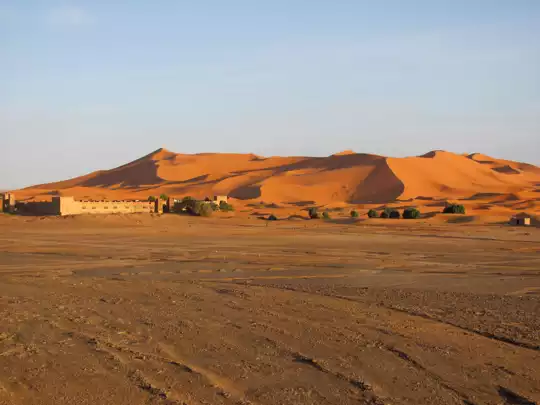
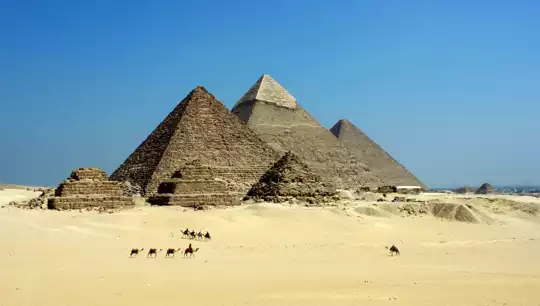
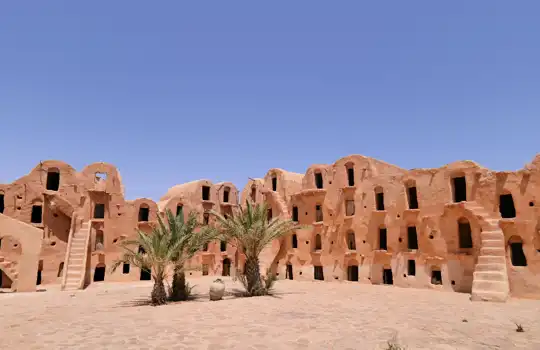
Starting with North Africa, countries like Morocco and Egypt are fantastic in November. The temperatures are mild, making it perfect for exploring historical sites without the sweltering heat of summer. This is also a great time to check out the Sahara Desert, as days are warm but nights cool down nicely. Tunisia and Algeria offer similar advantages, allowing for a comfortable journey through their rich cultural landscapes.

Moving to West Africa, November marks the end of the rainy season in many countries like Ghana, Senegal, and The Gambia. These places become vibrant and lush, ideal for experiencing local festivals and markets. However, be mindful that some areas may still have scattered showers, so packing a light rain jacket is a good idea. Countries like Burkina Faso and Ivory Coast can also offer some good experiences, but it can be a bit hotter and more humid, so plan your activities accordingly.

In East Africa, Kenya and Ethiopia are solid choices in November. The weather is generally dry, making it suitable for wildlife spotting and hiking. The landscapes are typically lush from the recent rains, especially around the Rift Valley and in national parks. However, do check specific regions as some can still experience unexpected rain.

For those considering Southern Africa, South Africa and Lesotho are ideal in November. The spring season is in full swing, with beautiful blooms and comfortable temperatures for outdoor adventures. Mauritius and Réunion also offer stunning beaches and lush landscapes, perfect for relaxation after some trekking.

On the flip side, if you're looking at Central Africa, countries like Chad and Cameroon may not be the best choice, as they can experience heavy rainfall and challenging travel conditions. While they have their unique attractions, the weather can be a significant factor to consider.

In summary, November can be a great month to explore many parts of Africa, but sticking to the right regions will enhance your experience. Enjoy the diverse cultures, landscapes, and climates that this vast continent has to offer!

⚠️ At 'Which continent' below, select Africa and use the filters on the right to find your perfect match for November.
November is a great time to explore Asia, as the weather varies significantly across the continent, offering different experiences depending on where you venture. Generally, this month marks the transition between seasons in many regions, making it a sweet spot for backpackers looking to avoid the peak tourist crowds while enjoying pleasant weather.

In South Asia, the climate is generally mild in November, making it a popular time to visit. Countries like Nepal and Bhutan offer stunning Himalayan views, while India’s northern states are perfect for cultural exploration without the sweltering heat. However, be mindful that southern India might still be dealing with monsoon effects, so check local forecasts if you’re heading that way.

Moving over to Southeast Asia, November is prime time for backpackers. The rainy season is winding down, especially in countries like Thailand, Cambodia, and Laos, which means you can enjoy lush landscapes and fewer tourists. The beaches are starting to dry out nicely, making this a fantastic time for some island hopping. Just remember, it can still be a bit humid, so stay hydrated!

In the Middle East, November offers mild temperatures, ideal for exploring cities like Jerusalem or Beirut. This is a great time to enjoy outdoor activities and cultural sites without the scorching summer heat. However, keep in mind that some regions may still be politically sensitive or have travel advisories, so it's worth doing your homework beforehand.

Finally, in East Asia, countries like Japan and South Korea begin to show off their stunning autumn foliage in November, providing a picturesque backdrop for exploration. The weather is typically cool and crisp, perfect for hiking and city exploration. However, keep an eye on the northern regions, as temperatures can drop significantly.

Overall, November is a fantastic month for backpacking across Asia, with varying climates that allow for diverse experiences. Just remember to plan your itinerary based on regional weather patterns to make the most of your travels.

⚠️ At 'Which continent' below, select Asia and use the filters on the right to find your perfect match for November.
November in Europe can be a mixed bag when it comes to weather and travel conditions. While many places are cooling down and entering a more wintry vibe, a few regions still offer pleasant experiences for budget travelers. Some areas are great for off-season exploration, while others might not be ideal due to dampness or chill.

Starting with the Southern Europe region, countries like Malta are a solid bet. November temperatures are mild, making it perfect for wandering around ancient sites or enjoying outdoor activities. Plus, with fewer tourists, you can soak up the local culture without the crowds. The Mediterranean vibe remains inviting, and prices for accommodation and food often drop compared to peak summer months.

On the other hand, Western Europe, including Luxembourg, can be quite chilly and damp in November. While the cities are charming and there are plenty of cozy cafés to duck into, be prepared for gray skies and the possibility of rain. If you’re okay with bundling up and enjoying indoor attractions like museums and galleries, this region still has its perks. Just keep an eye on local events, as many cities host festivals and holiday markets that can be a lot of fun.

Lastly, the Central Europe region, which includes places like Vatican City State, can be hit or miss. While daytime temperatures are cooler, the cultural richness and historical significance draw visitors year-round. You might encounter some rainy days, but exploring iconic sites with fewer people can be a rewarding experience. Plus, the festive spirit starts to kick in as Christmas approaches, adding a unique charm to the experience.

In summary, for backpackers in November, look to Southern Europe for milder weather and fewer tourists, while Western Europe and Central Europe offer a blend of culture and cozy atmospheres, albeit with a chill in the air. Just be prepared for any weather surprises and make the most of your off-peak adventure!

⚠️ At 'Which continent' below, select Europe and use the filters on the right to find your perfect match for November.
November in North America brings a mix of climates and travel experiences, making it a unique time to explore the continent. As the leaves turn and the weather cools in some areas, others are still basking in warm temperatures, offering budget travelers various options depending on their preferences.

The Caribbean is a prime destination in November, particularly for those looking to escape the chill of fall. Countries like Barbados and Cuba boast pleasant temperatures and fewer tourists compared to the peak winter months. You can find affordable accommodations and enjoy beautiful beaches, vibrant local culture, and delicious cuisine. Plus, this time of year typically avoids the hurricane season, making it a safer bet for travel.

Moving to Central America, places like Costa Rica, Belize, and Nicaragua begin to warm up as the rainy season tapers off, allowing for stunning landscapes and outdoor adventures. November is a great time for budget backpackers to explore rainforests, volcanoes, and local markets without the heavy crowds found in December and January. While some areas may still experience sporadic rain, the overall conditions are generally favorable for hiking and exploring.

In contrast, the United States offers a varied experience in November. While some regions like the southern states (think Florida and Texas) remain warm and inviting, northern areas can be quite chilly, with the potential for early snow in places like New England. If you’re into autumn foliage, the U.S. still has some beautiful sights, but be prepared for colder weather and possibly higher prices in tourist hotspots as the holiday season approaches.

Lastly, the Mexican region can be a mixed bag in November. The Yucatan Peninsula, including places like Cancun and Tulum, is usually warm and dry, perfect for beach lovers. However, in the central and northern parts of Mexico, temperatures can drop significantly, making outdoor activities less appealing. Overall, this month is a good time to visit the coast while other inland destinations might not be as enjoyable.

In summary, November offers a range of travel experiences across North America, with the Caribbean and Central America standing out as the most favorable regions for backpackers looking to enjoy warm weather and rich cultural experiences. Just be sure to pack accordingly based on where you plan to go!

⚠️ At 'Which continent' below, select North America and use the filters on the right to find your perfect match for November.
November is a fantastic time to explore South America, as the continent showcases a range of climates and experiences. As spring transitions into summer in the Southern Hemisphere, you'll find warmer temperatures and longer days, making it an appealing time for backpackers. However, conditions can vary significantly across regions, so it’s essential to know where to head and where to avoid.

The Southern Cone, which includes Argentina and Uruguay, is particularly inviting in November. This is when cities like Buenos Aires buzz with life, and the weather is warm but not oppressively hot. Outdoor activities, cultural festivals, and vibrant nightlife make this region a prime choice for travelers. Plus, the wine harvest season in Mendoza is in full swing, offering a great opportunity for vineyard tours and tastings.

Moving north, the Guiana Shield region, encompassing French Guiana and Suriname, offers a different experience. November marks the start of the rainy season in French Guiana, but it’s still manageable for those keen on exploring its lush rainforests and unique wildlife. Suriname, on the other hand, is in a transitional phase, where you might encounter some rain, but this doesn’t detract from the vibrant culture and rich history you can explore in places like Paramaribo.

In contrast, the Andean region can be less ideal in November. While some areas may be accessible, higher altitudes might still be dealing with unpredictable weather and lingering cold from the previous winter months. If you’re considering trekking or high-altitude adventures, it’s best to check specific local conditions before planning your trip.

Overall, November can be a great month to travel through South America, especially if you focus on the warmer, more inviting regions like the Southern Cone and parts of the Guiana Shield. Just keep an eye on the weather patterns to ensure a smooth backpacking experience!

⚠️ At 'Which continent' below, select South America and use the filters on the right to find your perfect match for November.
November in Oceania brings a mix of climates and conditions, with some regions basking in warm, inviting weather while others may not be as traveler-friendly due to seasonal shifts. It's a great time to explore if you know where to go, so here's a breakdown of the best regions for backpackers this month.

Starting with Australia, the weather is generally warm and dry, especially in the northern parts like Queensland. It’s an excellent time for beach hopping or exploring the Great Barrier Reef before the summer rush. However, keep in mind that southern cities like Melbourne can start to get a bit unpredictable, with occasional rain and cooler temperatures.

Moving on to New Zealand, November is springtime, which means blooming landscapes and generally pleasant weather. It's one of the best months for hiking and outdoor activities before the summer crowds arrive. Just be prepared for some variability in weather; layering is key as temperatures can shift throughout the day.

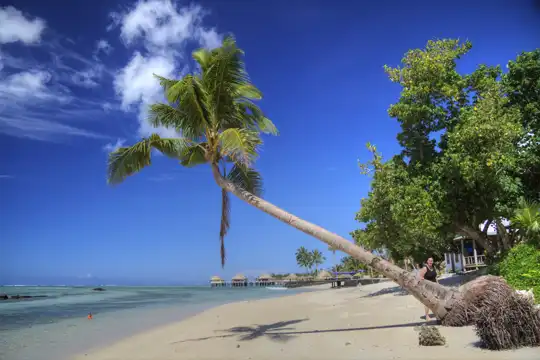
In the Cook Islands, November is a sweet spot for travelers. The humidity begins to rise, but the rain is usually light, making it a good time for beach lounging and snorkeling. It’s less crowded than the peak season, so you can enjoy the serenity of the islands more.

On the other hand, Palau experiences its wet season in November, with increased humidity and rainfall. While diving and snorkeling are still possible, the rain can put a damper on outdoor plans, so it might not be the best choice for budget travelers looking for sunny skies.

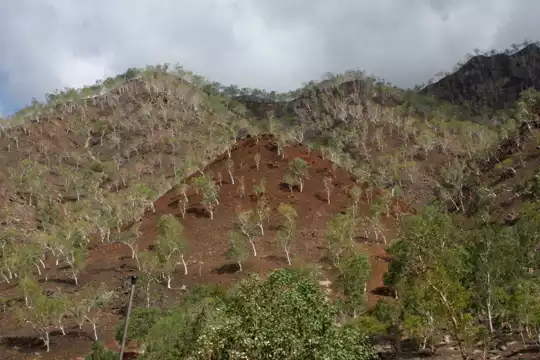
Lastly, Timor-Leste can be a mixed bag in November. The dry season is winding down, meaning the weather is still manageable, but you may encounter sporadic showers. If you're up for some adventure and cultural experiences, it can be worthwhile, but be ready for some unpredictability.

Overall, if you're looking for the best experiences in Oceania this November, focus on Australia, New Zealand, and the Cook Islands for pleasant weather and plenty of activities.

⚠️ At 'Which continent' below, select Oceania and use the filters on the right to find your perfect match for November.
Check December
Loading the map 🌍
Preferences
WHEN DO YOU GO?


WHAT DO YOU LIKE?


How does it work?

show best time to go
Mexico
1

Mexico

Move endlessly between cultures, climates, and unforgettable food.


Move between deserts, mountains, jungles, and cities, experiencing culture, cuisine, and landscapes for adventurous, immersive travelers.
The cleanest backpacking window is mid-November to mid-December. Rains back off, hurricane roulette mostly ends on both coasts, and the highlands settle into cool nights and clear, dry days that make 10-km city walks easy. Seas calm down, cenotes clear, and sargassum retreats on the Caribbean side. Kids are in school, snowbirds aren’t fully landed, and prices sit in that agreeable lull between “empty dorm” cheap and “holiday hostage” gouge. The only booby traps: Day of the Dead at the very start (Oaxaca, Pátzcuaro, CDMX spike hard) and a brief Thanksgiving bump on the beaches. If you miss it, late April to early June is Plan B—hotter at sea level, still excellent at altitude, with post‑Easter prices and fewer elbows.
  • Peak Heat & Holiday Crush: December through early January and Semana Santa are the full-contact version of Mexico: sold-out buses, triple-priced beach dorms, and sunrise queues at Chichén Itzá. The grind pays off with Baja whales breaching like dump trucks, Pacific points running clean, and alpine mornings in Oaxaca that taste like woodsmoke and cinnamon. You pay in pesos and patience; you cash out in pure, big-moment payoff.
  • Shoulder Shift: Mid-November to mid-December, then late April into early June, the whole country exhales. Tarps come off fruit stalls, hostel chalkboards sprout tours again, and colectivos start leaving half-full. Trails dry, city parks fill with chess players, and the Caribbean turns glassy. Deals appear without haggling; you move faster because everything else does.
  • Rain & Quiet (Off-Peak): Late August and September mute the soundtrack. Tin roofs drum, jungle paths steam, and you get Monte Albán almost to yourself, mist curling over stones. Afternoon tempests can flatten a plan in minutes. Survival hack: line your pack with a trash‑compactor bag—storms will soak everything else.
  • August Anomaly: Expect it quiet; get surprised. Despite rain, the highlands pop with domestic school holidays—busier dorms in CDMX, Puebla, and San Cristóbal, weekend rates jumping while beach towns still yawn. Inland museums hum; coast bars nap.
Tactical tip: For the shoulder, I pre-book only the first and last nights plus any holiday week, then walk into inland stays by noon with one non-negotiable item—a compact rain shell that doubles as a windbreaker on overnight buses.
Best known for:Known for: scenery | backpackers | architecture
Best time to visit: February - June, August, October - November
Daily cost: US$35 to 55
Morocco
2

Morocco

Move from souks to deserts within days.


Move from souks to deserts, mountains, and coastlines, experiencing culture, landscapes, and local life for adventurous, culturally curious travelers.
The sweet spot for Morocco backpacking is late April to early June and late September to early November. Spring and autumn split the difference: coastal breezes actually cool, not punish; the Sahara shifts from oven to walkable; High Atlas passes open without turning you into a crampon mule. Light is clean, not bleached. Guides have time for you, not just volume. Buses run full enough to be frequent, but not so packed you’re standing. Rooms in medinas don’t demand holiday rates, yet hammams still fire hot. Wildflowers pop in spring; olive presses work in autumn. You get mountain mornings that need a fleece and desert nights that don’t require bravery.
  • Peak Heat & Holidays: July–August and festive weeks make prices spike and alleys throb. You sweat through bargaining, then earn the payoff: Jemaa el‑Fna roaring at midnight and Atlantic sunsets that feel like applause.
  • Spring/Autumn Shoulder: Awnings lift, shopkeepers unstack rugs, and crowds thin just enough. Trains hit their stride, guides deal, trails dry, and the country moves with you instead of against you.
  • Winter Low: Medinas hush, air turns bone‑cold indoors, mountains wear real snow. Wear a beanie to bed, book south‑facing rooms, ride midday buses, and use hammams as your heater.
  • Summer Furnace: Interiors bake, streets nap at noon, desert shimmers. Start before dawn, siesta hard, cover skin, add electrolytes, and aim for night buses and rooftop breakfasts.
Pack one light down layer year‑round and book mountain refuges or desert camps a couple weeks ahead of the shoulder window; everything else, buy as you move.
Best known for:Known for: backpackers | food | mountains
Best time to visit: March - June, September - November
Daily cost: US$30 to 45 [visitmorocco.com]
Ecuador
3

Ecuador

Shift ecosystems quickly between coast, Andes, and jungle.


Shift rapidly from coast to Andes to jungle, experiencing diverse ecosystems, culture, and adventure for travelers seeking intense, varied journeys.
Sweet spot: May and late October–November. Andes rains ease and trails set while nights stay manageable; volcano days stop feeling like roulette. On the coast, May keeps warm, clear water as storms taper; late Oct–Nov delivers green hills without summer crowds. The Amazon stays high for easy boats with less bite. After Easter and again after September, buses breathe, hostels bargain, and you move fast without peak premiums.
  • The Crowd/Heat Peak: Jun–Aug and late Dec–early Jan. Prices jump, dorms cram, refugios sell out. You sweat on packed buses and queue for permits. Payoff: a windless Cotopaxi sunrise or humpbacks off Puerto López that hush the beach.
  • The Transition/Shoulder: Apr–May. Rains back off, clouds tear by midday, shopkeepers repaint signs, drivers stop again. You stitch coast heat to clearing ridges in one push; gear dries; bargaining returns; kilometers stack cheaply.
  • The Off-Peak/Extreme: Jan–Mar (coast/Amazon) and Mar–Apr (highlands). Towns hush under heavy storms; trails turn inward. Waterfalls roar and you sleep alone. Survival hack: start pre-dawn and line your pack—thread the gaps between downpours.
  • The Second Shoulder: Oct–Nov. The country exhales: firm trails, green slopes, fair sun, friendly rates. Crowd anomaly: early November spikes for Día de los Difuntos and Cuenca fiestas—rooms vanish—then it drops to easy mode again.
Tactical tip: For June–August and holiday weeks, I lock volcano huts and popular hostels 7–10 days out; otherwise I walk in and let the forecast choose my next bus.
Best known for:Known for: wildlife | backpackers | scenery
Best time to visit: April - November
Daily cost: US$30 to 45 [ecuador.travel]
Chile
4

Chile

Move north to south as climates completely transform around you.


Move from deserts to glaciers, islands, and mountains, experiencing dramatic landscapes and local life for adventurous, outdoor-focused travelers.
Late October to November and again March into April is the sweet spot for Chile if you want range without the tax. Patagonia’s trails are open, winds back off a notch, and daylight is generous without the peak-season stampede. The Atacama sits out its brief summer storm pulse (Jan–Feb) and isn’t yet in the deep-freeze nights of winter; you still get crisp skies without the afternoon thunderheads. Central Chile runs mild—Santiago to the Lakes—so buses aren’t snow-delayed, hostels drop from summer rates, and vineyards hum with harvest rather than tour-bus chaos. Ferries and mountain passes operate on near-summer schedules, but beds and bus seats are bookable same-week outside holiday spikes. Skip Easter week if it lands in March/April and you keep the edge.
  • Peak Summer (Dec–Feb): The grind is real: pricier beds, sold-out buses, lines for Torres del Paine permits. But the high is higher—long daylight, steady weather windows, and trail energy that pulls you along even when your shoulders ache. Lakes District wildflowers explode, ferries run often, and penguin colonies are fully active. If you’re chasing the marquee shots, this is the window you pay for.
  • Shoulder Shift (Oct–Nov, Mar–Apr): The country exhales. Parks unlock gates, road crews clear passes, winds ease, and prices slide. You move faster because everything moves with you—gear shops reopen, guides answer phones, and hikers thin to a friendly trickle. Narrow-window win: the full O Circuit in Torres del Paine is open in this band; outside it, key sections close and your loop becomes a dead end. March also brings vendimia—cheap picnic lunches and harvest crushes as you pass through wine towns.
  • Winter Quiet (Jun–Aug): The interior shifts inward. Valleys echo, Patagonia shutters, and you get the Andes almost to yourself above Santiago. Snow is your tax and your prize. Survival hack: pair a closed-cell foam pad under your inflatable and keep a dry compression bag for base layers; you’ll sleep warm even in unheated refugios. Ski buses are reliable; southbound ferries and remote hostels aren’t.
I book Patagonia campsites 8–12 weeks out for shoulder, 4–6 months for peak; when I can’t, I carry a light tent and bag liner so I can pivot without begging a bunk.
Best known for:Known for: mountains | scenery | wildlife
Best time to visit: September - May
Daily cost: US$45 to 90 [chile.travel]
Tanzania
5

Tanzania

Move savannah to spice islands effortlessly.


Move from savannahs to spice islands, exploring wildlife, beaches, and culture for adventurous, nature-loving travelers.
The sweet spot lands in early June and again in November. In June, the long rains are done, roads firm up, skies clear, and operators shift from maintenance to movement—prices are still shoulder, camps have space, and you get migration action in the Serengeti’s Western Corridor without a scrum of vehicles at every bend. November rides the short rains: fast-moving showers tamp the dust, cool the afternoons, and kick prices down while transport keeps rolling; wildlife stays active on fresh grass, Kilimanjaro softens under stable skies, and Zanzibar breathes between holiday spikes. You trade a few wet hours and the odd slick track for cheaper beds, faster decisions, and room to breathe at viewpoints.
  • Peak Dry (Jul–Sep + holiday spike): You grind—higher lodge rates, packed safari vehicles at river crossings, queues on Ngorongoro’s descent road, and booked-out Kilimanjaro routes. You earn the high: cats stacked at shrinking waterholes, the thrum of hooves at the Mara and Grumeti, razor-sharp horizons that make camp coffee taste like a victory. Ignore the sea at your peril—southeast monsoon winds rough up the Dar–Zanzibar crossing; ferries delay and stomachs turn.
  • Transition/Shoulder (early Jun; Nov): The country shifts. Graders smooth ruts, camps reopen, buses hit schedules, market stalls refill, and prices loosen their grip. You cover ground—Serengeti herds slide west in June; in November the bush greens, heat backs off, and guides linger longer at sightings because there’s space to linger. Your shillings travel farther, your days run cleaner.
  • Long Rains Off-Peak (Mar–May): Tanzania goes inward. Storm light, empty trails in the Usambaras, hippos grunting through mist. Black-cotton soil turns to glue, minor bridges wash out, and some camps shutter without warning. Survival hack: line your pack with a contractor bag, stick to tarmac when moving between hubs, and buy time—start early, build buffers, and let storms pass before pushing on.
Book the shoulder (June or November) 6–8 weeks out to snag fair rates and choice routes; peak season needs a longer fuse, so lock your core moves at least three months ahead.
Best known for:Known for: wildlife | scenery | mountains
Best time to visit: June - February
Daily cost: US$45 to 55
Argentina
6

Argentina

Ride long distances from Andean villages to raw Patagonian emptiness.


Ride long distances from Andean villages to Patagonian plains, experiencing music, food, and diverse landscapes ideal for adventurous, landscape-loving travelers.
March–April and October–November are the sweet spots for backpacking Argentina. Here’s why: Patagonia’s trails are open without the January chaos, with March bringing steadier winds and copper lenga forests; Buenos Aires sits in that walk-all-day temperature band; Mendoza hums with harvest in March and spring bloom in October; the Northwest dries out after summer storms by April and stays crisp through November; Iguazú keeps big water without the sauna-grade humidity of midsummer. Domestic vacation spikes hit January and July, so beds, buses, and flights loosen in these shoulder months and prices ease to “walk-in possible” instead of “pay whatever’s left.” You still get long-enough daylight, but you trade sunstroke, sold-out refugios, and surge pricing for calmer roads, better sleep, and the space to actually hear a condor’s wingbeat.
  • High Summer Peak (Dec–Feb): The grind is real: sold-out buses, sunburned queueing at ATM kiosks, dorm beds priced like private rooms, and headwinds that slap you sideways in southern Patagonia. But the high is also real: full access to alpine trails, Perito Moreno thundering, ferry schedules thick, long evenings on lakeside piers, and the sheer buzz of a country on holiday. You pay in pesos and patience; you get a front-row seat to the big stuff.
  • Autumn Shoulder (Mar–Apr): The country downshifts. Kids go back to school, winds ease, prices soften, and you move faster. Buses have spare seats, refugios answer emails, park rangers actually chat. Lenga forests flame out, vendimia fills plazas with barrels and music, mosquitoes fade at Iguazú while the spray still drenches you. You cover more ground with less friction and catch Patagonia’s best light without needing a spreadsheet to plan water breaks.
  • Winter Off-Peak (Jun–Aug): Argentina turns inward. Empty campsites, shuttered high passes, short days, and a quiet that rattles your ribs. In the south, snow claims the backcountry; you pivot to day hikes, woodstoves, or skis. In the north, skies go diamond-clear over salt flats and cactus valleys. Survival hack: treat night buses like alpine starts—carry a real puffer, warm socks, and a scarf for the A/C blast, and time arrivals after sunrise so you’re not freezing outside closed terminals.
  • Spring Shoulder (Oct–Nov): Everything wakes up. Trail crews cut lingering snow, lodges reopen, lambs bounce across Patagonian estancias, jacarandas paint Buenos Aires, and desert nights stop biting. Winds can still kick and some high routes stay icy, but you snag that just-right mix of open infrastructure, cheaper beds, and room to breathe on classic viewpoints.
Tip: For Patagonia in summer, lock in key buses and any refugio space 2–3 weeks out; otherwise travel midweek and carry one versatile layer kit (light shell + midweight fleece + compact down) to ride every shoulder month without repacking your life.
Best known for:Known for: scenery | mountains | safety
Best time to visit: March - May, September - December
Daily cost: US$35 to 55 [argentina.gob.ar]
Egypt
7

Egypt

Move along the Nile where history anchors every journey.


Move along the Nile, desert landscapes, and ancient cities, experiencing history, culture, and dramatic scenery for curious, historically minded travelers.
The sweet spot for Egypt backpacking is mid‑October to early December. The summer furnace has dumped its heat, so Luxor and Aswan become “warm and workable” instead of “melt-your-shoes.” The Red Sea is still swimmable without a wetsuit, Cairo’s evenings are walkable, and desert nights stop biting. Tour buses haven’t hit their holiday surge, so lines at Giza and Karnak move, and Nile cruise markups soften compared to the December–January spike. You also dodge spring’s khamsin winds that can sandblast March plans. Flights and rooms sit in that quiet trough after summer but before year‑end tours, which means you keep cash for dives, trains, and one proper splurge in the south.
  • Peak (Cool‑Winter Crowds): December–February is easy on your body and hard on your wallet. Giza packs up by mid‑morning, cruises stack two or three deep in Luxor, and room rates jump. The trade: you can walk the West Bank at noon without wilting and watch Abu Simbel light up in crisp air. Pay in patience or pay in cash; you pay either way.
  • Shoulder (Autumn Lift): October–early December is Egypt shifting gears—reef boats run without feeling like school buses, shopkeepers roll open without the hard sell, and trains still have seats. You move fast at sunrise, linger at tea, and catch sites with space to breathe. Late February into April can feel similar, but a dust day can flip the script.
  • Off‑Peak (Summer Furnace): May–September turns the country inward. Stone radiates, tomb corridors go quiet, and the Nile glows at dusk like a slow exhale. Survival hack: run a split‑shift day—temples at first call to prayer, blackout from late morning to late afternoon, then come alive again at sunset with frozen bottles and salt tabs.
  • Wildcards (Ramadan & Khamsin): Ramadan reshapes timing more than access: daytime food thins in conservative towns, site hours tighten, prices can dip, nights bloom. March–May khamsin winds can cancel desert runs, mute views, and coat everything—carry a buff and don’t stake your only sunrise on those weeks.
Tactical tip: For the autumn shoulder, lock Cairo and Luxor beds two weeks out and secure your Aswan–Luxor seat a week ahead; leave everything else flexible.
Best known for:Known for: architecture | beach life | scenery
Best time to visit: April, October - February
Daily cost: US$25 to 40 [egymonuments.gov.eg]
Costa Rica
8

Costa Rica

Move from cloud forests to surf towns with ease.


Move from cloud forests to surf towns, explore volcanoes, beaches, and wildlife for travelers seeking adventurous, nature-focused tropical journeys.
The backpacker’s sweet spot lands twice: early May to mid-June, and late November to mid-December. In May the first rains tamp the dust, rivers wake, forests breathe, and you buy beds and bus seats without surrendering your budget; mornings open bright, afternoons crackle with thunder, and the air smells like wet leaf litter and roadside coffee. By late November the Pacific light sharpens, trails firm up, and the holiday crush hasn’t hit; you move with space, catch dry-season clarity without dry-season prices, and the evening breeze carries salt and jacaranda instead of exhaust and sunscreen.
  • Dry-Season Peak: December through Easter is a grind—prices jump, buses sell out, sun bites by 9 a.m. The payoff is real: crisp volcano horizons, bone-dry trails, and Pacific dawns that feel carved from glass. Risk people ignore: Manuel Antonio and other caps sell out; without advance tickets you’re stuck at the gate.
  • Green-Shift Shoulder: May–June rolls in; dust settles, waterfalls thunder, and rates ease while shops switch back to local pace. Hike early, nap through the lightning, surf the evening glass-off. Watch for landslides that reroute buses with zero warning.
  • Rain-Soaked Lull: September–October turns the Pacific hushed, hostels echo, and the jungle breathes in long, wet sentences. Base on the Caribbean where it’s drier, move at dawn, line your pack with a contractor bag; roads can vanish overnight.
  • Early-Dry Shoulder: Late November–mid December clears the skies and thins the lines; trails firm, wildlife shows. Papagayo winds can cancel dives and bathe boat rides in spray—plan buffer days on the north Pacific.
Personal tip: Pack a simple contractor-bag liner for your backpack—zero weight, total insurance when trails turn into creeks.
Best known for:Known for: scenery | wildlife | backpackers
Best time to visit: November - August
Daily cost: US$40 to 65 [visitcostarica.com]
Taiwan
9

Taiwan

Ride trains linking mountains, coasts, and night markets.


Ride trains, mountains, and coasts, experiencing urban culture, forests, and cuisine for travelers seeking compact, scenic, and immersive journeys.
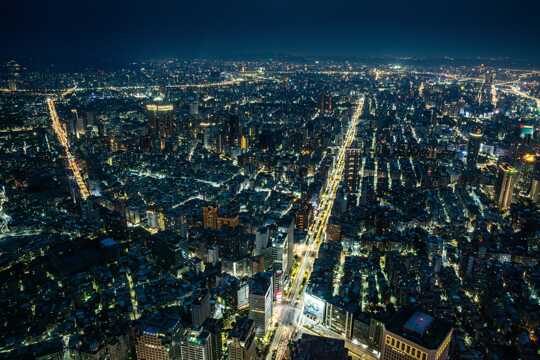
The sweet spot is mid‑October through late November. Typhoons have mostly spent their fury, the muggy lid lifts, and trails firm up. Mountain permits become easier to snag because weekend warriors retreat to classrooms and offices. Hostels slide back to weekday rates, trains and buses open up, and ferries to Green/Orchid Islands are still workable before winter swells. It lands between the humid “plum rains” of May–June and the chill, damp northeast monsoon that leans on the north in winter. You get clear central ranges, warm south-coast water, and a country running at full function without summer chaos or major holiday price spikes.
  • Heat Peak (Jul–Aug): Prices rise, trains sell out, and noon heat punches like a hair dryer. Typhoon roulette adds stress. The payoff: river‑tracing canyons run perfect, mango ice keeps you upright, and warm Pacific nights on the east coast feel electric after dark.
  • Autumn Shoulder (Oct–Nov): The island exhales. Humidity drains, shopkeepers switch to off‑season rates, park offices process permits without lines, and buses actually match the timetable. You move altitude by day and night market by night without queueing for either.
  • Winter Off‑Peak (Jan–Feb): North turns steel‑gray and quiet; hot springs steam, beaches empty, and the south delivers blue windows. Survival hack: chase the leeward south and central valleys, carry a thin down plus a compact shell, and use the HSR spine to outrun squalls.
Tactical tip: Lock mountain huts and permits the day their booking window opens, then keep city beds flexible so you can pivot around rain or road closures.
Best known for:Known for: mountains | safety | backpackers
Best time to visit: July - April
Daily cost: US$32 to 52 [eng.taiwan.net.tw]
Guatemala
10

Guatemala

Move between lakes, volcanoes, and vibrant Maya towns.


Move between volcanoes, lakes, and Maya towns, experiencing culture, history, and landscapes for adventurous, culturally curious travelers.
The sweet spot for Guatemala backpacking is mid-November to mid-December, then again from late February to mid-March. The rains have rinsed the air and hardened the trails, but the holiday and Semana Santa surges haven’t spiked rates or filled dorms yet. Skies run crisp in the highlands, mornings cold enough to want a beanie but not a sleeping-bag-rated-for-space, and afternoons stay mostly dry so you can make the boat back across Atitlán without whitecaps slapping your shins. Shuttle prices sit closer to shoulder-season, volcano outfitters still have slots, and the haze that creeps in by late dry season hasn’t dulled the ridge lines.
  • Dry-Season Peak (late Dec–Semana Santa): You pay in lines and higher bed rates, and you earn the high: sunrise on Acatenango with Fuego cracking in the dark, legs buzzing, your first Gallo icy and deserved. Antigua heaves, but Semana Santa carpets and processions only happen now—if you want that, you accept the crush.
  • Post-Holiday Shoulder (late Jan–mid Mar): Crowds thin, prices exhale, guides answer radios again. Boats start on time, dust lifts off the cobbles, coffee mills hum. You move, the country moves with you—momentum feels easy.
  • Deep Rain Off-Peak (Sept–Oct): Trails go quiet, cloud-forest smells like wet leaves and limestone. Start hikes at first light, plan to be under a tin roof by two, and keep gear in dry bags inside your pack—rain finds every seam.
  • First Rains/Green Shoulder (May–June): Hills pop neon, afternoon thunderheads build like clockwork. Mornings are gold for long lake crossings and market runs; by midday, post up with soup and let the storm spend itself.
Personal tip: For the sweet-spot weeks, lock your Antigua bed and Acatenango overnight 7–10 days out and pack a compact puffy—night wind on the crater will humble cotton.
Best known for:Known for: backpackers | architecture | scenery
Best time to visit: November - June
Daily cost: US$30 to 55
Bangladesh
11

Bangladesh

Travel by river and bus through endlessly unfolding everyday life.


Travel by rivers, ferries, and bustling streets, experiencing densely layered culture, nature, and local life for travelers seeking immersive, off-the-beaten-path adventures.
Late November to mid-December and late February to mid-March are the sweet spots. The monsoon’s rinsed the air and fields; roads have firmed; rivers still carry enough water to move by launch without grounding. Temperatures sit in the “walk all day” zone, not the face-melting pre-monsoon heat. Early winter fog hasn’t fully choked ferry schedules yet, and the big domestic-holiday surge hasn’t sent Cox’s Bazar prices into silly territory. In the late-winter window, the fog lifts, tea gardens smell alive, and Sundarbans trails stay dry with fewer mosquitoes than shoulder-humid April. Guesthouses quote friendlier rates than December–January, train berths open up, and you get that clear, angled light on the rivers—the kind that makes even a concrete ferry ghat look cinematic after a long bus.
  • Cool-Dry Peak (Dec–Jan): You pay more and wait longer—queues at Sadarghat, marked-up beach rooms, sold-out trains—but you earn crisp nights in Srimangal, firm forest paths, bird-thick haors, and Cox’s Bazar sunsets with chili smoke and sea salt in the air.
  • Post-Monsoon Shoulder (late Oct–Nov): The country exhales. Rains back off, shop shutters rattle open, buses stop detouring around mud. Boats cut clean channels, prices are softer, and you move faster—Dhaka to Barishal, tea to mangrove—on roads that finally behave.
  • Monsoon Deep (Jun–Sep): Quiet descends between downpours. Paddies glow radioactive green, thunder walks the horizon, and you get whole trails to yourself. Survival hack: swap boots for rubber sandals and carry a small dry bag; travel by boat at dawn when winds are mild.
  • Late-Winter Shoulder (late Feb–Mar): Crowds thin, skies steady, and room rates slide after the holiday crest. You cover miles—old Dhaka alleys to delta chars—without sweating through your pack, and Sundarbans permits are easier to snag without the winter scrum.
Tactic: For Dec–Jan, lock train berths and any Sundarbans tour a couple of weeks ahead; otherwise pack a compact mosquito net and a dry bag year-round and stay flexible.
Best known for:Known for: people | low cost | uniqueness
Best time to visit: October - March
Daily cost: US$18 to 25
Timor-Leste
12

Timor-Leste

Travel rugged roads revealing unpolished natural beauty.


Travel rugged roads, beaches, and villages, experiencing remote landscapes, culture, and ocean life for adventurous, offbeat travelers.
Late May–June and late September–early November are the sweet spot. The rains back off and the roads stop dissolving, so the microlets grind through the hills instead of stalling in red clay. Seas calm in the mornings, dive visibility steadies, and ferries to Atauro actually leave when they say. Prices sit below the July–August Aussie-holiday bump, yet the country’s awake: markets piled with mangoes, mountain air clean enough to taste. You sweat in the capital, then earn the first cold beer on the seawall as the light turns copper.
  • Dry Peak (Jul–Aug): Heat shimmers off Dili’s asphalt, guesthouses and Atauro boats fill, and rates climb. The payoff: Ramelau’s windless sunrise and glassy blue walls where you hang at 20 meters like a speck in space.
  • Shoulder/Transition (May–Jun; Sep–Nov): Winds ease, boats relaunch, dust settles after first showers, coffee villages hum. Bonus: blue whale passes off Atauro spike Oct–Nov—blink-and-you-miss-it magic.
  • Monsoon Lull (Dec–Mar): The interior goes quiet and lush; thunder stacks over emerald ridges, roads slump. Survival hack: line your pack with a heavy trash bag and move at dawn before the daily downpour.
Tactical tip: For Oct–Nov whales, lock Atauro beds and a boat a couple of weeks out; everything else you can book on the ground with a flexible route.
Best known for:Known for: uniqueness | low cost | scenery
Best time to visit: April - November
Daily cost: US$40 to 55 [timorleste.tl]
Laos
13

Laos

Drift river routes where time stretches peacefully.


Drift along rivers, villages, and forests, experiencing local life, culture, and landscapes for travelers seeking serene, immersive journeys.
The sweet spot in Laos is mid‑November to mid‑December. The rain has rinsed the dust from the air and left the rivers fat; Kuang Si and Tad Fane are still thundering instead of trickling. Roads have dried, so buses make time instead of digging out of red clay. Mornings bite a little in the north—hoodie weather on the Mekong—and afternoons stay warm without the furnace slap of March. Guesthouse rates haven’t hit holiday highs, and crowds are present but not elbow-to-rib yet; you can still bargain for a bungalow on Don Khon and actually sleep. Most crucial: the annual burn haze hasn’t started, so hills around Nong Khiaw show their ridges instead of a gray smear.
  • Peak (Cool‑Dry & Heat): December–January brings lines at Kuang Si and pricier tuk‑tuks, but you earn clear, crisp mornings, glassy boat rides, and temple bells in air you can taste. Late February–April flips to blast‑furnace afternoons; reward is night markets and warm river swims. Ignore at your peril: smoke from slash‑and‑burn chokes the north by March.
  • Early‑Dry Shoulder: Late October–November hums as rain retreats. Trails firm up, mechanics reopen, ferries run on time. Dust settles, shops repaint, fields glow. You move, the country moves with you.
  • Monsoon Core: July–September hushes the trails; jungle breathes, waterfalls roar, and guesthouses drop rates. Wear sandals you can hike in, stash a dry bag inside your daypack, and ride morning buses before landslides shut the road.
  • Early Rains: May–June trade steady sun for short, loud storms. Heat breaks, rice paddies flash green, and boats regain depth. Carry salt and rehydrate; the humidity punishes the unprepared.
Tactical tip: For mid‑Nov to mid‑Dec, reserve anchor stays (Luang Prabang or 4000 Islands) about a week ahead and leave the middle nights open to chase weather and river levels.
Best known for:Known for: backpackers | low cost | food
Best time to visit: July - February
Daily cost: US$25 to 35
Puerto Rico
14

Puerto Rico

Circle beaches, rainforests, and old cities effortlessly.


Circle beaches, rainforests, and colonial towns, experiencing tropical culture and landscapes for travelers seeking immersive, accessible island journeys.
Sweet spot: late April through early June, plus mid‑November to early December. After Easter, room and car rates finally exhale, trade winds still scrub the heat, and showers are mostly quick, afternoon bursts—good for hiking mornings, swimming by lunch. It’s before the real hurricane roulette and after winter’s price stampede. Trails aren’t the churned mess you get after late‑summer deluges, and ferries calm down. In November, storms ease off, humidity backs down, and biobays recover clarity before the holiday surge. If spring sargassum shows up, slide west or southwest; those coasts usually take it better.
  • Peak Dry (Dec–Mar): The grind is real—sold‑out trail slots, pricier cars, tight beach parking—but the highs justify it: cool mornings in the central highlands, clear rivers, whales off the west coast, bright biobays on dark‑moon nights, and dependable surf. Move early, book ahead, and you’ll earn clean hiking days.
  • Spring Shoulder (late Apr–Jun): The island shifts. Prices ease, crowds thin, trade winds soften, and shops have time for you. Showers slide through after lunch; you pivot with them—hike dawn to ten, eat through the rain, sunset swim. If weed drifts in, base in Rincón or Guánica and day‑trip east.
  • Hurricane Core (Aug–Oct): Quiet trails, heavy air, dramatic skies. Solitude comes with risk. Survival hack: sleep on the dry south coast, start mountain hikes at first light, and bail when towers build fast—you’ll dodge the daily hammering.
  • Fall Reset (Nov–early Dec): Rivers clear, mud recedes, mosquitoes relent, and rates haven’t spiked yet. Ferries are calmer midweek; El Yunque permits are gettable. It feels like the curtain rising.
Tactical tip: Reserve your car first; it’s the choke point—shoulder months still sell out fast and late bookings jump hard.
Best known for:Known for: safety | scenery | people
Best time to visit: November - June
Daily cost: US$40 to 75
Eritrea
15

Eritrea

Walk elegant streets where time seems preserved.


Walk elegant streets, mountains, and coastal towns, experiencing preserved history and local life for culturally curious travelers.
Late October–November and February–March are the clean hit. Highland rains have quit, roads firm up, and Asmara’s altitude gives you cool, dry walking weather while the Red Sea coast finally drops from blast-furnace to workable afternoons. You sidestep the late-December/early-January and Independence-week price spikes, so flights and rooms run calmer. Permit desks move faster when the diaspora isn’t in town. Winds ease on the Red Sea, which means day boats to the Dahlak actually run, and you’re not diving in a hair dryer. One window that lets you split a day between crisp hills and a swim without punishment.
  • Peak (Holidays & Independence): Late Dec–early Jan and the week of May 24 push prices up and rooms tight. The grind is real. The high: candlelit church processions, streets humming past midnight, and perfect sea temps on the coast.
  • Shoulder (Oct–Nov, Feb–Mar): Rains drain, dust settles, shops extend hours, buses make time, and permits stamp same-day. Heat relents. Dive boats restart; Dahlak liveaboard schedules cluster Nov–Feb when seas calm and visibility pops.
  • Off-Peak/Extreme (Jun–Sep): Coastal towns bake, highlands get soaked. Mood turns inward: empty noons, thunderheads over terraces. Survival hack: ride down to Massawa pre-dawn, swim, then climb back to Asmara before noon; freeze water bottles overnight for the bus.
Tactical tip: Pack for two climates—light fleece for Asmara nights plus a sun hoody for the coast—so you can pivot altitude-to-sea without misery.
Best known for:Known for: architecture | low cost | scenery
Best time to visit: February - April, October - November
Daily cost: US$15 to 30
Guinea
16

Guinea

Travel dusty roads opening into wild, untamed landscapes.


Travel dusty roads, forests, and villages, experiencing vibrant culture and natural landscapes for adventurous, off-the-beaten-path travelers.
Mid‑November to early December is the sweet spot in Guinea. The rains have stepped back, leaving the hills shock green and the waterfalls still loud, but the laterite roads finally bite instead of swallowing your shoes. Bush taxis actually make their schedules, not their excuses. Harmattan hasn’t fully dropped its chalky curtain; sunsets still bleed orange instead of beige. Nights in the Fouta Djallon turn cool enough for a light fleece, and the coast breathes clean salt instead of steam. Prices sit at “local normal,” not holiday surge, and you’ll drink your first cold beer in a roadside maquis with room to spread your map and figure out tomorrow.
  • Dry-Season Peak (Dec–Jan): The grind: holiday traffic, fuller bush taxis, slight room hikes, and Harmattan grit in your teeth. The high: bone-dry trails, easy river crossings, crisp nights above Labé, and that sky full of bright, restless stars.
  • Early-Dry Transition (mid‑Nov–early Dec): Guinea wakes. Mud hardens, market tables spill oranges and kola, mechanics roll up doors, and drivers stop shrugging. Best window for the Fouta Djallon waterfall loop—paths are passable while the cascades still hammer.
  • Monsoon Core (Jun–Sep): The interior goes quiet; tin roofs drum all night, paths turn to red soap, villages feel far. Solitude is real. Survival hack: line your pack with a contractor bag; it’s the difference between wet clothes and a salvageable day.
Tactical tip: For the Nov–Dec window, carry a pack liner even in “dry” weeks—Guinean weather and river spray will find any unprotected gear.
Best known for:Known for: low cost | scenery | safety
Best time to visit: November - March
Daily cost: US$25 to 35
Guyana
17

Guyana

Move riverside into deep untouched rainforest territory.


Move river-side into rainforests, savannahs, and villages, experiencing wildlife and local culture for adventurous, nature-focused travelers.
Late September to early November is the sweet spot. The long dry settles; laterite bakes hard, so minibuses stop digging trenches and start making time. Rivers drop enough to reveal sandbars yet still carry a boat. Kaieteur keeps its muscle from recent rains, throwing spray you can taste. Georgetown stays warm, not oven-hot, and the daily squalls ease. Birding groups have gone; Christmas hasn’t jacked prices. Beds open, Kaieteur flights run, and mosquitoes back off.
  • Peak Dry (Feb–Apr): The grind: heat stacks by noon, rooms price up, vans cram, and lodges sell out. The high: sunrise on the Iwokrama canopy, gold light on macaws, then a cold Banks on the seawall.
  • Shoulder Dry (Sep–Nov): The country shifts. Mud hardens, shutters lift, and river captains risk runs again. Schedules settle, quotes soften, and you move—dusty, quick, with room to haggle.
  • Big Rains (May–Aug): The interior goes quiet. Forest breathes, tracks vanish, ferries stall. Travel by river, not road; add buffer. Survival hack: double-bag your kit, powder your feet, launch at first light to beat squalls.
Book interior beds and the Kaieteur flight a couple weeks out in the shoulder—early enough for seats, late enough for softer rates.
Best known for:Known for: wildlife | low cost
Best time to visit: September - April
Daily cost: US$25 to 60
Nicaragua
18

Nicaragua

Move relaxed between volcanoes and colonial streets.


Move between volcanoes, colonial towns, and beaches, experiencing tropical landscapes, culture, and adventure for travelers seeking varied, immersive journeys.
The sweet spot lands from mid‑November to mid‑December, with a quieter encore in early June. Rains have rinsed the dust off León’s streets; the hills on Ometepe glow electric green; the Pacific still wakes to clean offshore mornings. Trails firm, buses keep their rhythm, and dorm rates soften before the holiday spike—owners actually haggle, and you can walk in without a plan. Heat is present but humane, skies clear instead of bleaching out, and you get dry‑season logistics with green‑season color. Early June adds empty hostels and glassy dawn surf, with predictable afternoon bursts that wash the sweat off your day.
  • Dry High (Dec–April): Prices climb, sidewalks sizzle, and every shuttle is full; you earn your space. Then the payoff: sunrise offshore sets in Popoyo, Cerro Negro running fast under your board, a bottle‑cold Toña in Granada’s shade that tastes like a small rescue.
  • Shoulder Shift (mid‑Nov–mid‑Dec): The country exhales. Paint dries, puddles shrink, shopkeepers roll up metal doors, guides start calling again. Trails bite instead of smear, volcano rims go clear, and you can actually choose a room by the feel of the courtyard.
  • Deep Rain (Sept–Oct): Tin‑roof thunder, jungle loud, towns hushed. You get space—empty hammocks, cloud‑wrapped craters, beaches to yourself. Survival hack: move at dawn, pack a dry bag, wear rubber sandals, and stick to paved trunks when rivers rise after lunch.
  • Green Pulse (June–Aug): Mornings bright, afternoons bursting, everything alive. Anomaly: late July’s “mini‑summer” draws surprise crowds to the Pacific surf towns while the interior still steams and drips.
I lock only my first night and any scarce island seats; everything else I book same‑day and keep a small dry bag stuffed in the pack.
Best known for:Known for: low cost | wildlife
Best time to visit: June - August, November - April
Daily cost: US$30 to 45 [visitnicaragua.us]
Hong Kong
19

Hong Kong

Ride ferries between dense urban life and green trails.


Ride ferries, explore markets, and hike green trails, experiencing urban vibrancy, mountains, and coastal views for travelers seeking contrasts and efficiency.
Mid‑November to early December is the sweet spot. Typhoon season has stepped off, humidity drops, trails firm up, mosquitoes back off, and visibility finally delivers skyline-to-island days. Hotels slip between China’s early‑October holiday surge and Christmas markup, so you pay less than peak summer without the spring fog tax. Even cheap hostels feel comfortable without blasting AC; you carry less water and get more miles. Ferries run smoother, rain gear stays buried, and night markets breathe instead of boiling. It’s the city’s natural “open window” — dry, clear, affordable, and sane.
  • Heat Peak (Jun–Sep): The grind: sauna streets, sudden black‑rain warnings, typhoon dice rolls, school‑holiday crowds. The high: storms scrub the air overnight and you wake to razor‑sharp ridge lines, Sai Kung waterfalls roaring, and late‑night noodle steam in neon. Dragon Boat races hit in June — loud, fast, worth one sweaty afternoon.
  • Autumn Shoulder (Oct–early Dec): Air dries, shop doors stay open, hiking clubs reappear, ferries pack decks, and queues thin after Golden Week. You move faster, see farther, and spend less. Momentum carries you from morning peaks to cheap harbor beers without wringing your shirt.
  • Winter Off‑Peak (Jan–Feb): Quiet trails, steel‑grey harbors, bone‑damp evenings. Bring a light windproof shell and a scarf — Hong Kong cold is humid and sneaks under clothes. Birds stack up at Mai Po mid‑winter; patient mornings pay off.
  • Spring Shift (Mar–Apr): Mist slides over The Peak, drizzle slicks stairs, rooms sprout dehumidifiers. Views go soft; forests bloom; crowds warm up. Good for food crawls and moody photos, not panoramas.
Book that mid‑Nov–early Dec window 3–4 weeks out; the best‑located budget beds get scooped by hikers first.
Best known for:Known for: architecture | safety
Best time to visit: October - April
Daily cost: US$45 to 60
Macau
20

Macau

Wander compact streets mixing colonial past and neon nights.


Wander compact streets, historic districts, and coastal paths, experiencing culture, cuisine, and vibrant city life for travelers seeking immersive urban journeys.
Go mid‑October to early December. National Day crowds are gone, typhoons back off, and the air turns dry enough to see from Guia to the Pearl. Weekday rates ease, ferries calm, queues behave. Dodge Grand Prix week; slide in just before or after for crisp Coloane hikes and evenings that don’t force you into casino air‑con.
  • Peak Heat/Crowd: June–September and Golden Weeks bring soup‑air, spiky rates, packed ferries. The payoff: June dragon boat finals at Nam Van—drums in your ribs.
  • Autumn Shoulder: Mid‑Oct to early Dec, the city exhales—breezes cut moisture, prices blink midweek. Hike Coloane at dawn; pavements stay grippy.
  • Winter Off‑Peak: Jan–Feb turns inward—damp chill, low cloud, empty alleys by St. Paul’s. Hack: thin down and scarf; use casino skybridges to move warm, dry.
Tactical tip: Book a cancellable midweek stay two weeks out, then re‑check 48 hours prior; Macau trims rates when group buses don’t show.
Best known for:Known for: architecture
Best time to visit: October - May
Daily cost: US$35 to 55 [industry.macaotourism.gov.mo]
Palau
21

Palau

Move ocean-first between pristine island environments.


Move ocean-first across reefs, islands, and forests, experiencing tropical beauty and local culture for travelers seeking immersive, scenic island adventures.
Palau’s sweet spot lands in late October through November: rains back off, winds tidy up, and operators haven’t flipped to holiday rates. You get dry-season clarity without December’s boat traffic, channels are reachable most days, and day trips don’t sell out until the last minute. It’s not cheap by Southeast Asia standards, but it’s noticeably gentler than Christmas week, and the Rock Islands feel roomy instead of choreographed.
  • Peak Dry: Dec–Mar is pay-to-play. Rates jump, boats pack out, and permits mean lines. But you earn glassy runs to Blue Corner, ripping currents with walls of grey reefs, and sunset rides past lime-green islets when the water turns ink-black and flat.
  • The Shoulder Shift: Oct–Nov (also late May–June) the wind rotates, shops restock, skippers repaint skiffs, and rates soften. Boats glide out half-full; you string big sites together without racing daylight.
  • Monsoon Lull: Jul–Sep brings squalls and chop, and the islands go quiet and reflective. Survival hack: launch early, dive leeward reefs and caves, carry a roll-top dry bag, and let the captain chase gaps between cells. Odd twist—August spikes with regional holidays despite the rain.
Tactical tip: For Oct–Nov, lock flights roughly two months out.
Best known for:Known for: safety | beach life
Best time to visit: October - June
Daily cost: US$60 to 120 [visit-palau.com]
Western Sahara
22

Western Sahara

Cross open sands where borders blur into horizon.


Cross open sands, desert towns, and coastal areas, experiencing remote landscapes and culture for adventurous, offbeat travelers.
The sweet spot is late October to early December. Heat finally loosens inland, nights stay mild, and the Atlantic still has warmth. Winds drop to helpful. Post-summer crowds fade, rates settle, bus seats return. Quirk: Dakhla can spike in November with kite camps.
  • Peak Heat/Crowd: July–August is the grind: sold-out buses, higher fares, a furnace inland. The payoff—warm dusk on the Dakhla lagoon, sardines off the grill, stars that erase the day.
  • Shoulder Transition: October–November (and March) moves. Heat eases, shutters lift, roads unclench; you can link coast and hammada in one shot. Anomaly: November in Dakhla runs busy with kite camps.
  • Off-Peak Extreme (Interior): June–September inland is the quiet interior—vast, solitary, mirage-soft. Survive by moving pre-dawn, sleeping midday, wearing a cheche, dosing salts; drift to the coast when winds howl.
For the shoulder, book Dakhla beds and long buses a week out.
Best known for:Known for: low cost | safety
Best time to visit: October - April
Daily cost: US$25 to 40 [saharawi.org]
Saint Lucia
23

Saint Lucia

Climb rainforest ridges between long beach days.


Climb rainforest ridges, beaches, and volcanic landscapes, experiencing tropical beauty, culture, and adventure for active, nature-loving travelers.
Sweet spot in St. Lucia: late April to early June, plus November. Showers return but mostly short; humidity rises, trade winds still temper it. High-season prices fade, cruise days thin, seas stay calm enough for water taxis and trails remain firm before the deep wet.
  • Peak Dry (Dec–Apr): The grind is real: packed taxis, pricey rooms, midday heat melts plans. The high: cloudless Piton dawns, steady wind on ridges, glassy snorkel coves.
  • Shoulder Transition (May–Jun, Nov): The island shifts: shops exhale, guides answer texts, rates soften. Light crowds; you move faster; crisp mornings; short afternoon rinses. Watch sargassum surges on east beaches; favor west‑coast coves.
  • Wet/Off‑Peak (Jul–Oct): The interior comes forward—lush, quiet, heavy air. Start at first light, ride squall gaps, stash electronics in a dry bag, sleep uphill for breeze and fewer bites.
Booking play: for late April–June and November, book guesthouses 10–14 days out; prices soften without killing choice.
Best known for:Known for: safety | beach life
Best time to visit: November - June
Daily cost: US$40 to 70 [stlucia.org]
China
24

China

Navigate immense distances while shifting through entirely different worlds.


Navigate massive distances, moving from bustling cities to ancient villages, high mountains, and river valleys, experiencing culture, nature, and adventure across immense regions.
Late September to late October is the cleanest win for China: summer crowds have emptied, prices slide back to shoulder levels, monsoon rain retreats from the south, typhoons calm along the coast, and high plateaus from Yunnan to Qinghai stay open before the first real snow; skip Oct 1–7 (National Day week) when the country surges onto the road and trains vanish. The runner‑up is late April to early June: warmth lifts north to south, blossom and highland turf turn on, river levels are photogenic but most trails remain firm, and student tour groups haven’t started their summer swarms; dodge the May 1 holiday and watch early-spring dust in the north. Both windows let you chain long rail legs without fighting for tickets, mix humid south with crisp north in one pack, and still step high into western ranges without survival-mode layers.
  • Crowd/Heat Peak: July–August and holiday weeks are sweat-soaked, sold-out, and loud—rooms jump a tier, hard-sleeper berths vaporize days ahead, and buses run at standing-room-only. You grind because the payoff’s real: long daylight on the Great Wall’s wilder stretches, thunderhead light over karst rivers, alpine meadows in western Sichuan exploding with wildflowers. Quiet risk most miss: timed-entry quotas at flagship parks cap you out; if you roll in late, you simply don’t get in.
  • Shoulder Momentum: April–June and late Sept–Nov (skipping the two big holiday weeks) feel like the country shifting gears—farm fields cut, market stalls restock, city parks breathe, trailheads wake up. You move faster with fewer lines, buy train tickets on your schedule, and stitch north-south climates cleanly. Under-the-radar risk: some high passes and grasslands can still be snow-blocked in early spring; bus routes publish, then quietly don’t run for another week.
  • Winter Off-Peak/Interior: December–February strips noise from the map. Dunefields hiss, temple courtyards echo, and desert skies go razor-clear; Beijing freezes but rewards you with blue. Survival hack: wool base layer plus a thin down and a thermos—warm up with station hot water and keep moving. Overlooked risk: mountain park shuttles and minor museums shut or keep “weekend-only” hours; don’t assume weekday access in the north or on the plateau.
  • Rain Belt/Monsoon: May–September in the south and east means convective afternoons, swollen rivers, and slick stone stairs. You win it by starting at dawn, bagging the ridge before lunch, then napping through the daily blast. Pack a real rain shell and seal electronics. Quiet risk: landslide closures cut links in Yunnan and Sichuan; a single washout can strand you a valley away from your plan.
I lock any cross-province rail leg 10–14 days out if it touches a holiday week and ride night trains to buy back a hostel night and a morning start.
Best known for:Known for: scenery | mountains | architecture
Best time to visit: March - June, September - November
Daily cost: US$25 to 45
Nepal
25

Nepal

Climb life-changing trails step by deliberate step.


Climb Himalayan trails, valleys, and villages, experiencing mountains, culture, and trekking for adventurous, nature-focused travelers.
Late November to early December and mid-March to early April are the sweet spots. Post-monsoon dust has been scrubbed from the air, trails have dried, and the jet stream hasn’t slammed the high passes yet. In spring, the heat hasn’t built, storms are still mostly afternoon tantrums, and rhododendrons start firing without the April expedition crush. Prices dip after the October surge and before holiday spikes; teahouse beds open up; porters and jeeps are available without bidding wars. Days land in the “walk all day” zone at mid-altitudes; nights cool off enough to sleep hard without hauling expedition-grade insulation. You move faster, spend less time waiting, and still get the big-mountain clarity that brought you here.
  • Peak (Post‑Monsoon, Oct–Nov): You grind through busy checkpoints, pay festival-inflated room rates, and dodge trekking poles on stone steps. The payoff: razor-sharp horizons at dawn, planes actually flying to Lukla, and a dining hall packed with trail stories. October roars; tea houses in Namche and Ghorepani fill by noon.
  • Shoulder (Late Nov–Early Dec / Mid‑Mar–Early Apr): Shops unlatch, trails breathe, and prices slide a notch. Porters pick up work, jeep drivers bargain, and you move—camp to camp—without racing the crowd. Views hold; logistics loosen.
  • Off‑Peak (Monsoon, Jun–Aug): The country turns inward. Forests drip, leeches patrol, landslides reset the road map. Survival hack: dawn starts and knee‑high leech socks; bag electronics in two dry bags and ride the rain shadow (Mustang, Dolpo) when the hills drown.
  • Deep Winter (Jan–Early Feb): Empty trails, iron skies, and quiet villages. Passes ice over; water freezes in the bottle by dawn. Carry microspikes and a real puffy; aim lower routes (Langtang valley floors, Poon Hill) for solitude without frostbite.
Personal tip: For October and April objectives, book the first‑flight seat to Lukla six weeks out and keep a two‑day buffer—early slot plus buffer beats every delay I’ve eaten.
Best known for:Known for: mountains | low cost | people
Best time to visit: February - April, September - December
Daily cost: US$25 to 45 [welcomenepal.com]
Japan
26

Japan

Navigate precision transit between tradition and futurism daily.


Navigate fast trains, shrines, and mountains, experiencing tradition, modernity, and landscapes for travelers seeking contrasts, culture, and efficiency.
The sweet spot for backpacking Japan is mid-May to early June and mid-October to early November. It’s the hinge between pressure systems and human calendars: Golden Week has passed so prices slide back to weekday logic, yet the summer humidity and full tsuyu fronts haven’t clamped down; in autumn, typhoons taper, air turns dry and walkable, and the koyo chase hasn’t yet spiked Kyoto into surge pricing. Trails below true alpine stay firm, city parks breathe, and you can still snag same-day train seats without playing ticket roulette. Hokkaido rides its own curve with lighter rain in early June; Kyushu dries out later in October. If you’re stitching a north–south route, this window lets you start cool and finish cooler, not constantly toggling layers or hiding from heat domes.
  • Sakura & Summer Surge: The grind is real: rates jump, lines swell, and every good ramen shop feels like half of Tokyo queued outside. The high is equally real: dusk hanami under blooming avenues, matsuri drums pulsing through backstreets, fireworks punching color over dark rivers, and Fuji’s official season opening mountain doors you can’t enter in winter. You pay in patience and yen; you get access to marquee moments most postcards don’t exaggerate.
  • Late Spring / Early Autumn Shoulder: The country shifts gears. Shop shutters rise without stress, locals reclaim trains, and reservation boards stop screaming red. You move faster with fewer decisions: hike low ridgelines in cool air, hop city to city without fighting for bunks, and catch small-town festivals that feel held for neighbors, not tour buses.
  • Winter Quiet: Japan turns inward—clean light, long shadows, temple courtyards echoing your footsteps, coastlines stripped to steel and foam. Cold rewards discipline: pack a windproof shell, buy kairo heat packs at any convenience store, and finish days in a sento or onsen to reset circulation before the night walk back.
  • Rain Season & Typhoon Edge: June rains and September blows test gear and mood; the win is empty museums, cheap beds, and moody streets under covered arcades. Carry a compact umbrella plus quick-dry shoes, route days through shotengai networks, and treat laundromats as your daily drying room.
Book shoulder-season beds and long hauls 10–14 days out, and always pack a light umbrella even in winter; Japan rewards the prepared.
Best known for:Known for: scenery | mountains | architecture
Best time to visit: October - June
Daily cost: US$60 to 110 [japan.travel]
South Africa
27

South Africa

Drive wildlife parks to wine towns easily.


Drive wildlife parks, vineyards, and coastal towns, experiencing diverse landscapes and culture for adventurous, varied travelers.
Late August to early October is the sweet spot. The northeast is in late dry season, so Kruger’s waterholes pull game into the open, grass is down, bugs are fewer, and afternoon storms haven’t started slapping dirt roads into porridge. Meanwhile the Western Cape is shaking off winter fronts; rain eases, days warm without that sandblasting summer wind, and prices haven’t climbed into December madness. You get spring flowers in Namaqualand and whales along the Overberg without tour-bus gridlock, plus sane car-rental rates and open hostel dorms. The Drakensberg turns crisp and hikeable, snow mostly gone, rivers still running. It’s shoulder pricing, strong wildlife odds, and workable weather across two very different climates—just skip the short school-holiday spike around late September if you can.
  • The Crowd/Heat Peak: December to early February is a grind: sold‑out campsites, minimum stays, rental cars disappearing, and humid storms up north. You pay for the long light and warm surf on the KZN coast, sunrise swims, beach braais, and late mountain sunsets that make you forget your budget for an hour. The risk people ignore: the Cape Doctor. That wind shreds cheap tents, shuts the Table Mountain cableway, and turns sand into projectiles—pack proper eye protection and anchor your shelter or book solid walls.
  • The Transition/Shoulder: March–May and late October–November move. Rates slide, vineyards wrap harvest, the Cape wind eases, and Kruger flips from wet to drying (or back again) with animals starting to bunch. Trails open up, booking calendars breathe, and bus timetables normalize after holidays. Watch Easter and long weekends—locals pounce on coastal cabins and Garden Route camps, so lock those dates early or route inland through the Karoo.
  • The Off-Peak/Extreme: June–July quiets the country. The Cape is wet, museums empty, and hikes feel private; the northeast is gold for game with cold, clear mornings and smoke‑blue skies. Bring a compact down layer and a hot‑water bottle; South African houses love tile floors and weak heaters. Snow and black ice can close Drakensberg passes—carry flexibility, not fixed checkout times.
I book Kruger rest camps a season ahead and keep the coast flexible; if I’m late, I aim for a lesser‑used park gate and pounce on last‑week cancellations.
Best known for:Known for: wildlife | beach life | scenery
Best time to visit: March - November
Daily cost: US$40 to 60 [southafrica.net]
Pakistan
28

Pakistan

Climb dramatic highways into mountain kingdoms.


Climb dramatic mountains, valleys, and rivers, experiencing culture, history, and adventure for intrepid, nature-loving travelers.
Late September through mid-October is the clean line. The monsoon has spent its anger, so the Karakoram dries out and the dust is hammered down; skies clear, rivers drop, and road crews finally catch up. Domestic summer crowds leak away with school terms, so room and jeep rates slide from July’s squeeze. High routes stay passable without winter’s bite—Babusar open, Fairy Meadows trod hard but thinning, poplars in Hunza flashing gold. In the plains, heat backs off enough to move—Lahore breathes again, Karachi’s sea breeze starts to matter—without the winter fog that strangles transport. You can link city grit and mountain air in one run, spend less, and still bank long, stable trekking days.
  • Peak Heat/Crowd Season (Jun–Aug): You grind—jammed buses up the KKH, jeeps to Deosai charging festival prices, Lahore sticking to your shirt. But the high is pure: big daylight, snow-free passes, apricots drying on rooftops, Passu’s spires punching the evening.
  • Autumn Shoulder (Late Sep–Oct): The country shifts—crowds drain, prices soften, shops swap mango crates for walnuts, rivers calm, roadblocks vanish. You move faster and farther. Often ignored: transport frequency shrinks after mid-October; miss the last shared jeep and you sleep where you stand.
  • Winter Off-Peak (Dec–Feb): Valleys hush; smoke lifts straight; stars feel close enough to pocket. Cold is honest. Survival hack: pick south-facing villages, walk late mornings, and carry a real down bag plus a steel thermos to turn chai into a hot-water bottle.
  • Monsoon Flux (Jul–Sep, lowlands): Green explodes and prices dip, but rain pops slopes like corn; slides stall the KKH and buses stack for hours. Move at dawn, pad a buffer day, keep gear dry with a pack liner—not a flimsy cover.
Book Gilgit/Skardu flights roughly two weeks out and buy a refundable bus ticket the day before as your weather-proof escape hatch.
Best known for:Known for: mountains | people | uniqueness
Best time to visit: September - May
Daily cost: US$23 to 35 [tourism.gov.pk]
Cambodia
29

Cambodia

Cycle temple roads where past and present blend seamlessly.


Cycle temple roads, villages, and rivers, experiencing rich history, tropical forests, and local life for travelers seeking immersive cultural journeys.
The sweet spot lands in late November to mid-December and again from late February into March. Rains have eased, skies clear enough for long bus hops, and the Tonlé Sap still holds enough water for boats without the churning brown chaos. Mornings stay cool enough to charge temples and markets before heat builds; roads run dry and fast without the throat-scratching dust of deep dry season. Prices sit below the holiday surge or have just slid off it, so you’re not bidding against tour groups for every bed. At Angkor, sunrise still draws lenses, but the moat reflections arrive without a fistfight. Trails in the Cardamoms hold firm, small waterfalls still breathe, and you spend more time moving than waiting.
  • High Season Peak: December–February. You grind through higher room rates and temple queues, but earn razor-sharp dawn light on laterite towers, dry jungle tracks that actually link up, and ferries that run on time even when the wind kicks.
  • Shoulder Shift: Late November; late February–March. Shops unlatch, tarps roll up, bus stations exhale; crowds thin just enough that vendors start talking instead of hustling, and room prices drift back to sane midweek levels.
  • Monsoon Core: June–September. The country goes inward—green rice, tin roofs drumming, empty Angkor corridors. Survival hack: run a dawn–siesta–dusk schedule and let the storms work around you.
  • Pre‑Monsoon Furnace: April–May. Heat presses hard, but midday temples turn private; move slow, chase shade, and ride evening sea breezes on Koh Rong when the water sits like glass.
Tactical tip: For the shoulder window, book only your first two nights, then walk in around midday for better rates and rooms that photos didn’t show.
Best known for:Known for: backpackers | architecture | low cost
Best time to visit: October - March
Daily cost: US$28 to 35
Belize
30

Belize

Swap jungle paths for reef days without ever rushing plans.


Swap jungle paths for reef dives, exploring ruins, villages, and forests, for travelers seeking active, adventurous, and diverse tropical experiences.
Belize’s sweet spot for backpackers lands in late November–mid December and again from late April into early June. By then the first dries have firmed jungle trails, nights cool enough inland to sleep under a fan, and trade winds steady on the cayes. Reef visibility lifts, rivers still run for caves and waterfalls, and buses and water taxis have seats. Rooms slide to shoulder rates, minimums vanish, and guides aren’t rushing. You buy the cold beer with sweat, not with surge pricing.
  • Crowd/Heat Peak: December through Easter hums; May bakes inland. Beds vanish, tours sell out by breakfast, and prices bite, but you get razor-clear reef days, easier logistics to Lighthouse Reef, and bone-dry approaches. Hit Xunantunich at opening, then crush a Belikin on the river ferry.
  • Transition/Shoulder: Late Nov–mid Dec and late Apr–early Jun, the country shifts. Shutters lift on Caye Caulker, skiffs return from maintenance, mango crates stack, crowds thin. Guides deal, buses breathe, and you can choose reef days by wind. Start inland hikes at dawn; nap through the white noon.
  • Off-Peak/Extreme: September–October is the green hush: hard rain on tin roofs, empty Maya plazas, mosquitoes after dusk. Some coastal shops close and clay turns slick, but the solitude is deep. Run trail runners with wool socks, permethrin clothes, a tiny umbrella, and a trash‑bag pack liner.
Tactical tip: For the sweet spot, book beds and any big-ticket dives two weeks out, but keep one buffer day to pivot around wind and afternoon squalls.
Best known for:Known for: beach life | scenery | wildlife
Best time to visit: November - August
Daily cost: US$45 to 65
Cabo Verde
31

Cabo Verde

Hike volcanic paths between ocean winds and musical nights.


Hike volcanic paths, drift through coastal towns, and explore beaches, experiencing music, culture, and tropical landscapes for travelers seeking active island adventures.
Late November to mid-December and late March through June are the sweet spot. The weather sits in that dry, forgiving lane; the trade winds back off just enough for calmer inter-island crossings; Santo Antão’s ridges are still green from earlier showers; and the holiday/Carnival surge has bled out of room rates. You move without elbows in your ribs, but you still get energy on the streets and reliable hiking conditions. Hit this window and you buy time: fewer sold‑out ferries, more choice in hospedarias, and clear mornings before the ocean breath really kicks.
  • Peak (Holidays & Trade-winds): Mid-December to Easter spikes prices and patience. Ferries fill, kites crowd the line-up. The payoff: Mindelo Carnival, bulletproof wind sessions, and long, cool ridge walks without heat-bonk.
  • Shoulder (Reset & Flow): Late Nov–mid Dec, late Mar–Jun. Winds ease, seas calm, shopkeepers have time, and trails feel yours. You cover islands fast and cheap by moving early and light.
  • Off-Peak (Rain & Heat): Aug–Oct turns valleys lush and empty. Squalls pop, humidity sits. Wear mesh trail runners, line your pack, start at dawn, and pad a day for weather-tossed boats.
Tactical tip: Book inter-island flights first, then fit lodgings and hikes around those fixed wings.
Best known for:Known for: scenery | mountains | safety
Best time to visit: March - July, November - December
Daily cost: €40 to €60
Gambia
32

Gambia

Follow riverbanks shaping villages and everyday movement.


Follow riverbanks, coastal towns, and villages, experiencing local culture, music, and landscapes for travelers seeking immersive West African journeys.
Late Nov–early Dec and late Feb–March are the sweet spot in The Gambia. The rains have rinsed the dust, nights cool enough for a sheet, and the Harmattan’s bite has eased. The Banjul–Barra queues shrink, sandy tracks firm up, and package crowds fade after the holiday spike, so rooms stop charging London prices. Heat builds inland but hasn’t turned cruel; you can still move at noon. Birdlife explodes along the bolongs, and that first cold Julbrew after a river run tastes earned.
  • Peak Dry Season: Dec–Feb slams your wallet and the Senegambia strip, but you get orange Atlantic sunsets, crisp dawn birding on the river, and ladyfish grilled at Tanji while the pier roars.
  • Shoulder Dry: Nov and late Feb–March shift into gear—guesthouses reopen, prices soften, dust settles, and you glide coast–mangroves without waiting.
  • Monsoon Lull: Jul–Sep turns inward: wet-earth smell, quiet villages, tea-brown river. Survival hack: line your pack with a trash bag and move at first light; storms ambush afternoons.
  • Pre-Rains Furnace: Apr–Jun runs cheap and sparse; inland feels lunar at noon, but dawn on the river is yours alone.
Tactical tip: For the shoulder window, lock a coastal base a month out and leave upcountry nights open to pivot with transport and heat.
Best known for:Known for: people | low cost | scenery
Best time to visit: November - April
Daily cost: US$15 to 35 [visitthegambia.gm]
Benin
33

Benin

Move through markets and rituals guiding the rhythm of daily life.


Move through colorful markets, historic towns, and villages, experiencing rituals, culture, and landscapes for travelers seeking immersive, authentic West African adventures.
Late November to mid-December, then late January through February is the sweet spot. By November the rains have stepped off, laterite roads firm up, and parks reopen; the harmattan starts to cool nights without smothering visibility yet. Skip New Year and the Vodoun festival spike in early January and you dodge jacked rates from Cotonou to Ouidah. Come late January, the crowds thin, guesthouse owners bargain again, and you still get dry tracks into Atakora and Pendjari without the furnace-blast heat that arrives in March. It smells like dust and grilled fish, buses run on time enough to matter, and that first cold beer actually stays cold.
  • Dry Peak (Dec–early Jan): Prices climb and beds in Ouidah vanish; you queue for zemi rides and elbow through markets. But you earn the high: drums thumping under chalky harmattan skies, masked dancers in the sand, cooler nights, and easy wildlife spotting at dawn when the bush holds still.
  • Shoulder Shift (late Jan–Feb): Crowds drain out. Shop shutters lift earlier, road crews smooth washboards, and guides answer their phones again. You move—north to Natitingou, west to Grand-Popo—on dry, reliable tracks with bargaining power and time to linger where the light gets good.
  • Rains/Off-Peak (Apr–Jul; Sep–Nov south, May–Sep north): Tin roofs drum, the Atakora turns green, and you get long, quiet hours with the land. Mud will swallow shoes and taxis reroute; survival hack: line your pack with a contractor bag and switch to cheap sandals for the slop, boots only on the rock.
Book Ouidah rooms a few weeks ahead if aiming near Jan 10; otherwise, carry a mosquito-proof inner and accept walk-in bargaining.
Best known for:Known for: uniqueness | wildlife | low cost
Best time to visit: November - February
Daily cost: US$25 to 40
Ghana
34

Ghana

Flow with market rhythms and lively coastal routes.


Flow through markets, coastal towns, and forests, experiencing music, culture, and landscapes for travelers seeking immersive West African experiences.
Mid‑November to early December is the sweet spot: the long rains have let go in the south, the north’s laterite roads have firmed, waterfalls still roar, and the bush hasn’t crisped to straw. You move fast without fighting mud, but you’re not paying December party prices yet. The air carries woodsmoke, not the full chalky bite of Harmattan, so sunsets still carry color and the canopy walkway at Kakum isn’t socked in by haze. If you crave cooler nights and don’t mind milky horizons, late January into mid‑February works too—holiday crowds thin, wildlife packs tighter around water, and bargaining starts to mean something again.
  • Crowd/Heat Peak (Dec–Mar): You earn every sight—full buses, spiky holiday rates, queues at Cape Coast Castle, and the heat that climbs off the asphalt by noon. The payoff is loud and immediate: drumming by the surf, warm midnight air on Labadi, Mole’s elephants shuffling to the last pools. Seasonal risk most people shrug off: Harmattan can ground domestic flights and turn “sunrise hike” into gray.
  • Shoulder Shift (Nov & Apr): Roads dry, shutters go up, guides answer their phones again. Markets restock, dust calms, and you slide through towns without elbows. April flips the switch—first storms pop and the country exhales; plan for sudden squalls that shut forest trails for an hour, then everything hums again.
  • Rains/Off‑Peak (May–Oct): The country goes interior—tin roofs drum, cocoa hills glow, trails empty. Tro‑tros thin on the worst roads and drivers refuse certain routes after lunch downpours. Survival hack: ride at dawn and line your pack with a heavy trash bag; you’ll arrive dry when bridges burp brown water.
Carry a lightweight neck gaiter; it’s your dust mask in Harmattan, your sweat rag on buses, and your clean pillowcase in the cheapest room.
Best known for:Known for: people | uniqueness | low cost
Best time to visit: November - April
Daily cost: US$35 to 60 [ghana.travel]
Honduras
35

Honduras

Shift smoothly from Caribbean islands to highland towns.


Shift smoothly from Caribbean islands to highland towns, experiencing beaches, forests, and culture for adventurous, nature-oriented travelers.
The sweet spot for Honduras backpacking is late February to early March, with a secondary window in late November to early December. By late Feb the dry season is settled, roads in the highlands stop sloughing off mud, reef visibility on the Bay Islands clears, and the big holiday surge is past while Semana Santa hasn’t detonated prices yet. Heat is real on the coasts but still manageable; nights in Gracias and Santa Rosa de Copán run cool enough to sleep without blasting a fan. Late Nov–early Dec rides the back of the rains: hills are green, waterfalls are full, storms are easing, and beds haven’t jumped to holiday rates. Both windows balance weather with cost and keep you out of the hurricane crosshairs.
  • Dry Peak: December–April. You’ll fight for beds around Christmas and Easter, ferries to Roatán/Utila run rammed, and room rates jump a bracket compared to June. But the payoff is real: bone-dry ascents on Celaque’s spine, Copán stelae glowing in clean sunrise light, and reefs so clear you can read your depth gauge from a kick away. The grind buys precision days.
  • Transition Shoulder: Late November to mid-December. Rains back off, puddles shrink, colectivos start running on time again, and dive shops quietly add afternoon boats. Crowds thin, prices soften, and trails firm up day by day; you move with the country as it clicks into gear.
  • Rainy Off-Peak: June to October, heaviest in September–October. Thunder rolls over Pico Bonito, coffee towns smell like wet pine, and you get ruins and cloud forests almost to yourself. Survival hack: walk early, plan highlands over north coast, carry a real dry bag and rubber sandals for bus-to-boat hops, and pad a day for washed-out roads.
Tactical tip: For the late Feb–early Mar window, reserve Bay Islands beds and dive slots two to three weeks out; everything inland you can book same day if you land before noon.
Best known for:Known for: low cost | wildlife | backpackers
Best time to visit: November - April
Daily cost: US$35 to 50 [honduras.travel]
South Korea
36

South Korea

Ride fast trains between ancient neighborhoods.


Ride fast trains, cities, and mountains, experiencing culture, technology, and scenery for travelers seeking efficient, immersive journeys.
The sweet spot lands twice: late May to mid June and mid October to early November. In spring, the yellow dust slackens, the monsoon hasn’t arrived, and weekdays slide back to normal rates after cherry-blossom mania; trails are firm, rivers clear, and coastal nights are cool enough to sleep with a thin bag. In autumn, Chuseok passes, humidity drains out of the air, mosquitoes quit, and you get that hard blue sky that makes city views and ridge lines pop; weekend park towns fill with leaf-chasers, but midweek you’ll find beds and bus seats without a fight. Avoid early May holiday stacks and the late June–July jangma; dodge late August typhoon ripples on coasts. The logic is simple: travel in the dry gaps between spectacle and school break, and you get better light, better trail footing, and prices closer to baseline.
  • Summer Peak (Jul–Aug): You pay in sweat and won’t get a seat on a Busan beach train without planning, but the high is real: baseball nights thundering, neon markets running past midnight, and sea swims that make a dorm bunk feel earned. Dorm prices and lines climb with school holidays; pack salt tabs, start hikes pre-dawn, and claim late dinners after the rush to win back hours.
  • Shoulder Flow (late May–mid Jun; mid Oct–early Nov): The country exhales—queues thin, menus swap to seasonal specials, and buses start arriving early instead of late because traffic eases. You move faster, stack more in a day, and still sleep cheap. Hit Naejangsan or Seoraksan the exact two weeks when the canopy flips to fire; that window is brief and worth targeting.
  • Winter Off-Peak (Dec–Feb): Solitude sits heavy on granite ridges and along frozen rivers; cities glitter and steam from fishcake stalls curls into dry air. Survival hack: microspikes for icy stairs, merino next-to-skin, and a jjimjilbang mapped near each station as your warm, all-night safety net.
  • Monsoon Pulse (late Jun–mid Jul, typhoon fringes late Aug–Sep): Travel by radar of rhythm, not clock—sprint between squalls, museum-up when it dumps, then reemerge for washed-clean streets and empty palaces. Dry-bag your pack core, wear quick-drain shoes, and choose granite peaks with slab runoff over clay trails that turn to grease.
For October foliage weekends and late-May Saturdays, reserve beds near Seoraksan or Naejangsan three weeks ahead; keep the rest of the itinerary walk-up and midweek.
Best known for:Known for: safety | food | mountains
Best time to visit: March - June, October - November
Daily cost: US$45 to 70 [english.visitkorea.or.kr]
Dominican Republic
37

Dominican Republic

Balance beach days with mountain escapes and city life.


Balance beaches, mountains, and colonial towns, experiencing vibrant culture, landscapes, and ocean life for travelers seeking varied, active adventures.
Late November to mid-December is the sweet spot. Hurricane roulette has mostly cashed out, the trade winds flip on like free AC, and prices haven’t climbed into holiday-theater. Trails in the Cordillera dry enough that your boots don’t live as bricks, river crossings shrink, and dorm nights don’t feel like a steam room. You’re early enough to find walk-in beds in surf towns and a seat on the guagua, but late enough for steady sun and clear water on the Caribbean side. It’s the stretch where your pesos buy time, not towel origami.
  • Dry Season Peak: December–April. You’ll pay more and share every viewpoint with ten resort bracelets, but the trade winds are crisp, mornings are clean and blue, Samaná whales show in winter, and Pico Duarte gives you views instead of mud. The grind stings; the highs land hard.
  • Shoulder Shift: Late April–June and November. Easter banners come down, rates ease, shop shutters roll up earlier, and buses stop bursting at the seams. Afternoon showers flicker, trails firm, and you move faster—same coastlines, more space, less spend.
  • Hurricane Stretch: August–October. The island goes inward: thick air, sudden squalls, long empty beaches. Start at dawn, nap through noon rain under a colmado awning, carry a dry bag, and wear permethrin-treated layers—mosquitoes respect chemistry more than bravado.
Book flights for the sweet spot a few weeks out, keep lodging cancellable, and pack a compact rain shell plus one long-sleeve treated for bugs.
Best known for:Known for: beach life | uniqueness | low cost
Best time to visit: November - July
Daily cost: US$35 to 60 [godominicanrepublic.com]
Liberia
38

Liberia

Move slowly through coastal forest towns and markets.


Move slowly along beaches, forests, and towns, experiencing local culture and landscapes for travelers seeking immersive, offbeat West African experiences.
Late November to mid‑December and late February to early April are the sweet spots for Liberia. The rains have stepped back, roads bake hard instead of dissolving into red porridge, and bush taxis actually leave close to when drivers promise. Harmattan dust softens by March, so the Atlantic turns blue again and the horizon stops looking like a sepia postcard. Holiday pricing cools after New Year, expat traffic thins, and guesthouses have beds without the festive markup. Rivers still carry enough water for clean swimming holes, mosquitoes slack off compared to the monsoon, and you can reach inland towns without chaining your day to a stuck truck.
  • Holiday Dry Peak (Dec–Jan): Prices climb, the sun bites by 10 a.m., and harmattan powders your teeth. The payoff: fast overland days, glowing beach evenings at Robertsport, and grilled barracuda with an ice-cold Club Beer while the generator hums.
  • Dust‑Lift Shoulder (Mar–Apr): Skies clear, dust settles, and markets surge back to life. Roads stay firm, rooms drop, mangoes hit the stalls, and you can move—early starts, long strides, coast to forest in one clean push.
  • Monsoon Core (Jun–Sep): The country turns inward. Tin roofs drum, forest breathes, and tracks melt. Survival hack: line your pack with a contractor bag and ride at first light; storms build after lunch.
  • Early Dry Reset (Oct–Nov): Rains taper, everything steams green, and backroads reopen one by one. Best narrow window: night turtle patrols around Grand Cape Mount beaches, peaking late Nov–Jan, only when the sand is firm and dark.
Tactical tip: For the Dec–Jan holiday peak, book coastal beds and long‑haul seats a week ahead; outside that window, walk in and negotiate.
Best known for:Known for: people | uniqueness | low cost
Best time to visit: October - May
Daily cost: US$45 to 60
Cameroon
39

Cameroon

Travel through landscapes changing faster than cultures themselves.


Travel through mountains, forests, and cities, experiencing changing landscapes, culture, and wildlife for adventurous, diverse travelers.
Mid‑November to mid‑December is the sweet spot. The rains have backed off, the laterite firms under your boots, and the harmattan hasn’t yet turned the sky to chalk. Roads reopen without the Christmas price pop, bus stations breathe, and park tracks in the north are passable before the furnace of March. On Mount Cameroon you get clearer mornings and cooler nights; along the coast the air smells of wet soil and charcoal fish, not mildew. Wildlife starts to concentrate around water in Benoué and Waza, but you still pay pre‑holiday rates. You sweat, sure, but you can earn a ridge‑top breeze without the crowd, then kill the dust with a cold Castel in Limbe while the surf hammers the black sand.
  • Dry-Season Peak (Dec–Feb): You queue longer, pay more around Christmas/New Year and during the Mount Cameroon race week, and every seat from Yaoundé to Buea is spoken for by dawn. But dawn on the summit delivers knife‑edge light over the forest and lava fields, and up north elephants ghost to shrinking pools while the air smells like hot grass and diesel. Prices climb, but the payoff is roads that hold, trails that bite less, and nights cool enough to sleep without a fan.
  • Early Dry Shoulder (mid‑Nov–mid‑Dec): The country exhales. Puddles shrink to cracked mirrors, shutters clap open earlier, and moto taxis reclaim tracks that were rivers last month. Markets restock, guides answer phones again, and you move—bus to bush taxi to foot—without the holiday squeeze. It’s lean, cheap, and quick underfoot, and the light stays clean.
  • Rains/Monsoon (May–Oct; worst Jul–Sep): The mood turns interior: slate sky, warm rain that drums plantain leaves, villages wrapped in woodsmoke and hibiscus. Trails liquefy, bridges sulk, and drivers shrug at timetables. Survival hack: buy a clear plastic market sheet (500 CFA), wrap your pack tight; it doubles as a dry seat in leaking taxis and beats any fancy cover. Lodges cut rates, beaches are yours, but some parks close and every mile demands patience.
Tactical tip: For the mid‑Nov–mid‑Dec window, reserve Buea beds and a Mount Cameroon climb 7–10 days ahead; buy intercity bus tickets the evening before and carry a simple pack liner—dry season still throws surprise squalls.
Best known for:Known for: uniqueness | low cost | scenery
Best time to visit: November - March
Daily cost: US$30 to 55
Guinea-Bissau
40

Guinea-Bissau

Island-hop where tides shape everyday routines.


Island-hop along tidal islands, villages, and forests, experiencing local life and calm island rhythms for travelers seeking remote tropical journeys.
Late November to early February is the sweet spot. Rains are done; laterite sets hard; humidity backs off. Harmattan cools nights and dries laundry fast. Seas calm, so pirogues to the Bijagós ride kinder and mosquitoes thin. Guesthouses stay modest pre-carnival; you’re drinking with fishermen, not tour groups. Heat hasn’t turned March-fierce.
  • The Crowd/Heat Peak (Feb–May): Midday slams you, carnival week spikes rates, and rides cram. Payoff: glassy island channels, street drums, and the first cold beer.
  • The Transition/Shoulder (Nov–early Dec): Roads firm, ferries regain rhythm, markets refill. Momentum builds; boats have space, prices breathe. Spring tides in the Bijagós can stall boats a day.
  • The Off-Peak/Extreme (Jun–Sep): Rain drums tin roofs; villages go inward. You’ll walk alone. Mud grabs ankles; transport stalls. Survival hack: move at first light and trash-bag line your pack.
In Dec–Feb, reserve Bijagós beds and the mainland–islands ferry 10–14 days out.
Best known for:Known for: wildlife | low cost | scenery
Best time to visit: October - May
Daily cost: US$30 to 45
Seychelles
41

Seychelles

Hop granite islands at unhurried island pace.


Hop granite islands, beaches, and reefs, experiencing tropical beauty and local life for travelers seeking immersive, relaxing island adventures.
April and late September through early November are the sweet spots. Here’s why: the trade winds slacken, the sea goes calm and clear, and operators sharpen prices before and after the school-holiday spikes. You still get warm water and reef visibility without the ferry chaos of July–August or the holiday premiums of late December. Showers roll through, but they move on fast; trails dry quickly; beaches aren’t buried in seaweed on the windward coasts. Add whale sharks around October–November and roomy dive boats, and the math tilts your way.
  • The Crowd/Heat Peak: December holidays and mid-year European break turn the islands into a checkout line. You’ll pay for it—full ferries, sold-out bikes on La Digue, sun that pins you to the shade. The high is real: glassy morning bays, turtle nesting on quiet stretches, and wind sports firing on the south coasts.
  • The Transition/Shoulder: April and October breathe out. Winds ease, fishermen slide pirogues off the sand, dive skippers linger at sites because they can. Guesthouses deal, buses feel human, and you can choose beaches by mood, not survival.
  • The Off-Peak/Extreme: June–September brings the southeast trades. Trails empty, coves feel private, and evenings come with that salt-and-aloe hush. Hack it by hugging leeward shores, packing a dry bag for ferries, and expecting last-minute schedule shuffles—the wind cancels crossings more than people admit.
Book island hops first, then let lodging follow; in shoulder months, lock ferries two weeks out and carry a mask strap and reef-safe rash guard so you can pivot to any calm bay you find.
Best known for:Known for: beach life | safety | scenery
Best time to visit: January - May, September - November
Daily cost: €30 to €70 [seychelles.travel]
Algeria
42

Algeria

Cross Mediterranean cities before drifting deep into the Saharan silence.


Cross Mediterranean cities before drifting deep into Saharan deserts, experiencing vast landscapes, ancient history, and traditional life for travelers seeking adventure and solitude.
Aim for late March through May, then late October into November. Spring shakes off the coastal rains; pavements dry warm, salt hangs in the air, and bus stations hum without the crush of summer families. The Sahara eases from furnace to workable—sand cool enough to walk at dawn, nights crisp rather than biting—so multi-day dune routes and Tassili walks feel human. Up in Kabylie and the Aurès, trails are open without snow, and you’re not post-holing through slush. Prices sit below the August spike, but guesthouses and cafés keep full hours; you dodge winter closures and summer price creep in one move. Light lingers, winds are kinder, and you can cross the country without bleeding water or warmth every hour.
  • Peak Summer (July–August): Asphalt shimmers, the sirocco lifts dust into your teeth, and coastal rooms jump in price as Algerian families pack the beaches. You pay in sweat and dinars, then earn it at dusk: iced lemonades clinking in Oran, raï floating over the corniche, sea still warm under a purple sky. Trains and buses run, but they’re rammed; the ignored risk is heat-struck delays when old air-con gives up—start pre-dawn, nap at noon, move again at sunset.
  • Shoulder Spring/Autumn (Mar–May, late Oct–Nov): The country shifts gears. Markets spill dates and oranges, cafés drag chairs into the light, and the Sahara breathes—wind enough to cool, not enough to flay. You can link Algiers to Ghardaïa to Djanet without fighting the elements. Prices ease, doors stay open. Overlooked risk: spring sandbursts that drop visibility in minutes—carry a cheche, seal zips with tape, and sit it out with tea instead of pushing blind miles.
  • Off-Peak Winter (Dec–Feb): Interior mood, big payoff. Roman stones at Djemila steam after rain; you get Timgad almost to yourself, just crows and wet grass. In the desert the stars feel close enough to burn, but nights bite hard. Survival hack: a real cold-rated bag, wool hat, and a hot-water bottle in the footbox; pitch behind rock ribs to dodge the wind. Risk most miss: flash floods after sudden coastal storms—avoid camping in dry wadis.
Book Sahara transport and guides before the shoulder hits, then pack one non-negotiable: a desert scarf and a light down layer—they solve sand, cold buses, and night wind better than any “just-in-case” gadget.
Best known for:Known for: low cost | scenery | mountains
Best time to visit: September - June
Daily cost: US$35 to 60 [algeria.com]
Bhutan
43

Bhutan

Climb slowly where altitude and tradition pace every single step.


Climb high valleys, monasteries, and forests, experiencing spiritual culture, mountains, and slow village life for travelers seeking contemplative, scenic journeys.
Bhutan’s backpacking sweet spot lands twice: late November to early December, and late February to mid‑March. You dodge the summer washouts and the autumn tour-bus surge, yet keep the dry, high-contrast skies that make ridge lines snap. Nights bite, but valley trails stay comfortable with layers; high passes may hold snow in February yet often open in March. Costs tilt in your favor because the Sustainable Development Fee is fixed year‑round, so savings come from softer room rates and easier seats into Paro. Trails are firm post‑monsoon, festival blocks haven’t eaten inventory, and permits move without the queue‑shock of peak weeks.
  • Peak (Spring & Autumn Festivals): Prices jump, rooms vanish in Paro and Thimphu, and dzongs jam at tsechu time. The payoff: rhododendron slopes in April–May, crisp horizons in October, and big‑view trekking windows like Jomolhari in autumn. Expect strong sun at altitude and slower buses behind photo stops—start early to stay ahead of the convoys.
  • Shoulder (Late Nov–early Dec, late Feb–mid Mar): The country shifts—harvest trucks thin out, trails dry, shop shutters lift after winter, and permits clear fast. You move quickly: frosts burn off by mid‑morning, porters are available, and guesthouses bargain. Views stay clean without the festival crush.
  • Off‑Peak Winter (Dec–Jan): Quiet valleys, hard blue light, and empty courtyards. Phobjikha fills with black‑necked cranes—only now. Survival hack: sleep with a boiled‑water bottle, ask for a bukari, and carry microspikes for icy monastery steps; stick to mid‑altitude treks when passes load with snow.
  • Monsoon (Jun–Aug): Hills steam, leeches wake, and landslides toy with timetables. Start pre‑dawn, favor paved‑road valleys like Punakha, use a pack liner and leech socks, and expect views to hide for days; rafting and mushrooms improve, but long treks suffer.
Book Paro flights about two months ahead for the shoulder weeks—the SDF won’t change, but fares and room choices will.
Best known for:Known for: mountains | uniqueness | safety
Best time to visit: September - May
Daily cost: US$60 to 120 [bhutan.travel]
Sierra Leone
44

Sierra Leone

Move between wide beaches and forest roads.


Move between wide beaches, forests, and towns, experiencing local culture and tropical landscapes for adventurous, immersive travelers.
Late January to early March is the sweet spot. The rains have rinsed the red clay clean and firmed the roads, but the real furnace of April hasn’t switched on. Harmattan haze eases by February, so sunsets go from gauzy orange to sharp gold, and the Atlantic loses its murk. Diaspora crowds and holiday markups fall away; drivers start bargaining again; you get space on the poda-poda bench instead of a knee in your ribs. Trails around the Peninsula dry enough for grip, Tacugama’s hills stop sliding, and river crossings are still lively without being angry. Evenings settle at fan-level cool. You earn the first cold Star beer with salt still on your skin, and it tastes like you timed it right.
  • Peak Dry (mid-Dec–early Jan, plus Easter): Prices jump, Freetown traffic snarls toward the Peninsula, and beach bars thump till late; you put up with it because the surf’s clean at dawn, the drums are live, and a cold beer on Lumley comes with fire-orange light refracted through harmattan.
  • Shoulder Dry (Nov–mid Dec; late Jan–Mar): Tarps roll up, ferries calm down, and shop shutters clatter open earlier; you move faster, rooms come back to earth, and the country exhales as the dust literally settles and the sea turns glassy in the mornings.
  • Monsoon/Green (May–Sep; heaviest Jul–Aug): Tin roofs drum, hills glow electric green, and beaches go quiet; walk at first light between squalls, double-bag electronics, switch to sandals in mud then back to dry shoes, and plan interior travel right after a solid pause in the rain—oddly, October can pop busy on Bureh’s surf even while towns feel empty.
Tactical tip: For the late Jan–early Mar window, lock Peninsula weekends and the Lungi boat a few days ahead, and carry one light long-sleeve that does triple duty for sun, mosquitoes, and dusty rides.
Best known for:Known for: low cost | scenery | wildlife
Best time to visit: October - April
Daily cost: US$30 to 45
El Salvador
45

El Salvador

Chase surf breaks beneath ever-present volcanic backdrops.


Chase surf breaks, volcanoes, and colonial streets, experiencing vibrant culture and landscapes for active, adventure-seeking travelers.
Late November to mid-December and late January through February are the sweet spot in El Salvador. The rains have stepped off, but the hills still hold their green. Trails pack firm instead of powdering into ankle-deep dust, so Santa Ana’s switchbacks bite clean and don’t slide. Skies run clearer for crater views, waterfalls still have voice, and the day heat is pushy, not punishing. Beach towns haven’t hit holiday or Easter sticker shock, dorms have bunks without the elbows, and bus schedules feel predictable. You still earn it—early alarms, salt-stiff shirts—but the payoff is outsized: warm Pacific sessions, coffee harvest aromas in the highlands, and sunset light that turns cinder cones to charcoal and gold.
  • Peak Dry & Holiday Crush: Late December, Easter week, and the April heat. Prices jump and buses pack—standing room with a pupusa skillet’s worth of body heat. You put up with lineups and marked-up hammocks because the Pacific is bathwater, sunsets light El Tunco’s reef like a bonfire, and Santa Ana’s blue crater pops under flawless sky. Quiet risk many ignore: March–April agricultural burns haze views and sting lungs.
  • Shoulder Dry (The Shift): Late November–mid-December, late January–February. Rains switch off, paint dries on hostel walls, coffee trucks rumble, markets wake without frenzy. Crowds thin, rooms ease, and trails and roads move smoothly. Volcano mornings are crisp; afternoons stay workable on the coast.
  • Green Season Deep (Aug–Oct): Tin roofs drum, clouds hug ridgelines, and the country goes inward. You hike at dawn, then retreat to porches with coffee while squalls hammer past. Wear real rain shells, stash a dry bag, and break travel into short hops. Overlooked risk: landslides and washed-out shortcuts can strand a bus for hours; leave cushions.
  • Early Green (May–June): First storms knock dust down; everything explodes neon. Humidity rises, but rain often keeps banker’s hours—mornings go, afternoons boom. Rooms drop, surf gets juice, waterfalls wake. Watch for stronger rip currents on south swells and sandfly bursts at dusk.
Tactical tip: Carry a small roll-top dry bag as your daypack; it doubles as rain cover and bus-throw insurance year-round.
Best known for:Known for: people | low cost | scenery
Best time to visit: May - June, November - March
Daily cost: US$35 to 45 [elsalvador.travel]
Falkland Islands
46

Falkland Islands

Wander windswept shores shared mostly with wildlife.


Wander windswept shores, wildlife habitats, and remote settlements, experiencing isolation and natural beauty for intrepid, nature-focused travelers.
The sweet spot lands in late November to early December and again in late February through March. You get long light, workable temps, and enough wind to keep bugs nonexistent without the full crush of cruise-day crowds. Wildlife action is high—rookeries noisy, chicks visible—yet room rates and inter-island seats stop spiking. Trails and peat firm up after the spring thaw; by March the ground has settled, fronts mellow a touch, and day-tripper buses taper off while the weather still holds.
  • Peak Summer (Dec–Feb): Prices jump and cruise tenders pour into Stanley. Expect queues and a constant crosswind. The payoff: king penguins stacked at Volunteer Point, glassy evenings on Surf Bay, and a hard-earned pint at the Victory that actually tastes like relief.
  • Shoulder Shift (Oct–Nov, Mar): Lodges open, FIGAS schedules stretch, and paths clear. Birds court in spring; in March chicks molt and skies calm. March stays oddly quiet despite good light—easy permits, cheaper rooms, and seats where you want them.
  • Winter Quiet (May–Sep): Short days, peat smoke, and horizontal hail. The islands feel private. Survival hack: wear ski goggles with your shell; they turn stinging gusts into manageable weather.
Tactical tip: lock FIGAS flights and key lodge beds a month out, and bring a low-profile, four-season tent with extra guylines for the wind.
Best known for:Known for: safety | wildlife | uniqueness
Best time to visit: October - March
Daily cost: US$160 to US$220 [falklandislands.com]
Senegal
47

Senegal

Flow with music-led daily life and movement.


Flow with music, markets, and coastal towns, experiencing local culture and landscapes for immersive, active travelers.
Late November through early December, then again mid‑March into early April, is the sweet spot for Senegal. The rains are gone, the laterite roads have hardened, ferries settle into steadier schedules, and the Atlantic breeze takes the edge off Dakar while the interior hasn’t turned into a furnace yet. Bird life peaks in Djoudj, surf lines clean up, and you can actually find a bed in Saint‑Louis without paying holiday premiums. Mosquito pressure drops, humidity backs off, and sept‑places still have spare seats; you move faster and cheaper without fighting Christmas or school‑break crowds.
  • Dry Peak (Dec–Feb): Dakar’s piers jam, lodges spike rates, and every sunset taxi is a scrum. Grind. But dawn arrives cool; harmattan turns the city amber; Djoudj erupts with wings; surf runs; thieboudienne followed by an ice‑cold Gazelle tastes earned. Risk: dust shreds throats and sensors—carry a buff, and seal gear.
  • Shoulder Shift (Nov; Mar–Apr): The country picks up speed. Markets rattle open, roads clear, guides answer on the first ring; fares ease and rooms reappear. Heat creeps inland by April, but nights still workable. Risk: surprise early heat waves—start hikes at first call to prayer and drink more than you think.
  • Rains & Quiet (Jul–Sep): Tin roofs drum, earth steams, mango‑sweet air hangs heavy, and the bush goes electric green; you’ll have trails to yourself. Survival hack: dawn buses, dry bags, treated clothes, boots not flip‑flops. Risk: laterite turns to porridge—shared taxis bog down; parks and ferries halt without notice.
Tactical tip: For that shoulder window, lock first and last nights and the Dakar–Ziguinchor ferry two weeks out; wing the rest.
Best known for:Known for: people | low cost | safety
Best time to visit: October - April
Daily cost: US$33 to 50
Togo
48

Togo

Move market towns to quiet sandy coastlines.


Move from market towns to sandy coasts, experiencing local culture and landscapes for immersive, culturally curious travelers.
Late November and February are the sweet spot. Roads have hardened after the long rains, waterfalls around Kpalimé still run, and the Harmattan hangs light—softening the sun without sanding your throat. Holiday surges fade, room rates calm, and drivers stop padding fares. Wait too long and the north bakes; go earlier and you’re wading mud. In this window you ride quicker, sleep cooler, and drink that first cold beer in Lomé with the sea breeze cutting the sweat.
  • Dry Peak (Dec–Jan): Crowds and prices climb, taxis pack tight, horizons haze. But trails hold, nights breathe, and grilled fish, smoke, and a big beer make the dust worth it.
  • Shoulder Shift (Nov & Feb): Markets crank up, dust settles, schedules stretch. Waterfalls still speak, beaches open, and you cover distance without bleeding time.
  • Rains/Off‑Peak (May–Jul, Sep–Oct): Tin roofs drum, laterite turns to peanut butter. Move at first light, poncho up, keep weight low. Solitude sings at Womé or Tomegbe falls; July pops in Kara for Evala despite showers.
Tactical tip: Line your pack with a trash‑compactor bag—dust‑proof in Harmattan, watertight when the sky drops.
Best known for:Known for: uniqueness | low cost | scenery
Best time to visit: July - August, November - April
Daily cost: US$15 to 40
Djibouti
49

Djibouti

Cross alien landscapes shaped by intense heat and salt.


Cross alien landscapes, salt lakes, and desert paths, experiencing extreme terrain and local life for adventurous travelers seeking offbeat experiences.
The sweet spot runs late November to mid‑December and late January through February. Coastal heat backs off, inland hikes become survivable, short showers have tamped dust, and whale sharks feed in the Gulf of Tadjoura. Holiday inflation eases outside late December, guides answer the phone, and boats run more reliably. Roads to Lake Assal and the Goda highlands stay passable, and mornings turn blue and quiet before the wind wakes.
  • Cool‑Season Peak: Late Dec–mid Jan. Rooms and boats cost more and book out, but whale shark days and cool Assal sunsets erase the sting.
  • Shoulder Shift: Nov and March. Crowds thin, prices ease a notch, ferries feel human again, and guides hustle—momentum returns to the streets.
  • Heat Hammer Low: May–Sep. Towns go silent; salt pans shimmer. Survive with pre‑dawn starts, frozen water, loose sun gear, and a Day Forest base.
  • Short Rains Flicker: October. Quick squalls rinse the dust; trails breathe; seas get choppy afternoons—cheap beds open, whale sharks not fully in.
Tactical tip: For whale sharks, book flights 6–8 weeks out but keep two flex days for wind cancellations.
Best known for:Known for: scenery | uniqueness | safety
Best time to visit: October - April
Daily cost: US$40 to 70
Maldives
50

Maldives

Travel by boat where water replaces roads.


Travel by boat across islands, lagoons, and reefs, experiencing calm tropical landscapes for travelers seeking relaxing, scenic island journeys.
For backpackers, target late October to mid‑November. Rains ease, visibility rebounds, and guesthouse rates haven’t hit Christmas punishment. The northeast monsoon begins scrubbing eastern reefs clear while crowds still dither. Ferries steady after the blowy months, and Baa’s manta train often runs into early November.
  • Dry Peak (Dec–Mar): Sold‑out boats and holiday pricing even on local islands. The payoff: glassy crossings and charged drift dives on eastern passes.
  • April Shoulder: Easter exits, rates slacken, boats add seats. Shops reset; you move faster, scooping rooms while seas stay friendly.
  • Southwest Monsoon (May–Sep): Grey squalls and long swell clear the beaches. Base leeward, dive early, and hop on lull days; surfers feast.
  • Return Window (Oct–Nov): Crowds trickle back as water clears. Slot Baa’s Hanifaru—mass manta feeds peak late Aug–Oct; early November can still deliver.
Tactical tip: reserve a cancellable guesthouse six weeks out; buy speedboat seats 24–48 hours prior for local fares.
Best known for:Known for: beach life | wildlife | safety
Best time to visit: August, October - April
Daily cost: US$60 to 80
New Caledonia
51

New Caledonia

Loop coastal roads between coral reefs and hills.


Loop coastal roads, lagoons, and villages, experiencing tropical reefs, culture, and French influence for travelers seeking scenic, island adventures.
Late September to early November is the sweet spot. Trades ease, the lagoon turns glassy, and the heat hasn’t clamped down. French‑holiday prices fall, beds reappear on Isle of Pines and the Loyalty, ferries run smoother than in winter chop, and niaouli‑scented trails stay firm. Cool mornings, clean light, warm‑enough water—easy miles that set up the big reef payoff without paying peak rates or sweating through every hike.
  • Summer Holiday Peak: The grind is real—humid afternoons, packed ferries, prices jacked. The high is bath‑warm water and long gold evenings on Anse Vata when the lagoon glows and you forgive the chaos.
  • Spring Shoulder: The country shifts. Winds slacken, bays glass over, shutters lift, operators answer, and days connect—snorkel, bakery, hill walk—without wrestling a queue.
  • Cyclone Wet: The interior goes quiet; red earth slicks, valleys steam, solitude wraps you. Move at dawn, line your pack, camp high for breeze. Ignored risk: ferries and island flights stop cold.
Lock island flights early; small‑island beds and seats vanish first.
Best known for:Known for: beach life | scenery | safety
Best time to visit: March - November
Daily cost: US$80 to 115 [newcaledonia.travel]
Bahamas
52

Bahamas

Hop islands by boat, letting tides dictate your daily plans.


Hop islands by boat, explore beaches and reefs, experiencing tropical charm and local culture for travelers seeking relaxing and visually stunning island life.
The Bahamas pays out best in late April–May and late November–early December. After spring breakers leave and before winter rates spike, trades ease and the sea stays warm. Ferries steady up versus mid-winter fronts, visibility improves, and room prices soften. Long beach days, fewer cruise waves.
  • Peak: Big rates, tight bookings, and shoulder-to-shoulder Nassau afternoons. Upside: glassy visibility, steady breeze for sails, bugs at bay, nightlife alive. But passing northers flip the banks to whitecaps and cancel ferries—an underplayed spoiler for snorkel and hop plans.
  • Shoulder: The islands shift gear. Skiffs get paint, guesthouses crack shutters, rates slip, cruise spillovers fade. You move faster, boats have seats, and locals actually linger.
  • Off-Peak: Heat presses, thunderheads brood, beaches go quiet. Swim at dawn, nap at noon, hug leeward coves, carry a dry bag, and keep routes soft to dodge squalls.
For the sweet spot, lock ferries first and keep rooms cancellable a couple weeks out; pack a light windproof.
Best known for:Known for: beach life | safety
Best time to visit: November - May
Daily cost: US$70 to 130
British Virgin Islands
53

British Virgin Islands

Sail short island hops between sheltered anchorages and calm bays.


Sail short island hops, explore secluded bays, and calm villages, experiencing tropical beauty for travelers seeking relaxed, scenic, and nautical escapes.
Aim for late April through early June. Easter traffic is gone, yacht regattas have sailed off, and family vacation season hasn’t landed yet, so room rates dip a notch and ferries still run with elbow room. Trades keep sweat manageable on ridge hikes, showers are quick, and the sea sits clear and settled for cheap shore entries off rocky coves. Hurricane odds stay low, yet operators are open, hustling before off-season lulls. You trade a touch more heat for space and value. Worth it.
  • Peak (Dec–Apr): Prices bite and anchorages stack, but the payoff is clean wind, cool nights on hilltops, razor-clear water, and Foxy’s Old Year’s Night if you like chaos with your rum.
  • Shoulder (May–Jun, Nov): Crowds thin, rates slide, shops shift to shorter hours, and you move faster—walk-on ferries, easier tables, kinder taxi prices; watch for a surprise bump during Spring Regatta spillover in early April.
  • Off-Season/Hurricane (Aug–Oct): The islands go quiet, heat presses, squalls test tarps; pick breezy ridges, dawn missions, and carry a dry bag. Odd twist: early August Emancipation Festival packs Tortola.
Tactical tip: In the sweet spot, book one solid base on Tortola and carry a soft-sided bag so you can slide onto smaller inter-island boats without surcharges.
Best known for:Known for: beach life | safety
Best time to visit: November - July
Daily cost: US$100 to 150
Cayman Islands
54

Cayman Islands

Settle into island routines shaped by reefs and tides.


Settle into island routines shaped by reefs, beaches, and local life, ideal for travelers seeking relaxing tropical escapes.
Late April–May and late November–early December are the sweet spot: post‑Easter and pre‑holiday lulls bring warm water, steady trades, and fewer cruise days. Hurricane odds are low in May and fading in November. You get clear seas, tolerable humidity, and heat that hasn’t turned punishing.
  • The Crowd/Heat Peak (Dec–Apr): Rates bite and George Town heaves on cruise days. The payoff: cool, dry air and long‑viz wall dives; Mastic is finally pleasant, but winter “northers” sometimes shut the North Wall.
  • The Transition/Shoulder (late Apr–May; late Nov–early Dec): Prices ease, tables open, and mornings go glassy. Sandbar runs lighter, shore dives feel local, and trades still slap most mosquitoes.
  • The Off‑Peak/Extreme (Aug–Oct): Heat clamps down, squalls move fast, and beaches empty by noon. Survival hack: start at dawn, siesta midday, sun hoodie on, electrolytes in, keep bookings cancellable.
Shoulder play: book flights about two months out, grab a cancellable car now, then rebook it a week before arrival.
Best known for:Known for: safety | beach life
Best time to visit: November - July
Daily cost: US$110 to 160
Côte d’Ivoire
55

Côte d’Ivoire

Move between forest towns and energetic Atlantic coastlines.


Move between forest towns, beaches, and markets, experiencing local culture, traditions, and landscapes for adventurous, culturally curious travelers.
Late January through early March is the sweet spot. The big rains are long gone; harmattan still cools the dawn, but the chalky haze thins so horizons return. Dirt roads into Man and Korhogo bake firm; gbakas make time instead of fishtailing. Coastal swell softens compared to midyear, and beach flags drop more days than they rise. Holiday travelers are back at work; prices ease from their December high. You move, you sweat less, and that first beer in a maquis actually cools you instead of just rinsing heat from your throat.
  • The Crowd/Heat Peak: December holidays and March–April. Prices jump in Abidjan and Assinie, gbakas jam, and the sun slams your shoulders. The trade: festivals crackle, northern paths stay bone-dry, and an ice-cold Flag by the lagoon hits like a reset button.
  • The Transition/Shoulder: Late November–mid December, and late February. Shops roll up shutters, dust settles, guides answer calls again. Roads firm, beaches behave, and rooms ease midweek if you show up with cash and patience.
  • The Off-Peak/Extreme: May–June (plus October in the south). Tin roofs thunder, clay turns to grease, and parks sit empty. Survival hack: line your pack with a contractor bag, switch to rubber sandals in town, and ride dawn buses before ruts deepen.
  • The Little Dry/Overcast: July–August. Cooler air, slate light, rougher surf; trekking breathes easier. Cheaper stays and long coffees under zinc awnings while the city slows to a humid murmur.
For that window, book coastal weekends about a week ahead; inland guesthouses are easiest to negotiate same-day around the main gare routière.
Best known for:Known for: low cost | safety
Best time to visit: July - September, November - April
Daily cost: US$40 to 60 [cotedivoiretourisme.ci]
Grenada
56

Grenada

Circle spice-scented roads between jungle and calm seas.


Circle spice-scented roads, beaches, and villages, experiencing tropical landscapes and culture for travelers seeking scenic, relaxed island journeys.
Sweet spot: late April to early June. Prices slide after Easter, cruise days thin, and trades keep heat bearable. Seas stay calm for Carriacou runs and diving, while brief evening showers green the trails without stealing daylight. Beaches finally breathe.
  • Peak Dry/Party Surge: Dec–March and carnival week in Aug are the grind: rates spike, taxis pad fares, cruise swells clog streets; but the payoff is clear water, fast sails, and calypso that thumps your ribs.
  • Shoulder Shift: Late Apr–Jun and late Nov–mid Dec, the island shifts. Rates slide, shutters lift, buses breathe, markets brim, dive boats go half‑full—your days move without queueing.
  • Wet-Season Lull: Aug–Oct, the interior is yours. Squalls drum, gullies steam, beaches stay empty. Start at dawn, nap at noon, carry a dry bag and sandals. Ignored risk: tropical waves cancel the Carriacou ferry—build buffer days.
For the shoulder window, buy flights 6–8 weeks out and negotiate guesthouse rates in person.
Best known for:Known for: beach life | safety
Best time to visit: November - July
Daily cost: US$30 to 60
Sint Maarten
57

Sint Maarten

Switch beaches and moods every single day.


Switch beaches, towns, and cultures, experiencing Caribbean charm and local life for travelers seeking lively, scenic island adventures.
Go May–early June or late November–early December (skip holiday weeks). Trades keep heat civil, showers pass fast, seas calm, and prices sag as cruise calls drop. Hurricane risk is low outside Aug–Oct, while ferries, food stands, and beach bars still run.
  • Peak Dry (Dec–Apr): The grind: high rates, dense cruise days. The high: cool nights, little rain, jumbo plane-spotting at Maho, and early-March Heineken Regatta—crew via the Yacht Club noticeboard.
  • Shoulder Shift (May–early Jun; late Nov–mid Dec): Crowds thin, rates ease, trades soften. Ferries still run, kitchens stay open; you cover more in a day. Dawn Pic Paradis, long lazy snorkels.
  • Hurricane Lull/Off-Peak (Aug–Oct): The island turns inward: empty trails, bath-warm water, abrupt squalls. Survival hack: start at dawn, nap midday, carry a drybag and cash for power or card outages.
Tactical tip: For the shoulder, book flights 6–8 weeks out; avoid Saturday arrivals when cruise turnovers spike fares.
Best known for:Known for: safety | beach life
Best time to visit: November - July
Daily cost: US$75 to 95
Barbados
58

Barbados

Follow coastal roads where rum shops naturally slow everything down.


Follow coastal roads, beaches, and lively towns, experiencing music, food, and tropical landscapes for travelers seeking vibrant island life.
The sweet spot is late November to mid December, and again in May. You catch the tail or dawn of the dry trades without the winter stampede. Showers are brief, storm odds low, west‑coast water clear, prices easing. The port relaxes, buses breathe, and surf and wrecks still deliver.
  • Peak Dry Season: December–April taxes cash and patience—full flights, packed guesthouses, cruise tides. The high? Breeze‑cooled nights, clear Carlisle wrecks, Soup Bowl firing. Spotless water lives here, at a cost.
  • Shoulder Shift: Late November–early December and May, the island exhales. Rates drop, crews repaint boats, buses thin, trades hum. You move faster and claim sunrise beaches.
  • Wet‑Heat Lull: June–October turns inward: heavy air, fast squalls, south‑shore seaweed, empty horizons. Hack it—dawn west‑coast swims, uphill rooms for breeze, sleeves and repellent at dusk. Crop Over explodes in early August.
For that window, book a month out and carry a UV rash guard.
Best known for:Known for: safety | beach life
Best time to visit: August, November - May
Daily cost: US$65 to 95 [visitbarbados.org]
Saint Martin
59

Saint Martin

Cross cultures casually by foot in minutes.


Cross cultures on beaches, villages, and towns, experiencing Caribbean charm for travelers seeking compact, scenic island journeys.
I aim for late April–early June or mid‑November–mid‑December—the island’s sweet spots. Trade winds hold, rain comes as quick squalls, and hurricanes sit mostly at bay. Rates drop after winter, cruise‑day crowds thin, and water stays warm with decent visibility. In late spring, sargassum can smear windward shores; pivot to Cupecoy, Mullet, or Happy Bay.
  • High/Dry Peak: Gridlock around Simpson Bay and Grand Case, higher rates, packed beach clubs. The payoff: steady sun, live music, clear morning water.
  • Shoulder Shift: Rates slide, cruise calls ease, clouds build then rinse the heat. Often ignored: sargassum; favor leeward coves for clean swims.
  • Hurricane Off‑Peak: Heat presses, squalls pop, ferries and small guesthouses pause. You get empty Pic Paradis trails. Hack: start at dawn, siesta, carry a drybag.
Sweet‑spot play: lock a car and your first night’s bed two weeks out; keep the rest cancelable and aim for leeward beaches.
Best known for:Known for: safety | beach life
Best time to visit: November - June
Daily cost: US$90 to 120 [st-martin.org]
Suriname
60

Suriname

Move riverbound into dense Amazonian rainforest.


Move riverbound through dense Amazonian forests, villages, and coasts, experiencing tropical nature and local culture for adventurous, immersive travelers.
Late September through early November is the sweet spot. The long dry has firmed laterite roads and jungle trails, mosquitoes thin, and river levels still carry dugouts without portages. After the August rush, lodges loosen rates and guides pick up. You get blue mornings in Brownsberg, waterfalls still muscled from the rains, and humid afternoons that pop with short rumbles instead of all-day soakings. Paramaribo calms after school holidays; you can find a dorm bed and a seat on the small planes upriver. It feels earned, not punished.
  • Peak (Holiday Dry): August and late December hit hard: higher lodge rates, full boats, and a sun that cooks corrugated bus stops. Push through and the payoff lands at dusk—cool river breeze, a cold Djogo bottle sweating in your hand, howlers firing across dark jungle.
  • Shoulder (Late Sep–Nov): The country exhales. Mud hardens to dust, workshop doors roll open, drivers pick up speed, and prices slide. Trails bite but hold. Rivers still run clean. Watch late November: Independence week books rooms and clogs transport more than you expect.
  • Rains (Apr–Jul): The interior goes quiet, green, and heavy; you get lodges to yourself and a drumbeat on the roof. Move at first light between squalls, line your pack with a compactor bag, and wear quick-dry shoes. Expect washouts and boat cancellations.
For the late Sep–Nov window, lock an interior seat and first-night room 3–5 weeks out; arrange the rest face to face.
Best known for:Known for: safety | low cost
Best time to visit: August - March
Daily cost: US$40 to 60
United States Virgin Islands
61

United States Virgin Islands

Island-hop casually through warm turquoise waters.


Island-hop across beaches, reefs, and villages, experiencing tropical scenery and culture for travelers seeking relaxed, scenic island escapes.
Aim for late April to early June. Post‑Easter crowds drop, rooms and jeeps cost less, ferries breathe, and trades still blunt heat; showers are quick and seas mellow. Runner‑up: mid‑November to early December before holiday surges.
  • Peak (Dec–Apr): Prices peak and queues form; St. John trailheads and moorings go early. Payoff: firm tradewinds and clear north‑shore water.
  • Shoulder (Late Apr–Jun): Rates soften, operators have time, boats open, seas settle. Watch spring sargassum on south/east; slide to north bays. Anomaly: July runs busy.
  • Hurricane/Wet (Aug–Oct): Bays empty, heat presses, squalls pop. Start at dawn, siesta at noon, line your pack, carry ferry cash; north shores clearer.
  • Pre‑Holiday Lull (Mid‑Nov–Mid‑Dec): Services return, prices still fair, seas steady. Quiet holds until Thanksgiving spikes, then dips again.
In shoulder season, reserve beds/jeep two months out with free‑cancel, and keep a spare day for weather hiccups.
Best known for:Known for: safety | beach life
Best time to visit: November - July
Daily cost: US$60 to 120
Uruguay
62

Uruguay

Drift beach towns with laid-back rhythms.


Drift between beach towns, vineyards, and historic cities, experiencing culture, landscapes, and laid-back life for travelers seeking relaxed, scenic journeys.
March to mid-April is the sweet spot. Summer heat lingers in the water, but the school holiday surge is over, so beds drop minimum-stay rules and bus seats reappear. Days still run beach-warm; nights cool enough to sleep without blasting AC. Atlantic winds back off compared to spring, so camping and long rambla walks feel easier. Vineyards are harvesting, so the interior has purpose and open doors, while the coast is still staffed and awake. Prices retreat from their January spike, and you can actually pick a beach instead of defending a square meter of sand. Only watch Easter week: domestic travel ramps up and some rates bounce back. A secondary, leaner window sits in late November to mid-December—lighter wallets, brisker water, breezier evenings.
  • Crowd/Heat Peak: Late December–February. You pay more, queue more, and share every sunset. The trade is raw summer: warmest surf on the Atlantic side, late-night candombe and street stages around Carnival, grills smoking along Montevideo’s rambla. Seasonal risk people overlook: cyanobacteria blooms can close Río de la Plata beaches—pivot east of Punta to ocean-facing strands when purple flags go up.
  • Shoulder/Transition: March–mid April; late November–mid December. The country shifts gears. Families pack up, buses free space, shops keep regular hours, and beach towns run at sane speed. Water’s swimmable in autumn; spring brings fresher wind and cheaper rooms.
  • Off-Peak/Winter: May–August. Uruguay turns inward—grey skies, chimneys, empty lagoons in Rocha. Damp cold bites more than the thermometer says. Survival hack: merino base and a windproof shell; coastal guesthouses may close midweek, and rural buses thin out.
Book coastal stays about a month ahead for March–mid April to lock shoulder-season prices before Easter plans drain availability.
Best known for:Known for: safety | low cost
Best time to visit: October - April
Daily cost: US$50 to 90
India
63

India

Move constantly through intense contrasts of scale and life.


Move constantly through cities, villages, mountains, and forests, experiencing culture, chaos, and diverse landscapes for adventurous, curious travelers.
The sweet spot for backpacking India is mid‑February to mid‑March, with a secondary window of late September to late October if you dodge the Diwali week. Here’s why: winter holiday inflation has deflated by February, trains and decent guesthouses have space again, the north’s killer fog eases, Rajasthan is warm without frying you, Kerala’s backwaters aren’t a steam room yet, and low-altitude hikes in the Himalaya start to reopen. Wildlife parks are still open and sightings improve as water sources shrink, without the furnace of April. The post‑monsoon shoulder (late Sep–Oct) gives you clean air, green hills, full waterfalls, and prices that haven’t climbed to December levels—just avoid festival spikes that fill beds and jack fares.
  • Peak (Dec–Jan on the plains; May–June in hill stations): You’ll fight for rooms, pay holiday rates, and queue for everything. Go anyway if you want winter’s crisp Varanasi dawn—oars slicing the Ganges while ash settles on cold water—or that blue, high-clarity air in Himachal. In summer, the hills and Manali–Shimla toy train turn into a moving crowd, but cool nights and deodar forests can reset a fried brain. You earn the high by absorbing the grind; budget for it or skip it.
  • Shoulder (Feb–Mar and late Sep–Oct): India loosens its jaw. Trains release berths, shop shutters rise, trekking tea houses sweep out damp mats, beach shacks repaint and reopen. You move faster with fewer negotiations. This is where kilometers stretch cheaper and your patience lasts longer. Crowd anomaly: October is deceptively busy around Durga Puja/Diwali, especially in Kolkata and Rajasthan—book those weeks or slide your dates.
  • Monsoon/Extreme (Jun–Sep, plus the furnace of Apr–May): The country turns inward. Rice fields glow, lanes smell of wet earth, and you get long, empty museum rooms and quiet ghats. Rains wash roads; landslides clip Himalayan buses; coastal ferries pause. Survival hack: travel at first light when storms stall, stash a roll‑top dry bag for your pack liner, wear quick‑dry synthetics, and sip ORS salts; in the pre‑monsoon heat, start before sunrise, nap at noon behind thick walls, and ride AC sleeper trains instead of buses.
  • High‑Altitude Window (Ladakh/Zanskar Jul–Aug): While the rest of India steams, the trans‑Himalaya opens. It’s a magnet—expect scarce beds in Leh and surge‑priced taxis—but the payoff is walking past prayer flags cracking in thin air and moon‑yellow rivers under big skies. Book jeeps and permits early or you hemorrhage time in queues.
My tactical move: for any intercity overnighter during shoulder months, I lock a 3A/SL berth two to four weeks out—before Tatkal day—so I keep my cash and my sleep instead of paying surcharges and riding a folding seat.
Best known for:Known for: mountains | architecture | food
Best time to visit: July - March
Daily cost: US$20 to 36
Brazil
64

Brazil

Move with music and energy across vast distances and cultures.


Move with music, festivals, and tropical landscapes, exploring beaches, rainforests, and cities for travelers seeking vibrant, energetic, and culturally immersive experiences.
The backpacker’s sweet spot in Brazil hits twice: late May into mid-June, then late August through September. You sidestep New Year/Carnival price spikes and the July school holiday surge that empties bus seats and doubles hostel beds in Rio and Salvador. Along the Southeast coast the air dries and cools enough to actually sleep without blasting a fan; mountain trails (Minas Gerais, Chapada Diamantina) lose that broiler heat; the Pantanal shifts to clearer tracks and concentrated wildlife; the Amazon’s water starts falling, which means fewer biting swarms and less mud on day hikes; and up in the Northeast, rains taper and the trade winds steady without the kitesurf tax of peak season. Crowds thin, last-minute bus tickets return, domestic fares stop yo-yoing, and day tours haggle again. It’s the same Brazil, but with your energy intact and your budget not bleeding.
  • The Crowd/Heat Peak: Summer and festival season crank everything to 11. Hostels in Rio and Salvador fill weeks in advance, beach towns slap on “minimum stay” rules, and daytime heat punishes slow starters. You pay more and queue more, but the payoff is a punch to the senses: blocos roaring past at Carnival, warm Atlantic nights where samba leaks from every doorway, and jungle canopies alive at dawn. If you come now, commit—book beds early, move fast at first light, nap hard, and ride the wave.
  • The Transition/Shoulder: The country exhales. Rains ease on the Southeast coast, dirt roads firm up, staff return from holiday, and prices back down from festival rates. Buses stop selling out just because it’s Friday. Trails reopen, boatmen answer their phones, and locals retake their own beaches. You cover more ground for the same cash, stringing coast, canyon, and cerrado without waiting out storms or paying for peak-season bravado.
  • The Off-Peak/Extreme: When the sky dumps in the Amazon and parts of the Northeast, or when southern cold fronts bite, Brazil turns inward. Forests hum under heavy cloud, riverboats replace roads, and you get long, quiet hours with misty ridgelines and empty museums. Survival hack: line your pack with a contractor bag, live in quick-dry layers, and switch your logistics to water—ferries and slow boats ignore the potholes that ruin bus timetables.
  • The Late Dry (Wildlife & Wind): As rivers drop and grass cracks in the Pantanal, eyeshine pops on night drives and big cats start showing. In the Northeast the wind goes reliable, the sea clears, and small towns work on weekday prices again. It’s less fanfare than summer but more signal than noise—your money buys sightings, not surcharges.
Book shoulder-season flights a few weeks out, but only lock beds for weekends and national holidays—leaving weekdays open lets you pivot when a bus, trail, or boat suddenly lines up in your favor.
Best known for:Known for: scenery | wildlife | backpackers
Best time to visit: April - June, August - November
Daily cost: US$35 to 60
Thailand
65

Thailand

Drift temples to islands with remarkable ease.


Drift from temples to islands, beaches, and jungles, experiencing culture, tropical scenery, and vibrant life for immersive, adventure-seeking travelers.
Late January to late February is the sweet spot for a cross‑Thailand backpack. The holiday surge has burned off, prices ease without dropping to monsoon‑scrap levels, and you can move. Andaman seas flatten for smooth longtail hops and dive boats; the Gulf shakes off its late‑year squalls; night trains have beds again; the north is crisp and hikeable before the crop‑burn haze rolls in. Heat hasn’t hit that brick‑wall phase, waterfalls still carry, and transport actually runs when it says it will. Call this window Essential—high return without the combat tourism.
  • Holiday/Heat Peak: December into early January, then April’s Songkran. You’ll pay surge rates, queue for sunrise spots, and watch ferries “mysteriously” sell out. The grind is real. But the high? Glassy water at the Similans, cool Chiang Mai mornings that make coffee taste earned, full‑tilt energy in Bangkok nights. Overrated if you’re counting baht and hours; worth it only if you’re chasing specific hits—diving expeditions or the national water fight.
  • Post‑Peak Shoulder: Late January through February. The country exhales—shutters lift, schedules stabilize, and vendors stop gouging. Boats run clean, markets buzz without shoving, and buses roll with spare seats. You surf the momentum: hop west coast islands, clip north for cool treks, slide east if a squall appears. Essential—this is when the machine works for you instead of against you.
  • Monsoon Low: May to October on the Andaman; October to December on the Gulf. The mood goes inward: empty beaches, jungle breathing steam, the soft drum of rain on tin roofs. If you can live with squalls, you get space. Survival hack: move early, chase rain shadows, pack a dry bag liner and rubber sandals, and never trust the last ferry—storms cancel it first. Overrated for island‑hopping; solid for city food crawls and slow northbound loops.
  • Smoke/Heat North: February to April. Temples sit in amber haze, mountains fade to silhouettes, and lungs notice what eyes deny. The quiet can feel meditative, but it’s a trade. Survival hack: carry a PM2.5 mask, sleep high where nights cool, or bail south when the AQI spikes. This season’s the risk most travelers ignore—overrated for trekking and viewpoints.
Tactical tip: In the late‑Jan window, lock your first long train and initial ferry early, then walk for rooms on arrival and let weather steer you day by day.
Best known for:Known for: people | backpackers | beach life
Best time to visit: November - March
Daily cost: US$25 to 35
Philippines
66

Philippines

Island-hop endlessly through water-shaped daily life.


Island-hop through tropical reefs, towns, and forests, experiencing vibrant culture and ocean life for adventurous, active travelers.
Late January to early March is the sweet spot. The typhoon roulette has mostly ended, the northeast trade winds take the edge off the heat, and seas settle enough that bangka crossings (Coron–El Nido, Bohol island-hops) feel brisk instead of sketchy. Holiday prices deflate after the New Year surge, but you’re still in the dry window, so trails aren’t a mud slog and dive visibility is clean. Beds are available without begging, domestic fares calm down, and the country hasn’t tipped into the blistering summer stampede. Watch for festival weekend spikes (Sinulog, Dinagyang, Chinese New Year), but between them you get clear mornings, manageable humidity, and locals back at normal rhythm. That’s when the Philippines lets you move fast without paying through the nose.
  • The Crowd/Heat Peak (March–May): You sweat for it. Prices jump compared to January, ferries and buses sell out around Holy Week, and midday heat turns concrete into a griddle. But the payoff is real: glassy lagoons in Palawan, long light for island-hopping, mangoes at their sweetest, and party energy in every beach town. Bring cash where ATMs die under holiday load; expect power cuts during scorchers and plan siestas like a local.
  • The Transition/Shoulder (Late Nov–Mid Dec): The country exhales. Rains back off, shopkeepers repaint boats, roads dry, and rates are still soft. Waterfalls run, rice terraces reflect, and you can walk onto hostels without theatrics. Seas on the Pacific side can still be rough under the last amihan bursts, so build a buffer day for any long ferry and keep hops short and west-facing.
  • The Off-Peak/Monsoon (July–Oct): Quieter bars, brooding skies, green hills steaming after squalls. Transport thins, and the Coast Guard will cancel a boat on swell alone even if the sun’s out—people forget that. Survival play: move less and go early. Base on big islands with land routes (Cebu, Bohol, Luzon loops), take dawn buses before convection builds, and keep electronics double-bagged inside a tiny roll-top dry bag.
I book domestic flights about six weeks out in that late Jan–Mar lane and always leave one blank day between any flight–ferry connection.
Best known for:Known for: people | backpackers | beach life
Best time to visit: November - May
Daily cost: US$32 to 45
Türkiye
67

Türkiye

Move effortlessly between continents, cuisines, and histories.


Move from coasts to mountains, cities to ruins, experiencing culture, cuisine, and landscapes for travelers seeking scenic, immersive journeys.
The sweet spot is mid‑May to mid‑June and late September to mid‑October. Those weeks line up the puzzle pieces: the coasts are warm enough to swim without the July furnace; Cappadocia gives cool, flyable dawns instead of heatstroke breakfasts; inland buses don’t smell like a sock drawer; and pensions haven’t flipped the “tourist tax” switch yet. Domestic school holidays haven’t detonated the beaches in spring, and they’ve retreated by fall. You trade a few chilly evenings and the odd spring shower for cheaper rooms, sane lines at ruins, and long walking days where your water bottle isn’t a lifeline. You won’t clear Kaçkar high passes in May, and the sea cools by November, but in these shoulder windows the country feels open, functional, and priced for mortals.
  • Peak Heat (Jul–Aug): Prices puff up, buses fill, and every Aegean cove hosts three Bluetooth speakers arguing. Grind accepted, the high is real: dusk swims off Çıralı when the sea holds the day’s warmth, Efes stones bleeding heat under a red sky, and multi‑day Lycian Way legs where you finish by diving off a dock. Narrow window bonus: Kaçkar high passes and alpine camps are usually viable only late July to early September.
  • Shoulder in Motion (May–Jun, Sep–Oct): Cafes drag chairs onto sidewalks, ferries add runs, markets overflow with cherries, and the country shifts from idle to cruising speed. Trails dry out, balloon pilots in Cappadocia rack up flyable mornings, and the coast breathes—enough energy for fun, not enough for queues. Istanbul parks throw their tulips in April, then the crowds slide away and you actually get a bench.
  • Winter Interior (Dec–Feb): The coasts go sleepy, Anatolia turns steely, and you get ruins to yourself with a crow for company. Cappadocia under snow is quiet magic; the hack is layering: thin down, shell, hat, and dry socks in a zip bag. Buses stay warm, but platforms bite—hand warmers earn their pack space. Skiing at Uludağ or Erciyes beats beach weather cosplay.
I book Cappadocia balloons and coastal weekends two weeks ahead, and let everything else ride day‑by‑day, with a compressible down jacket buried in the pack for Anatolian nights.
Best known for:Known for: people | backpackers | beach life
Best time to visit: March - November
Daily cost: US$25 to 50
Kenya
68

Kenya

Move between cities and wildlife-filled open plains.


Move from cities to savannahs and coasts, experiencing wildlife, culture, and landscapes for adventurous, nature-focused travelers.
Late June and October are the backpacker’s sweet spot in Kenya. The long dry has either settled or is easing, so tracks firm up, grass thins, and cats start showing in daylight. You dodge the August migration stampede and the school-holiday surge, so vehicle jams shrink and camps slide to shoulder rates instead of peak. Highlands stay cool enough for dawn buses, afternoons don’t melt you, and coastal humidity hasn’t hit full throttle. You still catch clear air for Rift Valley hikes and solid visibility in the parks, but you’re not paying the “river-crossing tax” of peak-season markups. It’s the same wildlife engine, fewer elbows at the sighting, and your shillings stretch into extra days on the road.
  • Peak Dry (Migration/School Holidays): July–September and late December crackle with energy and price spikes. Expect leopard jams, radio chatter, and rates that jump—beds, flights, even transfers. You grind through gate queues and midday heat, but the high is feral and clean: wildebeest throwing themselves at the Mara River in August–September, crocs sliding in, guides whispering “now.” If you want that moment, this is the narrow window.
  • Shoulder Dry: June and October move. Roads harden, dust lifts, camps reopen wings, and rangers start grading tracks. Crowds thin, guides linger longer at sightings, and prices soften back from peak. Grass stubble sharpens visibility; elephants file out of cover; coast breezes feel forgiving. You keep momentum—night bus, dawn chai, afternoon game drive—without burning half your budget on scarcity.
  • Long Rains Off-Peak: April–May turns the country inward. Thunderheads stack, acacias drip, birds explode in color, and you can have a whole valley to yourself. Buses still run, but black-cotton soils swallow vehicles. Survival hack: line your pack with a contractor bag, switch to sandals for mud, aim game drives for the morning lull between squalls, and favor all‑weather parks like Nairobi NP or Nakuru over Mara’s boggy loops.
Tactical tip: If you’re chasing the Mara river crossings, lock beds and park transport about six months out; for late June or October, pounce 4–8 weeks before arrival when camps cut to shoulder rates.
Best known for:Known for: wildlife | scenery | low cost
Best time to visit: June - February
Daily cost: US$30 to 45
Madagascar
69

Madagascar

Travel rough roads revealing unfamiliar wildlife and landscapes.


Travel rough roads, rainforests, and coastal paths, experiencing wildlife, landscapes, and local life for adventurous, nature-focused travelers.
The sweet spot lands in late May through June, and again from early September into mid‑October. Cyclones have spent themselves, the laterite tracks firm up, and park gates that were chained in March creak open. Mornings in the highlands bite just enough to make the first cup of burnt-sugar coffee taste like fuel, yet the sun has teeth by midday without boiling you. Bush‑taxis fill, but they don’t spill; you can still find a seat without standing money‑in‑hand at dawn for an hour. Prices haven’t been kicked up by the European holiday wave, and you can actually hear the wind in the baobabs because you’re not shoulder‑to‑shoulder with tour vans. Wildlife wakes up too: orchids show, lemurs court and, by September, cling with new babies. Trails are passable, ferries run on schedule-ish, and the Grand Tsingy’s rope bridges actually open—an access window you don’t get in the rains. The payoff: cool, blue evenings after a dusty RN7 ride, a THB sweating on the table, and the kind of sky that makes you unroll your mat outside.
  • Peak Dry (July–August): Lines at taxi‑brousse stations before sunrise, rates bump, 4x4s get claimed, and every sunset viewpoint comes with elbows. But the air is razor‑clear, tsingy limestone grips dry underfoot, and whales throw white spray off Sainte‑Marie—your reward for the grind when you finally crack a cold beer at the Avenue of the Baobabs and watch the trunks turn ember-red.
  • Opening Shoulder (May–June): Puddles shrink, ruts harden, guides unlock sheds, and markets hang fresh trail food. You move—fast. Parks stamp permits without fuss, roadblocks wave you by, and Andringitra’s granite opens for clean, cool ascents. Crucially, Grand Tsingy’s via ferrata and rope bridges usually open in this window, a narrow door that slams shut once the rains return.
  • Wet Season Deep (January–March): The interior goes quiet. Air heavy, frogs loud, roads soft. You walk with the smell of wet leaf and diesel, alone on trails. Survival hack: line your pack with contractor bags and travel predawn, then sit out the noon deluge under a tin awning while your socks actually dry.
Book Grand Tsingy permits and a 4x4 at least two weeks ahead for June–September; everything else you can keep flexible.
Best known for:Known for: uniqueness | scenery | people
Best time to visit: April - December
Daily cost: US$35 to 90 [madagascar-tourisme.com]
Kosovo
70

Kosovo

Move socially through compact cities and green landscapes.


Move socially through compact towns, mountains, and villages, experiencing culture, history, and landscapes for travelers seeking scenic, offbeat journeys.
Late May–June, then mid‑September to mid‑October. Snow pulls back from the Sharr and Accursed; trails firm up, rivers run clear, and days sit in the middle—T‑shirt hikes, fleece nights. City heat hasn’t cooked the asphalt yet, summer returnees haven’t lifted room rates, and buses keep rhythm. Autumn adds crisp air and peppers and grapes at market, and a cleaner sky over Prizren’s castle.
  • Peak Summer: Jul–Aug. Heat shimmers off Pristina’s boulevards; Dokufest packs Prizren; rooms climb. Payoff: long light on Sharr ridges and a cold Peja riverside.
  • Late Spring Shoulder: May–Jun. Snow shrinks, shepherds push flocks uphill, cafés drag chairs outside, trailheads wake. Mud dries fast; buses loosen; guesthouses say yes to walk-ins.
  • Winter Off-Peak: Dec–Feb. Quiet streets, coal and woodsmoke, mountains emptied except for skiers. Survive it with microspikes, midday buses, and rooms heated by stoves.
Reserve Prizren early for Dokufest; in shoulders, skip bookings and carry a packable down.
Best known for:Known for: people | food | low cost
Best time to visit: March - November
Daily cost: €20 to €35
Portugal
71

Portugal

Drift slowly through sunlit coastal towns.


Drift slowly through sunlit coastal towns, vineyards, and mountains, experiencing culture, food, and landscapes for travelers seeking relaxed, scenic adventures.
Late May to June and late September to mid-October are the clean hit for backpackers in Portugal. The air runs warm without the slap of inland heat, mornings smell like wet stone and coffee, and the Atlantic is friendlier—especially in autumn, when the sea holds summer’s warmth. Hostels haven’t cranked to July prices, buses still have empty seats, and you feel the country open—lifeguards on beaches, ferries on fuller schedules—without the queue fatigue. Spring gives wildflowers in the Alentejo and jacaranda dropping purple confetti in Lisbon; early autumn brings grape pickers in the Douro and quieter lanes in Sintra after school resumes. Rain is brief, wind is tamer than winter, and you still get long evenings to actually use the day.
  • Peak Summer: Heat presses inland, queues stack at Belém and Benagil, and dorm beds can cost roughly double what you’d pay in November. The trade: saint-day street parties, sardine smoke drifting through alleys, and warm midnight air on Atlantic cliffs. Move at dawn, nap at noon, then chase the blue hour. Seasonal risk: wildfire alerts can shut interior trails without notice.
  • Late Spring Shoulder: Awnings roll up, boards get waxed, grills flare with first sardines. Crowds thin enough to breathe, trains feel spacious, and towns shake off winter dust. Surf softens, paths firm up, and cafes stretch onto cobbles. Momentum without mayhem.
  • Winter Off-Peak: Granite glistens, river valleys fog, and you hear bootsteps echo in empty alleys. It’s damp-cold more than icy; pick tiled cafes with heaters and slow down. Survival hack: stuff boots with newspaper overnight—every barista has yesterday’s paper.
Book the sweet-spot months two to three weeks out for trains and your first and last hostel nights; keep the middle loose to follow the weather window.
Best known for:Known for: safety | people | architecture
Best time to visit: March - November
Daily cost: €45 to €65 [visitportugal.com]
Panama
72

Panama

Cross continents naturally within a single day.


Cross continents, islands, and jungles, experiencing canals, beaches, and culture for travelers seeking scenic, varied adventures.
Late April to mid-June is the Panama backpacker sweet spot. Here’s the system: after Easter, international demand drops, local school terms resume, and hostel prices slide back to shoulder levels. The Pacific side shifts from bone-dry to “clockwork” showers—mornings clear for hiking and buses, late-day downpours that rinse dust without closing trails. Trade winds on the Caribbean ease compared to Jan–March, so boat crossings get calmer and snorkeling isn’t constantly wind-chopped. Rivers recharge for rafting, waterfalls fatten, cloud forests go from brittle to grippy. You dodge the holiday spikes and still avoid the mud-trap chaos of September–October. It’s the workable middle—predictable weather windows, lower costs, and fewer elbows at the big-ticket islands.
  • Peak Dry: Mid‑December to Easter. The grind is real: hotter buses, booked beds, prices a tier above shoulder, lines at locks and islands. The high is just as real: dry, blue mornings that run on rails, razor-clear Pacific horizons, Coiba visibility, firm trails in Santa Fe and Baru, and daily boats that actually go.
  • Early Rains Shoulder: Late April–June. The country exhales. Crowds thin, rates ease, surf steadies, guides re-open slots. Mornings hum—shops roll up doors, buses move on time, trails hold traction—then the sky flips its switch and dumps, resetting dust and cooling the air.
  • Deep Rain: September–October. The interior goes quiet and lush, thunder pacing the afternoons, waterfalls roaring. Roads slough, plans slip. Survival hack: pre‑dawn starts, dry bags inside your pack, choose ridge trails and bedrock routes; meanwhile, the Caribbean often flips to glass—use it for Bocas or Guna Yala while the Pacific drowns.
Tactical tip: In the shoulder, I lock ferries/long buses 48–72 hours ahead and keep everything else walk‑in, which preserves flexibility without getting stranded.
Best known for:Known for: scenery | backpackers | architecture
Best time to visit: November - August
Daily cost: US$40 to 60 [visitpanama.com]
Georgia
73

Georgia

Move feast to feast through mountain valleys and towns.


Move from mountains to valleys, historic towns, and vineyards, experiencing cuisine, culture, and scenery for travelers seeking scenic, culturally rich adventures.
Mid-September to mid-October is the clean window. Heat has bled from Tbilisi’s pavements, the Black Sea still holds summer, and high passes are firm. After August, prices ease, homestays answer again, and marshrutkas stop overflowing. Vineyards crackle with rtveli—the air smells of crushed grapes and woodsmoke—and the light goes amber. You move easier: hike without daily storms and finish with a cold beer on a quiet balcony.
  • Peak Summer: July–August is the grind: metal minibus steps burn, Batumi’s boulevard heaves, and rates jump in the obvious hubs. The high is real—long light, alpine meadows wide open, canyon spray like needles—and a salty beer after a Black Sea swim resets the day.
  • Autumn Shoulder: Early autumn moves: markets swell with figs, grape trucks rattle past, and buses offer seats again. Trails stay open, noon softens, kitchens simmer. You cover miles cleanly, then eat khinkali under vines while moths thrum at the bulb.
  • Winter Off-Peak: Winter drops the volume. Passes close, villages go to embers, and Tbilisi smells of sulfur and wet wool. You get galleries to yourself and glass-still steppe days. Survival hack: start early for daylight, wear a windproof shell, stash dry socks.
For autumn, book coastal weekends and a Tusheti 4x4 ahead, and pack a light down for sharp mountain nights.
Best known for:Known for: safety | mountains | uniqueness
Best time to visit: March - November
Daily cost: US$30 to 40 [georgia.travel]
Mozambique
74

Mozambique

Follow coastal routes lined with color and warmth.


Follow coastal roads, beaches, and fishing villages, experiencing tropical scenery, culture, and ocean life for travelers seeking immersive, relaxed journeys.
The sweet spot hits twice: late May through June, then again in September. Rains are gone, roads firm up, and chapas stop dying in puddles. Air runs cooler, but not cold; you can hike coastal dunes without frying and sleep under a light sheet. Water clears for Tofo and Bazaruto dives, whales start drifting past, and parks open without the churned mud of mid-season. Prices still act local—beach shacks negotiate, park camps have space—and the big regional holiday crowds haven’t landed yet. September repeats the trick after winter breaks end, with just a hint of heat returning to nudge you up at dawn.
  • Festive Heat Peak: December–January crowds slam the coast and cities. Buses jam, ATMs cough, and the sun cooks you flat by midday. Then you hit Tofo, slide into warm water with whale sharks, and the first 2M beer after sundown feels earned right down to your toes.
  • Early-Dry Shoulder: May–June moves. Potholes dry, ferries keep better rhythm, shutters lift on island guesthouses. You cover ground fast, snag walk-in rates, and watch the country switch from sticky to breathable as you go north.
  • Cyclone Wet Low: February–March turns inward. Rivers swell, horizons blur, and you’ll have beaches to yourself, plus mangoes for breakfast. Survival hack: line your pack with a heavy-duty trash bag—staying dry inside keeps your head straight when the sky won’t.
  • Late-Dry Wildcard: September–October runs hot, clear, and—oddly—October can go quiet after school holidays vanish. Start hikes pre-dawn, nap hard at noon, then chase breeze and grilled peixe at dusk.
Tactical tip: For the shoulder months, book only your first and last nights; walk in everywhere else and negotiate—availability favors patience.
Best known for:Known for: beach life | uniqueness | low cost
Best time to visit: April - November
Daily cost: US$35 to 50
New Zealand
75

New Zealand

Drive cinematic landscapes changing dramatically every hour.


Drive cinematic landscapes, mountains, and coasts, experiencing diverse scenery, adventure, and Maori culture for travelers seeking active, nature-focused journeys.
Late February through March is the sweet spot for backpacking New Zealand. The logic is simple: the post–school-holiday exhale empties popular tracks, rental and ferry prices slide off their summer spike, and the weather stabilizes under late-summer high pressure. Rivers run lower and clearer, stream crossings shrink from dicey to doable, and muddy alpine trails dry into fast travel. Daylight is still generous, but mornings cool just enough to knock heat fatigue down a notch. Great Walk huts remain in “in-season” pricing, but suddenly they’re attainable without weeks of contingency; outside those marquee routes, huts and camps open up and you can move on instinct instead of a reservation grid.
  • Peak Summer (Dec–late Jan): The grind is real—hostel dorms sell out, campervan rates climb, and trailheads like Tongariro jam by sunrise. The high is also real: long, bright days let you stack kilometers, alpine rock dries quickly, and a late swim in Abel Tasman feels earned. Pay in planning and patience; cash it out in daylight and energy.
  • Autumn Shoulder (late Feb–Apr): The country shifts down a gear. Buses breathe, queues thin, and you glide—gear dries on the pack, hut wardens have time to chat, and you can snag last-minute ferry space. Costs ease just enough to add a detour. Same landscapes, less friction, and your schedule starts dictating the trip instead of the crowd.
  • Winter Quiet (Jun–Aug): Towns go still, huts echo, and the hills turn inward. Tracks at elevation ice over and days get short, but lowland loops reward with solitude and crisp, clear air. Survival hack: line your pack with a trash-compactor bag—when cold rain blows sideways in Fiordland, that liner saves your sleeping kit and the day.
Book Great Walks the minute their season opens; for the late-Feb–Mar shoulder, lock transport two weeks out and spend the savings on a warmer midlayer you’ll use every dawn.
Best known for:Known for: scenery | mountains | safety
Best time to visit: September - May
Daily cost: US$50 to US$90
Hungary
76

Hungary

Soak slowly between walking-heavy city days.


Soak slowly between historic streets, thermal baths, and villages, experiencing culture, architecture, and cuisine for travelers seeking relaxed, immersive journeys.
The clean window is mid-September to mid-October. Summer’s stampede has stepped off the trams, hostel beds fall back to sane rates, and the heat breaks into sweater weather that’s kind to a daypack. Vineyards glow, forest paths in the Börzsöny and Bükk carry that dry-leaf crunch, and Budapest’s baths steam in cool air without a queue curling around the gates. Rain comes, but in passable bursts. You earn space on the Danube embankment at dusk, you smell grapes on village roads, and your money stretches just far enough to add a slow intercity detour instead of a rushed one.
  • High Summer Peak: July–August bakes the pavement and spikes prices, Balaton’s beaches and Budapest’s ruin bars jammed shoulder-to-shoulder. The grind is real. The high is real too: late-night swims off Balaton’s piers and the August Sziget blowout when the island hums like a generator.
  • Autumn Shoulder: September slides open. School’s back, patios stay out, trains breathe again. Trails clear, cellars open, and Tokaj’s harvest weekends hit a tight window where you can taste must straight from the press and hear buckets clatter in the lanes.
  • Winter Off-Peak: December–February turns inward. Streets thin, the Great Plain feels lunar, and thermal courtyards billow like kettles. Survive it by living like a local: merino base layer, wool socks, and long thaw sessions in public baths before dark.
Tactical tip: For the autumn shoulder, lock Tokaj or Eger beds two weeks ahead, but keep city nights flexible so you can chase clear forecasts.
Best known for:Known for: backpackers | architecture | safety
Best time to visit: March - November
Daily cost: €45 to €70
Jamaica
77

Jamaica

Move at rhythm-first island pace shaped by music.


Move at rhythm-first island pace, exploring beaches, forests, and villages, experiencing music, culture, and tropical landscapes for relaxed, vibrant travelers.
Late November to early December is the sweet spot. Hurricane risk backs off, trade winds scrub the air, and the sea clears without the Christmas stampede. Rooms haven’t spiked yet; you can still bargain without being laughed out of the yard. Heat is real but manageable, and buses aren’t crammed with winter escapees or summer school breaks. If you miss that, late April into May works too: peak ends, prices slide, showers are short and predictable, and you get space on the sand without surrendering sunshine.
  • Peak Dry (mid‑Dec to March): The grind is cost and crowds—sold‑out guesthouses, inflated taxis, and cruise‑day choke points. The high is razor‑clear water, firm hiking trails, and Blue Mountain dawn that hits like a clean drumbeat. If you can stomach the price, conditions are dialed.
  • Shoulder Shift (late Nov–early Dec; late Apr–June): The island exhales. Rates drift down, shop shutters lift earlier, beach sellers actually make eye contact, and routes open up. You move faster with fewer detours and better conversations.
  • Hurricane Core (Aug–Oct): Quiet beaches, brooding hills, long talks under zinc roofs. Start early, finish by early afternoon, and carry a dry bag; squalls are sharp and roads pond fast. Flex your plans and stick to uphill lodgings for drainage.
  • Summer Steam (June–July): Heavy heat, ripe fruit, late nights. Most places are calm, but July pops near Montego Bay and Ocho Rios—Reggae Sumfest and school breaks spike beds unexpectedly.
I book my first and last nights two weeks out in the sweet spot, then walk in midday elsewhere—cash ready, bag light—because that’s when owners actually deal.
Best known for:Known for: beach life | scenery | people
Best time to visit: November - July
Daily cost: US$60 to 85
Azerbaijan
78

Azerbaijan

Watch modern streets fade into timeless villages beyond the capital.


Watch modern streets fade into timeless villages, experiencing mountains, rivers, and history for travelers seeking diverse landscapes and cultural immersion.
Mid‑September to mid‑October is the clean hit for Azerbaijan. Summer crowds peel off, resort rates step down, and the Caspian air loses its swampy edge while highland trails around Khinalug, Shahdag, and Sheki stay open before the first real snow. Buses are calmer, hostel beds easier to grab, and markets flood with cheap grapes, nuts, and tomatoes—easy trail food. You get crisp mornings, long hiking windows, and fewer khazri wind days than winter. Late May to early June also works, but spring rain swells rivers and stubborn snow still blocks the higher saddles.
  • High Summer (Jun–Aug): The grind is real—Baku’s promenade jams, resort prices jump, marshrutkas run hot. Push anyway for long‑light ridge camps above Quba and warm Caspian swims that wash off the day’s dust.
  • Spring Shoulder (late Apr–Jun): Valleys green, passes thaw, teahouses drag chairs outside, and guesthouses reopen. Trails firm up each week, but swollen streams can erase footbridges; Nowruz week (late March) spikes transport and shutters family stays.
  • Autumn Shoulder (Sep–Oct): Harvest steadies everything. Slopes turn gold in Zaqatala, days stay hike‑friendly, and vineyards around Shamakhi pour cheap, decent glasses. Watch for an early cold snap above 2,500 m late October.
  • Winter Off‑Peak (Nov–Mar): Quiet villages, woodsmoke, empty fortresses. Snow closes high routes and marshrutkas thin out. Survival hack: treat Baku’s wind like altitude—windproof shell, ear protection, and short, warm hops.
Book Baku beds 2–3 weeks ahead for the autumn window, keep mountain nights flexible, and always pack a light wind shell—useful in every month here.
Best known for:Known for: low cost | mountains | people
Best time to visit: March - June, September - November
Daily cost: US$13 to 22 [azerbaijan.travel]
Papua New Guinea
79

Papua New Guinea

Move village to village through raw terrain.


Move village to village through dense forests and mountains, experiencing tribal culture, landscapes, and adventure for intrepid travelers.
Late May to late June — with a second pocket in early October — is the sweet spot. The rain has backed off, so Highlands clay stops eating your ankles and PMVs make passes without digging out. Rivers drop, crossings turn from gambles to wades, and the coast trades steam-bath humidity for a workable afternoon breeze. Seas clear for Milne Bay and Kimbe runs, while nights turn crisp enough up high that you sleep hard. You’re ahead of the big festival surge and the priciest Kokoda groups; beds still haggle, flights haven’t spiked, and trails hold a line. You move all day, then hit a cold SP Lager while the ridge stays clear instead of smothering you in cloud.
  • High Dry (Jul–Sep): Prices climb, trucks pack out, and dust rasps your throat. You push anyway because the Mount Hagen and Goroka sing-sings hit hard: kundu drums thump through your chest, plumes flare, and mountain views go long. September is the surprise crush — book early or pay for it.
  • Shoulder Shift (Late May–Jun / Early Oct): Roads firm, clouds lift, shops roll their shutters, rangers reopen tracks, and dive skippers reset moorings. Crowds thin, costs soften, and you cover distance fast. Momentum builds; the country opens lane by lane.
  • Monsoon Lull (Dec–Mar): Rain drums on tin, rivers go brown, and the bush goes quiet. Solitude deepens; you own the trail if you respect it. Survival hack: start at first light, plan half-days, and double-bag everything — a long poncho and dry sacks beat any “waterproof” promise.
Tactical tip: lock in domestic flights first for June or early October, then keep guesthouses flexible — seats disappear before beds.
Best known for:Known for: uniqueness | mountains | wildlife
Best time to visit: April - November
Daily cost: US$40 to 75 [papuanewguinea.travel]
Tunisia
80

Tunisia

Move Roman ruins to desert towns quickly.


Move from Roman ruins to desert towns and coastal villages, experiencing history, landscapes, and culture for adventurous travelers.
The sweet spot for Tunisia backpacking is mid‑April to late May and late September to late October. Spring gives you green hills and Roman ruins without the school-holiday stampede; autumn hands you a still‑warm sea and a Sahara you can actually walk in after breakfast. Prices ease back from summer’s package-tour surge, but buses, louages, and museums still run on full rhythm. Up north, rains haven’t started bullying the backroads; down south, nights are cool enough for a blanket, not a parka. You trade a few capricious winds and shorter daylight for room to breathe in medinas, saner hostel rates, and guides with time to talk.
  • Peak Heat (Jul–Aug): Expect sticker shock on the coast and elbows at the louage rank; sunrise swims in glassy water and late‑night promenades are the payoff. Inland, midday feels like opening an oven—start at dawn, siesta hard, move again at sunset.
  • Shoulder Shift (Apr–May & Sep–Oct): Markets spill pomegranates and herbs, cafés drag chairs into the sun, and guides drift back to ksar trails. Trains and louages run often, beaches have space, and ruins like Dougga echo again. Spring’s wildcard is the sandy ghibli: a hot wind that smears the sky and can stall desert tracks for a day—pack a buff and wait it out.
  • Winter Lull (Nov–Mar): The interior goes quiet in the best way—oases hum, dunes whisper, and you get entire ksour to yourself. Coastal rain can snarl roads; some beach hotels hibernate; evening louages thin out. Survival hack: sleep in merino, chase the sun at midday, and accept that tea is a heat source.
Tactical tip: For the shoulder months, reserve desert 4x4/camp spots two weeks ahead and pack one item that punches above its weight—a light buff—for wind, sun, and impromptu mosque-appropriate face coverage.
Best known for:Known for: low cost | people | architecture
Best time to visit: March - June, September - November
Daily cost: US$28 to 45
United States
81

United States

Road-trip endlessly through wildly contrasting landscapes.


Road-trip through deserts, forests, cities, and coasts, experiencing diverse landscapes, culture, and adventure for travelers seeking immersive, varied journeys.
The practical sweet spots for backpacking the USA are mid-May to mid-June and mid-September to mid-October. In late spring, deserts cool to human settings, coastal fog hasn’t fully locked in, and high trails begin to thaw without unleashing the full mosquito brigades; prices haven’t jumped yet and school is still in session, which keeps crowds manageable. Early fall flips the equation: kids are back in class, gateway-town rates soften, wildfire smoke usually eases with the first fronts, and you get crisp mornings with stable, dry afternoons from the Rockies westward; just steer inland if the Atlantic and Gulf start spinning storms. These windows let you string together desert slots, mid-elevation forests, and lower alpine without playing temperature roulette or paying peak-season surcharges for the privilege.
  • Peak Summer: This is crowded buses, sold-out permits, and cold plunge pools packed like beach clubs. Prices climb in gateway towns and trailheads look like stadium parking. But the payoff is pure high-country access: snow-free Sierra granite, long days to link ridges without a headlamp, blueberries staining your fingers in the Cascades, thunderheads booming over a lake you actually get to swim in. If you can stomach the scrum, you earn the widest trail menu of the year, plus alpine sunsets that stretch forever.
  • Spring Shoulder: The country wakes up. Crews clear blowdowns, seasonal roads creak open, and snowlines retreat by the week. Rivers roar, waterfalls flex, and desert blooms hang on at dawn if you start early. You move with the thaw—Zion narrows before heat sets in, then Colorado foothills as the melt climbs. Watch for rotten snow above treeline, swollen creek crossings, and the first bug waves; a headnet weighs less than your regret. Narrow-window gold: the Smokies’ synchronous fireflies flash in early June—if you time it, you’ll feel like you hacked nature’s scheduling system.
  • Deep Winter: The USA goes quiet. Empty campgrounds, low sun, and big skies that make every step sound louder. Desert trails turn runnable, the Everglades trade mosquitoes for birds, and red rock glows like a wood stove at 4 p.m. Cold snaps still bite, ice lingers in shaded gullies, and mountain storms end plans fast. Survival hack: sleep with your water filter and a hot water bottle in the bag; frozen filters die silently, and you’ll wake ready instead of brittle.
Tactical tip: For first-come campsites in popular parks during the shoulder, arrive midweek and stand by at checkout time; turnover beats any online refresh war.
Best known for:Known for: scenery | mountains | safety
Best time to visit: March - November
Daily cost: US$80 to 110
Armenia
82

Armenia

Climb hills linking ancient monasteries, memory, and mountain air.


Climb hills connecting ancient monasteries, rivers, and villages, experiencing layered history, culture, and mountain life for travelers seeking immersive, offbeat experiences.
Mid-September to mid-October is the sweet spot. The heat loosens its grip on Yerevan, trails harden after summer dust, and the high country hasn’t yet folded under snow. Marshrutkas still run on full schedules, but the diaspora wave has ebbed, so you find a seat and a fair fare. Hostel prices ease from their July peaks, wineries open their doors, and the air smells like grape must and wood smoke. Days stay long enough to reach a ridge and back; nights cool enough that sleep finally lands heavy. The payoff is tactile: golden light on Noravank’s cliffs, pears sold from car trunks, and a cold Kilikia sweating on a courtyard table after a long descent.
  • The Crowd/Heat Peak (Jul–Aug): Yerevan blows hot like a hair dryer and Garni’s stones radiate at noon. Beds and taxi quotes jump. But Sevan’s bite-cold swim erases the asphalt, evenings at 2,000 meters turn crisp, and fruit stands brim with peaches and apricots.
  • The Transition/Shoulder (Mid-Sep–Mid-Oct): Markets swap melons for grapes, tour buses thin, drivers negotiate again. Trails empty, air sharpens, harvest tables materialize roadside. You move faster, farther, with daylight to spare.
  • The Off-Peak/Extreme (Dec–Mar): Monasteries sit in a hush of snow; the country turns inward. Carry microspikes for icy steps and ride midday buses when engines (and bones) are warm. Rooms are cheap; silence is not.
Tactical tip: For the shoulder, lock Yerevan weekends a week ahead; everywhere else, show up by midday and bargain in person.
Best known for:Known for: low cost | safety | mountains
Best time to visit: April - November
Daily cost: US$25 to 45
Botswana
83

Botswana

Travel with wildlife rhythms shaping every movement and overnight stay.


Travel with wildlife rhythms through savannahs and riverine landscapes, experiencing nature and local culture for adventurous, nature-focused travelers.
Late May through mid-June is the cleanest win. The rains are done, the mud has baked hard, and mosquitoes taper off. Okavango floodwater is rising from the north, so mokoro channels open while roads remain passable. Days run mild, nights crisp enough for sleep without hauling arctic gear. Wildlife starts pulling toward permanent water, but the safari convoy hasn’t fully arrived and prices still sit in the shoulder band. Basing in Maun or Kasane works: public transport runs predictably, day trips are cheaper, and you can cherry‑pick a few 4x4 park days without paying peak-season tax.
  • Dry Peak (Jul–Oct): You pay in dust and early alarms, but predators stack along shrinking water and elephants pack the Chobe riverfront. Campsites sell out, gate queues get real, and October heat slaps. Ignored risk: strict park gate curfews—misjudge distance and you’re bivvying outside the fence.
  • Shoulder Rise (May–Jun): Grasses slump, tracks firm, boats return to dugout channels, and rates lag behind demand. The country exhales; you move faster, spend less, see more. Ignored risk: cold dawns—without a real mid‑layer and beanie, those game drives are misery.
  • Green Off‑Peak (Dec–Mar): Thunderheads, neon plains, birds everywhere, and long stretches where it’s just you and a road rinsed clean. Take the solitude; plan around storms. Survival hack: pitch on slight rises and carry a small tarp to rig a dry porch—keeps gear off the mud and spirits intact. Ignored risk: black‑cotton soil turns to glue; a 2WD will bury to the axle fast.
Book core park campsites a season ahead, but keep gateway nights flexible so you can pivot with water levels and road reports.
Best known for:Known for: wildlife | scenery | people
Best time to visit: April - November
Daily cost: US$35 to 55 [botswanatourism.co.bw]
Vatican City State
84

Vatican City State

Step briefly into the world’s smallest sacred state.


Step briefly into streets, churches, and squares, experiencing art, history, and sacred spaces for travelers seeking compact, cultural journeys.
The sweet spot for Vatican City is mid‑November to early December and mid‑February to mid‑March, steering clear of Holy Week. Cool air trims queues and tempers, rain comes in quick passes, and Rome’s beds stop bleeding your budget. Tour groups thin, yet daylight still covers a dome climb and a slow lap of the colonnade. You get momentum without the melee; the system breathes, and you move through it.
  • Peak Heat & Pilgrims: June–August plus Easter week stack prices, metal detectors, and sun. You grind through snaking lines, then earn it at the top of St. Peter’s—wind in your face, terracotta to the horizon, first cold beer on Borgo Pio tasting earned.
  • Shoulder in Motion: Late September–October and late March see tour buses easing, shop shutters rising earlier, guards waving people through with rhythm. You glide: dome at opening, museums late, streets reclaiming their pace.
  • Off‑Peak Quiet: December–February (skip Christmas/New Year) turns marble to echo chamber. Damp chill in the nave, empty courtyards. Hack it with a packable umbrella, light gloves, and waterproof shoes; queue under the colonnade’s wind break.
  • The Anomaly Pulse: Early November jumps—All Saints pull pilgrims and school trips—so it feels like October without the heat. Plan accordingly.
Personal tip: reserve a weekday last‑entry slot for the Vatican Museums and pair it with a dawn dome climb; you dodge both surges and get two clean windows.
Best known for:Known for: architecture | food | uniqueness
Best time to visit: February - March, May, September - November
Daily cost: €35 to €70 [vatican.va]
Samoa
85

Samoa

Live village-centered days shaped by ocean rhythms.


Live village-centered days, reefs, and forests, experiencing tropical culture and landscapes for travelers seeking immersive, relaxed island adventures.
Sweet spot: late May–mid June and September. Trades steady, humidity easing, rain tapering, cyclone risk low. Water clears but falls still punch from the wet. School breaks haven’t hit; fales and buses have space, prices lag. You sleep under a fan, then walk the dawn road to a cold Vailima.
  • Peak Dry (June–August): Heat bounces off lava. Fales fill, cars vanish, prices bite. Then Lalomanu dawn goes glass-flat, and one cold Vailima resets you.
  • Shoulder Shift (late May–mid June; September–October): Buses breathe; shutters lift; rain slides off. You move—walk, hop, swim—without bargaining. May stays oddly quiet while trails firm.
  • Cyclone Wet (December–March): The country turns inward; sky bruised, leaves dripping. December crowds return despite squalls. Walk at first light; carry a roll‑top dry bag.
In June–August, reserve the inter‑island ferry and beach fales three weeks ahead; the shoulder lets you book on arrival.
Best known for:Known for: beach life | safety | people
Best time to visit: April - November
Daily cost: US$40 to 70
Serbia
86

Serbia

Drift from nightlife into nature with ease.


Drift from nightlife to mountains, rivers, and villages, experiencing culture, history, and landscapes for travelers seeking varied, scenic journeys.
Late May to June, then mid‑September into early October is the clean hit. Serbia exhales after winter and before heatstroke: buses run often enough to keep you moving without elbows, guesthouses and kafanas swing open but don’t gouge, and trails in Tara, Zlatibor, and Kopaonik are firm instead of slushy or baked. Belgrade’s river bars float back into action, markets pile with strawberries or peppers, and you can actually see Kalemegdan’s sunset without climbing a human pyramid. Rivers are swimmable by June, harvest kicks in by September, and storms are the brief, theatrical kind. You work for the views, not for the privilege of shade.
  • Peak Summer: July–August turns up the volume. Heat sticks to buses, EXIT packs Novi Sad’s fortress, and Belgrade prices creep. The payoff: 2 a.m. on a splav, sunrise over Petrovaradin, a cold Zaječarsko, grill smoke drifting off the Danube.
  • Spring Shoulder: May–June shakes awake. Shutters lift, terraces get hosed down, strawberries stack high, and buses add mountain runs. Trails dry out, rivers muscle past, and you move fast without paying festival tax.
  • Winter Low: December–February folds inward. Fog on the Sava, quiet monasteries, empty ridgelines. Survival hack: wool layers, waterproof boots, warm up in pekaras, travel midday, book rooms with real heat. The reward is silence—and hot sarma and rakija after.
  • Autumn Shoulder – Harvest: September–October slows sweetly. Grapes hauled in Fruška Gora, peppers roasting, soft light on Uvac. Crowds thin, quotes soften, and hikes feel like you’re walking through someone’s pantry.
Tactical tip: For June and September, lock weekend beds in Belgrade/Novi Sad a week or two ahead; keep the rest flexible and pack one light rain shell plus a warm layer for the hills.
Best known for:Known for: safety | uniqueness | low cost
Best time to visit: March - November
Daily cost: €30 to €45 [serbia.travel]
Mauritius
87

Mauritius

Circle coastal roads blending cultures effortlessly.


Circle coastal roads, mountains, and villages, experiencing culture, beaches, and tropical landscapes for travelers seeking scenic, diverse journeys.
The sweet spot is late May–June and September–October: summer heat breaks, trade winds relax, and prices slide between school holidays. Trails firm, coastal traffic eases, lagoons stay warm and clear. You get diving without cyclone roulette and breezes for boards without sandblasting. Rooms and cars open up.
  • The Crowd/Heat Peak: December’s peak is a grind—rates spike, tables book out, beaches jam. The payoff: pre-dawn baths in glassy lagoons, sega on the sand, fruit so ripe it drips.
  • The Transition/Shoulder: May–June and September move. Humidity drops, winds even out, buses breathe. Guesthouses answer fast, reefs settle by late morning, trails stop sucking at your shoes.
  • The Off‑Peak/Extreme: January–March turns inward. Forests steam, waterfalls punch, crowds vanish. Survival hack: base west, start at first light, stash a dry bag. Ignored risk: cyclone alerts halt buses and boats; cash and ATMs get flaky.
Shoulder months: book coast stays about a month out.
Best known for:Known for: beach life | safety | low cost
Best time to visit: April - November
Daily cost: US$35 to 50 [mauritiusnow.com]
American Samoa
88

American Samoa

Slow down among rainforest trails and ocean-swum island routines.


Slow down among rainforest trails, volcanic landscapes, and ocean-swept villages, experiencing local traditions and island life for travelers wanting immersive, remote tropical experiences.
Late May–June and September–October are the sweet spot. Trades are steady, showers brief, trails finally hold grip, and cyclones are off the board. Heat still bites, but the breeze dulls it; mosquitoes ease; reef visibility improves; interisland boats cancel less. Prices sit below July–August and holiday homecoming surges, and you won’t be fighting for the last rental car. September adds whale song offshore and dry ridges that don’t eat your shoes.
  • Peak Dry (Jul–Aug, late Dec): Prices climb and seats vanish, but you get laser-clear reefs, reliable boats, and hardpack ridges to Alava and Rainmaker that pay out with huge horizons. It’s a grind; it’s also the classic payoff.
  • Shoulder (late May–June, Sep–Oct): Rains back off, mud tightens, locals shift from holiday mode to routine, ferries and shops keep regular hours, and you move faster with fewer detours.
  • Wet/Cyclone Core (Jan–Mar): Skies hang low, waterfalls roar, trails empty. Start at first light, carry a silnylon tarp and dry bags, and treat feet aggressively—maceration, not cliffs, ends trips here.
Book the Honolulu–PPG hop at least a month out and reserve a car the same day; fleets are tiny and last-minute storms or church weekends wipe inventory.
Best known for:Known for: beach life | safety | scenery
Best time to visit: April - December
Daily cost: US$35 to 60 [americansamoa.travel]
Curaçao
89

Curaçao

Wander colorful streets before cooling off in clear waters.


Wander colorful streets, beaches, and small villages, experiencing tropical charm and local culture for travelers seeking relaxing, culturally rich island experiences.
Late April–June is the sweet spot. Post‑Easter crowds thin and room rates ease, yet trade winds still run like natural AC. Rain is scarce, seas warm; you dodge hurricane chatter and July–August Euro‑holiday pricing. Dive boats have spare tanks, buses aren’t packed with day‑trippers, and you can top Christoffel at dawn without leapfrogging the trail.
  • The Crowd Peak: Dec–mid Apr: island hums, prices peak, rental cars vanish. Payoff: wind‑cooled nights, carnival, clear leeward dives, and kinder hiking temps.
  • The Transition Shoulder: Late Apr–Jun: cruise calls fade, bars slide to local pace, operators deal, and you move fast without prebooking every hour. Winds steady; showers rare.
  • The Off‑Peak Heat: Sep–early Oct: dead‑calm bays, real solitude, brutal sun. Hack: start pre‑dawn, freeze water, wear a long‑sleeve rashguard, then siesta hard till mid‑afternoon.
Tactical tip: For the shoulder sweet spot, book flights 6–8 weeks out and the car the same day; leave lodging last—walk‑in deals appear.
Best known for:Known for: beach life | safety | people
Best time to visit: November - August
Daily cost: US$30 to 50 [curacao.com]
Cyprus
90

Cyprus

Drive coastal loops linking ancient layers and shared cultures.


Drive coastal loops, explore mountains, beaches, and towns, experiencing history, landscapes, and culture for travelers seeking varied Mediterranean journeys.
The sweet spot is late September into October, with May close behind. Sea stays warm, days run dry without the July furnace, and rates calm once schools restart. Trails breathe in Akamas and Troodos; boats still run; buses aren’t skeletal yet. Spring adds wildflowers and crisp air, but the water can bite and Easter distorts prices.
  • Peak Heat: Everything costs more and everyone shows up. You chase shade, buses groan, cars vanish. The payoff: bathtub-warm surf, long evenings, turtle nights at Lara.
  • Shoulder Shift: Shutters lift, beach bars hum, grapes come in, trails invite a stride. Prices ease, boat trips run. Watch Sahara dust that dulls views for a day.
  • Winter Quiet: Valleys green up, fireplaces earn their keep, Troodos snows, coast turns moody. Tours pause, buses thin, tracks flood; rent a car and time hikes between squalls.
Tactical tip: In shoulder season, reserve a car a month ahead; beds stay flexible.
Best known for:Known for: safety | beach life | low cost
Best time to visit: March - June, September - November
Daily cost: €30 to €55
Dominica
91

Dominica

Hike rainforest trails ending in hidden natural pools.


Hike rainforest trails, waterfalls, and coastal paths, experiencing lush tropical landscapes for active, nature-loving travelers.
Late April to June is the sweet spot. Dry-season grip still holds on the Waitukubuli, but brief squalls wake the waterfalls and cool the air. Cruise calls fade after Easter; rates soften; buses have seats. Seas stay workable, hurricane dice still unrolled. Best of all: guided night patrols for leatherback nesting on Rosalie Bay—slow, heavy, breathy work by moonlight that makes muddy socks feel earned.
  • Peak (Dec–Mar): Pier swells, prices bite, Boiling Lake becomes a procession. Payoff: cool mornings, solid footing, clear Champagne Reef, an ice-cold Kubuli.
  • Shoulder (Late Apr–Jun): The island loosens; guides answer; mud firms between squalls. Trails quiet, mangoes thud, and Rosalie’s leatherbacks electrify the nights.
  • Off-Peak (Aug–Oct): Interior broods—rivers brown, cloud low, jungle loud. Solitude deepens. Survival hack: start at dawn and line your pack with a trash bag.
Tactical tip: For shoulder months, book ferries and Roseau beds one week out.
Best known for:Known for: safety | scenery | beach life
Best time to visit: November - July
Daily cost: US$50 to 75 [discoverdominica.com]
Lesotho
92

Lesotho

Travel high-altitude roads rising above everything else.


Travel high-altitude roads, valleys, and villages, experiencing mountains, rural life, and culture for adventurous, nature-focused travelers.
Lesotho’s sweet spot lands in late April–May and again late September to early November. The afternoon storms ease, clay tracks harden, and rivers drop from guesswork to routine. Days are walkable, nights crisp not cruel. Rates settle after holiday spikes, guides pick up the phone, and high passes give you the long, clean views you earned.
  • Peak Summer (Dec–Feb): Heat and crowds; noon thunderheads; muddy switchbacks; pricier Sani beds. The payoff: neon-green high meadows and Maletsunyane in full voice as you crack a cold Maluti.
  • Shoulder (Apr–May, Sep–Oct): Dust settles; roads dry; rivers behave; shepherds drift with flocks; shops roll open. Miles click, light stretches—easy walking, fair rates, conversations linger.
  • Deep Winter (Jun–Aug): Blue, empty. Frost bites; wind knifes exposed ridges; some passes glaze. Survival hack: sleep with filter and gas, and start late to dodge black ice.
Tactical tip: for shoulders, lock a first-night hut and any Sani shuttle, then keep plans loose for weather windows.
Best known for:Known for: low cost | mountains | safety
Best time to visit: April - May, September - February
Daily cost: US$20 to 35
Singapore
93

Singapore

Walk seamlessly between cultures, food, and green spaces.


Walk seamlessly through skyscrapers, markets, and gardens, experiencing urban culture, cuisine, and tropical greenery for travelers seeking compact, efficient journeys.
Late February through April is the sweet spot. The northeast monsoon is fading, rain becomes short and predictable, and skies are clearer before the year’s haze risk. Prices ease after Chinese New Year and before school-holiday and event surges, so budget beds reappear. Crowds thin but the city hums—museums late, hawkers stocked. Heat stays constant; win by starting trails early, using the 2–4 p.m. storm window for indoor runs, then walking rinsed streets and breezier evenings.
  • The Crowd/Heat Peak: June school holidays, F1 week, and December pack the city. Rates jump, queues thicken, midday heat clamps down. The payoff: electric nights—street circuits, Orchard lights, hawkers running hot. Expect surge fares and road closures.
  • The Transition/Shoulder: Late Feb–April the city exhales. Showers go punctual, rooms open, walking lines loosen. Markets hum without elbows; trails dry fast. Watch for hawker-centre deep-cleans that shutter entire blocks for a week.
  • The Off-Peak/Extreme: Northeast monsoon (Dec–Jan) soaks mornings and snaps afternoons with lightning. Mood turns inward; parks quiet. Survival hack: ride covered linkways, MRT, and malls; carry a tiny umbrella and a pack liner. Sky decks close fast.
  • The Wildcard Haze: Some years Aug–Oct bring transboundary smoke; skies dull, AQI climbs. Slow down—indoor days, early riverside walks. Stash an N95; skip skyline decks and cable cars when visibility drops below building tops.
I lock sweet-spot beds about two weeks out and never prepay around event weeks.
Best known for:Known for: safety | food | low cost
Best time to visit: February - May, July, November
Daily cost: US$40 to 60 [visitsingapore.com]
Finland
94

Finland

Drift between lakes where silence feels entirely intentional.


Drift between lakes, forests, and northern towns, experiencing calm landscapes, aurora light, and local culture for travelers seeking serenity and nature immersion.
Late August to mid-September is the sweet spot for Finland on a backpacker’s budget. The light turns honeyed, evenings smell of woodsmoke from lakeside saunas, and the birch edges go yellow without the skies sulking for days. Trails firm up after summer storms, mosquitoes fade to a tolerable whine, and families retreat from the national parks back to school. Summer ferry and bus schedules still run, but beds and night-train berths stop vanishing the second you blink. Daylight is long enough to move without headlamps, short enough to sleep, and in Lapland the first aurora flickers begin while the ground still gives berries and mushrooms underfoot. Prices ease from peak, not bargain-basement, just fair.
  • High Summer Peak: You pay in queues and markups, and you share every grill shelter with ten others—but the payoff is real: warm lake swims at midnight, ridge walks under a sun that refuses to set, archipelago ferries reaching out to the last skerries. Above the Arctic Circle, true midnight-sun hikes only happen in late June–July. Bring a headnet and patience; you’ll earn the glow.
  • Autumn Shoulder: The country exhales. Families empty cabins, shops pivot to shorter hours, trails get crunchy with leaves. You move faster, pick blueberries by the fistful, and camp without the insect chorus. Trains and huts free up, and the first fires feel justified.
  • Deep Winter Off-Peak: The land goes quiet enough to hear snow squeak under your boots. Long, dark hours mean real solitude and sky shows when the aurora walks overhead. Survival hack: keep batteries and a soft flask inside your base layer; cold kills both faster than pride.
Book the northbound sleeper first and early; I carry a bug headnet in June, then swap it for microspikes and a thin down skirt by late September.
Best known for:Known for: safety | scenery | wildlife
Best time to visit: March - November
Daily cost: €65 to €95
Luxembourg
95

Luxembourg

Commute casually between borders, valleys, and villages.


Commute casually between borders, valleys, and villages, experiencing culture, history, and landscapes for travelers seeking accessible, scenic journeys.
Sweet spot: late May–mid June and mid September–early October. Comfortable temps, long days, and rates under summer highs. Trails are firm, forests either lush or turning, and the Moselle is working—lively without gridlock. You dodge school-holiday swells and still get real trail time.
  • Peak Summer: Beds vanish; prices jump vs spring; midday queues and heat. The high: late sunsets, festivals, river swims, bone-dry limestone.
  • Spring Shoulder: Momentum clicks: terraces open, trails shed mud, blossom pops, crowds still thin. Cheaper beds and free buses fuel flexible hops.
  • Off-Peak/Winter: Short days, fog, slick rock—silence. Survival hack: waterproof boots plus gaiters, hot flask, and bail-outs via free buses. December weekends spike; weekdays empty.
  • Autumn Shoulder: Harvest hum on the Moselle, crisp air, sure footing. Families depart; walkers linger. Color builds; midweeks stay calm; early starts win.
Reserve May/September weekends 2–3 weeks out; pack a featherweight rain shell and spare socks to pivot fast.
Best known for:Known for: safety | scenery | architecture
Best time to visit: March - June, September - November
Daily cost: €55 to €75 [visitluxembourg.com]
Turks and Caicos Islands
96

Turks and Caicos Islands

Slow days shaped by shallow turquoise seas.


Slow days along beaches, reefs, and villages, experiencing tropical scenery for travelers seeking immersive, relaxing island journeys.
Late April to early June is the sweet spot: winter prices soften, water stays clarity-rich from the dry trades, and showers are brief. Hurricane odds remain low, heat is honest but workable, and operators still have time for you. You’ll skip the holiday stampede yet keep breezes for ferries and long beach walks.
  • Peak (Winter Dry): The grind: full flights, pricey taxis, reserved sunbeds. The high: hard-blue days, whale action off Salt Cay, visibility that makes long snorkels feel short.
  • Shoulder (Late Apr–Jun): Crowds thin, menus lose the markup, dive boats run half-full. You move—easy ferry hops, calm water, flexible day plans.
  • Off-Peak (Late Aug–Oct): Heat sits heavy; storms brood, then burst. Start at dawn, hide at noon, carry a dry bag and strong repellent. Solitude everywhere.
Tactical tip: Book shoulder-season flights about two months out; last-minute bargains rarely land on Provo.
Best known for:Known for: beach life | safety
Best time to visit: November - July
Daily cost: US$80 to 150 [turksandcaicostourism.com]
Antigua and Barbuda
97

Antigua and Barbuda

Drift across sunlit bays where island time sets the rhythm.


Drift across sunlit bays, colonial towns, and tropical beaches, experiencing calm island life for travelers seeking scenic, relaxing, and culturally rich island journeys.
Sweet spot for Antigua & Barbuda: late April through June. Post‑Easter crowds vanish, rates drop to shoulder, trades still blow, seas clear, and rain is usually a fast squall; hurricane risk stays low till late summer. Trails above English Harbour stay dry‑enough, Half Moon goes quiet, and the heat is tempered by breeze and a tactical midday nap.
  • Peak (Dec–April): Crowds thick, rooms often double shoulder, but steady trades, clear reefs, and steel‑pan at Shirley Heights deliver. Start at dawn; swim early.
  • Shoulder (May–June, early Dec): The island exhales—ships thin, menus broaden. Momentum favors you; afternoons go quiet, and staff share route intel.
  • Off‑Peak (Jul–Oct): Heat and squalls turn inward; trails empty, bars hush, sea moodier. Survival hack: move 6–11, carry a drybag, choose west‑facing coves.
For the sweet spot, book flights a couple months out and keep lodging flexible for midweek walk‑in deals.
Best known for:Known for: safety | beach life
Best time to visit: November - June
Daily cost: US$45 to 80 [visitantiguabarbuda.com]
Paraguay
98

Paraguay

Drift river country far from crowds.


Drift river country, forests, and towns, experiencing landscapes and culture for travelers seeking off-the-beaten-path, immersive journeys.
Paraguay’s sweet spot for backpackers is late May–June and again late August–mid‑September. Heat has eased, cold snaps are short, and rain stays mostly offstage. Chaco tracks hold firm, the mission circuits aren’t slick, and night buses feel human instead of meat lockers. Mosquito pressure drops, dengue risk ebbs, and rooms run cheaper than the AC‑taxed summer. You dodge July’s school break and Holy Week spikes, yet catch lapacho bloom and clear, workable air. It’s the window where distance feels possible and a cold beer actually cools you.
  • Heat Peak (Dec–Feb): You’ll sweat through shirts by noon; buses bake; prices creep up for AC and pools. The payoff: river breezes on Asunción’s costanera, ice‑cold pilsner, and midnight asado.
  • Autumn Shoulder (Apr–May): Markets wake without the scorch; shopkeepers repaint shutters; border queues shrink. You move faster, catch football nights in small towns, and bus windows stay open instead of fogged.
  • Winter Off‑Peak (Jun–Aug): Blue, empty days and hush in the Chaco. Missions keep their silence. Survival hack: pack a light down layer—rooms heat poorly, and night buses blast AC without mercy.
  • Spring Storm Window (Sep–Nov): Skies flip fast. Hot mornings end in hammering storms; dirt turns to paste and schedules wobble. Use a pack liner, ride early, and enjoy lapacho bloom along the roads.
I book long‑haul buses a day ahead in the shoulder and carry a pack liner year‑round; it beats any rain cover when the sky unloads.
Best known for:Known for: low cost | safety
Best time to visit: March - November
Daily cost: US$28 to 38 [senatur.gov.py]
Réunion
99

Réunion

Climb volcanic trails above tropical coastlines.


Climb volcanic trails, forests, and coastlines, experiencing tropical landscapes, culture, and adventure for active, scenic travelers.
Late May to mid-June and September are the sweet spot on Réunion. Rains have scrubbed the air, the tracks set firm, waterfalls still run, and the alizé keeps sweat from pooling under your pack. Nights in the cirques are cool without biting, mornings clear enough to earn a Piton des Neiges sunrise, and prices slip between French holiday spikes. Whale blows drift off Saint‑Gilles, lychee scent rides the breeze, buses feel breathable, gîtes actually answer.
  • The Crowd/Heat Peak: July–August and late December. The grind is queues in Cilaos, booked gîtes, and cars priced like Paris. The high is razor‑edge light on Mafate ridgelines, or, in December, that first ice‑cold Dodo after a furnace‑hot coastal slog, salt crust on your forearms.
  • The Transition/Shoulder: May–June, September–early October. Trails dry, clouds lift, shop shutters roll up earlier, and you move—ridge to ridge—without jostling. Anomaly: October looks quiet but spikes hard during Grand Raid week; beds vanish in Cilaos and Saint‑Pierre.
  • The Off‑Peak/Extreme: January–March. Cyclone rain drums on tin roofs, valleys go inward‑quiet, and you get Mafate to yourself. Survival hack: start at dawn, stay leeward (Maïdo, Hauts de l’Ouest), pack dry bags and respect swollen ravines.
Book mountain gîtes first—two weeks out in the shoulder, a month or more for July–August and Grand Raid week—and let everything else bend around that.
Best known for:Known for: scenery | safety
Best time to visit: April - November
Daily cost: €55 to €70 [reunion.fr]
Guadeloupe
100

Guadeloupe

Shift easily between beaches and lush rainforest trails.


Shift between beaches, forests, and villages, experiencing tropical beauty and French-Caribbean culture for travelers seeking active, scenic adventures.
I time it for late April to early June: trades still steady, rain mostly quick bursts, water warm and clear, post‑Easter rates soften, crowds thin. Trails on Basse‑Terre keep grip without August mud, ferries have seats, and hurricane odds remain low. You move; locals have time.
  • High Season (Dec–Mar): Prices and car hires spike, Sainte-Anne jams, dive boats fill. The payoff: crisp trade-wind days, carnival drums, Pigeon clarity, sunrise Soufrière horizons.
  • Shoulder (Late Apr–Jun): Shops exhale, mango trucks roll, crowds thin. Showers pop and pass. Sargassum can choke east beaches; pivot west to Malendure/Deshaies or ferry to Les Saintes.
  • Wet/Hurricane (Aug–Oct): Sky broods, jungle hums, trails empty. Waterfalls roar. Survive it: dawn starts, half-days between squalls, dry bag and sandals. Route de la Traversée can close after slides.
Book the car 3–4 weeks out; buses thin outside towns.
Best known for:Known for: safety | beach life
Best time to visit: November - July
Daily cost: €40 to €70 [guadeloupe-islands.com]
Martinique
101

Martinique

Blend Caribbean pace with unmistakably French rhythms.


Blend Caribbean pace with French rhythms along beaches, villages, and forests, experiencing culture and tropical landscapes for relaxed, scenic travelers.
I aim for late April to early June: winter prices ease, cruise ships thin, and buses actually have seats. Trade winds still take the edge off heat, showers are brief and often at night, and the sea stays calm for cheap ferries and shore dives. Trails on Pelée and the Trace des Caps hold firm before deep mud season, leatherbacks start nesting, and you can move without the holiday markup tax.
  • Peak Dry (Dec–Mar): Pricey and crowded, yes; payoff is clean trades, Carnival, clear water, and rare cloudless Pelée mornings.
  • Shoulder Drift (late Apr–Jun): Island exhales; rates drop. Go early, bus before noon, nap through squalls; June dust can mute views.
  • Hurricane Core (Aug–Oct): Quiet towns, loud rainforest. Start at dawn; carry poncho and dry bag; swells cancel ferries and cliff paths.
Book that shoulder window 6–10 weeks out and reserve a compact car early; buses run skeleton service on Sundays.
Best known for:Known for: safety | beach life
Best time to visit: November - July
Daily cost: €60 to €75 [martinique.org]
Saint Barthélemy
102

Saint Barthélemy

Drift chic beaches at relaxed island pace.


Drift chic beaches, coastal roads, and villages, experiencing Caribbean beauty and French culture for travelers seeking relaxed, upscale island journeys.
Sweet spot: late April to early June. Trades still cut the heat, showers stay brief, and the sea is clear. Easter yachts leave, rates step down, and you can eat well without reservations. Most places operate before the late‑summer pause, so you keep dry‑season quality without the holiday tax.
  • Peak Dry Season (Dec–Mar): Prices bite and berths brim, but you earn glassy water, steady trades, and New Year harbor fireworks.
  • Spring Shoulder (Late Apr–Jun): Boats peel out, rates slide, tables open. Late Apr–Jun feels easy; April’s Les Voiles week bucks the calm.
  • Hurricane Low (Aug–Oct): Heat thickens and squalls wander. Solitude lands. Survival hack: hillside rooms with screens, generator; stash a dry bag.
Tactical tip: For the sweet spot, book lodging 4–6 weeks out and avoid regatta dates.
Best known for:Known for: safety | beach life
Best time to visit: November - July
Daily cost: €70 to €150 [saintbarth-tourisme.com]
Saint Vincent and the Grenadines
103

Saint Vincent and the Grenadines

Sail short hops between quiet, untouched islands.


Sail short hops, explore volcanic islands and beaches, experiencing tropical scenery and local life for travelers seeking immersive, relaxing island journeys.
Late April to mid‑June is the sweet spot. Post‑Easter rates ease, yachts peel north, and trades calm so ferries stop slapping your kidneys. Skies stay mostly dry, visibility holds, and brief showers green the trails. You move cheaper through St. Vincent & the Grenadines while Tobago Cays and Bequia feel roomy, with hurricane dice not yet rolling.
  • Peak (Crowd/Heat): Dec–Apr crowds and prices bite; Aug–Sep heat steams. The grind buys high‑clarity dives, brisk sailing, and Union Island kites firing Jan–Mar.
  • Shoulder (Transition): Late Apr–Jun the islands exhale—rates slide, ferries empty, trades soften. You hop cheaply, snorkel calm reefs, and kitchens pivot to mango and mahi.
  • Wet Low (Off‑Peak): Aug–Oct turns inward—rain drums zinc roofs, forests glow, trails empty. Survival hack: start La Soufrière at first light to dodge steam‑bath heat and noon squalls.
Tactical tip: for that late‑spring window, lock inbound flights and your first two nights about a month out; keep ferries and cays flexible.
Best known for:Known for: safety | beach life
Best time to visit: October - July
Daily cost: US$40 to 85
French Guiana
104

French Guiana

Travel long roads swallowed by thick equatorial forest.


Travel long roads swallowed by rainforest, remote villages, and rivers, experiencing wildlife and isolation for adventurous, off-the-beaten-path travelers.
September–October is the sweet spot. The sky finally holds, the forest lets go of its wet grip, and trails stop sucking at your calves. Nights breathe just enough that a hammock dries instead of molding. Mosquitoes lose their swagger. Prices sit between European summer and Christmas, and with Carnival long gone, Cayenne and Kourou feel workable. Rivers run usable without being brown missiles, and the sea to Îles du Salut usually calms—you actually make the crossing instead of telling stories about the attempt.
  • Carnival Burst (Feb–Mar): Hot, pricey, and packed, but the drums in Cayenne hit bone-deep; sweat, rum, feathers, then roadside bouillon that resets you.
  • Late Dry Shift (Sep–Oct): Trails firm, shops extend hours, boats run on time; you cover ground, island-hop, and stack days without weather stealing one.
  • Big Rains (May–July): The interior goes quiet and green; wear knee‑high rubber boots, tarp your pack, and walk slow. Nights mean leatherback nesting at Awala‑Yalimapo.
Tactical tip: Carry a jungle hammock with integrated bug net and a quick‑pitch tarp—your emergency bed when boats slip schedules or a gîte is full.
Best known for:Known for: safety
Best time to visit: April, August - January
Daily cost: €40 to €85
Mayotte
105

Mayotte

Live quiet island days shaped by reefs.


Live quiet island days, reefs, and forests, experiencing calm, tropical landscapes for travelers seeking immersive, remote island experiences.
Hit Mayotte in late May–June and again September. The southeast trades scrub the haze; seas calm, visibility pops, trails dry. Humidity backs off so you sleep under a fan, not a wet towel. Boats have space, bungalows drop from August’s French‑holiday markups, and car hires become sane. Cyclones are months away; the rains have either finished or not yet loaded their punches. September adds whales without August’s surcharge.
  • Peak (Holidays/Whales): Prices spike; boats brim. You grind up Choungui, legs barking—then the lagoon gleams and whales punch holes in it.
  • Shoulder (May–June, September): Winds settle, clouds lift, prices soften. Ferries relax. Reefs feel private; trails bite just enough to keep you honest.
  • Wet Season (Jan–Mar): Heat presses; red mud slicks the ylang‑ylang hills. Between squalls, the island is yours. Survival hack: move at dawn, nap at noon.
For June or September, reserve a car early and pack a rash guard.
Best known for:Known for: safety
Best time to visit: April - December
Daily cost: €55 to €70

What do you like when backpacking?