
🌤️ When to go?Best time to visit Kyrgyzstan
Late June to mid-September is the best time to backpack Kyrgyzstan: high passes are free of snow, yurt camps are open, and homestay prices stay low outside the Issyk-Kul beach towns. Region matters. The southern lowlands around Osh and the Fergana Valley warm up by April and bake in July, while the Tian Shan above 3,000 m can hold snow until late June and get dusted again in September.
source: climatestotravel.com
- Peak summer (July to August): Warm days, cold nights at altitude and afternoon thunderstorms in the mountains. Every major trek, from Ala-Kul to Kel-Suu, is usually passable and shared taxis run often. Expect company on popular trails and higher rates for jeeps and horses.
- Shoulder summer (June and September): Quieter and often clearer. June brings wildflowers but some passes stay snowbound; September has crisp nights and yurt camps packing up by mid-month.
- Spring and autumn (April to May, October): Mud, snowmelt and fickle mountain weather, but the south is pleasant, Arslanbob’s walnut harvest runs into October and prices drop.
- Winter (November to March): Hard cold, many high roads closed, yurt camps shut. Karakol’s ski slopes and cheap Bishkek guesthouses carry the season.
source: climatestotravel.com
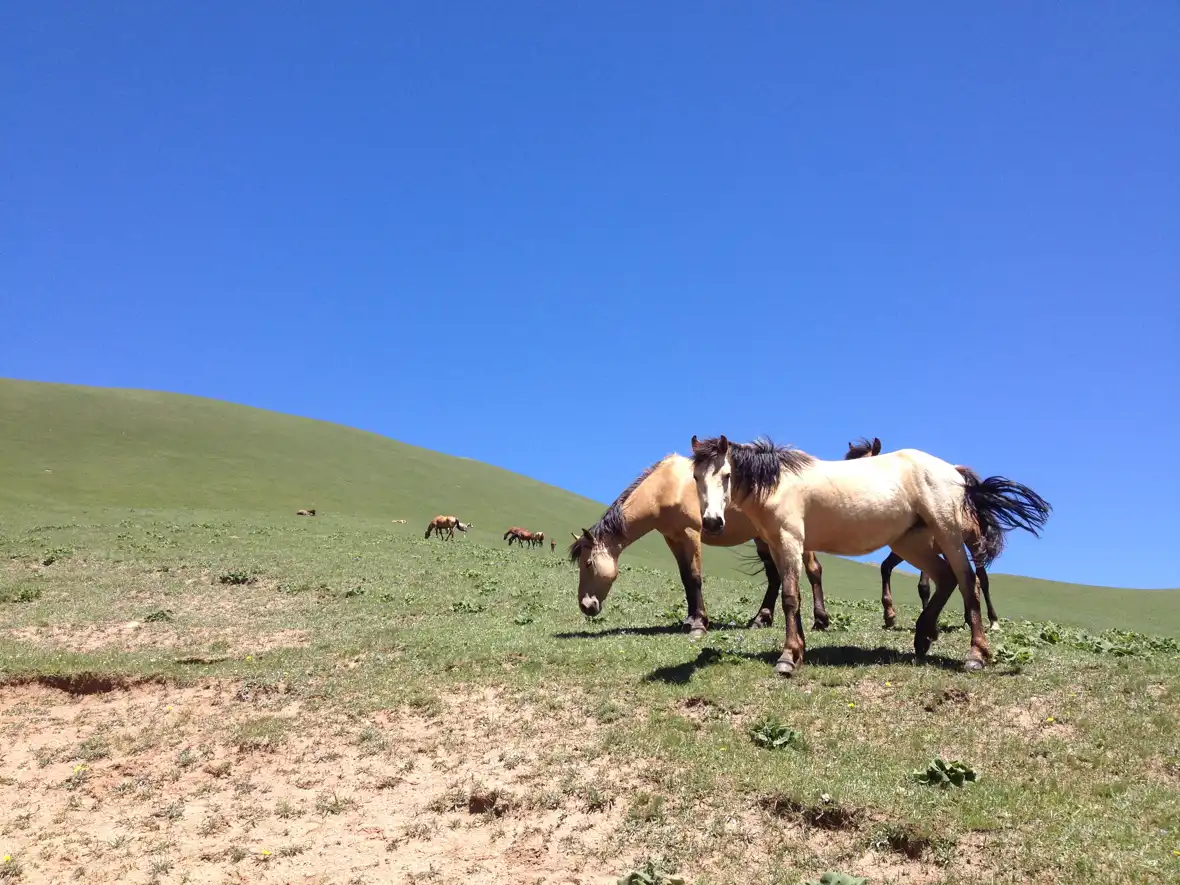
Why visit Kyrgyzstan in January?
Deep winter grips the whole country, with Bishkek usually below freezing and mountain valleys far colder, often with clear, brittle skies. High roads such as the route to Song-Kul are closed, trekking is off the table for all but experienced winter mountaineers, and many rural guesthouses shut. The upside is the price: city hostels are cheap and nearly empty. The one strong draw is skiing at Karakol, where the slopes above the town get reliable powder. This month suits skiers and hardy city explorers, and very few others.
Why visit Kyrgyzstan in February?
Snow still blankets the Tian Shan in February, and short days plus frozen roads make travel between regions slow and sometimes impossible when passes close after storms. Bishkek and Osh are grey and cold, though Osh runs a few degrees milder. Tourist numbers are close to zero, so you’ll bargain easily and share bazaars with locals only. The best reason to come is ski touring around Jyrgalan, a small village east of Karakol that has built a reputation for backcountry routes and simple guesthouses. Outside that niche, most backpackers will find February hard going.
Why visit Kyrgyzstan in March?
Nooruz, the Persian New Year on 21 March, is the bright spot of an otherwise awkward month: expect sumalak (a sweet wheat-sprout pudding) cooking overnight in huge cauldrons, public concerts and family feasts. Weather swings between thaw and fresh snowfall, and melting snow turns village lanes and lower trails into mud. Mountain roads remain largely closed and the ski season winds down. The south warms first, so Osh is more pleasant than Bishkek. Prices are rock bottom. It works for culture-focused travelers timing a visit to Nooruz, less so for anyone hoping to hike.
Why visit Kyrgyzstan in April?
Spring shows up in the south long before it reaches the mountains. Around Osh and in Batken, fruit trees blossom and the Fergana Valley turns green, making April a decent month for bazaars, Sulaiman-Too and overland hops toward Uzbekistan. Up north it is messier: Bishkek has mild days mixed with cold rain, and the Tian Shan valleys are soggy, with high trails still under snow. Crowds are minimal and guesthouses offer low-season rates. Travelers focused on cities and the south will enjoy it; trekkers should wait.
Why visit Kyrgyzstan in May?
Green hillsides and lengthening days make May look inviting, and the lower valleys deliver: day hikes in Ala-Archa near Bishkek and walks around Jeti-Oguz’s red sandstone cliffs are pleasant, with poppies and tulips in the foothills. Higher up it is a different story, since passes above roughly 3,500 m are usually snowbound and most jailoo yurt camps have not yet opened. Rain showers are frequent, especially in the north. Visitors are few and prices sit at off-season levels. Good for flexible travelers happy with lower-altitude walks and city time, frustrating for anyone set on multi-day treks.
Why visit Kyrgyzstan in June?
By June the mountains start opening up, and this is a very good month with a few catches. Wildflowers carpet the jailoos, herders move their yurts and livestock to summer pastures, and camps at Song-Kul generally begin operating. Early in the month, high passes like the one above Ala-Kul can still hold deep snow, so late June is safer for that route. Showers are common and rivers run high with snowmelt, which can complicate crossings. Trails are quieter than in July and prices haven’t peaked. Ideal for hikers who can adjust plans around snow conditions.
Why visit Kyrgyzstan in July?
July is the best all-round month for a first trip to Kyrgyzstan. Almost every trekking route is clear, jeeps reach the remote lakes, and Issyk-Kul finally gets warm enough for a swim. Days are hot in Bishkek and Osh, pleasantly warm in the mountains, with afternoon storms to plan around. Summer festivals bring horseback games such as kok-boru (a rough-and-tumble contest over a goat carcass) to the pastures. Trails around Karakol see the most trekkers of the year, yet crowds remain small compared with the Alps. Suits every kind of backpacker, especially trekkers and horse-riders.
Why visit Kyrgyzstan in August?
Settled weather carries on through August, and the high country stays fully accessible, which also makes it prime climbing season at the Lenin Peak base camp in the Alay Valley. The south, especially Osh and the Fergana lowlands, can be sweltering, so head for altitude. Afternoon thunderstorms remain frequent in the Tian Shan. Demand pushes up costs for drivers, horse hire and popular homestays, and it pays to book Song-Kul transport a few days ahead. A very good month overall, best for mountaineers and trekkers who don’t mind company on well-known routes.
Why visit Kyrgyzstan in September?
Crisp mornings, stable skies and thinning crowds make September the favorite month of many guides. Trekking conditions around Karakol and the Terskey Ala-Too are excellent through mid-month, and the valley trees begin turning gold later on. At the jailoos, herders start driving their flocks down toward the villages, a sight worth catching on the road. Nights at altitude get properly cold, and the first snow can hit high passes toward month’s end. Drivers and homestays are easier to negotiate with once the summer rush fades. Ideal for experienced hikers and photographers.
Why visit Kyrgyzstan in October?
Autumn in October is a coin toss. Early in the month you can get golden valleys and sharp, clear views around Karakol and Issyk-Kul, but storms can close high passes at short notice, and most yurt camps and trekking services have shut for the year. The lowlands are the stronger bet: Bishkek is mild and Osh’s bazaars overflow with apples, pomegranates and melons. Tourist numbers fall sharply and prices drop with them. Suits flexible travelers mixing short hikes with city and market time, not those needing guaranteed mountain access.
Why visit Kyrgyzstan in November?
Grey skies and falling temperatures settle over the country in November, with snow already coating the ranges and many mountain guesthouses closed. The ski season hasn’t started yet, which leaves an awkward gap. Still, this month has its uses: Bishkek’s cafés, museums and Osh Bazaar are uncrowded, accommodation is at its cheapest, and the south stays milder than the north. It works reasonably well for overland travelers passing through on a Central Asia loop, or anyone focused on cities. Pack warm layers, as heating in older buildings can be patchy.
Why visit Kyrgyzstan in December?
Short, freezing days define December, and most of the countryside is effectively closed to independent travel, with snowbound roads and shuttered rural homestays. Things pick up only toward the end of the month. New Year is the biggest celebration of the year, and Bishkek’s central squares fill with lights, a tall tree and families out in the cold. The Karakol ski season usually opens in late December once snow is deep enough. Few foreign visitors come, and prices stay low. Suited to skiers and winter-city fans, poor for most backpackers.
Explore Kyrgyzstan
Does the weather seem nice in the period you would like to go? Find all the info you need to start your trip, including reasons to go, general country info and health and safety advice.