
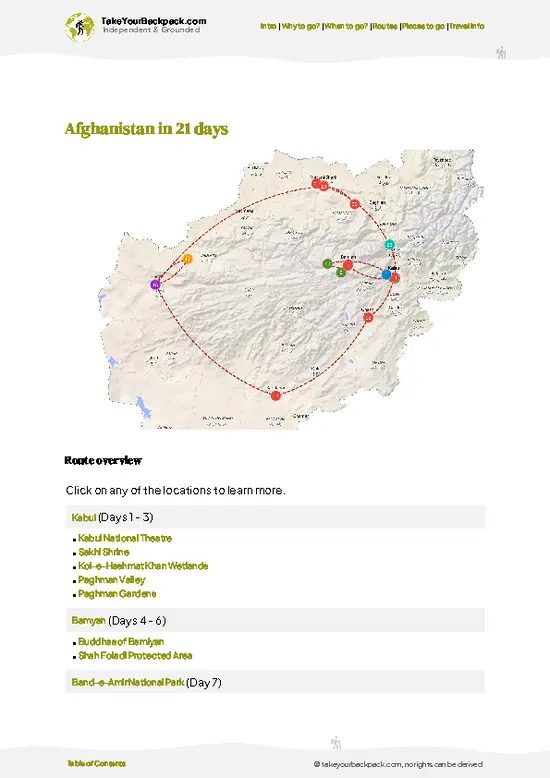
The Colossal Buddha Niches
Let’s get real: the Buddhas themselves are gone, dynamited in 2001, but the empty niches are still a punch to the gut. You stand at the base of these 6th-century voids—one 55 meters, the other 38—and feel the scale of what was lost. It’s not just about absence; it’s about presence. The niches are raw, scarred, and honest. They force you to reckon with history, iconoclasm, and the stubborn endurance of culture. No filter can capture the emotional whiplash of standing here, staring up at what was, and what still is.
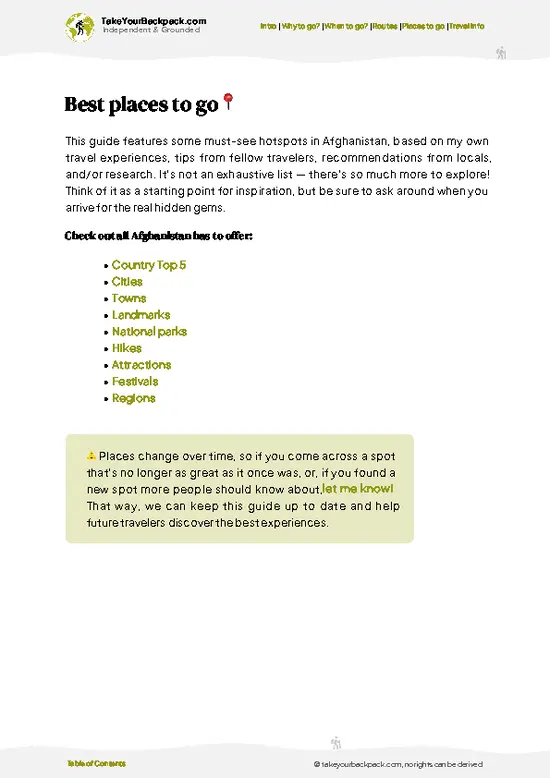
The Cliffside Caves
Forget the Instagram shots of the valley—get your boots dirty and climb into the honeycomb of caves carved into the cliffs. These aren’t just holes in the rock; they’re ancient monks’ cells, meditation chambers, and even tiny chapels, … read more 👉
The Colossal Buddha Niches
Let’s get real: the Buddhas themselves are gone, dynamited in 2001, but the empty niches are still a punch to the gut. You stand at the base of these 6th-century voids—one 55 meters, the other 38—and feel the scale of what was lost. It’s not just about absence; it’s about presence. The niches are raw, scarred, and honest. They force you to reckon with history, iconoclasm, and the stubborn endurance of culture. No filter can capture the emotional whiplash of standing here, staring up at what was, and what still is.
The Cliffside Caves
Forget the Instagram shots of the valley—get your boots dirty and climb into the honeycomb of caves carved into the cliffs. These aren’t just holes in the rock; they’re ancient monks’ cells, meditation chambers, and even tiny chapels, some still dusted with faded murals. The caves snake through the cliff face, offering a labyrinthine adventure that’s equal parts Indiana Jones and spiritual retreat. You’ll find soot from centuries-old fires, graffiti from Silk Road travelers, and the kind of silence that makes your ears ring.
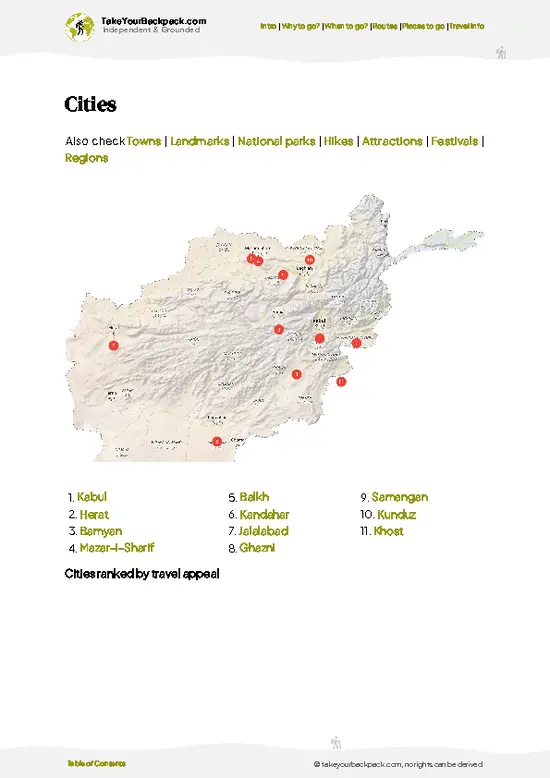
Surviving Wall Paintings
If you’re expecting pristine frescoes, adjust your expectations. What’s left is battered, but that’s the point. The fragments of Buddhist murals—reds, ochres, and blues—are among the oldest surviving oil paintings on earth. You’ll need a flashlight and a patient guide, but when you catch a glimpse of a Bodhisattva’s hand or a lotus petal, it’s like finding a secret message from the past. These aren’t museum pieces; they’re living scars, and they hit harder because of it.
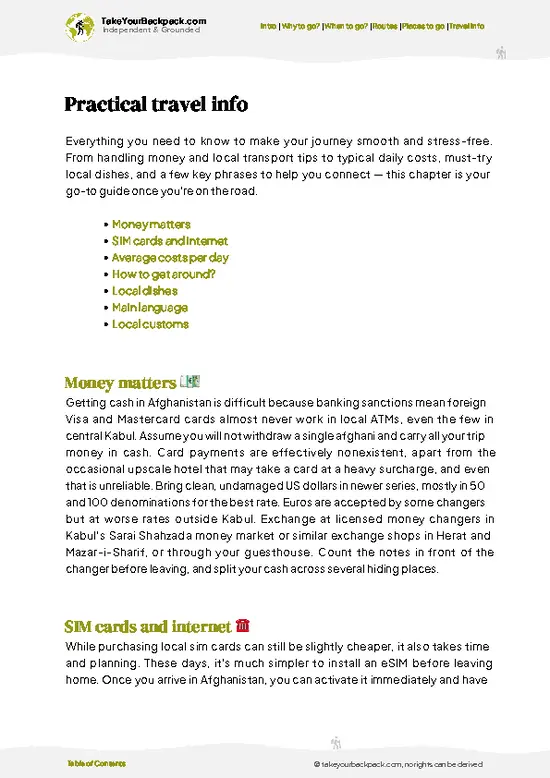
The View from the Top
Climb the rickety stairs and tunnels behind the big niche. At the summit, you get a panoramic view over the Bamiyan Valley—patchwork fields, mud-brick villages, and the snow-capped Hindu Kush. This isn’t a sanitized lookout; it’s windy, exposed, and exhilarating. The sense of scale is wild: you’re standing where monks once meditated, looking out over a landscape that’s barely changed in centuries. It’s the kind of view that makes you feel both tiny and infinite.
The Nighttime Silhouette
Stick around after sunset. When the crowds (such as they are) vanish and the sky goes indigo, the empty niches loom like sentinels. There’s no artificial lighting, no tourist infrastructure—just the raw outline of history against the stars. It’s haunting, yes, but also oddly hopeful. The silence is total, the air sharp, and for a moment, you get the sense that the place is still watching, still waiting. No photo can do this justice. You have to stand there, in the dark, and feel it.
Spotted a mistake or missing something? Contact us.

 Best Backpacking

 Hi, I’m Johan (Netherlands 🇳🇱), the creator of TakeYourBackpack. Over the past 3 decades, I’ve backpacked through 90+ countries across six continents, gaining extensive experience with independent travel, long-term trips, and overland routes.