v2.webp)
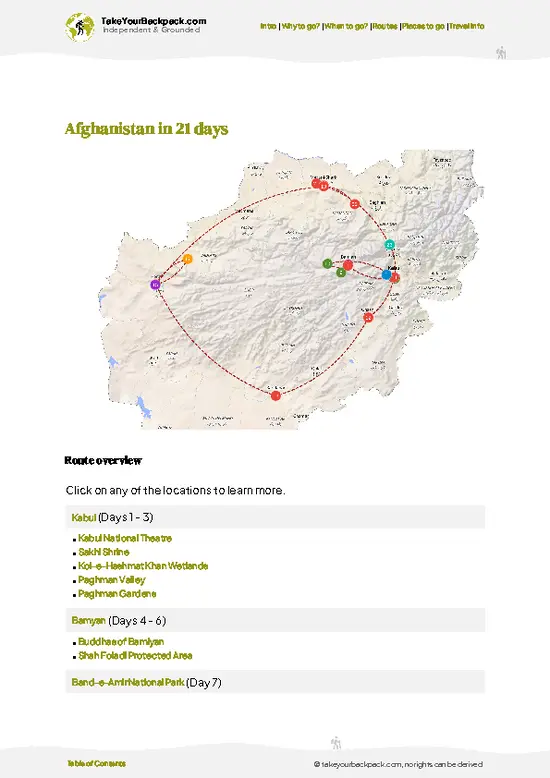
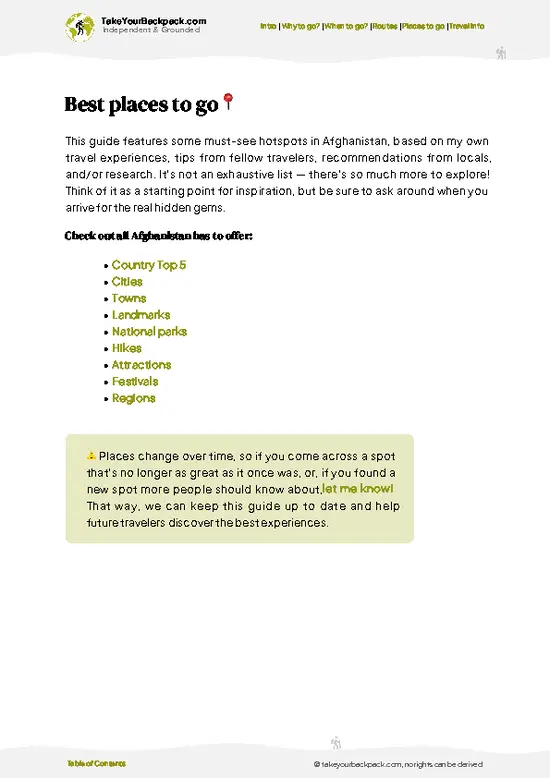
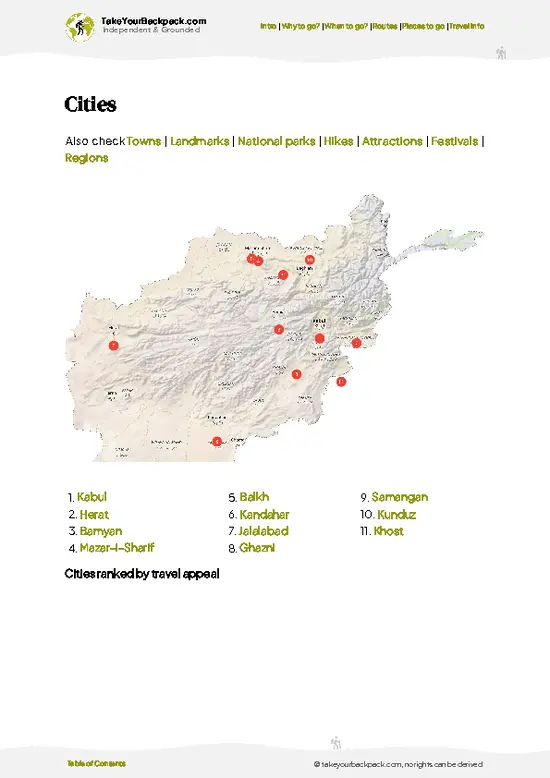
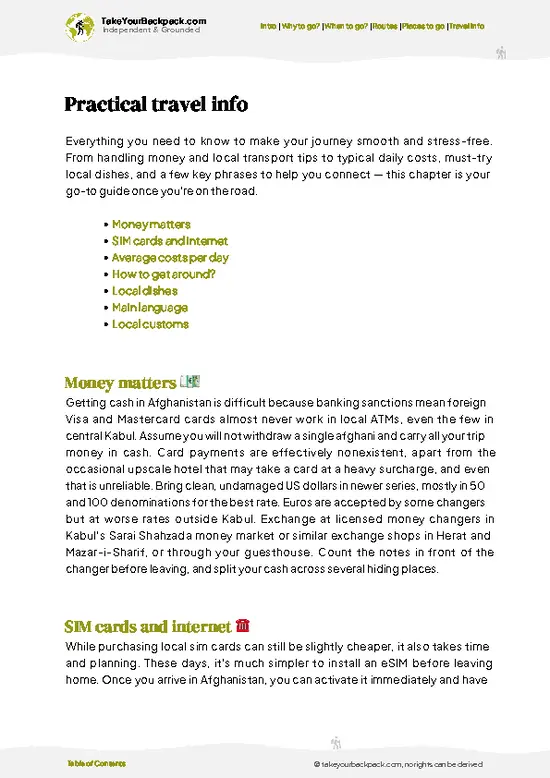
The Blue-Tiled Courtyards
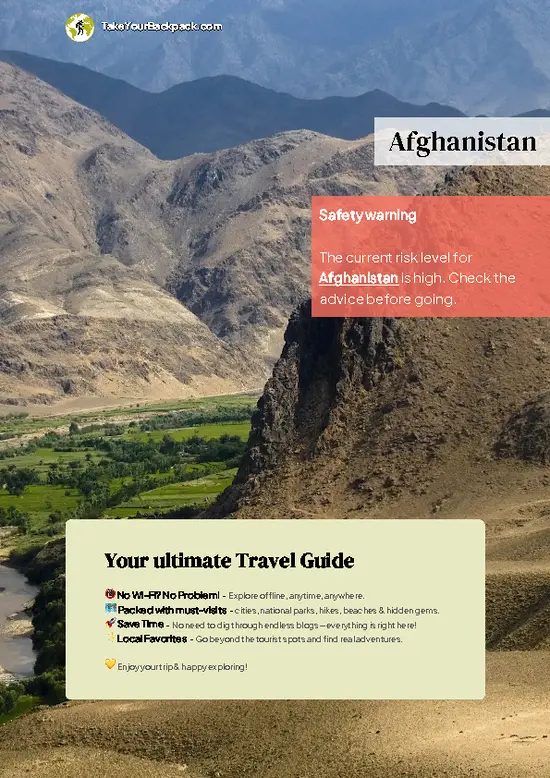
Forget the Instagram filters—no photo can capture the electric blue of these tiles when the Afghan sun hits them at noon. The courtyards of the Friday Mosque are a living mosaic, with centuries-old faience tiles that have survived invasions, earthquakes, and the kind of foot traffic that would have worn down lesser sites to dust. The real magic? Watching local families and worshippers move through the space, their daily rhythms echoing against a backdrop that feels both ancient and fiercely alive. This isn’t a museum piece; it’s a beating heart.
The Tile Workshop (On-Site)
Most travelers miss this, but the mosque’s tile workshop is the soul of Herat’s craft tradition. Here, artisans—some with family lineages stretching back generations—still hand-fire and paint the … read more 👉
Forget the Instagram filters—no photo can capture the electric blue of these tiles when the Afghan sun hits them at noon. The courtyards of the Friday Mosque are a living mosaic, with centuries-old faience tiles that have survived invasions, earthquakes, and the kind of foot traffic that would have worn down lesser sites to dust. The real magic? Watching local families and worshippers move through the space, their daily rhythms echoing against a backdrop that feels both ancient and fiercely alive. This isn’t a museum piece; it’s a beating heart.
The Tile Workshop (On-Site)
Most travelers miss this, but the mosque’s tile workshop is the soul of Herat’s craft tradition. Here, artisans—some with family lineages stretching back generations—still hand-fire and paint the … read more 👉
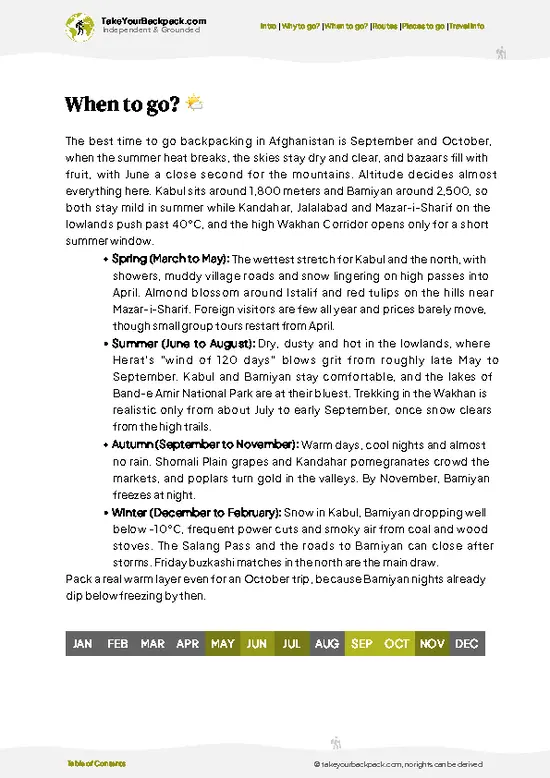
The Blue-Tiled Courtyards
Forget the Instagram filters—no photo can capture the electric blue of these tiles when the Afghan sun hits them at noon. The courtyards of the Friday Mosque are a living mosaic, with centuries-old faience tiles that have survived invasions, earthquakes, and the kind of foot traffic that would have worn down lesser sites to dust. The real magic? Watching local families and worshippers move through the space, their daily rhythms echoing against a backdrop that feels both ancient and fiercely alive. This isn’t a museum piece; it’s a beating heart.
The Tile Workshop (On-Site)
Most travelers miss this, but the mosque’s tile workshop is the soul of Herat’s craft tradition. Here, artisans—some with family lineages stretching back generations—still hand-fire and paint the same turquoise and lapis patterns you see on the walls. This isn’t a staged demo for tourists; it’s the real deal, with the smell of clay and the heat of the kiln. If you want to understand how a monument survives for 800 years, watch these hands at work. It’s living heritage, not a souvenir stand.
The Minarets at Dawn
Yes, you’ll see a few camera-toting travelers at sunrise, but the real show is for early risers who catch the first call to prayer. The minarets—tall, battered, and still defiant—cut through the morning haze. The soundscape is all birds, distant traffic, and the muezzin’s voice. This is the hour when the mosque feels like it belongs to the city, not to the world’s bucket lists. If you want a moment of private awe, this is it.
The Friday Congregational Prayer
If you’re lucky enough to be here on a Friday, brace yourself. The mosque transforms into a sea of humanity—thousands of worshippers, shoulder to shoulder, shoes stacked at the entrance, the air thick with incense and anticipation. It’s not a spectacle for outsiders, but if you’re respectful and keep a low profile, you’ll witness a communal energy that no guidebook can fake. This is faith as lived experience, not as architecture.
The Calligraphy Panels
Don’t just gawk at the domes—get close to the walls. The Quranic calligraphy here isn’t just decoration; it’s a masterclass in Persian artistry. Some panels date back to the Timurid era, their scripts so fluid and precise you’ll wonder how human hands managed it. The details reward patience: gold leaf, cobalt, and the kind of brushwork that turns stone into poetry. If you want to see the mind of Herat as well as its hands, start here.
Forget the Instagram filters—no photo can capture the electric blue of these tiles when the Afghan sun hits them at noon. The courtyards of the Friday Mosque are a living mosaic, with centuries-old faience tiles that have survived invasions, earthquakes, and the kind of foot traffic that would have worn down lesser sites to dust. The real magic? Watching local families and worshippers move through the space, their daily rhythms echoing against a backdrop that feels both ancient and fiercely alive. This isn’t a museum piece; it’s a beating heart.
The Tile Workshop (On-Site)
Most travelers miss this, but the mosque’s tile workshop is the soul of Herat’s craft tradition. Here, artisans—some with family lineages stretching back generations—still hand-fire and paint the same turquoise and lapis patterns you see on the walls. This isn’t a staged demo for tourists; it’s the real deal, with the smell of clay and the heat of the kiln. If you want to understand how a monument survives for 800 years, watch these hands at work. It’s living heritage, not a souvenir stand.
The Minarets at Dawn
Yes, you’ll see a few camera-toting travelers at sunrise, but the real show is for early risers who catch the first call to prayer. The minarets—tall, battered, and still defiant—cut through the morning haze. The soundscape is all birds, distant traffic, and the muezzin’s voice. This is the hour when the mosque feels like it belongs to the city, not to the world’s bucket lists. If you want a moment of private awe, this is it.
The Friday Congregational Prayer
If you’re lucky enough to be here on a Friday, brace yourself. The mosque transforms into a sea of humanity—thousands of worshippers, shoulder to shoulder, shoes stacked at the entrance, the air thick with incense and anticipation. It’s not a spectacle for outsiders, but if you’re respectful and keep a low profile, you’ll witness a communal energy that no guidebook can fake. This is faith as lived experience, not as architecture.
The Calligraphy Panels
Don’t just gawk at the domes—get close to the walls. The Quranic calligraphy here isn’t just decoration; it’s a masterclass in Persian artistry. Some panels date back to the Timurid era, their scripts so fluid and precise you’ll wonder how human hands managed it. The details reward patience: gold leaf, cobalt, and the kind of brushwork that turns stone into poetry. If you want to see the mind of Herat as well as its hands, start here.
Spotted a mistake or missing something? Contact us.

 Best Backpacking
.jpg) Hi, I’m Johan (Netherlands 🇳🇱), the creator of TakeYourBackpack. Over the past 3 decades, I’ve backpacked through 90+ countries across six continents, gaining extensive experience with independent travel, long-term trips, and overland routes.
Hi, I’m Johan (Netherlands 🇳🇱), the creator of TakeYourBackpack. Over the past 3 decades, I’ve backpacked through 90+ countries across six continents, gaining extensive experience with independent travel, long-term trips, and overland routes.