×

Afghanistan🇦🇫 | citiesPul-e Khomriindustrial hub, river valley, coal mines | things to do and best time to go

Explore FarahExplore Sar-e Pol

Backpacking in Pul-e Khomri
🏆 Top pickcity ranked #3
By Johan Kruseman 🇳🇱 | Updated May 30, 2026

Your first real decision in Pul-e Khomri is whether to treat it as a quick transit stop or to actually stay a night. That choice matters because this is where the Kabul–Mazar–Kunduz roads intersect, and your timing here can mean arriving in the next city in daylight…or rolling in exhausted after dark. Pul-e Khomri sits in northern Afghanistan, in Baghlan Province, on the main highway north of Kabul, ringed by dry hills and industrial sprawl. For backpackers, it’s more functional than romantic: a gritty junction town with a busy bazaar, coal dust in the air, and truck horns as the background soundtrack. The upside is access. Shared taxis and buses fan out in every direction, and the compact center is walkable enough once you’re dropped near the bazaar. Compared with Mazar-i-Sharif or Bamyan, Pul-e Khomri feels more workaday and less scenic, but that’s exactly why it works as a practical overnight reset between the “headline” destinations.

Discover everything you want to know in the 📖 Afghanistan Travel Guide.
Safety warning

The current risk level for Afghanistan is high. Check the advice before going.


Get your Afghanistan guide
72 ranked highlights, routes & tips, works offline (296 pages)
Loading the map 🌍
CLICK TO FILTER
cities
towns
landmarks
national parks
hikes
attractions
festivals
regions
SHOW COUNTRY’S BESTSHOW ALL

✨ Why go?
Ranked #3 city in Afghanistan
Why visitors keep coming back

Pul-e Khomri serves as a gateway for backpackers exploring northern Afghanistan, offering a blend of convenience and authenticity. Nestled along the main route, it’s a strategic stop for those heading to the Panjshir Valley or the Kabul River hikes. The walkable streets are lined with small-scale guesthouses and hostels, where you can find a bed for the night without breaking the bank.

The local food scene is a treat; savor the aroma of freshly baked bread and the rich spices of traditional dishes. This town has a friendly atmosphere, making it easy to connect with fellow travelers or locals over a meal. Most backpackers tend to stay for a couple of days, soaking in the cultural vibe while planning their next adventure.

Pul-e Khomri attracts slow travelers and solo adventurers looking … read more 👉
Pul-e Khomri serves as a gateway for backpackers exploring northern Afghanistan, offering a blend of convenience and authenticity. Nestled along the main route, it’s a strategic stop for those heading to the Panjshir Valley or the Kabul River hikes. The walkable streets are lined with small-scale guesthouses and hostels, where you can find a bed for the night without breaking the bank.

The local food scene is a treat; savor the aroma of freshly baked bread and the rich spices of traditional dishes. This town has a friendly atmosphere, making it easy to connect with fellow travelers or locals over a meal. Most backpackers tend to stay for a couple of days, soaking in the cultural vibe while planning their next adventure.

Pul-e Khomri attracts slow travelers and solo adventurers looking for a genuine experience rather than a party scene. If you appreciate a place that feels lived-in and real, this town is worth your time, even if just for a brief pause before the next leg of your journey.
Want to include Pul-e Khomri in your Afghanistan route?
Create a personalized Afghanistan itinerary that includes Pul-e Khomri and the places that fit your trip — based on your travel style, budget, and available time. Get your route in seconds.

Generate my trip

💡 HighlightsWhat this place is best known for

  • Central Bazaar (Bazaar-e Markazi) — The heartbeat of Pul-e Khomri: noisy stalls, piles of fruit and bolts of cloth, and a great place to watch daily life, haggle for spices, buy simple travel kit, or sample fresh bread straight from a local oven.
  • The Old Bridge (the pul that gave the city its name) — The bridge over the nearby river is the city’s landmark: good views at sunrise or sunset, a place where traders and commuters cross and photographers catch the rhythm of town traffic and river life.
  • Friday Mosque (Masjid Jami) — The main congregational mosque is worth a respectful look for its role in community life, local architectural details and to observe a Friday prayer (watch dress and photography etiquette).
  • Kunduz Riverbank & Riverside Tea Houses — Walkable stretches along the river
read more 👉
  • Central Bazaar (Bazaar-e Markazi) — The heartbeat of Pul-e Khomri: noisy stalls, piles of fruit and bolts of cloth, and a great place to watch daily life, haggle for spices, buy simple travel kit, or sample fresh bread straight from a local oven.
  • The Old Bridge (the pul that gave the city its name) — The bridge over the nearby river is the city’s landmark: good views at sunrise or sunset, a place where traders and commuters cross and photographers catch the rhythm of town traffic and river life.
  • Friday Mosque (Masjid Jami) — The main congregational mosque is worth a respectful look for its role in community life, local architectural details and to observe a Friday prayer (watch dress and photography etiquette).
  • Kunduz Riverbank & Riverside Tea Houses — Walkable stretches along the river where locals gather in simple tea houses; it’s low-key but the easiest way to feel the pace of the town and sip chai among residents.
  • City Park / Park-e Shahr — Small municipal green space where families meet in the evenings; handy for a shady rest, people-watching, or letting kids run if you need a quiet break from the markets.
  • Soviet-era industrial quarter (textile & sugar works) — The old factories around town tell Pul-e Khomri’s recent history as an industrial center; walking the exterior spaces and talking with workers or shopkeepers gives insight into the city’s economic character.
  • Carpet and Handicraft Workshops — Small workshops and home studios where you can see weavers, needleworkers and leatherworkers at work; better than souvenir shops because you can meet makers and learn how regional styles are made.
  • Food Streets & Kebab Stands — Not a single named restaurant but a string of durable, local food stalls and grill spots where Pul-e Khomri residents eat: kebabs, flatbreads, simple stews and fruit — honest food at very low cost.
  • Weekly Produce & Livestock Market — On market days the outskirts of the central bazaar turn into a lively open market for vegetables, fruit and animals; a noisy, colorful way to see agricultural trade that supplies the city.
  • Main Square / Governor’s Chowk — The civic center where people meet, small demonstrations or events happen, and you can get a feel for the city’s daily rhythm and local administration presence.
If you have a day to spare, nearby visit options include the Nahrin district’s mountain valleys for simple scenery and village life, the city of Kunduz to the north for a larger urban contrast, and the surrounding Baghlan orchards and smaller hill villages that make good short day trips from Pul-e Khomri.
Spotted a mistake or missing something? Contact us.
🏘️ NeighborhoodsKey areas and districts to know

Pul-e Khomri offers a unique blend of culture and practicality for backpackers. Each neighborhood has its own character, making it essential to choose wisely.

City Center: This is the heartbeat of Pul-e Khomri. Bustling markets and local eateries create a vibrant atmosphere. You’ll find affordable guesthouses here, perfect for short stays. The walkability is excellent, with everything within a few blocks. Nightlife is minimal, but the evenings buzz with locals enjoying tea and conversation.

Shahrak-e Naw: A quieter area, ideal for those seeking a more laid-back vibe. It’s a bit farther from the main attractions, but the tranquility is worth it. Guesthouses are slightly pricier, but you’ll enjoy a more comfortable stay. This neighborhood is perfect for longer visits, allowing you to soak … read more 👉
Pul-e Khomri offers a unique blend of culture and practicality for backpackers. Each neighborhood has its own character, making it essential to choose wisely.

City Center: This is the heartbeat of Pul-e Khomri. Bustling markets and local eateries create a vibrant atmosphere. You’ll find affordable guesthouses here, perfect for short stays. The walkability is excellent, with everything within a few blocks. Nightlife is minimal, but the evenings buzz with locals enjoying tea and conversation.

Shahrak-e Naw: A quieter area, ideal for those seeking a more laid-back vibe. It’s a bit farther from the main attractions, but the tranquility is worth it. Guesthouses are slightly pricier, but you’ll enjoy a more comfortable stay. This neighborhood is perfect for longer visits, allowing you to soak in the local culture without the hustle.

Khair Khana: This neighborhood is a hidden treasure for backpackers looking for authenticity. The streets are lined with small shops and street vendors. It’s less touristy, which means lower prices and a chance to connect with locals. Walkability is decent, but be prepared for some uneven paths. It’s best for those who want to immerse themselves in daily life.

Ghazni Road Area: A transit hub, this area is bustling with activity. It’s not the most picturesque, but it’s practical for getting around. Budget accommodations are available, making it suitable for short stays. Expect a mix of noise and energy, especially during the day, but it quiets down at night.

⌛️ 1 day1-day itinerary for Pul-e Khomri

Pul-e Khomri, the capital of Baghlan Province, is a vibrant crossroads of cultures and history, where the rugged beauty of Afghanistan meets the warmth of its people. The town is a tapestry of bustling bazaars, ancient ruins, and stunning mountain backdrops. Spending a day here offers a glimpse into the heart of Afghan life, away from the usual tourist trails.

Start your morning at the local bazaar. The air is thick with the scent of spices and fresh bread. Vendors call out, their voices mingling with the laughter of children. Grab a warm naan and a cup of chai from a street stall. This is not just breakfast; it’s an invitation to connect. As you wander through the narrow alleys, take in the vibrant textiles and handmade crafts. Don’t miss the chance to chat with the artisans; their stories … read more 👉
Pul-e Khomri, the capital of Baghlan Province, is a vibrant crossroads of cultures and history, where the rugged beauty of Afghanistan meets the warmth of its people. The town is a tapestry of bustling bazaars, ancient ruins, and stunning mountain backdrops. Spending a day here offers a glimpse into the heart of Afghan life, away from the usual tourist trails.

Start your morning at the local bazaar. The air is thick with the scent of spices and fresh bread. Vendors call out, their voices mingling with the laughter of children. Grab a warm naan and a cup of chai from a street stall. This is not just breakfast; it’s an invitation to connect. As you wander through the narrow alleys, take in the vibrant textiles and handmade crafts. Don’t miss the chance to chat with the artisans; their stories add depth to the experience.

In the afternoon, head to the ancient ruins of the Qala-i-Zal fortress. The climb is steep, but the panoramic views of the surrounding mountains make it worthwhile. The light shifts as the sun moves, casting a golden hue over the landscape. This spot is often overlooked by tourists, but it offers a rare moment of solitude and reflection.

As evening approaches, make your way to the riverside park. The atmosphere transforms as families gather, sharing meals and laughter. Join them for a simple dinner of kebabs and rice from a nearby vendor. The flavors are rich, and the warmth of the community is palpable.

End your day by watching the sunset paint the sky in hues of orange and pink. Pul-e Khomri may not be on every travel itinerary, but its charm lies in the connections you make and the stories you gather. Embrace the journey; it’s all part of the adventure.
Turn your Pul-e Khomri visit into an Afghanistan adventure
Build a complete Afghanistan route with Pul-e Khomri, hidden gems, must-see destinations, and realistic travel times included.

Generate my trip

🌤️ When to go?When to go for the best experience


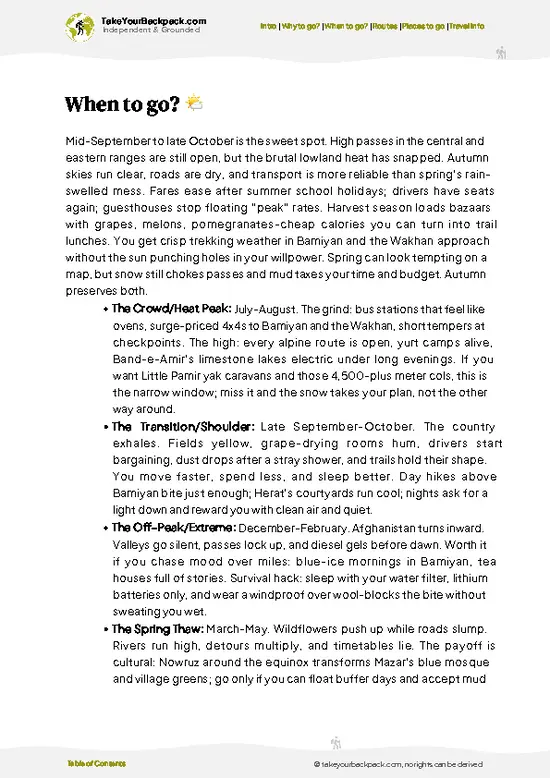
  • Topic: Weather — Pul-e Khomri’s climate swings sharply. Winters bite with temperatures often dropping below freezing (0°C/32°F), making trails icy and uncomfortable. Summers, on the other hand, can scorch with highs pushing 35°C (95°F), turning daytime trekking into a sweat test. Spring and autumn offer a sweet spot: mild days around 15-25°C (59-77°F) and cooler nights, perfect for long hikes without overheating or freezing.

  • Topic: Daylight Hours — In spring and autumn, you get roughly 12 hours of daylight, enough to start early, explore deeply, and still have time to relax before dusk. Winter’s short days (around 9 hours) limit your window, while summer stretches daylight to 14 hours but at the cost of heat.

  • Topic: Crowds — Pul-e Khomri isn’t a tourist hotspot, so crowds are minimal
read more 👉

  • Topic: Weather — Pul-e Khomri’s climate swings sharply. Winters bite with temperatures often dropping below freezing (0°C/32°F), making trails icy and uncomfortable. Summers, on the other hand, can scorch with highs pushing 35°C (95°F), turning daytime trekking into a sweat test. Spring and autumn offer a sweet spot: mild days around 15-25°C (59-77°F) and cooler nights, perfect for long hikes without overheating or freezing.

  • Topic: Daylight Hours — In spring and autumn, you get roughly 12 hours of daylight, enough to start early, explore deeply, and still have time to relax before dusk. Winter’s short days (around 9 hours) limit your window, while summer stretches daylight to 14 hours but at the cost of heat.

  • Topic: Crowds — Pul-e Khomri isn’t a tourist hotspot, so crowds are minimal year-round. However, local festivals in spring can bring a lively buzz, adding cultural color without overwhelming the trails.

  • Topic: Seasonal Activities — Spring blooms awaken the valleys with wildflowers and fresh greenery, ideal for nature lovers. Autumn’s crisp air and golden hues make for stunning photography and comfortable trekking. Winter’s snow can close off some paths, while summer’s heat discourages long daytime hikes.

  • Topic: Price Fluctuations — Prices for lodging and guides tend to rise slightly during spring festivals and autumn’s pleasant weather when locals travel more. Winter sees the lowest prices but comes with the trade-off of harsher conditions and fewer services.


Pro-tip: Aim for late April to early June or September to early October—these windows balance comfortable temperatures, generous daylight, and vibrant local life, turning the tough journey into a richly rewarding adventure.


source: climatestotravel.comJANJanuary: fair for travelingFEBFebruary: fair for travelingMARMarch: good for travelingAPRApril: highly recommended for travelingMAYMay: excellent for travelingJUNJune: highly recommended for travelingJULJuly: fair for travelingAUGAugust: fair for travelingSEPSeptember: excellent for travelingOCTOctober: highly recommended for travelingNOVNovember: good for travelingDECDecember: fair for traveling
when-to-go

✈️ The backpacker research shortcutAfghanistan Travel Guide

An offline-friendly backpacking guide with optimized travel routes, ranked highlights, transport advice, and the best areas to stay.
example page 0 from our offline Travel Guide for Afghanistan
example page 1 from our offline Travel Guide for Afghanistan
example page 2 from our offline Travel Guide for Afghanistan
example page 3 from our offline Travel Guide for Afghanistan
example page 4 from our offline Travel Guide for Afghanistan
example page 5 from our offline Travel Guide for Afghanistan
example page 6 from our offline Travel Guide for Afghanistan
example page 7 from our offline Travel Guide for Afghanistan
The digital guide (296 pages) contains:
72 highlights, ranked by travel appeal
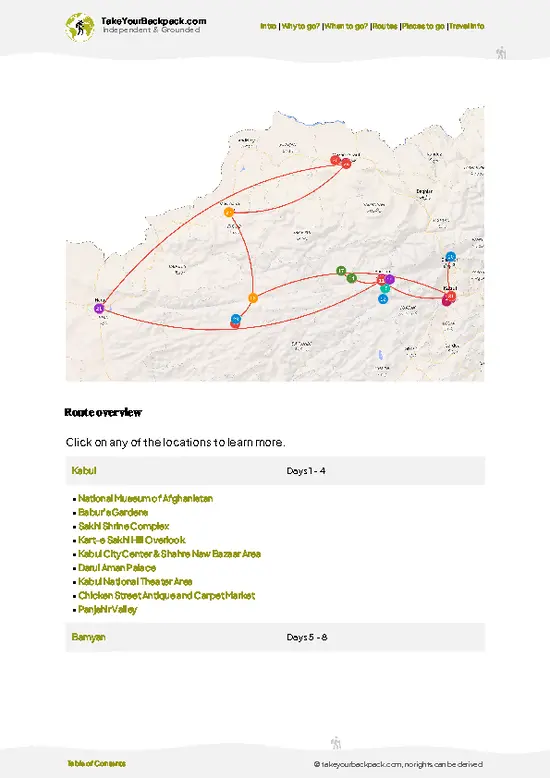
Optimized 7, 14 & 21-day travel routes
Cities, national parks, landmarks, beaches
How to get around
Offline-friendly for travel without Wi-Fi
👉 Click to see all 30+ guide features

📅 Plan smarter in minutes, not weeks
Month by month travel advice
Festivals & national holidays
Budget expectations

🗺️ Go to the right places, skip the overrated ones
Honest pros & cons of destinations
Top hikes, parks & viewpoints
Lesser-known places most travelers miss
Clear “worth it vs skip it” guidance

🛏️ Travel smoothly without rookie mistakes
Best areas to stay
Transport systems explained simply
Common scams & safety advice
SIM cards, money & practical tips

🌍 Understand the country, not just visit it
Culture & traditions
52 Essential phrases & customs
Festivals worth planning around
Traveler-friendly historical context
Insights that make places more meaningful

📱 Built for real travel conditions
Fully downloadable PDF
Works completely offline
Optimized for phone use
Useful in remote areas & buses
Everything in one place
Save weeks of stressful planning
Get instant access to your full guide. 30‑day money-back guarantee.


By proceeding you agree to our terms.
Sent to your inbox immediately after payment • 100% Secure Checkout
Best Backpacking Travel Advisor 2025 tourism awardBest Backpacking
Travel Advisor
2025
What others say about Take Your Backpack Guides:
⭐⭐⭐⭐⭐
Fantastic, amazing amount of information!
⭐⭐⭐⭐⭐
My goodness this is amazing, it's what I've been looking for hats off too you!
⭐⭐⭐⭐⭐
I think this is absolutely BRILLIANT
⭐⭐⭐⭐
Very complete and informative. It's still missing places, but I gotta to commend you
⭐⭐⭐⭐⭐
This is truly amazing, thank you, can't wait to explore it with my kids!
⭐⭐⭐⭐⭐
Awesome resource, thank you!
⭐⭐⭐⭐⭐
This is amazing! Can't wait to explore the ones I haven't seen
⭐⭐⭐⭐
I love this! Well done, great idea.
⭐⭐⭐⭐⭐
Thanks for taking the time to make this gem!
⭐⭐⭐⭐⭐
This might be the best website I've ever seen.
⭐⭐⭐⭐⭐
Congratulations, and thank you so much for your work; it's incredibly valuable.
⭐⭐⭐⭐
In all seriousness I think you did a great job pointing out the important spots
⭐⭐⭐⭐⭐
10/10 very good
⭐⭐⭐⭐⭐
As someone who's only just starting to visit regularly this is awesome, thank you.
⭐⭐⭐⭐
Thank you very much! I'm going to visit my dad, it's going to be very useful!
⭐⭐⭐⭐⭐
This is really cool! We'll be travelling for the first time and this definitely come in handy.
⭐⭐⭐⭐⭐
You are now our minister of culture, congratulations 👨‍💼
⭐⭐⭐⭐⭐
Just wanted to tell you that this is a pearl! Going to follow your recommendations.
⭐⭐⭐⭐⭐
This is so cool. I'll definitely be using the resource for my travels soon.
⭐⭐⭐⭐⭐
This is very impressive! Good work.
⭐⭐⭐⭐⭐
This is an amazing and informative site. Very well done!

🛏️ Where to stay?Best areas to stay in Afghanistan

In Pul-e Khomri, the best spot for backpackers to settle is the central district around the main bazaar. This area hums with life from dawn, the air thick with the scent of spices and fresh bread baking in small ovens. It’s where locals gather, and you’ll find a handful of guesthouses catering to travelers who want to blend in rather than stand out. The streets here are narrow but busy, offering a sense of safety through constant activity—an essential factor in a city where quiet corners can feel isolating or risky.

Compared to the outskirts, which can be quieter but less secure and lacking in … read more 👉
In Pul-e Khomri, the best spot for backpackers to settle is the central district around the main bazaar. This area hums with life from dawn, the air thick with the scent of spices and fresh bread baking in small ovens. It’s where locals gather, and you’ll find a handful of guesthouses catering to travelers who want to blend in rather than stand out. The streets here are narrow but busy, offering a sense of safety through constant activity—an essential factor in a city where quiet corners can feel isolating or risky.

Compared to the outskirts, which can be quieter but less secure and lacking in traveler infrastructure, the central district offers a social pulse. You’ll bump into other solo backpackers and traders, making it easier to swap stories or find a guide. Hostels are rare, but simple guesthouses provide affordable, no-frills lodging with a chance to experience local hospitality firsthand. The vibe is practical and grounded—no frills, just the raw texture of Afghan daily life. Staying here means you’re not just passing through; you’re stepping into the rhythm of Pul-e Khomri, where every sound and smell tells a story worth hearing.

🚌 Getting aroundMoving around without the hassle

Pul-e Khomri moves at a pace that’s part deliberate, part improvisational. The sun slants low in the afternoon, casting long shadows over dusty streets where the scent of spices and diesel mix in the air. You won’t find strict timetables here—more a rhythm of arrivals and departures dictated by the mood of the day, the needs of the market, and the chatter of locals. It’s a place where patience pays off, and knowing when to move is as much about reading the crowd as it is about catching a ride. The town’s pulse is human, not mechanical, so your best bet is to blend into that flow rather than fight it.


  • Walking: The heart of Pul-e Khomri is compact enough to explore on foot. Streets are uneven and dust kicks up with every step, but walking lets you soak in the raw textures—the cracked walls,
read more 👉
Pul-e Khomri moves at a pace that’s part deliberate, part improvisational. The sun slants low in the afternoon, casting long shadows over dusty streets where the scent of spices and diesel mix in the air. You won’t find strict timetables here—more a rhythm of arrivals and departures dictated by the mood of the day, the needs of the market, and the chatter of locals. It’s a place where patience pays off, and knowing when to move is as much about reading the crowd as it is about catching a ride. The town’s pulse is human, not mechanical, so your best bet is to blend into that flow rather than fight it.


  • Walking: The heart of Pul-e Khomri is compact enough to explore on foot. Streets are uneven and dust kicks up with every step, but walking lets you soak in the raw textures—the cracked walls, the calls of street vendors, the sudden bursts of laughter. It’s free, flexible, and the best way to catch the town’s true character.


  • Shared Minibuses: These are the workhorses of local transit, running from early morning around 6:30 AM until dusk at about 6 PM. Fares hover around a few Afghanis, making them the cheapest option for longer distances. They’re cramped and noisy, with no fixed stops—just wave your hand and hop on or off. Expect a slow crawl through traffic, but the constant chatter and bargaining make the ride part of the experience.


  • Motorcycle Taxis (Chappars): If you’re in a hurry and can handle a bit of chaos, chappars dart through traffic with reckless grace. They’re available all day, and fares are negotiable but generally affordable. The wind in your face and the jostle of the ride are a visceral way to feel the city’s pulse, though not for the faint-hearted or those carrying heavy packs.


  • Local Taxis: More comfortable and faster than minibuses, taxis offer a door-to-door option but at a higher cost. They don’t run on meters, so you’ll need to negotiate fares upfront—expect to pay several times more than a minibus. Taxis are best for groups or when you’re pressed for time, especially during the hotter midday hours when walking feels like a slow roast.


  • Bicycles: Not common but possible to rent, bicycles give you speed and freedom without the noise or fumes. The terrain is mostly flat, but the dusty roads and occasional potholes demand caution. Renting a bike is a quiet way to explore beyond the town center, especially in the cooler morning or late afternoon light.

👛 Costs (as of 10 January 2026)What things cost and how to budget

Backpacking in Pul-e Khomri, Afghanistan, demands a grounded approach to budgeting, reflecting the town’s modest infrastructure and local economy. Here’s what you can expect to spend on a typical day:
  • Dorm Accommodation: Options are extremely limited, with few guesthouses rather than formal hostels. Expect to pay around $5 to $10 per night for a basic room, often shared and with minimal amenities. The rooms are simple, sometimes with just a thin mattress and a fan, so pack your patience along with your sleeping bag.
  • Meals: Food costs are low but straightforward. A local meal—think rice, lentils, and some form of meat or vegetable stew—runs about $1 to $3. Street snacks or tea are even cheaper, around $0.50. Fresh bread and fruit from markets add variety without breaking the bank.
  • Local
read more 👉
Backpacking in Pul-e Khomri, Afghanistan, demands a grounded approach to budgeting, reflecting the town’s modest infrastructure and local economy. Here’s what you can expect to spend on a typical day:
  • Dorm Accommodation: Options are extremely limited, with few guesthouses rather than formal hostels. Expect to pay around $5 to $10 per night for a basic room, often shared and with minimal amenities. The rooms are simple, sometimes with just a thin mattress and a fan, so pack your patience along with your sleeping bag.
  • Meals: Food costs are low but straightforward. A local meal—think rice, lentils, and some form of meat or vegetable stew—runs about $1 to $3. Street snacks or tea are even cheaper, around $0.50. Fresh bread and fruit from markets add variety without breaking the bank.
  • Local Transport: Pul-e Khomri is small enough to explore mostly on foot, but if you need to get around, shared taxis or minibuses cost roughly $0.20 to $0.50 per ride. These rides are short and often crowded, so be ready for a close-up with locals and the scent of diesel mixed with dust.
  • Basic Activities/Entry Fees: The town doesn’t have a developed tourist scene, so formal entry fees are rare. Visiting local markets or mosques is free, but if you hire a local guide for cultural insight, expect to pay around $5 to $10 for a half-day.
  • Miscellaneous Expenses: Budget a few dollars for essentials like bottled water, snacks, or phone credit. Water purification tablets or a filter are smart buys here, as tap water isn’t reliable. Around $1 to $3 daily should cover these small but necessary extras.

In total, a realistic daily budget for Pul-e Khomri lands between $10 and $25. This range covers the basics without luxury, letting you experience the town’s raw, unvarnished character while keeping your wallet intact.
⚠️ Prices can change and everyone travels differently, so take this as a rough guide. Hope it helps you plan your adventure!

🚌 Day tripsWhere to go beyond the main area

Pul-e Khomri is a strategic base for exploring Afghanistan’s rugged beauty and rich culture. With its central location, you can easily access stunning landscapes and historical sites. Here are some day trips that will elevate your experience.

Shahrak Valley Adventure
Just a short drive from Pul-e Khomri, Shahrak Valley offers breathtaking views of the Hindu Kush mountains. The journey takes about an hour, and the winding roads are lined with wildflowers in spring, filling the air with a sweet, earthy scent. You can hike through the valley, where the sound of rushing streams accompanies you. Bring a packed lunch; local eateries are scarce. Expect to spend around $10 for transportation and snacks. Avoid the mistake of underestimating the weather; layers are key, as it can be chilly even in … read more 👉
Pul-e Khomri is a strategic base for exploring Afghanistan’s rugged beauty and rich culture. With its central location, you can easily access stunning landscapes and historical sites. Here are some day trips that will elevate your experience.

Shahrak Valley Adventure
Just a short drive from Pul-e Khomri, Shahrak Valley offers breathtaking views of the Hindu Kush mountains. The journey takes about an hour, and the winding roads are lined with wildflowers in spring, filling the air with a sweet, earthy scent. You can hike through the valley, where the sound of rushing streams accompanies you. Bring a packed lunch; local eateries are scarce. Expect to spend around $10 for transportation and snacks. Avoid the mistake of underestimating the weather; layers are key, as it can be chilly even in summer.


Ancient Balkh
A trip to Balkh, one of the oldest cities in the world, is a must. It’s roughly a two-hour drive, and the landscape shifts from arid plains to lush greenery as you approach. The ruins tell stories of ancient civilizations, and the air is thick with history. Entry fees are minimal, around $5, but the real treasure is the local guides who bring the past to life. Many first-timers rush through; take your time to absorb the atmosphere and chat with locals. Early spring or late fall is ideal for comfortable exploration.


Baghlan Province Waterfalls
For a refreshing escape, head to the waterfalls in Baghlan Province, about an hour from Pul-e Khomri. The sound of cascading water is a soothing backdrop as you trek through the forested paths. Bring your camera; the light filtering through the trees creates a magical ambiance. Total costs can be around $15 for transport and snacks. The best time to visit is during the spring melt when the waterfalls are at their most powerful. A common mistake is not bringing enough water; the hike can be more strenuous than it appears.


Qala-i-Zal Fortress
This fortress, about 90 minutes away, offers a glimpse into Afghanistan’s military history. The drive is scenic, with rolling hills and occasional glimpses of local life. Once there, the fortress stands tall against the sky, and you can explore its ancient walls. Entry is free, but consider hiring a local guide for a richer experience, costing around $10. The best time to visit is early morning to avoid the heat and crowds. Many overlook the importance of local customs; dress modestly and be respectful to the residents.
Want to know what more Afghanistan offers?
The Afghanistan Travel Guide describes 72 highlights, from cities to national parks, from beaches to hikes

Get the Travel Guide -

🍲 FoodLocal Flavors for Backpackers

In Pul-e Khomri, food is a straightforward, hearty affair that reflects the rugged landscape and resilient spirit of northern Afghanistan. The city’s signature dishes lean heavily on lamb and rice, with Kabuli pulao reigning supreme—a fragrant, saffron-tinted pilaf studded with tender meat, raisins, and slivered carrots. It’s the kind of dish that feels like a warm handshake from the region itself. Don’t miss out on mantoo, steamed dumplings filled with spiced meat, often served with a tangy yogurt sauce that cuts through the richness.

Backpackers will find themselves gravitating toward the bustling local markets and street vendors, where the air is thick with the scent of grilled kebabs and freshly baked naan. These spots are where the city’s pulse is most palpable—no frills, just honest … read more 👉
In Pul-e Khomri, food is a straightforward, hearty affair that reflects the rugged landscape and resilient spirit of northern Afghanistan. The city’s signature dishes lean heavily on lamb and rice, with Kabuli pulao reigning supreme—a fragrant, saffron-tinted pilaf studded with tender meat, raisins, and slivered carrots. It’s the kind of dish that feels like a warm handshake from the region itself. Don’t miss out on mantoo, steamed dumplings filled with spiced meat, often served with a tangy yogurt sauce that cuts through the richness.

Backpackers will find themselves gravitating toward the bustling local markets and street vendors, where the air is thick with the scent of grilled kebabs and freshly baked naan. These spots are where the city’s pulse is most palpable—no frills, just honest food and lively chatter. Casual eateries, often family-run, offer a chance to sit cross-legged on carpets, sharing plates and stories with locals.

Drinking culture here is modest but meaningful. Tea, especially green or black chai, is the social glue—served strong, sweetened with sugar, and sipped slowly in small glasses. Alcohol is scarce and culturally sensitive, so expect to stick to tea or fresh fruit juices. When you’re invited for tea, it’s more than a drink; it’s an invitation into the local rhythm, a moment to pause and connect.

🛡️ SafetyStaying Safe: What Travelers Should Know

Pul-e Khomri is generally safe, but awareness is key. The bustling bazaars can be lively, filled with the scent of spices and the sound of haggling. Keep your belongings close; pickpocketing can happen in crowded areas.

If you’re traveling solo, avoid wandering too far after dark. The streets can feel different at night, and it’s best to stick to well-lit areas.

Common scams are rare, but be cautious of overly friendly locals who might offer to show you around for a fee. A polite but firm “no thanks” usually suffices.

Carry yourself with confidence; a relaxed demeanor can deter unwanted attention. Engaging with locals can be rewarding, but trust your instincts. If something feels off, it’s okay to step back. The charm of Pul-e Khomri lies in its authenticity, and navigating it wisely enhances your experience.

Other Afghan cities near Pul-e Khomri

Explore more nearby:

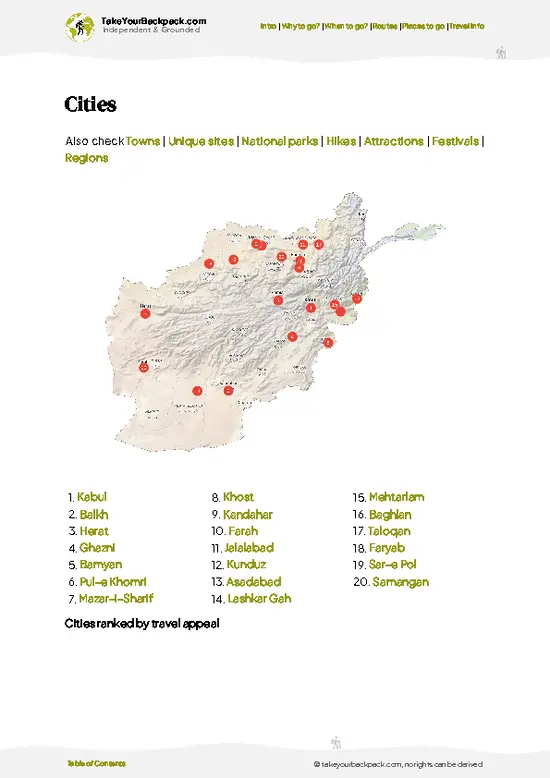
  • Baghlan—agricultural plain, sugar factories, transport junction| 26 km away
  • Samangan—Buddhist caves, rocky hills, rural settlements| 79 km away
  • Kunduz—northern crossroads, cotton fields, river plains| 88 km away

💡 Not sure where to go next?
Create a personalized itinerary for Afghanistan including Pul-e Khomri and the places that fit your trip.

Generate my itinerary

👉 Discover all cities

Or checkout all Afghanistan has to offer (think cities, towns, villages, national parks, hikes, beaches, festivals)
Country photo of Afghanistan

We 💚 feedbackWhat to keep in mind

Pul-e Khomri has a raw, unfiltered vibe that feels like stepping into a different era. The air is thick with the scent of spices from local markets, and the laughter of children echoes through the streets. A surprise? The warmth of the people; they’re genuinely curious about you. Just a heads-up: be mindful of your surroundings and dress modestly. It’s a place that rewards patience and respect, revealing its beauty only to those who truly engage.

✍️ Help improve this page!
The information on this page is based on in-depth research, insights shared by experienced travelers, and feedback from the local travel community in Afghanistan. While every effort is made to keep the information accurate and current, conditions can change — so if you spot anything incorrect or outdated, please get in touch.


🙋‍♂️ Give feedback

👋 Meet the founderWho’s Behind Take Your Backpack?

Johan, backpacker and founder of TakeYourBackpackHi, I’m Johan (Netherlands 🇳🇱), the creator of TakeYourBackpack. Over the past decade, I’ve backpacked through 80+ countries across six continents, gaining extensive experience with independent travel, long-term trips, and overland routes.

This site is built on a combination of firsthand travel experience and carefully curated insights from other backpackers. Many guides are based on places I’ve personally visited, while others bring together tips, observations, and practical advice shared by trusted travelers I’ve met along the way.

The goal is to provide realistic, experience-driven guidance — not generic itineraries — so you can explore destinations with better context, clearer expectations, and more confidence.

Get full country guide •
Instant download • 72 highlights • Full Offline guide