v2.webp)
The Lion Gate Relief
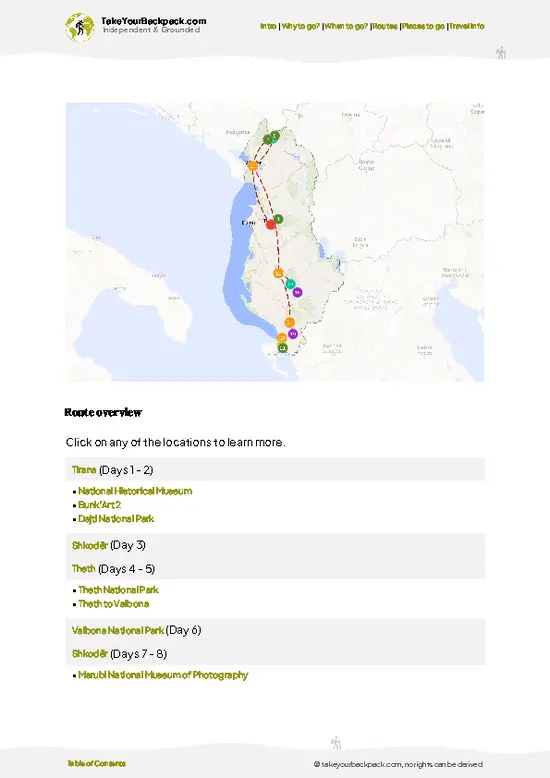
Forget the Instagrammed columns—this is the real showstopper. The Lion Gate’s carved relief isn’t just a photo op; it’s a 2,500-year-old flex. The lion devouring a bull is pure ancient propaganda, a warning to enemies and a message to everyone else: “Don’t mess with Butrint.” You can stand inches from the stone, tracing the chisel marks with your eyes, and feel the weight of hands that carved it before Rome was even an idea. It’s not roped off, not sanitized. It’s raw, and it’s right there.
The Amphitheater’s Backstage Access
Most ancient theaters are off-limits or swamped with selfie sticks. Butrint’s amphitheater is different. You can actually walk the stage, duck through the actors’ tunnels, and sit where the city’s elite once gossiped about politics and gods. The … read more 👉
Forget the Instagrammed columns—this is the real showstopper. The Lion Gate’s carved relief isn’t just a photo op; it’s a 2,500-year-old flex. The lion devouring a bull is pure ancient propaganda, a warning to enemies and a message to everyone else: “Don’t mess with Butrint.” You can stand inches from the stone, tracing the chisel marks with your eyes, and feel the weight of hands that carved it before Rome was even an idea. It’s not roped off, not sanitized. It’s raw, and it’s right there.
The Amphitheater’s Backstage Access
Most ancient theaters are off-limits or swamped with selfie sticks. Butrint’s amphitheater is different. You can actually walk the stage, duck through the actors’ tunnels, and sit where the city’s elite once gossiped about politics and gods. The … read more 👉
The Lion Gate Relief
Forget the Instagrammed columns—this is the real showstopper. The Lion Gate’s carved relief isn’t just a photo op; it’s a 2,500-year-old flex. The lion devouring a bull is pure ancient propaganda, a warning to enemies and a message to everyone else: “Don’t mess with Butrint.” You can stand inches from the stone, tracing the chisel marks with your eyes, and feel the weight of hands that carved it before Rome was even an idea. It’s not roped off, not sanitized. It’s raw, and it’s right there.
The Amphitheater’s Backstage Access
Most ancient theaters are off-limits or swamped with selfie sticks. Butrint’s amphitheater is different. You can actually walk the stage, duck through the actors’ tunnels, and sit where the city’s elite once gossiped about politics and gods. The acoustics are still sharp—whisper at center stage, and your voice bounces back. If you visit early or late, you might have the whole place to yourself, with only frogs and the odd heron for company. This is where Butrint feels alive, not embalmed.
The Baptistery Mosaic (If You’re Lucky)
Here’s the honest truth: the Baptistery’s floor mosaic is usually covered for protection. But if you catch it uncovered (typically in summer), you’re in for one of the Balkans’ most jaw-dropping archaeological moments. The mosaic is a riot of peacocks, deer, and geometric patterns—Christian symbolism meets pagan artistry. Even covered, the Baptistery’s circular columns and echoing space are worth a slow lap. But if you see the mosaic, you’ll remember it for life.
The Museum’s “Lost & Found” Room
This isn’t your average glass-case snooze fest. The Butrint Archaeological Museum is packed with artifacts yanked from the mud and marshes—coins, amphorae, jewelry, and even surgical tools. What sets it apart is the way it tells the story: not just what was found, but how, and by whom. There’s a sense of discovery here, a feeling that the site is still giving up its secrets. The museum’s layout is tight and personal, not overwhelming, so you actually absorb the stories.
The Venetian Tower View
Climb the Venetian Tower for a panorama that slaps you awake. You see the whole sweep of Butrint—the ruins, the lagoon, the mountains rolling into Greece. This is the spot where you realize why everyone from Greeks to Byzantines to Ottomans wanted this patch of land. The view is a history lesson and a geography lesson in one. My personal favorite, hands down. There’s no filter that can do it justice, and no crowd to block your view.
The “Living Ruins” Vibe
Butrint isn’t a dead city. Lizards dart across marble, wildflowers burst from cracks, and the air smells like pine and saltwater. You’re not just looking at history—you’re walking through it, breathing it in. The museum’s best trick is how it lets you feel the layers: Greek, Roman, Byzantine, Venetian, all stacked and jumbled. It’s messy, it’s real, and it’s the opposite of a theme park.
Forget the Instagrammed columns—this is the real showstopper. The Lion Gate’s carved relief isn’t just a photo op; it’s a 2,500-year-old flex. The lion devouring a bull is pure ancient propaganda, a warning to enemies and a message to everyone else: “Don’t mess with Butrint.” You can stand inches from the stone, tracing the chisel marks with your eyes, and feel the weight of hands that carved it before Rome was even an idea. It’s not roped off, not sanitized. It’s raw, and it’s right there.
The Amphitheater’s Backstage Access
Most ancient theaters are off-limits or swamped with selfie sticks. Butrint’s amphitheater is different. You can actually walk the stage, duck through the actors’ tunnels, and sit where the city’s elite once gossiped about politics and gods. The acoustics are still sharp—whisper at center stage, and your voice bounces back. If you visit early or late, you might have the whole place to yourself, with only frogs and the odd heron for company. This is where Butrint feels alive, not embalmed.
The Baptistery Mosaic (If You’re Lucky)
Here’s the honest truth: the Baptistery’s floor mosaic is usually covered for protection. But if you catch it uncovered (typically in summer), you’re in for one of the Balkans’ most jaw-dropping archaeological moments. The mosaic is a riot of peacocks, deer, and geometric patterns—Christian symbolism meets pagan artistry. Even covered, the Baptistery’s circular columns and echoing space are worth a slow lap. But if you see the mosaic, you’ll remember it for life.
The Museum’s “Lost & Found” Room
This isn’t your average glass-case snooze fest. The Butrint Archaeological Museum is packed with artifacts yanked from the mud and marshes—coins, amphorae, jewelry, and even surgical tools. What sets it apart is the way it tells the story: not just what was found, but how, and by whom. There’s a sense of discovery here, a feeling that the site is still giving up its secrets. The museum’s layout is tight and personal, not overwhelming, so you actually absorb the stories.
The Venetian Tower View
Climb the Venetian Tower for a panorama that slaps you awake. You see the whole sweep of Butrint—the ruins, the lagoon, the mountains rolling into Greece. This is the spot where you realize why everyone from Greeks to Byzantines to Ottomans wanted this patch of land. The view is a history lesson and a geography lesson in one. My personal favorite, hands down. There’s no filter that can do it justice, and no crowd to block your view.
The “Living Ruins” Vibe
Butrint isn’t a dead city. Lizards dart across marble, wildflowers burst from cracks, and the air smells like pine and saltwater. You’re not just looking at history—you’re walking through it, breathing it in. The museum’s best trick is how it lets you feel the layers: Greek, Roman, Byzantine, Venetian, all stacked and jumbled. It’s messy, it’s real, and it’s the opposite of a theme park.
Spotted a mistake or missing something? Contact us.

1-Day Tour in Blue Eye, Monastery, Gjirokaster and Lekursi Castle

Stand Up Paddle-boarding around Ksamil islands (3 times a day)

Ksamil: Mussel Sailing Tour with Food and Drink in Albania

Blue Eye Experience & Lekursi Castle Sunset from Sarand or Ksamil

Blue Eye Spring Tour- pickup from Saranda & Ksamil

Bënja Thermal Baths and Langarica Canyon Tour from Saranda Ksamil

Ksamil or Saranda: Gjirokaster Old Town, Blue Eye & Lekursi
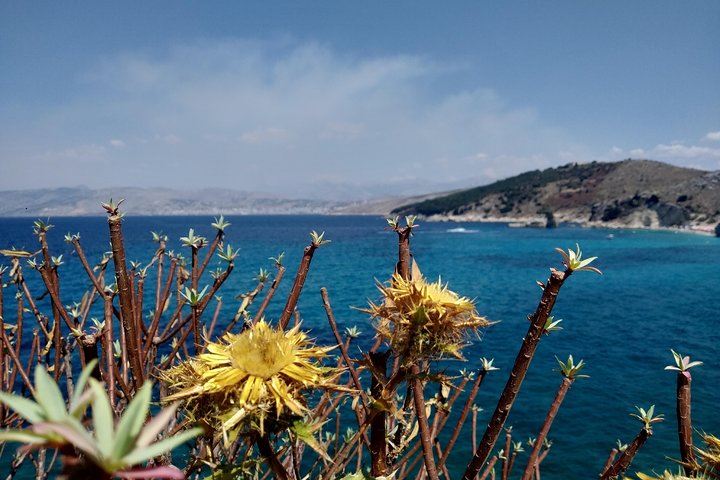
Half-day Tour in South Albania (Blue Eye, Lekursi Castle, Ksamil)

Speedboat Tour 5 Island of Ksamil & Twin Islands snorkeling


 Best Backpacking
.jpg) Hi, I’m Johan (Netherlands 🇳🇱), the creator of TakeYourBackpack. Over the past 3 decades, I’ve backpacked through 90+ countries across six continents, gaining extensive experience with independent travel, long-term trips, and overland routes.
Hi, I’m Johan (Netherlands 🇳🇱), the creator of TakeYourBackpack. Over the past 3 decades, I’ve backpacked through 90+ countries across six continents, gaining extensive experience with independent travel, long-term trips, and overland routes.