
×

Angola🇦🇴 | attractionsFortaleza de São MiguelRamparts, bay views, azulejo panels, military museum | things to do and best time to go

Explore Mbanza KongoExplore Museu Nacional de Antropologia

Backpacking in Fortaleza de São Miguel
🏆 Top pickattraction ranked #1
By Johan Kruseman 🇳🇱 | Updated October 22, 2026

Entry costs a few thousand kwanza at most, and you can see the whole fortress in under two hours, so it fits easily into a day of walking Luanda. It sits on a rise above the bay in the old city center, near the Marginal waterfront and the Ilha peninsula. The popular image is a grand colonial citadel. The reality is a squat, sun-bleached stone fort where the heat bounces off the ramparts, the air smells of salt, diesel and warm rust, and the museum labels are almost all in Portuguese. Some displays are faded and the information is thin. Crowds are rare, which means you may have the cannons to yourself. What lifts it is the detail: blue-and-white tile panels cool to the touch, tanks and aircraft from the civil war parked on baking concrete, and a view of container ships sliding across the bay. Nothing else in Angola packs this much history into so little ground.

Discover everything you want to know in the 📖 Angola Travel Guide.


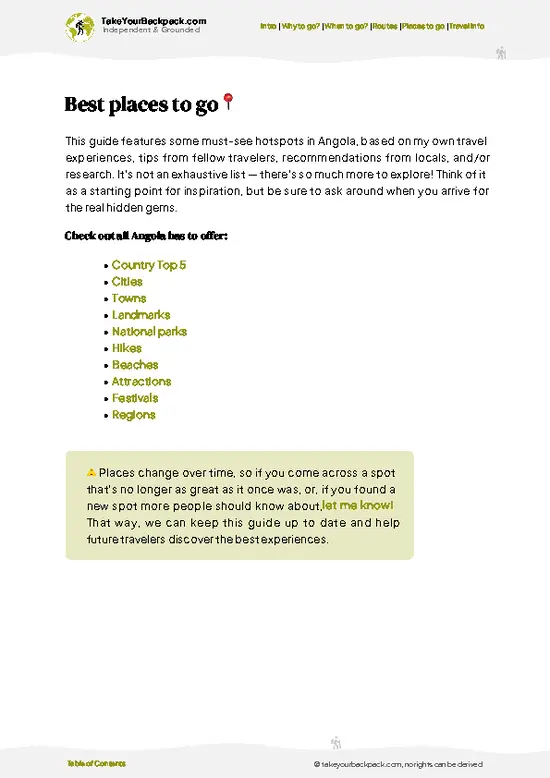
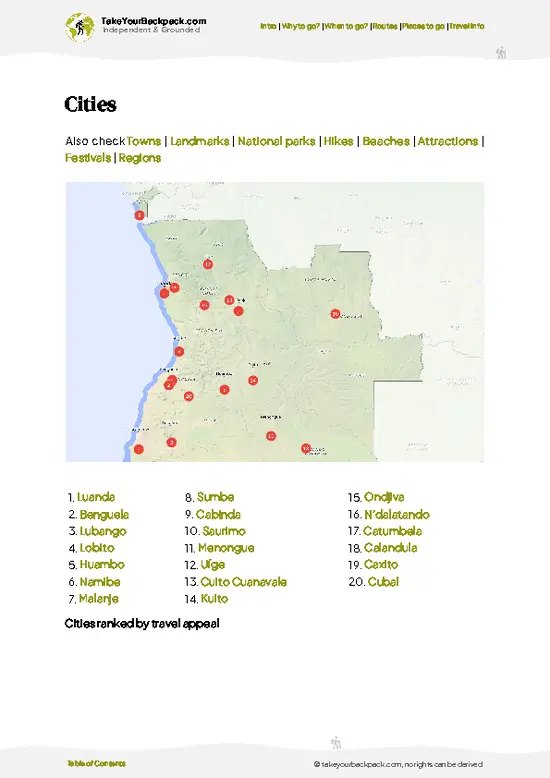
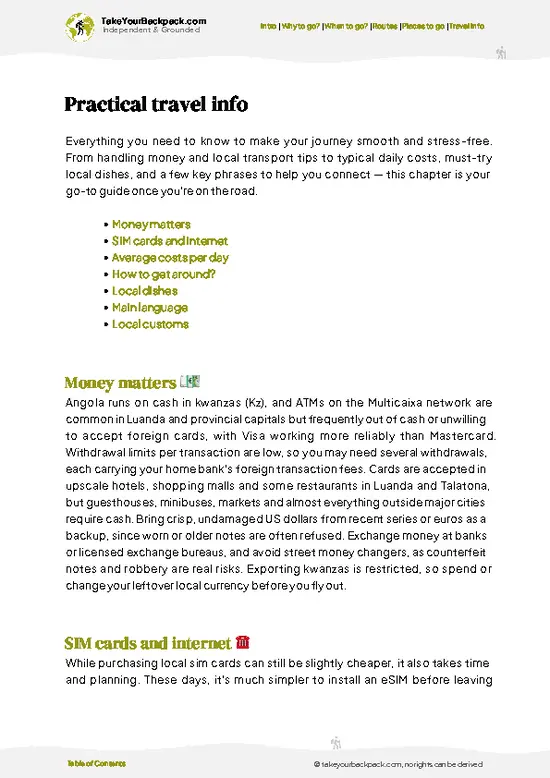
example page 0 from our offline Travel Guide for Angola
example page 1 from our offline Travel Guide for Angola
example page 2 from our offline Travel Guide for Angola
example page 3 from our offline Travel Guide for Angola
example page 4 from our offline Travel Guide for Angola
example page 5 from our offline Travel Guide for Angola
example page 6 from our offline Travel Guide for Angola
example page 7 from our offline Travel Guide for Angola
Loading the map 🌍
CLICK TO FILTER
cities
towns
landmarks
national parks
hikes
beaches
attractions
festivals
regions
SHOW COUNTRY’S BESTSHOW ALL

✨ Why go?
Ranked #1 attraction in Angola
What makes this attraction worth visiting

Luanda has few places where the country’s layered past sits in one spot, and this is one of them. The fortress dates from the founding of the city in 1576, so you are standing on the oldest military ground in Angola. Walk the ramparts and you see the Atlantic approach that Portuguese ships used for centuries, a route tied directly to the slave trade that made Luanda one of the busiest ports on the coast. That context turns an hour of looking at cannons into something far heavier than a museum visit.

The second pull is the war history. The Museu das Forças Armadas inside the walls covers the independence struggle and the long civil war, with hardware you can walk right up to. It is rare to see this told from within Angola rather than through a foreign lens, and it explains a lot about what … read more 👉
Luanda has few places where the country’s layered past sits in one spot, and this is one of them. The fortress dates from the founding of the city in 1576, so you are standing on the oldest military ground in Angola. Walk the ramparts and you see the Atlantic approach that Portuguese ships used for centuries, a route tied directly to the slave trade that made Luanda one of the busiest ports on the coast. That context turns an hour of looking at cannons into something far heavier than a museum visit.

The second pull is the war history. The Museu das Forças Armadas inside the walls covers the independence struggle and the long civil war, with hardware you can walk right up to. It is rare to see this told from within Angola rather than through a foreign lens, and it explains a lot about what you will see on the streets afterward. For anyone crossing the country by road, it also works as a useful first stop, a way to understand Luanda before you head south or east.

💡 HighlightsEssential experiences to have while visiting Fortaleza de São Miguel

  1. The ramparts and bay view. Walk the stone walls for a sweep over Luanda Bay, the Ilha peninsula, and the cranes of the port. Go in the morning, when the light is soft and the stone has not yet turned hot.
  2. Old cannons on the walls. Rows of aged iron guns still point toward the water, a reminder that this fort existed to guard the harbor. You can stand beside them and see exactly what field of fire they covered.
  3. Azulejo tile panels. Portuguese-style blue-and-white tiles line parts of the fortress and illustrate episodes of Angola’s history. The glaze is cool under your fingers and the detail is worth a slow look.
  4. Museu das Forças Armadas. The museum inside the fort follows the armed struggle for independence and the later civil war through uniforms, weapons, maps and photographs. Labels are mostly
… read more 👉
  1. The ramparts and bay view. Walk the stone walls for a sweep over Luanda Bay, the Ilha peninsula, and the cranes of the port. Go in the morning, when the light is soft and the stone has not yet turned hot.
  2. Old cannons on the walls. Rows of aged iron guns still point toward the water, a reminder that this fort existed to guard the harbor. You can stand beside them and see exactly what field of fire they covered.
  3. Azulejo tile panels. Portuguese-style blue-and-white tiles line parts of the fortress and illustrate episodes of Angola’s history. The glaze is cool under your fingers and the detail is worth a slow look.
  4. Museu das Forças Armadas. The museum inside the fort follows the armed struggle for independence and the later civil war through uniforms, weapons, maps and photographs. Labels are mostly in Portuguese, so a phone translator helps.
  5. Armored vehicles and aircraft in the courtyard. Tanks, artillery and military aircraft sit in the open, many of them Soviet-era. You can get close enough to see the rivets, the rust, and the scale of the machines.
  6. Colonial-era statues. Statues of Portuguese figures, including the city’s founder Paulo Dias de Novais, were relocated here from public squares after independence. Seeing them gathered in one place is an odd and quietly telling sight, and the sculptures are often the most photographed part of the visit.
If time is short, skip the indoor display cases and spend your minutes on the ramparts and the courtyard vehicles.
Spotted a mistake or missing something? Contact us.

Things to do near Fortaleza de São Miguel

Ratings based on Tripadvisor reviews. When you book through this link, you support our work at no extra cost to you.

🌤️ When to go?When to go for the best experience

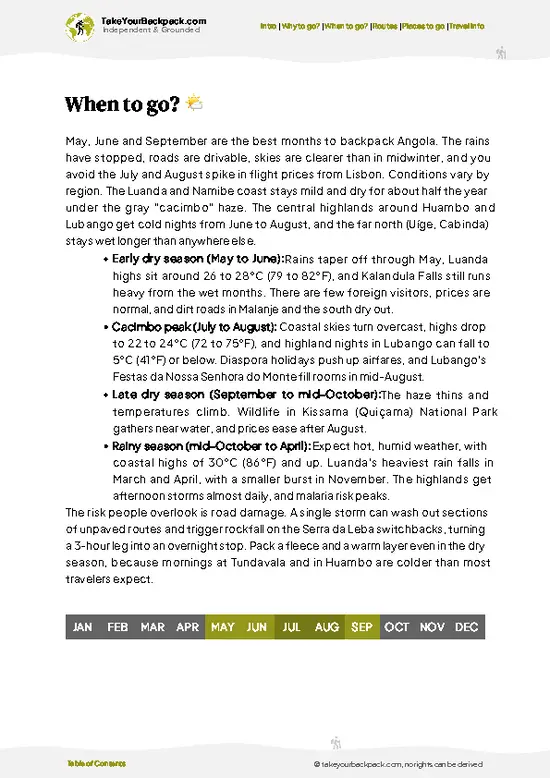
The best time to visit Fortaleza de São Miguel in Luanda is the dry season, called Cacimbo, from May to September, when the hilltop walls above the bay are rarely rained on.
  • Cacimbo (May to September): Overcast mornings and cool, dry air, with highs around 24 to 27°C (75 to 81°F) and lows near 19 to 21°C (66 to 70°F). Haze often hangs over the bay, so photos can look flat, but the walk up is comfortable.
  • Hot and Rainy Season (October to April): Highs reach 29 to 32°C (84 to 90°F) with heavy humidity. Rain peaks from March to April, and downpours can turn the approach roads muddy. Skies clear between showers and give the sharpest views of the Ilha de Luanda.
  • Daylight: Roughly 11 to 13 hours year-round, with sunrise near 6 am and sunset near 6 pm. Aim for the morning, before the heat builds.
  • Crowds
… read more 👉
The best time to visit Fortaleza de São Miguel in Luanda is the dry season, called Cacimbo, from May to September, when the hilltop walls above the bay are rarely rained on.
  • Cacimbo (May to September): Overcast mornings and cool, dry air, with highs around 24 to 27°C (75 to 81°F) and lows near 19 to 21°C (66 to 70°F). Haze often hangs over the bay, so photos can look flat, but the walk up is comfortable.
  • Hot and Rainy Season (October to April): Highs reach 29 to 32°C (84 to 90°F) with heavy humidity. Rain peaks from March to April, and downpours can turn the approach roads muddy. Skies clear between showers and give the sharpest views of the Ilha de Luanda.
  • Daylight: Roughly 11 to 13 hours year-round, with sunrise near 6 am and sunset near 6 pm. Aim for the morning, before the heat builds.
  • Crowds and Prices: Visitor numbers stay low all year. Luanda hotel rates follow business travel, not seasons, so they barely shift.
Visit on a weekday morning, when the museum staff are on duty and the light over the harbor is softest.


source: climatestotravel.comJANJanuary: fair for travelingFEBFebruary: fair for travelingMARMarch: fair for travelingAPRApril: fair for travelingMAYMay: highly recommended for travelingJUNJune: excellent for travelingJULJuly: excellent for travelingAUGAugust: excellent for travelingSEPSeptember: highly recommended for travelingOCTOctober: excellent for travelingNOVNovember: fair for travelingDECDecember: fair for traveling
angola-attraction-fortaleza-de-sao-miguel
© Google |

✈️ The backpacker research shortcutAngola Travel Guide

An offline-friendly backpacking guide with optimized travel routes, ranked highlights, transport advice, and the best areas to stay.
example page 0 from our offline Travel Guide for Angola
example page 1 from our offline Travel Guide for Angola
example page 2 from our offline Travel Guide for Angola
example page 3 from our offline Travel Guide for Angola
example page 4 from our offline Travel Guide for Angola
example page 5 from our offline Travel Guide for Angola
example page 6 from our offline Travel Guide for Angola
example page 7 from our offline Travel Guide for Angola
The digital guide (246 pages) contains:
✅ 71 highlights, ranked by travel appeal
✅ Optimized 7, 14 & 21-day travel routes
✅ Cities, national parks, landmarks, beaches
✅ How to get around
✅ Offline-friendly for travel without Wi-Fi
👉 Click to see all 30+ guide features

📅 Plan smarter in minutes, not weeks
✅ Month by month travel advice
✅ Festivals & national holidays
✅ Budget expectations

🗺️ Go to the right places, skip the overrated ones
✅ Honest pros & cons of destinations
✅ Top hikes, parks & viewpoints
✅ Lesser-known places most travelers miss
✅ Clear “worth it vs skip it” guidance

🛏️ Travel smoothly without rookie mistakes
✅ Best areas to stay
✅ Transport systems explained simply
✅ Common scams & safety advice
✅ SIM cards, money & practical tips

🌍 Understand the country, not just visit it
✅ Culture & traditions
✅ 52 Essential phrases & customs
✅ Festivals worth planning around
✅ Traveler-friendly historical context
✅ Insights that make places more meaningful

📱 Built for real travel conditions
✅ Fully downloadable PDF
✅ Works completely offline
✅ Optimized for phone use
✅ Useful in remote areas & buses
✅ Everything in one place
Stop searching, start planning
Get instant access to your full guide. 30‑day money-back guarantee.
+ Add another guide for just

By proceeding you agree to our terms.
Sent to your inbox immediately after payment • 100% Secure Checkout
Best Backpacking Travel Advisor 2025 tourism awardBest Backpacking
Travel Advisor
2025
What others say about Take Your Backpack Guides:
⭐⭐⭐⭐⭐
Fantastic, amazing amount of information!
⭐⭐⭐⭐⭐
My goodness this is amazing, it's what I've been looking for hats off too you!
⭐⭐⭐⭐⭐
I think this is absolutely BRILLIANT
⭐⭐⭐⭐
Very complete and informative. It's still missing places, but I gotta to commend you
⭐⭐⭐⭐⭐
This is truly amazing, thank you, can't wait to explore it with my kids!
⭐⭐⭐⭐⭐
Awesome resource, thank you!
⭐⭐⭐⭐⭐
This is amazing! Can't wait to explore the ones I haven't seen
⭐⭐⭐⭐
I love this! Well done, great idea.
⭐⭐⭐⭐⭐
Thanks for taking the time to make this gem!
⭐⭐⭐⭐⭐
This might be the best website I've ever seen.
⭐⭐⭐⭐⭐
Congratulations, and thank you so much for your work; it's incredibly valuable.
⭐⭐⭐⭐
In all seriousness I think you did a great job pointing out the important spots
⭐⭐⭐⭐⭐
10/10 very good
⭐⭐⭐⭐⭐
As someone who's only just starting to visit regularly this is awesome, thank you.
⭐⭐⭐⭐
Thank you very much! I'm going to visit my dad, it's going to be very useful!
⭐⭐⭐⭐⭐
This is really cool! We'll be travelling for the first time and this definitely come in handy.
⭐⭐⭐⭐⭐
You are now our minister of culture, congratulations 👨‍💼
⭐⭐⭐⭐⭐
Just wanted to tell you that this is a pearl! Going to follow your recommendations.
⭐⭐⭐⭐⭐
This is so cool. I'll definitely be using the resource for my travels soon.
⭐⭐⭐⭐⭐
This is very impressive! Good work.
⭐⭐⭐⭐⭐
This is an amazing and informative site. Very well done!

🛏️ Where to stay?How to pick the right area

The best area for backpackers near Fortaleza de São Miguel is Ingombota, the central district just below the fortress hill, where you can walk to the fort in 10 to 20 minutes.
Luanda has no real backpacker scene, so expect guesthouses, small apartments and short-stay rentals rather than dorm-filled hostel streets. Ingombota is the practical pick. Banks, restaurants, supermarkets and the waterfront promenade (Marginal) sit within a few blocks, and taxis are easy to find. Evening walks are best kept to the main, well-lit streets.
The Baixa and the neighboring Largo do Kinaxixi area put you near the … read more 👉
The best area for backpackers near Fortaleza de São Miguel is Ingombota, the central district just below the fortress hill, where you can walk to the fort in 10 to 20 minutes.
Luanda has no real backpacker scene, so expect guesthouses, small apartments and short-stay rentals rather than dorm-filled hostel streets. Ingombota is the practical pick. Banks, restaurants, supermarkets and the waterfront promenade (Marginal) sit within a few blocks, and taxis are easy to find. Evening walks are best kept to the main, well-lit streets.
The Baixa and the neighboring Largo do Kinaxixi area put you near the old colonial center, the Museu Nacional de Antropologia and street food spots. They are cheaper and more local, but busier and less polished, so they suit travelers comfortable with a little chaos.
Miramar, to the west of the fort along the coast, is quieter and considered safer, with embassies and higher-end apartments. Prices are higher, but a shared apartment can bring the cost down, and you will meet expats and other foreign visitors there.
Ilha de Luanda, across the bay, has beach bars and a relaxed feel, but it is a taxi ride from the fortress.
Whichever area you choose, book ahead, since options are limited, and use ride-hailing apps or hotel-arranged taxis after dark.

👛 Costs (as of 22 October 2026)Money, prices, and spending tips

A day around Fortaleza de São Miguel costs about US$62 for a backpacker who keeps meals simple and uses shared rides, with the fort entry itself the smallest line in the budget. The fortress sits on a hill above the Luanda bay, so most of your money goes to getting there, eating and sleeping. Pay in kwanza (Kz); changing money on the street is illegal, so use ATMs or an official exchange.
CategoryBudget RangeLocal Reality
Fort entry (Museu das Forças Armadas)US$2 to 6A small ticket for foreigners, usually paid in cash. Guided tours in English or Portuguese may cost extra.
Photo permissionUS$0 to 3Staff sometimes charge to use a camera inside the grounds.
Accommodation, high season (May to September)US$25 to 45Guesthouse or basic hostel-style room in central Luanda. Prices stay high all year because
… read more 👉
A day around Fortaleza de São Miguel costs about US$62 for a backpacker who keeps meals simple and uses shared rides, with the fort entry itself the smallest line in the budget. The fortress sits on a hill above the Luanda bay, so most of your money goes to getting there, eating and sleeping. Pay in kwanza (Kz); changing money on the street is illegal, so use ATMs or an official exchange.
CategoryBudget RangeLocal Reality
Fort entry (Museu das Forças Armadas)US$2 to 6A small ticket for foreigners, usually paid in cash. Guided tours in English or Portuguese may cost extra.
Photo permissionUS$0 to 3Staff sometimes charge to use a camera inside the grounds.
Accommodation, high season (May to September)US$25 to 45Guesthouse or basic hostel-style room in central Luanda. Prices stay high all year because the city is expensive.
Accommodation, low seasonUS$20 to 35Slightly softer rates in the rainy months, and only some places discount.
Local transportUS$3 to 12Ride-hailing cars from the city center cost a few dollars. Shared blue-and-white minibuses (candongueiros) are cheaper but harder for newcomers.
FoodUS$8 to 18Street grills and simple restaurants cover a plate of grilled fish or chicken with rice for US$4 to 8. Sit-down places in the Ilha and Baixa areas cost more.
Drinks and snacksUS$2 to 5Bottled water and a local beer near the waterfront are priced higher than inland.
Extra sights nearbyUS$0 to 8Other small museums in the old center charge low entry fees.
Total Daily BudgetUS$62Roughly US$50 to 90 depending on how often you take a ride-hailing car.
⚠️ Prices can change and everyone travels differently, so take this as a rough guide. Hope it helps you plan your adventure!

FAQTraveler FAQ

Plan on 1.5 to 2 hours for the fortress and the museum inside it. That is enough to walk the ramparts, read the main displays, and photograph the tile panels and the courtyard vehicles. Add another hour if you want to walk the nearby Marginal waterfront afterward.
For most travelers, yes, because the fee is modest, roughly AOA 1,000 to 3,000 (about US$1 to 3). That small sum buys access to the oldest military site in Luanda, a museum covering the independence war and civil war, and one of the best views over the bay. Labels are mostly in Portuguese, so a guide or translation app adds real value.
Take a taxi or ride-hailing car from anywhere in central Luanda, which usually takes 10 to 25 minutes depending on traffic. The fortress sits on a rise above Luanda Bay near the Marginal in the old city, so it is also walkable from nearby waterfront hotels in cooler morning hours. Blue-and-white candongueiro minibuses run along the main avenues but are hard to use without Portuguese, so a private ride is easier.
⚠️ Things can change over time, so always validate details locally before you go.

Other Angolan attractions near Fortaleza de São Miguel

Explore more nearby:


💡 Not sure where to go next?
Create a personalized itinerary for Angola including Fortaleza de São Miguel and the places that fit your trip.

Generate my itinerary

👉 Discover all attractions

Or checkout all Angola has to offer (think cities, towns, villages, national parks, hikes, beaches, festivals)
Country photo of Angola

We 💚 feedbackIs it worth it?

I expected a dusty relic and a quick photo stop. What I got was the statues. Colonial figures that once stood on city plinths now stand together inside the walls, looking oddly stranded, with the bay shimmering behind them. Spend longer there than you plan. Bring water, because shade is scarce by midday, and carry some small kwanza notes for the entrance and the guide who may offer to walk you round.

✍️ Help improve this page!
The information on this page is based on in-depth research, insights shared by experienced travelers, and feedback from the local travel community in Angola. While every effort is made to keep the information accurate and current, conditions can change — so if you spot anything incorrect or outdated, please get in touch.


🙋‍♂️ Give feedback

👋 Meet the founderWho’s Behind Take Your Backpack?

Johan, backpacker and founder of TakeYourBackpackHi, I’m Johan (Netherlands 🇳🇱), the creator of TakeYourBackpack. Over the past 3 decades, I’ve backpacked through 90+ countries across six continents, gaining extensive experience with independent travel, long-term trips, and overland routes.

This site is built on a combination of firsthand travel experience and carefully curated insights from other backpackers. Many guides are based on places I’ve personally visited, while others bring together tips, observations, and practical advice shared by trusted travelers I’ve met along the way.

The goal is to provide realistic, experience-driven guidance — not generic itineraries — so you can explore destinations with better context, clearer expectations, and more confidence.