v2.webp)
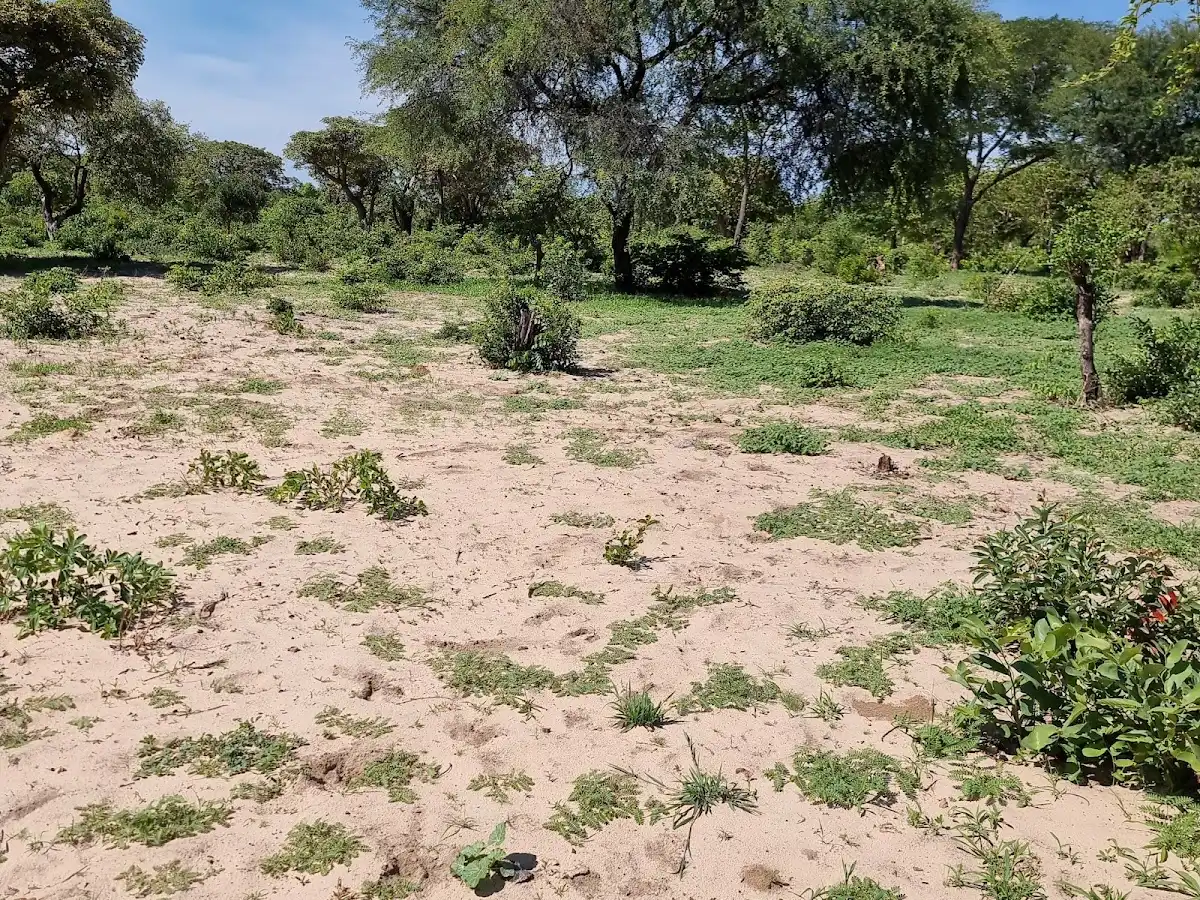
- Vast, Empty Wilderness — The scale hits you: endless mopane and miombo savanna broken by floodplains and isolated tree-clad ridges. It’s the kind of place where the horizon matters, and you can actually feel how remote a national park can be in southern Africa.
- Large Elephant Populations — Luengue-Luiana is known for sizable herds that move seasonally across the plains. Walks or drives near water in the dry season often turn into slow, unforgettable encounters with pachyderm traffic jams.
- Seasonal Floodplains and River Channels — Flood dynamics shape everything here: wide, grassy floodplains in the wet season and winding shallow channels in the dry. That shifting water creates strong contrasts of color and wildlife density through the year.
- Miombo and Mopane Woodlands — Those distinct
- Vast, Empty Wilderness — The scale hits you: endless mopane and miombo savanna broken by floodplains and isolated tree-clad ridges. It’s the kind of place where the horizon matters, and you can actually feel how remote a national park can be in southern Africa.
- Large Elephant Populations — Luengue-Luiana is known for sizable herds that move seasonally across the plains. Walks or drives near water in the dry season often turn into slow, unforgettable encounters with pachyderm traffic jams.
- Seasonal Floodplains and River Channels — Flood dynamics shape everything here: wide, grassy floodplains in the wet season and winding shallow channels in the dry. That shifting water creates strong contrasts of color and wildlife density through the year.
- Miombo and Mopane Woodlands — Those distinct tree communities give the park a different feel than the open Kalahari or the Zambezi bush. Look for towering miombo trees, dense mopane groves and the cool shade they throw—good places for birding and quiet hikes.
- Concentrations of Plains Game — Buffalo, sable and roan antelope are common where the grass meets woodland. Herds here are often more relaxed than in heavily touristed parks, so animal behavior is a highlight—breeding displays, territorial males, that sort of natural theater.
- Birdlife and Waterbird Hotspots — Seasonal wetlands and riparian edges attract storks, herons, kingfishers and a variety of raptors. For a backpacker with binoculars, a morning stakeout on a river bend can pay off with rare migrants and striking locals.
- Walking and Remote Trails — Formal trail networks are sparse, but guided walks and short hiking routes along riverbanks, ridgelines and koppies are possible. Expect basic paths, heat and real solitude—perfect if you want to feel like you’ve gone a long way from civilization.
Spotted a mistake or missing something? Contact us.



 Best Backpacking
.jpg) Hi, I’m Johan (Netherlands 🇳🇱), the creator of TakeYourBackpack. Over the past decade, I’ve backpacked through 80+ countries across six continents, gaining extensive experience with independent travel, long-term trips, and overland routes.
Hi, I’m Johan (Netherlands 🇳🇱), the creator of TakeYourBackpack. Over the past decade, I’ve backpacked through 80+ countries across six continents, gaining extensive experience with independent travel, long-term trips, and overland routes.