How many parks to visit: Visit
two parks, three at most, on a first trip. Distances are large, tracks are slow, and each park rewards time on the ground over a quick tick-off. Two parks with three or four days each give you a real feel for the place, the dust, the early cold, the stillness at dusk, rather than a blur of driving. You come away with sightings you worked for, which hits harder than a checklist.
Choosing between kinds of parks: Pick by
travel style. If you have limited time or a modest budget, a park near Luanda gives you red earth, baobab silhouettes and a first look at Angolan wildlife in a day trip or overnight, without a major expedition. If you want dramatic landscape and solitude, the southwest desert coast delivers gravel plains, fog at dawn and an almost empty horizon, …
read more 👉 How many parks to visit: Visit two parks, three at most, on a first trip. Distances are large, tracks are slow, and each park rewards time on the ground over a quick tick-off. Two parks with three or four days each give you a real feel for the place, the dust, the early cold, the stillness at dusk, rather than a blur of driving. You come away with sightings you worked for, which hits harder than a checklist.
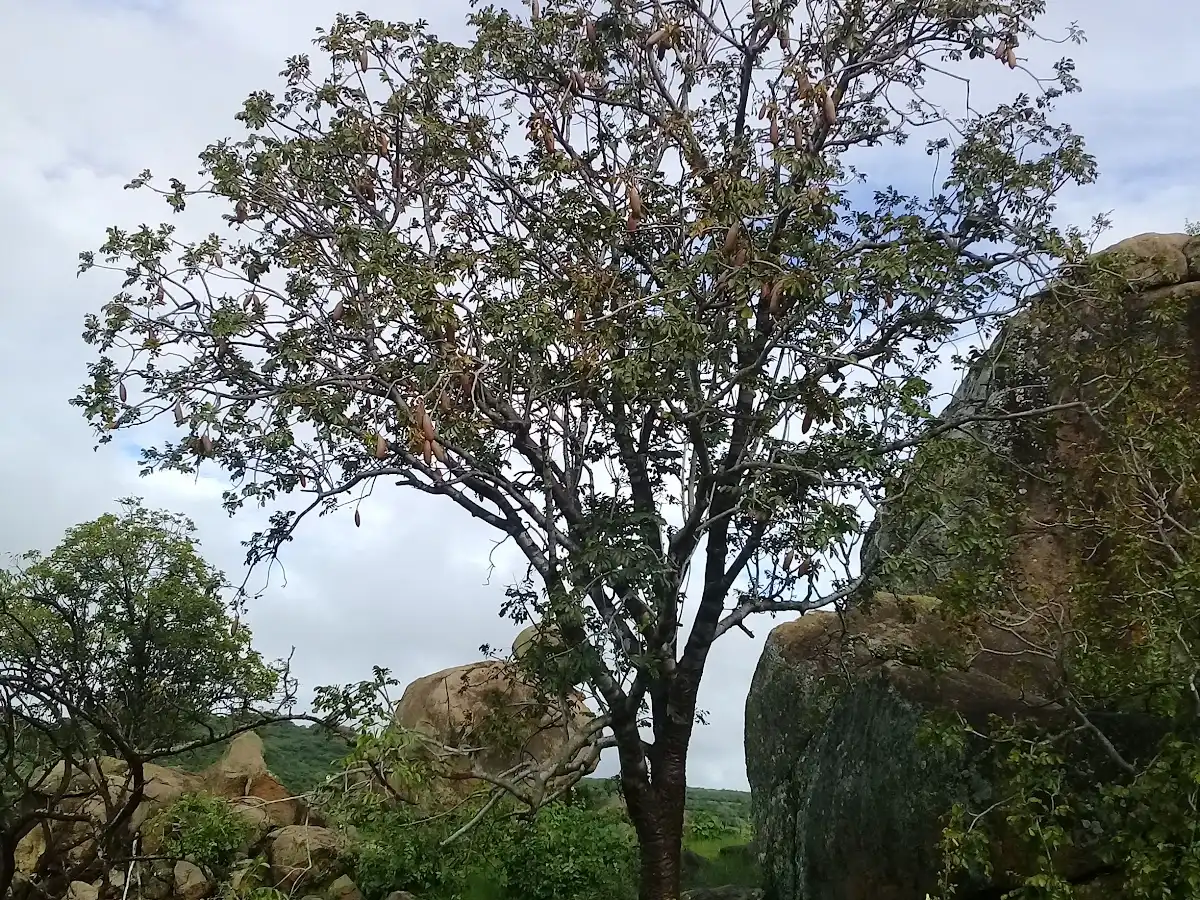
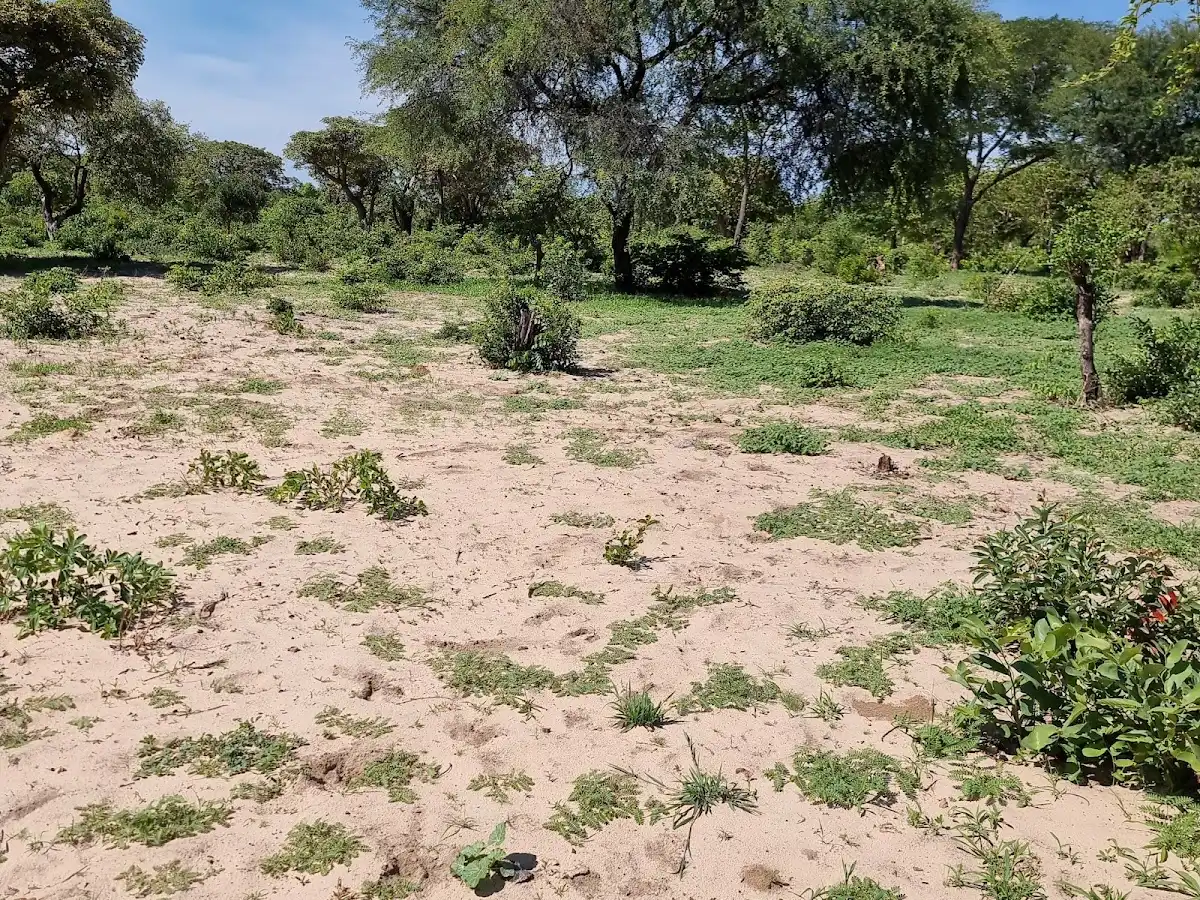
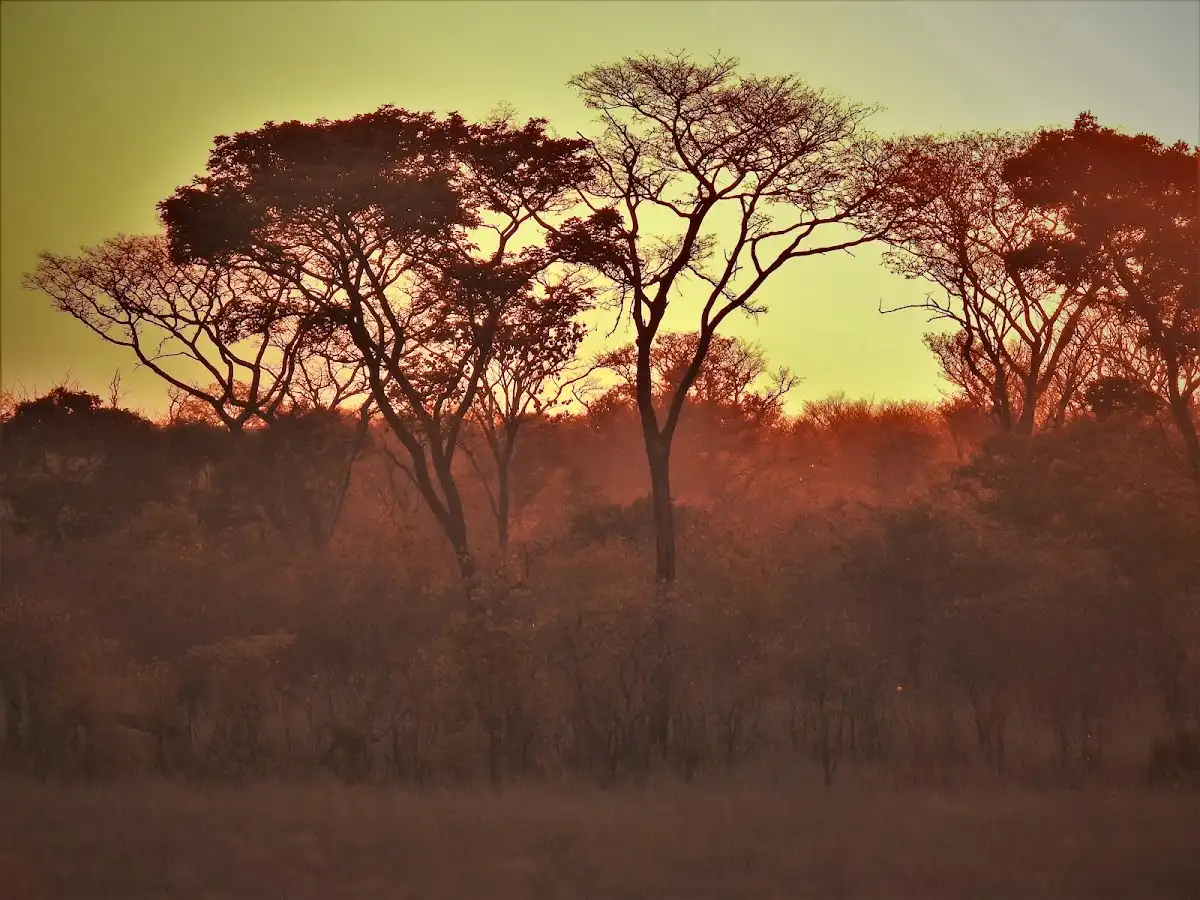
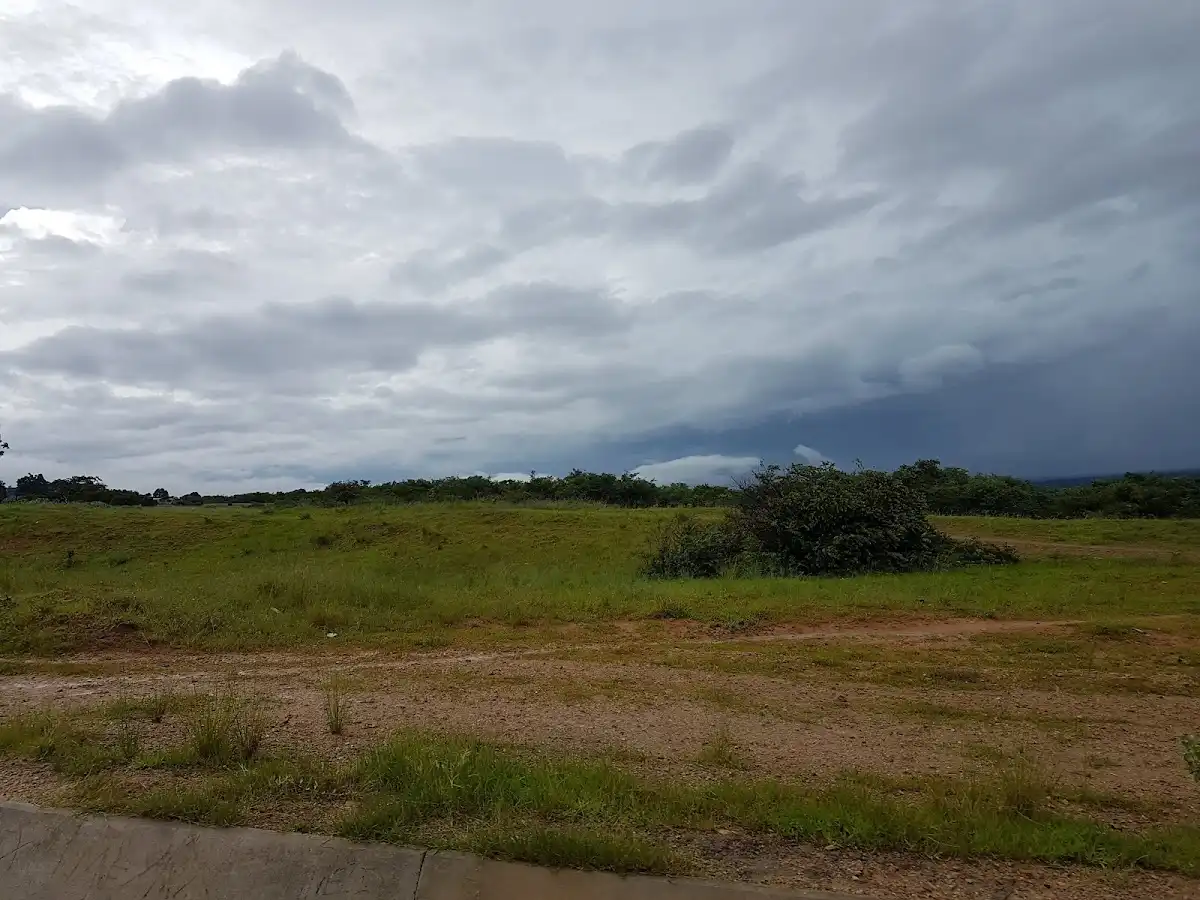
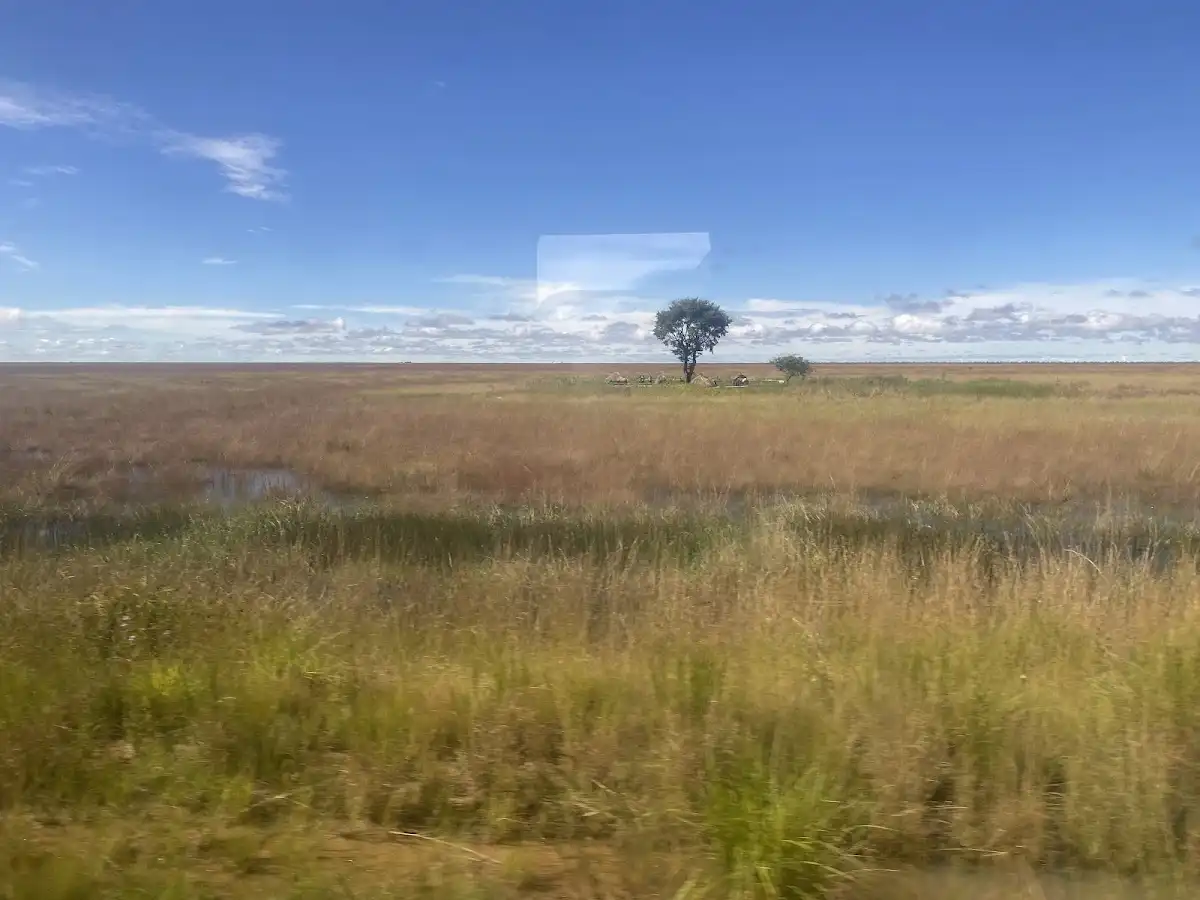
Choosing between kinds of parks: Pick by travel style. If you have limited time or a modest budget, a park near Luanda gives you red earth, baobab silhouettes and a first look at Angolan wildlife in a day trip or overnight, without a major expedition. If you want dramatic landscape and solitude, the southwest desert coast delivers gravel plains, fog at dawn and an almost empty horizon, but it demands a high-clearance 4x4 and self-sufficiency. If you prefer cooler temperatures and woodland birdlife, the southern highlands are friendlier, with granite outcrops, woodsmoke in the air and crisp mornings. The remote center and east suit experienced overlanders with their own vehicle and plenty of time. Plan for quiet and rough edges, not a polished safari.
What it costs: Angola is expensive by regional standards, especially around Luanda. Budget about US$70 to 120 a day for basic guesthouses or camping, food and local transport, before vehicle costs. Entry fees are modest where charged, typically around 5,000 to 15,000 kwanza (US$5 to 15) per person, and a ranger or local guide runs 20,000 to 45,000 kwanza (US$20 to 50) a day. A hired 4x4 with a driver costs roughly US$150 to 250 a day, and fuel is relatively cheap at about US$0.40 to 0.60 a liter. A self-drive trip with a rented 4x4 usually lands at US$200 to 350 a day all in. Camping saves the most. Carry cash in kwanza, since cards rarely work in rural areas, and expect to pay lodging fees upfront. Per visit, count US$100 to 400 depending on distance, guide use and vehicle share. Splitting the vehicle between three or four people is the single best way to bring costs down.
Safety and cultural considerations: The landmine legacy is real. Most parks and main tracks have been cleared, but you should stay on established tracks, never walk into unmarked bush, and take local advice on which areas are safe. A guide earns his fee here, and the confidence you gain is part of the reward. Wildlife can be dangerous too, so keep your distance from elephants, buffalo and hippos at river edges.
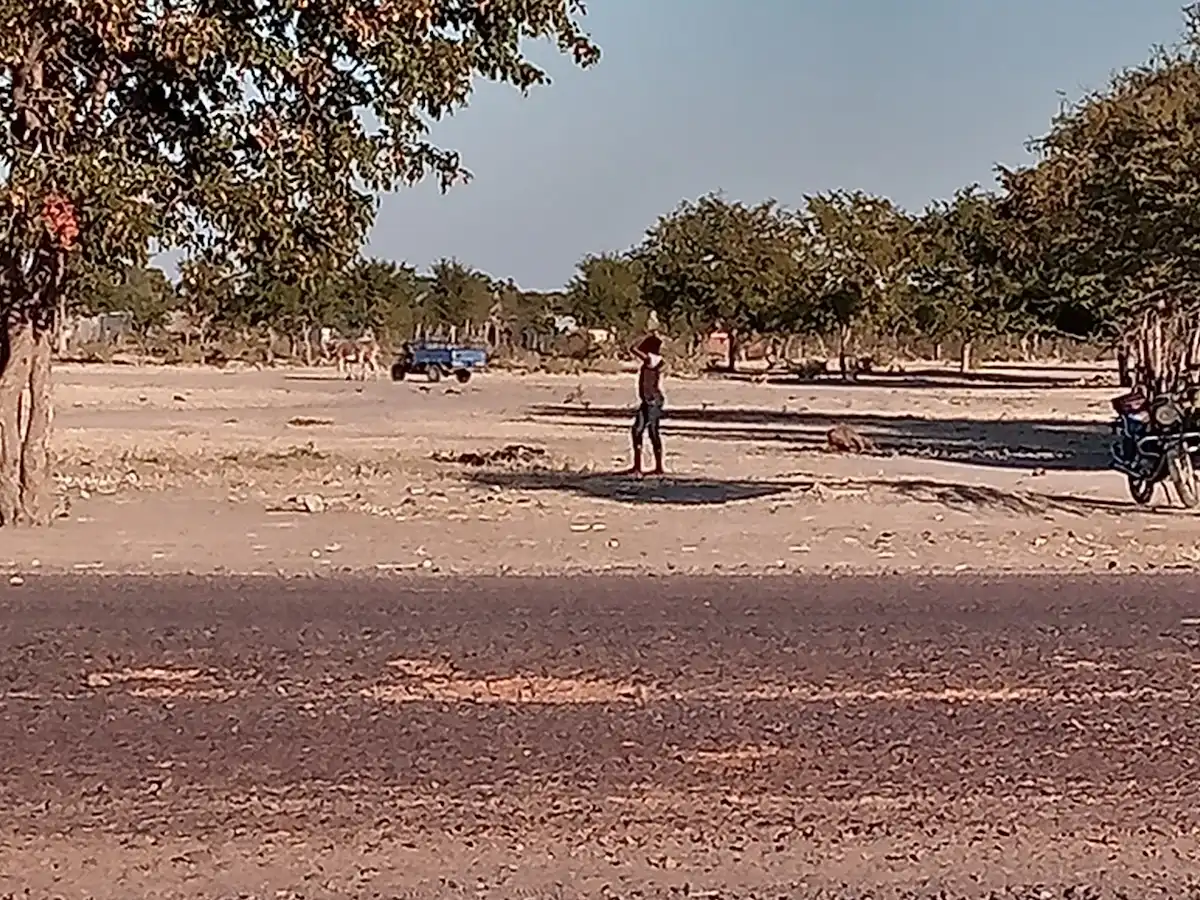
Roads take their toll. Carry two spares, a compressor, recovery gear and extra water, because help can be hours away and phone signal drops in most park areas. Police and military checkpoints are common on main roads. Be polite, greet in Portuguese, keep your documents and a passport copy at hand, and always ask before photographing officials, government buildings or people. In villages near parks, a handshake and a greeting before any request goes a long way, and small gifts like salt or school supplies are appreciated more than cash handouts.
Malaria is present nearly everywhere, so take prophylaxis and use repellent at dusk, when the air fills with insects. A yellow fever certificate is required for entry. Bring a first aid kit and a satellite messenger if you are heading far from towns. Do the prep and the empty tracks, the cold dawn light and the dusk chorus of frogs and nightjars are all yours.
v2.webp)

 Best Backpacking
.jpg) Hi, I’m Johan (Netherlands 🇳🇱), the creator of TakeYourBackpack. Over the past 3 decades, I’ve backpacked through 90+ countries across six continents, gaining extensive experience with independent travel, long-term trips, and overland routes.
Hi, I’m Johan (Netherlands 🇳🇱), the creator of TakeYourBackpack. Over the past 3 decades, I’ve backpacked through 90+ countries across six continents, gaining extensive experience with independent travel, long-term trips, and overland routes.