×

Argentina🇦🇷 | townsCaviahue-CopahueVolcanic caldera, sulfur springs, araucaria forest | things to do and best time to go

Explore El CalafateExplore Villa General Belgrano

Backpacking in Caviahue-Copahue
👌 Worth visitingtown ranked #13
By Johan Kruseman 🇳🇱 | Updated October 19, 2026

Here's what nobody tells you upfront: Caviahue-Copahue empties out completely outside ski and thermal-bathing season, meaning you'll often have entire trails and mineral pools to yourself. Tucked in Neuquén province near the Chilean border in Argentine Patagonia, this pair of tiny villages sits inside a volcanic caldera. It works best as a nature base, not a cultural stop: think sulfur-tinted lakes, an active volcano looming overhead, and thermal springs, not museums or markets. You'll need your own transport or patience with sparse bus schedules. Evenings are quiet, hostel common rooms are your social lifeline, and costs run lower than Bariloche. It's rugged, thin on frills, and genuinely worth the effort.

Discover everything you want to know in the 📖 Argentina Travel Guide.


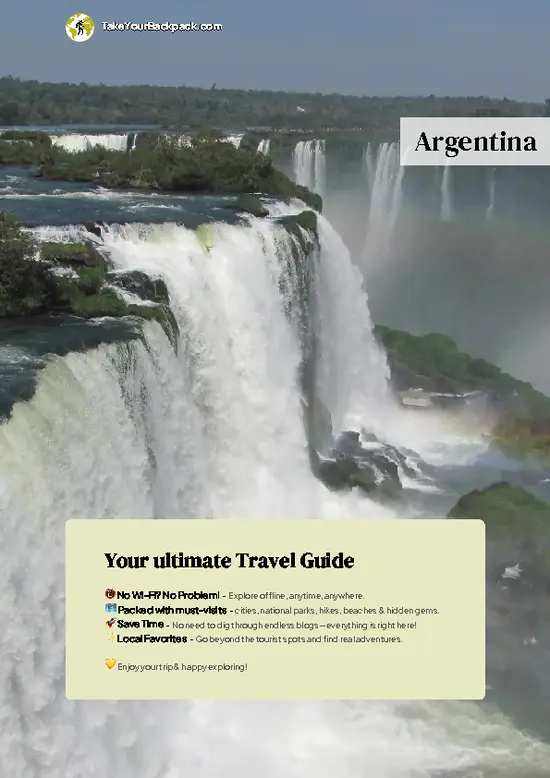
example page 0 from our offline Travel Guide for Argentina
example page 1 from our offline Travel Guide for Argentina
example page 2 from our offline Travel Guide for Argentina
example page 3 from our offline Travel Guide for Argentina
example page 4 from our offline Travel Guide for Argentina
example page 5 from our offline Travel Guide for Argentina
example page 6 from our offline Travel Guide for Argentina
example page 7 from our offline Travel Guide for Argentina
Loading the map 🌍
CLICK TO FILTER
cities
towns
villages
landmarks
national parks
hikes
beaches
attractions
festivals
regions
SHOW COUNTRY’S BESTSHOW ALL

✨ Why go?
Ranked #13 town in Argentina
Why Caviahue-Copahue should be on your travel list

The real draw here is proximity: you're staying inside a volcanic caldera, minutes from thermal springs, a smoking volcano, and lake trails you'd otherwise need a full day trip to reach. Small guesthouses and a handful of budget hostels mean you'll bump into the same dozen travelers at breakfast, which makes solo travel feel less isolating. Most people stay two to four days, enough for a soak, a hike, and a rest day. It suits hikers, slow travelers, and anyone recovering from Patagonia's bigger, busier circuits. Nightlife is essentially nonexistent, so don't come expecting bars or late crowds. Food options are limited to a few simple parrillas and family-run kitchens, nothing gourmet, but hearty after a cold day outdoors. If you need urban buzz, skip it; if you want quiet mountain immersion with a social hostel base, it delivers.

💡 HighlightsWhat this place is best known for

  1. Termas de Copahue: The thermal bathing complex is the whole reason most backpackers detour here. Sulfur-rich pools and volcanic mud treatments sit at the base of Copahue volcano. Best visited December through March when fully operational; expect to pay a moderate entry fee and spend half a day soaking.
  2. Laguna Caviahue: An acidic volcanic lake edged by araucaria (monkey puzzle) forests, calm enough for a lakeside walk or a quiet picnic. Free to visit, best at sunrise or late afternoon when the light hits the water, roughly an hour to walk the accessible shoreline.
  3. Volcán Copahue viewpoint: You won't summit it casually, but accessible viewpoints near the village give you a direct look at the active crater and steam vents. Free, best on clear mornings, 30-45 minutes from the village on foot.
  4. Cascada
… read more 👉
  1. Termas de Copahue: The thermal bathing complex is the whole reason most backpackers detour here. Sulfur-rich pools and volcanic mud treatments sit at the base of Copahue volcano. Best visited December through March when fully operational; expect to pay a moderate entry fee and spend half a day soaking.
  2. Laguna Caviahue: An acidic volcanic lake edged by araucaria (monkey puzzle) forests, calm enough for a lakeside walk or a quiet picnic. Free to visit, best at sunrise or late afternoon when the light hits the water, roughly an hour to walk the accessible shoreline.
  3. Volcán Copahue viewpoint: You won't summit it casually, but accessible viewpoints near the village give you a direct look at the active crater and steam vents. Free, best on clear mornings, 30-45 minutes from the village on foot.
  4. Cascada del Agrio: A waterfall reachable via a short walking trail just outside the village center, worth an hour round trip. No entry fee, best after rainy periods when flow is strongest.
  5. Araucaria forest trails: Short walking paths through native monkey puzzle trees right around Caviahue, free and doable in under two hours, best in summer when the ground is dry.
Just outside town, the Termas de Copahue circuit connects to longer volcanic landscapes and the Chilean border crossing at Pino Hachado is feasible as a scenic day trip.
Spotted a mistake or missing something? Contact us.

🏘️ NeighborhoodsKey areas and districts to know

Caviahue-Copahue splits into two distinct settlements roughly 18 kilometers apart, and picking the right one shapes your whole stay.
  • Caviahue: The larger, livelier base near Lake Caviahue, with most of the hostels, small grocery stores, and the ski lift infrastructure. Better for longer stays, easier to find budget beds, and walkable enough to reach the lakeshore without transport. Quiet at night but social during breakfast and dinner hours.
  • Copahue: Smaller, higher up, built almost entirely around the thermal baths and volcanic mud pools. Feels sparse and functional outside the thermal season (roughly December to April), with fewer dining options and less foot traffic. Best for a short, focused visit rather than a base, since services thin out fast once the season ends.
  • The road between them:
… read more 👉
Caviahue-Copahue splits into two distinct settlements roughly 18 kilometers apart, and picking the right one shapes your whole stay.
  • Caviahue: The larger, livelier base near Lake Caviahue, with most of the hostels, small grocery stores, and the ski lift infrastructure. Better for longer stays, easier to find budget beds, and walkable enough to reach the lakeshore without transport. Quiet at night but social during breakfast and dinner hours.
  • Copahue: Smaller, higher up, built almost entirely around the thermal baths and volcanic mud pools. Feels sparse and functional outside the thermal season (roughly December to April), with fewer dining options and less foot traffic. Best for a short, focused visit rather than a base, since services thin out fast once the season ends.
  • The road between them: Not a neighborhood exactly, but worth noting: it's often unpaved or affected by snow, so factor in extra time or a lift if you're splitting nights between both villages.

⌛️ 1 daySeeing the highlights in 24 hours

8:30 AM, Breakfast on Avenida Los Pehuenes
Start with coffee and medialunas at a café in Caviahue village, then walk down to the shore of Lake Caviahue. The water is cold and the araucarias (pehuen trees) stand against the volcano, so take a few minutes to look around.
10:00 AM, Copahue Village and the Thermal Baths
Catch a taxi or shared ride up the valley to Copahue, about 20 minutes away. Soak in the mineral pools or try the mud treatment at the municipal thermal complex (roughly US$10 to 25, book ahead for mud). The sulfur smell is strong, and the heat feels great on tired legs.
1:00 PM, Lunch in Copahue
Eat a hearty plate of local trout or a stew at one of the small restaurants near the main street. Rest a little, because the altitude and hot water make most people sleepy.
3:00 PM, Salto del … read more 👉
8:30 AM, Breakfast on Avenida Los Pehuenes
Start with coffee and medialunas at a café in Caviahue village, then walk down to the shore of Lake Caviahue. The water is cold and the araucarias (pehuen trees) stand against the volcano, so take a few minutes to look around.
10:00 AM, Copahue Village and the Thermal Baths
Catch a taxi or shared ride up the valley to Copahue, about 20 minutes away. Soak in the mineral pools or try the mud treatment at the municipal thermal complex (roughly US$10 to 25, book ahead for mud). The sulfur smell is strong, and the heat feels great on tired legs.
1:00 PM, Lunch in Copahue
Eat a hearty plate of local trout or a stew at one of the small restaurants near the main street. Rest a little, because the altitude and hot water make most people sleepy.
3:00 PM, Salto del Agrio
Ride back down toward the valley and stop at this waterfall on the Agrio River, where mineral-stained rock turns the water yellow and orange. Few visitors linger here, so you can have the viewpoint nearly alone. Allow 45 minutes.
5:00 PM, Mirador over the Lake
Walk up a short trail above Caviahue for a wide view of the lake and the Copahue volcano. Bring a jacket, since the wind picks up quickly.
8:00 PM, Dinner in Caviahue
Finish with grilled lamb or a pizza at a small place in the village, then return to your hostel.

🌤️ When to go?Choosing the right time of year

  • Summer (December to March): Warmest window, daytime temps around 15-22°C (59-72°F), long daylight hours near 15 hours, and the only period Copahue's thermal complex runs at full capacity.
  • Winter (June to September): Cold, often snowbound, temps dropping to -5°C to 5°C (23-41°F); this is ski season around Caviahue's slopes, with higher prices and more visitors.
  • Shoulder months (April-May, October-November): Fewer crowds, lower prices, but many thermal facilities and some hostels close or reduce hours, so confirm openings ahead.
  • Crowds: Peak in January and during the July-August ski window; otherwise near-empty.
Aim for late January if you want both open thermal baths and manageable prices before the ski rush kicks in.

source: climatestotravel.comJANJanuary: excellent for travelingFEBFebruary: excellent for travelingMARMarch: good for travelingAPRApril: good for travelingMAYMay: good for travelingJUNJune: highly recommended for travelingJULJuly: highly recommended for travelingAUGAugust: highly recommended for travelingSEPSeptember: highly recommended for travelingOCTOctober: excellent for travelingNOVNovember: excellent for travelingDECDecember: excellent for traveling
when-to-go

✈️ The backpacker research shortcutArgentina Travel Guide

An offline-friendly backpacking guide with optimized travel routes, ranked highlights, transport advice, and the best areas to stay.
example page 0 from our offline Travel Guide for Argentina
example page 1 from our offline Travel Guide for Argentina
example page 2 from our offline Travel Guide for Argentina
example page 3 from our offline Travel Guide for Argentina
example page 4 from our offline Travel Guide for Argentina
example page 5 from our offline Travel Guide for Argentina
example page 6 from our offline Travel Guide for Argentina
example page 7 from our offline Travel Guide for Argentina
The digital guide (393 pages) contains:
✅ 131 highlights, ranked by travel appeal
✅ Optimized 14, 21 & 30-day travel routes
✅ Cities, national parks, landmarks, beaches
✅ How to get around
✅ Offline-friendly for travel without Wi-Fi
👉 Click to see all 30+ guide features

📅 Plan smarter in minutes, not weeks
✅ Month by month travel advice
✅ Festivals & national holidays
✅ Budget expectations

🗺️ Go to the right places, skip the overrated ones
✅ Honest pros & cons of destinations
✅ Top hikes, parks & viewpoints
✅ Lesser-known places most travelers miss
✅ Clear “worth it vs skip it” guidance

🛏️ Travel smoothly without rookie mistakes
✅ Best areas to stay
✅ Transport systems explained simply
✅ Common scams & safety advice
✅ SIM cards, money & practical tips

🌍 Understand the country, not just visit it
✅ Culture & traditions
✅ 52 Essential phrases & customs
✅ Festivals worth planning around
✅ Traveler-friendly historical context
✅ Insights that make places more meaningful

📱 Built for real travel conditions
✅ Fully downloadable PDF
✅ Works completely offline
✅ Optimized for phone use
✅ Useful in remote areas & buses
✅ Everything in one place
Stop searching, start planning
Get instant access to your full guide. 30‑day money-back guarantee.
+ Add another guide for just

By proceeding you agree to our terms.
Sent to your inbox immediately after payment • 100% Secure Checkout
Best Backpacking Travel Advisor 2025 tourism awardBest Backpacking
Travel Advisor
2025
What others say about Take Your Backpack Guides:
⭐⭐⭐⭐⭐
Fantastic, amazing amount of information!
⭐⭐⭐⭐⭐
My goodness this is amazing, it's what I've been looking for hats off too you!
⭐⭐⭐⭐⭐
I think this is absolutely BRILLIANT
⭐⭐⭐⭐
Very complete and informative. It's still missing places, but I gotta to commend you
⭐⭐⭐⭐⭐
This is truly amazing, thank you, can't wait to explore it with my kids!
⭐⭐⭐⭐⭐
Awesome resource, thank you!
⭐⭐⭐⭐⭐
This is amazing! Can't wait to explore the ones I haven't seen
⭐⭐⭐⭐
I love this! Well done, great idea.
⭐⭐⭐⭐⭐
Thanks for taking the time to make this gem!
⭐⭐⭐⭐⭐
This might be the best website I've ever seen.
⭐⭐⭐⭐⭐
Congratulations, and thank you so much for your work; it's incredibly valuable.
⭐⭐⭐⭐
In all seriousness I think you did a great job pointing out the important spots
⭐⭐⭐⭐⭐
10/10 very good
⭐⭐⭐⭐⭐
As someone who's only just starting to visit regularly this is awesome, thank you.
⭐⭐⭐⭐
Thank you very much! I'm going to visit my dad, it's going to be very useful!
⭐⭐⭐⭐⭐
This is really cool! We'll be travelling for the first time and this definitely come in handy.
⭐⭐⭐⭐⭐
You are now our minister of culture, congratulations 👨‍💼
⭐⭐⭐⭐⭐
Just wanted to tell you that this is a pearl! Going to follow your recommendations.
⭐⭐⭐⭐⭐
This is so cool. I'll definitely be using the resource for my travels soon.
⭐⭐⭐⭐⭐
This is very impressive! Good work.
⭐⭐⭐⭐⭐
This is an amazing and informative site. Very well done!

🛏️ Where to stay?Where staying makes the most sense

Caviahue itself is the practical choice for most backpackers. It has the highest concentration of budget guesthouses and small hostels, sits close to the lake, and lets you walk to basic grocery stores and simple restaurants without needing transport. The social scene, modest as it is, centers on shared breakfast tables and evening conversations after a day outdoors, making it easy to link up with other hikers or thermal-bath seekers. Copahue offers fewer beds and shuts down more services outside peak thermal season, so it suits a short, focused stay rather than a base. Staying in Caviahue also … read more 👉
Caviahue itself is the practical choice for most backpackers. It has the highest concentration of budget guesthouses and small hostels, sits close to the lake, and lets you walk to basic grocery stores and simple restaurants without needing transport. The social scene, modest as it is, centers on shared breakfast tables and evening conversations after a day outdoors, making it easy to link up with other hikers or thermal-bath seekers. Copahue offers fewer beds and shuts down more services outside peak thermal season, so it suits a short, focused stay rather than a base. Staying in Caviahue also means easier access to onward transport toward Zapala, whereas Copahue can feel isolated once the bathing complex closes for the evening.

🚌 Getting aroundTransportation options and practical tips

Caviahue-Copahue runs on intuition, not timetables. There's no dense grid to master here, just a single main road connecting two villages, a scattering of gravel paths, and a rhythm dictated by weather and season rather than posted schedules. Buses exist but sparsely, so flexibility matters more than punctuality. Walking works fine within each village, but between them you need wheels. Locals default to lifts and shared rides when official transport gaps appear, and you should too.
  • Walking: Both villages are compact enough to cover on foot within 20-30 minutes end to end; free, and the best way to catch morning light on the lake or volcano views without waiting on anyone's schedule.
  • Regional buses: Limited seasonal services connect Caviahue and Copahue with larger towns like Zapala, typically
… read more 👉
Caviahue-Copahue runs on intuition, not timetables. There's no dense grid to master here, just a single main road connecting two villages, a scattering of gravel paths, and a rhythm dictated by weather and season rather than posted schedules. Buses exist but sparsely, so flexibility matters more than punctuality. Walking works fine within each village, but between them you need wheels. Locals default to lifts and shared rides when official transport gaps appear, and you should too.
  • Walking: Both villages are compact enough to cover on foot within 20-30 minutes end to end; free, and the best way to catch morning light on the lake or volcano views without waiting on anyone's schedule.
  • Regional buses: Limited seasonal services connect Caviahue and Copahue with larger towns like Zapala, typically running a few times per week outside peak season and more frequently in summer and ski season; budget several hours for connections and confirm current timetables locally, since they shift with weather.
  • Shared taxis or arranged lifts: The most reliable way to cover the 18 kilometers between Caviahue and Copahue when buses don't align with your plans; hostels can usually arrange this for a modest fixed fare.
  • Rental car: Gives you full control over timing for volcano viewpoints and waterfall stops, worth it if splitting costs with two or three other travelers, though roads can be rough or snow-affected outside summer.
Plan around daylight and season here, not clock time, and you'll move through this place the way locals do.

👛 Costs (as of 19 October 2026)What things cost and how to budget

Backpacking here costs less than Argentina's bigger Patagonian hubs, mainly because there's little to spend money on beyond basics and thermal bathing.
CategoryBudget RangeLocal Reality
Dorm accommodationUSD10 to 18Limited beds, book ahead in peak season
MealsUSD8 to 15/daySimple parrillas and family kitchens, few options
Local transportUSD5 to 12/dayShared lifts between villages, sparse bus service
Activities/entry feesUSD15 to 25Mainly thermal baths entry, hikes are free
MiscellaneousUSD5 to 10/daySnacks, small supplies, limited shops
Total Daily BudgetUSD43 to 80Lower than Bariloche or San Martín de los Andes
⚠️ Prices can change and everyone travels differently, so take this as a rough guide. Hope it helps you plan your adventure!

🚌 Day tripsShort trips worth adding

Caviahue works as a base for day trips because the best sights sit within 20 to 60 minutes of the village, though public transport is thin and most trips need a taxi, a remise (shared private car) or a tour.
Copahue Thermal Baths and Volcano Viewpoint:
The sulfur-scented village of Copahue sits about 18 km away on a winding road, roughly 30 minutes by car. Public mud pools and steam baths run around US$8 to 20 a session, and a shared taxi both ways is about US$10 to 15 per person. Go in the warmer months from December to April, when the road is clear. First-timers often skip a towel and an old swimsuit, and the sulfur stains and eats into light fabrics.

Salto del Agrio:
This waterfall drops into a canyon of rust-orange and green rock, fed by the acidic Agrio River that flows out of the volcano. … read more 👉
Caviahue works as a base for day trips because the best sights sit within 20 to 60 minutes of the village, though public transport is thin and most trips need a taxi, a remise (shared private car) or a tour.
Copahue Thermal Baths and Volcano Viewpoint:
The sulfur-scented village of Copahue sits about 18 km away on a winding road, roughly 30 minutes by car. Public mud pools and steam baths run around US$8 to 20 a session, and a shared taxi both ways is about US$10 to 15 per person. Go in the warmer months from December to April, when the road is clear. First-timers often skip a towel and an old swimsuit, and the sulfur stains and eats into light fabrics.

Salto del Agrio:
This waterfall drops into a canyon of rust-orange and green rock, fed by the acidic Agrio River that flows out of the volcano. It is roughly 20 minutes from Caviahue by road, and entry is cheap, usually under US$3. A taxi round trip with a wait runs about US$20 to 30 split between riders. Visit in the morning for clearer light on the rock. People often hurry the lookout and miss the short trails along the rim, which need only another 30 minutes.

Trolope Lake and Pehuenche Forest Walks:
Araucaria forests circle the area, and a day on foot around Lake Caviahue costs next to nothing if you walk from the village. A guided half-day hike or horseback ride is roughly US$30 to 60. Summer and early autumn are best, since snow covers trails from June to September. Bring layers, because wind drops the temperature quickly even on sunny days.

🛡️ SafetyTraveler Safety Guide

Caviahue-Copahue is broadly safe, and petty crime isn't a real concern given how small and low-traffic both villages are. The main things that catch travelers out are practical: sudden weather shifts, unmarked or icy trail sections, and limited cell coverage once you're away from the village center. Solo hikers should tell someone their route before heading out, since help can take time to arrive if something goes wrong. Night-time is quiet and uneventful, no bars to worry about, no crowds to navigate. There are no notable scams here, just the ordinary annoyance of services closing earlier than expected outside peak season.

FAQCommon questions from travelers

It's worth visiting specifically for the thermal baths and volcanic scenery, but it's not a cultural stopover, treat it as a dedicated nature detour rather than a waypoint between bigger cities.
Two to three days covers the highlights comfortably: a day for the thermal baths in Copahue, a day for lake and waterfall walks around Caviahue, and a buffer day for weather delays common in this mountainous area.
A day trip is difficult since the nearest larger town, Zapala, sits several hours away with limited direct transport; most visitors stay at least one night to justify the journey.
⚠️ Things can change over time, so always validate details locally before you go.

Other Argentine towns near Caviahue-Copahue

Explore more nearby:


💡 Not sure where to go next?
Create a personalized itinerary for Argentina including Caviahue-Copahue and the places that fit your trip.

Generate my itinerary

👉 Discover all towns

Or checkout all Argentina has to offer (think cities, towns, villages, national parks, hikes, beaches, festivals)
Country photo of Argentina

We 💚 feedbackWhat to keep in mind

Caviahue-Copahue rewards you with thermal pools and volcanic silence you won't find in busier Patagonian towns, but it's genuinely inconvenient without your own transport or patience for sparse buses. Come for the quiet, not the ease, and you'll leave satisfied.

✈️ When did I visit Argentina?
I have visited Argentina, together with Chile, in September 2012.

✍️ Help improve this page!
The information on this page is based on my own backpacking experience in Argentina, supplemented with up-to-date research and feedback from other travelers. Travel details can change, so if you notice anything outdated or incomplete, feel free to let me know.


🙋‍♂️ Give feedback

👋 Meet the founderWho’s Behind Take Your Backpack?

Johan, backpacker and founder of TakeYourBackpackHi, I’m Johan (Netherlands 🇳🇱), the creator of TakeYourBackpack. Over the past 3 decades, I’ve backpacked through 90+ countries across six continents, gaining extensive experience with independent travel, long-term trips, and overland routes.

This site is built on a combination of firsthand travel experience and carefully curated insights from other backpackers. Many guides are based on places I’ve personally visited, while others bring together tips, observations, and practical advice shared by trusted travelers I’ve met along the way.

The goal is to provide realistic, experience-driven guidance — not generic itineraries — so you can explore destinations with better context, clearer expectations, and more confidence.