×

Argentina🇦🇷 | attractionsCentro Cultural Kirchnergrand halls, contemporary exhibitions, panoramic viewpoints | things to do and best time to go

Explore Museo EvitaExplore Usina del Arte

Backpacking in Centro Cultural Kirchner
🌟 Highlightattraction ranked #8
By Johan Kruseman 🇳🇱 | Updated September 4, 2026

Forget the Instagram illusion: Centro Cultural Kirchner isn’t some hushed, marble-clad palace where you’ll meditate in solitude or snap that perfect, empty-hallway selfie. It’s a living, breathing behemoth in the heart of Buenos Aires, Argentina—just a stone’s throw from the Obelisco and the city’s financial pulse. Backpackers, here’s the real deal: the CCK is a former post office turned cultural juggernaut, and yes, it’s often packed with locals, students, and families. You’ll dodge school groups and selfie sticks, but you’ll also catch world-class art, free concerts, and the kind of political edge you won’t find in Patagonia’s postcard-perfect wilds. The best part? Entry is usually free, which is a rare thrill in a city where museum tickets can eat your empanada budget alive. If you crave glossy, curated perfection, you’ll be frustrated. But if you want to feel the pulse of modern Argentina—loud, messy, creative, and fiercely proud—this is the place.

Discover everything you want to know in the 📖 Argentina Travel Guide.
Loading the map 🌍
CLICK TO FILTER
cities
towns
villages
landmarks
national parks
hikes
beaches
attractions
festivals
regions
SHOW COUNTRY’S BESTSHOW ALL

✨ Why go?
Ranked #8 attraction in Argentina
Reasons people choose to visit here

Centro Cultural Kirchner isn’t just another shiny building to tick off your Buenos Aires list. Sure, it’s packed with tourists and locals alike, and yes, the crowds can feel like a crush at rush hour. But here’s the kicker: this place is a powerhouse of Argentina’s cultural heartbeat. Once the grand post office, it’s been reborn as a sprawling arts complex that screams history and reinvention. The sheer scale of the building alone is jaw-dropping—think ornate ceilings and massive halls that echo with stories of a nation’s past and present.

Backpackers who carve out time for Kirchner aren’t just chasing Instagram shots; they’re diving into a living museum of Argentine identity. The rotating exhibitions and free concerts offer a raw, unfiltered taste of local creativity that you won’t find … read more 👉
Centro Cultural Kirchner isn’t just another shiny building to tick off your Buenos Aires list. Sure, it’s packed with tourists and locals alike, and yes, the crowds can feel like a crush at rush hour. But here’s the kicker: this place is a powerhouse of Argentina’s cultural heartbeat. Once the grand post office, it’s been reborn as a sprawling arts complex that screams history and reinvention. The sheer scale of the building alone is jaw-dropping—think ornate ceilings and massive halls that echo with stories of a nation’s past and present.

Backpackers who carve out time for Kirchner aren’t just chasing Instagram shots; they’re diving into a living museum of Argentine identity. The rotating exhibitions and free concerts offer a raw, unfiltered taste of local creativity that you won’t find in polished tourist traps. It’s a milestone on the South American route because it connects you to the country’s soul—its struggles, triumphs, and relentless spirit. The effort to navigate the crowds and the sprawling layout pays off with moments of genuine awe and cultural immersion. If you want to feel Argentina beyond the tango clichés, this is your stop.
Want to include Centro Cultural Kirchner in your Argentina route?
Create a personalized Argentina itinerary that includes Centro Cultural Kirchner and the places that fit your trip — based on your travel style, budget, and available time. Get your route in seconds.

Generate my trip

💡 HighlightsMust-see experiences and standout moments

The Blue Whale Auditorium (La Ballena Azul)
Let’s cut through the hype: yes, the Blue Whale looks wild on Instagram, but standing inside this 1,750-seat concert hall is a different animal entirely. The architecture is spaceship-meets-cathedral, with a suspended, glowing shell that feels like you’ve wandered into a sci-fi opera. The acoustics are so sharp you’ll hear a pin drop—or a violin string snap—no matter where you sit. If you’re lucky enough to catch the Buenos Aires Philharmonic here, you’ll understand why locals treat this place like a secular temple. Even if you’re not a classical buff, the sheer spectacle of the space is worth the detour. This is my personal favorite—there’s nothing else like it in South America.


The Grand Hall (Salón de Honor)
Skip the endless selfie lines in the … read more 👉
The Blue Whale Auditorium (La Ballena Azul)
Let’s cut through the hype: yes, the Blue Whale looks wild on Instagram, but standing inside this 1,750-seat concert hall is a different animal entirely. The architecture is spaceship-meets-cathedral, with a suspended, glowing shell that feels like you’ve wandered into a sci-fi opera. The acoustics are so sharp you’ll hear a pin drop—or a violin string snap—no matter where you sit. If you’re lucky enough to catch the Buenos Aires Philharmonic here, you’ll understand why locals treat this place like a secular temple. Even if you’re not a classical buff, the sheer spectacle of the space is worth the detour. This is my personal favorite—there’s nothing else like it in South America.


The Grand Hall (Salón de Honor)
Skip the endless selfie lines in the main atrium and head for the Grand Hall. This is where the old post office’s bones show through: soaring ceilings, marble columns, and a sense of faded grandeur that Instagram can’t quite capture. It’s the kind of place where you half-expect to see a tango dancer glide across the floor at midnight. The Hall hosts everything from art installations to political debates, and the energy shifts with each event. If you want to feel the pulse of Buenos Aires’ cultural scene—raw, unpredictable, and occasionally chaotic—this is the spot.


The Rooftop Terraces
Here’s the real secret: the best view isn’t from a drone, it’s from the rooftop terraces. Most tourists never make it up here, but you’ll get a panoramic sweep of Buenos Aires that’s all steel, glass, and the slow churn of the Río de la Plata. It’s not a postcard-perfect skyline, but it’s honest—gritty, sprawling, alive. Bring a coffee, dodge the occasional wind gust, and watch the city breathe beneath you.


Interactive Art Installations
Centro Cultural Kirchner isn’t just about looking at art; it’s about getting tangled up in it. The rotating exhibitions lean heavily into multimedia and interactive pieces—think light shows, soundscapes, and installations that demand you poke, prod, or even dance your way through. You’ll find families, students, and the odd retiree all getting hands-on. It’s a reminder that culture here isn’t precious or locked behind velvet ropes—it’s messy, democratic, and sometimes gloriously weird.


The Organ (Órgano Klais Opus 1912)
This monster of an instrument is the largest organ in Latin America, and it’s not just for show. When it’s played, the entire building vibrates. The sound is physical—you feel it in your chest, not just your ears. Organ concerts here are rare but unforgettable, and if you stumble into one, cancel your next plan. This is the kind of experience that doesn’t translate to video or photos; it’s pure, unfiltered sensation.
Spotted a mistake or missing something? Contact us.

Things to do around Centro Cultural Kirchner

Ratings based on Tripadvisor reviews. When you book through this link, you support our work at no extra cost to you.

🌤️ When to go?Choosing the right time of year


  • Weather: Buenos Aires, where Centro Cultural Kirchner sits, swings from hot summers to mild winters. December through February can hit 28-32°C (82-90°F), sticky and sweaty, not ideal for wandering. April to June and September to November offer cooler, more comfortable temps around 15-22°C (59-72°F), perfect for exploring without melting.

  • Daylight Hours: Summer months boast long days, with up to 14 hours of light in December, giving you more time to soak in the culture. Winter cuts daylight to about 10 hours in June, so plan indoor visits accordingly.

  • Crowds: Peak tourist season aligns with summer holidays (December to February), making the cultural center busier and less intimate. Shoulder seasons like March-April and September-October strike a better balance—fewer tourists, more breathing
read more 👉

  • Weather: Buenos Aires, where Centro Cultural Kirchner sits, swings from hot summers to mild winters. December through February can hit 28-32°C (82-90°F), sticky and sweaty, not ideal for wandering. April to June and September to November offer cooler, more comfortable temps around 15-22°C (59-72°F), perfect for exploring without melting.

  • Daylight Hours: Summer months boast long days, with up to 14 hours of light in December, giving you more time to soak in the culture. Winter cuts daylight to about 10 hours in June, so plan indoor visits accordingly.

  • Crowds: Peak tourist season aligns with summer holidays (December to February), making the cultural center busier and less intimate. Shoulder seasons like March-April and September-October strike a better balance—fewer tourists, more breathing room.

  • Seasonal Activities: The center hosts special exhibitions and concerts year-round, but spring (September-November) often brings unique local art events and outdoor performances nearby, adding layers to your visit.

  • Price Fluctuations: Accommodation and flights spike in summer and around major holidays like Christmas and New Year. Visiting in the shoulder seasons can save you a chunk of cash without sacrificing the experience.


Pro-tip: Aim for early spring or late fall—cooler temps, manageable crowds, and a richer cultural calendar make Centro Cultural Kirchner feel less like a tourist trap and more like a living, breathing hub of Argentine creativity.


source: climatestotravel.comJANJanuary: fair for travelingFEBFebruary: fair for travelingMARMarch: highly recommended for travelingAPRApril: highly recommended for travelingMAYMay: good for travelingJUNJune: good for travelingJULJuly: good for travelingAUGAugust: good for travelingSEPSeptember: excellent for travelingOCTOctober: excellent for travelingNOVNovember: highly recommended for travelingDECDecember: fair for traveling
when-to-go

✈️ The backpacker research shortcutArgentina Travel Guide

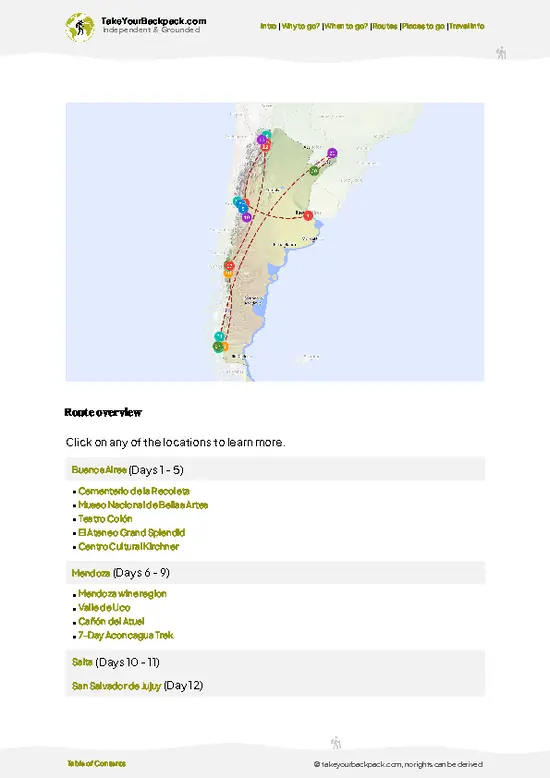
An offline-friendly backpacking guide with optimized travel routes, ranked highlights, transport advice, and the best areas to stay.
example page 0 from our offline Travel Guide for Argentina
example page 1 from our offline Travel Guide for Argentina
example page 2 from our offline Travel Guide for Argentina
example page 3 from our offline Travel Guide for Argentina
example page 4 from our offline Travel Guide for Argentina
example page 5 from our offline Travel Guide for Argentina
example page 6 from our offline Travel Guide for Argentina
example page 7 from our offline Travel Guide for Argentina
The digital guide (505 pages) contains:
135 highlights, ranked by travel appeal
Optimized 14, 21 & 30-day travel routes
Cities, national parks, landmarks, beaches
How to get around
Offline-friendly for travel without Wi-Fi
👉 Click to see all 30+ guide features

📅 Plan smarter in minutes, not weeks
Month by month travel advice
Festivals & national holidays
Budget expectations

🗺️ Go to the right places, skip the overrated ones
Honest pros & cons of destinations
Top hikes, parks & viewpoints
Lesser-known places most travelers miss
Clear “worth it vs skip it” guidance

🛏️ Travel smoothly without rookie mistakes
Best areas to stay
Transport systems explained simply
Common scams & safety advice
SIM cards, money & practical tips

🌍 Understand the country, not just visit it
Culture & traditions
52 Essential phrases & customs
Festivals worth planning around
Traveler-friendly historical context
Insights that make places more meaningful

📱 Built for real travel conditions
Fully downloadable PDF
Works completely offline
Optimized for phone use
Useful in remote areas & buses
Everything in one place
Save weeks of stressful planning
Get instant access to your full guide. 30‑day money-back guarantee.
+ Add another guide for just US$7.80

By proceeding you agree to our terms.
Sent to your inbox immediately after payment • 100% Secure Checkout
Best Backpacking Travel Advisor 2025 tourism awardBest Backpacking
Travel Advisor
2025
What others say about Take Your Backpack Guides:
⭐⭐⭐⭐⭐
Fantastic, amazing amount of information!
⭐⭐⭐⭐⭐
My goodness this is amazing, it's what I've been looking for hats off too you!
⭐⭐⭐⭐⭐
I think this is absolutely BRILLIANT
⭐⭐⭐⭐
Very complete and informative. It's still missing places, but I gotta to commend you
⭐⭐⭐⭐⭐
This is truly amazing, thank you, can't wait to explore it with my kids!
⭐⭐⭐⭐⭐
Awesome resource, thank you!
⭐⭐⭐⭐⭐
This is amazing! Can't wait to explore the ones I haven't seen
⭐⭐⭐⭐
I love this! Well done, great idea.
⭐⭐⭐⭐⭐
Thanks for taking the time to make this gem!
⭐⭐⭐⭐⭐
This might be the best website I've ever seen.
⭐⭐⭐⭐⭐
Congratulations, and thank you so much for your work; it's incredibly valuable.
⭐⭐⭐⭐
In all seriousness I think you did a great job pointing out the important spots
⭐⭐⭐⭐⭐
10/10 very good
⭐⭐⭐⭐⭐
As someone who's only just starting to visit regularly this is awesome, thank you.
⭐⭐⭐⭐
Thank you very much! I'm going to visit my dad, it's going to be very useful!
⭐⭐⭐⭐⭐
This is really cool! We'll be travelling for the first time and this definitely come in handy.
⭐⭐⭐⭐⭐
You are now our minister of culture, congratulations 👨‍💼
⭐⭐⭐⭐⭐
Just wanted to tell you that this is a pearl! Going to follow your recommendations.
⭐⭐⭐⭐⭐
This is so cool. I'll definitely be using the resource for my travels soon.
⭐⭐⭐⭐⭐
This is very impressive! Good work.
⭐⭐⭐⭐⭐
This is an amazing and informative site. Very well done!

🛏️ Where to stay?Best areas and accommodation options

Centro Cultural Kirchner sits smack in the middle of Buenos Aires’ historic heart, and that means the surrounding neighborhoods are a mixed bag of charm, chaos, and opportunity. If you’re backpacking on a budget and want to be close to the action, San Telmo is your go-to. It’s gritty but safe enough if you stick to the main streets, and it’s buzzing with fellow travelers, street art, and late-night tango bars where you can meet locals and other solo adventurers without breaking the bank. The vibe here is raw and real—none of that polished tourist trap gloss.

Alternatively, Monserrat offers a … read more 👉
Centro Cultural Kirchner sits smack in the middle of Buenos Aires’ historic heart, and that means the surrounding neighborhoods are a mixed bag of charm, chaos, and opportunity. If you’re backpacking on a budget and want to be close to the action, San Telmo is your go-to. It’s gritty but safe enough if you stick to the main streets, and it’s buzzing with fellow travelers, street art, and late-night tango bars where you can meet locals and other solo adventurers without breaking the bank. The vibe here is raw and real—none of that polished tourist trap gloss.

Alternatively, Monserrat offers a quieter, more residential feel just a few blocks away. It’s less party, more history, with wide sidewalks and plenty of cafés where you can recharge your brain and your phone. Both neighborhoods are walkable to Centro Cultural Kirchner, so you’re never far from the cultural pulse without paying premium prices or risking sketchy corners. Just remember, Buenos Aires is a big city—stay alert, keep your wits, and you’ll find the genuine soul behind the postcard-perfect façades.

👛 Costs (as of 4 September 2026)Travel costs and budget guide for Centro Cultural Kirchner

Admission to the Centro Cultural Kirchner is free for general access. However, certain exhibitions and events may require tickets, which are typically free but must be reserved in advance through their official website. Some special events or performances might have a nominal fee, generally ranging from €10 to €20. It's advisable to check their official website for the most current information on specific events and any associated costs.
⚠️ Prices can change and everyone travels differently, so take this as a rough guide. Hope it helps you plan your adventure!

FAQFrequently asked questions about Centro Cultural Kirchner

2 to 3 hours is sufficient to visit Centro Cultural Kirchner, allowing time to explore its main exhibitions and architectural features. The building is large but manageable within a half-day visit. Special events or concerts may require additional time.
Yes, Centro Cultural Kirchner is worth the entrance fee, which is often free or very low cost for most exhibitions. It offers a unique cultural experience with art, music, and history in a beautifully restored former post office building. The quality and variety of programs make it a valuable stop in Buenos Aires.
You can get to Centro Cultural Kirchner by taking the Buenos Aires subway to the Catedral station on Line D, which is a short walk away. Several bus lines also stop nearby, and it is accessible on foot from Plaza de Mayo. Taxis and ride-sharing services are convenient options as well.
⚠️ Things can change over time, so always validate details locally before you go.

Other Argentinian attractions near Centro Cultural Kirchner

Explore more nearby:

  • Teatro Colón—horseshoe auditorium, gilded balconies, world-class acoustics| 1 km away
  • Palacio Barolo—esoteric symbolism, lighthouse dome, Dante-inspired design| 2 km away
  • Teatro San Martín—experimental theater, urban setting, multidisciplinary spaces| 2 km away

💡 Not sure where to go next?
Create a personalized itinerary for Argentina including Centro Cultural Kirchner and the places that fit your trip.

Generate my itinerary

👉 Discover all attractions

Or checkout all Argentina has to offer (think cities, towns, villages, national parks, hikes, beaches, festivals)
Country photo of Argentina

We 💚 feedbackKey takeaways before you go

Centro Cultural Kirchner isn’t your typical tourist pit stop—it’s a powerhouse of Argentine culture housed in a former post office that somehow manages to feel both grand and accessible. The real draw? The way it blends history, art, and music into a single, electrifying experience that sticks with you. But heads up: it can get packed, especially on weekends, so if you’re craving quiet reflection, plan accordingly or risk feeling like you’re at a concert crowd, not a cultural sanctuary.

✈️ When did I visit Argentina?
I have visited Argentina, together with Chile, in September 2012.

✍️ Help improve this page!
The information on this page is based on my own backpacking experience in Argentina, supplemented with up-to-date research and feedback from other travelers. Travel details can change, so if you notice anything outdated or incomplete, feel free to let me know.


🙋‍♂️ Give feedback

👋 Meet the founderWho’s Behind Take Your Backpack?

Johan, backpacker and founder of TakeYourBackpackHi, I’m Johan (Netherlands 🇳🇱), the creator of TakeYourBackpack. Over the past decade, I’ve backpacked through 80+ countries across six continents, gaining extensive experience with independent travel, long-term trips, and overland routes.

This site is built on a combination of firsthand travel experience and carefully curated insights from other backpackers. Many guides are based on places I’ve personally visited, while others bring together tips, observations, and practical advice shared by trusted travelers I’ve met along the way.

The goal is to provide realistic, experience-driven guidance — not generic itineraries — so you can explore destinations with better context, clearer expectations, and more confidence.

Get full Argentina guide •
Instant download • 135 highlights • Full Offline guide