×

Argentina🇦🇷 | national parksEl Palmar National ParkYatay palms, capybaras, Uruguay River, easy camping | things to do and best time to go

Explore Monte León National ParkExplore Aconquija National Park

Backpacking in El Palmar
🌟 Highlightnational park ranked #11
By Johan Kruseman 🇳🇱 | Updated October 19, 2026

Here's the thing nobody tells you upfront: El Palmar's entrance fee is cash-only in Argentine pesos, and the nearest ATM is back in Colón, 50km away. Plan ahead. Located in Entre Ríos province, along the Uruguay River, this park protects one of the last stands of yatay palms, some over 800 years old. For backpackers, it's a quieter, cheaper alternative to Iguazú: flatter trails, easy camping, and capybaras that wander right past your tent. Fewer crowds, but also less drama in the scenery department. I remember eating a still-warm empanada at dusk while a family of capybaras grazed ten feet away, completely indifferent to me. That's the vibe here: understated, patient, rewarding.

Discover everything you want to know in the 📖 Argentina Travel Guide.


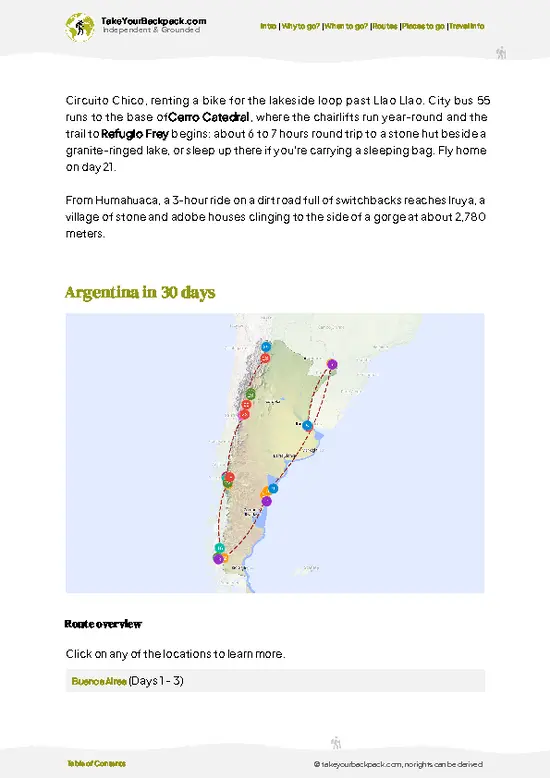
example page 0 from our offline Travel Guide for Argentina
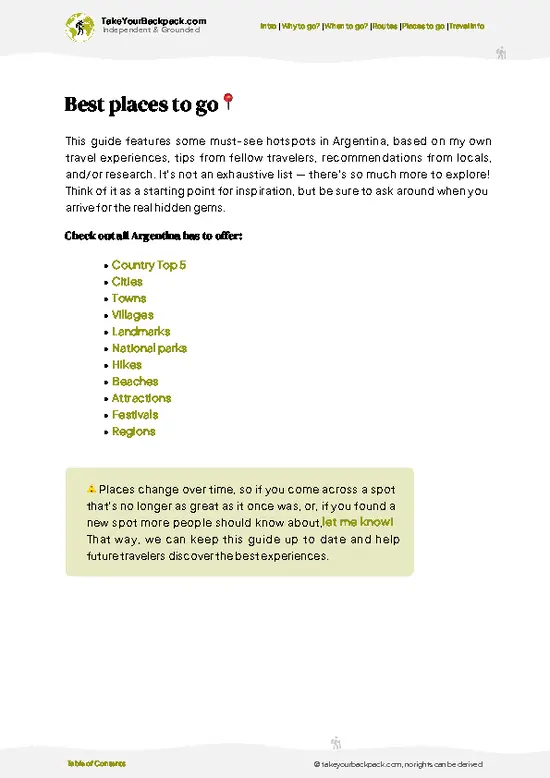
example page 1 from our offline Travel Guide for Argentina
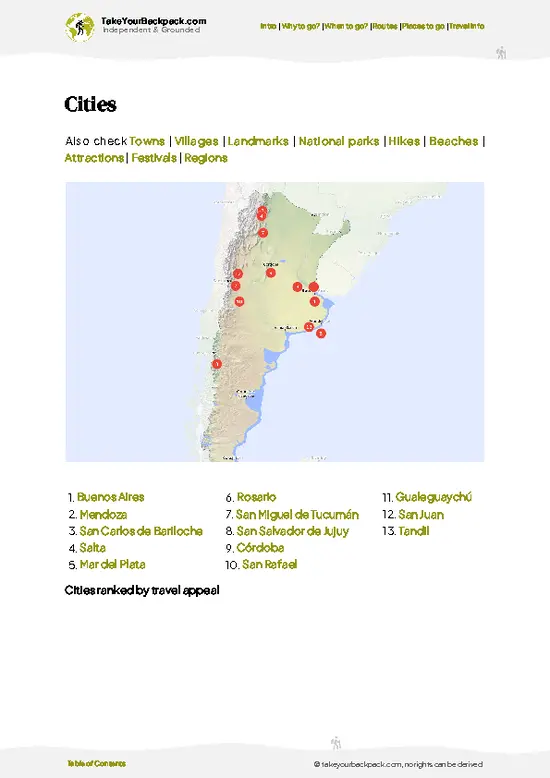
example page 2 from our offline Travel Guide for Argentina
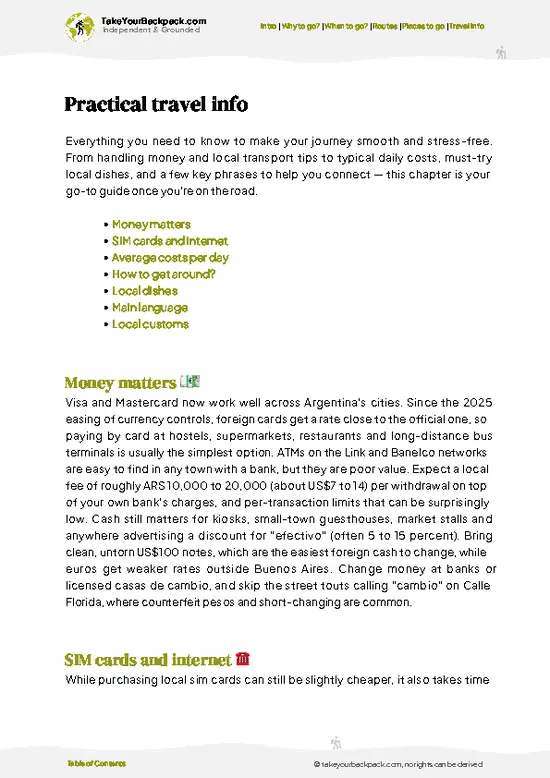
example page 3 from our offline Travel Guide for Argentina
example page 4 from our offline Travel Guide for Argentina
example page 5 from our offline Travel Guide for Argentina
example page 6 from our offline Travel Guide for Argentina
example page 7 from our offline Travel Guide for Argentina
Loading the map 🌍
CLICK TO FILTER
cities
towns
villages
landmarks
national parks
hikes
beaches
attractions
festivals
regions
SHOW COUNTRY’S BESTSHOW ALL

✨ Why go?
Ranked #11 national park in Argentina
Why visitors keep coming back

Backpackers gravitate to El Palmar because it rewards independent exploration without demanding technical skill or a guide. The park's flat, well-marked trails make it ideal for self-guided travelers who want to set their own pace, whether that's a two-hour loop or a full day of wandering between palm groves and river overlooks. Budget camping inside the park is cheap and functional, and nearby Colón offers hostels for those who want a real bed and a hot shower afterward. The trail variety here, from riverside paths to open savanna, means you can structure your own itinerary without paying for a tour operator. It's a park built for people who'd rather figure it out themselves than follow a flag-waving guide through a crowd.

💡 HighlightsThe experiences that define the visit

  1. El Palmar's Yatay Palm Groves: The signature sight. Some of these palms are centuries old, and walking among thousands of them at sunset is genuinely different from anything else in Argentina's park system.
  2. Arroyo Los Loros Trail: A short, flat path following a stream, good for spotting birds and capybaras without much effort.
  3. Mirador La Glorieta: An overlook above the Uruguay River, best visited late afternoon when the light hits the water at an angle.
  4. Capybara Watching Near the Campground: This is my personal favorite. They're everywhere, unbothered by humans, and grazing at dusk right next to your tent feels almost surreal.
  5. Arroyo El Palmar: A stream crossing area with sandy banks, good for a break and occasional caiman sightings if you're patient and quiet.
  6. Bird Watching Circuit: The park hosts
… read more 👉
  1. El Palmar's Yatay Palm Groves: The signature sight. Some of these palms are centuries old, and walking among thousands of them at sunset is genuinely different from anything else in Argentina's park system.
  2. Arroyo Los Loros Trail: A short, flat path following a stream, good for spotting birds and capybaras without much effort.
  3. Mirador La Glorieta: An overlook above the Uruguay River, best visited late afternoon when the light hits the water at an angle.
  4. Capybara Watching Near the Campground: This is my personal favorite. They're everywhere, unbothered by humans, and grazing at dusk right next to your tent feels almost surreal.
  5. Arroyo El Palmar: A stream crossing area with sandy banks, good for a break and occasional caiman sightings if you're patient and quiet.
  6. Bird Watching Circuit: The park hosts over 200 recorded bird species, including caracaras and various woodpeckers, making early morning walks worthwhile for anyone with binoculars.
  7. Ñandú Sightings: Greater rheas roam the open grasslands here, and spotting one striding through the palms is a reliable park highlight.
  8. Sunset Over the Savanna: Simple but worth naming separately. The combination of open sky, silhouetted palms, and no light pollution makes for one of the more understated sunset spots in the country.
Spotted a mistake or missing something? Contact us.

🌤️ When to go?Weather, crowds, and seasonal trade-offs

  • Autumn (March to May): Mild days around 18-24°C (64-75°F), lower humidity, and fewer mosquitoes make this the sweet spot for hiking.
  • Winter (June to August): Cool, sometimes chilly mornings near 8°C (46°F), daytime highs around 17°C (63°F). Dry and comfortable, with the shortest daylight hours of the year.
  • Spring (September to November): Warming temperatures, wildlife activity picks up, occasional rain showers.
  • Summer (December to February): Hot and humid, often exceeding 32°C (90°F), with intense sun and more insects. Crowds and campsite prices rise around New Year's and Carnival week.
Aim for a weekday in April. Empty trails, golden light through the palms, and campsite prices still at their baseline.

source: climatestotravel.comJANJanuary: below average for travelingFEBFebruary: below average for travelingMARMarch: highly recommended for travelingAPRApril: excellent for travelingMAYMay: excellent for travelingJUNJune: good for travelingJULJuly: good for travelingAUGAugust: good for travelingSEPSeptember: excellent for travelingOCTOctober: excellent for travelingNOVNovember: highly recommended for travelingDECDecember: below average for traveling
argentina-national-park-el-palmar-national-park
© Google |

✈️ The backpacker research shortcutArgentina Travel Guide

An offline-friendly backpacking guide with optimized travel routes, ranked highlights, transport advice, and the best areas to stay.
example page 0 from our offline Travel Guide for Argentina
example page 1 from our offline Travel Guide for Argentina
example page 2 from our offline Travel Guide for Argentina
example page 3 from our offline Travel Guide for Argentina
example page 4 from our offline Travel Guide for Argentina
example page 5 from our offline Travel Guide for Argentina
example page 6 from our offline Travel Guide for Argentina
example page 7 from our offline Travel Guide for Argentina
The digital guide (393 pages) contains:
✅ 131 highlights, ranked by travel appeal
✅ Optimized 14, 21 & 30-day travel routes
✅ Cities, national parks, landmarks, beaches
✅ How to get around
✅ Offline-friendly for travel without Wi-Fi
👉 Click to see all 30+ guide features

📅 Plan smarter in minutes, not weeks
✅ Month by month travel advice
✅ Festivals & national holidays
✅ Budget expectations

🗺️ Go to the right places, skip the overrated ones
✅ Honest pros & cons of destinations
✅ Top hikes, parks & viewpoints
✅ Lesser-known places most travelers miss
✅ Clear “worth it vs skip it” guidance

🛏️ Travel smoothly without rookie mistakes
✅ Best areas to stay
✅ Transport systems explained simply
✅ Common scams & safety advice
✅ SIM cards, money & practical tips

🌍 Understand the country, not just visit it
✅ Culture & traditions
✅ 52 Essential phrases & customs
✅ Festivals worth planning around
✅ Traveler-friendly historical context
✅ Insights that make places more meaningful

📱 Built for real travel conditions
✅ Fully downloadable PDF
✅ Works completely offline
✅ Optimized for phone use
✅ Useful in remote areas & buses
✅ Everything in one place
Stop searching, start planning
Get instant access to your full guide. 30‑day money-back guarantee.
+ Add another guide for just

By proceeding you agree to our terms.
Sent to your inbox immediately after payment • 100% Secure Checkout
Best Backpacking Travel Advisor 2025 tourism awardBest Backpacking
Travel Advisor
2025
What others say about Take Your Backpack Guides:
⭐⭐⭐⭐⭐
Fantastic, amazing amount of information!
⭐⭐⭐⭐⭐
My goodness this is amazing, it's what I've been looking for hats off too you!
⭐⭐⭐⭐⭐
I think this is absolutely BRILLIANT
⭐⭐⭐⭐
Very complete and informative. It's still missing places, but I gotta to commend you
⭐⭐⭐⭐⭐
This is truly amazing, thank you, can't wait to explore it with my kids!
⭐⭐⭐⭐⭐
Awesome resource, thank you!
⭐⭐⭐⭐⭐
This is amazing! Can't wait to explore the ones I haven't seen
⭐⭐⭐⭐
I love this! Well done, great idea.
⭐⭐⭐⭐⭐
Thanks for taking the time to make this gem!
⭐⭐⭐⭐⭐
This might be the best website I've ever seen.
⭐⭐⭐⭐⭐
Congratulations, and thank you so much for your work; it's incredibly valuable.
⭐⭐⭐⭐
In all seriousness I think you did a great job pointing out the important spots
⭐⭐⭐⭐⭐
10/10 very good
⭐⭐⭐⭐⭐
As someone who's only just starting to visit regularly this is awesome, thank you.
⭐⭐⭐⭐
Thank you very much! I'm going to visit my dad, it's going to be very useful!
⭐⭐⭐⭐⭐
This is really cool! We'll be travelling for the first time and this definitely come in handy.
⭐⭐⭐⭐⭐
You are now our minister of culture, congratulations 👨‍💼
⭐⭐⭐⭐⭐
Just wanted to tell you that this is a pearl! Going to follow your recommendations.
⭐⭐⭐⭐⭐
This is so cool. I'll definitely be using the resource for my travels soon.
⭐⭐⭐⭐⭐
This is very impressive! Good work.
⭐⭐⭐⭐⭐
This is an amazing and informative site. Very well done!

🛏️ Where to stay?Where staying makes the most sense

The park has its own campground, Camping El Palmar, with basic facilities: bathrooms, showers, and shaded sites among the palms. It's the most atmospheric option and cheap by regional standards. There's no other lodging inside the park itself.

For a bed and hot water, Colón is the best base, about 50km away, with a solid range of hostels and budget guesthouses geared toward backpackers passing through on the Buenos Aires to Iguazú route. Concordia, on the other side, works too but feels more industrial and less traveler-oriented.

I'd recommend splitting your stay: one night camping inside the … read more 👉
The park has its own campground, Camping El Palmar, with basic facilities: bathrooms, showers, and shaded sites among the palms. It's the most atmospheric option and cheap by regional standards. There's no other lodging inside the park itself.

For a bed and hot water, Colón is the best base, about 50km away, with a solid range of hostels and budget guesthouses geared toward backpackers passing through on the Buenos Aires to Iguazú route. Concordia, on the other side, works too but feels more industrial and less traveler-oriented.

I'd recommend splitting your stay: one night camping inside the park for the wildlife and stargazing, then a night in Colón to recharge, do laundry, and eat something that isn't from a camp stove.

👛 Costs (as of 19 October 2026)Money, prices, and spending tips

Visiting El Palmar National Park is inexpensive by international standards, though prices fluctuate with Argentina's inflation rate, so treat these as rough guides rather than fixed numbers.
CategoryBudget RangeLocal Reality
Entrance FeeUSD 5 to 10Payable in cash (Argentine pesos) at the gate; foreigners sometimes pay a higher rate than residents.
Camping (inside park)USD 8 to 15 per person/nightBasic sites with shared bathrooms and showers; bring your own gear.
Hostel (Colón)USD 12 to 25 per nightDorm beds common; private rooms cost more, especially in high season.
Local TransportUSD 5 to 10Bus fare from Colón or Concordia to the park entrance.
Food/SuppliesUSD 10 to 20 per dayCheapest if self-catering with supplies bought in Colón; park has no real grocery options.


source: argentina.gob.ar
⚠️ Prices can change and everyone travels differently, so take this as a rough guide. Hope it helps you plan your adventure!

🥾 TrailsHiking El Palmar national park: highlights and difficulty

El Palmar's trails are flat, short, and forgiving, which makes it a good park for backpackers who want scenery without punishing terrain. The paths wind through palm savanna, gallery forest along streams, and open grassland, with wildlife sightings (capybaras, rheas, foxes) common even for casual walkers. Nothing here demands technical hiking skill; it's more about pacing yourself to actually notice what's around you.
  • Distance and Duration: Trails range from 1km loops to a combined network of around 8-10km if you link several together in a day.
  • Difficulty: Easy, suitable for beginners and families.
… read more 👉
El Palmar's trails are flat, short, and forgiving, which makes it a good park for backpackers who want scenery without punishing terrain. The paths wind through palm savanna, gallery forest along streams, and open grassland, with wildlife sightings (capybaras, rheas, foxes) common even for casual walkers. Nothing here demands technical hiking skill; it's more about pacing yourself to actually notice what's around you.
  • Distance and Duration: Trails range from 1km loops to a combined network of around 8-10km if you link several together in a day.
  • Difficulty: Easy, suitable for beginners and families.
  • Terrain: Flat sandy paths, occasional stream crossings on small footbridges, some soft ground after rain.
  • Key Features: Palm groves, river overlooks, birdlife, capybara sightings near water sources.
Public transport reaches the park entrance via buses running along Route 14 between Colón and Concordia, with a drop-off at the park gate. From there, everything is walkable or reachable by the short internal road. Crowds are minimal outside of summer holidays and Carnival week; on an average weekday you might see a handful of other visitors. There's a modest entrance fee, payable in cash at the gate, and it's worth confirming the current peso amount before arriving since it adjusts periodically with inflation.
⚠️ Hiking info can sometimes be outdated or inaccurate. Before you hit the trail, check the latest conditions with locals. If you do spot anything that's off, I'd love to hear from you, so I can update it for fellow travelers.

🛡️ SafetyStaying Safe: What Travelers Should Know

El Palmar is low-drama by national park standards. Trails are flat and well-marked, so navigation isn't an issue, and there's no altitude to worry about. Summer heat is the main hazard: bring more water than you think you need, and hike early or late to avoid midday sun exposure. Capybaras and rheas are common but harmless if left alone; don't approach or feed them. Watch your footing near stream crossings after rain, since the sandy ground gets slick. First-timers often underestimate mosquito activity near water, so repellent is non-negotiable, especially at dusk.

FAQTraveler FAQ

Two full days is enough to cover the main trails, see the palm groves at both sunrise and sunset, and spend time watching wildlife near the campground without rushing. One day works if you're just passing through on a longer route, but you'll miss the early morning bird activity.
Yes, buses running along Route 14 between Colón and Concordia stop near the park entrance, making it accessible without a car. From the drop-off point, the trails and campground are within walking distance, so a vehicle isn't necessary once you're inside.
There is an entrance fee, payable in cash in Argentine pesos at the park gate, generally equivalent to a few US dollars though it adjusts periodically with inflation. No special permit is required beyond paying this standard fee.
⚠️ Things can change over time, so always validate details locally before you go.

Other Argentine national parks near El Palmar

Explore more nearby:


💡 Not sure where to go next?
Create a personalized itinerary for Argentina including El Palmar and the places that fit your trip.

Generate my itinerary

👉 Discover all national parks

Or checkout all Argentina has to offer (think cities, towns, villages, national parks, hikes, beaches, festivals)
Country photo of Argentina

We 💚 feedbackParting advice and final tips

El Palmar is worth it for the palm groves at sunset and capybaras wandering past your tent like it's nothing. The drawback: it's flat and low on adrenaline, so if you need dramatic peaks or waterfalls, you'll find it underwhelming compared to Argentina's bigger-name parks.

✈️ When did I visit Argentina?
I have visited Argentina, together with Chile, in September 2012.

✍️ Help improve this page!
The information on this page is based on my own backpacking experience in Argentina, supplemented with up-to-date research and feedback from other travelers. Travel details can change, so if you notice anything outdated or incomplete, feel free to let me know.


🙋‍♂️ Give feedback

👋 Meet the founderWho’s Behind Take Your Backpack?

Johan, backpacker and founder of TakeYourBackpackHi, I’m Johan (Netherlands 🇳🇱), the creator of TakeYourBackpack. Over the past 3 decades, I’ve backpacked through 90+ countries across six continents, gaining extensive experience with independent travel, long-term trips, and overland routes.

This site is built on a combination of firsthand travel experience and carefully curated insights from other backpackers. Many guides are based on places I’ve personally visited, while others bring together tips, observations, and practical advice shared by trusted travelers I’ve met along the way.

The goal is to provide realistic, experience-driven guidance — not generic itineraries — so you can explore destinations with better context, clearer expectations, and more confidence.