×

Argentina🇦🇷 | best national parksEssential 10 national parks to Explore in Argentina

Argentina’s national parks are a backpacker’s playground, each offering unique landscapes, wildlife, and adventure opportunities. Defined by their diverse ecosystems, these parks range from the icy spires of Los Glaciares to the lush jungles of Iguazú, showcasing the country’s vast geographical contrasts. The selection of a park significantly influences your travel experience, affecting everything from the vibe to the budget.

In Patagonia, for instance, expect rugged terrain and remote trails that demand time and stamina. Here, the pace is slower, allowing for deep immersion in nature. Conversely, parks like Quebrada de Humahuaca offer a blend of cultural richness and accessibility, making them ideal for those seeking a quicker adventure without sacrificing depth.

Seasonality plays a crucial role; summer months draw crowds, while winter can transform parks into serene, less-traveled havens. Understanding these nuances helps you choose wisely. Opting for a park with limited accessibility may save money but could also mean sacrificing comfort and safety.

Ultimately, the right choice enhances your independent travel experience, allowing you to connect authentically with Argentina’s stunning landscapes and vibrant cultures.

By Johan Kruseman 🇳🇱 | Updated September 5, 2026
Explore the best hikes in Argentina

Why go?Why These national park Stand Out

National parks in Argentina are a unique blend of breathtaking landscapes, rich biodiversity, and adventure opportunities that set them apart from parks in other countries. The sheer size of Argentina allows for a remarkable variety of ecosystems, from the arid expanses of Patagonia to the lush subtropical forests of Misiones. This diversity creates habitats for countless species, making it a biodiversity hotspot. Travelers can encounter everything from the majestic Andean condor to the elusive jaguar, offering a chance to witness wildlife in its natural setting.

However, the trade-offs in Argentina’s national parks often revolve around accessibility versus experience quality. Many parks are remote, requiring significant travel time to reach. This can mean long drives or flights, which may … read more 👉
National parks in Argentina are a unique blend of breathtaking landscapes, rich biodiversity, and adventure opportunities that set them apart from parks in other countries. The sheer size of Argentina allows for a remarkable variety of ecosystems, from the arid expanses of Patagonia to the lush subtropical forests of Misiones. This diversity creates habitats for countless species, making it a biodiversity hotspot. Travelers can encounter everything from the majestic Andean condor to the elusive jaguar, offering a chance to witness wildlife in its natural setting.

However, the trade-offs in Argentina’s national parks often revolve around accessibility versus experience quality. Many parks are remote, requiring significant travel time to reach. This can mean long drives or flights, which may deter some travelers. Yet, those willing to invest the time are rewarded with immersive experiences that are often devoid of the crowds found in more accessible parks elsewhere. The remoteness allows for a deeper connection with nature, where the sounds of the wild and the vastness of the landscape can be fully appreciated.

Argentina’s infrastructure plays a crucial role in shaping the national park experience. While major parks are generally well-maintained, the quality of roads and facilities can vary significantly. Some areas may lack basic amenities, which can be a challenge for those seeking comfort. This is where the comfort versus adventure trade-off comes into play. Travelers must decide whether they prioritize a more rugged, authentic experience or prefer the convenience of modern facilities.

Culturally, Argentina’s national parks are steeped in history, often reflecting the indigenous heritage and the impact of European colonization. This adds a layer of depth to the exploration, as visitors can engage with the stories of the land. However, understanding this context requires time and effort, which may not be feasible for all travelers.

Geographically, the climate varies widely across the country, influencing the best times to visit each park. From the cold winds of Patagonia to the humid heat of the north, the weather can dictate not only comfort but also the types of activities available.

In summary, Argentina’s national parks offer a rich tapestry of experiences that are both rewarding and challenging. The decision to visit these parks involves weighing the time and effort required against the profound beauty and adventure that awaits. Understanding these trade-offs is essential for making the most of a journey through Argentina’s wild heart.
How the List Was Created
The list of best national parks in Argentina is created based on landscapes, wildlife, adventure opportunities, facilities, and overall experience. If you feel a national park is missing in this list, please let us know.

When to go?Timing Your Visit for the Best Experience

Seasonality in Argentina’s National Parks


Argentina’s national parks offer a diverse range of experiences, but timing is everything. The country spans multiple climates, which means that when you visit can significantly impact your experience.

Weather Patterns


In the north, expect a subtropical climate with hot summers and mild winters. As you move south, conditions shift to a more temperate climate, with the southernmost regions experiencing harsh winters and cool summers. Rainfall varies, with the wettest months typically falling in the summer. This can affect trail conditions and wildlife visibility.

Optimal Months


For most parks, the ideal time to visit is during the spring (September to November) and fall (March to May). These shoulder seasons often provide pleasant temperatures … read more 👉

Seasonality in Argentina’s National Parks


Argentina’s national parks offer a diverse range of experiences, but timing is everything. The country spans multiple climates, which means that when you visit can significantly impact your experience.

Weather Patterns


In the north, expect a subtropical climate with hot summers and mild winters. As you move south, conditions shift to a more temperate climate, with the southernmost regions experiencing harsh winters and cool summers. Rainfall varies, with the wettest months typically falling in the summer. This can affect trail conditions and wildlife visibility.

Optimal Months


For most parks, the ideal time to visit is during the spring (September to November) and fall (March to May). These shoulder seasons often provide pleasant temperatures and fewer crowds. Wildlife is more active during these months, making it easier to spot animals. However, be prepared for some variability in weather; spring can bring rain, while fall may have cooler temperatures.

Crowd Levels and Costs


Peak tourist season generally runs from December to February, coinciding with summer in the southern hemisphere. This period brings warm weather and vibrant scenery, but also larger crowds and higher prices. If you prioritize solitude and cost-effectiveness, visiting during the shoulder seasons is a smart choice.

Seasonal Constraints


Winter (June to August) presents its own challenges. Many trails may be snow-covered or muddy, limiting access to certain areas. Wildlife visibility can also drop, as many animals are less active during colder months. However, if you’re equipped for the cold, winter can offer a unique, serene experience in the parks, albeit with fewer amenities available.

Trade-Offs to Consider


Choosing when to visit involves weighing the trade-offs between scenery and comfort. Peak periods offer stunning landscapes but come with crowded trails and inflated costs. Off-peak times provide a more intimate experience, but you may sacrifice some wildlife visibility and face unpredictable weather.

Understanding these seasonal dynamics allows for informed decisions, ensuring that the chosen time aligns with personal preferences and desired experiences.

national park hoppingSuggested Travel Strategies

Argentina’s national parks are a treasure trove of natural wonders, but combining them into one trip requires strategic planning. Start by clustering parks regionally. The north is home to Quebrada de Humahuaca and Calilegua, while the south boasts Los Glaciares and Tierra del Fuego. This approach minimizes travel time and maximizes exploration.

Travel direction matters. Begin in the north and work your way south, or vice versa, depending on your entry point. This linear route helps maintain momentum and reduces backtracking. For instance, if starting in Buenos Aires, consider flying to Salta for the northern parks, then gradually make your way down to Patagonia.

Time allocation is crucial. Aim for at least two to three days in major parks like Los Glaciares to soak in the glaciers and … read more 👉
Argentina’s national parks are a treasure trove of natural wonders, but combining them into one trip requires strategic planning. Start by clustering parks regionally. The north is home to Quebrada de Humahuaca and Calilegua, while the south boasts Los Glaciares and Tierra del Fuego. This approach minimizes travel time and maximizes exploration.

Travel direction matters. Begin in the north and work your way south, or vice versa, depending on your entry point. This linear route helps maintain momentum and reduces backtracking. For instance, if starting in Buenos Aires, consider flying to Salta for the northern parks, then gradually make your way down to Patagonia.

Time allocation is crucial. Aim for at least two to three days in major parks like Los Glaciares to soak in the glaciers and trails. Lesser-known parks can often be explored in a day or two. Balancing time spent at each location is key; rushing through parks sacrifices depth of experience.

Common planning mistakes include underestimating travel times between parks. Distances can be deceptive. For example, driving from Bariloche to El Chaltén takes about 24 hours, not including stops. Factor in rest days, especially after long drives.

Trade-offs are inevitable. Speed versus depth is a constant battle. If the goal is to tick off as many parks as possible, expect to skim the surface. This approach can lead to burnout and missed opportunities. On the other hand, spending too long in one park can limit overall experiences.

Budget versus comfort also plays a role. Staying in remote areas can save money but may compromise comfort and amenities. Conversely, splurging on accommodations near popular parks can enhance the experience but eat into the budget for activities.

Lastly, effort versus reward is a balancing act. Some parks require significant hiking to access the best views, while others offer easy access to stunning landscapes. Choose wisely based on your energy levels and interests.

Flexibility is essential. Weather can change plans quickly, especially in Patagonia. Be prepared to adjust your itinerary on the fly. With careful planning and a clear understanding of trade-offs, combining Argentina’s national parks can lead to a rewarding adventure.

The ListTop national parks of Argentina

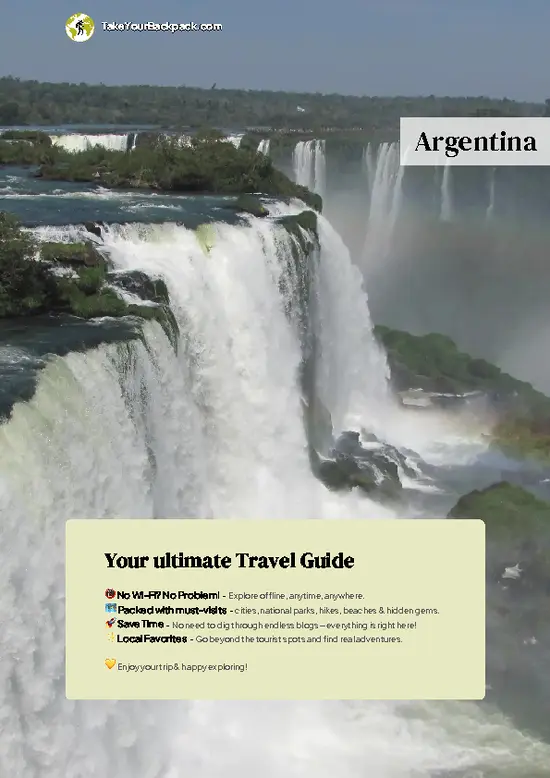
1 Iguazu National Park

waterfalls, subtropical rainforest, toucans, misty trails

Stand at the edge of roaring cascades, trek through lush jungle, and watch for colorful birds darting between ancient trees.

Argentina - Iguazu National Park

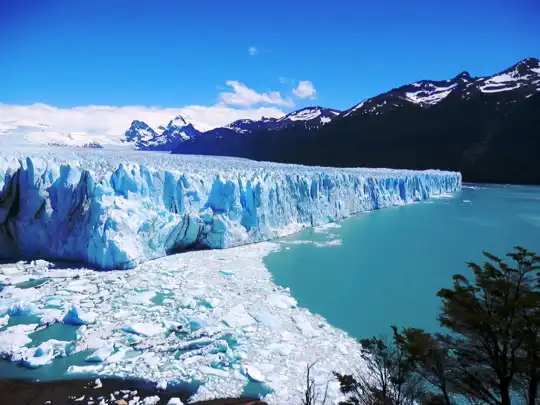
2 Los Glaciares National Park

ice fields, Perito Moreno Glacier, Patagonian steppe, jagged peaks

Watch massive icebergs calve into blue lakes, trek to remote mountain vistas, and experience the raw scale of southern Patagonia.

Argentina - Los Glaciares National Park

3 Tierra del Fuego National Park

subantarctic forest, beaver dams, peat bogs, coastal inlets

Hike through mossy woods, cross wooden bridges over streams, and reach windswept shores at the southern tip of the continent.

4 Esteros del Iberá

wetlands, capybara colonies, marsh deer, floating islands

Glide by boat through vast marshes alive with birdlife, caiman, and semi-aquatic mammals in one of South America's largest wetland systems.

5 Nahuel Huapi National Park

alpine lakes, lenga forests, snow-capped mountains, condor lookouts

Sail across deep blue waters, hike forested slopes, and spot soaring birds above dramatic ridgelines in Argentina's oldest national park.

argentina-national-park-nahuel-huapi-national-park
© Google | Juan Luis Gronek

6 Talampaya National Park

towering red cliffs, petroglyphs, desert canyon, sculpted rock towers

Walk beneath sheer sandstone walls, discover ancient rock art, and explore a desert landscape shaped by wind and water.

argentina-national-park-talampaya-national-park
© Google | Marcelo Ceballos

7 Ischigualasto Provincial Park

moonlike badlands, Triassic fossils, wind-sculpted rocks, red canyons

Traverse surreal rock formations and fossil beds that reveal the deep geological history of this arid, otherworldly landscape.

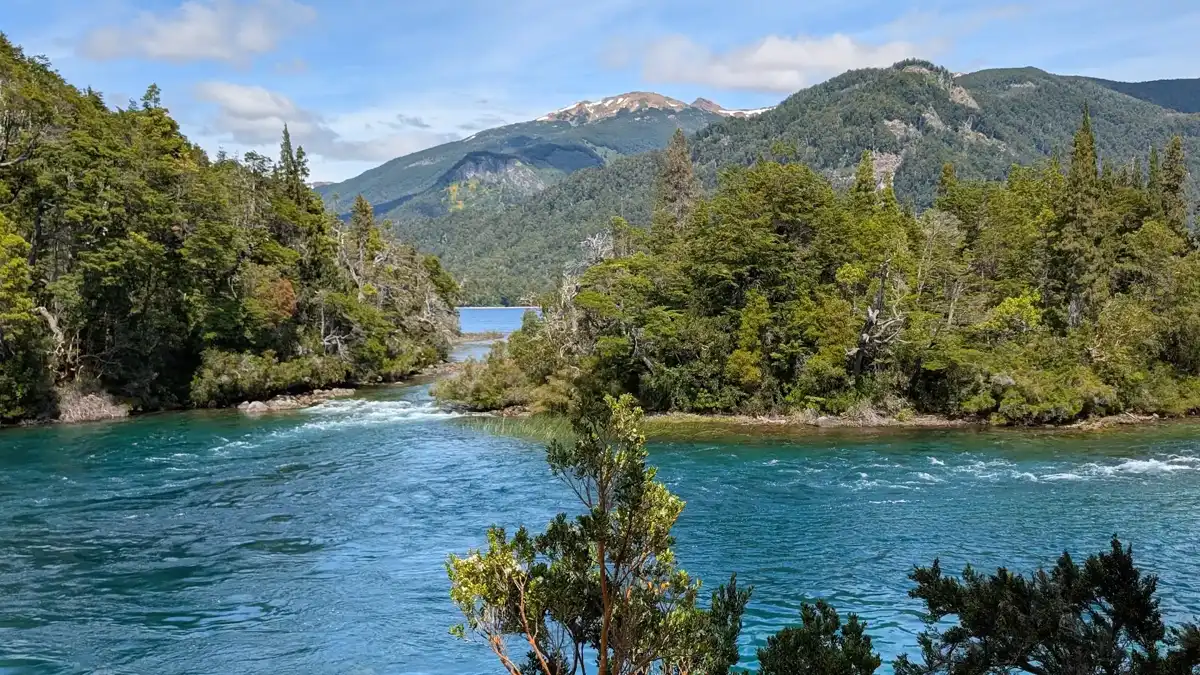
8 Los Alerces National Park

ancient larch forests, turquoise lakes, glacial rivers, Andean foothills

Paddle across clear lakes, walk beneath towering larches, and camp beside rivers that flow from the snow-capped Andes.

argentina-national-park-los-alerces-national-park
© Google | Robert Quinn

9 Patagonia National Park

steppe grasslands, guanaco herds, river canyons, wild solitude

Roam open plains dotted with wildlife, follow winding rivers, and camp in remote valleys far from crowds or settlements.

Argentina&Chile - Patagonia National Park

10 El Palmar National Park

yatay palm groves, grassland, capybara sightings, gentle rivers

Cycle or walk beneath tall palms, spot wildlife near water, and relax in a landscape unique to Argentina's northeast.

argentina-national-park-el-palmar-national-park
© Google |

11 Serranía de Hornocal

multi-colored mountains, high-altitude ridges, panoramic viewpoints, limestone strata

Drive or hike to scenic overlooks for views of vividly banded hills rising above the arid valleys of northern Argentina.

12 Provincial Reserve La Payunia

black lava fields, volcanic cones, pampas, guanacos

Cross stark volcanic terrain where herds of guanacos graze among hundreds of dormant cones and sweeping basalt flows.

argentina-national-park-provincial-reserve-la-payunia
© Google | Facundo De Martino

13 Monte León National Park

sea cliffs, penguin colonies, Patagonian coast, fossil beaches

Walk along windswept shores, watch penguins nest, and search for fossils on remote beaches facing the Atlantic.

14 El Leoncito National Park

clear night skies, Andean foothills, observatories, desert scrub

Camp under brilliant stars, visit astronomical sites, and hike arid trails with sweeping views of the pre-Andean landscape.

15 Bosques Petrificados de Jaramillo National Park

petrified forest, steppe, fossilized trunks, windblown plains

Walk among ancient stone trees and experience the silence of a landscape shaped by volcanic eruptions and time.

16 Quebrada del Condorito National Park

deep gorge, condor nesting cliffs, highland grasslands, rocky plateaus

Peer into dramatic canyons and watch Andean condors glide on thermals above windswept plains and rugged escarpments.

17 Chaco National Park

dry forest, quebracho trees, armadillo habitat, subtropical wildlife

Walk beneath dense canopies of ancient hardwoods and spot elusive mammals in a landscape shaped by seasonal floods and dry spells.

18 Laguna Blanca National Park

high-altitude lagoon, flamingo flocks, steppe, volcanic backdrop

Observe migratory birds on a shimmering lake, surrounded by arid plains and distant volcanic peaks in Patagonia's north.

19 San Guillermo National Park

high Andean plateau, vicuña herds, puna grasslands, snow-capped ridges

Trek across windswept plateaus, observe wild camelids, and camp beneath peaks that mark the edge of the Andes.

20 Baritú National Park

yungas rainforest, mountain rivers, jaguar habitat, steep slopes

Venture into dense subtropical forest, cross fast-flowing streams, and search for rare wildlife in Argentina's remote northwest.

21 Lihué Calel National Park

granite outcrops, low hills, native shrubland, archaeological sites

Wander among rocky hills and ancient petroglyphs, exploring a quiet region where wildlife and history meet.

22 Campo de los Alisos National Park

cloud forest, Andean slopes, misty trails, endemic flora

Climb through lush, fog-shrouded forests and ascend steep hillsides rich in rare plants and birdlife.

23 Mburucuyá National Park

savanna, gallery forest, marshes, howler monkeys

Explore a patchwork of wetlands and woodlands, listening for the calls of monkeys and watching for rare marshland birds.

24 Copahue Provincial Park

thermal springs, volcanic plateau, araucaria forests, fumaroles

Experience steaming geothermal fields, mineral-rich pools, and rare monkey puzzle trees set against a backdrop of volcanic peaks.

argentina-national-park-copahue-provincial-park
© Google | Silvina G.

25 Las Sierras de la Ventana

granite peaks, grassland valleys, natural stone arch, hiking routes

Ascend rugged hills for panoramic views, explore rolling meadows, and discover unique rock features shaped by wind and time.

26 Sierra de las Quijadas National Park

red sandstone cliffs, eroded valleys, fossil beds, arid plateau

Hike through sculpted canyons and discover traces of prehistoric life in a stark, colorful desert setting.

27 Sierra del Tigre Natural Reserve

rolling hills, native woodland, birdwatching spots, open pastures

Stroll through gentle hills and woodlands, observing local birdlife and grazing animals in a tranquil rural setting.

28 Jaaukanigas

floodplain, river islands, aquatic birds, Paraná wetlands

Navigate a maze of waterways and islands, spotting diverse birdlife and experiencing the rhythms of a vast river ecosystem.

Think you know Argentina?

Prove you’re a true local — uncover 18 lesser-known national parks in Argentina that locals tend to keep to themselves.
Loading the map 🌍

Expert viewTips and Advice from Travelers

Terrain
Argentina’s national parks are a wild tapestry of landscapes, from the jagged peaks of the Andes to the sprawling wetlands of the Pampas. Each park offers a unique slice of the country’s natural beauty, but the terrain can dictate your experience. In the north, you’ll find lush forests and dramatic canyons, while the south boasts glaciers and windswept plains. If you’re after a mix of hiking, wildlife watching, and breathtaking views, you’ll want to prioritize parks that showcase these diverse terrains.

However, the trade-off here is time. If you try to cram too many parks into a short trip, you’ll miss the chance to truly immerse yourself in the environment. Aim for three to four parks if you have a week or more. This allows you to savor the landscapes without feeling rushed. Each … read more 👉
Terrain
Argentina’s national parks are a wild tapestry of landscapes, from the jagged peaks of the Andes to the sprawling wetlands of the Pampas. Each park offers a unique slice of the country’s natural beauty, but the terrain can dictate your experience. In the north, you’ll find lush forests and dramatic canyons, while the south boasts glaciers and windswept plains. If you’re after a mix of hiking, wildlife watching, and breathtaking views, you’ll want to prioritize parks that showcase these diverse terrains.

However, the trade-off here is time. If you try to cram too many parks into a short trip, you’ll miss the chance to truly immerse yourself in the environment. Aim for three to four parks if you have a week or more. This allows you to savor the landscapes without feeling rushed. Each park has its own rhythm, and rushing through them can lead to a superficial experience.

Park Infrastructure
Infrastructure varies widely across Argentina’s national parks. Some parks, like Los Glaciares, are well-equipped with visitor centers, marked trails, and even guided tours. Others, like Quebrada del Condorito, are more rugged and require a bit of self-sufficiency. This disparity can significantly affect your comfort level and overall experience.

If you’re not keen on roughing it, stick to the parks with better facilities. But remember, this often comes with a higher price tag. Campsites in well-developed parks can be pricier, and guided tours can add up quickly. Conversely, if you’re willing to embrace a more rustic experience, you can save money and have a more intimate connection with nature. Just be prepared for the unpredictability that comes with less infrastructure.

Wildlife Activity
Wildlife is one of the biggest draws of Argentina’s national parks. From the elusive Andean condor to the playful guanacos, the variety is astounding. However, wildlife activity can be hit or miss depending on the time of year and the park you choose.

For instance, if you’re keen on spotting penguins, you’ll want to visit during their breeding season, which varies by region. This means planning your trip around specific wildlife calendars. The trade-off here is between timing and park selection. If you’re focused on wildlife, you may need to prioritize parks known for specific species, potentially sacrificing the chance to see other stunning landscapes.

Time vs. Coverage
When planning your itinerary, consider the time it takes to travel between parks. Argentina is vast, and distances can be deceptive. A park that looks close on a map might require a full day of travel to reach. This is especially true if you’re moving between regions, like from the north to the south.

If you’re short on time, focus on one region. For example, the northwest offers a rich cultural experience alongside stunning landscapes, while the south is all about glaciers and dramatic vistas. Spending more time in one area allows you to explore deeper and appreciate the local culture. The trade-off here is between breadth and depth. Covering more parks means less time in each, while focusing on fewer parks allows for a richer experience but limits the variety of landscapes you’ll see.

Planning and Prioritizing
To make the most of your national park experience in Argentina, prioritize based on your interests. If you’re a hiker, focus on parks with extensive trail systems. If wildlife is your passion, research the best times to visit specific parks.

Consider the season as well. Summer months can be crowded, especially in popular parks. If you can, aim for shoulder seasons when the weather is still pleasant but the crowds are thinner. This can enhance your experience and give you a better chance to connect with nature.

Safety is another factor. Some parks have areas that are remote and require a good level of fitness and preparation. Always check local guidelines and be aware of your surroundings. In more isolated areas, cell service can be spotty, so having a plan is crucial.

Cultural Considerations
Argentina’s national parks are not just about nature; they’re also steeped in local culture. Engaging with local communities can enrich your experience. Many parks have indigenous histories that are worth exploring. However, be respectful and mindful of local customs.

The trade-off here is between convenience and authenticity. While it might be easier to stick to the well-trodden tourist paths, venturing into local communities can provide a deeper understanding of the region. Just be prepared for the challenges that come with navigating cultural differences and language barriers.

Conclusion
Ultimately, the key to enjoying Argentina’s national parks lies in conscious decision-making. Understand what you’re willing to sacrifice—time, money, or comfort—and plan accordingly. Each park has its own character and charm, and the more you invest in understanding them, the more rewarding your experience will be. Embrace the trade-offs, and you’ll find that the journey through Argentina’s wild heart is worth every step.

✈️ The backpacker research shortcutArgentina Travel Guide

An offline-friendly backpacking guide with optimized travel routes, ranked highlights, transport advice, and the best areas to stay.
example page 0 from our offline Travel Guide for Argentina
example page 1 from our offline Travel Guide for Argentina
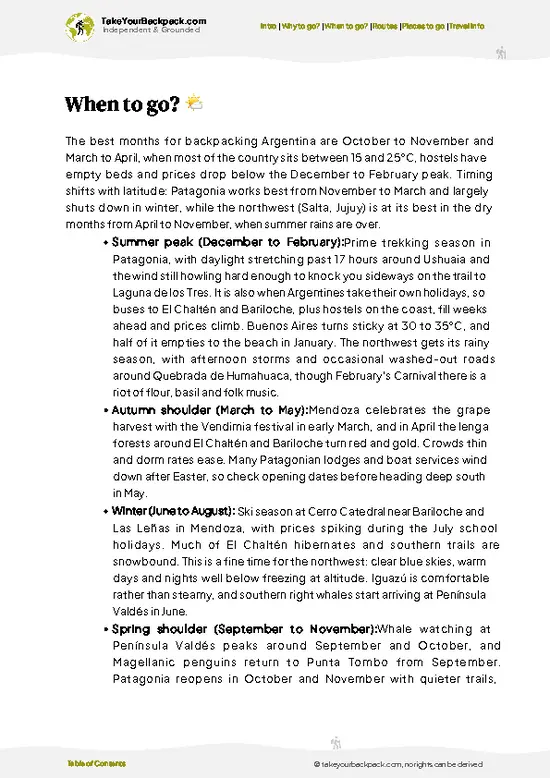
example page 2 from our offline Travel Guide for Argentina
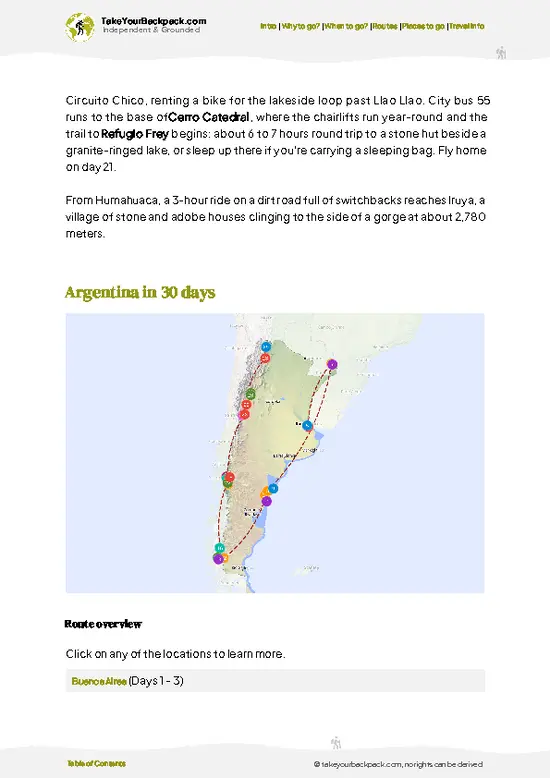
example page 3 from our offline Travel Guide for Argentina
example page 4 from our offline Travel Guide for Argentina
example page 5 from our offline Travel Guide for Argentina
example page 6 from our offline Travel Guide for Argentina
example page 7 from our offline Travel Guide for Argentina
The digital guide (505 pages) contains:
135 highlights, ranked by travel appeal
Optimized 14, 21 & 30-day travel routes
Cities, national parks, landmarks, beaches
How to get around
Offline-friendly for travel without Wi-Fi
👉 Click to see all 30+ guide features

📅 Plan smarter in minutes, not weeks
Month by month travel advice
Festivals & national holidays
Budget expectations

🗺️ Go to the right places, skip the overrated ones
Honest pros & cons of destinations
Top hikes, parks & viewpoints
Lesser-known places most travelers miss
Clear “worth it vs skip it” guidance

🛏️ Travel smoothly without rookie mistakes
Best areas to stay
Transport systems explained simply
Common scams & safety advice
SIM cards, money & practical tips

🌍 Understand the country, not just visit it
Culture & traditions
52 Essential phrases & customs
Festivals worth planning around
Traveler-friendly historical context
Insights that make places more meaningful

📱 Built for real travel conditions
Fully downloadable PDF
Works completely offline
Optimized for phone use
Useful in remote areas & buses
Everything in one place
Save weeks of stressful planning
Get instant access to your full guide. 30‑day money-back guarantee.
+ Add another guide for just US$7.80

By proceeding you agree to our terms.
Sent to your inbox immediately after payment • 100% Secure Checkout
Best Backpacking Travel Advisor 2025 tourism awardBest Backpacking
Travel Advisor
2025
What others say about Take Your Backpack Guides:
⭐⭐⭐⭐⭐
Fantastic, amazing amount of information!
⭐⭐⭐⭐⭐
My goodness this is amazing, it's what I've been looking for hats off too you!
⭐⭐⭐⭐⭐
I think this is absolutely BRILLIANT
⭐⭐⭐⭐
Very complete and informative. It's still missing places, but I gotta to commend you
⭐⭐⭐⭐⭐
This is truly amazing, thank you, can't wait to explore it with my kids!
⭐⭐⭐⭐⭐
Awesome resource, thank you!
⭐⭐⭐⭐⭐
This is amazing! Can't wait to explore the ones I haven't seen
⭐⭐⭐⭐
I love this! Well done, great idea.
⭐⭐⭐⭐⭐
Thanks for taking the time to make this gem!
⭐⭐⭐⭐⭐
This might be the best website I've ever seen.
⭐⭐⭐⭐⭐
Congratulations, and thank you so much for your work; it's incredibly valuable.
⭐⭐⭐⭐
In all seriousness I think you did a great job pointing out the important spots
⭐⭐⭐⭐⭐
10/10 very good
⭐⭐⭐⭐⭐
As someone who's only just starting to visit regularly this is awesome, thank you.
⭐⭐⭐⭐
Thank you very much! I'm going to visit my dad, it's going to be very useful!
⭐⭐⭐⭐⭐
This is really cool! We'll be travelling for the first time and this definitely come in handy.
⭐⭐⭐⭐⭐
You are now our minister of culture, congratulations 👨‍💼
⭐⭐⭐⭐⭐
Just wanted to tell you that this is a pearl! Going to follow your recommendations.
⭐⭐⭐⭐⭐
This is so cool. I'll definitely be using the resource for my travels soon.
⭐⭐⭐⭐⭐
This is very impressive! Good work.
⭐⭐⭐⭐⭐
This is an amazing and informative site. Very well done!

🛏️ Where to stay?Where to Stay: Argentina Edition

hostels and budget accommodation are widespread across Argentina, with the most options in Buenos Aires (Palermo, San Telmo, Microcentro, Recoleta), Mendoza (city centre and Chacras de Coria), Bariloche (centro), El Calafate (centro) and Puerto Iguazú (town centre).

Palermo has nightlife, cafés and many hostel choices but is noisier and often pricier; San Telmo offers historic charm and markets with a strong backpacker vibe but can feel less safe late at night; Microcentro and Recoleta give the best transit links and museums yet are quieter after dark and more touristy; Mendoza centre and Chacras are walkable to vineyards and plazas but farther from mountain trails; Bariloche centro is convenient … read more 👉
hostels and budget accommodation are widespread across Argentina, with the most options in Buenos Aires (Palermo, San Telmo, Microcentro, Recoleta), Mendoza (city centre and Chacras de Coria), Bariloche (centro), El Calafate (centro) and Puerto Iguazú (town centre).

Palermo has nightlife, cafés and many hostel choices but is noisier and often pricier; San Telmo offers historic charm and markets with a strong backpacker vibe but can feel less safe late at night; Microcentro and Recoleta give the best transit links and museums yet are quieter after dark and more touristy; Mendoza centre and Chacras are walkable to vineyards and plazas but farther from mountain trails; Bariloche centro is convenient for buses, shops and lake access but fills up in high season; El Calafate centro is the practical base for glacier tours though touristy and cold; Puerto Iguazú town is the cheapest base for the falls with basic services but less nightlife and higher humidity.

If you enjoy meeting fellow travelers, consider choosing hostels with high ratings for atmosphere. On the other hand, if you prefer having your own space, a hotel might be a better option.

ArgentinaExplore Beyond This Category

👋 Meet the founderWho’s Behind Take Your Backpack?

Johan, backpacker and founder of TakeYourBackpackHi, I’m Johan (Netherlands 🇳🇱), the creator of TakeYourBackpack. Over the past decade, I’ve backpacked through 80+ countries across six continents, gaining extensive experience with independent travel, long-term trips, and overland routes.

This site is built on a combination of firsthand travel experience and carefully curated insights from other backpackers. Many guides are based on places I’ve personally visited, while others bring together tips, observations, and practical advice shared by trusted travelers I’ve met along the way.

The goal is to provide realistic, experience-driven guidance — not generic itineraries — so you can explore destinations with better context, clearer expectations, and more confidence.

Get full Argentina guide •
Instant download • 135 highlights • Full Offline guide