

The Flag Room (Sala de la Bandera)
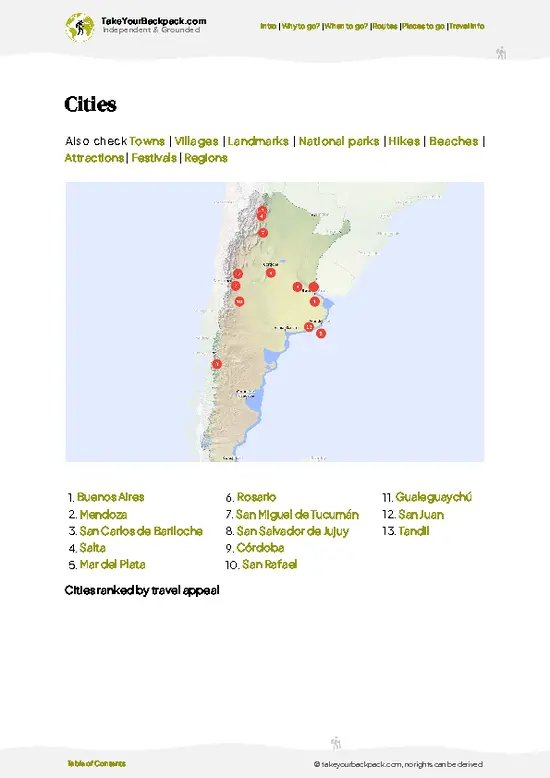
Skip the Instagram pose in front of the building and head straight for the Flag Room. This is where you’ll find the original flag carried by Manuel Belgrano during Argentina’s fight for independence. It’s not just a relic—it’s a battered, hand-stitched symbol of rebellion, pride, and the messiness of real history. The faded fabric and rough seams are a world away from the sanitized, gift-shop version of patriotism. If you want to feel the pulse of Argentina’s national identity, this is where it beats loudest.
The Weapons Collection
Forget the glassy-eyed parade of muskets you’ll find in most history museums. Here, the weapons are displayed with context—swords, pistols, and sabers that actually saw action in the wars for independence. You can almost smell … read more 👉
Skip the Instagram pose in front of the building and head straight for the Flag Room. This is where you’ll find the original flag carried by Manuel Belgrano during Argentina’s fight for independence. It’s not just a relic—it’s a battered, hand-stitched symbol of rebellion, pride, and the messiness of real history. The faded fabric and rough seams are a world away from the sanitized, gift-shop version of patriotism. If you want to feel the pulse of Argentina’s national identity, this is where it beats loudest.
The Weapons Collection
Forget the glassy-eyed parade of muskets you’ll find in most history museums. Here, the weapons are displayed with context—swords, pistols, and sabers that actually saw action in the wars for independence. You can almost smell … read more 👉
The Flag Room (Sala de la Bandera)
Skip the Instagram pose in front of the building and head straight for the Flag Room. This is where you’ll find the original flag carried by Manuel Belgrano during Argentina’s fight for independence. It’s not just a relic—it’s a battered, hand-stitched symbol of rebellion, pride, and the messiness of real history. The faded fabric and rough seams are a world away from the sanitized, gift-shop version of patriotism. If you want to feel the pulse of Argentina’s national identity, this is where it beats loudest.
The Weapons Collection
Forget the glassy-eyed parade of muskets you’ll find in most history museums. Here, the weapons are displayed with context—swords, pistols, and sabers that actually saw action in the wars for independence. You can almost smell the gunpowder and sweat. The museum doesn’t shy away from the brutality or the improvisation that defined early Argentine warfare. If you want to understand how a ragtag army took on an empire, this collection tells the story in steel and wood.
The Room of the May Revolution
This isn’t a dusty diorama. The exhibits here are immersive, packed with artifacts from the 1810 revolution that kicked off Argentina’s break from Spain. You’ll see personal items, letters, and even clothing from the era—real, lived-in objects that make the revolution feel less like a textbook chapter and more like a chaotic, all-or-nothing gamble. The museum does a rare thing: it lets you feel the uncertainty and adrenaline of those days, not just the triumph.
Portraits of the Founders
You’ve seen the faces on pesos and postage stamps, but the museum’s collection of portraits gives you the raw, unfiltered versions. These aren’t airbrushed heroes—they’re flawed, intense, sometimes haunted men and women. The curators don’t try to turn them into saints. Instead, you get a sense of the real personalities behind the legends, which is far more interesting than any official narrative.
The Courtyard
Personal favorite. After the heavy history inside, step into the museum’s colonial courtyard. It’s not just a pretty photo op—it’s a living piece of Buenos Aires’ past, with original tiles and the kind of shade that makes you want to linger. Locals use it as a quiet spot to read or chat, and if you listen, you’ll catch snippets of real Porteño life. It’s the museum’s secret handshake: a reminder that history isn’t just behind glass, it’s still happening outside.
Temporary Exhibitions
Here’s where the museum shakes off the dust. The rotating exhibits dive into everything from tango culture to the darker corners of Argentina’s political past. They’re curated with bite—never afraid to challenge official stories or poke at uncomfortable truths. If you want to see how history collides with the present, don’t skip whatever’s on display here.
Skip the Instagram pose in front of the building and head straight for the Flag Room. This is where you’ll find the original flag carried by Manuel Belgrano during Argentina’s fight for independence. It’s not just a relic—it’s a battered, hand-stitched symbol of rebellion, pride, and the messiness of real history. The faded fabric and rough seams are a world away from the sanitized, gift-shop version of patriotism. If you want to feel the pulse of Argentina’s national identity, this is where it beats loudest.
The Weapons Collection
Forget the glassy-eyed parade of muskets you’ll find in most history museums. Here, the weapons are displayed with context—swords, pistols, and sabers that actually saw action in the wars for independence. You can almost smell the gunpowder and sweat. The museum doesn’t shy away from the brutality or the improvisation that defined early Argentine warfare. If you want to understand how a ragtag army took on an empire, this collection tells the story in steel and wood.
The Room of the May Revolution
This isn’t a dusty diorama. The exhibits here are immersive, packed with artifacts from the 1810 revolution that kicked off Argentina’s break from Spain. You’ll see personal items, letters, and even clothing from the era—real, lived-in objects that make the revolution feel less like a textbook chapter and more like a chaotic, all-or-nothing gamble. The museum does a rare thing: it lets you feel the uncertainty and adrenaline of those days, not just the triumph.
Portraits of the Founders
You’ve seen the faces on pesos and postage stamps, but the museum’s collection of portraits gives you the raw, unfiltered versions. These aren’t airbrushed heroes—they’re flawed, intense, sometimes haunted men and women. The curators don’t try to turn them into saints. Instead, you get a sense of the real personalities behind the legends, which is far more interesting than any official narrative.
The Courtyard
Personal favorite. After the heavy history inside, step into the museum’s colonial courtyard. It’s not just a pretty photo op—it’s a living piece of Buenos Aires’ past, with original tiles and the kind of shade that makes you want to linger. Locals use it as a quiet spot to read or chat, and if you listen, you’ll catch snippets of real Porteño life. It’s the museum’s secret handshake: a reminder that history isn’t just behind glass, it’s still happening outside.
Temporary Exhibitions
Here’s where the museum shakes off the dust. The rotating exhibits dive into everything from tango culture to the darker corners of Argentina’s political past. They’re curated with bite—never afraid to challenge official stories or poke at uncomfortable truths. If you want to see how history collides with the present, don’t skip whatever’s on display here.
Spotted a mistake or missing something? Contact us.
v2.webp)


Best Backpacking
Hi, I’m Johan (Netherlands 🇳🇱), the creator of TakeYourBackpack. Over the past decade, I’ve backpacked through 80+ countries across six continents, gaining extensive experience with independent travel, long-term trips, and overland routes.