×

Argentina🇦🇷 | attractionsPalacio LibertadOld Central Post Office, suspended concert hall, giant organ, rooftop terrace | things to do and best time to go

Explore Museo EvitaExplore Usina del Arte

Backpacking in Palacio Libertad
🌟 Highlightattraction ranked #8
By Johan Kruseman 🇳🇱 | Updated October 19, 2026

Most guides sell this as a free-entry art center in a converted building, and stop there. What they skip is that it's built inside the old Correo Central, the massive former Central Post Office on Sarmiento street in Buenos Aires, officially renamed Palacio Libertad in October 2024, and the Ballena Azul concert hall inside it hangs suspended from the ceiling like a blue whale carcass, with zero visible support. Free entry, free organ concerts on weekends, and almost no tourist crowds compared to Recoleta or La Boca. On the downside, opening hours are erratic, some wings close without notice, and the sheer scale means you can wander for an hour without finding anything explained in English. I stood under that suspended concert hall during a Sunday organ recital, sound just rolled down through the metal, and I felt it in my sternum before I processed what I was hearing.

Discover everything you want to know in the 📖 Argentina Travel Guide.


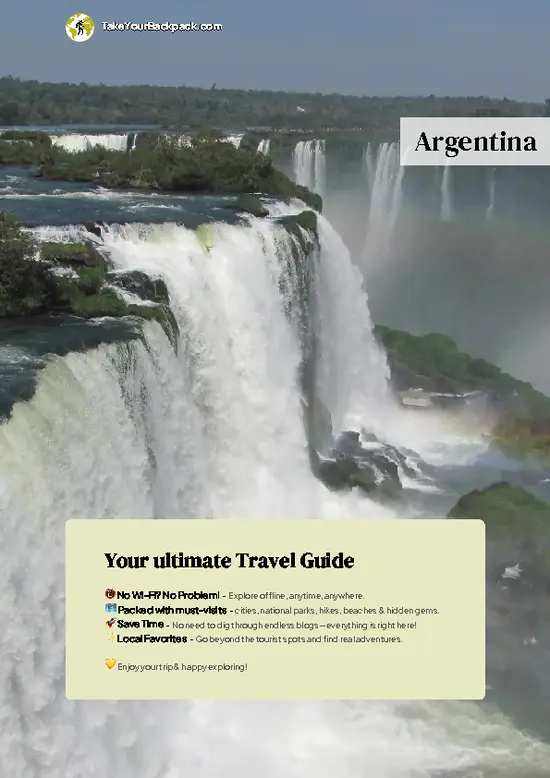
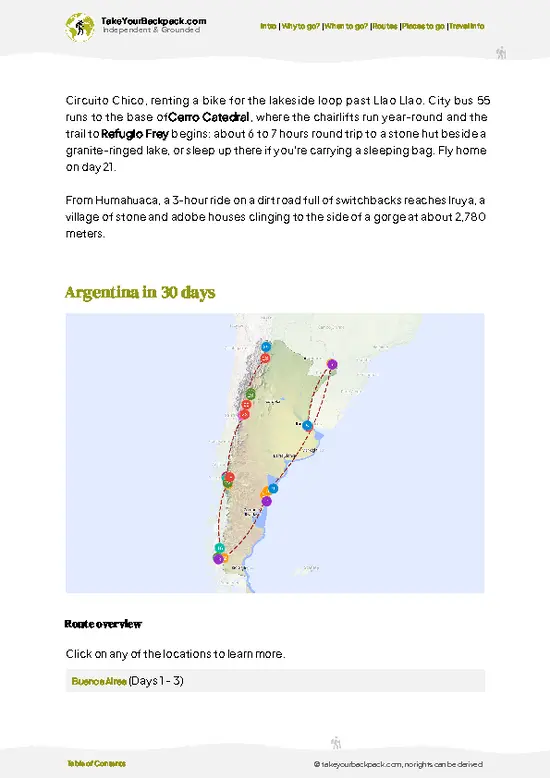
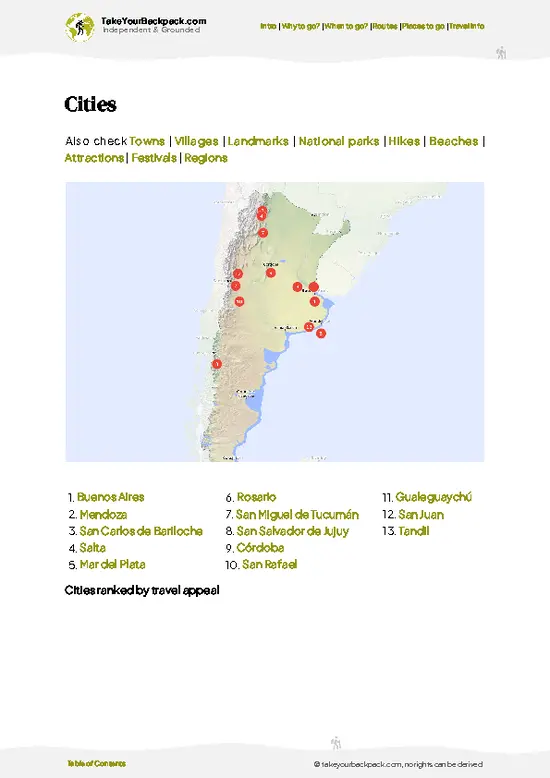
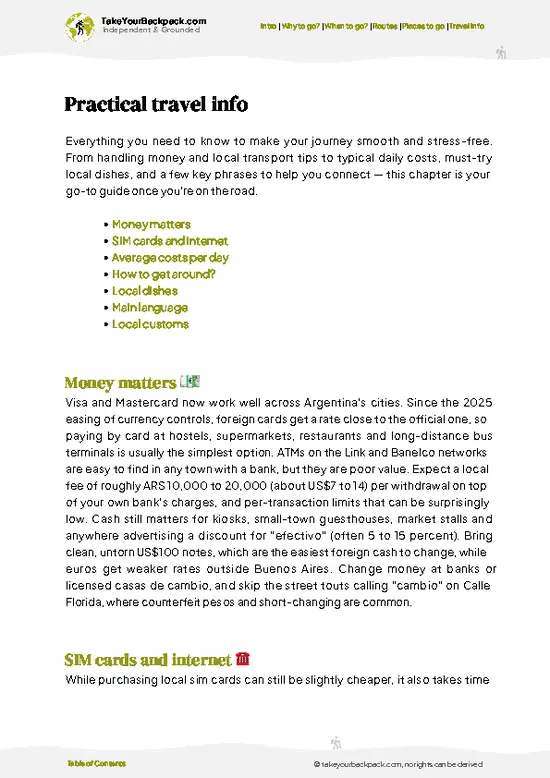
example page 0 from our offline Travel Guide for Argentina
example page 1 from our offline Travel Guide for Argentina
example page 2 from our offline Travel Guide for Argentina
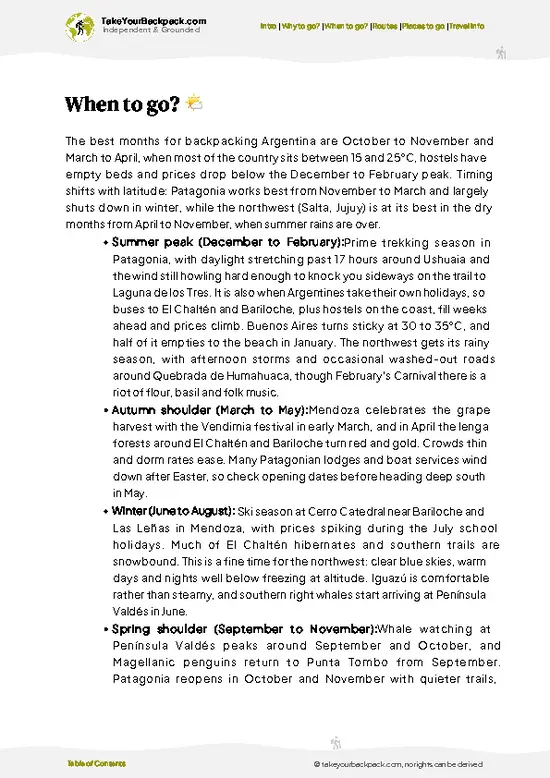
example page 3 from our offline Travel Guide for Argentina
example page 4 from our offline Travel Guide for Argentina
example page 5 from our offline Travel Guide for Argentina
example page 6 from our offline Travel Guide for Argentina
example page 7 from our offline Travel Guide for Argentina
Loading the map 🌍
CLICK TO FILTER
cities
towns
villages
landmarks
national parks
hikes
beaches
attractions
festivals
regions
SHOW COUNTRY’S BESTSHOW ALL

✨ Why go?
Ranked #8 attraction in Argentina
Why visitors keep coming back

Backpackers add this to the Buenos Aires route because it delivers serious wow-factor for exactly zero pesos, which matters when you're stretching a daily budget. It's not just an art stop, it's a piece of architectural history: a Beaux-Arts post office repurposed into one of Latin America's largest cultural centers. The Ballena Azul auditorium alone, suspended mid-air with a massive pipe organ, justifies the detour. It's also a good rest-day activity between more physically demanding stops like Iguazú or Patagonia treks, since you can spend an hour or four hours here depending on energy levels. For anyone building a Buenos Aires itinerary, it's a low-cost, high-payoff milestone that balances out pricier attractions elsewhere in the country, and gives you a genuine sense of Argentina's cultural … read more 👉
Backpackers add this to the Buenos Aires route because it delivers serious wow-factor for exactly zero pesos, which matters when you're stretching a daily budget. It's not just an art stop, it's a piece of architectural history: a Beaux-Arts post office repurposed into one of Latin America's largest cultural centers. The Ballena Azul auditorium alone, suspended mid-air with a massive pipe organ, justifies the detour. It's also a good rest-day activity between more physically demanding stops like Iguazú or Patagonia treks, since you can spend an hour or four hours here depending on energy levels. For anyone building a Buenos Aires itinerary, it's a low-cost, high-payoff milestone that balances out pricier attractions elsewhere in the country, and gives you a genuine sense of Argentina's cultural ambition beyond tango shows and steak dinners.

💡 HighlightsEssential experiences to have while visiting Palacio Libertad

  1. La Ballena Azul (The Blue Whale): The centerpiece concert hall, suspended without visible support inside the old mail-sorting hall. Walking underneath it while music plays is the single most disorienting, best sensory experience in the building.
  2. The Grand Pipe Organ: One of the largest organs in South America, installed specifically for this space. Free recitals happen periodically and the sound fills the entire structure, not just the hall.
  3. Rooftop Terrace: Offers views over the Microcentro rooftops and a break from the dense indoor programming. Good spot to decompress between exhibits.
  4. Rotating Contemporary Art Exhibitions: Multiple floors host temporary shows from Argentine and international artists, often experimental installations you won't find in the more traditional Bellas Artes museum.
… read more 👉
  1. La Ballena Azul (The Blue Whale): The centerpiece concert hall, suspended without visible support inside the old mail-sorting hall. Walking underneath it while music plays is the single most disorienting, best sensory experience in the building.
  2. The Grand Pipe Organ: One of the largest organs in South America, installed specifically for this space. Free recitals happen periodically and the sound fills the entire structure, not just the hall.
  3. Rooftop Terrace: Offers views over the Microcentro rooftops and a break from the dense indoor programming. Good spot to decompress between exhibits.
  4. Rotating Contemporary Art Exhibitions: Multiple floors host temporary shows from Argentine and international artists, often experimental installations you won't find in the more traditional Bellas Artes museum.
  5. The Original Post Office Architecture: Marble staircases, vaulted ceilings, and the sheer footprint of the building (it once processed the country's mail) make the structure itself worth studying, separate from any art inside.
  6. Free Weekend Concert Programming: Beyond organ recitals, the center hosts free classical and contemporary music performances, a rare budget-friendly cultural fix in a city where tango shows can run steep.
  7. Photography Halls: Dedicated spaces for photographic exhibitions, frequently featuring Argentine social and political history through images, giving context to the country beyond the postcard version.
  8. Children's and Educational Wings: Interactive spaces aimed at younger visitors, useful if you're traveling with family or just want a lighter, hands-on section after heavier art wings.
Spotted a mistake or missing something? Contact us.

Things to do around Palacio Libertad

Ratings based on Tripadvisor reviews. When you book through this link, you support our work at no extra cost to you.

🌤️ When to go?Weather, crowds, and seasonal trade-offs

  • Autumn (March to May): Mild days around 15-22°C (59-72°F), comfortable for walking the huge interior and nearby Microcentro streets, fewer crowds than summer.
  • Winter (June to August): Cooler, 8-15°C (46-59°F), shorter daylight hours, but indoor exhibits are unaffected and it's the quietest season for visitors.
  • Spring (September to November): Similar to autumn, 15-23°C (59-73°F), longer daylight, and a good stretch for combining the visit with outdoor sightseeing.
  • Summer (December to February): Hot and humid, 25-32°C (77-90°F), building interiors offer relief from heat but weekend organ concerts can draw bigger local crowds.
Check the weekly program before you go: free organ recitals and concerts in the Ballena Azul are scheduled irregularly.

source: climatestotravel.comJANJanuary: fair for travelingFEBFebruary: fair for travelingMARMarch: highly recommended for travelingAPRApril: highly recommended for travelingMAYMay: good for travelingJUNJune: good for travelingJULJuly: good for travelingAUGAugust: good for travelingSEPSeptember: excellent for travelingOCTOctober: excellent for travelingNOVNovember: highly recommended for travelingDECDecember: fair for traveling
when-to-go

✈️ The backpacker research shortcutArgentina Travel Guide

An offline-friendly backpacking guide with optimized travel routes, ranked highlights, transport advice, and the best areas to stay.
example page 0 from our offline Travel Guide for Argentina
example page 1 from our offline Travel Guide for Argentina
example page 2 from our offline Travel Guide for Argentina
example page 3 from our offline Travel Guide for Argentina
example page 4 from our offline Travel Guide for Argentina
example page 5 from our offline Travel Guide for Argentina
example page 6 from our offline Travel Guide for Argentina
example page 7 from our offline Travel Guide for Argentina
The digital guide (393 pages) contains:
✅ 131 highlights, ranked by travel appeal
✅ Optimized 14, 21 & 30-day travel routes
✅ Cities, national parks, landmarks, beaches
✅ How to get around
✅ Offline-friendly for travel without Wi-Fi
👉 Click to see all 30+ guide features

📅 Plan smarter in minutes, not weeks
✅ Month by month travel advice
✅ Festivals & national holidays
✅ Budget expectations

🗺️ Go to the right places, skip the overrated ones
✅ Honest pros & cons of destinations
✅ Top hikes, parks & viewpoints
✅ Lesser-known places most travelers miss
✅ Clear “worth it vs skip it” guidance

🛏️ Travel smoothly without rookie mistakes
✅ Best areas to stay
✅ Transport systems explained simply
✅ Common scams & safety advice
✅ SIM cards, money & practical tips

🌍 Understand the country, not just visit it
✅ Culture & traditions
✅ 52 Essential phrases & customs
✅ Festivals worth planning around
✅ Traveler-friendly historical context
✅ Insights that make places more meaningful

📱 Built for real travel conditions
✅ Fully downloadable PDF
✅ Works completely offline
✅ Optimized for phone use
✅ Useful in remote areas & buses
✅ Everything in one place
Stop searching, start planning
Get instant access to your full guide. 30‑day money-back guarantee.
+ Add another guide for just

By proceeding you agree to our terms.
Sent to your inbox immediately after payment • 100% Secure Checkout
Best Backpacking Travel Advisor 2025 tourism awardBest Backpacking
Travel Advisor
2025
What others say about Take Your Backpack Guides:
⭐⭐⭐⭐⭐
Fantastic, amazing amount of information!
⭐⭐⭐⭐⭐
My goodness this is amazing, it's what I've been looking for hats off too you!
⭐⭐⭐⭐⭐
I think this is absolutely BRILLIANT
⭐⭐⭐⭐
Very complete and informative. It's still missing places, but I gotta to commend you
⭐⭐⭐⭐⭐
This is truly amazing, thank you, can't wait to explore it with my kids!
⭐⭐⭐⭐⭐
Awesome resource, thank you!
⭐⭐⭐⭐⭐
This is amazing! Can't wait to explore the ones I haven't seen
⭐⭐⭐⭐
I love this! Well done, great idea.
⭐⭐⭐⭐⭐
Thanks for taking the time to make this gem!
⭐⭐⭐⭐⭐
This might be the best website I've ever seen.
⭐⭐⭐⭐⭐
Congratulations, and thank you so much for your work; it's incredibly valuable.
⭐⭐⭐⭐
In all seriousness I think you did a great job pointing out the important spots
⭐⭐⭐⭐⭐
10/10 very good
⭐⭐⭐⭐⭐
As someone who's only just starting to visit regularly this is awesome, thank you.
⭐⭐⭐⭐
Thank you very much! I'm going to visit my dad, it's going to be very useful!
⭐⭐⭐⭐⭐
This is really cool! We'll be travelling for the first time and this definitely come in handy.
⭐⭐⭐⭐⭐
You are now our minister of culture, congratulations 👨‍💼
⭐⭐⭐⭐⭐
Just wanted to tell you that this is a pearl! Going to follow your recommendations.
⭐⭐⭐⭐⭐
This is so cool. I'll definitely be using the resource for my travels soon.
⭐⭐⭐⭐⭐
This is very impressive! Good work.
⭐⭐⭐⭐⭐
This is an amazing and informative site. Very well done!

🛏️ Where to stay?Best areas and accommodation options

Stay in Monserrat or San Telmo, both within easy walking or short subway distance of the center on Sarmiento street. Monserrat puts you closest, a flat 10 to 15 minute walk through the Microcentro, and it's packed with budget guesthouses and hostels catering to backpackers passing through on their way south or north. San Telmo, a bit further but still manageable on foot, has a stronger backpacker social scene, with hostel bars, weekend markets, and cheap parrillas nearby. Both areas are generally safe during the day but require normal city awareness at night, stick to main streets and avoid empty … read more 👉
Stay in Monserrat or San Telmo, both within easy walking or short subway distance of the center on Sarmiento street. Monserrat puts you closest, a flat 10 to 15 minute walk through the Microcentro, and it's packed with budget guesthouses and hostels catering to backpackers passing through on their way south or north. San Telmo, a bit further but still manageable on foot, has a stronger backpacker social scene, with hostel bars, weekend markets, and cheap parrillas nearby. Both areas are generally safe during the day but require normal city awareness at night, stick to main streets and avoid empty blocks after dark. Avoid staying too far north in Recoleta or Palermo if this attraction is a priority, since you'll spend unnecessary time and subway fare commuting back and forth for what's ultimately a free, walkable stop in the city center.

👛 Costs (as of 19 October 2026)How expensive it really is

Visiting the Palacio Libertad itself is free, but travelers should budget for transport, food, and optional extras around the visit.
CategoryBudget RangeLocal Reality
Entrance FeeUSD 0Free general admission, no ticket required for most exhibitions
Special Concerts/EventsUSD 0 to 10Most performances are free; occasional ticketed special events run low-cost
Transport (subway/bus)USD 0.30 to 0.50 per rideSUBE card required for subway and bus; very cheap by international standards
Taxi/RideshareUSD 3 to 8Short trips from Microcentro or San Telmo hostels
Nearby Snack/CoffeeUSD 2 to 5Cafés around Sarmiento and Microcentro streets
Nearby LunchUSD 6 to 12Set lunch menus in Microcentro eateries
Guided Tour (if offered)USD 0 to 5Occasionally free guided walks in Spanish, donation-based at times
⚠️ Prices can change and everyone travels differently, so take this as a rough guide. Hope it helps you plan your adventure!

FAQFrequently asked questions about Palacio Libertad

Plan for at least 90 minutes to two hours to see the main halls and the Ballena Azul, though art enthusiasts can easily spend three to four hours covering the rotating exhibitions and rooftop terrace.
Yes, and emphatically so, since general admission is completely free, making it one of the best value cultural stops in Buenos Aires regardless of how much time you spend inside.
It sits on Sarmiento street in the Microcentro area of Buenos Aires, reachable by walking from Monserrat or San Telmo in 10 to 20 minutes, or via subway lines B or D with a short walk from the nearest station.
⚠️ Things can change over time, so always validate details locally before you go.

Other Argentine attractions near Palacio Libertad

Explore more nearby:

  • Teatro Colón—Horseshoe auditorium, bronze chandelier, costume workshops, Golden Hall| 1 km away
  • Palacio Barolo—Divine Comedy tower, lighthouse dome, Avenida de Mayo, guided tours| 2 km away
  • Teatro San Martín—Corrientes Avenue, Sala Coronado, contemporary dance, theater cinema| 2 km away

💡 Not sure where to go next?
Create a personalized itinerary for Argentina including Palacio Libertad and the places that fit your trip.

Generate my itinerary

👉 Discover all attractions

Or checkout all Argentina has to offer (think cities, towns, villages, national parks, hikes, beaches, festivals)
Country photo of Argentina

We 💚 feedbackKey takeaways before you go

Worth it for the Ballena Azul alone, that suspended concert hall changes how you think about repurposed architecture, and it costs nothing to see. The drawback: erratic hours and wings that close without warning mean you might miss half the building. Check the schedule same-day before you commit an afternoon.

✈️ When did I visit Argentina?
I have visited Argentina, together with Chile, in September 2012.

✍️ Help improve this page!
The information on this page is based on my own backpacking experience in Argentina, supplemented with up-to-date research and feedback from other travelers. Travel details can change, so if you notice anything outdated or incomplete, feel free to let me know.


🙋‍♂️ Give feedback

👋 Meet the founderWho’s Behind Take Your Backpack?

Johan, backpacker and founder of TakeYourBackpackHi, I’m Johan (Netherlands 🇳🇱), the creator of TakeYourBackpack. Over the past 3 decades, I’ve backpacked through 90+ countries across six continents, gaining extensive experience with independent travel, long-term trips, and overland routes.

This site is built on a combination of firsthand travel experience and carefully curated insights from other backpackers. Many guides are based on places I’ve personally visited, while others bring together tips, observations, and practical advice shared by trusted travelers I’ve met along the way.

The goal is to provide realistic, experience-driven guidance — not generic itineraries — so you can explore destinations with better context, clearer expectations, and more confidence.