×

Australia🇦🇺 | townsBurniePenguin breakwater, Emu Bay foreshore, Tasmanian art | things to do and best time to go

Explore DevonportExplore Mildura

Backpacking in Burnie
👌 Worth visitingtown ranked #19
By Johan Kruseman 🇳🇱 | Updated October 16, 2026

Burnie once smelled of paper mill and wore its industry like a badge; now the port town on Tasmania’s north-west coast, in Australia, trades on chocolate, penguins and a walkable waterfront. The sulfurous tang is mostly gone, replaced by fryer oil and sea air. I would still stop for the penguin chatter at dusk. Hostels are few, evenings are quiet, and meeting backpackers takes luck, but the coastal path ends at a breakwater where fairy penguins waddle past your boots.

Discover everything you want to know in the 📖 Australia Travel Guide.


example page 0 from our offline Travel Guide for Australia
example page 1 from our offline Travel Guide for Australia
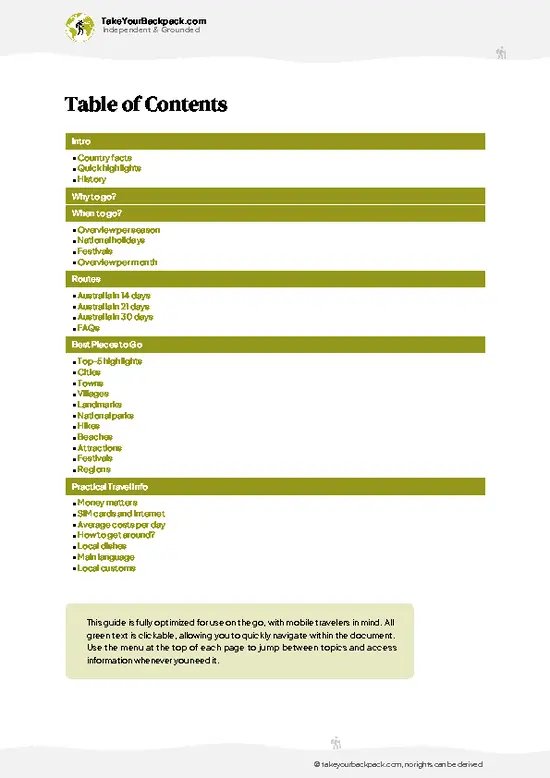
example page 2 from our offline Travel Guide for Australia
example page 3 from our offline Travel Guide for Australia
example page 4 from our offline Travel Guide for Australia
example page 5 from our offline Travel Guide for Australia
example page 6 from our offline Travel Guide for Australia
example page 7 from our offline Travel Guide for Australia
Loading the map 🌍
CLICK TO FILTER
cities
towns
villages
landmarks
national parks
hikes
beaches
attractions
festivals
regions
SHOW COUNTRY’S BESTSHOW ALL

✨ Why go?
Ranked #19 town in Australia
What sets this place apart

Burnie works best as a one or two night stop on the north-west coast, the point where the Bass Highway route between Devonport and Stanley makes an easy break. It suits slow travelers, solo wanderers and anyone with a car or a taste for coastal walking. The Makers’ Workshop and the penguin colony give you rainy-day and after-dark options without a big-city price. Nightlife is modest, hostels are limited, and the social scene is mostly café chatter. Come for low-key sights, then move on to wilder Tasmania.

💡 HighlightsWhat this place is best known for

  1. Makers’ Workshop: The museum and craft center on the waterfront covers paper-making, local history and the Pioneer Village-style recreations of old Burnie streets. Entry is about A$15 to 20 for the museum. Allow 1.5 to 2 hours. Any weekday is fine, and rainy days suit it best.
  2. Burnie Penguin Observation Centre: Little penguins come ashore at the Parsonage Point breakwater at dusk, roughly September to March. Free, with volunteer guides on hand. Plan 1 hour after sunset.
  3. Burnie Regional Art Gallery: A small, free gallery in the Civic Centre precinct with changing Tasmanian exhibitions. Allow 30 to 45 minutes on a weekday.
  4. Emu Bay Beach and foreshore walk: A flat coastal path along the sand and rocky shore with views over Bass Strait. Free, 1 to 2 hours, best on a calm morning.
  5. Fern Glade Reserve:
… read more 👉
  1. Makers’ Workshop: The museum and craft center on the waterfront covers paper-making, local history and the Pioneer Village-style recreations of old Burnie streets. Entry is about A$15 to 20 for the museum. Allow 1.5 to 2 hours. Any weekday is fine, and rainy days suit it best.
  2. Burnie Penguin Observation Centre: Little penguins come ashore at the Parsonage Point breakwater at dusk, roughly September to March. Free, with volunteer guides on hand. Plan 1 hour after sunset.
  3. Burnie Regional Art Gallery: A small, free gallery in the Civic Centre precinct with changing Tasmanian exhibitions. Allow 30 to 45 minutes on a weekday.
  4. Emu Bay Beach and foreshore walk: A flat coastal path along the sand and rocky shore with views over Bass Strait. Free, 1 to 2 hours, best on a calm morning.
  5. Fern Glade Reserve: A short, free forest walk along the Emu River, where platypus sometimes appear at dusk. Allow 1 hour.
Start with the penguins at dusk, since the season and light only allow one window a day, then fill the daytime with the rest. Day trips from Burnie include the Table Cape tulip fields near Wynyard, the Stanley Nut, Cradle Mountain and the Guide Falls near Ridgley.
Spotted a mistake or missing something? Contact us.

Things to do around Burnie

Ratings based on Tripadvisor reviews. When you book through this link, you support our work at no extra cost to you.

🏘️ NeighborhoodsWhere things are and how it's laid out

Burnie is compact, and most of what you want sits within a few kilometers of the water.
  • CBD and Wilmot Street: A tidy grid of shops, bakeries and pubs that closes up fairly early, so nightlife means a pint and an early night. Flat and walkable, and you leave with a decent flat white and a pie.
  • Emu Bay and the foreshore: A curve of beach, a boardwalk and the Makers’ Workshop nearby, where you can watch paper being made and eat a cheese plate. Easy walking, and you get a Bass Strait sunset with a cold wind.
  • Cooee and Wivenhoe: Residential hills with supermarkets and cheap takeaway. You will want a bus or car here, but the reward is lower prices and quiet streets.
  • Burnie Park and Round Hill: Lawns, a lookout and a few resident wombats if you are lucky. A short climb gives you the harbor view and woodchip piles.

⌛️ 1 dayA smart one-day plan

A gentle waterfront day with a museum in the middle and penguins at the end.
8:30 AM, Emu Bay foreshore: Walk the beach path for sea air and a coffee from a nearby café, then follow it toward the center.
10:30 AM, Makers’ Workshop: Spend two hours here with the papermaking demonstrations and local history. It is right on the waterfront.
1:00 PM, Burnie Regional Art Gallery: After lunch in town, wander through the free exhibits nearby.
3:30 PM, Fern Glade Reserve: Away from the usual circuit, this riverside forest walk is quiet. Wait near the water for a possible platypus.
Dusk, Penguin Observation Centre: Walk or drive to the breakwater and watch the birds come ashore.

🌤️ When to go?Weather, crowds, and seasonal trade-offs

Summer, December to February, is the easiest season, with highs of 20 to 23°C (68 to 73°F) and daylight past 9 pm.
  • Summer: Mild and dry, busiest for accommodation, with higher prices and Tasmania road trippers around.
  • Autumn: Highs of 16 to 20°C (61 to 68°F), calmer crowds and softer light.
  • Winter: Highs of 11 to 14°C (52 to 57°F), wet, windy, with daylight of about 9 hours and cheap beds.
  • Spring: Changeable, 13 to 17°C (55 to 63°F), with blooming gardens nearby.
Book ahead for Tasmanian school holidays in January.

source: climatestotravel.comJANJanuary: excellent for travelingFEBFebruary: excellent for travelingMARMarch: highly recommended for travelingAPRApril: highly recommended for travelingMAYMay: good for travelingJUNJune: fair for travelingJULJuly: fair for travelingAUGAugust: fair for travelingSEPSeptember: good for travelingOCTOctober: highly recommended for travelingNOVNovember: highly recommended for travelingDECDecember: excellent for traveling
when-to-go

✈️ The backpacker research shortcutAustralia Travel Guide

An offline-friendly backpacking guide with optimized travel routes, ranked highlights, transport advice, and the best areas to stay.
example page 0 from our offline Travel Guide for Australia
example page 1 from our offline Travel Guide for Australia
example page 2 from our offline Travel Guide for Australia
example page 3 from our offline Travel Guide for Australia
example page 4 from our offline Travel Guide for Australia
example page 5 from our offline Travel Guide for Australia
example page 6 from our offline Travel Guide for Australia
example page 7 from our offline Travel Guide for Australia
The digital guide (414 pages) contains:
✅ 143 highlights, ranked by travel appeal
✅ Optimized 14, 21 & 30-day travel routes
✅ Cities, national parks, landmarks, beaches
✅ How to get around
✅ Offline-friendly for travel without Wi-Fi
👉 Click to see all 30+ guide features

📅 Plan smarter in minutes, not weeks
✅ Month by month travel advice
✅ Festivals & national holidays
✅ Budget expectations

🗺️ Go to the right places, skip the overrated ones
✅ Honest pros & cons of destinations
✅ Top hikes, parks & viewpoints
✅ Lesser-known places most travelers miss
✅ Clear “worth it vs skip it” guidance

🛏️ Travel smoothly without rookie mistakes
✅ Best areas to stay
✅ Transport systems explained simply
✅ Common scams & safety advice
✅ SIM cards, money & practical tips

🌍 Understand the country, not just visit it
✅ Culture & traditions
✅ Local customs
✅ Festivals worth planning around
✅ Traveler-friendly historical context
✅ Insights that make places more meaningful

📱 Built for real travel conditions
✅ Fully downloadable PDF
✅ Works completely offline
✅ Optimized for phone use
✅ Useful in remote areas & buses
✅ Everything in one place
Stop searching, start planning
Get instant access to your full guide. 30‑day money-back guarantee.
+ Add another guide for just

By proceeding you agree to our terms.
Sent to your inbox immediately after payment • 100% Secure Checkout
Best Backpacking Travel Advisor 2025 tourism awardBest Backpacking
Travel Advisor
2025
What others say about Take Your Backpack Guides:
⭐⭐⭐⭐⭐
Fantastic, amazing amount of information!
⭐⭐⭐⭐⭐
My goodness this is amazing, it's what I've been looking for hats off too you!
⭐⭐⭐⭐⭐
I think this is absolutely BRILLIANT
⭐⭐⭐⭐
Very complete and informative. It's still missing places, but I gotta to commend you
⭐⭐⭐⭐⭐
This is truly amazing, thank you, can't wait to explore it with my kids!
⭐⭐⭐⭐⭐
Awesome resource, thank you!
⭐⭐⭐⭐⭐
This is amazing! Can't wait to explore the ones I haven't seen
⭐⭐⭐⭐
I love this! Well done, great idea.
⭐⭐⭐⭐⭐
Thanks for taking the time to make this gem!
⭐⭐⭐⭐⭐
This might be the best website I've ever seen.
⭐⭐⭐⭐⭐
Congratulations, and thank you so much for your work; it's incredibly valuable.
⭐⭐⭐⭐
In all seriousness I think you did a great job pointing out the important spots
⭐⭐⭐⭐⭐
10/10 very good
⭐⭐⭐⭐⭐
As someone who's only just starting to visit regularly this is awesome, thank you.
⭐⭐⭐⭐
Thank you very much! I'm going to visit my dad, it's going to be very useful!
⭐⭐⭐⭐⭐
This is really cool! We'll be travelling for the first time and this definitely come in handy.
⭐⭐⭐⭐⭐
You are now our minister of culture, congratulations 👨‍💼
⭐⭐⭐⭐⭐
Just wanted to tell you that this is a pearl! Going to follow your recommendations.
⭐⭐⭐⭐⭐
This is so cool. I'll definitely be using the resource for my travels soon.
⭐⭐⭐⭐⭐
This is very impressive! Good work.
⭐⭐⭐⭐⭐
This is an amazing and informative site. Very well done!

🛏️ Where to stay?Where staying makes the most sense

The center near Wilmot Street and the foreshore area are the best bets for a budget bed, with a handful of hostel-style rooms, motels and holiday parks. Everything is a short walk from the bus stops and Redline coach stop, so you can arrive without a taxi. Both are quiet at night, with few late venues, and streets are well lit. Choose the foreshore side for sea views and calm, or the center for quick access to supermarkets and cafes. Options are limited, so book ahead in January and on event weekends. Outer suburbs have cheaper rooms but need a car.

🚌 Getting aroundHow to get from A to B

Assuming you can reach the nearby sights by bus is the mistake that costs the most, because services outside town are thin and many sights sit off the route. Burnie itself is small and mostly flat, but hills climb behind the center, and traffic is light. Local buses run weekdays and Saturday mornings, with little on Sundays.
  • Walking: Free, and the center to the foreshore takes about 15 minutes. You get the sea air and a coffee on the way.
  • Metro Tasmania buses: Fares are about A$3 to 5 for local trips, running roughly 6 am to 6 pm on weekdays. Good for Wivenhoe or Penguin along the coast, with ocean views from a window seat.
  • Redline Coaches: Link Burnie to Devonport, Launceston and Smithton for about A$10 to 40 depending on distance, but only a few services daily. You get a reliable seat to the
… read more 👉
Assuming you can reach the nearby sights by bus is the mistake that costs the most, because services outside town are thin and many sights sit off the route. Burnie itself is small and mostly flat, but hills climb behind the center, and traffic is light. Local buses run weekdays and Saturday mornings, with little on Sundays.
  • Walking: Free, and the center to the foreshore takes about 15 minutes. You get the sea air and a coffee on the way.
  • Metro Tasmania buses: Fares are about A$3 to 5 for local trips, running roughly 6 am to 6 pm on weekdays. Good for Wivenhoe or Penguin along the coast, with ocean views from a window seat.
  • Redline Coaches: Link Burnie to Devonport, Launceston and Smithton for about A$10 to 40 depending on distance, but only a few services daily. You get a reliable seat to the main towns.
  • Taxi or rideshare: A$10 to 25 across town. Handy after dark when buses have stopped, and you get a chatty driver for free.
  • Rental car: From about A$60 to 90 a day, and the best way to reach farther sights, with the Bass Highway running along the coast.

👛 Costs (as of 16 October 2026)Money, prices, and spending tips

Burnie costs about US$95 a day for a backpacker on a tight budget, with most of that going to a bed and food.
CategoryBudget RangeLocal Reality
Dorm accommodationUS$30 to 42Dorm beds are scarce in town, so many travelers use budget motel rooms or holiday park cabins; the figure counts the high-season rate at the low end of that range.
MealsUS$22 to 35Bakery pies, fish and chips and supermarket cooking keep costs down; a pub meal runs US$14 to 22.
Local transportUS$3 to 6Local buses are cheap but infrequent, and the center is easy to walk.
Basic activities/entry feesUS$0 to 15The beach, Emu Bay foreshore and Fernglade walks are free; the Makers' Workshop and the Pioneer Village Museum charge modest fees.
Miscellaneous expensesUS$5 to 10Laundry, snacks, a coffee or a SIM top-up.
Total Daily BudgetUS$95Based
… read more 👉
Burnie costs about US$95 a day for a backpacker on a tight budget, with most of that going to a bed and food.
CategoryBudget RangeLocal Reality
Dorm accommodationUS$30 to 42Dorm beds are scarce in town, so many travelers use budget motel rooms or holiday park cabins; the figure counts the high-season rate at the low end of that range.
MealsUS$22 to 35Bakery pies, fish and chips and supermarket cooking keep costs down; a pub meal runs US$14 to 22.
Local transportUS$3 to 6Local buses are cheap but infrequent, and the center is easy to walk.
Basic activities/entry feesUS$0 to 15The beach, Emu Bay foreshore and Fernglade walks are free; the Makers' Workshop and the Pioneer Village Museum charge modest fees.
Miscellaneous expensesUS$5 to 10Laundry, snacks, a coffee or a SIM top-up.
Total Daily BudgetUS$95Based on high-season accommodation, mid-range of the other rows.
Cooking your own dinners from the supermarket saves roughly US$12 to 15 a day. Travelers pay in Australian dollars.
⚠️ Prices can change and everyone travels differently, so take this as a rough guide. Hope it helps you plan your adventure!

🚌 Day tripsBest day trips from Burnie

Burnie works well as a base because the Bass Highway puts several towns within an hour, though you will want a car for most.
Penguin:
A pretty seaside town about 20 minutes by car, or around 30 minutes by bus for A$3 to 5. The Sunday market and the beach are the draw, and little penguins come ashore at dusk in spring and summer. Many first-timers arrive too early for the birds.

Table Cape:
About 20 minutes away, with tulip fields from late September to October and a lighthouse over farmland. Budget for fuel of A$10 to 15 and a free walk around the top. Fields are privately owned, so stay on the paths.

Stanley:
About an hour west, where you climb The Nut by chairlift or steep path, with a few shops in the village. Expect A$20 to 30 in fuel and food. Go in summer for the clearest weather.

… read more 👉
Burnie works well as a base because the Bass Highway puts several towns within an hour, though you will want a car for most.
Penguin:
A pretty seaside town about 20 minutes by car, or around 30 minutes by bus for A$3 to 5. The Sunday market and the beach are the draw, and little penguins come ashore at dusk in spring and summer. Many first-timers arrive too early for the birds.

Table Cape:
About 20 minutes away, with tulip fields from late September to October and a lighthouse over farmland. Budget for fuel of A$10 to 15 and a free walk around the top. Fields are privately owned, so stay on the paths.

Stanley:
About an hour west, where you climb The Nut by chairlift or steep path, with a few shops in the village. Expect A$20 to 30 in fuel and food. Go in summer for the clearest weather.

Sisters Beach:
About 25 minutes away, a quiet beach with a walk around Rocky Cape National Park. The beach is free, but park entry needs a pass of around A$25 per vehicle.

🛡️ SafetySafety Tips and Common Scams in Burnie

Burnie is safe and relaxed, and most problems are minor. Keep valuables out of parked cars at trailheads and lookouts, where break-ins happen. The center is quiet at night, so take the lit main streets if you walk alone, and use a taxi from the few late venues. Wind and cold are a bigger issue than crime, so carry a layer. Watch for wildlife on roads at dusk, when wallabies and wombats cross unexpectedly.

FAQTraveler FAQ

Burnie is worth a night or two rather than a pure stopover, mainly for the foreshore, the Makers’ Workshop and the coast towns nearby. Penguin is about 20 minutes away and Stanley about an hour. It is quiet and low-key, so it suits slow travelers more than party seekers.
Two days covers Burnie itself and a couple of nearby trips. Spend one day on the foreshore, Makers’ Workshop and Burnie Park, and another on Penguin and Table Cape. Add a third day if you want Stanley, about an hour west.
Yes, Burnie works as a day trip from Devonport, about 45 minutes by road, and from Launceston, around 2 hours. Redline coaches run a few services daily for about A$10 to 40. A rental car makes it easier to see the coast and fit in Penguin.
⚠️ Things can change over time, so always validate details locally before you go.

Other Australian towns near Burnie

Explore more nearby:

  • Devonport—Ferry arrival, Mersey Bluff, Bass Strait history| 40 km away
  • Warrnambool—Southern right whale calving, shipwreck village, Lady Bay breakwater, Great Ocean Road end| 418 km away
  • Port Fairy—Whitewashed cottages, Griffiths Island lighthouse, working wharf, Moyne River| 433 km away

💡 Not sure where to go next?
Create a personalized itinerary for Australia including Burnie and the places that fit your trip.

Generate my itinerary

👉 Discover all towns

Or checkout all Australia has to offer (think cities, towns, villages, national parks, hikes, beaches, festivals)
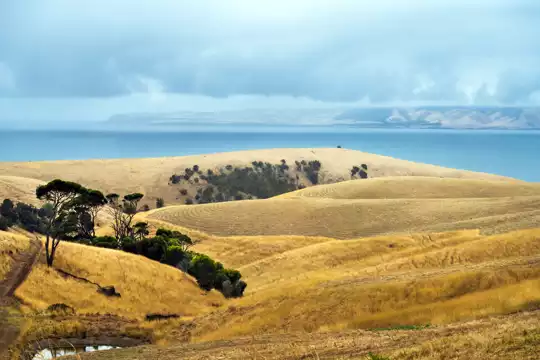
Country photo of Australia

We 💚 feedbackParting advice and final tips

Most first-timers rush through the industrial port and miss Fern Glade, where a platypus can surface at dusk. I would book one night, eat early, and spend the last light by the river before heading to the breakwater.

✈️ When did I visit Australia?
On my trip to New Zealand in 1993, I had a short stop in Australia as well.

✍️ Help improve this page!
The information on this page is based on my own backpacking experience in Australia, supplemented with up-to-date research and feedback from other travelers. Travel details can change, so if you notice anything outdated or incomplete, feel free to let me know.


🙋‍♂️ Give feedback

👋 Meet the founderWho’s Behind Take Your Backpack?

Johan, backpacker and founder of TakeYourBackpackHi, I’m Johan (Netherlands 🇳🇱), the creator of TakeYourBackpack. Over the past 3 decades, I’ve backpacked through 90+ countries across six continents, gaining extensive experience with independent travel, long-term trips, and overland routes.

This site is built on a combination of firsthand travel experience and carefully curated insights from other backpackers. Many guides are based on places I’ve personally visited, while others bring together tips, observations, and practical advice shared by trusted travelers I’ve met along the way.

The goal is to provide realistic, experience-driven guidance — not generic itineraries — so you can explore destinations with better context, clearer expectations, and more confidence.