×

Australia🇦🇺 | festivalsDark MofoWinter solstice, waterfront feast, experimental sound, dawn swim | things to do and best time to go

Explore Woodford Folk FestivalExplore MONA FOMA

Backpacking in Dark Mofo
👍 Recommendedfestival ranked #10
By Johan Kruseman 🇳🇱 | Updated October 15, 2026

Dark Mofo hands you a winter festival in a city that is otherwise quiet in June, and most events cost nothing or very little. It runs in Hobart, in the south of Australia’s island state of Tasmania, around the winter solstice, for about two weeks. Expect experimental music, noise, ritual, large-scale art and a crowd of black-clad locals, artists and curious mainlanders. The mood is theatrical, a little macabre and oddly friendly. At a waterfront food van, the cook handed me a paper cup of hot cider and said, “Take it. Everyone looks like they’re heading to a funeral, and nobody wants to be the one who’s sad.” Book beds early, because Hobart fills up fast.

Discover everything you want to know in the 📖 Australia Travel Guide.


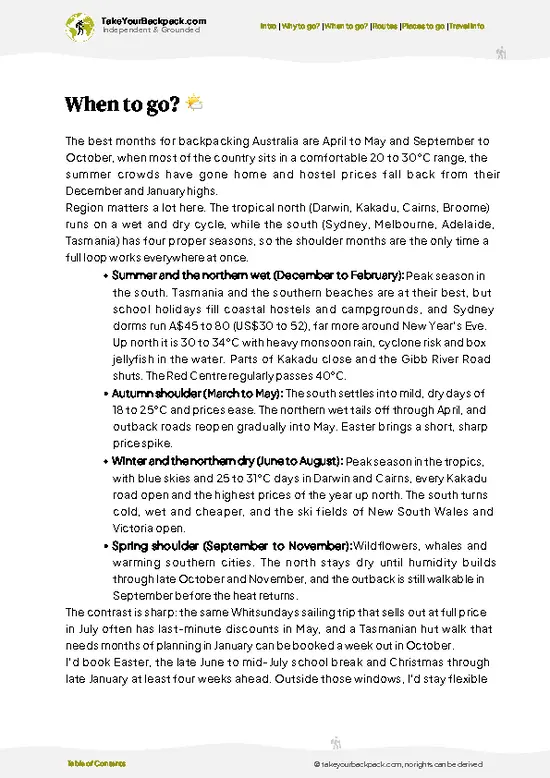
example page 0 from our offline Travel Guide for Australia
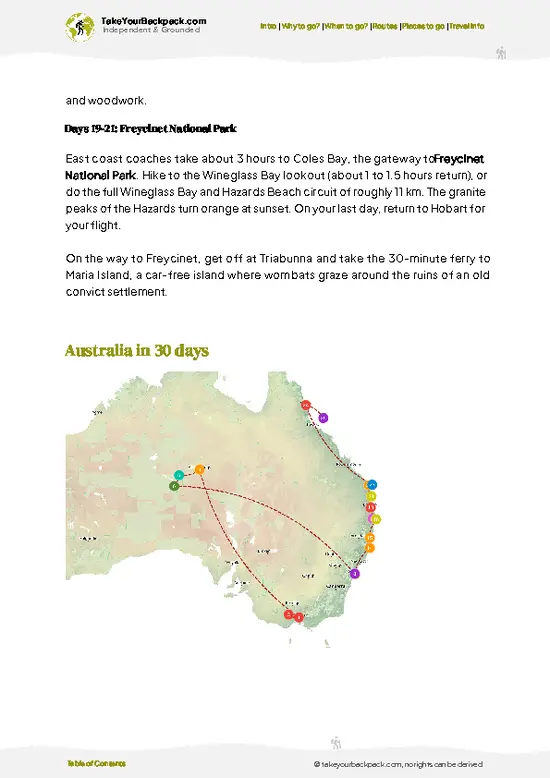
example page 1 from our offline Travel Guide for Australia
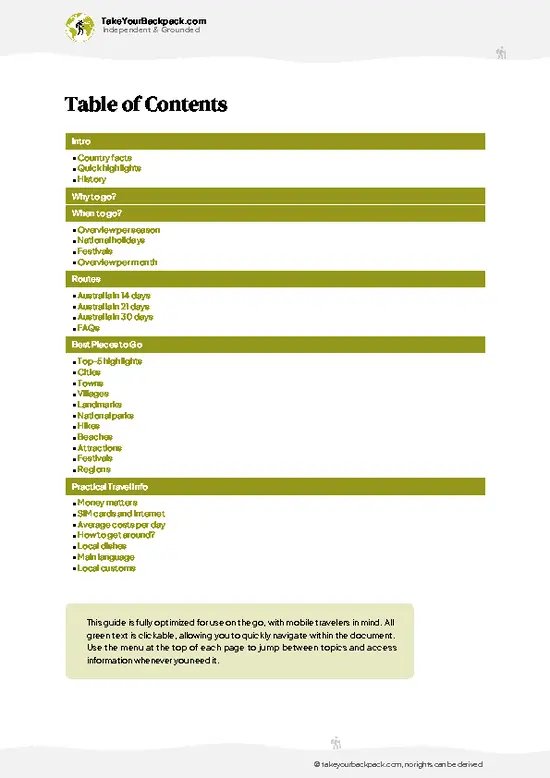
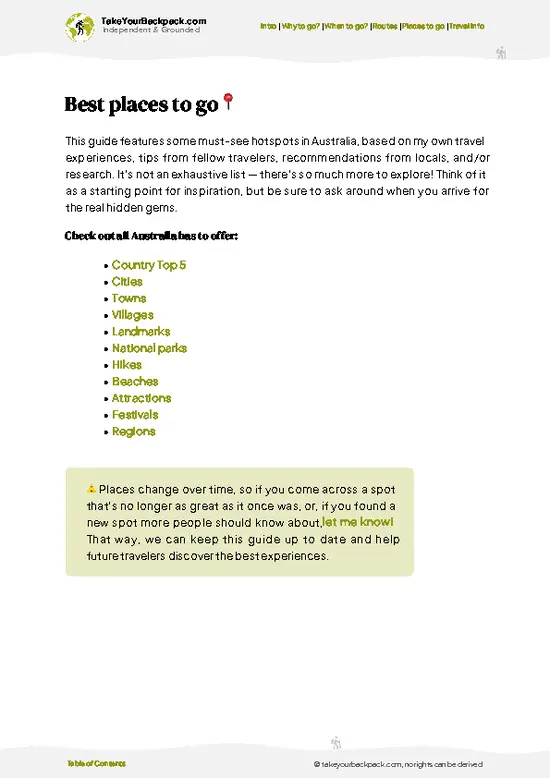
example page 2 from our offline Travel Guide for Australia
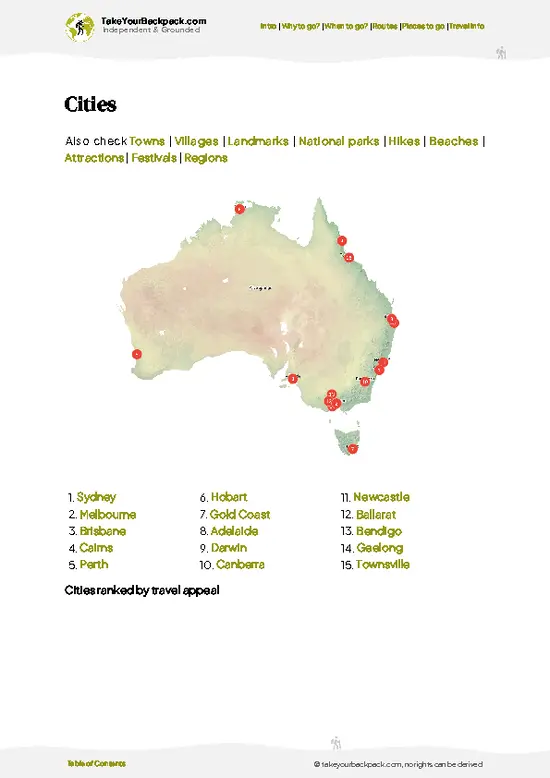
example page 3 from our offline Travel Guide for Australia
example page 4 from our offline Travel Guide for Australia
example page 5 from our offline Travel Guide for Australia
example page 6 from our offline Travel Guide for Australia
example page 7 from our offline Travel Guide for Australia
Loading the map 🌍
CLICK TO FILTER
cities
towns
villages
landmarks
national parks
hikes
beaches
attractions
festivals
regions
SHOW COUNTRY’S BESTSHOW ALL

✨ Why go?
Ranked #10 festival in Australia
Reasons people choose to celebrate the here

Backpackers build a Tasmania loop around Dark Mofo because it turns the island’s quietest season into its liveliest. The core is the Winter Feast on the Hobart waterfront, where strangers share long tables, fire pits and bowls of something hot, so striking up conversation takes no effort. Hostels and shared houses fill with other travelers who all had the same idea, which gives you a temporary crew within a day. The second draw is value. Many installations, the Night Mass aside, are free or low priced, so you can spend a week of evenings out without the ticket costs of a big music festival. And since June is low season for hiking and road trips, rental deals and empty trails sit next to a packed city, which makes the festival an easy anchor before or after time in the wilderness.

💡 HighlightsDon't-miss highlights and experiences

  1. Winter Feast at Princes Wharf: The festival’s communal dining hall sits on the Hobart waterfront, with long shared tables, fire pits, wood-fired food and wine. Strangers end up elbow to elbow, which makes it the easiest place to meet people. Entry to the grounds is typically free, and you pay for food and drink.
  2. The Ogoh-Ogoh Burn and Nude Solstice Swim: The Ogoh-Ogoh burn and the solstice swim into the River Derwent are the festival’s best-known rituals. Hundreds of people plunge into the cold water at dawn on the shortest day, and the swim is run as a ticketed, organized event with a changing area and hot drinks at the other end. Book ahead, since places are limited.
  3. The Museum of Old and New Art (MONA): The gallery that spawned the festival sits on a peninsula upriver from the city, and it
… read more 👉
  1. Winter Feast at Princes Wharf: The festival’s communal dining hall sits on the Hobart waterfront, with long shared tables, fire pits, wood-fired food and wine. Strangers end up elbow to elbow, which makes it the easiest place to meet people. Entry to the grounds is typically free, and you pay for food and drink.
  2. The Ogoh-Ogoh Burn and Nude Solstice Swim: The Ogoh-Ogoh burn and the solstice swim into the River Derwent are the festival’s best-known rituals. Hundreds of people plunge into the cold water at dawn on the shortest day, and the swim is run as a ticketed, organized event with a changing area and hot drinks at the other end. Book ahead, since places are limited.
  3. The Museum of Old and New Art (MONA): The gallery that spawned the festival sits on a peninsula upriver from the city, and it is the heart of the programming even when the main shows are elsewhere. Its subterranean galleries of antiquities and confronting contemporary work are the reason Dark Mofo has this edge. Allow a few hours, and expect a general entry fee, with Tasmanian residents getting in free.
  4. Large-scale public art and light installations: Each edition brings giant installations to the city. A beam of red light or a huge cross-like glowing structure over Hobart has often been the visual signature, and you can see much of it from the street for free. Walk the waterfront and the streets around Salamanca after dark.
  5. Late-night music and performance in Hobart venues: Expect experimental electronic, drone, noise, metal and avant-garde performance in the Theatre Royal, the Odeon Theatre, MONA and converted spaces. Many shows are ticketed individually, so pick two or three rather than trying to cover everything. The programs are strange, loud and often thrilling, which suits people who want more than a standard festival gig.
Set aside three to four days to cover the lot, with MONA taking half a day and the Feast and a couple of night shows filling the evenings.
Spotted a mistake or missing something? Contact us.

Things to do around Dark Mofo

Ratings based on Tripadvisor reviews. When you book through this link, you support our work at no extra cost to you.

🌤️ When to go?When is the celebration of Dark Mofo?

Dark Mofo runs for about two weeks in June, ending on the winter solstice (around June 21), and it is held in Hobart, Tasmania, centered on the Mona-run program at Salamanca, the waterfront and the Odeon and Theatre Royal venues.
  • Best days: The Winter Feast on the Hobart waterfront (usually the final weekend) and the Ogoh-Ogoh and Nude Solstice Swim on the closing days are the big draws. Weekdays are quieter for galleries and installations.
  • Weather: Expect 3 to 12°C (37 to 54°F), frequent rain and sunrise near 7:30 am with sunset before 5 pm. Bring a waterproof shell, thermal layers, a beanie and shoes that handle wet cobblestones.
  • Booking: Ticketed shows sell out within days of release, so buy as soon as the program drops. Accommodation prices climb 30 to 60 percent, so book a bed two to three
… read more 👉
Dark Mofo runs for about two weeks in June, ending on the winter solstice (around June 21), and it is held in Hobart, Tasmania, centered on the Mona-run program at Salamanca, the waterfront and the Odeon and Theatre Royal venues.
  • Best days: The Winter Feast on the Hobart waterfront (usually the final weekend) and the Ogoh-Ogoh and Nude Solstice Swim on the closing days are the big draws. Weekdays are quieter for galleries and installations.
  • Weather: Expect 3 to 12°C (37 to 54°F), frequent rain and sunrise near 7:30 am with sunset before 5 pm. Bring a waterproof shell, thermal layers, a beanie and shoes that handle wet cobblestones.
  • Booking: Ticketed shows sell out within days of release, so buy as soon as the program drops. Accommodation prices climb 30 to 60 percent, so book a bed two to three months ahead.
  • Crowds: Arrive Thursday and leave Monday to avoid Friday and Sunday flight and road peaks.
Book flights into Hobart early, since winter festival weekends fill quickly.


source: climatestotravel.comJANJanuary: not recommended for travelingFEBFebruary: not recommended for travelingMARMarch: not recommended for travelingAPRApril: not recommended for travelingMAYMay: not recommended for travelingJUNJune: excellent for travelingJULJuly: not recommended for travelingAUGAugust: not recommended for travelingSEPSeptember: not recommended for travelingOCTOctober: not recommended for travelingNOVNovember: not recommended for travelingDECDecember: not recommended for traveling

✈️ The backpacker research shortcutAustralia Travel Guide

An offline-friendly backpacking guide with optimized travel routes, ranked highlights, transport advice, and the best areas to stay.
example page 0 from our offline Travel Guide for Australia
example page 1 from our offline Travel Guide for Australia
example page 2 from our offline Travel Guide for Australia
example page 3 from our offline Travel Guide for Australia
example page 4 from our offline Travel Guide for Australia
example page 5 from our offline Travel Guide for Australia
example page 6 from our offline Travel Guide for Australia
example page 7 from our offline Travel Guide for Australia
The digital guide (414 pages) contains:
✅ 143 highlights, ranked by travel appeal
✅ Optimized 14, 21 & 30-day travel routes
✅ Cities, national parks, landmarks, beaches
✅ How to get around
✅ Offline-friendly for travel without Wi-Fi
👉 Click to see all 30+ guide features

📅 Plan smarter in minutes, not weeks
✅ Month by month travel advice
✅ Festivals & national holidays
✅ Budget expectations

🗺️ Go to the right places, skip the overrated ones
✅ Honest pros & cons of destinations
✅ Top hikes, parks & viewpoints
✅ Lesser-known places most travelers miss
✅ Clear “worth it vs skip it” guidance

🛏️ Travel smoothly without rookie mistakes
✅ Best areas to stay
✅ Transport systems explained simply
✅ Common scams & safety advice
✅ SIM cards, money & practical tips

🌍 Understand the country, not just visit it
✅ Culture & traditions
✅ Local customs
✅ Festivals worth planning around
✅ Traveler-friendly historical context
✅ Insights that make places more meaningful

📱 Built for real travel conditions
✅ Fully downloadable PDF
✅ Works completely offline
✅ Optimized for phone use
✅ Useful in remote areas & buses
✅ Everything in one place
Stop searching, start planning
Get instant access to your full guide. 30‑day money-back guarantee.
+ Add another guide for just

By proceeding you agree to our terms.
Sent to your inbox immediately after payment • 100% Secure Checkout
Best Backpacking Travel Advisor 2025 tourism awardBest Backpacking
Travel Advisor
2025
What others say about Take Your Backpack Guides:
⭐⭐⭐⭐⭐
Fantastic, amazing amount of information!
⭐⭐⭐⭐⭐
My goodness this is amazing, it's what I've been looking for hats off too you!
⭐⭐⭐⭐⭐
I think this is absolutely BRILLIANT
⭐⭐⭐⭐
Very complete and informative. It's still missing places, but I gotta to commend you
⭐⭐⭐⭐⭐
This is truly amazing, thank you, can't wait to explore it with my kids!
⭐⭐⭐⭐⭐
Awesome resource, thank you!
⭐⭐⭐⭐⭐
This is amazing! Can't wait to explore the ones I haven't seen
⭐⭐⭐⭐
I love this! Well done, great idea.
⭐⭐⭐⭐⭐
Thanks for taking the time to make this gem!
⭐⭐⭐⭐⭐
This might be the best website I've ever seen.
⭐⭐⭐⭐⭐
Congratulations, and thank you so much for your work; it's incredibly valuable.
⭐⭐⭐⭐
In all seriousness I think you did a great job pointing out the important spots
⭐⭐⭐⭐⭐
10/10 very good
⭐⭐⭐⭐⭐
As someone who's only just starting to visit regularly this is awesome, thank you.
⭐⭐⭐⭐
Thank you very much! I'm going to visit my dad, it's going to be very useful!
⭐⭐⭐⭐⭐
This is really cool! We'll be travelling for the first time and this definitely come in handy.
⭐⭐⭐⭐⭐
You are now our minister of culture, congratulations 👨‍💼
⭐⭐⭐⭐⭐
Just wanted to tell you that this is a pearl! Going to follow your recommendations.
⭐⭐⭐⭐⭐
This is so cool. I'll definitely be using the resource for my travels soon.
⭐⭐⭐⭐⭐
This is very impressive! Good work.
⭐⭐⭐⭐⭐
This is an amazing and informative site. Very well done!

🛏️ Where to stay?How to pick the right area

Central Hobart and Battery Point put you within walking distance of nearly every Dark Mofo site, which matters when late-night events end in freezing drizzle.
Salamanca and the waterfront are the most social choice. Hostels and budget rooms cluster here, the Winter Feast is a few minutes away on foot, and streets stay busy and well lit until late. Solo travelers will find it easiest to meet people in this part of town.
The CBD, around Elizabeth Street and Liverpool Street, is slightly cheaper and has the bus interchange nearby. It is a short walk down to the water and the main stages, and it feels … read more 👉
Central Hobart and Battery Point put you within walking distance of nearly every Dark Mofo site, which matters when late-night events end in freezing drizzle.
Salamanca and the waterfront are the most social choice. Hostels and budget rooms cluster here, the Winter Feast is a few minutes away on foot, and streets stay busy and well lit until late. Solo travelers will find it easiest to meet people in this part of town.
The CBD, around Elizabeth Street and Liverpool Street, is slightly cheaper and has the bus interchange nearby. It is a short walk down to the water and the main stages, and it feels safe in the evenings thanks to steady foot traffic.
Battery Point is quieter and prettier, with older cottages and guesthouses, and it suits those who want sleep between shows. North Hobart is a good alternative for restaurants and the State Cinema, about a 20 minute walk or a short bus ride from the waterfront.
If central beds run out, look at Sandy Bay, a quick bus or rideshare from the action, or Glebe for quiet residential stays.

👛 Costs (as of 15 October 2026)How expensive it really is

A day at Dark Mofo in Hobart costs roughly US$215 to 290 for an independent traveler in high season, with a midpoint of US$250. Most of the program runs in June around the winter solstice, and accommodation is the biggest swing factor.
CategoryBudget RangeLocal Reality
Festival ticketsUS$20 to 60The Winter Feast, the Night Mass and many outdoor installations are free or low cost. Ticketed concerts and major performances usually run US$40 to 90 each, so one paid show a day is a sensible average.
AccommodationUS$65 to 140Dorm beds in Hobart jump sharply during the festival and sell out early. Private rooms and guesthouses cost far more, so sharing a room helps.
Local transportUS$3 to 12The central venues around Salamanca, the waterfront and Macquarie Point are walkable. A Metro bus fare is a few
… read more 👉
A day at Dark Mofo in Hobart costs roughly US$215 to 290 for an independent traveler in high season, with a midpoint of US$250. Most of the program runs in June around the winter solstice, and accommodation is the biggest swing factor.
CategoryBudget RangeLocal Reality
Festival ticketsUS$20 to 60The Winter Feast, the Night Mass and many outdoor installations are free or low cost. Ticketed concerts and major performances usually run US$40 to 90 each, so one paid show a day is a sensible average.
AccommodationUS$65 to 140Dorm beds in Hobart jump sharply during the festival and sell out early. Private rooms and guesthouses cost far more, so sharing a room helps.
Local transportUS$3 to 12The central venues around Salamanca, the waterfront and Macquarie Point are walkable. A Metro bus fare is a few dollars, and a rideshare after late shows costs US$10 to 25.
Food & drinksUS$35 to 60Winter Feast stalls charge about US$10 to 20 per dish, and a cocktail or mulled wine costs US$10 to 16. Cafe breakfasts run US$10 to 18.
Miscellaneous expensesUS$10 to 25Budget for a warm layer or beanie, locker or cloakroom fees, and the odd merch purchase. Most vendors take cards, and Australian dollars are used for all payments.
Total Daily BudgetUS$215 to 290Per person, per day, in high season.
⚠️ Prices can change and everyone travels differently, so take this as a rough guide. Hope it helps you plan your adventure!

🍲 FoodWhat to Eat & Drink

The Winter Feast is the center of the food scene, held in the big sheds at Princes Wharf. Expect long communal tables, open fires and plenty of Tasmanian produce: scallop pies, wood-fired oysters, slow-cooked lamb, smoked trout and fresh bread with local cheese.
For drinks, go for mulled wine and hot cider, then try a Tasmanian whisky or a cool-climate pinot noir. Local craft beer from Hobart breweries is easy to find, and spiced hot chocolate keeps the cold off between shows.
The most authentic order is the pork or lamb roast carved from the spit, with something deep fried and a cup of mulled cider. Plates are filling, so sharing a couple of dishes with new friends lets you try more.
Lines build fast around dinner time, so eat early or late and bring a hat. Many vendors take cards, but carry … read more 👉
The Winter Feast is the center of the food scene, held in the big sheds at Princes Wharf. Expect long communal tables, open fires and plenty of Tasmanian produce: scallop pies, wood-fired oysters, slow-cooked lamb, smoked trout and fresh bread with local cheese.
For drinks, go for mulled wine and hot cider, then try a Tasmanian whisky or a cool-climate pinot noir. Local craft beer from Hobart breweries is easy to find, and spiced hot chocolate keeps the cold off between shows.
The most authentic order is the pork or lamb roast carved from the spit, with something deep fried and a cup of mulled cider. Plates are filling, so sharing a couple of dishes with new friends lets you try more.
Lines build fast around dinner time, so eat early or late and bring a hat. Many vendors take cards, but carry a little cash for the odd stall and for queues that move faster when you can pay quickly. Seating is shared, so squeeze in and chat, since that is half the fun.

FAQTraveler FAQ

Dark Mofo takes place in Hobart, Tasmania, for about two weeks every June, finishing on the winter solstice around June 21. The program centers on the waterfront, Salamanca, the Theatre Royal and the Odeon. Nights are long, with sunset before 5 pm, so most events run after dark.
Attendance costs very little if you stick to free events, but a realistic range is AUD 230 to 380 a day all in. Many installations and the Winter Feast are free to enter, while major shows run AUD 40 to 120 each. Dorm beds in Hobart cost AUD 60 to 100 during the festival, and meals at the Feast cost AUD 15 to 30.
Tickets are only needed for headline performances, exhibitions and some late-night shows, and these often sell out within days of release. Book as soon as the program is announced, usually a few months before June. The Winter Feast, outdoor installations and the solstice swim can generally be joined without a ticket, though the swim requires registration.
⚠️ Things can change over time, so always validate details locally before you go.

Other Australian festivals near Dark Mofo

Explore more nearby:

  • MONA FOMA—MONA ferry, sandstone museum, loud experiments, site-specific installations| 10 km away
  • Falls Festival—New Year’s Eve, bush amphitheater, tent city, Great Ocean Road| 560 km away
  • Melbourne International Comedy Festival—Town Hall galas, Tightarse Tuesdays, basement gigs, stand-up marathon| 599 km away

💡 Not sure where to go next?
Create a personalized itinerary for Australia including Dark Mofo and the places that fit your trip.

Generate my itinerary

👉 Discover all festivals

Or checkout all Australia has to offer (think cities, towns, villages, national parks, hikes, beaches, festivals)
Country photo of Australia

We 💚 feedbackKey takeaways before you go

Pair Dark Mofo with a few days at MONA, the museum behind the festival, then head out to Bruny Island or Freycinet for quieter winter hiking. I would book the festival nights first and fit the road trip around them, since the festival beds disappear well before the trails do.

✈️ When did I visit Australia?
On my trip to New Zealand in 1993, I had a short stop in Australia as well.

✍️ Help improve this page!
The information on this page is based on my own backpacking experience in Australia, supplemented with up-to-date research and feedback from other travelers. Travel details can change, so if you notice anything outdated or incomplete, feel free to let me know.


🙋‍♂️ Give feedback

👋 Meet the founderWho’s Behind Take Your Backpack?

Johan, backpacker and founder of TakeYourBackpackHi, I’m Johan (Netherlands 🇳🇱), the creator of TakeYourBackpack. Over the past 3 decades, I’ve backpacked through 90+ countries across six continents, gaining extensive experience with independent travel, long-term trips, and overland routes.

This site is built on a combination of firsthand travel experience and carefully curated insights from other backpackers. Many guides are based on places I’ve personally visited, while others bring together tips, observations, and practical advice shared by trusted travelers I’ve met along the way.

The goal is to provide realistic, experience-driven guidance — not generic itineraries — so you can explore destinations with better context, clearer expectations, and more confidence.