×

Australia🇦🇺 | festivalsDarwin FestivalCivic Park lawns, dry-season nights, First Nations art, late cabaret | things to do and best time to go

Explore MONA FOMAExplore Byron Bay Bluesfest

Backpacking in Darwin
👌 Worth visitingfestival ranked #13
By Johan Kruseman 🇳🇱 | Updated October 15, 2026

The woman beside me unfolded a camp chair, a tablecloth and a full cheese board on the grass, and I had to admit that I'd arrived at an arts festival with a packet of crackers. Darwin Festival runs in Darwin, in the north of Australia, for about two and a half weeks each August. Expect contemporary music, theater, comedy, circus and First Nations art, mostly around Civic Park in the city center. Crowds are relaxed locals, families and arts people. It's unhurried and surprisingly dressy for the tropics. Book accommodation early, because the dry season fills Darwin fast.

Discover everything you want to know in the 📖 Australia Travel Guide.


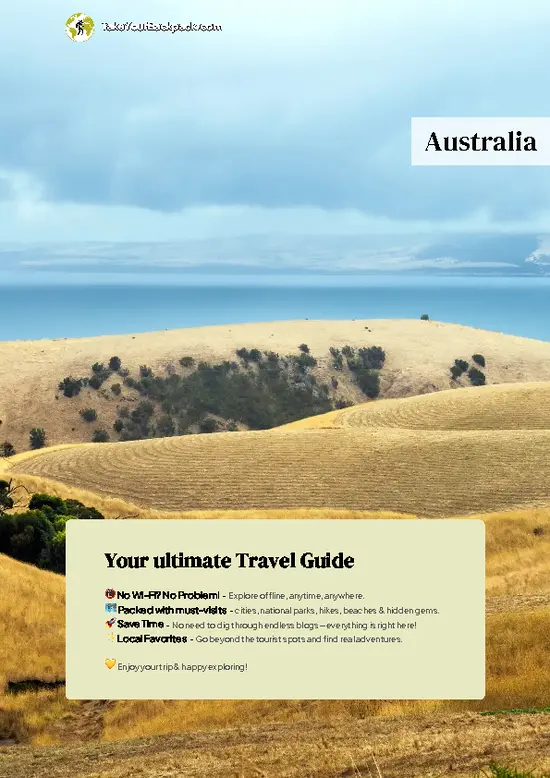
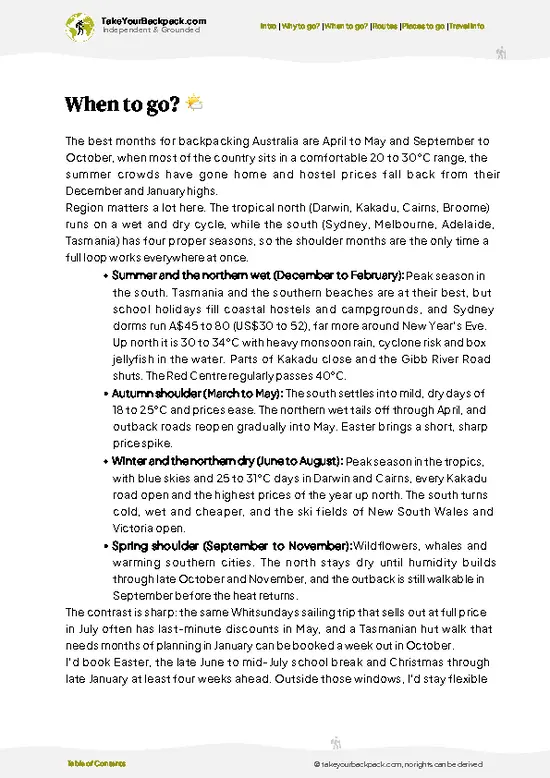
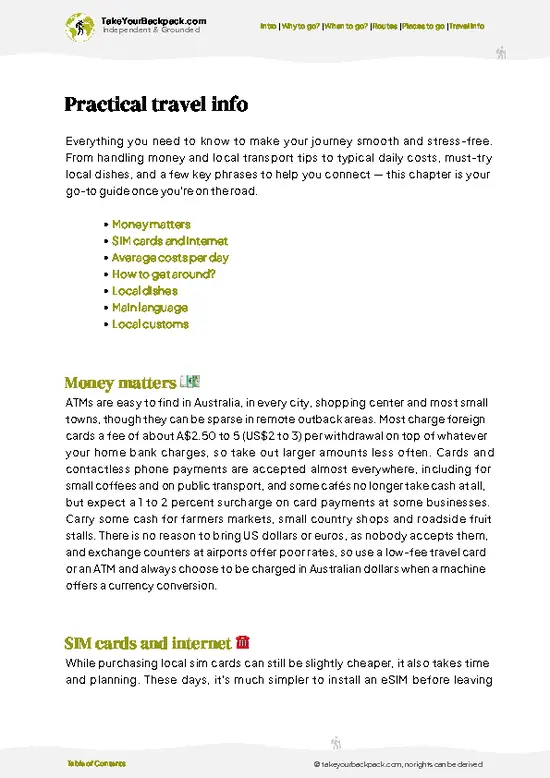
example page 0 from our offline Travel Guide for Australia
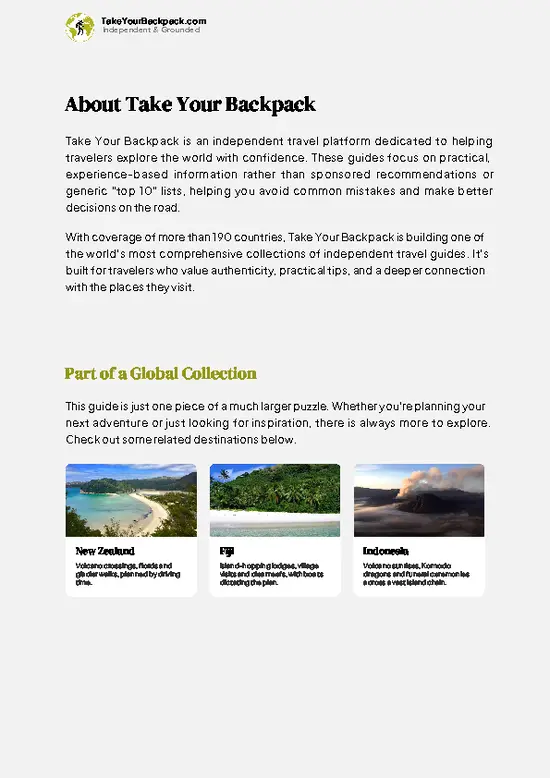
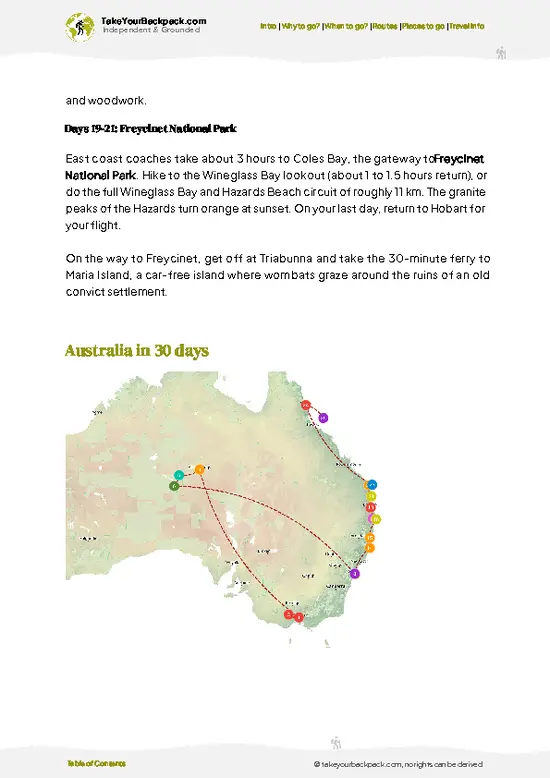
example page 1 from our offline Travel Guide for Australia
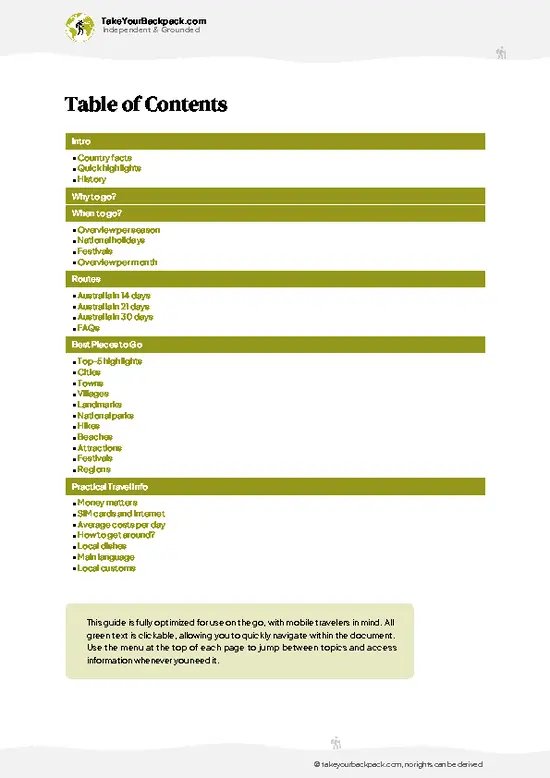
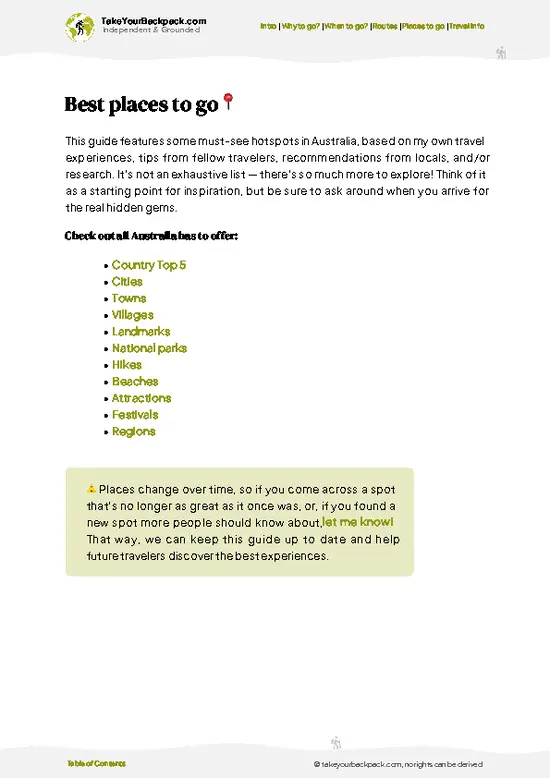
example page 2 from our offline Travel Guide for Australia
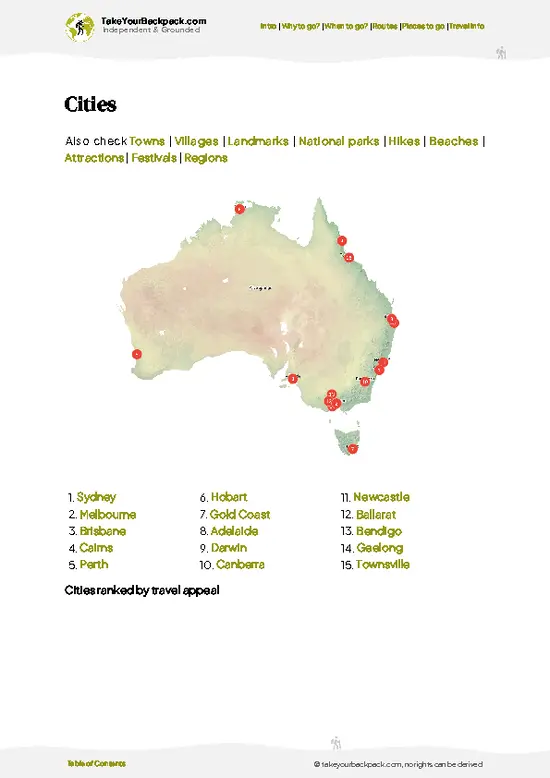
example page 3 from our offline Travel Guide for Australia
example page 4 from our offline Travel Guide for Australia
example page 5 from our offline Travel Guide for Australia
example page 6 from our offline Travel Guide for Australia
example page 7 from our offline Travel Guide for Australia
Loading the map 🌍
CLICK TO FILTER
cities
towns
villages
landmarks
national parks
hikes
beaches
attractions
festivals
regions
SHOW COUNTRY’S BESTSHOW ALL

✨ Why go?
Ranked #13 festival in Australia
Why visitors keep coming back

Backpackers build a Top End route around this because August is the dry season, when the humidity drops and you can sit outside until midnight without melting. The festival gives a rare chance to meet locals who aren't working a hostel counter: Larrakia performers, Territory artists and regulars who treat the lawns like a shared living room. It also pairs neatly with the Mindil Beach Sunset Market and Kakadu and Litchfield trips, so the days are for the national parks and the nights are for a show. Many events are free or cheap, and a few paid ones cost far less than a comparable southern city festival. Darwin is also a natural jumping-off point for Asia, so a week here can end your Australian loop.

💡 HighlightsDon't-miss highlights and experiences

  1. Festival Park: The nightly hub on the Civic Park lawns, with a big outdoor stage, food trucks, bars and picnic blankets. It's the best place to see how Darwin actually socializes.
  2. Opening Night Celebrations: A large free-entry party that sets the tone, with live acts and a crowd that includes half the city.
  3. First Nations Programming: Dance, music, visual art and storytelling by Larrakia and other Aboriginal and Torres Strait Islander artists, grounded in Country and rarely seen so close in southern cities.
  4. Spiegeltent and Late-Night Cabaret: The intimate venue for cabaret, comedy and circus, where the mood turns louder and sillier after dark.
  5. Free Outdoor Concerts: Evening sets on the lawns under tropical skies, with live bands drawn from Australia and abroad. Bring a blanket and arrive early
… read more 👉
  1. Festival Park: The nightly hub on the Civic Park lawns, with a big outdoor stage, food trucks, bars and picnic blankets. It's the best place to see how Darwin actually socializes.
  2. Opening Night Celebrations: A large free-entry party that sets the tone, with live acts and a crowd that includes half the city.
  3. First Nations Programming: Dance, music, visual art and storytelling by Larrakia and other Aboriginal and Torres Strait Islander artists, grounded in Country and rarely seen so close in southern cities.
  4. Spiegeltent and Late-Night Cabaret: The intimate venue for cabaret, comedy and circus, where the mood turns louder and sillier after dark.
  5. Free Outdoor Concerts: Evening sets on the lawns under tropical skies, with live bands drawn from Australia and abroad. Bring a blanket and arrive early for a good spot.
Festival Park and a free outdoor concert make an easy single evening, since you can eat, drink and catch the music without leaving the lawns.
Spotted a mistake or missing something? Contact us.

Things to do around Darwin Festival

Ratings based on Tripadvisor reviews. When you book through this link, you support our work at no extra cost to you.

🌤️ When to go?When is the celebration of Darwin Festival?

Darwin Festival runs for about 17 days in August, usually starting in the second week, with its main hub at Festival Park in Civic Park in the CBD and shows at the Darwin Entertainment Centre and other city venues.
  • Best days: Opening weekend has the biggest crowds and the loudest buzz at Festival Park. Weeknights are calmer and easier for walk-up tickets.
  • Weather: Dry season, around 21 to 32°C (70 to 90°F), almost no rain, sunny days, dark by about 6:45 pm. Bring a light layer, sunscreen and a refillable bottle.
  • Booking: Reserve headline shows and beds two to three months ahead. Accommodation often climbs 20 to 40 percent.
  • Getting around: Finish by 10 pm to catch buses and taxis before queues build. Flights fill fast.
Book flights first, since beds are easier to find than seats.

source: climatestotravel.comJANJanuary: not recommended for travelingFEBFebruary: not recommended for travelingMARMarch: not recommended for travelingAPRApril: not recommended for travelingMAYMay: excellent for travelingJUNJune: excellent for travelingJULJuly: excellent for travelingAUGAugust: excellent for travelingSEPSeptember: not recommended for travelingOCTOctober: not recommended for travelingNOVNovember: not recommended for travelingDECDecember: not recommended for traveling

✈️ The backpacker research shortcutAustralia Travel Guide

An offline-friendly backpacking guide with optimized travel routes, ranked highlights, transport advice, and the best areas to stay.
example page 0 from our offline Travel Guide for Australia
example page 1 from our offline Travel Guide for Australia
example page 2 from our offline Travel Guide for Australia
example page 3 from our offline Travel Guide for Australia
example page 4 from our offline Travel Guide for Australia
example page 5 from our offline Travel Guide for Australia
example page 6 from our offline Travel Guide for Australia
example page 7 from our offline Travel Guide for Australia
The digital guide (414 pages) contains:
✅ 143 highlights, ranked by travel appeal
✅ Optimized 14, 21 & 30-day travel routes
✅ Cities, national parks, landmarks, beaches
✅ How to get around
✅ Offline-friendly for travel without Wi-Fi
👉 Click to see all 30+ guide features

📅 Plan smarter in minutes, not weeks
✅ Month by month travel advice
✅ Festivals & national holidays
✅ Budget expectations

🗺️ Go to the right places, skip the overrated ones
✅ Honest pros & cons of destinations
✅ Top hikes, parks & viewpoints
✅ Lesser-known places most travelers miss
✅ Clear “worth it vs skip it” guidance

🛏️ Travel smoothly without rookie mistakes
✅ Best areas to stay
✅ Transport systems explained simply
✅ Common scams & safety advice
✅ SIM cards, money & practical tips

🌍 Understand the country, not just visit it
✅ Culture & traditions
✅ Local customs
✅ Festivals worth planning around
✅ Traveler-friendly historical context
✅ Insights that make places more meaningful

📱 Built for real travel conditions
✅ Fully downloadable PDF
✅ Works completely offline
✅ Optimized for phone use
✅ Useful in remote areas & buses
✅ Everything in one place
Stop searching, start planning
Get instant access to your full guide. 30‑day money-back guarantee.
+ Add another guide for just

By proceeding you agree to our terms.
Sent to your inbox immediately after payment • 100% Secure Checkout
Best Backpacking Travel Advisor 2025 tourism awardBest Backpacking
Travel Advisor
2025
What others say about Take Your Backpack Guides:
⭐⭐⭐⭐⭐
Fantastic, amazing amount of information!
⭐⭐⭐⭐⭐
My goodness this is amazing, it's what I've been looking for hats off too you!
⭐⭐⭐⭐⭐
I think this is absolutely BRILLIANT
⭐⭐⭐⭐
Very complete and informative. It's still missing places, but I gotta to commend you
⭐⭐⭐⭐⭐
This is truly amazing, thank you, can't wait to explore it with my kids!
⭐⭐⭐⭐⭐
Awesome resource, thank you!
⭐⭐⭐⭐⭐
This is amazing! Can't wait to explore the ones I haven't seen
⭐⭐⭐⭐
I love this! Well done, great idea.
⭐⭐⭐⭐⭐
Thanks for taking the time to make this gem!
⭐⭐⭐⭐⭐
This might be the best website I've ever seen.
⭐⭐⭐⭐⭐
Congratulations, and thank you so much for your work; it's incredibly valuable.
⭐⭐⭐⭐
In all seriousness I think you did a great job pointing out the important spots
⭐⭐⭐⭐⭐
10/10 very good
⭐⭐⭐⭐⭐
As someone who's only just starting to visit regularly this is awesome, thank you.
⭐⭐⭐⭐
Thank you very much! I'm going to visit my dad, it's going to be very useful!
⭐⭐⭐⭐⭐
This is really cool! We'll be travelling for the first time and this definitely come in handy.
⭐⭐⭐⭐⭐
You are now our minister of culture, congratulations 👨‍💼
⭐⭐⭐⭐⭐
Just wanted to tell you that this is a pearl! Going to follow your recommendations.
⭐⭐⭐⭐⭐
This is so cool. I'll definitely be using the resource for my travels soon.
⭐⭐⭐⭐⭐
This is very impressive! Good work.
⭐⭐⭐⭐⭐
This is an amazing and informative site. Very well done!

🛏️ Where to stay?Best areas to stay in Australia

The CBD and Waterfront precinct is the best base for backpackers, because Festival Park and the main theaters sit within a 5 to 15 minute walk. Hostels and budget lodgings cluster along Mitchell Street and the streets around it, where you will meet other solo travelers in common rooms and over cheap dinners. Walking home after late shows is simple, and the streets stay lively and well lit until the venues empty. The Esplanade, just along the cliff edge, is a slightly quieter option that is still an easy walk to the Waterfront. Stuart Park and Larrakeyah are calmer residential areas a short bus … read more 👉
The CBD and Waterfront precinct is the best base for backpackers, because Festival Park and the main theaters sit within a 5 to 15 minute walk. Hostels and budget lodgings cluster along Mitchell Street and the streets around it, where you will meet other solo travelers in common rooms and over cheap dinners. Walking home after late shows is simple, and the streets stay lively and well lit until the venues empty. The Esplanade, just along the cliff edge, is a slightly quieter option that is still an easy walk to the Waterfront. Stuart Park and Larrakeyah are calmer residential areas a short bus or cab ride away, useful if the center is full. Avoid staying far out in the northern suburbs, since public buses thin out at night and taxis surge after closing time.

👛 Costs (as of 15 October 2026)Travel costs and budget guide for Darwin

A day at Darwin Festival runs about US$150 to 195 for an independent traveler, with accommodation in the August high season taking the biggest share.
CategoryBudget RangeLocal Reality
Festival ticketsUS$0 to 45Many daytime events and the Festival Park (Civic Park, Smith Street) are free to enter. Headline concerts and theater shows typically cost US$25 to 65 per ticket, so budget for one paid show a day.
AccommodationUS$30 to 85A dorm bed in August runs about US$30 to 45. Private rooms and budget motels cost US$85 to 130. Book early, as peak dry season fills up.
Local transportUS$3 to 12Buses in Darwin are infrequent in the evening. Many travelers walk from the CBD or share a ride for US$8 to 15 late at night.
Food & drinksUS$30 to 55Festival Park food stalls charge US$10 to 18 per meal. A beer
… read more 👉
A day at Darwin Festival runs about US$150 to 195 for an independent traveler, with accommodation in the August high season taking the biggest share.
CategoryBudget RangeLocal Reality
Festival ticketsUS$0 to 45Many daytime events and the Festival Park (Civic Park, Smith Street) are free to enter. Headline concerts and theater shows typically cost US$25 to 65 per ticket, so budget for one paid show a day.
AccommodationUS$30 to 85A dorm bed in August runs about US$30 to 45. Private rooms and budget motels cost US$85 to 130. Book early, as peak dry season fills up.
Local transportUS$3 to 12Buses in Darwin are infrequent in the evening. Many travelers walk from the CBD or share a ride for US$8 to 15 late at night.
Food & drinksUS$30 to 55Festival Park food stalls charge US$10 to 18 per meal. A beer or glass of wine is US$7 to 11. Cash is rarely needed as cards are widely accepted.
Miscellaneous expensesUS$8 to 15Sunscreen, insect repellent, a refillable bottle and the odd souvenir or busker tip. Travelers pay in Australian dollars.
Total Daily BudgetUS$150 to 195Per person, per day, in high season.
⚠️ Prices can change and everyone travels differently, so take this as a rough guide. Hope it helps you plan your adventure!

🍲 FoodWhat to Eat & Drink

Festival Park is built around a food village where stalls sell Southeast Asian street food such as laksa, satay skewers, dumplings and curries, reflecting Darwin’s multicultural mix. You will also find woodfired pizza, burgers, and fresh barramundi in rolls or with chips, which is the local fish to try.
For drinks, expect craft beer, wine by the glass, cocktails and cold sodas. Order a fresh coconut or a cold lime drink when the afternoon sun is still strong.
Stalls take cards and tap payments almost everywhere, though a little cash is handy for smaller vendors. Lines peak right before headline acts, so eat early or between sets. Portions are generous, and sharing a few dishes at a picnic rug is the easy way to taste more. Bring your own water bottle, as refill points are usually available.

FAQFrequently asked questions about Darwin

Darwin Festival takes place over about 17 days in August, normally starting in the second week of the month. The main hub is Festival Park in Civic Park in the CBD, with other shows at the Darwin Entertainment Centre and venues around the CBD. August is the dry season, with days of roughly 21 to 32°C (70 to 90°F).
Attending can cost as little as A$0 for free shows at Festival Park, and around A$40 to 120 for ticketed concerts and theater. Budget for a hostel dorm at A$50 to 70 a night, though prices rise in festival weeks. Food stalls charge A$14 to 25 a meal, so a realistic day runs A$110 to 320.
Tickets are not needed for the free performances at Festival Park, so you can simply turn up. Headline concerts and theater shows do sell out, so book two to three months ahead through the festival website. Beds and flights to Darwin also fill early, and walk-up tickets on weeknights are sometimes available for smaller shows.
⚠️ Things can change over time, so always validate details locally before you go.

Other Australian festivals near Darwin

Explore more nearby:


💡 Not sure where to go next?
Create a personalized itinerary for Australia including Darwin and the places that fit your trip.

Generate my itinerary

👉 Discover all festivals

Or checkout all Australia has to offer (think cities, towns, villages, national parks, hikes, beaches, festivals)
Country photo of Australia

We 💚 feedbackFinal thoughts on celebrating the Darwin

Go in the second half of the festival, when your legs have forgiven the first weekend and the Dry season nights have settled into that dependable, breezy warmth. I would plan for evenings: arrive at Festival Park around sunset, eat early, and stay for the late sets under the trees. Skip the midday heat shows.

✈️ When did I visit Australia?
On my trip to New Zealand in 1993, I had a short stop in Australia as well.

✍️ Help improve this page!
The information on this page is based on my own backpacking experience in Australia, supplemented with up-to-date research and feedback from other travelers. Travel details can change, so if you notice anything outdated or incomplete, feel free to let me know.


🙋‍♂️ Give feedback

👋 Meet the founderWho’s Behind Take Your Backpack?

Johan, backpacker and founder of TakeYourBackpackHi, I’m Johan (Netherlands 🇳🇱), the creator of TakeYourBackpack. Over the past 3 decades, I’ve backpacked through 90+ countries across six continents, gaining extensive experience with independent travel, long-term trips, and overland routes.

This site is built on a combination of firsthand travel experience and carefully curated insights from other backpackers. Many guides are based on places I’ve personally visited, while others bring together tips, observations, and practical advice shared by trusted travelers I’ve met along the way.

The goal is to provide realistic, experience-driven guidance — not generic itineraries — so you can explore destinations with better context, clearer expectations, and more confidence.