×

Austria🇦🇹 | citiesInnsbruckAlpine skyline, winter sports venues, imperial palaces, mountain cable cars | things to do and best time to go

Explore GrazExplore Salzburg

Backpacking in Innsbruck
🌟 Highlightcity ranked #3
By Johan Kruseman 🇳🇱 | Updated June 10, 2026

Most people sell Innsbruck as a ski-resort postcard, but the surprising backpacker truth is that it works just as well as a cheap, compact “base camp” city for the whole western Alps, even if you never clip into skis once. It sits in a narrow valley in western Austria, in the state of Tyrol, ringed by peaks that feel almost too close. As a backpacker stop, it’s clean, safe, and absurdly easy to navigate, with mountain lifts leaving practically from downtown and trains shooting you to Italy, Germany, or Switzerland in a few hours. The trade-off: it’s pricier and calmer than Salzburg or Graz, and nightlife is more “student bars and riverside beers” than wild party circuit. You do get serious value from the Old Town, the Nordkette cable car, and trail access right from the city, but you’ll work a bit harder to meet other travelers outside ski season.

Discover everything you want to know in the 📖 Austria Travel Guide.


Get your Austria guide
94 ranked highlights, routes & tips, works offline (376 pages)
Loading the map 🌍
CLICK TO FILTER
cities
towns
villages
landmarks
national parks
hikes
beaches
attractions
festivals
regions
SHOW COUNTRY’S BESTSHOW ALL

✨ Why go?
Ranked #3 city in Austria
Why visitors keep coming back

Innsbruck is a backpacker’s dream for several reasons. First, it’s a basecamp for day trips into the stunning Tyrolean Alps, making it easy to explore the mountains without the hassle of multiple accommodations. The city itself is compact and walkable, so you can easily navigate between hostels, cafes, and nightlife spots without wasting time or energy. Speaking of hostels, Innsbruck offers a range of affordable options that cater to backpackers, often with communal spaces that foster connections with fellow travelers.

Food is another highlight; you can find everything from hearty local dishes to quick bites that won’t break the bank. The nightlife is vibrant yet laid-back, perfect for unwinding after a day of exploring. Plus, Innsbruck’s transport links are solid, allowing for easy onward … read more 👉
Innsbruck is a backpacker’s dream for several reasons. First, it’s a basecamp for day trips into the stunning Tyrolean Alps, making it easy to explore the mountains without the hassle of multiple accommodations. The city itself is compact and walkable, so you can easily navigate between hostels, cafes, and nightlife spots without wasting time or energy. Speaking of hostels, Innsbruck offers a range of affordable options that cater to backpackers, often with communal spaces that foster connections with fellow travelers.

Food is another highlight; you can find everything from hearty local dishes to quick bites that won’t break the bank. The nightlife is vibrant yet laid-back, perfect for unwinding after a day of exploring. Plus, Innsbruck’s transport links are solid, allowing for easy onward travel to other destinations in Austria or beyond.

This city strikes a balance between comfort and value, making it a worthy stop on your journey. Whether you stay for a few days or just a night, Innsbruck offers a rich experience without the overwhelm.
Want to include Innsbruck in your Austria route?
Create a personalized Austria itinerary that includes Innsbruck and the places that fit your trip — based on your travel style, budget, and available time. Get your route in seconds.

Generate my trip

💡 HighlightsThe experiences that define the visit

  1. Golden Roof (Goldenes Dachl) — The symbol of Innsbruck: a 15th-century balcony covered in 2,657 fire-gilded copper tiles. Perfect for photos, a quick history hit, and the little museum upstairs that explains the Habsburg pageantry behind it.
  2. Hofburg (Imperial Palace) — One of Austria’s lesser-known imperial residences with richly decorated state rooms and a sense of Habsburg court life without the Vienna crowds. The palace gardens are nice for a calm break, too.
  3. Hofkirche (Court Church) & Emperor Maximilian’s Tomb — Dark, atmospheric church famous for the enormous tomb of Emperor Maximilian I surrounded by the 28 larger-than-life “black men” bronze figures. Seriously impressive up close and heavy on history.
  4. Innsbruck Cathedral (Dom zu St. Jakob) — A compact Baroque gem with dramatic
read more 👉
  1. Golden Roof (Goldenes Dachl) — The symbol of Innsbruck: a 15th-century balcony covered in 2,657 fire-gilded copper tiles. Perfect for photos, a quick history hit, and the little museum upstairs that explains the Habsburg pageantry behind it.
  2. Hofburg (Imperial Palace) — One of Austria’s lesser-known imperial residences with richly decorated state rooms and a sense of Habsburg court life without the Vienna crowds. The palace gardens are nice for a calm break, too.
  3. Hofkirche (Court Church) & Emperor Maximilian’s Tomb — Dark, atmospheric church famous for the enormous tomb of Emperor Maximilian I surrounded by the 28 larger-than-life “black men” bronze figures. Seriously impressive up close and heavy on history.
  4. Innsbruck Cathedral (Dom zu St. Jakob) — A compact Baroque gem with dramatic ceiling frescoes and a luminous interior; easier to appreciate than the larger, busier cathedrals and right in the heart of the old town.
  5. Bergisel Ski Jump & Tower — Zaha Hadid’s sleek makeover of the ski jump doubles as a viewing platform and café with sweeping views over the city and the Nordkette. Great mix of modern architecture, sport history, and panorama.
  6. Nordkette / Hungerburgbahn — Take the funicular from the city center up toward the high Alps in under 20 minutes. From Seegrube or Hafelekar you’re already in alpine terrain—day hikes, climbing, or just unbeatable skyline views over Innsbruck.
  7. Ambras Castle (Schloss Ambras) — A Renaissance castle sitting in a quiet valley inside the city limits. The Spanish Hall, portrait gallery and armor collection are wonderfully intact and feel like stepping into a different century.
  8. Stadtturm (City Tower) & Old Town lanes — Climb the medieval tower for a compact, old-town panorama, then wander the narrow cobbled streets around it—hidden courtyards, traditional shops and cafés that show Innsbruck’s lived-in character.
  9. Tiroler Volkskunstmuseum (Tyrolean Folk Art Museum) — A surprisingly rich collection of regional costumes, crafts, religious art and domestic objects that explain the visual language of Tyrol—great if you want to understand local culture beyond postcards.
  10. Wilten Basilica (Stift Wilten) — A quieter, off-the-tourist-track baroque/rococo church near the university with fine frescoes and an intimate atmosphere; good for a reflective stop and to see a different side of Innsbruck’s religious art.
If you’ve got time for day trips, consider the Swarovski Crystal Worlds in Wattens, the medieval town of Hall in Tirol, or the Stubai Glacier for serious alpine hiking or skiing—all easily reachable from Innsbruck.
Spotted a mistake or missing something? Contact us.

Things to do in Innsbruck

Ratings based on Tripadvisor reviews. When you book through this link, you support our work at no extra cost to you.

🏘️ NeighborhoodsHow different areas shape the experience

Innsbruck is a captivating blend of urban charm and alpine adventure, making it a prime spot for backpackers. Here’s a breakdown of key neighborhoods to help you navigate your choices.

Altstadt (Old Town)
This is the heart of Innsbruck, where medieval architecture meets vibrant street life. It’s walkable, with cobblestone streets leading to cafes and shops. Expect higher prices here, but the atmosphere is electric, especially at night. Perfect for short stays if you want to soak in the culture quickly.

Mariahilf
A quieter area just a short walk from the Old Town. It offers a more local vibe with affordable eateries and cozy bars. Great for longer stays, as you can enjoy a peaceful retreat while still being close to the action. Public transport access is solid, making it easy to explore … read more 👉
Innsbruck is a captivating blend of urban charm and alpine adventure, making it a prime spot for backpackers. Here’s a breakdown of key neighborhoods to help you navigate your choices.

Altstadt (Old Town)
This is the heart of Innsbruck, where medieval architecture meets vibrant street life. It’s walkable, with cobblestone streets leading to cafes and shops. Expect higher prices here, but the atmosphere is electric, especially at night. Perfect for short stays if you want to soak in the culture quickly.

Mariahilf
A quieter area just a short walk from the Old Town. It offers a more local vibe with affordable eateries and cozy bars. Great for longer stays, as you can enjoy a peaceful retreat while still being close to the action. Public transport access is solid, making it easy to explore further.

Wilten
This neighborhood has a laid-back feel, with parks and local markets. It’s less touristy, which means lower costs. Ideal for backpackers looking for a longer stay without breaking the bank. Walkability is decent, and you can easily hop on public transport to reach the city center.

Igls
Located a bit outside the main city, Igls is perfect for those seeking outdoor activities. It’s quieter and offers stunning mountain views. Costs can vary, but you’ll find good deals on accommodations. Best for longer stays if you want to hike and explore the surrounding nature. Transport options are available, but expect a bit more planning.

⌛️ 1 dayWhat you can realistically do in a day

Innsbruck, the capital of Tyrol, is a captivating blend of alpine charm and urban sophistication. Nestled between towering mountains, it offers a unique mix of history, culture, and outdoor adventure. You can feel the pulse of the city in its vibrant streets, where medieval architecture meets modern life.

Start your day in the Old Town, where the iconic Golden Roof glimmers in the morning sun. Grab a coffee at a local café, like Café Central, and soak in the atmosphere. The aroma of fresh pastries mingles with the crisp mountain air, setting the perfect tone for your adventure. After your caffeine fix, wander through the narrow streets, admiring the colorful facades and stopping by the impressive Innsbruck Cathedral.

As the morning unfolds, make your way to the Nordkette cable car. This … read more 👉
Innsbruck, the capital of Tyrol, is a captivating blend of alpine charm and urban sophistication. Nestled between towering mountains, it offers a unique mix of history, culture, and outdoor adventure. You can feel the pulse of the city in its vibrant streets, where medieval architecture meets modern life.

Start your day in the Old Town, where the iconic Golden Roof glimmers in the morning sun. Grab a coffee at a local café, like Café Central, and soak in the atmosphere. The aroma of fresh pastries mingles with the crisp mountain air, setting the perfect tone for your adventure. After your caffeine fix, wander through the narrow streets, admiring the colorful facades and stopping by the impressive Innsbruck Cathedral.

As the morning unfolds, make your way to the Nordkette cable car. This isn’t just a ride; it’s an experience. The ascent offers breathtaking views of the city below and the surrounding peaks. Spend some time hiking or simply enjoying the panoramic vistas. If you’re feeling adventurous, try a short trail that leads to a cozy mountain hut for a snack. It’s a little off the usual tourist path but absolutely worth it.

In the afternoon, descend back to the city and head to the vibrant neighborhood of Wilten. Here, you’ll find the stunning Wilten Basilica, adorned with intricate frescoes. It’s a quieter spot, allowing you to appreciate the artistry without the crowds. Afterward, stroll through the nearby Maria-Theresien-Strasse, where shops and eateries beckon.

As evening approaches, treat yourself to dinner at a traditional Tyrolean restaurant like Gasthof Weisses Kreuz. Savor local dishes like Tiroler Gröstl while reflecting on your day. If you have energy left, take a leisurely walk along the Inn River, where the city lights dance on the water. This day in Innsbruck is not just a checklist; it’s a tapestry of experiences that linger long after you leave.
Turn your Innsbruck visit into an Austria adventure
Build a complete Austria route with Innsbruck, hidden gems, must-see destinations, and realistic travel times included.

Generate my trip

🌤️ When to go?When to go for the best experience


  • Topic: Weather – Innsbruck’s alpine climate means winters are cold and snowy, perfect for winter sports but harsh for casual backpacking. Summers are mild and pleasant, with temperatures ranging from 15°C to 25°C (59°F to 77°F), ideal for hiking and exploring without overheating or freezing.

  • Topic: Temperature – Spring and early autumn offer a sweet spot: daytime highs hover around 10°C to 20°C (50°F to 68°F), cooler mornings and evenings require layers but avoid the extremes of summer heat or winter chill.

  • Topic: Daylight Hours – Long summer days stretch up to 16 hours of light, maximizing your adventure time. Winter days shrink to about 8 hours, limiting daylight but enhancing cozy evenings and night activities.

  • Topic: Crowds – Peak summer (July-August) and winter ski season (December-February)
read more 👉

  • Topic: Weather – Innsbruck’s alpine climate means winters are cold and snowy, perfect for winter sports but harsh for casual backpacking. Summers are mild and pleasant, with temperatures ranging from 15°C to 25°C (59°F to 77°F), ideal for hiking and exploring without overheating or freezing.

  • Topic: Temperature – Spring and early autumn offer a sweet spot: daytime highs hover around 10°C to 20°C (50°F to 68°F), cooler mornings and evenings require layers but avoid the extremes of summer heat or winter chill.

  • Topic: Daylight Hours – Long summer days stretch up to 16 hours of light, maximizing your adventure time. Winter days shrink to about 8 hours, limiting daylight but enhancing cozy evenings and night activities.

  • Topic: Crowds – Peak summer (July-August) and winter ski season (December-February) bring heavy tourist traffic, hiking trails and city spots get busy. Shoulder seasons (May-June, September-October) balance fewer crowds with good weather.

  • Topic: Seasonal Activities – Winter is unbeatable for skiing and snowboarding; summer opens trails for hiking, mountain biking, and river sports. Festivals and cultural events cluster in summer, adding local flavor but also price hikes.

  • Topic: Price Fluctuations – Expect accommodation and transport costs to spike during ski season and summer holidays. Shoulder seasons offer better deals, making them the smartest choice for budget-conscious backpackers who want comfort without crowds.


Pro-tip: Aim for late spring or early autumn to unlock Innsbruck’s best balance of weather, crowd size, and prices—giving you more freedom to explore without the tourist crush or winter freeze.


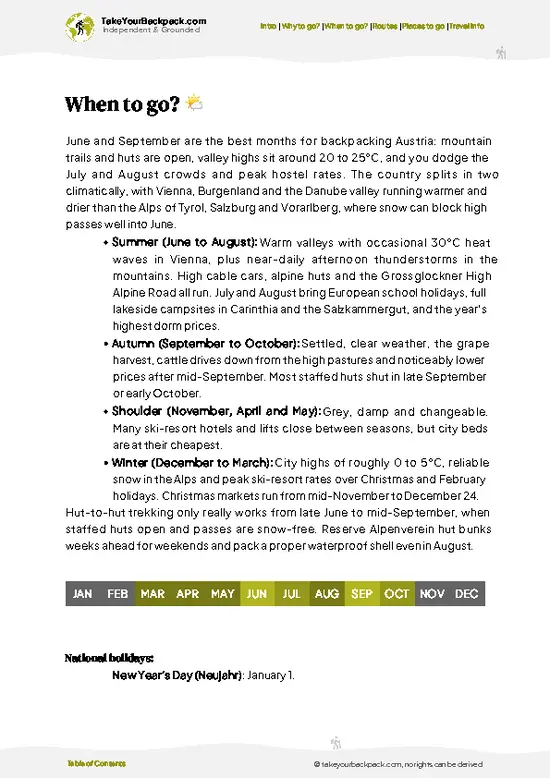
source: climatestotravel.comJANJanuary: fair for travelingFEBFebruary: fair for travelingMARMarch: good for travelingAPRApril: good for travelingMAYMay: highly recommended for travelingJUNJune: highly recommended for travelingJULJuly: good for travelingAUGAugust: good for travelingSEPSeptember: highly recommended for travelingOCTOctober: highly recommended for travelingNOVNovember: good for travelingDECDecember: fair for traveling
austria-city-innsbruck
© Google | Stoyan Tzvetansky

✈️ The backpacker research shortcutAustria Travel Guide

An offline-friendly backpacking guide with optimized travel routes, ranked highlights, transport advice, and the best areas to stay.
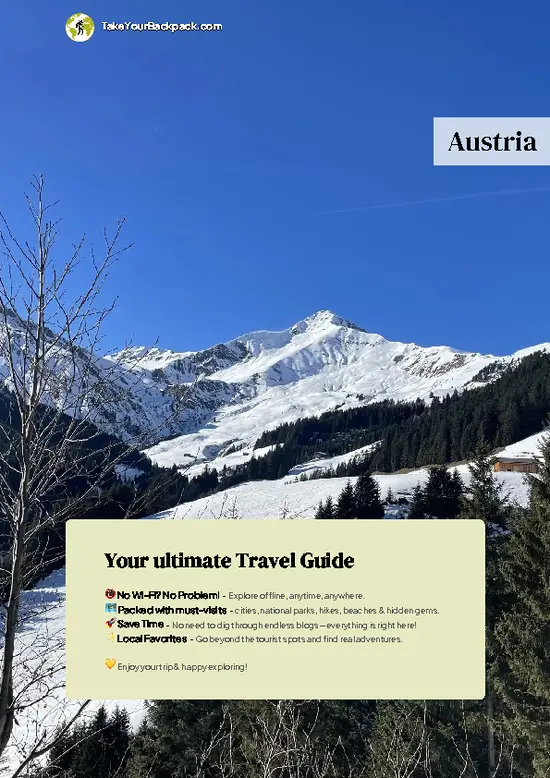
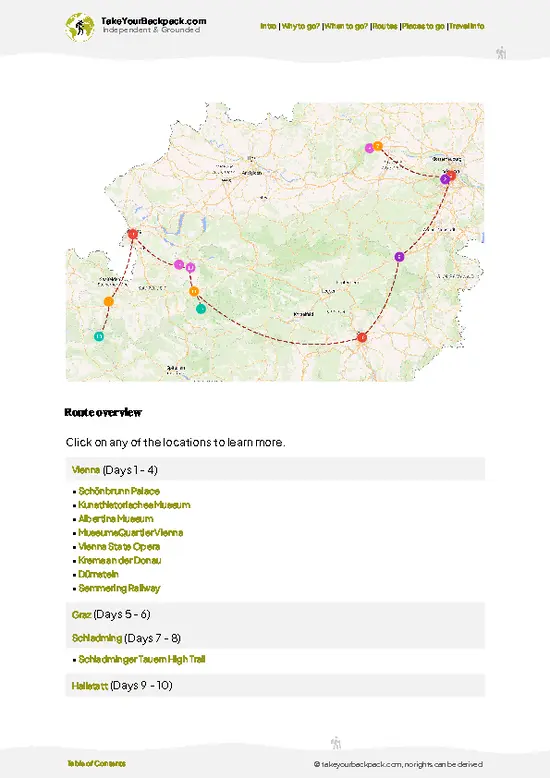
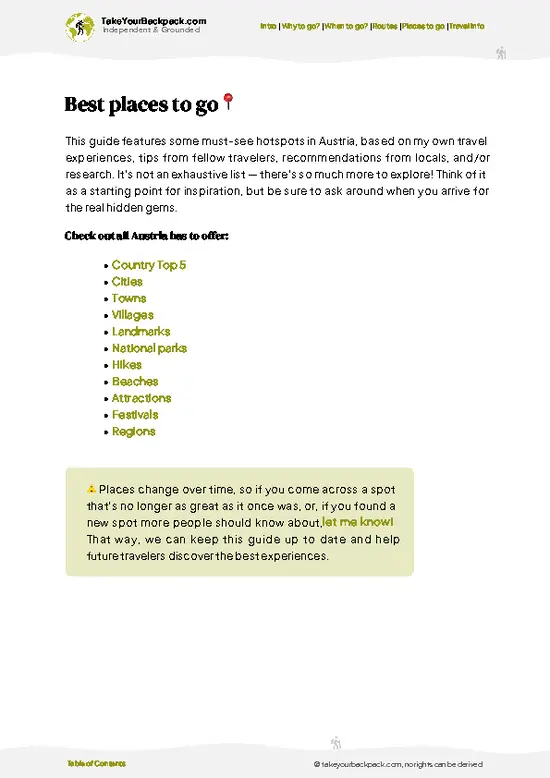
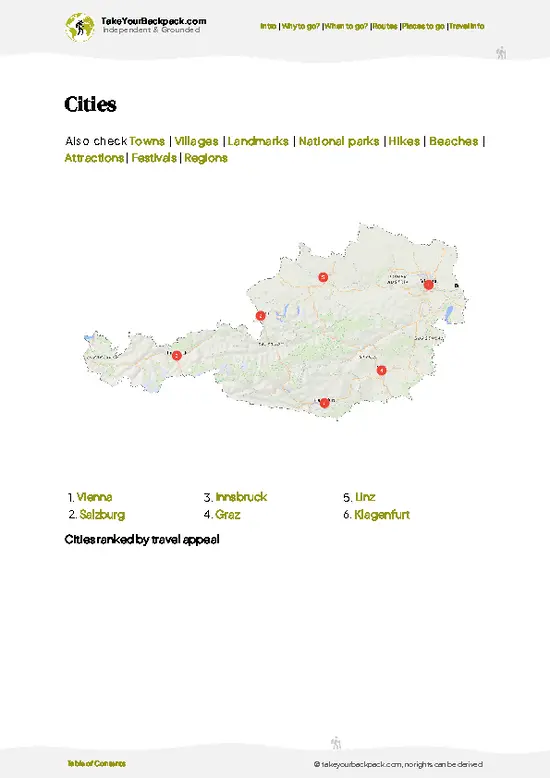
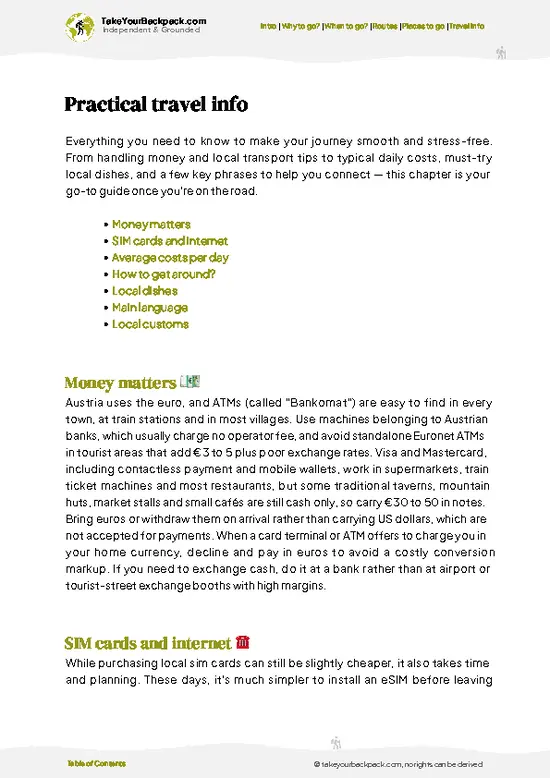
example page 0 from our offline Travel Guide for Austria
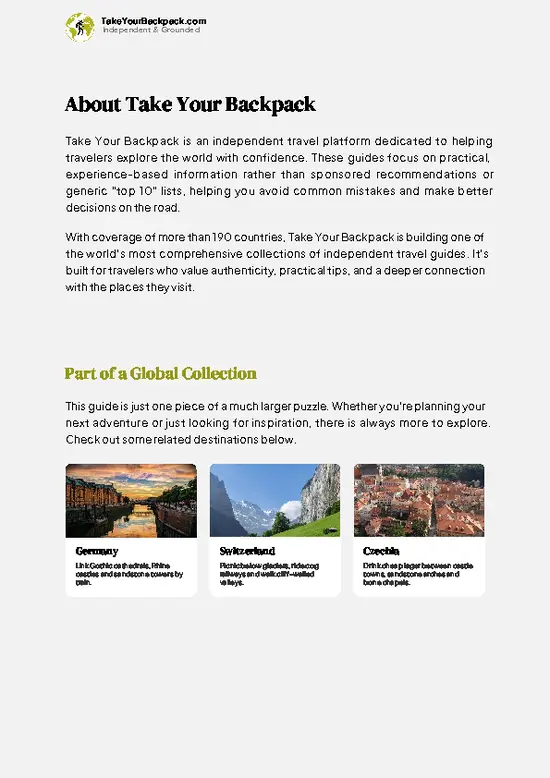
example page 1 from our offline Travel Guide for Austria
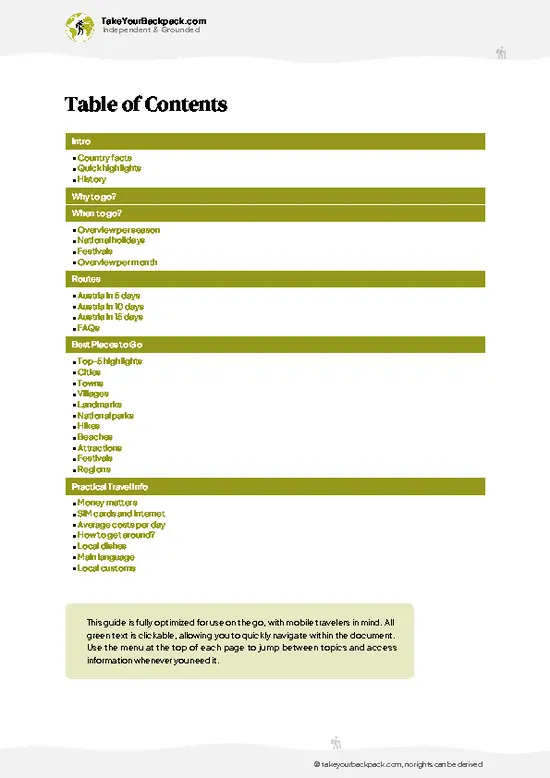
example page 2 from our offline Travel Guide for Austria
example page 3 from our offline Travel Guide for Austria
example page 4 from our offline Travel Guide for Austria
example page 5 from our offline Travel Guide for Austria
example page 6 from our offline Travel Guide for Austria
example page 7 from our offline Travel Guide for Austria
The digital guide (376 pages) contains:
94 highlights, ranked by travel appeal
Optimized 5, 10 & 15-day travel routes
Cities, national parks, landmarks, beaches
How to get around
Offline-friendly for travel without Wi-Fi
👉 Click to see all 30+ guide features

📅 Plan smarter in minutes, not weeks
Month by month travel advice
Festivals & national holidays
Budget expectations

🗺️ Go to the right places, skip the overrated ones
Honest pros & cons of destinations
Top hikes, parks & viewpoints
Lesser-known places most travelers miss
Clear “worth it vs skip it” guidance

🛏️ Travel smoothly without rookie mistakes
Best areas to stay
Transport systems explained simply
Common scams & safety advice
SIM cards, money & practical tips

🌍 Understand the country, not just visit it
Culture & traditions
52 Essential phrases & customs
Festivals worth planning around
Traveler-friendly historical context
Insights that make places more meaningful

📱 Built for real travel conditions
Fully downloadable PDF
Works completely offline
Optimized for phone use
Useful in remote areas & buses
Everything in one place
Save weeks of stressful planning
Get instant access to your full guide. 30‑day money-back guarantee.


By proceeding you agree to our terms.
Sent to your inbox immediately after payment • 100% Secure Checkout
Best Backpacking Travel Advisor 2025 tourism awardBest Backpacking
Travel Advisor
2025
What others say about Take Your Backpack Guides:
⭐⭐⭐⭐⭐
Fantastic, amazing amount of information!
⭐⭐⭐⭐⭐
My goodness this is amazing, it's what I've been looking for hats off too you!
⭐⭐⭐⭐⭐
I think this is absolutely BRILLIANT
⭐⭐⭐⭐
Very complete and informative. It's still missing places, but I gotta to commend you
⭐⭐⭐⭐⭐
This is truly amazing, thank you, can't wait to explore it with my kids!
⭐⭐⭐⭐⭐
Awesome resource, thank you!
⭐⭐⭐⭐⭐
This is amazing! Can't wait to explore the ones I haven't seen
⭐⭐⭐⭐
I love this! Well done, great idea.
⭐⭐⭐⭐⭐
Thanks for taking the time to make this gem!
⭐⭐⭐⭐⭐
This might be the best website I've ever seen.
⭐⭐⭐⭐⭐
Congratulations, and thank you so much for your work; it's incredibly valuable.
⭐⭐⭐⭐
In all seriousness I think you did a great job pointing out the important spots
⭐⭐⭐⭐⭐
10/10 very good
⭐⭐⭐⭐⭐
As someone who's only just starting to visit regularly this is awesome, thank you.
⭐⭐⭐⭐
Thank you very much! I'm going to visit my dad, it's going to be very useful!
⭐⭐⭐⭐⭐
This is really cool! We'll be travelling for the first time and this definitely come in handy.
⭐⭐⭐⭐⭐
You are now our minister of culture, congratulations 👨‍💼
⭐⭐⭐⭐⭐
Just wanted to tell you that this is a pearl! Going to follow your recommendations.
⭐⭐⭐⭐⭐
This is so cool. I'll definitely be using the resource for my travels soon.
⭐⭐⭐⭐⭐
This is very impressive! Good work.
⭐⭐⭐⭐⭐
This is an amazing and informative site. Very well done!

🛏️ Where to stay?Where staying makes the most sense

Innsbruck’s Old Town is the prime zone for backpackers who want to balance safety, social buzz, and budget. It’s compact, walkable, and packed with lively cafés and bars where solo travelers naturally mingle. The vibe here is a mix of historic charm and youthful energy, thanks to the nearby university crowd. Hostels cluster around this area, offering affordable beds without sacrificing access to the city’s pulse. Staying here means you’re never far from the iconic Golden Roof or the riverfront, both perfect for downtime or meeting fellow travelers.

Just a short walk from the Old Town, the Mariahilf … read more 👉
Innsbruck’s Old Town is the prime zone for backpackers who want to balance safety, social buzz, and budget. It’s compact, walkable, and packed with lively cafés and bars where solo travelers naturally mingle. The vibe here is a mix of historic charm and youthful energy, thanks to the nearby university crowd. Hostels cluster around this area, offering affordable beds without sacrificing access to the city’s pulse. Staying here means you’re never far from the iconic Golden Roof or the riverfront, both perfect for downtime or meeting fellow travelers.

Just a short walk from the Old Town, the Mariahilf district offers a quieter, more residential feel but still keeps you close to Innsbruck’s social hubs. It’s a smart choice if you want to escape the tourist crush at night but still crave easy access to nightlife and public transport. Hostels here tend to be smaller and cozier, which can be a bonus for solo backpackers looking for a more intimate vibe.

Compared to the sprawling suburbs or the more upscale Hungerburg area, these central neighborhoods save you time and transit costs. Innsbruck’s charm is compact—spreading out too far means sacrificing the social ease and spontaneous connections that make backpacking here rewarding.

🚌 Getting aroundGetting around like a local

Innsbruck moves with a rhythm that’s part clockwork, part alpine breeze. It’s a city where punctuality matters—trains and buses stick to schedules like a Swiss watch—but there’s also a laid-back pulse when you step off the beaten path. You’ll find the flow shifts depending on your mode of transport: the tram hums along predictably, while walking lets you soak in the mountain air at your own pace. Understanding this balance between precision and freedom is your first win in navigating Innsbruck efficiently.


  • Walking: Innsbruck’s compact center makes walking the ultimate budget choice. It’s free, flexible, and lets you absorb the city’s character without missing a beat. Most key sights are within 20 minutes on foot, and the pedestrian zones mean you’re not dodging traffic constantly.


read more 👉
Innsbruck moves with a rhythm that’s part clockwork, part alpine breeze. It’s a city where punctuality matters—trains and buses stick to schedules like a Swiss watch—but there’s also a laid-back pulse when you step off the beaten path. You’ll find the flow shifts depending on your mode of transport: the tram hums along predictably, while walking lets you soak in the mountain air at your own pace. Understanding this balance between precision and freedom is your first win in navigating Innsbruck efficiently.


  • Walking: Innsbruck’s compact center makes walking the ultimate budget choice. It’s free, flexible, and lets you absorb the city’s character without missing a beat. Most key sights are within 20 minutes on foot, and the pedestrian zones mean you’re not dodging traffic constantly.


  • IVB Tram: The backbone of public transit here, the tram runs from early morning (around 5:30 AM) until midnight. Tickets cost about €2.50 for a single ride, with day passes offering better value if you plan multiple trips. It’s fast, reliable, and comfortable, connecting the city center with suburbs and the airport. The tram’s schedule is strict, so timing your day around it keeps you efficient.


  • IVB Bus: Buses fill in the gaps where the tram doesn’t reach, especially toward the outer districts and mountain trails. They run on a similar schedule and ticket system as the tram, but expect a bit more variability in speed due to traffic. Comfort is basic but adequate, and they’re a solid choice if you want to stretch your budget without sacrificing access.


  • Regional Trains: For trips beyond Innsbruck, regional trains are your go-to. They’re pricier than local transit but still reasonable, especially with advance tickets or regional passes. Trains are punctual and comfortable, whisking you to nearby alpine towns or the airport in under an hour. This option trades a bit of money for speed and comfort, ideal if you want to maximize day trips.


  • Taxi and Ride-Sharing: The priciest option, taxis and ride-shares offer door-to-door convenience and comfort, but at a steep cost compared to public transit. Use them sparingly—maybe for late-night returns or when hauling heavy gear. They’re the luxury move in Innsbruck’s transit game, best reserved for when time is tight and you’re willing to pay for peace of mind.


Mastering Innsbruck’s transit means balancing these options against your priorities. Walk when you want to savor the city’s vibe without spending a cent. Hop on the tram or bus for reliable, budget-friendly speed. Step up to regional trains when your itinerary demands range and comfort. And keep taxis as your ace in the hole for those moments when time or energy runs short. This is the trade-off map: your blueprint for turning time, money, and comfort into a winning travel strategy.

👛 Costs (as of 22 April 2026)What things cost and how to budget

Backpacking in Innsbruck, Austria, demands a clear-eyed view of what your money buys in this alpine city where time, comfort, and budget constantly trade places.
  • Dorm Accommodation (High Season): Expect to pay around €30 to €45 per night. Innsbruck’s popularity in summer and winter means prices spike, especially near the Old Town or ski areas.
  • Dorm Accommodation (Off-Season): Drop to about €20 to €30 per night. The quieter months offer a breather for your wallet, with fewer tourists and more availability.
  • Meals: Budget around €10 to €15 per day if you stick to grocery stores, bakeries, or casual eateries. A meal at a mid-range restaurant will push closer to €15-€25, so plan accordingly if you want to indulge.
  • Local Transport: Single bus or tram tickets cost about €2.80 each. If you’re
read more 👉
Backpacking in Innsbruck, Austria, demands a clear-eyed view of what your money buys in this alpine city where time, comfort, and budget constantly trade places.
  • Dorm Accommodation (High Season): Expect to pay around €30 to €45 per night. Innsbruck’s popularity in summer and winter means prices spike, especially near the Old Town or ski areas.
  • Dorm Accommodation (Off-Season): Drop to about €20 to €30 per night. The quieter months offer a breather for your wallet, with fewer tourists and more availability.
  • Meals: Budget around €10 to €15 per day if you stick to grocery stores, bakeries, or casual eateries. A meal at a mid-range restaurant will push closer to €15-€25, so plan accordingly if you want to indulge.
  • Local Transport: Single bus or tram tickets cost about €2.80 each. If you’re hopping on and off multiple times, this adds up fast.
  • City Transport Pass: A 24-hour pass runs roughly €6.50, offering unlimited rides and better value if you’re moving around a lot.
  • Basic Activities/Entry Fees: Museums and attractions typically charge between €5 and €12. Some outdoor activities, like cable cars to mountain viewpoints, can be pricier, around €15 to €25.
  • Miscellaneous Expenses: Factor in about €5 to €10 for essentials like water, snacks, or occasional small purchases. Innsbruck’s tourist spots can tempt you, so keep a buffer.

Add it all up, and you’re looking at a daily spend between roughly €50 and €85 for a no-frills but comfortable backpacking experience. Push for comfort or more activities, and that number climbs. Innsbruck rewards those who balance their time and money smartly—knowing when to splurge on a cable car ride or when to save by cooking a simple meal can turn your trip from just good to genuinely memorable.
⚠️ Prices can change and everyone travels differently, so take this as a rough guide. Hope it helps you plan your adventure!

🚌 Day tripsShort trips worth adding

Innsbruck is a fantastic launchpad for day trips that blend adventure with cultural richness. Here’s how to maximize your experience without breaking the bank.

Nordkette Mountain Range
Just a 30-minute ride on the Nordkettenbahnen cable car takes you from the city center to breathtaking alpine views. The ride itself is a thrill, but once you’re up there, the hiking trails are endless. You can tackle everything from easy walks to challenging scrambles. In summer, the wildflowers bloom, and in winter, it’s a playground for skiers. Expect to spend around €30 for a round-trip ticket and maybe €10 for a packed lunch. A common mistake? Underestimating the weather—bring layers.


Hall in Tirol
A quick 20-minute train ride will land you in Hall, a charming medieval town. Stroll through its … read more 👉
Innsbruck is a fantastic launchpad for day trips that blend adventure with cultural richness. Here’s how to maximize your experience without breaking the bank.

Nordkette Mountain Range
Just a 30-minute ride on the Nordkettenbahnen cable car takes you from the city center to breathtaking alpine views. The ride itself is a thrill, but once you’re up there, the hiking trails are endless. You can tackle everything from easy walks to challenging scrambles. In summer, the wildflowers bloom, and in winter, it’s a playground for skiers. Expect to spend around €30 for a round-trip ticket and maybe €10 for a packed lunch. A common mistake? Underestimating the weather—bring layers.


Hall in Tirol
A quick 20-minute train ride will land you in Hall, a charming medieval town. Stroll through its cobbled streets, marvel at the historic salt mines, and grab a slice of local strudel. The town is small, so a few hours is all you need to soak in the atmosphere. Budget around €10 for the train and a few euros for snacks. Hall is especially lovely in the fall when the leaves turn. Don’t miss the salt mine tour; it’s more fascinating than it sounds!


Stubai Glacier
About an hour from Innsbruck, the Stubai Glacier offers year-round skiing and stunning views. The glacier is accessible via a bus that costs about €10 each way. In summer, you can hike on the glacier itself, while winter brings powdery slopes. Plan for a full day, as the travel time can eat into your adventure. A common rookie error is not checking the bus schedule—services can be limited.


Seefeld
Just 35 minutes by train, Seefeld is a picturesque village perfect for a day of relaxation or outdoor activities. Whether you want to hike, bike, or simply enjoy a coffee by the lake, it’s a great escape. Expect to spend around €15 for the train and a bit more for food. The best time to visit is during the summer when the trails are open and the village buzzes with life. Don’t forget to check out the local shops for unique souvenirs!


Innsbruck’s Surroundings
Each of these trips offers a unique slice of Tyrolean life, making Innsbruck not just a city to visit, but a gateway to experiences that enrich your journey. Choose wisely, and you’ll walk away with memories that last a lifetime.
Want to know what more Austria offers?
The Austria Travel Guide describes 94 highlights, from cities to national parks, from beaches to hikes

Get the Travel Guide -

🍲 FoodLocal Cuisine & Drinks

In Innsbruck, food and drink are a celebration of the region’s alpine heritage. You can’t miss Tiroler Gröstl, a hearty dish of pan-fried potatoes, onions, and leftover meats, often topped with a fried egg. It’s comfort food that warms you up after a day on the trails. Pair it with a local Zwickl beer, a refreshing, unfiltered lager that captures the essence of the Tyrolean mountains.

For a casual bite, head to the Markthalle, where you’ll find stalls brimming with local cheeses, cured meats, and fresh bread. The atmosphere is buzzing, and you can sample everything from Speck (cured ham) to Kaiserschmarrn, a fluffy shredded pancake drizzled with fruit compote. Street food is also a hit; look for Brettljause, a wooden board filled with various meats and cheeses, perfect for sharing.

When … read more 👉
In Innsbruck, food and drink are a celebration of the region’s alpine heritage. You can’t miss Tiroler Gröstl, a hearty dish of pan-fried potatoes, onions, and leftover meats, often topped with a fried egg. It’s comfort food that warms you up after a day on the trails. Pair it with a local Zwickl beer, a refreshing, unfiltered lager that captures the essence of the Tyrolean mountains.

For a casual bite, head to the Markthalle, where you’ll find stalls brimming with local cheeses, cured meats, and fresh bread. The atmosphere is buzzing, and you can sample everything from Speck (cured ham) to Kaiserschmarrn, a fluffy shredded pancake drizzled with fruit compote. Street food is also a hit; look for Brettljause, a wooden board filled with various meats and cheeses, perfect for sharing.

When it comes to drinks, don’t overlook the local schnapps. Sipping a shot of this potent spirit is a rite of passage here. Etiquette is relaxed; it’s common to clink glasses and share stories with fellow travelers. Just remember, in Innsbruck, food and drink are not just about sustenance—they’re about connection and experience.

🛡️ SafetyStaying Safe: What Travelers Should Know

Innsbruck is generally safe, but like any city, it has its quirks. When wandering through the Old Town, keep an eye on your belongings, especially in crowded areas. Pickpockets can be sneaky, particularly near popular tourist spots like the Golden Roof.

If you’re solo and out at night, stick to well-lit streets. The city feels friendly, but it’s wise to avoid quieter alleys after dark.

Scams are rare, but be cautious of overly friendly locals offering unsolicited help. They might expect a tip or try to sell you something.

Everyday annoyances include the occasional tourist trap restaurant; check reviews before you sit down. Carry yourself confidently, and don’t hesitate to say no if something feels off. Being aware and prepared will keep your experience smooth, allowing you to focus on … read more 👉
Innsbruck is generally safe, but like any city, it has its quirks. When wandering through the Old Town, keep an eye on your belongings, especially in crowded areas. Pickpockets can be sneaky, particularly near popular tourist spots like the Golden Roof.

If you’re solo and out at night, stick to well-lit streets. The city feels friendly, but it’s wise to avoid quieter alleys after dark.

Scams are rare, but be cautious of overly friendly locals offering unsolicited help. They might expect a tip or try to sell you something.

Everyday annoyances include the occasional tourist trap restaurant; check reviews before you sit down. Carry yourself confidently, and don’t hesitate to say no if something feels off. Being aware and prepared will keep your experience smooth, allowing you to focus on the stunning alpine backdrop rather than potential pitfalls.

Other Austrian cities near Innsbruck

Explore more nearby:

  • Salzburg—baroque domes, riverside promenades, fortress views, classical music venues| 138 km away
  • Klagenfurt—lakeside promenades, Renaissance courtyards, regional markets, southern climate| 233 km away
  • Linz—industrial riverfront, digital art spaces, modernist buildings, steel industry| 245 km away

💡 Not sure where to go next?
Create a personalized itinerary for Austria including Innsbruck and the places that fit your trip.

Generate my itinerary

👉 Discover all cities

Or checkout all Austria has to offer (think cities, towns, villages, national parks, hikes, beaches, festivals)
Country photo of Austria

We 💚 feedbackSumming up the experience

Innsbruck is a playground for outdoor lovers, with the Alps practically at your doorstep. You can ski in the morning and sip coffee in a cozy café by afternoon. But here’s the catch: it can get pricey, especially during peak seasons. Accommodations and dining options can quickly eat into your budget. Weigh that against the thrill of those mountain views, and you’ll see why it’s worth it. Just plan wisely!

✈️ When did I visit Austria?
Being so close to my home country, and me loving mountains, I have visited Austria almost every year. During my childhood during summer holidays for hiking in the Alps. Now I go yearly in February or March for skiing. One of the most beautiful countries in the world.

✍️ Help improve this page!
The information on this page is based on my own backpacking experience in Austria, supplemented with up-to-date research and feedback from other travelers. Travel details can change, so if you notice anything outdated or incomplete, feel free to let me know.


🙋‍♂️ Give feedback

👋 Meet the founderWho’s Behind Take Your Backpack?

Johan, backpacker and founder of TakeYourBackpackHi, I’m Johan (Netherlands 🇳🇱), the creator of TakeYourBackpack. Over the past decade, I’ve backpacked through 80+ countries across six continents, gaining extensive experience with independent travel, long-term trips, and overland routes.

This site is built on a combination of firsthand travel experience and carefully curated insights from other backpackers. Many guides are based on places I’ve personally visited, while others bring together tips, observations, and practical advice shared by trusted travelers I’ve met along the way.

The goal is to provide realistic, experience-driven guidance — not generic itineraries — so you can explore destinations with better context, clearer expectations, and more confidence.

Get full Austria guide •
Instant download • 94 highlights • Full Offline guide