




The Bruegel Room
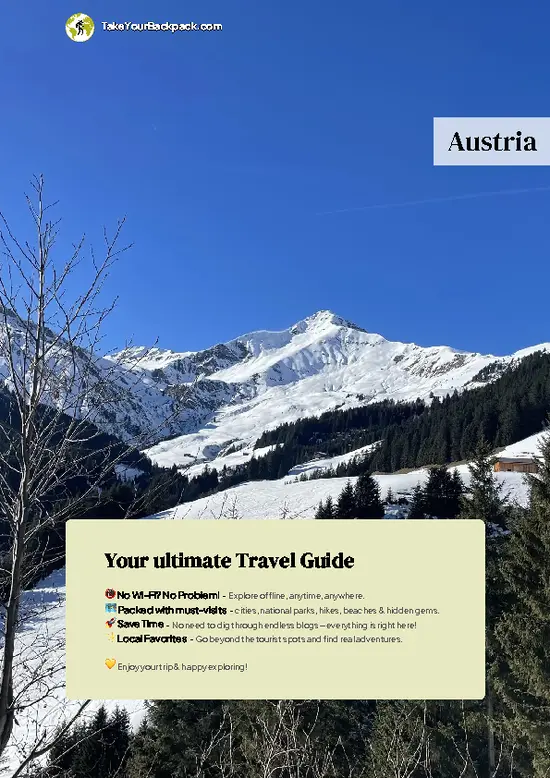
Let’s get real: most people breeze through museums, snapping a selfie with a famous painting and moving on. But the Bruegel Room is where you stop pretending and actually look. Pieter Bruegel the Elder’s paintings are not just “old art”—they’re razor-sharp, weirdly funny, and packed with more detail than a Where’s Waldo book on steroids. “The Tower of Babel” and “The Peasant Wedding” are here, and they’re not just masterpieces—they’re visual puzzles that reward anyone willing to get close and squint. This is the room where you realize art history isn’t just for snobs; it’s for anyone who likes a good story told in oil paint. This one’s my personal favorite—no contest.
The Egyptian and Near Eastern Collection
Forget the dusty-mummy stereotype. This collection is a time machine, … read more 👉
The Bruegel Room
Let’s get real: most people breeze through museums, snapping a selfie with a famous painting and moving on. But the Bruegel Room is where you stop pretending and actually look. Pieter Bruegel the Elder’s paintings are not just “old art”—they’re razor-sharp, weirdly funny, and packed with more detail than a Where’s Waldo book on steroids. “The Tower of Babel” and “The Peasant Wedding” are here, and they’re not just masterpieces—they’re visual puzzles that reward anyone willing to get close and squint. This is the room where you realize art history isn’t just for snobs; it’s for anyone who likes a good story told in oil paint. This one’s my personal favorite—no contest.
The Egyptian and Near Eastern Collection
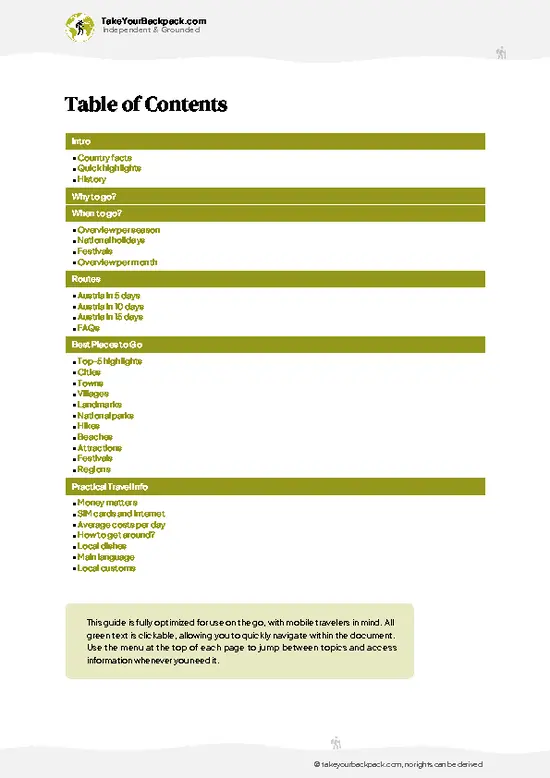
Forget the dusty-mummy stereotype. This collection is a time machine, and it’s massive. You’ll find everything from a 3,500-year-old gold funerary mask to a perfectly preserved Book of the Dead papyrus. The real kicker? The “blue hippo”—a faience figurine that’s become a cult favorite for its oddball charm. If you’ve ever wanted to see what daily life looked like for the ancient world’s power players (and their cats), this is your ticket.
The Kunstkammer
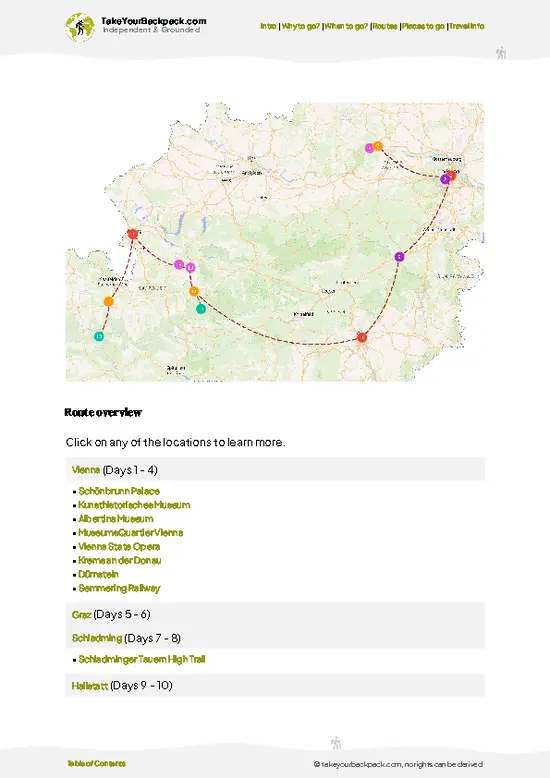
This is not your average “cabinet of curiosities.” The Kunstkammer is a fever dream of Renaissance bling and bizarre treasures: mechanical automata, intricate ivory carvings, goblets made from nautilus shells, and a salt cellar by Benvenuto Cellini that’s so over-the-top it borders on satire. It’s the kind of collection that makes you wonder if the Habsburgs ever said no to anything shiny. If you want to see how the 1% showed off before Instagram, this is the room.
The Grand Staircase and Ceiling Fresco
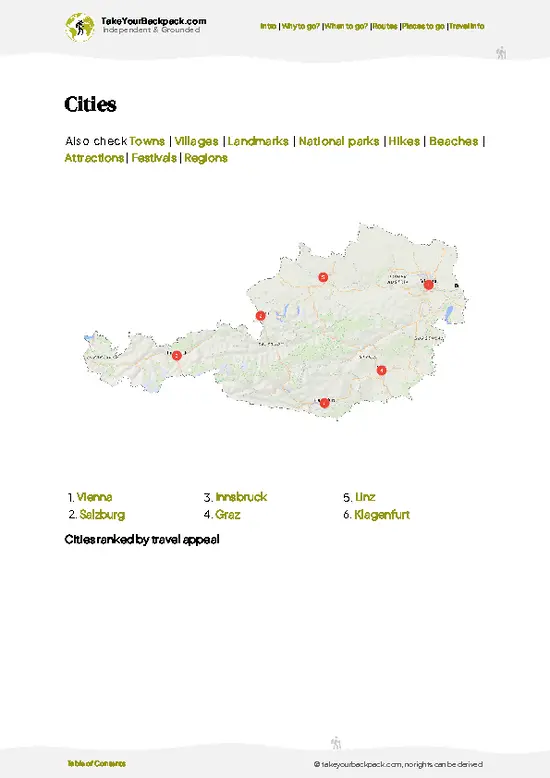
Yes, you’ll have to dodge tour groups and selfie sticks, but the grand staircase is a spectacle in itself. The architecture is imperial excess at its best—marble, gold, and a ceiling fresco by Gustav Klimt (and his brother, but let’s be honest, Gustav’s the headliner). Stand at the top, look up, and you’ll get a taste of what “power” looked like in the days when Vienna ran half of Europe.
Velázquez’s Portraits
You don’t have to be an art nerd to appreciate Diego Velázquez’s portraits of the Spanish royal family. These paintings are so lifelike it’s almost unsettling. The Habsburg jaw, the haunted eyes—these are not generic royals, they’re people, and Velázquez paints them with a brutal honesty that’s rare for the era. If you want to see what happens when an artist gets under the skin of his subjects, linger here.
Spotted a mistake or missing something? Contact us.

Best of Vienna : Historic Center Walking Tour

Big Bus Vienna Hop-On Hop-Off Sightseeing Tour

Skip the Line: Kunsthistorisches Museum Vienna Entrance Ticket

Skip-the-Line Schonbrunn Palace Guided Tour and Vienna Historical City Tour

Vienna Hop On Hop Off City Tour

Vienna PASS - the original since 2015: Including Hop On Hop Off

Fall in Love with Vienna in 3 hours- Small Group Tour

Imperial Oldtimer Tour of Vienna with Prosecco

Vienna City E-Bike Tour

 Best Backpacking

 Hi, I’m Johan (Netherlands 🇳🇱), the creator of TakeYourBackpack. Over the past 3 decades, I’ve backpacked through 90+ countries across six continents, gaining extensive experience with independent travel, long-term trips, and overland routes.