


1. Live Azerbaijani Drama—No Filter
Forget the polished, overproduced musicals you’ll find in tourist-heavy capitals. The Azerbaijan State Academic National Drama Theatre is where you get the raw, beating heart of Azerbaijani culture—performed by actors who treat the stage like a second home, not a photo op. You’ll see classics by Mirza Fatali Akhundov and Jafar Jabbarly, staged with a kind of emotional honesty that doesn’t care if you’re a local or a foreigner. The language barrier? It’s real, but the performances are so physical and expressive that you’ll catch the story anyway. This is not a place for passive spectating; it’s a masterclass in human connection.
2. The Building: Soviet Grandeur Meets Local Soul
The theatre itself is a character. It’s a hulking, neoclassical relic from the … read more 👉
1. Live Azerbaijani Drama—No Filter
Forget the polished, overproduced musicals you’ll find in tourist-heavy capitals. The Azerbaijan State Academic National Drama Theatre is where you get the raw, beating heart of Azerbaijani culture—performed by actors who treat the stage like a second home, not a photo op. You’ll see classics by Mirza Fatali Akhundov and Jafar Jabbarly, staged with a kind of emotional honesty that doesn’t care if you’re a local or a foreigner. The language barrier? It’s real, but the performances are so physical and expressive that you’ll catch the story anyway. This is not a place for passive spectating; it’s a masterclass in human connection.
2. The Building: Soviet Grandeur Meets Local Soul
The theatre itself is a character. It’s a hulking, neoclassical relic from the early 20th century, with a lobby that feels like it’s seen more history than most museums. The marble columns and heavy velvet curtains are not just for show—they’re a reminder that this place has survived revolutions, regime changes, and the odd power outage. You’re not just watching a play; you’re sitting in a living artifact.
3. The Crowd—Azerbaijan’s Real Social Network
Skip the Instagram crowd. The real scene is in the audience: families, students, old-timers who’ve been coming for decades. There’s a buzz before the curtain rises, a shared anticipation that’s impossible to fake. If you want to understand Baku beyond the tourist gloss, watch how the locals react—when they laugh, when they gasp, when they go silent. It’s a crash course in what actually matters here.
4. The Curtain Call—Actors Up Close
Unlike the velvet-rope separation you’ll find in Western theatres, here the actors often mingle with the audience after the show. No handlers, no PR spin. If you hang around, you might end up shaking hands with the lead or getting a selfie with someone who just made you cry. It’s messy, real, and absolutely worth sticking around for.
Spotted a mistake or missing something? Contact us.
Old and Modern Baku Tour ( Day & Night Time)

Night Baku Tour

Baku City Tour with Local Guide-Old City, Flame Towers, Boulevard

Baku City Tour: Sweet & Wine Tasting and Funicular Ride
Azerbaijan Tour Package for 3 days(Baku & Absheron & Gobustan & Gabala Tours)

Private Baku City Tour

Half-Day Baku City Sightseeing Tour
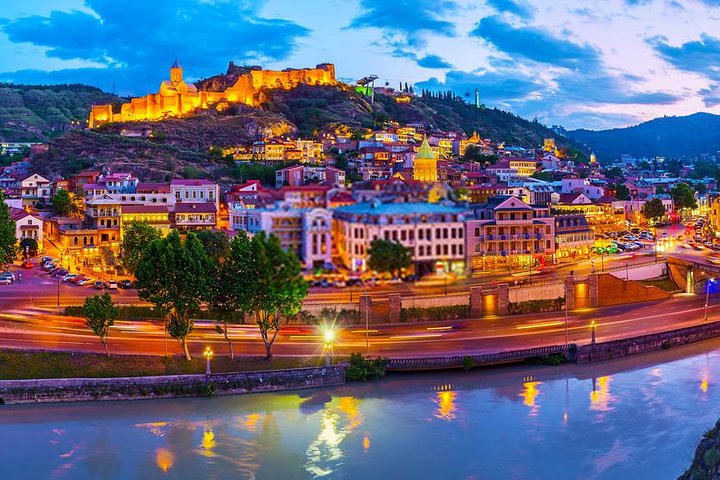
9 days Baku to Qabala - Sheki - Zaqatala - Sighnaghi and Tbilisi Private Tour

Full-Day Baku City Tour


 Best Backpacking
 Hi, I’m Johan (Netherlands 🇳🇱), the creator of TakeYourBackpack. Over the past 3 decades, I’ve backpacked through 90+ countries across six continents, gaining extensive experience with independent travel, long-term trips, and overland routes.