
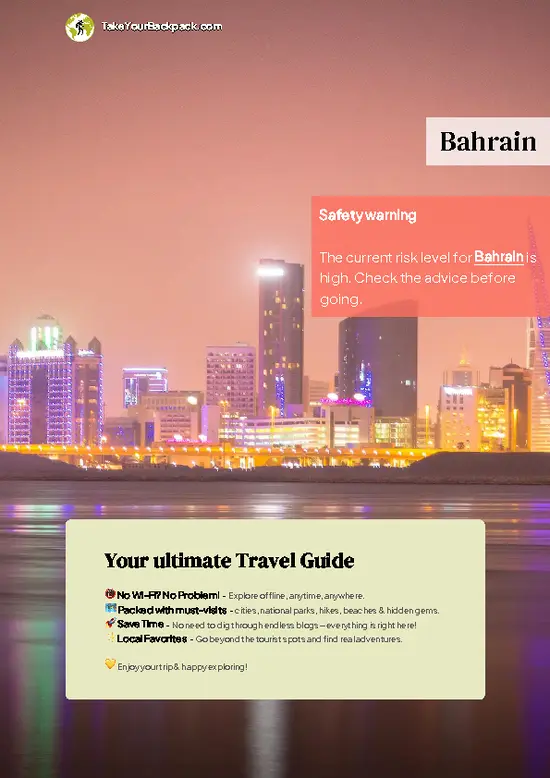
The Manuscript Hall
Forget the Instagrammed exterior—inside, the Manuscript Hall is where the real gravity hits. This isn’t just a room of old books. You’re staring at Qurans written on parchment, rice paper, and even deer skin, some dating back to the 7th century. The sheer variety—tiny pocket Qurans you’d need a magnifying glass to read, massive tomes that look like they belong in a wizard’s library—makes you realize how far and wide this text has traveled. The craftsmanship is mind-bending: gold leaf, indigo ink, scripts that twist and flow like rivers. You don’t need to read Arabic to feel the weight of history pressing in from every glass case.
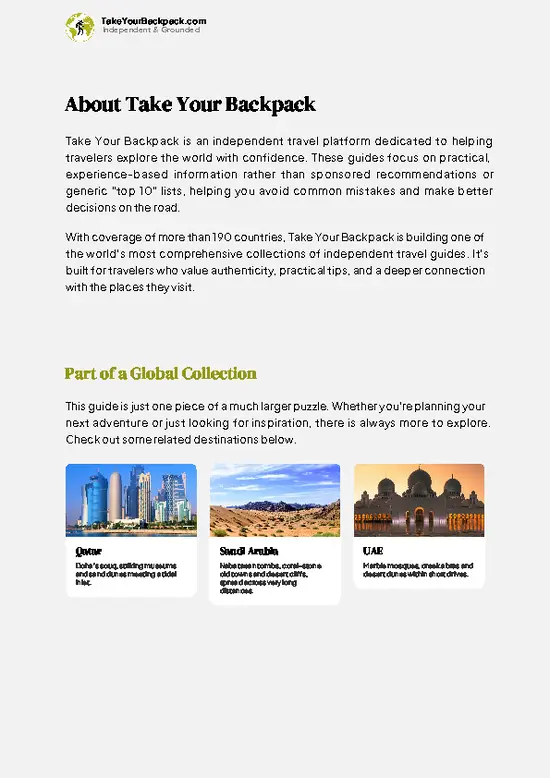
The Calligraphy Gallery
This is where the museum flexes. You’ll see calligraphy that’s less “writing” and more “controlled explosion.” Some pieces … read more 👉
The Manuscript Hall
Forget the Instagrammed exterior—inside, the Manuscript Hall is where the real gravity hits. This isn’t just a room of old books. You’re staring at Qurans written on parchment, rice paper, and even deer skin, some dating back to the 7th century. The sheer variety—tiny pocket Qurans you’d need a magnifying glass to read, massive tomes that look like they belong in a wizard’s library—makes you realize how far and wide this text has traveled. The craftsmanship is mind-bending: gold leaf, indigo ink, scripts that twist and flow like rivers. You don’t need to read Arabic to feel the weight of history pressing in from every glass case.
The Calligraphy Gallery
This is where the museum flexes. You’ll see calligraphy that’s less “writing” and more “controlled explosion.” Some pieces are so intricate they look like they were woven, not written. Others are bold, almost rebellious, breaking the rules of symmetry and tradition. It’s a crash course in how the Quran inspired centuries of artists to push the limits of what a pen can do. If you think calligraphy is just fancy handwriting, this gallery will set you straight.
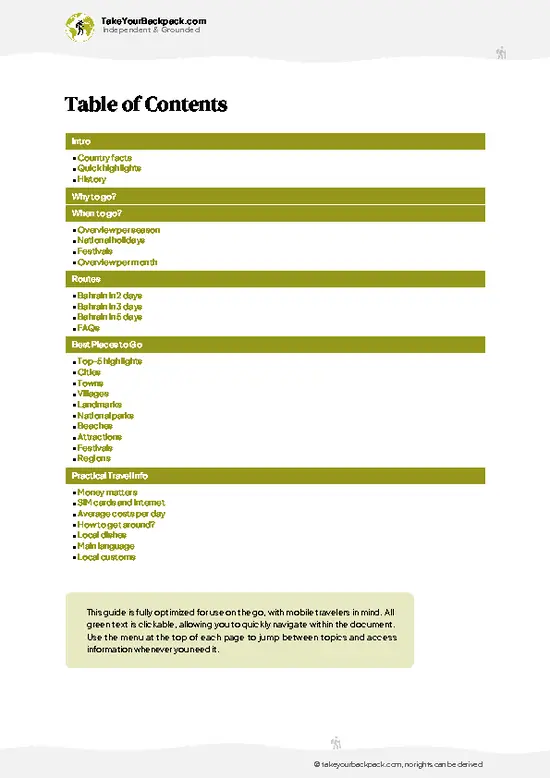
The Rare Translations Collection
Here’s the curveball: Qurans in Chinese, Swahili, Braille, and languages you didn’t know had a script. This isn’t just a flex of the museum’s global reach—it’s a living record of how the text has crossed borders and cultures. You’ll find translations that survived colonial crackdowns, smuggling, and even war. It’s a reminder that the Quran’s story is as much about people as it is about paper.
The Architecture and Courtyard
Most people snap a photo and move on, but the building itself is a statement. The mashrabiya screens filter the desert light into geometric patterns that dance across the floors. The central courtyard is a rare oasis in Manama—quiet, shaded, and echoing with the sound of fountains. It’s a place to decompress, not just a backdrop for selfies. The architecture isn’t just decorative; it’s a deliberate nod to centuries of Islamic design, executed with a kind of restraint that’s rare in the Gulf.
The Temporary Exhibition Space
If you catch it on the right day, this is where Beit Al Quran gets unpredictable. One month it’s contemporary Islamic art, the next it’s a showcase of scientific manuscripts from the Golden Age. The curation is sharp, not just filler. It’s the only part of the museum that feels like it’s still alive and evolving, and it’s where you’ll find locals actually lingering, debating, and sometimes arguing—always a good sign.
Spotted a mistake or missing something? Contact us.


 Best Backpacking

 Hi, I’m Johan (Netherlands 🇳🇱), the creator of TakeYourBackpack. Over the past 3 decades, I’ve backpacked through 90+ countries across six continents, gaining extensive experience with independent travel, long-term trips, and overland routes.