
The Tell: 4,000 Years of Human Ambition
Forget the Instagram drone shots—standing on the actual mound (the “tell”) is a punch of reality. This isn’t some sanitized monument. You’re walking on the literal layers of five different civilizations, from the Dilmun traders to the Portuguese. The ground crunches with history. You can spot ancient city walls, residential quarters, and even the remnants of a Portuguese fort, all stacked like a time-lapse of human stubbornness. It’s not pretty in the manicured sense, but it’s raw, tangible proof that Bahrain was a crossroads before hashtags existed.
The Museum’s Dilmun Gallery: Where Myth Meets Archaeology
This is where the museum earns its keep. The Dilmun Gallery doesn’t just display artifacts; it connects the dots between the epic of Gilgamesh, … read more 👉
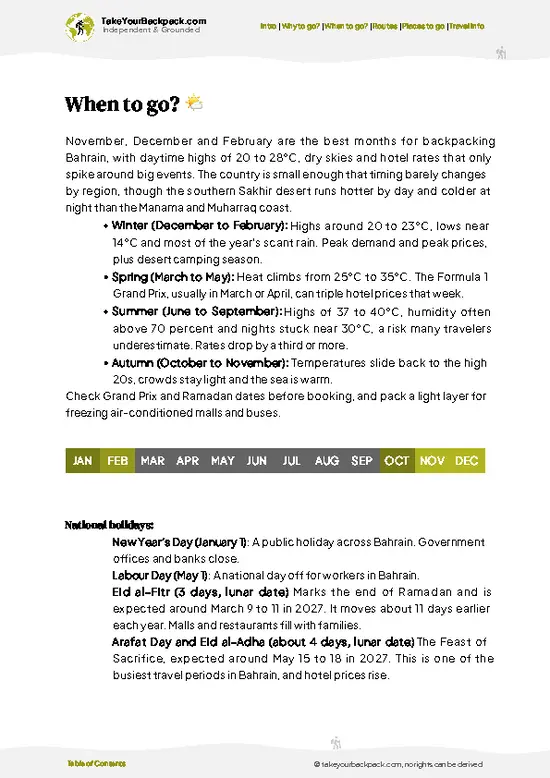
The Tell: 4,000 Years of Human Ambition
Forget the Instagram drone shots—standing on the actual mound (the “tell”) is a punch of reality. This isn’t some sanitized monument. You’re walking on the literal layers of five different civilizations, from the Dilmun traders to the Portuguese. The ground crunches with history. You can spot ancient city walls, residential quarters, and even the remnants of a Portuguese fort, all stacked like a time-lapse of human stubbornness. It’s not pretty in the manicured sense, but it’s raw, tangible proof that Bahrain was a crossroads before hashtags existed.
The Museum’s Dilmun Gallery: Where Myth Meets Archaeology
This is where the museum earns its keep. The Dilmun Gallery doesn’t just display artifacts; it connects the dots between the epic of Gilgamesh, ancient trade routes, and the real people who lived here. You’ll see cuneiform tablets, seals, and pottery that look almost too modern to be 4,000 years old. The kicker: these aren’t just relics—they’re receipts from the world’s first globalized economy. If you want to understand why the Gulf mattered long before oil, this is your crash course.
The Outdoor Walkways: Archaeology in 360 Degrees
Most museums keep you behind glass. Here, you can actually wander the site’s raised walkways, peering down into active excavation pits. You’ll see archaeologists at work if you time it right—no velvet ropes, just the sun, the wind, and the sound of trowels scraping dirt. It’s the closest you’ll get to time travel without a DeLorean. The scale is humbling; you realize how much is still buried, waiting for its next chapter.
The Portuguese Fort: Europe’s Footprint in the Gulf
It’s not the biggest fort you’ll ever see, but it’s a curveball. The Portuguese built this in the 16th century, and the battered ramparts are still climbable. The view from the top is pure payoff: the modern city skyline on one side, the ancient tell on the other. It’s a reminder that Bahrain’s story isn’t just local—it’s global, messy, and full of surprises.
Sunset Over the Site: The Real Instagram Moment
Here’s the honest truth: the crowds thin out as the sun drops, and the site glows gold. The air cools, the city noise fades, and for a few minutes, you get the place almost to yourself. No filter needed. This is the moment that sticks—the sense of standing at the edge of history, with the past and present in full view. If you want a souvenir, skip the gift shop and take this memory instead.
Spotted a mistake or missing something? Contact us.

Full-Day Bahrain Guided Tour

Bahrain Full Day With Traditional Lunch

Manama : Day from South to North to Discover Bahrain

Discover Bahrain in half day

Catch the Essence of Manama - Half Day City Tour

Shore Excursions from Port for Cruisers in Bahrain

Private Flexible Tour of Bahrain with Local Guide Sadeq

Full Day Sightseeing Tour in Bahrain

Archaeological Tour Bahrain


 Best Backpacking

 Hi, I’m Johan (Netherlands 🇳🇱), the creator of TakeYourBackpack. Over the past 3 decades, I’ve backpacked through 90+ countries across six continents, gaining extensive experience with independent travel, long-term trips, and overland routes.