×

Bangladesh🇧🇩 | citiesNarailriver islands, folk art, fishing villages | things to do and best time to go

Explore MeherpurExplore Magura

Backpacking in Narail
👌 Worth visitingcity ranked #35
By Johan Kruseman 🇳🇱 | Updated October 15, 2026

Everyone comes to Narail chasing the legend of SM Sultan, the maverick painter whose name echoes in every guidebook, but let’s be honest: unless you’re an art devotee, the real draw here isn’t a museum or a mural. What matters more is the slow, river-wrapped rhythm of a Bangladeshi town that still feels personal. Narail sits in the southwest, a few hours’ bus ride from Khulna, and it’s the kind of place where the air smells faintly of silt and fried snacks, and the evenings are more about tea stalls than nightlife. For backpackers, Narail isn’t a destination with a capital D—it’s a gentle pause, a base for cycling the countryside or drifting down the Chitra River, not a hub of hostels or wild parties. It’s cheaper and quieter than Jessore, less urban than Khulna, and you’ll need to rely on rickshaws or your own feet. You won’t find crowds of travelers, but you might find a sense of space and a few curious locals who’ll make you feel like you’ve earned your way off the main trail.

Discover everything you want to know in the 📖 Bangladesh Travel Guide.


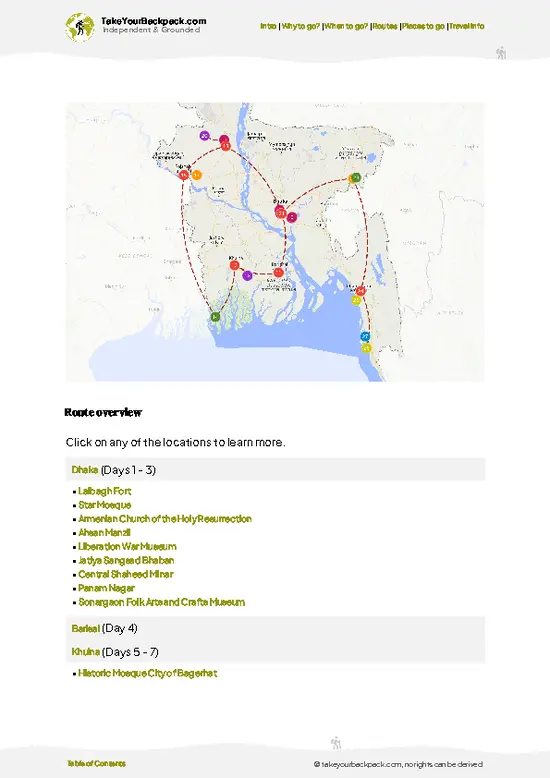
example page 0 from our offline Travel Guide for Bangladesh
example page 1 from our offline Travel Guide for Bangladesh
example page 2 from our offline Travel Guide for Bangladesh
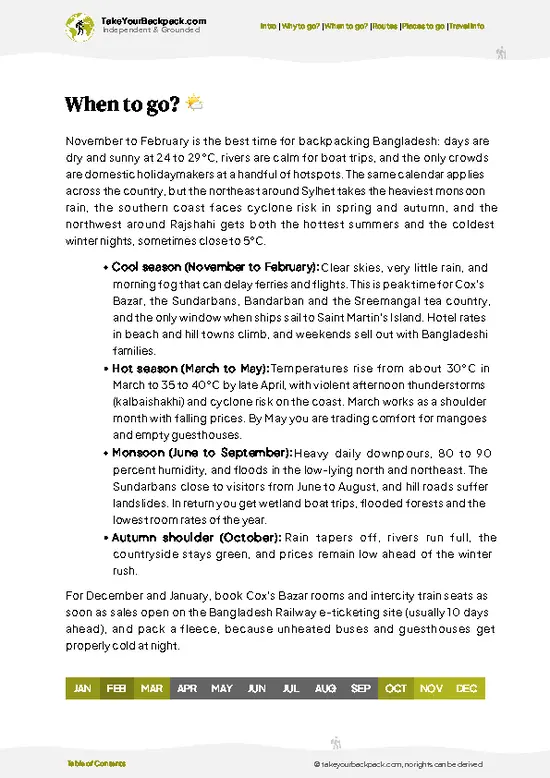
example page 3 from our offline Travel Guide for Bangladesh
example page 4 from our offline Travel Guide for Bangladesh
example page 5 from our offline Travel Guide for Bangladesh
example page 6 from our offline Travel Guide for Bangladesh
example page 7 from our offline Travel Guide for Bangladesh
Loading the map 🌍
CLICK TO FILTER
cities
towns
landmarks
national parks
hikes
beaches
attractions
festivals
regions
SHOW COUNTRY’S BESTSHOW ALL

✨ Why go?
Ranked #35 city in Bangladesh
Why Narail should be on your travel list

Backpackers flock to Narail for its convenience as a base for nearby hikes and cultural sites. The walkable streets invite exploration, while small-scale guesthouses offer a cozy, friendly atmosphere. You can savor local food experiences that burst with flavor, making every meal a highlight. Travelers often linger a few days, soaking in the slow pace and connecting with fellow adventurers. It’s perfect for solo travelers and small groups looking for a genuine slice of Bangladeshi life. While nightlife isn’t the draw here, the social vibe makes it easy to share stories and tips, enhancing your journey.

💡 HighlightsMust-see experiences and standout moments

  • Chitra River ghat and riverfront — A living stretch of riverbank where you can watch sunrise/sunset, catch local ferries and country boats, see small-scale fishing and boat-repair workshops, and feel the slow river-town rhythm that defines Narail.
  • Mashrafe Mortaza’s local cricket spots — The neighborhoods and local grounds around Narail where the national team captain grew up playing. Visiting lets you see the grassroots cricket culture that produces Bangladesh’s fast bowlers and chat with locals proud of their hometown hero.
  • Narail District Stadium (local cricket ground) — The town’s main sporting venue, where school and district matches happen. Drop in during a match to experience lively local support, youth cricket in action, and the community vibe.
  • Narail Government College and town-campus
… read more 👉
  • Chitra River ghat and riverfront — A living stretch of riverbank where you can watch sunrise/sunset, catch local ferries and country boats, see small-scale fishing and boat-repair workshops, and feel the slow river-town rhythm that defines Narail.
  • Mashrafe Mortaza’s local cricket spots — The neighborhoods and local grounds around Narail where the national team captain grew up playing. Visiting lets you see the grassroots cricket culture that produces Bangladesh’s fast bowlers and chat with locals proud of their hometown hero.
  • Narail District Stadium (local cricket ground) — The town’s main sporting venue, where school and district matches happen. Drop in during a match to experience lively local support, youth cricket in action, and the community vibe.
  • Narail Government College and town-campus area — The central educational hub and a focal point for cultural programs, student fairs and public events, giving a good sense of everyday civic life in the city.
A few real, visitable highlights just outside Narail that make easy day trips: Kushtia’s Shilaidaha Rabindra Kuthibari (Tagore’s house), Jessore town (markets and historic sites), and Bagerhat with the Sixty Dome Mosque.
Spotted a mistake or missing something? Contact us.

Things to do near Narail

Ratings based on Tripadvisor reviews. When you book through this link, you support our work at no extra cost to you.

🏘️ NeighborhoodsNeighborhood guide to Narail

Narail offers a unique blend of rural charm and vibrant local culture, making it a rewarding stop for backpackers.

Chandpur: This area pulses with local life. The streets are alive with the scent of street food and the chatter of vendors. It’s budget-friendly and walkable, perfect for short stays. Nightlife is low-key, with small tea stalls and local hangouts.

Shahpur: Known for its serene atmosphere, Shahpur is ideal for longer stays. You’ll find cozy guesthouses and a slower pace. The lush greenery invites leisurely strolls, while transport options are accessible for day trips.

Kachua: A bit more off the beaten path, Kachua offers a glimpse into rural life. It’s quieter, making it suitable for those seeking solitude. The local markets are vibrant, but nightlife is minimal. Transport can be tricky, so plan ahead.

⌛️ 1 day1-day itinerary for Narail

Narail, a charming town in Bangladesh, offers a glimpse into the country’s rich cultural tapestry. The air is thick with the scent of fresh mustard fields, and the vibrant local life pulses through its narrow streets.

Start your morning at the bustling Narail Bazaar. The sounds of vendors hawking spices and fresh produce create a lively backdrop. Grab a steaming cup of chai from a local stall and soak in the morning hustle. Afterward, wander to the nearby Shankarpur village, where you can see traditional boat-making in action. It’s a slice of life that many tourists miss, but it’s a fascinating glimpse into local craftsmanship.

In the afternoon, head to the historic Narail Rajbari, a grand old palace that whispers stories of the past. Explore its intricate architecture and lush gardens. … read more 👉
Narail, a charming town in Bangladesh, offers a glimpse into the country’s rich cultural tapestry. The air is thick with the scent of fresh mustard fields, and the vibrant local life pulses through its narrow streets.

Start your morning at the bustling Narail Bazaar. The sounds of vendors hawking spices and fresh produce create a lively backdrop. Grab a steaming cup of chai from a local stall and soak in the morning hustle. Afterward, wander to the nearby Shankarpur village, where you can see traditional boat-making in action. It’s a slice of life that many tourists miss, but it’s a fascinating glimpse into local craftsmanship.

In the afternoon, head to the historic Narail Rajbari, a grand old palace that whispers stories of the past. Explore its intricate architecture and lush gardens. As the sun begins to set, make your way to the banks of the Narail River. The golden light reflecting off the water creates a serene atmosphere, perfect for reflection.

Finish your day with a meal at a local eatery, savoring dishes like panta bhat and hilsa fish. The flavors here are a celebration of the region, wrapping up your day in Narail with a satisfying taste of home.

🌤️ When to go?Weather, crowds, and seasonal trade-offs

  • Topic: Weather — Narail’s best window is the dry season, from November to February. The air is crisp, hovering between 15°C and 25°C (59°F to 77°F), a relief from the oppressive humidity and monsoon rains that flood the landscape from June through September.
  • Topic: Temperature — Expect warm days and cool nights during the dry months. The heat is manageable, unlike the sweltering 30°C+ (86°F+) highs of summer, which can sap your energy and make trekking less enjoyable.
  • Topic: Daylight Hours — Around 11 to 12 hours of daylight in the dry season means you can start early and still have time to explore without rushing, catching the golden light that softens the fields and riverbanks.
  • Topic: Crowds — Narail isn’t a tourist hotspot, but the dry season draws local visitors. You’ll find a calm
… read more 👉
  • Topic: Weather — Narail’s best window is the dry season, from November to February. The air is crisp, hovering between 15°C and 25°C (59°F to 77°F), a relief from the oppressive humidity and monsoon rains that flood the landscape from June through September.
  • Topic: Temperature — Expect warm days and cool nights during the dry months. The heat is manageable, unlike the sweltering 30°C+ (86°F+) highs of summer, which can sap your energy and make trekking less enjoyable.
  • Topic: Daylight Hours — Around 11 to 12 hours of daylight in the dry season means you can start early and still have time to explore without rushing, catching the golden light that softens the fields and riverbanks.
  • Topic: Crowds — Narail isn’t a tourist hotspot, but the dry season draws local visitors. You’ll find a calm vibe with enough people to feel connected, not overwhelmed.
  • Topic: Seasonal Activities — Harvest festivals and boat races happen post-monsoon, adding cultural texture to your visit. Timing your trip here means you catch these lively moments when the air smells of fresh earth and river water.
  • Topic: Price Fluctuations — Accommodation and transport costs dip outside the dry season. But the trade-off is slogging through mud and unpredictable weather. Paying a bit more in the dry months buys comfort and ease.
Pro-tip: Aim for late November to early February to lock in dry, cool days and vibrant local life—this is when Narail’s true character shines without the hassle of monsoon mud or stifling heat.


source: climatestotravel.comJANJanuary: excellent for travelingFEBFebruary: excellent for travelingMARMarch: highly recommended for travelingAPRApril: good for travelingMAYMay: fair for travelingJUNJune: below average for travelingJULJuly: below average for travelingAUGAugust: below average for travelingSEPSeptember: below average for travelingOCTOctober: good for travelingNOVNovember: excellent for travelingDECDecember: excellent for traveling
when-to-go

✈️ The backpacker research shortcutBangladesh Travel Guide

An offline-friendly backpacking guide with optimized travel routes, ranked highlights, transport advice, and the best areas to stay.
example page 0 from our offline Travel Guide for Bangladesh
example page 1 from our offline Travel Guide for Bangladesh
example page 2 from our offline Travel Guide for Bangladesh
example page 3 from our offline Travel Guide for Bangladesh
example page 4 from our offline Travel Guide for Bangladesh
example page 5 from our offline Travel Guide for Bangladesh
example page 6 from our offline Travel Guide for Bangladesh
example page 7 from our offline Travel Guide for Bangladesh
The digital guide (355 pages) contains:
✅ 102 highlights, ranked by travel appeal
✅ Optimized 7, 14 & 21-day travel routes
✅ Cities, national parks, landmarks, beaches
✅ How to get around
✅ Offline-friendly for travel without Wi-Fi
👉 Click to see all 30+ guide features

📅 Plan smarter in minutes, not weeks
✅ Month by month travel advice
✅ Festivals & national holidays
✅ Budget expectations

🗺️ Go to the right places, skip the overrated ones
✅ Honest pros & cons of destinations
✅ Top hikes, parks & viewpoints
✅ Lesser-known places most travelers miss
✅ Clear “worth it vs skip it” guidance

🛏️ Travel smoothly without rookie mistakes
✅ Best areas to stay
✅ Transport systems explained simply
✅ Common scams & safety advice
✅ SIM cards, money & practical tips

🌍 Understand the country, not just visit it
✅ Culture & traditions
✅ 52 Essential phrases & customs
✅ Festivals worth planning around
✅ Traveler-friendly historical context
✅ Insights that make places more meaningful

📱 Built for real travel conditions
✅ Fully downloadable PDF
✅ Works completely offline
✅ Optimized for phone use
✅ Useful in remote areas & buses
✅ Everything in one place
Stop searching, start planning
Get instant access to your full guide. 30‑day money-back guarantee.
+ Add another guide for just

By proceeding you agree to our terms.
Sent to your inbox immediately after payment • 100% Secure Checkout
Best Backpacking Travel Advisor 2025 tourism awardBest Backpacking
Travel Advisor
2025
What others say about Take Your Backpack Guides:
⭐⭐⭐⭐⭐
Fantastic, amazing amount of information!
⭐⭐⭐⭐⭐
My goodness this is amazing, it's what I've been looking for hats off too you!
⭐⭐⭐⭐⭐
I think this is absolutely BRILLIANT
⭐⭐⭐⭐
Very complete and informative. It's still missing places, but I gotta to commend you
⭐⭐⭐⭐⭐
This is truly amazing, thank you, can't wait to explore it with my kids!
⭐⭐⭐⭐⭐
Awesome resource, thank you!
⭐⭐⭐⭐⭐
This is amazing! Can't wait to explore the ones I haven't seen
⭐⭐⭐⭐
I love this! Well done, great idea.
⭐⭐⭐⭐⭐
Thanks for taking the time to make this gem!
⭐⭐⭐⭐⭐
This might be the best website I've ever seen.
⭐⭐⭐⭐⭐
Congratulations, and thank you so much for your work; it's incredibly valuable.
⭐⭐⭐⭐
In all seriousness I think you did a great job pointing out the important spots
⭐⭐⭐⭐⭐
10/10 very good
⭐⭐⭐⭐⭐
As someone who's only just starting to visit regularly this is awesome, thank you.
⭐⭐⭐⭐
Thank you very much! I'm going to visit my dad, it's going to be very useful!
⭐⭐⭐⭐⭐
This is really cool! We'll be travelling for the first time and this definitely come in handy.
⭐⭐⭐⭐⭐
You are now our minister of culture, congratulations 👨‍💼
⭐⭐⭐⭐⭐
Just wanted to tell you that this is a pearl! Going to follow your recommendations.
⭐⭐⭐⭐⭐
This is so cool. I'll definitely be using the resource for my travels soon.
⭐⭐⭐⭐⭐
This is very impressive! Good work.
⭐⭐⭐⭐⭐
This is an amazing and informative site. Very well done!

🛏️ Where to stay?Where staying makes the most sense

Narail’s heart for backpackers pulses strongest around the town center, where the streets hum with local life and the air carries the faint scent of roadside spices and fresh river breeze. This area is your best bet—not just because it’s safe, but because it’s where you’ll find the few budget guesthouses and hostels that cater to travelers who want to connect rather than just crash. The vibe here is low-key but lively, with small tea stalls doubling as social hubs where you can swap stories with locals or fellow wanderers over steaming cups.

Venture outside this core, and the town shifts into … read more 👉
Narail’s heart for backpackers pulses strongest around the town center, where the streets hum with local life and the air carries the faint scent of roadside spices and fresh river breeze. This area is your best bet—not just because it’s safe, but because it’s where you’ll find the few budget guesthouses and hostels that cater to travelers who want to connect rather than just crash. The vibe here is low-key but lively, with small tea stalls doubling as social hubs where you can swap stories with locals or fellow wanderers over steaming cups.

Venture outside this core, and the town shifts into quieter, more residential zones that feel less welcoming to solo travelers. These neighborhoods lack the social pulse and practical amenities you’ll need—think fewer eateries open late, and no easy access to transport or markets. Staying central means you’re never far from the pulse of Narail’s daily rhythm, where the light shifts from golden afternoon to the soft glow of lanterns, making every evening stroll feel like a small discovery. It’s not about luxury here; it’s about being in the thick of the town’s genuine, unfiltered character.

🚌 Getting aroundHow to get from A to B

Narail moves at a pace that feels like the slow drip of afternoon sunlight through mango leaves—unhurried but deliberate. The town’s rhythm isn’t dictated by strict timetables but by the ebb and flow of daily life, where the scent of wet earth after a sudden rain and the distant calls of vendors shape your sense of time more than any clock. Here, transit isn’t about precision; it’s about reading the cues of the street, the crowd, and the weather. Understanding this flow means you don’t just get from point A to B—you glide through the town’s pulse, catching moments others miss.
  • Walking: The most authentic way to absorb Narail’s atmosphere. Streets are compact and shaded by old trees, making strolls comfortable even in midday heat. Walking lets you catch the scent of fresh spices from market
… read more 👉
Narail moves at a pace that feels like the slow drip of afternoon sunlight through mango leaves—unhurried but deliberate. The town’s rhythm isn’t dictated by strict timetables but by the ebb and flow of daily life, where the scent of wet earth after a sudden rain and the distant calls of vendors shape your sense of time more than any clock. Here, transit isn’t about precision; it’s about reading the cues of the street, the crowd, and the weather. Understanding this flow means you don’t just get from point A to B—you glide through the town’s pulse, catching moments others miss.
  • Walking: The most authentic way to absorb Narail’s atmosphere. Streets are compact and shaded by old trees, making strolls comfortable even in midday heat. Walking lets you catch the scent of fresh spices from market stalls and the chatter of locals, all while avoiding any transit cost.
  • CNG Auto-Rickshaws: These three-wheeled workhorses are everywhere and perfect for short hops. Expect to pay around 20-40 BDT for rides within town. They don’t run on a fixed schedule; flag one down when you see it. The ride is bumpy but quick, and the open sides let you breathe in the humid air mixed with exhaust and street food aromas.
  • Local Buses: For trips to nearby villages or the district center, buses are the budget traveler’s go-to. They start early, around 6 AM, and run until dusk, roughly 6 PM. Tickets cost between 15-50 BDT depending on distance. Buses can be crowded and slow, but they offer a window into everyday life, with vendors hopping on and off, and the occasional rooster or goat in tow.
  • Rickshaw Vans: A step up from the CNGs for group travel or heavier loads. These vans follow semi-fixed routes and are slightly more comfortable, with bench seating and a roof to shield from sun or rain. Fares hover around 30-60 BDT. They run frequently during the day but taper off by early evening.
  • Boat Services: If your route takes you near the rivers threading through Narail’s outskirts, small boats offer a scenic, if less predictable, alternative. They operate mostly in the morning and late afternoon, weather permitting. Prices vary but generally stay under 100 BDT. The ride is slow, with the smell of river mud and water lilies, a refreshing break from the dust and heat of the streets.

👛 Costs (as of 15 October 2026)How expensive it really is

Backpacking in Narail, Bangladesh, offers a raw, authentic experience where costs stay low but the sensory texture of the town—dusty streets, the scent of spices, and the hum of daily life—makes every dollar count.
  • Dorm Accommodation: Narail isn’t a hotspot for backpackers, so formal hostels are rare. Budget guesthouses or simple lodges are your go-to, running about $5 to $10 per night. Expect basic rooms with a fan, a shared bathroom, and minimal frills—think clean but no luxury. This keeps you close to local life without blowing your budget.
  • Meals: Street food and small local eateries dominate here. A filling meal of rice, lentils, and a vegetable or fish curry will cost around $1 to $2. Fresh fruit or snacks from street vendors are even cheaper. If you want something a bit more substantial
… read more 👉
Backpacking in Narail, Bangladesh, offers a raw, authentic experience where costs stay low but the sensory texture of the town—dusty streets, the scent of spices, and the hum of daily life—makes every dollar count.
  • Dorm Accommodation: Narail isn’t a hotspot for backpackers, so formal hostels are rare. Budget guesthouses or simple lodges are your go-to, running about $5 to $10 per night. Expect basic rooms with a fan, a shared bathroom, and minimal frills—think clean but no luxury. This keeps you close to local life without blowing your budget.
  • Meals: Street food and small local eateries dominate here. A filling meal of rice, lentils, and a vegetable or fish curry will cost around $1 to $2. Fresh fruit or snacks from street vendors are even cheaper. If you want something a bit more substantial or Western-style, prices might edge up to $3 to $4, but sticking local is both cheaper and more immersive.
  • Local Transport: Narail’s compact size means you can walk a lot, but for longer hops, rickshaws and CNG auto-rickshaws are the norm. A typical short ride costs about $0.30 to $0.50. If you’re moving between nearby villages or markets, budget $1 to $2 for a longer trip. The slow pace and open-air rides let you soak in the town’s atmosphere.
  • Basic Activities/Entry Fees: Narail isn’t packed with tourist attractions, so entry fees are minimal or nonexistent. Visiting local markets, temples, or riverside spots is usually free. If you hire a local guide or take a boat ride on the Nabaganga River, expect to pay around $3 to $5. These small expenses add texture to your visit without stretching your wallet.
  • Miscellaneous Expenses: This covers bottled water, snacks, phone credit, or small tips. Water bottles cost about $0.30 each, and a local SIM card with data might run $2 to $5 for a week’s worth. Keep a small buffer of $1 to $2 daily for these essentials, especially in a place where convenience items aren’t always easy to find.

All told, you’re looking at roughly $8 to $15 per day to backpack through Narail comfortably but without cutting corners. This budget lets you live like a local, savor the town’s rhythms, and keep your trip smooth without surprises.
⚠️ Prices can change and everyone travels differently, so take this as a rough guide. Hope it helps you plan your adventure!

🚌 Day tripsShort trips worth adding

Narail, Bangladesh, is a backpacker’s dream base for exploring the rich tapestry of rural life and vibrant culture. The town’s charm lies in its accessibility to unique day trips that unveil the heart of Bangladesh.

Shilaidaha Kuthibari
This historic estate was once the home of the poet Rabindranath Tagore. The serene riverside setting, with its lush greenery and the gentle sound of the Padma River, makes it a perfect spot for reflection. It’s about an hour’s ride from Narail, costing around 50 BDT by local transport. Early morning visits are best to catch the soft light filtering through the trees. A common mistake? Rushing through the estate; take your time to soak in the atmosphere.


Gopalganj
Just a short two-hour journey, Gopalganj offers a glimpse into traditional Bangladeshi life. … read more 👉
Narail, Bangladesh, is a backpacker’s dream base for exploring the rich tapestry of rural life and vibrant culture. The town’s charm lies in its accessibility to unique day trips that unveil the heart of Bangladesh.

Shilaidaha Kuthibari
This historic estate was once the home of the poet Rabindranath Tagore. The serene riverside setting, with its lush greenery and the gentle sound of the Padma River, makes it a perfect spot for reflection. It’s about an hour’s ride from Narail, costing around 50 BDT by local transport. Early morning visits are best to catch the soft light filtering through the trees. A common mistake? Rushing through the estate; take your time to soak in the atmosphere.


Gopalganj
Just a short two-hour journey, Gopalganj offers a glimpse into traditional Bangladeshi life. The vibrant markets and local eateries serve up delicious street food, like pitha (rice cakes) and fresh fish curry. Expect to spend around 100 BDT on transport and a few hundred more on food. The best time to visit is during the winter months when the weather is cooler. Many first-timers overlook the local cuisine; don’t skip the chance to eat where the locals do.
👉 Explore Gopalganj

Chandpur
Known for its bustling river port, Chandpur is about a two-and-a-half-hour trip from Narail. The lively atmosphere, with boats coming and going, is a sensory feast. You can enjoy fresh river fish and watch the daily life unfold. Budget around 150 BDT for transport. The ideal time is during the dry season when the river is at its fullest. A common misstep is not exploring the riverside; the views are worth lingering over.
👉 Explore Chandpur

🍲 FoodEating & Drinking in Narail

In Narail, the food scene is a lively dive into authentic Bangladeshi flavors that don’t mess around. You’ll want to hunt down Bhuna Khichuri, a rich, spiced rice and lentil dish often served with fried egg or beef curry—comfort food that sticks with you. Don’t skip the Panta Ilish if you’re here during the right season: fermented rice soaked overnight paired with hilsa fish, a local obsession that’s tangy, funky, and utterly addictive.

Backpackers usually find themselves elbow-to-elbow with locals at bustling street food stalls or the open-air markets where the air is thick with the scent of mustard oil and fresh coriander. These spots are where the real social pulse beats—grab a plate, sit on a low stool, and watch the world go by. Casual eateries serve up steaming bowls of dal and crispy … read more 👉
In Narail, the food scene is a lively dive into authentic Bangladeshi flavors that don’t mess around. You’ll want to hunt down Bhuna Khichuri, a rich, spiced rice and lentil dish often served with fried egg or beef curry—comfort food that sticks with you. Don’t skip the Panta Ilish if you’re here during the right season: fermented rice soaked overnight paired with hilsa fish, a local obsession that’s tangy, funky, and utterly addictive.

Backpackers usually find themselves elbow-to-elbow with locals at bustling street food stalls or the open-air markets where the air is thick with the scent of mustard oil and fresh coriander. These spots are where the real social pulse beats—grab a plate, sit on a low stool, and watch the world go by. Casual eateries serve up steaming bowls of dal and crispy pitha (rice cakes), perfect for a quick, hearty bite.

Drinking culture here is simple but social. Tea is king—strong, sweet, and served in tiny glasses that invite conversation. Alcohol isn’t widespread, so you’ll mostly sip on chai or fresh sugarcane juice, both refreshing and grounding in the humid heat. When eating, remember to use your right hand; it’s not just etiquette, it’s part of the rhythm of sharing and respect in Narail’s food culture.

🛡️ SafetySafety Tips and Common Scams in Narail

Narail is generally safe, but a few practical tips can enhance your experience. Stay aware in crowded markets; pickpockets can be a nuisance. If you’re solo, avoid wandering too far after dark; the streets can feel deserted, and it’s best to stick to well-lit areas.

Common scams are rare, but be cautious of overly friendly locals offering unsolicited help; they might expect a tip. Carry yourself confidently, and don’t hesitate to politely decline if something feels off. Embrace the local vibe, and you’ll find the warmth of Narail outweighs any minor annoyances.

FAQTraveler FAQ

2 days are sufficient to explore Narail. This allows time to visit key sites like the Narail Museum and the local markets. The town is small, so you can cover most attractions within a day or two.
Yes, Narail is generally safe for solo backpackers. The local community is friendly and crime rates are low, but standard precautions like avoiding isolated areas at night are advised. Staying in guesthouses or with locals can enhance safety.
Narail is known for its rich cultural heritage and traditional crafts, especially pottery and weaving. It is also recognized for its scenic rural landscapes and the nearby Chitra River, which attracts visitors interested in nature and local life.
⚠️ Things can change over time, so always validate details locally before you go.

Other Bangladeshi cities near Narail

Explore more nearby:

  • Jessore—flower markets, border roads, rural temples| 30 km away
  • Magura—weekly markets, jute fields, local crafts| 36 km away
  • Khulna—Sundarbans access, shrimp industry, riverfront| 38 km away

💡 Not sure where to go next?
Create a personalized itinerary for Bangladesh including Narail and the places that fit your trip.

Generate my itinerary

👉 Discover all cities

Or checkout all Bangladesh has to offer (think cities, towns, villages, national parks, hikes, beaches, festivals)
Country photo of Bangladesh

We 💚 feedbackFinal thoughts on visiting Narail

Narail has a rhythm all its own. The air is thick with the scent of rice paddies and the laughter of children. Don’t miss the local boat rides; they’re a delightful surprise. Just be ready for the humidity—it’s part of the charm. Embrace it.

✍️ Help improve this page!
The information on this page is based on in-depth research, insights shared by experienced travelers, and feedback from the local travel community in Bangladesh. While every effort is made to keep the information accurate and current, conditions can change — so if you spot anything incorrect or outdated, please get in touch.


🙋‍♂️ Give feedback

👋 Meet the founderWho’s Behind Take Your Backpack?

Johan, backpacker and founder of TakeYourBackpackHi, I’m Johan (Netherlands 🇳🇱), the creator of TakeYourBackpack. Over the past 3 decades, I’ve backpacked through 90+ countries across six continents, gaining extensive experience with independent travel, long-term trips, and overland routes.

This site is built on a combination of firsthand travel experience and carefully curated insights from other backpackers. Many guides are based on places I’ve personally visited, while others bring together tips, observations, and practical advice shared by trusted travelers I’ve met along the way.

The goal is to provide realistic, experience-driven guidance — not generic itineraries — so you can explore destinations with better context, clearer expectations, and more confidence.