×

Bangladesh🇧🇩 | national parksNijhum Dwip National Parkmudflats, tidal creeks, deer herds, coastal birds | things to do and best time to go

Explore SundarbansExplore Bhawal National Park

Backpacking in Nijhum Dwip
🏆 Top picknational park ranked #4
By Johan Kruseman 🇳🇱 | Updated May 11, 2026

Your sandals sink half an inch into cool, silty mud as tiny crabs scatter like static across the exposed flats; the air smells of salt, mangrove leaves, and woodsmoke drifting from a fishing boat you can’t quite see. This is Nijhum Dwip National Park, a low-lying island in the Bay of Bengal, off the coast of Noakhali in southern Bangladesh. For backpackers, it’s a quiet, mangrove-heavy alternative to the more famous Sundarbans: fewer tigers and drama, more birds, deer, and long, empty horizons. Hiking is really flat walking on sandy tracks and muddy embankments, not mountain trekking, and access involves layered boat rides that eat time and patience. Fees are low, crowds are minimal, and accommodation is basic at best—think simple guesthouses, not true camping infrastructure. The payoff is a raw, slow-burn coastal vibe that rewards patience more than adrenaline.

Discover everything you want to know in the 📖 Bangladesh Travel Guide.
Loading the map 🌍
CLICK TO FILTER
cities
towns
landmarks
national parks
hikes
beaches
attractions
festivals
regions
SHOW COUNTRY’S BESTSHOW ALL

✨ Why go?
Ranked #4 national park in Bangladesh
What makes it a must-see national park

Nijhum Dwip National Park in Bangladesh attracts backpackers for several compelling reasons. First, the independent exploration is a major draw. You can wander the park’s diverse landscapes without the constraints of a guided tour, allowing for a more personal connection with nature.

Budget-conscious travelers appreciate the affordable camping options and nearby hostels. This means you can stretch your funds while still enjoying the park’s beauty. The variety of trails caters to different skill levels, from easy walks to more challenging treks, making it accessible for everyone.

Self-guided travelers thrive here. The park’s layout encourages you to set your own pace, whether you’re birdwatching or simply soaking in the serene environment. However, be mindful of the seasonal weather; the … read more 👉
Nijhum Dwip National Park in Bangladesh attracts backpackers for several compelling reasons. First, the independent exploration is a major draw. You can wander the park’s diverse landscapes without the constraints of a guided tour, allowing for a more personal connection with nature.

Budget-conscious travelers appreciate the affordable camping options and nearby hostels. This means you can stretch your funds while still enjoying the park’s beauty. The variety of trails caters to different skill levels, from easy walks to more challenging treks, making it accessible for everyone.

Self-guided travelers thrive here. The park’s layout encourages you to set your own pace, whether you’re birdwatching or simply soaking in the serene environment. However, be mindful of the seasonal weather; the best time to visit is during the dry months to avoid muddy trails and insect swarms.

By choosing Nijhum Dwip, you’re not just visiting a park; you’re engaging in a rich, immersive experience that respects both your budget and your adventurous spirit.
Get the complete Travel Guide for Bangladesh
Everything organized for offline planning — routes, highlights, costs & tips

See what’s inside 👉

Get the Travel Guide -

💡 HighlightsTop highlights of Nijhum Dwip

  • Mangrove forests — Dense, maze-like mangroves line the creeks and shore. You can wander small trails or take a cheap boat ride through tidal channels; the mix of salt-tolerant trees and water gives the island a wild, otherworldly feel.
  • Spotted deer (chital) herds — One of the island’s signature sights: groups of chital casually grazing near the edge of the woods. They’re unusually approachable at dusk, which makes for easy wildlife photos without needing a guide with expensive gear.
  • Birdwatching and migratory waders — Mudflats and shallow estuary waters draw large numbers of resident and wintering birds. Expect herons, egrets, sandpipers and other shorebirds; bring binoculars and a patience for quiet observation.
  • Intertidal mudflats and sandbars — The ever-changing sandbanks at low tide
read more 👉
  • Mangrove forests — Dense, maze-like mangroves line the creeks and shore. You can wander small trails or take a cheap boat ride through tidal channels; the mix of salt-tolerant trees and water gives the island a wild, otherworldly feel.
  • Spotted deer (chital) herds — One of the island’s signature sights: groups of chital casually grazing near the edge of the woods. They’re unusually approachable at dusk, which makes for easy wildlife photos without needing a guide with expensive gear.
  • Birdwatching and migratory waders — Mudflats and shallow estuary waters draw large numbers of resident and wintering birds. Expect herons, egrets, sandpipers and other shorebirds; bring binoculars and a patience for quiet observation.
  • Intertidal mudflats and sandbars — The ever-changing sandbanks at low tide are fun to explore on foot. Wide, flat views, flocks of birds working the mud, and easy beachcombing—just watch the tides and bring waterproof shoes.
  • Crab colonies and coastal critters — Fiddler crabs, mudskippers and lots of small crustaceans turn the mud into a living carpet. It’s a small, messy ecosystem that’s oddly fascinating if you like tiny, busy wildlife.
  • Sunrise and sunset over the Meghna — The estuary gives you huge open skies. There’s no competition for views here—sitting on a sandbar as the sun drops behind distant water is a simple, unforgettable treat.
  • Local island life and boat journeys — Small fishing villages, low-cost homestays and frequent wooden boats give the place a lived-in charm. Boat trips themselves are part of the experience—cheap, a bit bumpy, and great for spotting wildlife from the water.
Spotted a mistake or missing something? Contact us.

Things to do near Nijhum Dwip National Park

Ratings based on Tripadvisor reviews. When you book through this link, you support our work at no extra cost to you.

🌤️ When to go?Choosing the right time of year


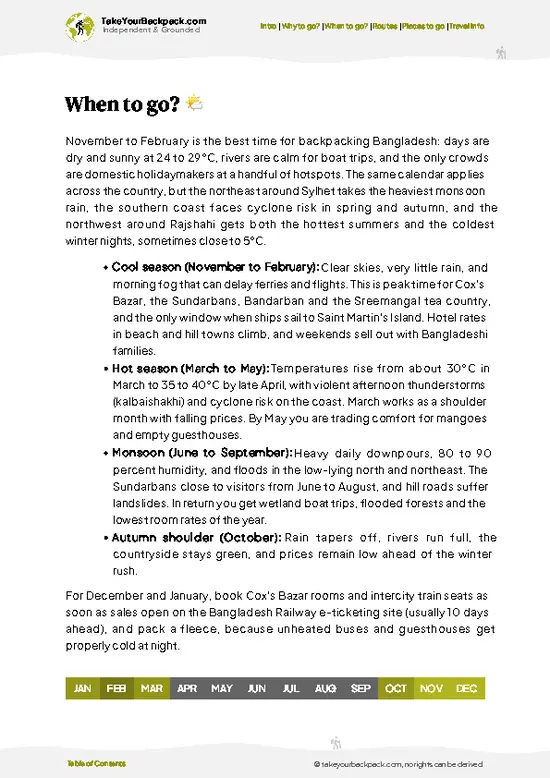
  • Weather: The best window is from November to February when the climate is dry and mild. Avoid the monsoon season (June to September) — heavy rains flood trails and make boat rides risky.

  • Temperature: During the ideal months, expect daytime highs around 20-25°C (68-77°F) and cooler nights dipping to 15°C (59°F). This range keeps you comfortable without sweating through your gear.

  • Daylight Hours: Days are shorter in winter, roughly 10-11 hours of light, but that’s enough for a full day of trekking and wildlife spotting without rushing.

  • Crowds: Nijhum Dwip is off the beaten path, so crowds are minimal year-round. Still, weekends and local holidays can bring more visitors, so plan weekdays for solitude.

  • Seasonal Activities: Birdwatching peaks in winter when migratory species arrive. The dry season
read more 👉

  • Weather: The best window is from November to February when the climate is dry and mild. Avoid the monsoon season (June to September) — heavy rains flood trails and make boat rides risky.

  • Temperature: During the ideal months, expect daytime highs around 20-25°C (68-77°F) and cooler nights dipping to 15°C (59°F). This range keeps you comfortable without sweating through your gear.

  • Daylight Hours: Days are shorter in winter, roughly 10-11 hours of light, but that’s enough for a full day of trekking and wildlife spotting without rushing.

  • Crowds: Nijhum Dwip is off the beaten path, so crowds are minimal year-round. Still, weekends and local holidays can bring more visitors, so plan weekdays for solitude.

  • Seasonal Activities: Birdwatching peaks in winter when migratory species arrive. The dry season also makes boat tours and beach walks more enjoyable and safer.

  • Price Fluctuations: Accommodation and transport costs rise slightly in peak season (November-February) but remain reasonable compared to other parks. Off-season deals exist but come with weather risks.


Pro-tip: Aim for late November or early December to catch pleasant weather, fewer locals, and prime wildlife activity—maximizing your energy for the park’s best moments.


source: climatestotravel.comJANJanuary: excellent for travelingFEBFebruary: excellent for travelingMARMarch: good for travelingAPRApril: good for travelingMAYMay: fair for travelingJUNJune: below average for travelingJULJuly: below average for travelingAUGAugust: below average for travelingSEPSeptember: below average for travelingOCTOctober: good for travelingNOVNovember: excellent for travelingDECDecember: excellent for traveling
when-to-go

✈️ The backpacker research shortcutBangladesh Travel Guide

An offline-friendly backpacking guide with optimized travel routes, ranked highlights, transport advice, and the best areas to stay.
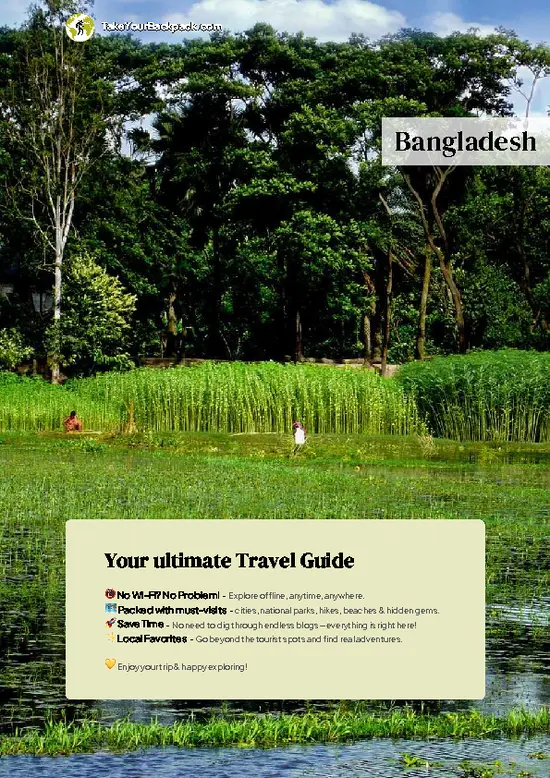
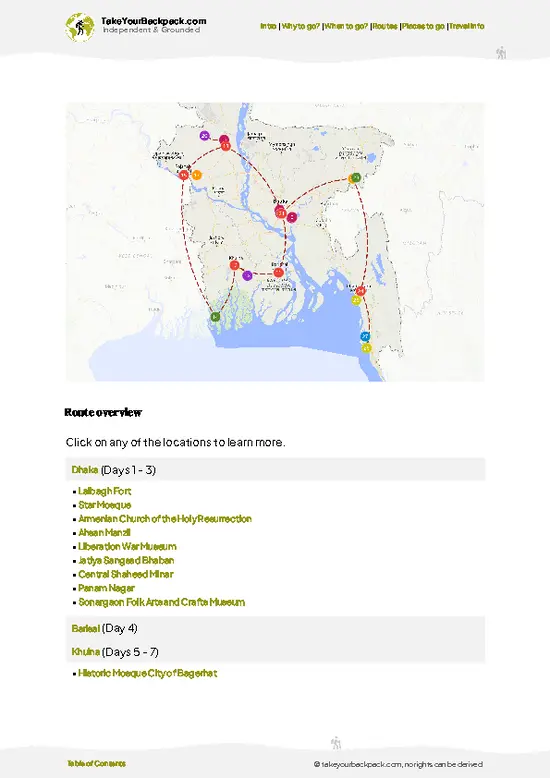
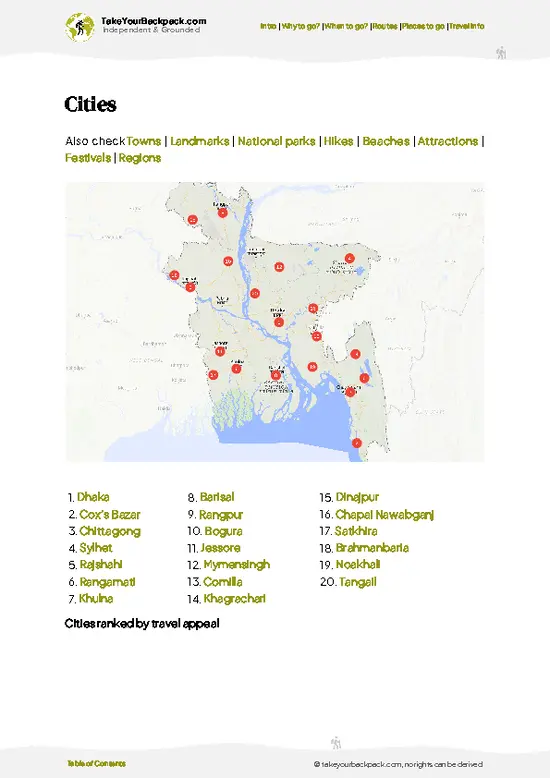
example page 0 from our offline Travel Guide for Bangladeshexample page 1 from our offline Travel Guide for Bangladeshexample page 2 from our offline Travel Guide for Bangladeshexample page 3 from our offline Travel Guide for Bangladeshexample page 4 from our offline Travel Guide for Bangladeshexample page 5 from our offline Travel Guide for Bangladeshexample page 6 from our offline Travel Guide for Bangladeshexample page 7 from our offline Travel Guide for Bangladesh
The digital guide (369 pages) contains:
107 highlights, ranked by travel appeal
Optimized 7, 14 & 21-day travel routes
Cities, national parks, beaches, historical sites, ...
How to get around
Offline-friendly for travel without Wi-Fi
👉 Click to see all 30+ guide features

📅 Plan smarter in minutes, not weeks
Month by month travel advice
Festivals & national holidays
Budget expectations

🗺️ Go to the right places, skip the overrated ones
Honest pros & cons of destinations
Top hikes, parks & viewpoints
Lesser-known places most travelers miss
Clear “worth it vs skip it” guidance

🛏️ Travel smoothly without rookie mistakes
Best areas to stay
Transport systems explained simply
Common scams & safety advice
SIM cards, money & practical tips

🌍 Understand the country, not just visit it
Culture & traditions
52 Essential phrases & customs
Festivals worth planning around
Traveler-friendly historical context
Insights that make places more meaningful

📱 Built for real travel conditions
Fully downloadable PDF
Works completely offline
Optimized for phone use
Useful in remote areas & buses
Everything in one place
Save weeks of stressful planning
Get instant access to the full guide directly. 30-day money-back guarantee.


Sent to your inbox immediately after payment • 100% Secure Checkout
Best Backpacking Travel Advisor 2025 tourism awardBest Backpacking
Travel Advisor
2025
What others say about Take Your Backpack Guides:
⭐⭐⭐⭐⭐
Fantastic, amazing amount of information!
⭐⭐⭐⭐⭐
My goodness this is amazing, it's what I've been looking for hats off too you!
⭐⭐⭐⭐⭐
I think this is absolutely BRILLIANT
⭐⭐⭐⭐
Very complete and informative. It's still missing places, but I gotta to commend you
⭐⭐⭐⭐⭐
This is truly amazing, thank you, can't wait to explore it with my kids!
⭐⭐⭐⭐⭐
Awesome resource, thank you!
⭐⭐⭐⭐⭐
This is amazing! Can't wait to explore the ones I haven't seen
⭐⭐⭐⭐
I love this! Well done, great idea.
⭐⭐⭐⭐⭐
Thanks for taking the time to make this gem!
⭐⭐⭐⭐⭐
This might be the best website I've ever seen.
⭐⭐⭐⭐⭐
Congratulations, and thank you so much for your work; it's incredibly valuable.
⭐⭐⭐⭐
In all seriousness I think you did a great job pointing out the important spots
⭐⭐⭐⭐⭐
10/10 very good
⭐⭐⭐⭐⭐
As someone who's only just starting to visit regularly this is awesome, thank you.
⭐⭐⭐⭐
Thank you very much! I'm going to visit my dad, it's going to be very useful!
⭐⭐⭐⭐⭐
This is really cool! We'll be travelling for the first time and this definitely come in handy.
⭐⭐⭐⭐⭐
You are now our minister of culture, congratulations 👨‍💼
⭐⭐⭐⭐⭐
Just wanted to tell you that this is a pearl! Going to follow your recommendations.
⭐⭐⭐⭐⭐
This is so cool. I'll definitely be using the resource for my travels soon.
⭐⭐⭐⭐⭐
This is very impressive! Good work.
⭐⭐⭐⭐⭐
This is an amazing and informative site. Very well done!

🛏️ Where to stay?Where staying makes the most sense

Nijhum Dwip National Park is a unique spot, but accommodation options are limited. Inside the park, there are no established hotels or lodges. Instead, you’ll find basic guesthouses and homestays in nearby areas, which can provide a more authentic experience.

The closest town is Hatiya, about a 30-minute boat ride from the park. Here, you can find a few budget-friendly guesthouses. They offer simple amenities, but the charm lies in the local hospitality. Expect to pay around 500-1,500 BDT per night.

Another option is to stay in Noakhali, a larger city about an hour away by boat. It has more … read more 👉
Nijhum Dwip National Park is a unique spot, but accommodation options are limited. Inside the park, there are no established hotels or lodges. Instead, you’ll find basic guesthouses and homestays in nearby areas, which can provide a more authentic experience.

The closest town is Hatiya, about a 30-minute boat ride from the park. Here, you can find a few budget-friendly guesthouses. They offer simple amenities, but the charm lies in the local hospitality. Expect to pay around 500-1,500 BDT per night.

Another option is to stay in Noakhali, a larger city about an hour away by boat. It has more facilities, including hotels and restaurants, but it’s a bit farther from the park.

Be prepared for limited electricity and internet access in these areas. Bring cash, as ATMs are scarce.

Plan your transportation carefully; boats can be unpredictable. Arrive early to avoid delays. This way, you’ll preserve your energy and budget for exploring the park’s stunning mangroves and wildlife.

👛 Costs (as of 9 March 2026)How expensive it really is

Nijhum Dwip National Park in Bangladesh is a unique destination, but it comes with its own set of costs that can catch you off guard if you’re not prepared.

Entry fees for the park are typically around 200 BDT (approximately $2 USD) for locals and about 500 BDT (around $5 USD) for foreign visitors. This fee grants you access to the park’s stunning landscapes and wildlife, but keep in mind that it’s just the beginning.

Transportation can be a significant expense. If you’re coming from Dhaka, expect to pay around 1,000 to 2,000 BDT (about $10 to $20 USD) for a bus ticket. Once you reach Hatiya, you’ll need to take a boat to Nijhum Dwip, which can cost an additional 200 to 500 BDT ($2 to $5 USD) depending on the type of boat and the season.

Accommodation options vary widely. Basic guesthouses … read more 👉
Nijhum Dwip National Park in Bangladesh is a unique destination, but it comes with its own set of costs that can catch you off guard if you’re not prepared.

Entry fees for the park are typically around 200 BDT (approximately $2 USD) for locals and about 500 BDT (around $5 USD) for foreign visitors. This fee grants you access to the park’s stunning landscapes and wildlife, but keep in mind that it’s just the beginning.

Transportation can be a significant expense. If you’re coming from Dhaka, expect to pay around 1,000 to 2,000 BDT (about $10 to $20 USD) for a bus ticket. Once you reach Hatiya, you’ll need to take a boat to Nijhum Dwip, which can cost an additional 200 to 500 BDT ($2 to $5 USD) depending on the type of boat and the season.

Accommodation options vary widely. Basic guesthouses start at around 1,000 BDT ($10 USD) per night, while more comfortable lodges can go up to 3,000 BDT ($30 USD) or more. It’s wise to book in advance, especially during peak seasons, to avoid inflated last-minute prices.

Food is generally affordable. Street food and local eateries offer meals for about 100 to 300 BDT ($1 to $3 USD). If you prefer dining in a more formal setting, expect to pay around 500 BDT ($5 USD) for a decent meal.

Lastly, consider the costs of guided tours if you want to explore the park more thoroughly. These can range from 1,500 to 3,000 BDT ($15 to $30 USD) depending on the length and inclusions.

Plan your budget carefully. Hidden costs can add up quickly, but with a little foresight, you can focus your resources on the experiences that truly matter.
⚠️ Prices can change and everyone travels differently, so take this as a rough guide. Hope it helps you plan your adventure!

🥾 TrailsPlan your hike in Nijhum Dwip: routes, terrain, and sights

Nijhum Dwip National Park is a hidden gem for those seeking a unique hiking experience in Bangladesh. The park is a mix of mangrove forests, sandy beaches, and wetlands, offering stunning views that change with the tides. You might find yourself wandering through serene paths surrounded by lush greenery and the occasional glimpse of wildlife. Expect to see spotted deer, various bird species, and maybe even a shy otter or two if you’re lucky.

While the park isn’t known for extensive hiking trails like some other national parks, there are a few routes worth exploring. One notable option is the … read more 👉
Nijhum Dwip National Park is a hidden gem for those seeking a unique hiking experience in Bangladesh. The park is a mix of mangrove forests, sandy beaches, and wetlands, offering stunning views that change with the tides. You might find yourself wandering through serene paths surrounded by lush greenery and the occasional glimpse of wildlife. Expect to see spotted deer, various bird species, and maybe even a shy otter or two if you’re lucky.

While the park isn’t known for extensive hiking trails like some other national parks, there are a few routes worth exploring. One notable option is the Sundarbans Trail. Here are the details:
  • Length: 5 km
  • Estimated Duration: 2-3 hours
  • Difficulty Level: Moderate
  • Key Features: Scenic views of mangroves, birdwatching opportunities, and a chance to spot local wildlife
  • Terrain: Mostly flat with some sandy stretches

Getting to Nijhum Dwip isn’t too tricky. You can take a bus or a train to Hatiya, followed by a short boat ride to the island. Just keep in mind that the park can get a bit crowded, especially during weekends and holidays, so try to plan your visit on a weekday if you can. As for the entrance fee, it’s quite budget-friendly, making it a great spot for those traveling on a shoestring. Just pack some snacks, stay hydrated, and enjoy the tranquility!
⚠️ Hiking info can sometimes be outdated or inaccurate. Before you hit the trail, check the latest conditions with locals. If you do spot anything that's off, I'd love to hear from you, so I can update it for fellow travelers.

🛡️ SafetyTraveler Safety Guide

Nijhum Dwip National Park is generally safe and well-managed, but a few practical considerations can enhance your experience. The weather can shift quickly, especially during the monsoon season, so pack a reliable rain jacket and check forecasts before heading out.

The terrain is mostly flat, making navigation straightforward, but be cautious near waterlogged areas and during high tides. Footing can be tricky in muddy patches, so sturdy, waterproof footwear is essential.

Wildlife encounters are rare but possible. If you spot a deer or monitor lizard, keep your distance and avoid feeding them. Respect their space to ensure both your safety and theirs.

Timing is key; early mornings or late afternoons are ideal for wildlife sightings and cooler temperatures. Stay hydrated and pace yourself, … read more 👉
Nijhum Dwip National Park is generally safe and well-managed, but a few practical considerations can enhance your experience. The weather can shift quickly, especially during the monsoon season, so pack a reliable rain jacket and check forecasts before heading out.

The terrain is mostly flat, making navigation straightforward, but be cautious near waterlogged areas and during high tides. Footing can be tricky in muddy patches, so sturdy, waterproof footwear is essential.

Wildlife encounters are rare but possible. If you spot a deer or monitor lizard, keep your distance and avoid feeding them. Respect their space to ensure both your safety and theirs.

Timing is key; early mornings or late afternoons are ideal for wildlife sightings and cooler temperatures. Stay hydrated and pace yourself, especially if you’re not used to the humidity. With these tips, you’ll be set to enjoy the park’s unique beauty without unnecessary stress.

Other Bangladeshi national parks near Nijhum Dwip

Explore more nearby:


👉 Discover all national parks

Or checkout all Bangladesh has to offer (think cities, towns, villages, national parks, hikes, beaches, festivals)
Country photo of Bangladesh

We 💚 feedbackSumming up the experience

Nijhum Dwip National Park is a breath of fresh air, but don’t let the serene vibe fool you. The best surprise? The sunsets that paint the sky like a masterpiece. Just be aware of the tides; they can sneak up on you, especially if you wander too close to the water. Bring cash for local guides—they’re worth every taka. This place is about connection, so take your time and soak it all in.

✍️ Help improve this page!
The information on this page is based on in-depth research, insights shared by experienced travelers, and feedback from the local travel community in Bangladesh. While every effort is made to keep the information accurate and current, conditions can change — so if you spot anything incorrect or outdated, please get in touch.


🙋‍♂️ Give feedback

👋 Meet the founderWho’s Behind Take Your Backpack?

Johan, backpacker and founder of TakeYourBackpackHi, I’m Johan (Netherlands 🇳🇱), the creator of TakeYourBackpack. Over the past decade, I’ve backpacked through 80+ countries across six continents, gaining extensive experience with independent travel, long-term trips, and overland routes.

This site is built on a combination of firsthand travel experience and carefully curated insights from other backpackers. Many guides are based on places I’ve personally visited, while others bring together tips, observations, and practical advice shared by trusted travelers I’ve met along the way.

The goal is to provide realistic, experience-driven guidance — not generic itineraries — so you can explore destinations with better context, clearer expectations, and more confidence.

Get full Bangladesh guide •
Instant download • 107 highlights • Full Offline guide