Bangladesh is a poor fit for the classic idea of wilderness, and that is the first thing to know. The country packs more than 170 million people into an area roughly the size of Iowa, built on the
Ganges-Brahmaputra delta. Almost every acre is farmed, settled or flooded, so protected forest survives in patches, often beside paddies, tea estates and villages. Parks are small and edges are porous, and you will smell woodsmoke and hear voices where you might expect silence.
What the country does offer is a rare range of habitats in a compact space: tidal
mangrove forest, semi-evergreen hill forest, and dry deciduous sal woodland. The Sundarbans, shared with India, is the largest mangrove forest on earth. Monsoon rain and river silt shape everything, from stilted roots poking out of grey mud …
read more 👉Bangladesh is a poor fit for the classic idea of wilderness, and that is the first thing to know. The country packs more than 170 million people into an area roughly the size of Iowa, built on the Ganges-Brahmaputra delta. Almost every acre is farmed, settled or flooded, so protected forest survives in patches, often beside paddies, tea estates and villages. Parks are small and edges are porous, and you will smell woodsmoke and hear voices where you might expect silence.
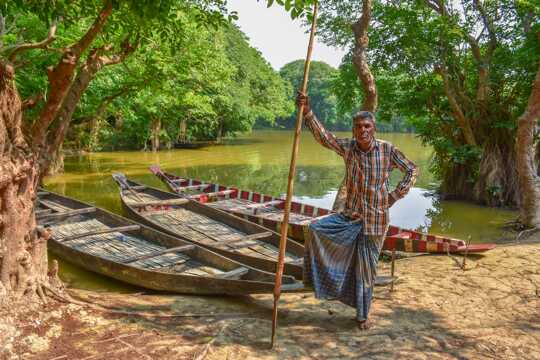
What the country does offer is a rare range of habitats in a compact space: tidal mangrove forest, semi-evergreen hill forest, and dry deciduous sal woodland. The Sundarbans, shared with India, is the largest mangrove forest on earth. Monsoon rain and river silt shape everything, from stilted roots poking out of grey mud to leaf litter that stays damp for months. Wildlife is shy and hard to spot. Tigers, for instance, are present in the mangroves but you will almost never see one, so judge a trip by birds, monkeys, deer, crocodile tracks and the atmosphere instead.
Infrastructure is basic. Facilities are limited, signage is patchy, and roads can be slow, with long waits at ferry ghats. English is spoken by few forest staff, so a local guide matters. Entry fees are low for locals and higher for foreigners, and permits and forest department paperwork may be required for some areas. Some boat trips are organized only through tour operators. Travel is cheap, people are warm and hospitality is real, but plan for heat, humidity, mosquitoes and slow logistics, and bring patience along with your rain jacket.
Evaluating the Top Choices
The list of best national parks in Bangladesh is created based on landscapes, wildlife, adventure opportunities, facilities, and overall experience. If you feel a national park is missing in this list, please let us know.
v2.webp)


 Best Backpacking
.jpg) Hi, I’m Johan (Netherlands 🇳🇱), the creator of TakeYourBackpack. Over the past 3 decades, I’ve backpacked through 90+ countries across six continents, gaining extensive experience with independent travel, long-term trips, and overland routes.
Hi, I’m Johan (Netherlands 🇳🇱), the creator of TakeYourBackpack. Over the past 3 decades, I’ve backpacked through 90+ countries across six continents, gaining extensive experience with independent travel, long-term trips, and overland routes.