




×

Bangladesh🇧🇩 | citiesPuthiatemple cluster, palace grounds, ornamental ponds | things to do and best time to go

Explore BarisalExplore Jessore

Backpacking in Puthia
🏆 Top pickcity ranked #2
By Johan Kruseman 🇳🇱 | Updated June 8, 2026

Forget the idea that Puthia is just another sleepy village with a couple of old temples—this place is a living, breathing slice of rural Bengal, and it’s far more layered than the guidebooks let on. Tucked about 30 kilometers northeast of Rajshahi in western Bangladesh, Puthia sits quietly among rice paddies and ponds, its red-brick temples rising out of the green like something out of a fever dream. For backpackers, Puthia isn’t a nightlife hub or a base for wild treks; it’s a slow-burn stop, best as a half-day detour or a gentle overnight on your way between Rajshahi and Natore. The temples—especially the Shiva Temple and Govinda Temple—are genuinely walkable, and you’ll likely have them to yourself, save for a few curious locals and the scent of incense drifting on the breeze. There’s no hostel scene, and evenings are slow, but that’s the charm: you trade crowds for quiet, and tourist menus for roadside tea stalls. Transport is basic—rickety buses or a CNG from Rajshahi—but the town is compact enough to wander on foot. Compared to Rajshahi’s bustle or Natore’s markets, Puthia feels like a deep exhale: more relaxed, less practical, but richer in atmosphere if you’re chasing the soul of rural Bangladesh. Costs are low, safety is rarely an issue, and while you won’t meet many fellow backpackers, you’ll get a rare window into everyday life—if you’re willing to slow down and let the place reveal itself.

Discover everything you want to know in the 📖 Bangladesh Travel Guide.
Loading the map 🌍
CLICK TO FILTER
cities
towns
landmarks
national parks
hikes
beaches
attractions
festivals
regions
SHOW COUNTRY’S BESTSHOW ALL

✨ Why go?
Ranked #2 city in Bangladesh
Reasons people choose to visit here

Puthia is a strategic pit stop for backpackers weaving through Bangladesh. Nestled between hiking trails and cultural sites, it’s a place where you can recharge before diving into the next adventure. The walkable streets invite you to explore, with small-scale hostels and guesthouses that feel like home. You’ll find local food stalls serving up spicy curries and fresh fish, filling the air with mouthwatering aromas.

Backpackers often stay for a couple of days, soaking in the friendly social atmosphere. It’s not a party town, but you’ll meet fellow travelers over a shared meal or while swapping stories at a café. This makes it ideal for solo travelers and small groups looking for connection without the chaos.

The nearby hikes offer a chance to stretch your legs and breathe in the lush surroundings, … read more 👉
Puthia is a strategic pit stop for backpackers weaving through Bangladesh. Nestled between hiking trails and cultural sites, it’s a place where you can recharge before diving into the next adventure. The walkable streets invite you to explore, with small-scale hostels and guesthouses that feel like home. You’ll find local food stalls serving up spicy curries and fresh fish, filling the air with mouthwatering aromas.

Backpackers often stay for a couple of days, soaking in the friendly social atmosphere. It’s not a party town, but you’ll meet fellow travelers over a shared meal or while swapping stories at a café. This makes it ideal for solo travelers and small groups looking for connection without the chaos.

The nearby hikes offer a chance to stretch your legs and breathe in the lush surroundings, while the proximity to cultural landmarks adds depth to your experience. Puthia is perfect for those who appreciate a slower pace, allowing you to savor the journey rather than just ticking off boxes. If you’re seeking a blend of adventure and authenticity, this town is well worth your time.
Want to include Puthia in your Bangladesh route?
Create a personalized Bangladesh itinerary that includes Puthia and the places that fit your trip — based on your travel style, budget, and available time. Get your route in seconds.

Generate my trip

💡 HighlightsMust-see experiences and standout moments

  1. Puthia Rajbari (Puthia Palace) — the town’s landmark zamindar palace complex: massive courtyards, faded frescoes and a small museum feel; great for wandering and imagining old Bengal aristocratic life.
  2. Govinda Temple — the showpiece temple in the Puthia complex, famous for ornate terracotta panels and carved brickwork; it’s the place to study iconography up close and take photos of classic Bengali temple architecture.
  3. Jagannath Temple — a large temple in the same compound, important for local festivals and processions; visit to see different roof styles and richly detailed facade work that tells local myths.
  4. Char Bangla Temple — a distinctive four-domed temple with excellent terracotta reliefs; smaller than the Rajbari sites but one of the more photogenic, intimate temple experiences
read more 👉
  1. Puthia Rajbari (Puthia Palace) — the town’s landmark zamindar palace complex: massive courtyards, faded frescoes and a small museum feel; great for wandering and imagining old Bengal aristocratic life.
  2. Govinda Temple — the showpiece temple in the Puthia complex, famous for ornate terracotta panels and carved brickwork; it’s the place to study iconography up close and take photos of classic Bengali temple architecture.
  3. Jagannath Temple — a large temple in the same compound, important for local festivals and processions; visit to see different roof styles and richly detailed facade work that tells local myths.
  4. Char Bangla Temple — a distinctive four-domed temple with excellent terracotta reliefs; smaller than the Rajbari sites but one of the more photogenic, intimate temple experiences in Puthia.
  5. Bara Shiva Temple (the Big Shiva Mandir) — an imposing Shiva shrine with strong sculptural details and a commanding presence in the temple cluster; good for quiet, reflective visits away from crowds.
  6. Chauchala/Chhota Govinda Temple — a smaller, chauchala-roofed temple near the main group; its scale makes the terracotta panels easier to inspect closely and you’ll catch local worship rhythms here.
  7. Rashmancha / Nat Mandir area — the open platform and adjoining structures used for rituals and performances during festivals; visiting off-season still gives a sense of how community life centers on these spaces.
  8. Puthia Dighi (the Rajbari Pond) — the large tank beside the palace complex: pleasant for sunset, watching birds, and seeing temple and palace reflections; a simple, atmospheric spot locals use daily.
  9. Puthia Bazaar (town market) — noisy, useful and honest: a short walk from the temple area where you can eat cheap local food, buy snacks and chat with vendors to get stories and directions.
  10. Terracotta details trail / artisan corners — not a single marquee building but a walkable cluster of small temples, walls and workshops where you can study terracotta panels, brickwork techniques and sometimes meet local craftsmen repairing or preserving pieces.
A few nearby day-trip highlights outside Puthia: the Varendra Research Museum and colonial streets of Rajshahi city, the historic Bagha Mosque (Bagha), and the Padma riverfront towns — all short, doable trips from Puthia.
Spotted a mistake or missing something? Contact us.

Things to do near Puthia

Ratings based on Tripadvisor reviews. When you book through this link, you support our work at no extra cost to you.

🏘️ NeighborhoodsKey areas and districts to know

Puthia, a small town in Bangladesh, offers a unique blend of history and local culture, making it a rewarding stop for backpackers. Here’s how to navigate its neighborhoods for the best experience.

Old Puthia: This area is steeped in history, home to ancient temples and stunning architecture. The vibe is tranquil, perfect for those who appreciate quiet exploration. Walkability is excellent; you can easily stroll between sites. Costs here are low, with budget-friendly guesthouses. Ideal for short stays, as you can soak in the sights without feeling rushed.

New Puthia: A contrast to Old Puthia, this neighborhood buzzes with local life. Street vendors fill the air with the scent of spices and fried snacks. It’s more lively, with a few cafes and shops, making it suitable for longer stays if … read more 👉
Puthia, a small town in Bangladesh, offers a unique blend of history and local culture, making it a rewarding stop for backpackers. Here’s how to navigate its neighborhoods for the best experience.

Old Puthia: This area is steeped in history, home to ancient temples and stunning architecture. The vibe is tranquil, perfect for those who appreciate quiet exploration. Walkability is excellent; you can easily stroll between sites. Costs here are low, with budget-friendly guesthouses. Ideal for short stays, as you can soak in the sights without feeling rushed.

New Puthia: A contrast to Old Puthia, this neighborhood buzzes with local life. Street vendors fill the air with the scent of spices and fried snacks. It’s more lively, with a few cafes and shops, making it suitable for longer stays if you want to immerse yourself in daily life. Transport access is decent, but walking is the best way to experience the atmosphere.

Market Area: This is the heart of local commerce, where you can find everything from fresh produce to handmade crafts. The energy here is palpable, especially in the mornings. While it’s not the quietest spot, it’s a great place to mingle with locals. Costs are very low, and it’s perfect for short visits to grab a bite or shop for souvenirs.

Residential Zone: A bit off the tourist path, this area offers a glimpse into everyday life in Puthia. It’s quieter, with friendly locals who are often curious about travelers. Walkability is moderate; you’ll need to navigate some side streets. This area is best for longer stays if you want to feel like a part of the community.

⌛️ 1 daySeeing the highlights in 24 hours

Puthia, a small town in Bangladesh, is a treasure trove of history and culture, often overlooked by travelers. Its rich tapestry of ancient temples, vibrant local life, and the gentle flow of the Puthia River create a unique atmosphere that feels both serene and alive.

Start your day early, as the sun rises over the lush green fields, casting a warm glow on the intricate terracotta temples. Head straight to the Puthia Temple Complex, where the air is thick with the scent of incense and the sound of morning prayers. The 18th-century architecture, adorned with intricate carvings, invites you to wander and explore. Take your time here; the details are mesmerizing, and the quiet moments can be meditative.

After soaking in the spiritual energy, stroll through the nearby neighborhoods. The locals … read more 👉
Puthia, a small town in Bangladesh, is a treasure trove of history and culture, often overlooked by travelers. Its rich tapestry of ancient temples, vibrant local life, and the gentle flow of the Puthia River create a unique atmosphere that feels both serene and alive.

Start your day early, as the sun rises over the lush green fields, casting a warm glow on the intricate terracotta temples. Head straight to the Puthia Temple Complex, where the air is thick with the scent of incense and the sound of morning prayers. The 18th-century architecture, adorned with intricate carvings, invites you to wander and explore. Take your time here; the details are mesmerizing, and the quiet moments can be meditative.

After soaking in the spiritual energy, stroll through the nearby neighborhoods. The locals are friendly, often curious about visitors. Stop by a small tea stall for a cup of cha and a few biscuits. This is where you’ll get a taste of daily life, surrounded by the chatter of locals and the aroma of freshly brewed tea.

As the afternoon sun climbs higher, make your way to the less-visited Bhubaneshwari Temple. Tucked away from the main tourist path, this gem offers a more intimate experience. The temple’s serene surroundings and the gentle rustle of leaves create a peaceful backdrop for reflection.

When hunger strikes, find a local eatery serving traditional Bangladeshi cuisine. Try the bhuna khichuri, a comforting rice and lentil dish, paired with fried eggplant. The flavors are rich and satisfying, a true taste of the region.

As evening approaches, head to the banks of the Puthia River. The golden hour casts a magical light, perfect for capturing the moment. Sit back, breathe in the fresh air, and watch as the day fades into a tapestry of colors. This is the heart of Puthia—where history, culture, and nature converge, leaving you with a sense of fulfillment that lingers long after you leave.
Turn your Puthia visit into an Bangladesh adventure
Build a complete Bangladesh route with Puthia, hidden gems, must-see destinations, and realistic travel times included.

Generate my trip

🌤️ When to go?When to go for the best experience


  • Topic: Weather – The dry season from November to February is your best bet. Expect clear skies and minimal rain, which means dusty paths won’t turn into slippery mud. The air feels crisp, not sticky, making temple explorations more pleasant.

  • Topic: Temperature – During the dry months, daytime highs hover around 25-30°C (77-86°F), perfect for walking without overheating. Nights dip to a comfortable 15-20°C (59-68°F), so you won’t need heavy gear but a light jacket helps.

  • Topic: Daylight Hours – Around this time, you get roughly 11 to 12 hours of daylight. That means early mornings and late afternoons are bathed in soft, golden light—ideal for photography and soaking in the intricate terracotta details.

  • Topic: Crowds – Puthia is off the beaten path, so crowds are never overwhelming.
read more 👉

  • Topic: Weather – The dry season from November to February is your best bet. Expect clear skies and minimal rain, which means dusty paths won’t turn into slippery mud. The air feels crisp, not sticky, making temple explorations more pleasant.

  • Topic: Temperature – During the dry months, daytime highs hover around 25-30°C (77-86°F), perfect for walking without overheating. Nights dip to a comfortable 15-20°C (59-68°F), so you won’t need heavy gear but a light jacket helps.

  • Topic: Daylight Hours – Around this time, you get roughly 11 to 12 hours of daylight. That means early mornings and late afternoons are bathed in soft, golden light—ideal for photography and soaking in the intricate terracotta details.

  • Topic: Crowds – Puthia is off the beaten path, so crowds are never overwhelming. However, visiting during local festivals in winter can add a lively buzz without the tourist crush, giving you a genuine cultural pulse.

  • Topic: Seasonal Activities – Winter aligns with harvest time, so the surrounding fields are lush and vibrant. It’s also when local artisans are most active, offering a chance to see traditional crafts in action.

  • Topic: Price Fluctuations – Off-peak months (summer monsoon) see lower prices but come with heavy rains and humidity. The dry season commands slightly higher rates but rewards you with comfort and ease, making the splurge worthwhile.


Pro-tip: Aim for late November to early February to catch Puthia at its most walkable, visually rich, and culturally alive—where every step feels earned and every moment counts.


source: climatestotravel.comJANJanuary: excellent for travelingFEBFebruary: excellent for travelingMARMarch: good for travelingAPRApril: fair for travelingMAYMay: below average for travelingJUNJune: below average for travelingJULJuly: below average for travelingAUGAugust: below average for travelingSEPSeptember: fair for travelingOCTOctober: good for travelingNOVNovember: highly recommended for travelingDECDecember: excellent for traveling
bangladesh-city-puthia
© Google |

✈️ The backpacker research shortcutBangladesh Travel Guide

An offline-friendly backpacking guide with optimized travel routes, ranked highlights, transport advice, and the best areas to stay.
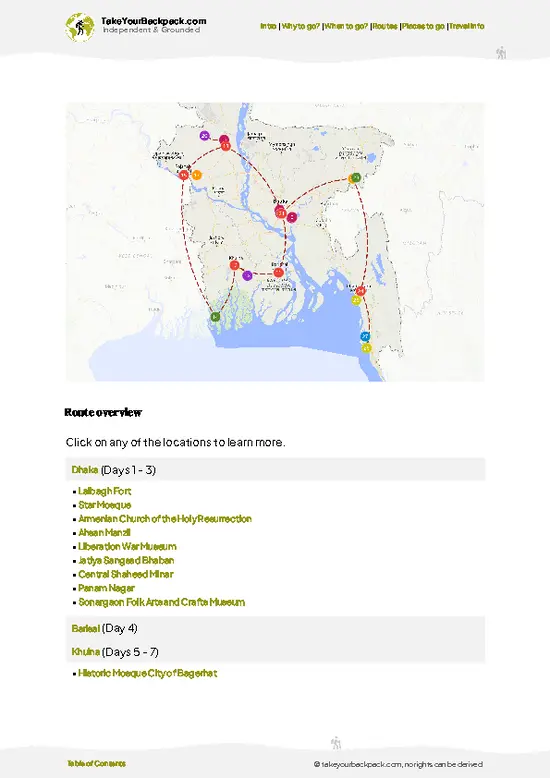
example page 0 from our offline Travel Guide for Bangladesh
example page 1 from our offline Travel Guide for Bangladesh
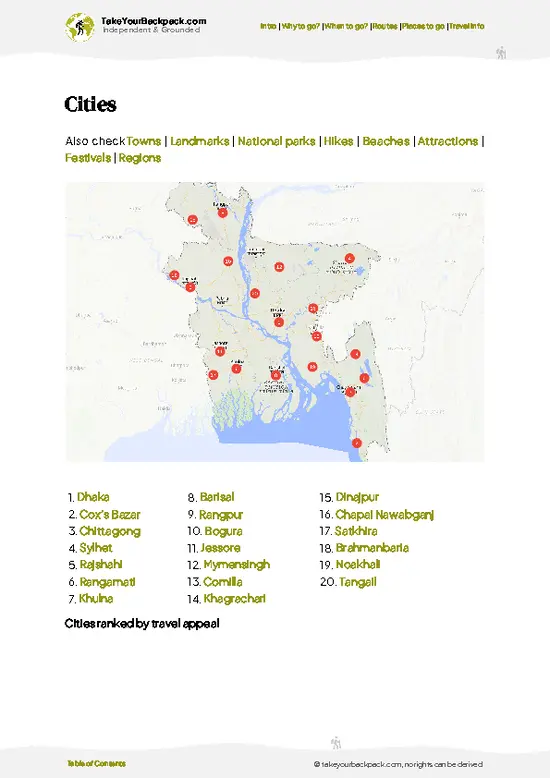
example page 2 from our offline Travel Guide for Bangladesh
example page 3 from our offline Travel Guide for Bangladesh
example page 4 from our offline Travel Guide for Bangladesh
example page 5 from our offline Travel Guide for Bangladesh
example page 6 from our offline Travel Guide for Bangladesh
example page 7 from our offline Travel Guide for Bangladesh
The digital guide (369 pages) contains:
107 highlights, ranked by travel appeal
Optimized 7, 14 & 21-day travel routes
Cities, national parks, landmarks, beaches
How to get around
Offline-friendly for travel without Wi-Fi
👉 Click to see all 30+ guide features

📅 Plan smarter in minutes, not weeks
Month by month travel advice
Festivals & national holidays
Budget expectations

🗺️ Go to the right places, skip the overrated ones
Honest pros & cons of destinations
Top hikes, parks & viewpoints
Lesser-known places most travelers miss
Clear “worth it vs skip it” guidance

🛏️ Travel smoothly without rookie mistakes
Best areas to stay
Transport systems explained simply
Common scams & safety advice
SIM cards, money & practical tips

🌍 Understand the country, not just visit it
Culture & traditions
52 Essential phrases & customs
Festivals worth planning around
Traveler-friendly historical context
Insights that make places more meaningful

📱 Built for real travel conditions
Fully downloadable PDF
Works completely offline
Optimized for phone use
Useful in remote areas & buses
Everything in one place
Save weeks of stressful planning
Get instant access to your full guide. 30‑day money-back guarantee.


By proceeding you agree to our terms.
Sent to your inbox immediately after payment • 100% Secure Checkout
Best Backpacking Travel Advisor 2025 tourism awardBest Backpacking
Travel Advisor
2025
What others say about Take Your Backpack Guides:
⭐⭐⭐⭐⭐
Fantastic, amazing amount of information!
⭐⭐⭐⭐⭐
My goodness this is amazing, it's what I've been looking for hats off too you!
⭐⭐⭐⭐⭐
I think this is absolutely BRILLIANT
⭐⭐⭐⭐
Very complete and informative. It's still missing places, but I gotta to commend you
⭐⭐⭐⭐⭐
This is truly amazing, thank you, can't wait to explore it with my kids!
⭐⭐⭐⭐⭐
Awesome resource, thank you!
⭐⭐⭐⭐⭐
This is amazing! Can't wait to explore the ones I haven't seen
⭐⭐⭐⭐
I love this! Well done, great idea.
⭐⭐⭐⭐⭐
Thanks for taking the time to make this gem!
⭐⭐⭐⭐⭐
This might be the best website I've ever seen.
⭐⭐⭐⭐⭐
Congratulations, and thank you so much for your work; it's incredibly valuable.
⭐⭐⭐⭐
In all seriousness I think you did a great job pointing out the important spots
⭐⭐⭐⭐⭐
10/10 very good
⭐⭐⭐⭐⭐
As someone who's only just starting to visit regularly this is awesome, thank you.
⭐⭐⭐⭐
Thank you very much! I'm going to visit my dad, it's going to be very useful!
⭐⭐⭐⭐⭐
This is really cool! We'll be travelling for the first time and this definitely come in handy.
⭐⭐⭐⭐⭐
You are now our minister of culture, congratulations 👨‍💼
⭐⭐⭐⭐⭐
Just wanted to tell you that this is a pearl! Going to follow your recommendations.
⭐⭐⭐⭐⭐
This is so cool. I'll definitely be using the resource for my travels soon.
⭐⭐⭐⭐⭐
This is very impressive! Good work.
⭐⭐⭐⭐⭐
This is an amazing and informative site. Very well done!

🛏️ Where to stay?Best areas and accommodation options

In Puthia, the best spot for backpackers is the cluster of neighborhoods around the town center, near the main bazaar and the historic Puthia Temple Complex. This area pulses with life during the day—the scent of spices and fresh mangoes drifts through the air, and the chatter of locals bargaining at stalls creates a lively soundtrack. Staying here means you’re steps away from the town’s cultural heart, where you can soak in the intricate terracotta temples without the hassle of long commutes.

Safety here is solid, thanks to the steady flow of locals and visitors alike, which naturally keeps … read more 👉
In Puthia, the best spot for backpackers is the cluster of neighborhoods around the town center, near the main bazaar and the historic Puthia Temple Complex. This area pulses with life during the day—the scent of spices and fresh mangoes drifts through the air, and the chatter of locals bargaining at stalls creates a lively soundtrack. Staying here means you’re steps away from the town’s cultural heart, where you can soak in the intricate terracotta temples without the hassle of long commutes.

Safety here is solid, thanks to the steady flow of locals and visitors alike, which naturally keeps the streets active and watchful well into the evening. For solo travelers, this means you can wander without the usual city-edge tension. The social vibe is low-key but genuine; you’ll find other budget travelers and backpackers in small guesthouses and hostels that cater to those who want simple, clean accommodations without the tourist gloss. These spots often become informal hubs for swapping stories and planning day trips.

Compared to the quieter outskirts or residential zones, which can feel isolated and lack basic amenities, the town center offers a smoother rhythm. You’re close to food stalls, transport links, and the pulse of daily life—making your stay not just about seeing Puthia, but living it.

🚌 Getting aroundGetting around like a local

Puthia moves at a pace that feels like a slow, deliberate breath rather than a frantic rush. The town’s rhythm is set by the sun climbing over ancient temples and the faint scent of incense mingling with earth and mango trees. It’s not a place where you’ll find strict timetables or polished transit hubs. Instead, travel here is a dance of intuition and local cues—vehicles appear when they’re ready, and the flow is dictated by the day’s heat and the chatter of vendors. This relaxed, almost improvisational vibe means you can’t just show up and expect a bus to leave on the dot, but it also invites you to lean into the experience, savoring the moments between destinations.


  • Walking: The heart of Puthia is compact enough to explore on foot. Strolling between the terracotta temples and local
read more 👉
Puthia moves at a pace that feels like a slow, deliberate breath rather than a frantic rush. The town’s rhythm is set by the sun climbing over ancient temples and the faint scent of incense mingling with earth and mango trees. It’s not a place where you’ll find strict timetables or polished transit hubs. Instead, travel here is a dance of intuition and local cues—vehicles appear when they’re ready, and the flow is dictated by the day’s heat and the chatter of vendors. This relaxed, almost improvisational vibe means you can’t just show up and expect a bus to leave on the dot, but it also invites you to lean into the experience, savoring the moments between destinations.


  • Walking: The heart of Puthia is compact enough to explore on foot. Strolling between the terracotta temples and local markets lets you soak in the tactile details—the cracked stone carvings, the warm dust underfoot, the occasional stray dog weaving through narrow lanes. Walking is free, flexible, and the best way to catch the town’s subtle shifts in light and sound from dawn to dusk.


  • Rickshaws (Cycle Rickshaws): These pedal-powered rides are the quintessential local transport. They’re cheap—usually under 50 taka for short trips—and perfect for navigating narrow streets where motor vehicles can’t go. Rickshaw drivers often wait near the main market or temple clusters, and while there’s no fixed schedule, they’re plentiful during daylight hours. The ride is slow but breezy, giving you a chance to chat with drivers or watch daily life unfold.


  • Auto Rickshaws (CNGs): For slightly longer distances or when the sun is high and walking feels like a chore, CNGs offer a faster, affordable option. Expect fares around 100-150 taka depending on distance. They don’t run on a strict timetable but tend to cluster near the busier intersections or the main road connecting Puthia to Rajshahi. These three-wheeled machines hum with a distinctive buzz, and the open sides let in the smell of roadside spices and dust.


  • Local Buses: If you’re heading to or from Rajshahi, local buses are your budget lifeline. They start early, around 6 AM, and run until late afternoon, roughly 5 PM. The fare is low, often under 50 taka, but buses can be crowded and hot, especially midday. They follow a loose schedule, so arriving early is smart. The ride is bumpy, windows open to the countryside’s dry heat and occasional bursts of roadside chatter.


  • Shared Vans: These are a step up from buses in speed and comfort, though still very much a local experience. Shared vans run between Puthia and Rajshahi, leaving when full rather than on a fixed timetable. Tickets cost around 150-200 taka. Vans are faster and airier than buses but expect tight seating and a lively atmosphere as locals squeeze in and out.

👛 Costs (as of 28 March 2026)What things cost and how to budget

Backpacking in Puthia, Bangladesh, offers a raw, authentic experience where every dollar stretches further than you might expect, but knowing the local rhythm helps you avoid surprises and savor the moment.
  • Dorm Accommodation: Options here are limited and basic, mostly small guesthouses rather than formal hostels. Expect to pay around $5 to $10 per night for a simple dorm or shared room. The rooms are modest, often with a fan rather than air conditioning, but clean enough to rest after a day exploring ancient temples.
  • Meals: Street food and small local eateries dominate. A filling meal of rice, lentils, and vegetables or fish will cost between $1.50 and $3.50. Fresh fruit and chai are even cheaper, often under $1. The flavors are earthy and straightforward, with spices that wake up your
read more 👉
Backpacking in Puthia, Bangladesh, offers a raw, authentic experience where every dollar stretches further than you might expect, but knowing the local rhythm helps you avoid surprises and savor the moment.
  • Dorm Accommodation: Options here are limited and basic, mostly small guesthouses rather than formal hostels. Expect to pay around $5 to $10 per night for a simple dorm or shared room. The rooms are modest, often with a fan rather than air conditioning, but clean enough to rest after a day exploring ancient temples.
  • Meals: Street food and small local eateries dominate. A filling meal of rice, lentils, and vegetables or fish will cost between $1.50 and $3.50. Fresh fruit and chai are even cheaper, often under $1. The flavors are earthy and straightforward, with spices that wake up your senses without overwhelming.
  • Local Transport: Puthia is small, so most walking is free and practical. For longer hops, rickshaws are the go-to, costing about $0.50 to $1 per short ride. If you want to venture further, shared auto-rickshaws or local buses might run you $1 to $2. The pace is slow, the air carries the scent of dust and greenery, and the soundscape is a mix of chatter and distant temple bells.
  • Basic Activities/Entry Fees: The main draw is the Puthia Temple Complex. Entry fees are minimal, around $1 to $2, making it easy to explore without breaking the bank. The temples’ weathered stone and intricate carvings reward the patient eye, especially in the soft morning light when the crowds are thin.
  • Miscellaneous Expenses: This covers bottled water, snacks, or occasional phone top-ups. Budget around $1 to $2 daily. Water quality varies, so bottled water is a must, adding a small but necessary cost. Small purchases here feel like little investments in comfort and convenience.

Altogether, you’re looking at roughly $9 to $18 per day to cover the essentials in Puthia. This range gives you enough flexibility to enjoy the town’s quiet charm without feeling pinched, making your stay both manageable and richly textured.
⚠️ Prices can change and everyone travels differently, so take this as a rough guide. Hope it helps you plan your adventure!

🚌 Day tripsExploring the surroundings

Puthia, Bangladesh, is a backpacker’s dream base for exploring the rich tapestry of culture and history that surrounds it. With its vibrant local life and easy access to stunning sites, you’ll find day trips that are both rewarding and manageable.

Trip to Puthia Temple Complex
Just a short rickshaw ride from Puthia, this temple complex is a treasure trove of architectural beauty. The intricate terracotta carvings and serene atmosphere make it a perfect spot for reflection. Spend a couple of hours wandering through the temples, soaking in the history and the scent of incense wafting through the air. The best time to visit is early morning when the light dances off the temple walls, creating a magical glow. Expect to spend around 100 BDT for the rickshaw ride and entry. First-timers often … read more 👉
Puthia, Bangladesh, is a backpacker’s dream base for exploring the rich tapestry of culture and history that surrounds it. With its vibrant local life and easy access to stunning sites, you’ll find day trips that are both rewarding and manageable.

Trip to Puthia Temple Complex
Just a short rickshaw ride from Puthia, this temple complex is a treasure trove of architectural beauty. The intricate terracotta carvings and serene atmosphere make it a perfect spot for reflection. Spend a couple of hours wandering through the temples, soaking in the history and the scent of incense wafting through the air. The best time to visit is early morning when the light dances off the temple walls, creating a magical glow. Expect to spend around 100 BDT for the rickshaw ride and entry. First-timers often underestimate how much time they’ll want to linger here, so plan for at least half a day.


Trip to the Varendra Research Museum
A 30-minute bus ride will take you to the Varendra Research Museum in Rajshahi, where you can dive deep into the region’s archaeological and cultural history. The museum houses artifacts that tell stories of ancient Bengal, from pottery to sculptures. The atmosphere is quiet, allowing you to absorb the weight of history. Entry is typically around 20 BDT, and you’ll want to allocate a few hours to truly appreciate the exhibits. Many backpackers miss this gem, opting for more popular spots, but this museum offers a unique glimpse into the past that’s hard to find elsewhere.
👉 Explore Varendra Research Museum

Trip to the Padma River
For a taste of local life, head to the banks of the Padma River, just an hour away by bus. Here, you can watch fishermen casting their nets and families enjoying picnics under the shade of trees. The river’s gentle flow and the sound of laughter create a serene backdrop. Bring a packed lunch and enjoy it by the water. The best time to visit is during the cooler months, from November to February. Costs are minimal—around 50 BDT for the bus fare. A common mistake is to rush through; take your time to soak in the atmosphere and perhaps even join a local game of cricket.


Trip to the Rajshahi Silk Factory
Just a short ride away, the Rajshahi Silk Factory offers a fascinating look into the traditional silk-making process. You’ll witness artisans at work, transforming raw silk into beautiful fabrics. The vibrant colors and textures are a feast for the senses. Plan for a couple of hours here, and don’t forget to bring some cash if you want to purchase a piece of silk to take home. Entry is usually free, but a small tip for the artisans is appreciated. Many backpackers overlook this experience, but it’s a unique way to connect with local craftsmanship.
Want to know what more Bangladesh offers?
The Bangladesh Travel Guide describes 107 highlights, from cities to national parks, from beaches to hikes

Get the Travel Guide -

🍲 FoodWhat to Eat & Drink

In Puthia, food is a lively dance of spices and textures that pulls you right into the heart of Bangladeshi flavor. The city’s signature dishes lean heavily on rich, slow-cooked meats and fragrant rice, with panta bhat—fermented rice soaked overnight—offering a tangy, refreshing contrast to the heat of the day. Don’t miss out on bhuna khichuri, a spiced rice and lentil dish that’s comfort food with a punch, often paired with crispy fried eggplant or tender goat curry. These dishes aren’t just meals; they’re a window into the local rhythm, where every bite tells a story of tradition and patience.

Backpackers will find themselves drawn to the bustling street food stalls and local markets, where the air buzzes with sizzling sounds and the scent of mustard oil. Here, eating is casual but communal—sharing … read more 👉
In Puthia, food is a lively dance of spices and textures that pulls you right into the heart of Bangladeshi flavor. The city’s signature dishes lean heavily on rich, slow-cooked meats and fragrant rice, with panta bhat—fermented rice soaked overnight—offering a tangy, refreshing contrast to the heat of the day. Don’t miss out on bhuna khichuri, a spiced rice and lentil dish that’s comfort food with a punch, often paired with crispy fried eggplant or tender goat curry. These dishes aren’t just meals; they’re a window into the local rhythm, where every bite tells a story of tradition and patience.

Backpackers will find themselves drawn to the bustling street food stalls and local markets, where the air buzzes with sizzling sounds and the scent of mustard oil. Here, eating is casual but communal—sharing space with locals who are as curious about you as you are about their food. Simple wooden benches and plastic stools set the stage for authentic encounters, far from sanitized tourist menus.

Drinking culture in Puthia is straightforward: sweet lassi and fresh sugarcane juice are the go-to refreshers, perfect for cutting through the spice and heat. Alcohol is rare and generally avoided in public settings, so expect a focus on these natural, cooling beverages. When you sit down to eat, it’s polite to wait for the eldest or most senior person to start before digging in—a small gesture that opens doors and shows respect in this warm, food-loving community.

🛡️ SafetyTraveler Safety Guide

Puthia is generally safe, but a few practical tips can enhance your experience. The town is small, and most locals are friendly, but keep your wits about you, especially in crowded markets. Watch your belongings; petty theft can happen in busy areas.

If you’re traveling solo, consider your evening plans. While the streets are usually calm, it’s wise to stick to well-lit areas after dark. A friendly smile and a confident stride can go a long way in blending in.

Scams are rare, but some vendors may inflate prices for tourists. Always ask for prices upfront and don’t hesitate to haggle. If someone offers unsolicited help, be polite but firm in declining.

Annoyances like stray dogs or the occasional overly curious local can pop up, but they’re part of the charm. Embrace the quirks, and you’ll … read more 👉
Puthia is generally safe, but a few practical tips can enhance your experience. The town is small, and most locals are friendly, but keep your wits about you, especially in crowded markets. Watch your belongings; petty theft can happen in busy areas.

If you’re traveling solo, consider your evening plans. While the streets are usually calm, it’s wise to stick to well-lit areas after dark. A friendly smile and a confident stride can go a long way in blending in.

Scams are rare, but some vendors may inflate prices for tourists. Always ask for prices upfront and don’t hesitate to haggle. If someone offers unsolicited help, be polite but firm in declining.

Annoyances like stray dogs or the occasional overly curious local can pop up, but they’re part of the charm. Embrace the quirks, and you’ll find that navigating Puthia is less about avoiding danger and more about savoring the journey.

Other Bangladeshi cities near Puthia

Explore more nearby:

  • Rajshahi—silk weaving, mango orchards, river sunsets| 24 km away
  • Naogaon—archaeological ruins, mango markets, riverbanks| 50 km away
  • Chapai Nawabganj—mango orchards, border crossings, river trade| 63 km away

💡 Not sure where to go next?
Create a personalized itinerary for Bangladesh including Puthia and the places that fit your trip.

Generate my itinerary

👉 Discover all cities

Or checkout all Bangladesh has to offer (think cities, towns, villages, national parks, hikes, beaches, festivals)
Country photo of Bangladesh

We 💚 feedbackIs it worth it?

Puthia has a quiet charm that sneaks up on you. The air is thick with the scent of earth after rain, and the temples whisper stories of a bygone era. Don’t miss the sunset; the light dances off the ancient bricks, creating a golden glow that feels almost sacred. A heads-up: the roads can be tricky, so take your time navigating. Embrace the slower pace; it’s part of the experience. You’ll leave with a deeper appreciation for the layers of history here.

✍️ Help improve this page!
The information on this page is based on in-depth research, insights shared by experienced travelers, and feedback from the local travel community in Bangladesh. While every effort is made to keep the information accurate and current, conditions can change — so if you spot anything incorrect or outdated, please get in touch.


🙋‍♂️ Give feedback

👋 Meet the founderWho’s Behind Take Your Backpack?

Johan, backpacker and founder of TakeYourBackpackHi, I’m Johan (Netherlands 🇳🇱), the creator of TakeYourBackpack. Over the past decade, I’ve backpacked through 80+ countries across six continents, gaining extensive experience with independent travel, long-term trips, and overland routes.

This site is built on a combination of firsthand travel experience and carefully curated insights from other backpackers. Many guides are based on places I’ve personally visited, while others bring together tips, observations, and practical advice shared by trusted travelers I’ve met along the way.

The goal is to provide realistic, experience-driven guidance — not generic itineraries — so you can explore destinations with better context, clearer expectations, and more confidence.

Get full Bangladesh guide •
Instant download • 107 highlights • Full Offline guide