×

Bangladesh🇧🇩 | citiesRangamatilake islands, tribal villages, hanging bridges | things to do and best time to go

Explore NetrakonaExplore Rangpur

Backpacking in Rangamati
🌟 Highlightcity ranked #8
By Johan Kruseman 🇳🇱 | Updated June 4, 2026

Rangamati is not for travelers who need big-city buzz, bar-hopping, or a checklist of famous monuments. It rewards backpackers who trade that in for slow time, lake horizons, and a very local slice of Bangladesh. Set in the Chittagong Hill Tracts in southeastern Bangladesh, it’s a hill town wrapped around Kaptai Lake, with boat trips to tiny villages, Buddhist temples like Rajban Vihara, and simple viewpoints instead of grand landmarks. Travel here is a bit slower and more bureaucratic than Dhaka or Chittagong, and you won’t find a ready-made hostel scene, but costs are low, food is hearty, and people are generally kind if you’re respectful. It feels calmer and more layered than nearby cities: less nightlife, more mist, water, and quiet conversations on wooden jetties.

Discover everything you want to know in the 📖 Bangladesh Travel Guide.
Loading the map 🌍
CLICK TO FILTER
cities
towns
landmarks
national parks
hikes
beaches
attractions
festivals
regions
SHOW COUNTRY’S BESTSHOW ALL

✨ Why go?
Ranked #8 city in Bangladesh
What sets this place apart

Rangamati is a backpacker’s hub in Bangladesh, offering a unique blend of affordability and adventure. It’s a strategic basecamp for day trips into the surrounding hills and lakes, making it easy to explore the natural beauty without the hassle of constant travel. The hostels here are not just budget-friendly; they foster a sense of community, perfect for meeting fellow travelers.

You’ll find delicious local food at every corner, from street vendors to cozy eateries, giving you a taste of the region without breaking the bank. The city is walkable, allowing you to soak in the sights at your own pace. When the sun sets, the nightlife is laid-back yet vibrant, with local music and friendly faces. Plus, onward travel is a breeze, connecting you to other parts of Bangladesh. If you’re looking … read more 👉
Rangamati is a backpacker’s hub in Bangladesh, offering a unique blend of affordability and adventure. It’s a strategic basecamp for day trips into the surrounding hills and lakes, making it easy to explore the natural beauty without the hassle of constant travel. The hostels here are not just budget-friendly; they foster a sense of community, perfect for meeting fellow travelers.

You’ll find delicious local food at every corner, from street vendors to cozy eateries, giving you a taste of the region without breaking the bank. The city is walkable, allowing you to soak in the sights at your own pace. When the sun sets, the nightlife is laid-back yet vibrant, with local music and friendly faces. Plus, onward travel is a breeze, connecting you to other parts of Bangladesh. If you’re looking for a place that balances comfort and exploration, Rangamati is a worthy stop on your journey.
Want to include Rangamati in your Bangladesh route?
Create a personalized Bangladesh itinerary that includes Rangamati and the places that fit your trip — based on your travel style, budget, and available time. Get your route in seconds.

Generate my trip

💡 HighlightsPlaces and moments you shouldn't skip

  1. Kaptai Lake (Rangamati Ghat & boat rides) — The big, calm heartbeat of the town: the lakefront is where locals gather, boats leave for nearby islands, and the sunsets over the water are genuinely worth lingering for. Short boat trips from the town ghat are the easiest way to experience the lake landscape and island life.
  2. Hanging Bridge (Rangamati Suspension Bridge) — The photogenic pedestrian suspension bridge over the inlet by the town; it’s iconic, gives a nice perspective of the water and hills, and is a casual place to watch boats, fishermen, and everyday local life.
  3. Buddha Dhatu Jadi (The Golden Temple) — A working Buddhist monastery on a hillside near town with golden architecture, prayer halls and sweeping views of Kaptai Lake. It’s both visually striking and culturally important
read more 👉
  1. Kaptai Lake (Rangamati Ghat & boat rides) — The big, calm heartbeat of the town: the lakefront is where locals gather, boats leave for nearby islands, and the sunsets over the water are genuinely worth lingering for. Short boat trips from the town ghat are the easiest way to experience the lake landscape and island life.
  2. Hanging Bridge (Rangamati Suspension Bridge) — The photogenic pedestrian suspension bridge over the inlet by the town; it’s iconic, gives a nice perspective of the water and hills, and is a casual place to watch boats, fishermen, and everyday local life.
  3. Buddha Dhatu Jadi (The Golden Temple) — A working Buddhist monastery on a hillside near town with golden architecture, prayer halls and sweeping views of Kaptai Lake. It’s both visually striking and culturally important for the Chakma and Buddhist communities in the area.
  4. Chakma Raja’s Palace (Rangamati Rajbari) — The historic palace of the Chakma ruler in Rangamati town: a tangible reminder of local history and customary authority. Visiting gives context to how indigenous governance and tradition sit alongside modern Bangladesh.
  5. Rangamati Tribal Cultural Museum / Cultural Centre — Small, focused collections of textiles, tools, musical instruments and photos that explain the distinct cultures of the region’s indigenous peoples. Handy if you want background before visiting villages or buying handicrafts.
  6. Main Bazaar & Handicraft Market — The town market near the ghat where traders from nearby hill communities sell handwoven shawls, bamboo crafts and beadwork. Great for picking up honest souvenirs and watching trade patterns that define the local economy.
  7. Rajbana Vihara (island monastery) — A short, easy boat ride from Rangamati town takes you to this lakeside/island monastery. It’s an atmospheric place to see island shrine architecture, meet local pilgrims, and combine temple time with scenic boat travel.
  8. Doniachara (Donia Chara) island village — One of the inhabited islands you can reach from the town ghat: simple village life, homestay options, and a close-up look at fishing, gardening on the water, and living traditions that the guides don’t always show on the surface.
  9. Tilapia farms & local fish market — Kaptai’s tilapia industry is very visible around Rangamati—visit a fish market or the floating cages near the ghat to see the economic pulse of the lake, and try fresh grilled tilapia at a riverside stall.
  10. Local craft workshops & boatbuilders — Walk the lanes off the main bazaar and you’ll find bamboo-weavers, woodworkers and small boatbuilders. Watching a craftsperson split bamboo or repair a wooden launch is low-key but very revealing about everyday skills here.
A few worthwhile day trips just outside town: Kaptai National Park, the upland Sajek Valley, and nearby hill-tribe villages around Baghaichhari — all doable as outings from Rangamati.
Spotted a mistake or missing something? Contact us.

Things to do near Rangamati

Ratings based on Tripadvisor reviews. When you book through this link, you support our work at no extra cost to you.

🏘️ NeighborhoodsWhere things are and how it's laid out

Rangamati is a captivating blend of nature and culture, perfect for backpackers seeking both adventure and tranquility. Here’s how the neighborhoods stack up:

Rangamati Town
This is the heart of the city, buzzing with local markets and eateries. It’s walkable, making it easy to explore on foot. Costs are moderate, with budget accommodations available. The nightlife is low-key, perfect for winding down after a day of trekking. Ideal for short stays, but longer visits can feel repetitive.

Kaptai
A bit further out, Kaptai offers stunning lake views and a more laid-back vibe. It’s less touristy, which means lower prices and a chance to connect with locals. Transport options are limited, so plan ahead. Great for longer stays if you want to immerse yourself in nature and local culture.

Shuvolongread more 👉
Rangamati is a captivating blend of nature and culture, perfect for backpackers seeking both adventure and tranquility. Here’s how the neighborhoods stack up:

Rangamati Town
This is the heart of the city, buzzing with local markets and eateries. It’s walkable, making it easy to explore on foot. Costs are moderate, with budget accommodations available. The nightlife is low-key, perfect for winding down after a day of trekking. Ideal for short stays, but longer visits can feel repetitive.

Kaptai
A bit further out, Kaptai offers stunning lake views and a more laid-back vibe. It’s less touristy, which means lower prices and a chance to connect with locals. Transport options are limited, so plan ahead. Great for longer stays if you want to immerse yourself in nature and local culture.

Shuvolong
Known for its waterfalls and lush surroundings, Shuvolong is a nature lover’s paradise. It’s a bit more remote, so expect higher transport costs. The area is quiet, making it perfect for relaxation. Short stays work well here, but you might find yourself wanting to linger longer.

Baghaichhari
This area is a hidden treasure for those seeking adventure. It’s less developed, which means lower costs and a chance to experience authentic village life. Walkability is limited, but the scenery is worth it. Perfect for longer stays if you’re up for some trekking.

⌛️ 1 day1-day itinerary for Rangamati

Rangamati, nestled in the heart of the Chittagong Hill Tracts, is a vibrant tapestry of culture and nature. The lush hills, shimmering lakes, and diverse indigenous communities create a unique atmosphere that invites exploration.

Start your day at the serene Kaptai Lake. Grab a local breakfast of pitha (rice cakes) from a nearby stall, then hop on a boat for a leisurely ride. The morning light dances on the water, and you’ll catch glimpses of fishermen casting their nets. This is a peaceful way to soak in the landscape and get a feel for the local rhythm.

Afterward, head to the tribal village of Pahartali. This area isn’t on every tourist’s radar, but it’s a treasure trove of authentic experiences. Wander through the village, interact with the locals, and maybe even join a traditional weaving … read more 👉
Rangamati, nestled in the heart of the Chittagong Hill Tracts, is a vibrant tapestry of culture and nature. The lush hills, shimmering lakes, and diverse indigenous communities create a unique atmosphere that invites exploration.

Start your day at the serene Kaptai Lake. Grab a local breakfast of pitha (rice cakes) from a nearby stall, then hop on a boat for a leisurely ride. The morning light dances on the water, and you’ll catch glimpses of fishermen casting their nets. This is a peaceful way to soak in the landscape and get a feel for the local rhythm.

Afterward, head to the tribal village of Pahartali. This area isn’t on every tourist’s radar, but it’s a treasure trove of authentic experiences. Wander through the village, interact with the locals, and maybe even join a traditional weaving session. The craftsmanship here is impressive, and you’ll leave with a deeper understanding of the community.

As the afternoon rolls in, make your way to the Buddha Dhatu Jadi, also known as the Golden Temple. This stunning site offers a blend of tranquility and spirituality. Spend some time walking the grounds, admiring the intricate architecture, and reflecting on your journey.

As evening approaches, return to the lakeside for dinner at a local eatery. Try the fresh fish curry, paired with rice and seasonal vegetables. The sunset over Kaptai Lake is a perfect backdrop for your meal, wrapping up your day in Rangamati with a sense of fulfillment and connection.
Turn your Rangamati visit into an Bangladesh adventure
Build a complete Bangladesh route with Rangamati, hidden gems, must-see destinations, and realistic travel times included.

Generate my trip

🌤️ When to go?Weather, crowds, and seasonal trade-offs


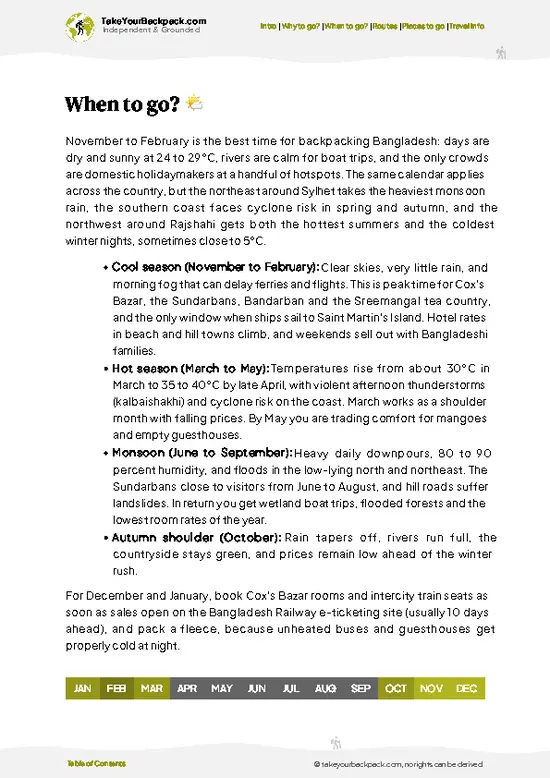
  • Topic: Weather – Rangamati’s climate swings between a wet monsoon season (June to September) and a dry season (October to May). The dry months offer clear skies and minimal rain, making trekking and boat rides more enjoyable.

  • Topic: Temperature – Expect 20-30°C (68-86°F) during the dry season, which is comfortable for outdoor activities. The monsoon months can feel muggy, with temperatures hovering around 25-32°C (77-90°F), adding humidity to the mix.

  • Topic: Daylight Hours – Daylight remains fairly consistent year-round, roughly 11-12 hours daily, so you won’t lose much daylight no matter when you go.

  • Topic: Crowds – Peak tourist flow hits during the dry season, especially December to February, when locals and visitors flock to escape colder regions. Expect busier trails and higher
read more 👉

  • Topic: Weather – Rangamati’s climate swings between a wet monsoon season (June to September) and a dry season (October to May). The dry months offer clear skies and minimal rain, making trekking and boat rides more enjoyable.

  • Topic: Temperature – Expect 20-30°C (68-86°F) during the dry season, which is comfortable for outdoor activities. The monsoon months can feel muggy, with temperatures hovering around 25-32°C (77-90°F), adding humidity to the mix.

  • Topic: Daylight Hours – Daylight remains fairly consistent year-round, roughly 11-12 hours daily, so you won’t lose much daylight no matter when you go.

  • Topic: Crowds – Peak tourist flow hits during the dry season, especially December to February, when locals and visitors flock to escape colder regions. Expect busier trails and higher prices.

  • Topic: Seasonal Activities – The dry season unlocks hiking, boating on Kaptai Lake, and tribal village visits. Monsoon months limit outdoor options but bring lush greenery and fewer tourists.

  • Topic: Price Fluctuations – Accommodation and transport costs spike in peak season due to demand. Off-season offers better deals but at the expense of weather reliability.


Pro-tip: Aim for late October to early December—sweet spot for good weather, manageable crowds, and fair prices.


source: climatestotravel.comJANJanuary: highly recommended for travelingFEBFebruary: highly recommended for travelingMARMarch: highly recommended for travelingAPRApril: good for travelingMAYMay: good for travelingJUNJune: fair for travelingJULJuly: fair for travelingAUGAugust: fair for travelingSEPSeptember: fair for travelingOCTOctober: highly recommended for travelingNOVNovember: excellent for travelingDECDecember: excellent for traveling
when-to-go

✈️ The backpacker research shortcutBangladesh Travel Guide

An offline-friendly backpacking guide with optimized travel routes, ranked highlights, transport advice, and the best areas to stay.
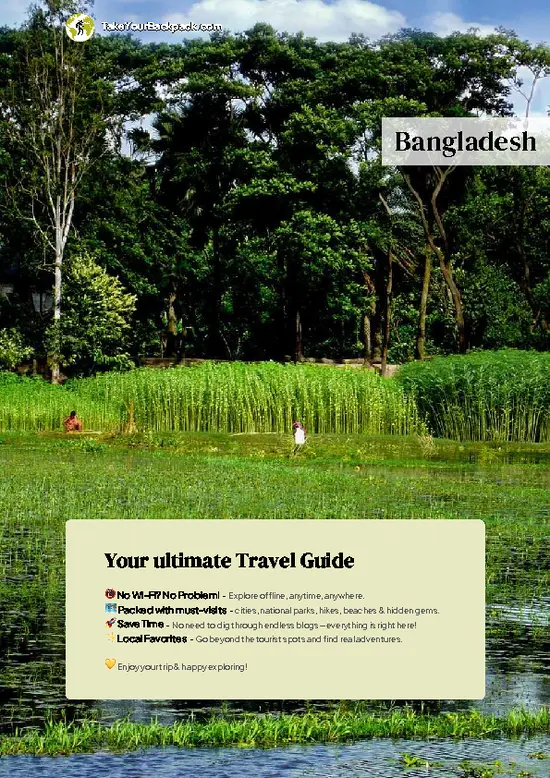
example page 0 from our offline Travel Guide for Bangladesh
example page 1 from our offline Travel Guide for Bangladesh
example page 2 from our offline Travel Guide for Bangladesh
example page 3 from our offline Travel Guide for Bangladesh
example page 4 from our offline Travel Guide for Bangladesh
example page 5 from our offline Travel Guide for Bangladesh
example page 6 from our offline Travel Guide for Bangladesh
example page 7 from our offline Travel Guide for Bangladesh
The digital guide (369 pages) contains:
107 highlights, ranked by travel appeal
Optimized 7, 14 & 21-day travel routes
Cities, national parks, landmarks, beaches
How to get around
Offline-friendly for travel without Wi-Fi
👉 Click to see all 30+ guide features

📅 Plan smarter in minutes, not weeks
Month by month travel advice
Festivals & national holidays
Budget expectations

🗺️ Go to the right places, skip the overrated ones
Honest pros & cons of destinations
Top hikes, parks & viewpoints
Lesser-known places most travelers miss
Clear “worth it vs skip it” guidance

🛏️ Travel smoothly without rookie mistakes
Best areas to stay
Transport systems explained simply
Common scams & safety advice
SIM cards, money & practical tips

🌍 Understand the country, not just visit it
Culture & traditions
52 Essential phrases & customs
Festivals worth planning around
Traveler-friendly historical context
Insights that make places more meaningful

📱 Built for real travel conditions
Fully downloadable PDF
Works completely offline
Optimized for phone use
Useful in remote areas & buses
Everything in one place
Save weeks of stressful planning
Get instant access to your full guide. 30‑day money-back guarantee.


By proceeding you agree to our terms.
Sent to your inbox immediately after payment • 100% Secure Checkout
Best Backpacking Travel Advisor 2025 tourism awardBest Backpacking
Travel Advisor
2025
What others say about Take Your Backpack Guides:
⭐⭐⭐⭐⭐
Fantastic, amazing amount of information!
⭐⭐⭐⭐⭐
My goodness this is amazing, it's what I've been looking for hats off too you!
⭐⭐⭐⭐⭐
I think this is absolutely BRILLIANT
⭐⭐⭐⭐
Very complete and informative. It's still missing places, but I gotta to commend you
⭐⭐⭐⭐⭐
This is truly amazing, thank you, can't wait to explore it with my kids!
⭐⭐⭐⭐⭐
Awesome resource, thank you!
⭐⭐⭐⭐⭐
This is amazing! Can't wait to explore the ones I haven't seen
⭐⭐⭐⭐
I love this! Well done, great idea.
⭐⭐⭐⭐⭐
Thanks for taking the time to make this gem!
⭐⭐⭐⭐⭐
This might be the best website I've ever seen.
⭐⭐⭐⭐⭐
Congratulations, and thank you so much for your work; it's incredibly valuable.
⭐⭐⭐⭐
In all seriousness I think you did a great job pointing out the important spots
⭐⭐⭐⭐⭐
10/10 very good
⭐⭐⭐⭐⭐
As someone who's only just starting to visit regularly this is awesome, thank you.
⭐⭐⭐⭐
Thank you very much! I'm going to visit my dad, it's going to be very useful!
⭐⭐⭐⭐⭐
This is really cool! We'll be travelling for the first time and this definitely come in handy.
⭐⭐⭐⭐⭐
You are now our minister of culture, congratulations 👨‍💼
⭐⭐⭐⭐⭐
Just wanted to tell you that this is a pearl! Going to follow your recommendations.
⭐⭐⭐⭐⭐
This is so cool. I'll definitely be using the resource for my travels soon.
⭐⭐⭐⭐⭐
This is very impressive! Good work.
⭐⭐⭐⭐⭐
This is an amazing and informative site. Very well done!

🛏️ Where to stay?Where staying makes the most sense

In Rangamati, the real backpacker hub centers around the town’s lakeside area near the main market. This spot nails the sweet balance of safety, social buzz, and budget-friendly options. You’re close enough to the heart of the action—street food stalls, local shops, and boat docks—without the chaos of busier commercial zones. Hostels here tend to be simple but clean, offering a chance to meet fellow travelers without the inflated prices or tourist traps found elsewhere.

Venture a bit away from the lakefront, and you hit quieter residential pockets. These are safer but less social, with fewer … read more 👉
In Rangamati, the real backpacker hub centers around the town’s lakeside area near the main market. This spot nails the sweet balance of safety, social buzz, and budget-friendly options. You’re close enough to the heart of the action—street food stalls, local shops, and boat docks—without the chaos of busier commercial zones. Hostels here tend to be simple but clean, offering a chance to meet fellow travelers without the inflated prices or tourist traps found elsewhere.

Venture a bit away from the lakefront, and you hit quieter residential pockets. These are safer but less social, with fewer budget accommodations and a more local, low-key vibe. Perfect if you want to recharge but not ideal for networking or spontaneous meetups.

Compared to the outskirts or industrial areas, the lakeside neighborhood is the clear winner. It’s where you get the most bang for your buck—comfort, community, and convenience—without sacrificing the authentic Rangamati experience. This is where your trip’s social and logistical gears mesh smoothly.

🚌 Getting aroundHow to get from A to B

Rangamati moves at its own rhythm—a blend of laid-back riverine calm and bursts of market-day energy. It’s not a city where you’ll find strict timetables or a relentless rush. Instead, the flow here is governed by the sun, the boats, and the occasional honk of a rickshaw weaving through narrow streets. Time bends to local needs, not the other way around. If you want to win at navigating Rangamati, you need to think like a local: flexible, patient, and ready to trade a bit of speed for authenticity and savings.


  • Walking: The best way to soak in Rangamati’s vibe. Most key spots are within a 20-30 minute stroll. Free, zero hassle, and perfect for spontaneous detours. Comfort depends on weather—shade is scarce, so plan for sun or rain.

  • Rickshaw: The city’s unofficial taxi. Runs from dawn
read more 👉
Rangamati moves at its own rhythm—a blend of laid-back riverine calm and bursts of market-day energy. It’s not a city where you’ll find strict timetables or a relentless rush. Instead, the flow here is governed by the sun, the boats, and the occasional honk of a rickshaw weaving through narrow streets. Time bends to local needs, not the other way around. If you want to win at navigating Rangamati, you need to think like a local: flexible, patient, and ready to trade a bit of speed for authenticity and savings.


  • Walking: The best way to soak in Rangamati’s vibe. Most key spots are within a 20-30 minute stroll. Free, zero hassle, and perfect for spontaneous detours. Comfort depends on weather—shade is scarce, so plan for sun or rain.

  • Rickshaw: The city’s unofficial taxi. Runs from dawn until late evening, fares typically range from 30 to 100 BDT depending on distance. Quick for short hops but expect a bumpy ride on uneven roads. Negotiation is part of the game, so keep your wits about you.

  • Local Bus: The cheapest motorized option, with fares around 10-20 BDT. Buses run roughly from 7 AM to 7 PM but don’t expect strict schedules—departures happen when the bus fills up. Slow and crowded but unbeatable for budget travelers who want to cover longer distances without breaking the bank.

  • Boat Services: Essential for crossing Kaptai Lake or reaching hilltop villages. Boats leave when full, usually between 8 AM and 5 PM. Prices vary from 50 to 200 BDT depending on distance. The ride is scenic and comfortable if you snag a seat on the upper deck, but weather-dependent and less predictable.


Understanding these trade-offs—time, money, comfort—lets you tailor your Rangamati experience. Walk when you want immersion and control, hop on a rickshaw for quick, flexible trips, or embrace the slow, social rhythm of buses and boats. Each choice is a move in the game, and mastering them means you’re not just traveling Rangamati—you’re owning it.

👛 Costs (as of 25 March 2026)How expensive it really is

Backpacking in Rangamati, Bangladesh, is a study in balancing modest costs with the occasional splurge for comfort or convenience. Here’s the breakdown of what you’re really paying for day-to-day.
  • Dorm Accommodation (High Season): Expect to pay around $8 to $12 per night. High season drives prices up slightly due to demand, but dorms remain basic—think simple beds, shared bathrooms, and minimal extras.
  • Dorm Accommodation (Off-Season): Dropping to about $5 to $8 per night, off-season rates offer a chance to save without sacrificing the essentials. Fewer tourists mean more negotiating power.
  • Meals: Street food and local eateries dominate here. Budget around $3 to $6 daily if you stick to traditional Bangladeshi dishes like rice, lentils, and fresh fish. Western-style meals or dining at tourist
read more 👉
Backpacking in Rangamati, Bangladesh, is a study in balancing modest costs with the occasional splurge for comfort or convenience. Here’s the breakdown of what you’re really paying for day-to-day.
  • Dorm Accommodation (High Season): Expect to pay around $8 to $12 per night. High season drives prices up slightly due to demand, but dorms remain basic—think simple beds, shared bathrooms, and minimal extras.
  • Dorm Accommodation (Off-Season): Dropping to about $5 to $8 per night, off-season rates offer a chance to save without sacrificing the essentials. Fewer tourists mean more negotiating power.
  • Meals: Street food and local eateries dominate here. Budget around $3 to $6 daily if you stick to traditional Bangladeshi dishes like rice, lentils, and fresh fish. Western-style meals or dining at tourist spots can push this higher.
  • Local Transport: Short rides on rickshaws or shared auto-rickshaws typically cost $0.30 to $0.70. It’s cheap but expect a bit of a bumpy ride and some haggling.
  • City Transport Pass: Rangamati doesn’t have a formal city transport pass system. Instead, budget for individual rides or occasional boat trips, which can run $1 to $3 depending on distance.
  • Basic Activities/Entry Fees: Visiting local attractions like the Hanging Bridge or tribal villages usually costs between $1 and $5. Guided tours or boat rentals will push this higher but remain affordable.
  • Miscellaneous Expenses: Think bottled water, snacks, phone credit, or small souvenirs. Set aside about $1 to $3 daily to cover these little extras that add up.

In total, you’re looking at a daily budget ranging from roughly $15 on the leanest days to about $30 if you lean into a bit more comfort or activity. This range lets you decide where to tighten the belt and where to indulge, turning your Rangamati trip into a smart, tailored adventure.
⚠️ Prices can change and everyone travels differently, so take this as a rough guide. Hope it helps you plan your adventure!

🚌 Day tripsShort trips worth adding

Rangamati is a fantastic base for day trips that immerse you in the natural beauty and culture of Bangladesh. Here are some standout options that make the most of your time, money, and comfort.

Buddha Dhatu Jadi
This stunning Buddhist temple, also known as the Golden Temple, is a serene escape just a short ride from Rangamati. The intricate architecture and peaceful surroundings invite you to reflect and recharge. Expect to spend around 30 minutes getting there, and entry is free, making it a budget-friendly choice. The best time to visit is early morning when the light dances on the golden stupa. A common mistake is rushing through; take your time to soak in the atmosphere.


Kaptai Lake
A boat trip on Kaptai Lake is a must. The expansive waters surrounded by lush hills create a picturesque … read more 👉
Rangamati is a fantastic base for day trips that immerse you in the natural beauty and culture of Bangladesh. Here are some standout options that make the most of your time, money, and comfort.

Buddha Dhatu Jadi
This stunning Buddhist temple, also known as the Golden Temple, is a serene escape just a short ride from Rangamati. The intricate architecture and peaceful surroundings invite you to reflect and recharge. Expect to spend around 30 minutes getting there, and entry is free, making it a budget-friendly choice. The best time to visit is early morning when the light dances on the golden stupa. A common mistake is rushing through; take your time to soak in the atmosphere.


Kaptai Lake
A boat trip on Kaptai Lake is a must. The expansive waters surrounded by lush hills create a picturesque setting. You can rent a boat for about 500 BDT, and the journey takes around an hour. Bring snacks and enjoy a picnic on one of the small islands. The ideal season is winter, when the weather is cooler and the skies are clearer. First-timers often underestimate the time needed for a leisurely exploration, so plan for a full day.


Tribal Villages
Visiting the indigenous tribal villages offers a glimpse into the rich cultural tapestry of the region. A guided tour can cost around 1,000 BDT, and you’ll spend about 45 minutes traveling to the villages. Engage with locals, learn about their traditions, and sample local cuisine. The best time to go is during festivals when the communities are vibrant and welcoming. Many newcomers forget to ask questions, missing out on deeper insights.


Nafakhum Waterfall
Though a bit farther at about two hours away, Nafakhum is worth the trip for its breathtaking views. The entrance fee is minimal, around 100 BDT, and you can spend hours exploring the area. The rainy season brings the waterfall to life, but visiting in the dry season allows for easier access. A common pitfall is not checking the weather; heavy rains can make the trails slippery.
Want to know what more Bangladesh offers?
The Bangladesh Travel Guide describes 107 highlights, from cities to national parks, from beaches to hikes

Get the Travel Guide -

🍲 FoodEating & Drinking in Rangamati

In Rangamati, local cuisine is a vibrant tapestry of flavors that tells the story of the region. Don’t miss the panta bhat, a fermented rice dish often enjoyed with fried fish and green chilies. It’s a breakfast staple that packs a punch. Pair it with shutki, dried fish that’s a beloved delicacy, and you’ll understand the local palate.

Street food is where the magic happens. Stroll through bustling markets, where vendors serve up fuchka—crispy, hollow puris filled with spicy tamarind water. The aroma of grilled meats wafts through the air, inviting you to try skewers of kebabs seasoned with local spices.

When it comes to drinks, cha (tea) is a ritual. Locals sip it throughout the day, often sweetened and spiced. Don’t shy away from trying bamboo juice, a refreshing treat that’s both unique … read more 👉
In Rangamati, local cuisine is a vibrant tapestry of flavors that tells the story of the region. Don’t miss the panta bhat, a fermented rice dish often enjoyed with fried fish and green chilies. It’s a breakfast staple that packs a punch. Pair it with shutki, dried fish that’s a beloved delicacy, and you’ll understand the local palate.

Street food is where the magic happens. Stroll through bustling markets, where vendors serve up fuchka—crispy, hollow puris filled with spicy tamarind water. The aroma of grilled meats wafts through the air, inviting you to try skewers of kebabs seasoned with local spices.

When it comes to drinks, cha (tea) is a ritual. Locals sip it throughout the day, often sweetened and spiced. Don’t shy away from trying bamboo juice, a refreshing treat that’s both unique and hydrating.

Etiquette is simple: share food and enjoy communal meals. It’s all about connection, so dive in and savor the experience!

🛡️ SafetyScams, Hazards, and Annoyances

Rangamati is generally safe, but a few smart moves can enhance your experience. Stay alert in crowded markets, especially around the bus station; pickpockets can be a nuisance. If you’re solo, avoid wandering too far after dark. The streets can feel deserted, and it’s better to stick to well-lit areas.

Be cautious with offers from locals; some may try to sell you overpriced goods or tours. A friendly smile can mask a sales pitch, so ask questions and gauge their intentions. Always negotiate prices upfront, whether for a boat ride or a meal.

Carry your belongings close and keep your phone handy for navigation. Trust your instincts—if something feels off, it probably is. With these tips, you’ll navigate Rangamati like a pro.

Other Bangladeshi cities near Rangamati

Explore more nearby:

  • Chittagong—port city, hill tracks, seafood markets| 42 km away
  • Khagrachari—hilltop villages, bamboo bridges, indigenous markets| 54 km away
  • Feni—road junctions, small factories, river crossings| 88 km away

💡 Not sure where to go next?
Create a personalized itinerary for Bangladesh including Rangamati and the places that fit your trip.

Generate my itinerary

👉 Discover all cities

Or checkout all Bangladesh has to offer (think cities, towns, villages, national parks, hikes, beaches, festivals)
Country photo of Bangladesh

We 💚 feedbackSumming up the experience

Rangamati has a laid-back vibe that feels like a breath of fresh air. The best surprise? The local tribal culture—it’s rich and welcoming. You’ll find yourself sipping tea with villagers, sharing stories that linger long after you leave. Just a heads-up: the roads can be bumpy, so brace yourself for some jolting rides. But trust me, the journey is part of the charm. Embrace it, and you’ll leave with memories that stick.

✍️ Help improve this page!
The information on this page is based on in-depth research, insights shared by experienced travelers, and feedback from the local travel community in Bangladesh. While every effort is made to keep the information accurate and current, conditions can change — so if you spot anything incorrect or outdated, please get in touch.


🙋‍♂️ Give feedback

👋 Meet the founderWho’s Behind Take Your Backpack?

Johan, backpacker and founder of TakeYourBackpackHi, I’m Johan (Netherlands 🇳🇱), the creator of TakeYourBackpack. Over the past decade, I’ve backpacked through 80+ countries across six continents, gaining extensive experience with independent travel, long-term trips, and overland routes.

This site is built on a combination of firsthand travel experience and carefully curated insights from other backpackers. Many guides are based on places I’ve personally visited, while others bring together tips, observations, and practical advice shared by trusted travelers I’ve met along the way.

The goal is to provide realistic, experience-driven guidance — not generic itineraries — so you can explore destinations with better context, clearer expectations, and more confidence.

Get full Bangladesh guide •
Instant download • 107 highlights • Full Offline guide