×

Bangladesh🇧🇩 | landmarksRuins of the Buddhist Vihara at Paharpurmonastic ruins, brick stupas, archaeological site | things to do and best time to go

Explore JaflongExplore Lalbagh Fort

Backpacking in Ruins of the Buddhist Vihara at Paharpur
UNESCO World Heritage site
🏆 Top pickunique site ranked #1
By Johan Kruseman 🇳🇱 | Updated May 4, 2026

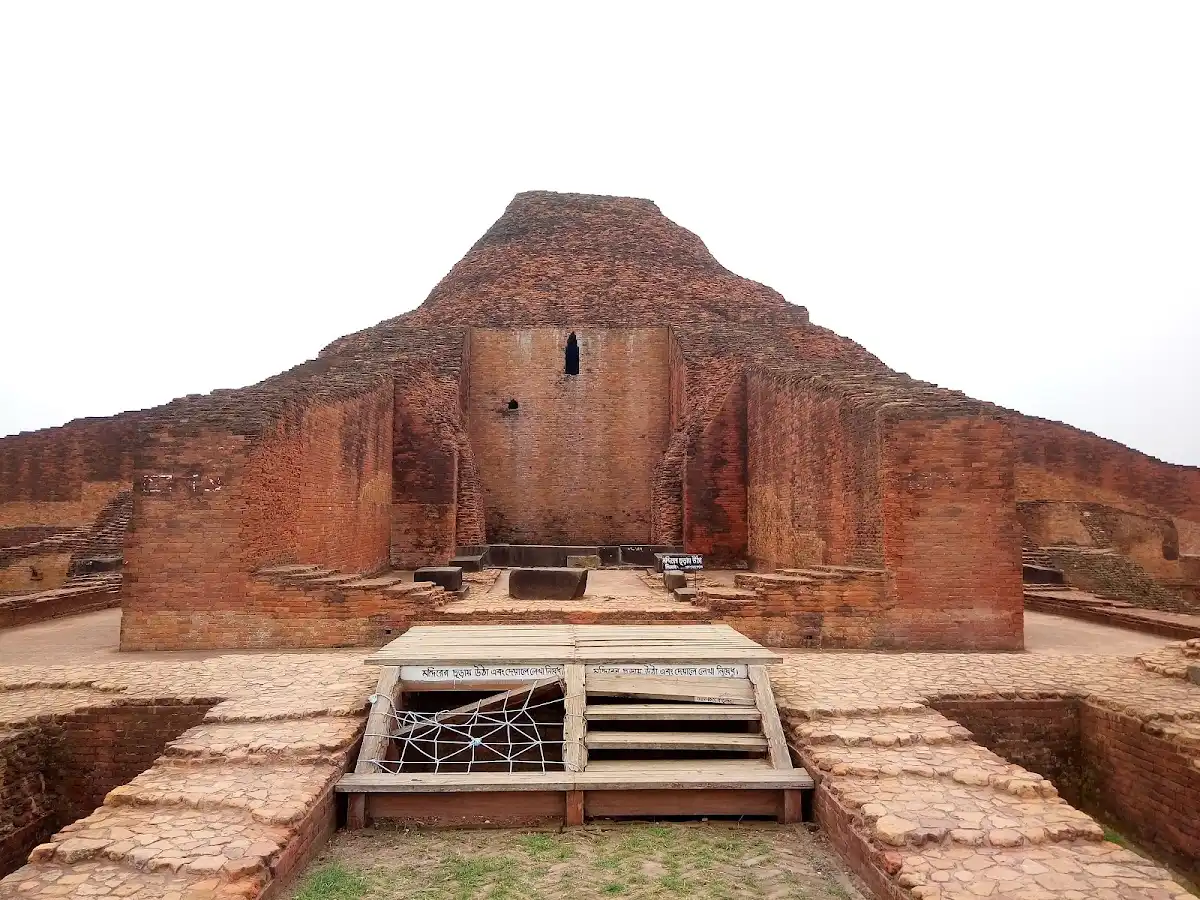
Everyone’s seen that drone shot: the massive red-brick grid of Paharpur, looking like a lost city from a fantasy novel, and the captions always promise “ancient mystery” and “hidden wonder.” Here’s the truth: you don’t come to the Ruins of the Buddhist Vihara at Paharpur for a perfect Instagram moment. You come because this place—tucked into the rice fields of northwestern Bangladesh, in Naogaon District—feels like the real, unpolished heartbeat of South Asian history. Yes, the scale is jaw-dropping, and yes, you’ll probably have the site mostly to yourself (unless you hit a school field trip day). But getting here takes effort: the journey is long, the signage is minimal, and the facilities are basic. The entry fee is laughably low, but don’t expect polished tourist infrastructure or curated photo ops. What you get instead is raw atmosphere, a sense of discovery, and the rare chance to wander a UNESCO World Heritage site without the filter of crowds or commerce. This is where you feel the centuries under your boots.

Discover everything you want to know in the 📖 Bangladesh Travel Guide.
Loading the map 🌍
CLICK TO FILTER
cities
towns
landmarks
national parks
hikes
beaches
attractions
festivals
regions
SHOW COUNTRY’S BESTSHOW ALL

✨ Why go?
Ranked #1 unique site in Bangladesh
Why Ruins of the Buddhist Vihara at Paharpur should be on your travel list

The Ruins of the Buddhist Vihara at Paharpur are a must-see for backpackers who crave authenticity over Instagram filters. Sure, you’ll encounter crowds—this isn’t a secret spot—but the sheer scale and history of the site make it worth your time. Dating back to the 8th century, it’s one of the largest Buddhist monasteries in South Asia. The architecture is a stunning blend of ancient artistry and spiritual significance, with intricate carvings that tell stories of a time long past.

Visiting Paharpur is also budget-friendly. Entry fees are minimal, and you can easily spend a day wandering the ruins without breaking the bank. Plus, it fits seamlessly into a broader route through Bangladesh. Pair it with a trip to Mahasthangarh or Bogura for a rich tapestry of history and culture.

The real … read more 👉
The Ruins of the Buddhist Vihara at Paharpur are a must-see for backpackers who crave authenticity over Instagram filters. Sure, you’ll encounter crowds—this isn’t a secret spot—but the sheer scale and history of the site make it worth your time. Dating back to the 8th century, it’s one of the largest Buddhist monasteries in South Asia. The architecture is a stunning blend of ancient artistry and spiritual significance, with intricate carvings that tell stories of a time long past.

Visiting Paharpur is also budget-friendly. Entry fees are minimal, and you can easily spend a day wandering the ruins without breaking the bank. Plus, it fits seamlessly into a broader route through Bangladesh. Pair it with a trip to Mahasthangarh or Bogura for a rich tapestry of history and culture.

The real magic lies in the atmosphere—the quiet hum of history, the locals who share their stories, and the chance to reflect in a place that feels untouched by modernity. This isn’t just another stop; it’s a chance to connect with the past in a way that’s both profound and accessible.
Want to include Ruins of the Buddhist Vihara at Paharpur in your Bangladesh route?
Create a personalized Bangladesh itinerary that includes Ruins of the Buddhist Vihara at Paharpur and the places that fit your trip — based on your travel style, budget, and available time. Get your route in seconds.

Generate my trip

💡 HighlightsDon't-miss highlights and experiences

  • The vast quadrangular monastery plan — Walk the sheer scale: a huge square complex with a ring of monk cells and broad internal courtyards. The regular, geometric layout is a clear example of how Buddhist monastic life was organized and why Paharpur was a teaching hub for centuries.
  • Cruciform central shrine — The raised, cross-shaped heart of the site once housed a major shrine/stupa and served as the spiritual focal point. Its unusual cruciform plan and platform give the ruins a striking, cathedral-like silhouette in the middle of the brick maze.
  • Terracotta panels and sculptural fragments — Everywhere you look there are fired-brick panels and carved fragments showing mythic scenes, daily life and ritual motifs. The detail and durability of the terracotta work are what make the place visually
read more 👉
  • The vast quadrangular monastery plan — Walk the sheer scale: a huge square complex with a ring of monk cells and broad internal courtyards. The regular, geometric layout is a clear example of how Buddhist monastic life was organized and why Paharpur was a teaching hub for centuries.
  • Cruciform central shrine — The raised, cross-shaped heart of the site once housed a major shrine/stupa and served as the spiritual focal point. Its unusual cruciform plan and platform give the ruins a striking, cathedral-like silhouette in the middle of the brick maze.
  • Terracotta panels and sculptural fragments — Everywhere you look there are fired-brick panels and carved fragments showing mythic scenes, daily life and ritual motifs. The detail and durability of the terracotta work are what make the place visually alive even now.
  • On-site archaeological museum — Small but useful: the museum displays stone sculptures, inscriptions, pottery and finds from the digs so you can match artifacts to the ruins you’re standing in. It’s the quickest way to understand how the monastery functioned and who lived there.
  • Historical importance as a Buddhist learning centre — Paharpur was more than a monastery: it was a major intellectual and pilgrimage node in the Pala period, connecting South Asia with Southeast Asia and Tibet. That networked significance is why the site is UNESCO-listed.
  • Quiet plains, moods and birdlife — The site sits on a broad, flat landscape with seasonal marshes; light at sunrise or sunset makes the ruins glow and migratory birds often pepper the margins. It’s peaceful, photogenic and very different from crowded temple sites.
  • Brickwork techniques and subtle architectural details — Look closely at the bonded brickwork, recessed niches and compound wall structures; they reveal sophisticated construction methods for their time. Those small technical touches are what tell you this was a planned, high-status complex—not just a pile of old bricks.
Spotted a mistake or missing something? Contact us.

Things to do near Ruins of the Buddhist Vihara at Paharpur

Ratings based on Tripadvisor reviews. When you book through this link, you support our work at no extra cost to you.

🌤️ When to go?Best time to visit Ruins of the Buddhist Vihara at Paharpur


  • Weather: The best time to visit Paharpur is during the dry season, from November to February. Expect cool, pleasant days with minimal rain, perfect for wandering the ruins without battling mud or humidity.

  • Temperature: Daytime highs hover around 20-25°C (68-77°F) in the dry season, dropping to a comfortable 10-15°C (50-59°F) at night. Avoid the scorching summer months (April-June) when temps can spike above 35°C (95°F), making exploration exhausting.

  • Daylight Hours: Around 10-11 hours of daylight in winter months, enough time to explore thoroughly without rushing. Longer summer days offer more light but come with punishing heat and humidity.

  • Crowds: Paharpur doesn’t draw massive crowds like other South Asian sites, but weekends and local holidays see a noticeable uptick. Visiting
read more 👉

  • Weather: The best time to visit Paharpur is during the dry season, from November to February. Expect cool, pleasant days with minimal rain, perfect for wandering the ruins without battling mud or humidity.

  • Temperature: Daytime highs hover around 20-25°C (68-77°F) in the dry season, dropping to a comfortable 10-15°C (50-59°F) at night. Avoid the scorching summer months (April-June) when temps can spike above 35°C (95°F), making exploration exhausting.

  • Daylight Hours: Around 10-11 hours of daylight in winter months, enough time to explore thoroughly without rushing. Longer summer days offer more light but come with punishing heat and humidity.

  • Crowds: Paharpur doesn’t draw massive crowds like other South Asian sites, but weekends and local holidays see a noticeable uptick. Visiting on weekdays during the dry season means quieter, more reflective experiences.

  • Seasonal Activities: The dry season aligns with local festivals and agricultural cycles, offering a glimpse into rural Bangladeshi life beyond the ruins. The monsoon season floods surrounding fields, limiting access and muddying trails.

  • Price Fluctuations: Entry fees and local accommodation prices remain stable year-round, but transport costs can rise during peak tourist months (December-January). Booking ahead during this period is wise to avoid last-minute price hikes.


Pro-tip: Aim for late November or early February—cool, dry, and calm—when the ruins feel less like a tourist stop and more like a step back in time.


source: climatestotravel.comJANJanuary: excellent for travelingFEBFebruary: excellent for travelingMARMarch: good for travelingAPRApril: fair for travelingMAYMay: below average for travelingJUNJune: below average for travelingJULJuly: fair for travelingAUGAugust: fair for travelingSEPSeptember: fair for travelingOCTOctober: good for travelingNOVNovember: excellent for travelingDECDecember: excellent for traveling
bangladesh-unique-site-ruins-of-the-buddhist-vihara-at-paharpur v2
© Google |

✈️ The backpacker research shortcutBangladesh Travel Guide

An offline-friendly backpacking guide with optimized travel routes, ranked highlights, transport advice, and the best areas to stay.
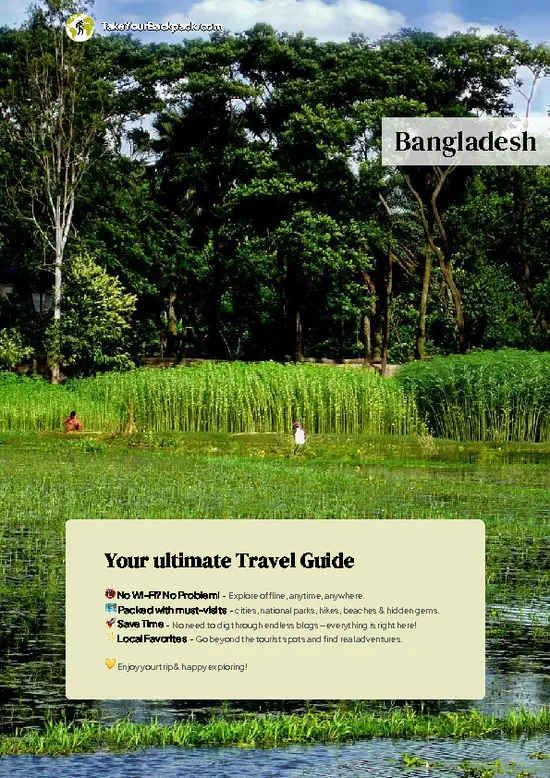
example page 0 from our offline Travel Guide for Bangladesh
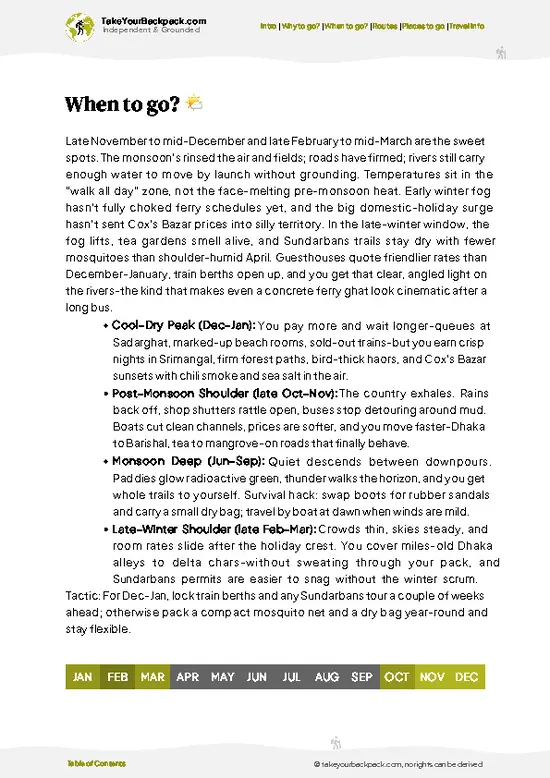
example page 1 from our offline Travel Guide for Bangladesh
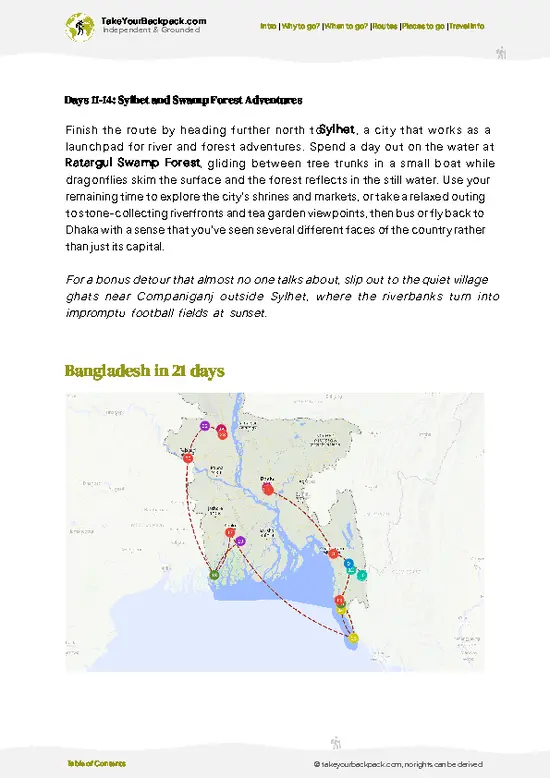
example page 2 from our offline Travel Guide for Bangladesh
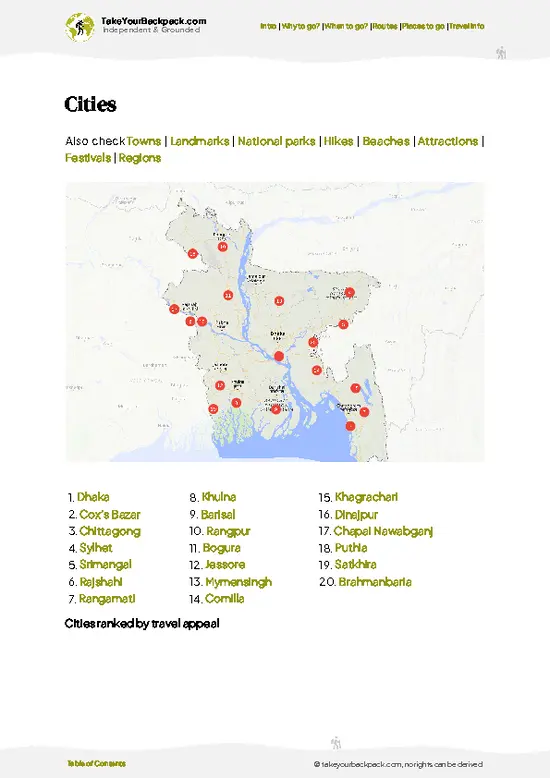
example page 3 from our offline Travel Guide for Bangladesh
example page 4 from our offline Travel Guide for Bangladesh
example page 5 from our offline Travel Guide for Bangladesh
example page 6 from our offline Travel Guide for Bangladesh
example page 7 from our offline Travel Guide for Bangladesh
The digital guide (369 pages) contains:
107 highlights, ranked by travel appeal
Optimized 7, 14 & 21-day travel routes
Cities, national parks, landmarks, beaches
How to get around
Offline-friendly for travel without Wi-Fi
👉 Click to see all 30+ guide features

📅 Plan smarter in minutes, not weeks
Month by month travel advice
Festivals & national holidays
Budget expectations

🗺️ Go to the right places, skip the overrated ones
Honest pros & cons of destinations
Top hikes, parks & viewpoints
Lesser-known places most travelers miss
Clear “worth it vs skip it” guidance

🛏️ Travel smoothly without rookie mistakes
Best areas to stay
Transport systems explained simply
Common scams & safety advice
SIM cards, money & practical tips

🌍 Understand the country, not just visit it
Culture & traditions
52 Essential phrases & customs
Festivals worth planning around
Traveler-friendly historical context
Insights that make places more meaningful

📱 Built for real travel conditions
Fully downloadable PDF
Works completely offline
Optimized for phone use
Useful in remote areas & buses
Everything in one place
Save weeks of stressful planning
Get instant access to your full guide. 30‑day money-back guarantee.


By proceeding you agree to our terms.
Sent to your inbox immediately after payment • 100% Secure Checkout
Best Backpacking Travel Advisor 2025 tourism awardBest Backpacking
Travel Advisor
2025
What others say about Take Your Backpack Guides:
⭐⭐⭐⭐⭐
Fantastic, amazing amount of information!
⭐⭐⭐⭐⭐
My goodness this is amazing, it's what I've been looking for hats off too you!
⭐⭐⭐⭐⭐
I think this is absolutely BRILLIANT
⭐⭐⭐⭐
Very complete and informative. It's still missing places, but I gotta to commend you
⭐⭐⭐⭐⭐
This is truly amazing, thank you, can't wait to explore it with my kids!
⭐⭐⭐⭐⭐
Awesome resource, thank you!
⭐⭐⭐⭐⭐
This is amazing! Can't wait to explore the ones I haven't seen
⭐⭐⭐⭐
I love this! Well done, great idea.
⭐⭐⭐⭐⭐
Thanks for taking the time to make this gem!
⭐⭐⭐⭐⭐
This might be the best website I've ever seen.
⭐⭐⭐⭐⭐
Congratulations, and thank you so much for your work; it's incredibly valuable.
⭐⭐⭐⭐
In all seriousness I think you did a great job pointing out the important spots
⭐⭐⭐⭐⭐
10/10 very good
⭐⭐⭐⭐⭐
As someone who's only just starting to visit regularly this is awesome, thank you.
⭐⭐⭐⭐
Thank you very much! I'm going to visit my dad, it's going to be very useful!
⭐⭐⭐⭐⭐
This is really cool! We'll be travelling for the first time and this definitely come in handy.
⭐⭐⭐⭐⭐
You are now our minister of culture, congratulations 👨‍💼
⭐⭐⭐⭐⭐
Just wanted to tell you that this is a pearl! Going to follow your recommendations.
⭐⭐⭐⭐⭐
This is so cool. I'll definitely be using the resource for my travels soon.
⭐⭐⭐⭐⭐
This is very impressive! Good work.
⭐⭐⭐⭐⭐
This is an amazing and informative site. Very well done!

🛏️ Where to stay?Best areas and accommodation options

When you’re heading to the Ruins of the Buddhist Vihara at Paharpur, you want to stay somewhere that feels safe and social, but also gives you that authentic Bangladeshi vibe.

The area around Paharpur itself is a solid choice. You’ll find a mix of local guesthouses and budget lodgings that cater to backpackers. These spots often have communal areas where you can swap stories with fellow travelers. The vibe is relaxed, and the locals are genuinely friendly.

If you’re willing to venture a bit further, consider the nearby town of Naogaon. It’s not as touristy, which means you’ll experience a … read more 👉
When you’re heading to the Ruins of the Buddhist Vihara at Paharpur, you want to stay somewhere that feels safe and social, but also gives you that authentic Bangladeshi vibe.

The area around Paharpur itself is a solid choice. You’ll find a mix of local guesthouses and budget lodgings that cater to backpackers. These spots often have communal areas where you can swap stories with fellow travelers. The vibe is relaxed, and the locals are genuinely friendly.

If you’re willing to venture a bit further, consider the nearby town of Naogaon. It’s not as touristy, which means you’ll experience a more authentic slice of life. Here, you can find budget accommodations that are clean and welcoming. Plus, the food scene is a treat—try the local street food for a real taste of the region.

Don’t expect luxury; instead, embrace the simplicity. The real magic lies in the connections you make and the stories you gather. Staying close to the ruins, you’ll wake up to the sounds of daily life, and that’s worth every penny.

👛 Costs (as of 22 February 2026)What things cost and how to budget

Visiting the Ruins of the Buddhist Vihara at Paharpur is a journey into history, but it comes with its own set of costs. Here’s a breakdown to help you plan wisely.
  • Entrance Fee: Expect to pay around $2 to $5 USD. This fee grants you access to the site, where you can wander through the ancient ruins and soak in the atmosphere. It’s a small price for a glimpse into the past.
  • Transportation: Getting to Paharpur can vary. If you’re coming from Dhaka, a bus ticket will cost you about $10 to $15 USD. Local transport options like rickshaws or shared taxis can add another $2 to $5 USD for shorter distances. Factor in some extra for convenience.
  • Accommodation: Options range from budget guesthouses at $10 to $20 USD per night to mid-range hotels around $30 to $50 USD. Staying overnight allows you to explore
read more 👉
Visiting the Ruins of the Buddhist Vihara at Paharpur is a journey into history, but it comes with its own set of costs. Here’s a breakdown to help you plan wisely.
  • Entrance Fee: Expect to pay around $2 to $5 USD. This fee grants you access to the site, where you can wander through the ancient ruins and soak in the atmosphere. It’s a small price for a glimpse into the past.
  • Transportation: Getting to Paharpur can vary. If you’re coming from Dhaka, a bus ticket will cost you about $10 to $15 USD. Local transport options like rickshaws or shared taxis can add another $2 to $5 USD for shorter distances. Factor in some extra for convenience.
  • Accommodation: Options range from budget guesthouses at $10 to $20 USD per night to mid-range hotels around $30 to $50 USD. Staying overnight allows you to explore the site without the rush, especially during sunrise or sunset.
  • Food: Local eateries offer meals for as little as $2 to $5 USD. If you opt for a nicer restaurant, expect to pay around $10 to $15 USD. Eating local is not just cheaper; it’s a way to experience the culture.
  • Guided Tours: If you want deeper insights, consider hiring a local guide. Prices typically range from $10 to $30 USD, depending on the length and depth of the tour. This can enhance your understanding of the site’s significance.

These costs can add up, but the experience of walking through the remnants of a once-thriving Buddhist monastic complex is worth every penny.
⚠️ Prices can change and everyone travels differently, so take this as a rough guide. Hope it helps you plan your adventure!

Other Bangladeshi landmarks near Ruins of the Buddhist Vihara at Paharpur

Explore more nearby:


💡 Not sure where to go next?
Create a personalized itinerary for Bangladesh including Ruins of the Buddhist Vihara at Paharpur and the places that fit your trip.

Generate my itinerary

👉 Discover all landmarks

Or checkout all Bangladesh has to offer (think cities, towns, villages, national parks, hikes, beaches, festivals)
Country photo of Bangladesh

We 💚 feedbackFinal thoughts on visiting Ruins of the Buddhist Vihara at Paharpur

The Ruins of the Buddhist Vihara at Paharpur are a must-see, but don’t expect solitude. Crowds can be thick, especially on weekends. The real magic? The intricate carvings and the way the ancient stones whisper stories of a bygone era. You might even stumble upon a local monk sharing insights—those moments are pure gold. Just be ready for the heat; bring water and a hat. It’s not just a site; it’s a connection to history that’ll linger long after you leave.

✍️ Help improve this page!
The information on this page is based on in-depth research, insights shared by experienced travelers, and feedback from the local travel community in Bangladesh. While every effort is made to keep the information accurate and current, conditions can change — so if you spot anything incorrect or outdated, please get in touch.


🙋‍♂️ Give feedback

👋 Meet the founderWho’s Behind Take Your Backpack?

Johan, backpacker and founder of TakeYourBackpackHi, I’m Johan (Netherlands 🇳🇱), the creator of TakeYourBackpack. Over the past decade, I’ve backpacked through 80+ countries across six continents, gaining extensive experience with independent travel, long-term trips, and overland routes.

This site is built on a combination of firsthand travel experience and carefully curated insights from other backpackers. Many guides are based on places I’ve personally visited, while others bring together tips, observations, and practical advice shared by trusted travelers I’ve met along the way.

The goal is to provide realistic, experience-driven guidance — not generic itineraries — so you can explore destinations with better context, clearer expectations, and more confidence.

Get full Bangladesh guide •
Instant download • 107 highlights • Full Offline guide