
The Military Prison Cells
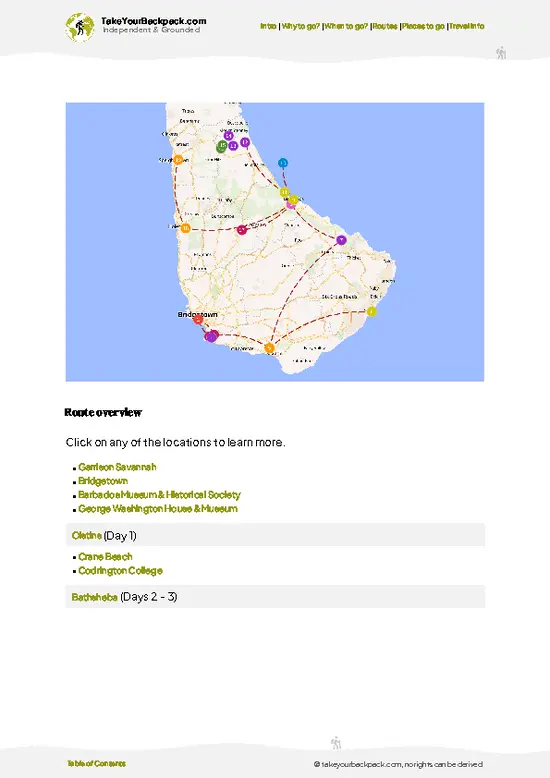
Let’s get real: most people breeze past the old stone cells, but this is where the museum’s bones show. The Barbados Museum is built inside a former British military prison, and you can still step inside the original cells. The walls are thick, the air is heavy, and the graffiti—scratched by bored or desperate soldiers—still lingers. It’s not sanitized history. It’s raw, a little claustrophobic, and a sharp reminder that the Caribbean’s story isn’t all sugar and sun. If you want to feel the weight of colonial power, this is where it hits you in the gut.
The Amerindian Gallery
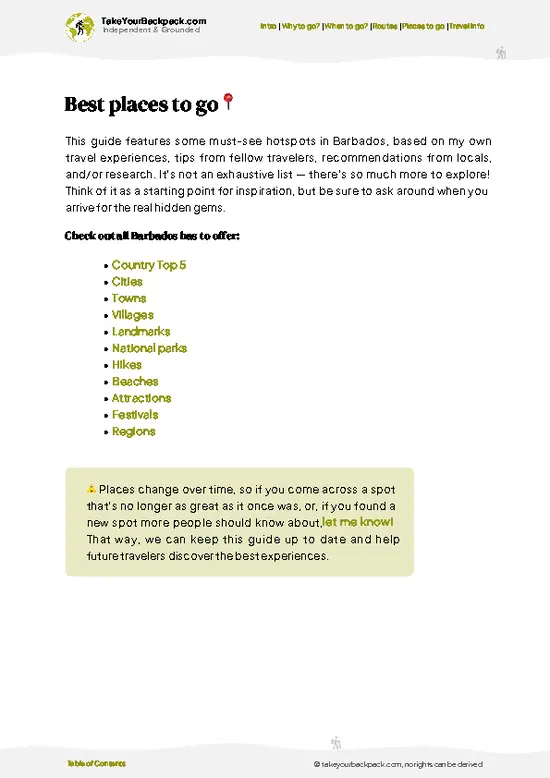
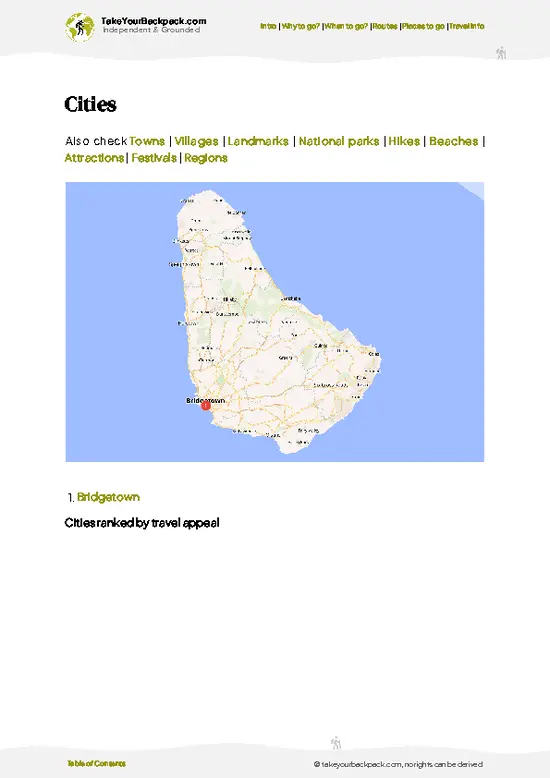
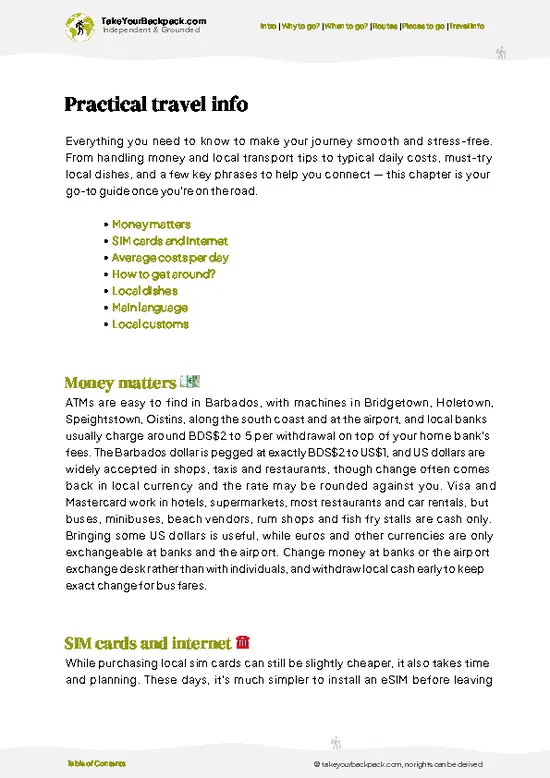
Forget the tired “island paradise” narrative. The Amerindian Gallery is where you meet the real ancestors of Barbados—long before the British, before the plantations, before rum was even a rumor. … read more 👉
Let’s get real: most people breeze past the old stone cells, but this is where the museum’s bones show. The Barbados Museum is built inside a former British military prison, and you can still step inside the original cells. The walls are thick, the air is heavy, and the graffiti—scratched by bored or desperate soldiers—still lingers. It’s not sanitized history. It’s raw, a little claustrophobic, and a sharp reminder that the Caribbean’s story isn’t all sugar and sun. If you want to feel the weight of colonial power, this is where it hits you in the gut.
The Amerindian Gallery
Forget the tired “island paradise” narrative. The Amerindian Gallery is where you meet the real ancestors of Barbados—long before the British, before the plantations, before rum was even a rumor. … read more 👉
The Military Prison Cells
Let’s get real: most people breeze past the old stone cells, but this is where the museum’s bones show. The Barbados Museum is built inside a former British military prison, and you can still step inside the original cells. The walls are thick, the air is heavy, and the graffiti—scratched by bored or desperate soldiers—still lingers. It’s not sanitized history. It’s raw, a little claustrophobic, and a sharp reminder that the Caribbean’s story isn’t all sugar and sun. If you want to feel the weight of colonial power, this is where it hits you in the gut.
The Amerindian Gallery
Forget the tired “island paradise” narrative. The Amerindian Gallery is where you meet the real ancestors of Barbados—long before the British, before the plantations, before rum was even a rumor. Pottery shards, stone tools, and burial artifacts are displayed with just enough context to spark your imagination. It’s not a blockbuster exhibit, but it’s honest, and it’s rare to see pre-Columbian Caribbean history treated with this much respect. If you want to understand Barbados beyond the postcard, start here.
The Children’s Gallery
This one’s a curveball. Most museums treat kids like afterthoughts, but here, the Children’s Gallery is a full-on, hands-on crash course in Bajan life. There’s a replica chattel house you can walk through, and interactive displays that actually work (a minor miracle in the Caribbean). It’s not just for families—if you want to see how locals grew up, or you’re the type who can’t resist pushing buttons and opening drawers, this is your playground.
The African Heritage & Slavery Exhibits
No sugarcoating here. These rooms don’t flinch from the brutality of Barbados’ slave history. You’ll see shackles, plantation ledgers, and the faces of people who survived the system. The storytelling is blunt, sometimes uncomfortable, and absolutely necessary. If you’re looking for the soul of Barbados, it’s in these stories of resistance and survival. This isn’t Instagrammable, but it’s the real reason to come.
The Map Room
Maps are more than decoration here—they’re a time machine. The Map Room is a quiet, air-conditioned corner where you can trace the island’s transformation from wild outpost to colonial cash cow. The hand-drawn charts, some centuries old, are battered and beautiful. If you geek out on geography or just want to see how empires carved up the Caribbean, this is your spot. It’s a nerdy thrill, and you’ll leave seeing Barbados with new eyes.
The Museum Courtyard and Cannon
You’ll hear the cannon before you see it—kids love to climb on it, and adults can’t resist a photo. But the real magic is in the courtyard itself: a shady, breezy oasis surrounded by coral-stone walls. It’s the best place to catch your breath, eavesdrop on local guides, and watch the slow swirl of museum life. If you want a break from the airless galleries, this is where the museum feels alive.
Let’s get real: most people breeze past the old stone cells, but this is where the museum’s bones show. The Barbados Museum is built inside a former British military prison, and you can still step inside the original cells. The walls are thick, the air is heavy, and the graffiti—scratched by bored or desperate soldiers—still lingers. It’s not sanitized history. It’s raw, a little claustrophobic, and a sharp reminder that the Caribbean’s story isn’t all sugar and sun. If you want to feel the weight of colonial power, this is where it hits you in the gut.
The Amerindian Gallery
Forget the tired “island paradise” narrative. The Amerindian Gallery is where you meet the real ancestors of Barbados—long before the British, before the plantations, before rum was even a rumor. Pottery shards, stone tools, and burial artifacts are displayed with just enough context to spark your imagination. It’s not a blockbuster exhibit, but it’s honest, and it’s rare to see pre-Columbian Caribbean history treated with this much respect. If you want to understand Barbados beyond the postcard, start here.
The Children’s Gallery
This one’s a curveball. Most museums treat kids like afterthoughts, but here, the Children’s Gallery is a full-on, hands-on crash course in Bajan life. There’s a replica chattel house you can walk through, and interactive displays that actually work (a minor miracle in the Caribbean). It’s not just for families—if you want to see how locals grew up, or you’re the type who can’t resist pushing buttons and opening drawers, this is your playground.
The African Heritage & Slavery Exhibits
No sugarcoating here. These rooms don’t flinch from the brutality of Barbados’ slave history. You’ll see shackles, plantation ledgers, and the faces of people who survived the system. The storytelling is blunt, sometimes uncomfortable, and absolutely necessary. If you’re looking for the soul of Barbados, it’s in these stories of resistance and survival. This isn’t Instagrammable, but it’s the real reason to come.
The Map Room
Maps are more than decoration here—they’re a time machine. The Map Room is a quiet, air-conditioned corner where you can trace the island’s transformation from wild outpost to colonial cash cow. The hand-drawn charts, some centuries old, are battered and beautiful. If you geek out on geography or just want to see how empires carved up the Caribbean, this is your spot. It’s a nerdy thrill, and you’ll leave seeing Barbados with new eyes.
The Museum Courtyard and Cannon
You’ll hear the cannon before you see it—kids love to climb on it, and adults can’t resist a photo. But the real magic is in the courtyard itself: a shady, breezy oasis surrounded by coral-stone walls. It’s the best place to catch your breath, eavesdrop on local guides, and watch the slow swirl of museum life. If you want a break from the airless galleries, this is where the museum feels alive.
Spotted a mistake or missing something? Contact us.
v2.webp)


Best Backpacking
Hi, I’m Johan (Netherlands 🇳🇱), the creator of TakeYourBackpack. Over the past decade, I’ve backpacked through 80+ countries across six continents, gaining extensive experience with independent travel, long-term trips, and overland routes.