v2.webp)
The Original 18th-Century House Tour
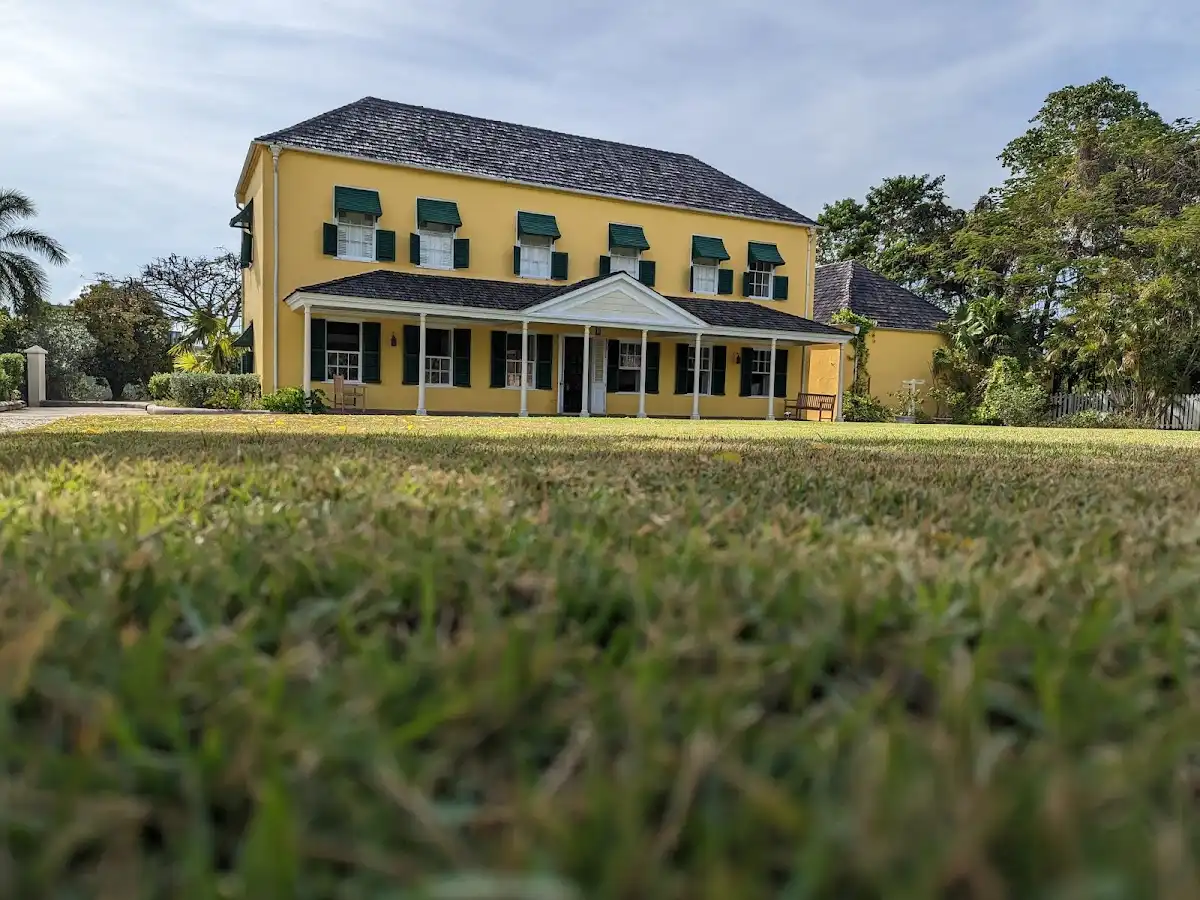
Forget the filtered photos—this is not some airbrushed colonial fantasy. The George Washington House is the real deal: thick coral-stone walls, creaky floorboards, and a musty tang that screams “actual history happened here.” Washington slept here in 1751, the only time he left the US, and you can walk the same rooms. The guides don’t sugarcoat the colonial context, and the rooms are staged with period-appropriate artifacts, not plastic replicas. You’ll see the desk where Washington wrote home about his brother’s tuberculosis and the mosquito nets that were more about survival than style. This is as close as you’ll get to time travel in Barbados.
The Underground Tunnels
Here’s the curveball: beneath the genteel house, a network of 19th-century tunnels … read more 👉
Forget the filtered photos—this is not some airbrushed colonial fantasy. The George Washington House is the real deal: thick coral-stone walls, creaky floorboards, and a musty tang that screams “actual history happened here.” Washington slept here in 1751, the only time he left the US, and you can walk the same rooms. The guides don’t sugarcoat the colonial context, and the rooms are staged with period-appropriate artifacts, not plastic replicas. You’ll see the desk where Washington wrote home about his brother’s tuberculosis and the mosquito nets that were more about survival than style. This is as close as you’ll get to time travel in Barbados.
The Underground Tunnels
Here’s the curveball: beneath the genteel house, a network of 19th-century tunnels … read more 👉
The Original 18th-Century House Tour
Forget the filtered photos—this is not some airbrushed colonial fantasy. The George Washington House is the real deal: thick coral-stone walls, creaky floorboards, and a musty tang that screams “actual history happened here.” Washington slept here in 1751, the only time he left the US, and you can walk the same rooms. The guides don’t sugarcoat the colonial context, and the rooms are staged with period-appropriate artifacts, not plastic replicas. You’ll see the desk where Washington wrote home about his brother’s tuberculosis and the mosquito nets that were more about survival than style. This is as close as you’ll get to time travel in Barbados.
The Underground Tunnels
Here’s the curveball: beneath the genteel house, a network of 19th-century tunnels snakes under the property. These aren’t sanitized for Instagram—expect low ceilings, uneven floors, and a whiff of damp earth. Originally built for military defense and escape, the tunnels are a reminder that paradise had its paranoia. You’ll need to duck and shuffle, but the payoff is a pulse of adrenaline and a sense of the island’s strategic importance. No other historic site in Barbados lets you literally go underground like this.
The Slavery and Emancipation Exhibit
This isn’t a footnote or a guilt-washed plaque. The museum tackles the brutal reality of slavery in Barbados head-on, with artifacts, documents, and stories that force you to confront the human cost of sugar wealth. It’s sobering, but it’s also honest—and that honesty is rare in Caribbean heritage tourism. If you want the full story, not just the pretty parts, this is where you get it.
The Gardens and Grounds
Step outside and you’re in a living snapshot of 18th-century Barbados. The gardens aren’t manicured to within an inch of their life; they’re lush, a little wild, and full of native plants that would have been familiar to Washington himself. You’ll spot cannonballs half-buried in the grass and the odd mongoose darting between the trees. It’s a reminder that history doesn’t just live in buildings—it grows, creeps, and scurries all around you.
The Museum’s Medical History Angle
Most people miss this, but it’s one of the most humanizing parts of the site. Washington’s brother came to Barbados hoping the climate would cure his tuberculosis. The house leans into this story, with displays on 18th-century medicine, quarantine practices, and the island’s role as a health retreat for the sick and wealthy. It’s a fascinating, slightly macabre look at how people gambled with geography long before travel insurance.
The Honest-to-Goodness Local Guides
You won’t get a script-reading robot here. The guides are Barbadian, sharp, and unafraid to answer awkward questions. They’ll tell you what the textbooks leave out, from the realities of colonial life to the quirks of Washington’s visit. Their stories are what make the place breathe—don’t rush past them.
Forget the filtered photos—this is not some airbrushed colonial fantasy. The George Washington House is the real deal: thick coral-stone walls, creaky floorboards, and a musty tang that screams “actual history happened here.” Washington slept here in 1751, the only time he left the US, and you can walk the same rooms. The guides don’t sugarcoat the colonial context, and the rooms are staged with period-appropriate artifacts, not plastic replicas. You’ll see the desk where Washington wrote home about his brother’s tuberculosis and the mosquito nets that were more about survival than style. This is as close as you’ll get to time travel in Barbados.
The Underground Tunnels
Here’s the curveball: beneath the genteel house, a network of 19th-century tunnels snakes under the property. These aren’t sanitized for Instagram—expect low ceilings, uneven floors, and a whiff of damp earth. Originally built for military defense and escape, the tunnels are a reminder that paradise had its paranoia. You’ll need to duck and shuffle, but the payoff is a pulse of adrenaline and a sense of the island’s strategic importance. No other historic site in Barbados lets you literally go underground like this.
The Slavery and Emancipation Exhibit
This isn’t a footnote or a guilt-washed plaque. The museum tackles the brutal reality of slavery in Barbados head-on, with artifacts, documents, and stories that force you to confront the human cost of sugar wealth. It’s sobering, but it’s also honest—and that honesty is rare in Caribbean heritage tourism. If you want the full story, not just the pretty parts, this is where you get it.
The Gardens and Grounds
Step outside and you’re in a living snapshot of 18th-century Barbados. The gardens aren’t manicured to within an inch of their life; they’re lush, a little wild, and full of native plants that would have been familiar to Washington himself. You’ll spot cannonballs half-buried in the grass and the odd mongoose darting between the trees. It’s a reminder that history doesn’t just live in buildings—it grows, creeps, and scurries all around you.
The Museum’s Medical History Angle
Most people miss this, but it’s one of the most humanizing parts of the site. Washington’s brother came to Barbados hoping the climate would cure his tuberculosis. The house leans into this story, with displays on 18th-century medicine, quarantine practices, and the island’s role as a health retreat for the sick and wealthy. It’s a fascinating, slightly macabre look at how people gambled with geography long before travel insurance.
The Honest-to-Goodness Local Guides
You won’t get a script-reading robot here. The guides are Barbadian, sharp, and unafraid to answer awkward questions. They’ll tell you what the textbooks leave out, from the realities of colonial life to the quirks of Washington’s visit. Their stories are what make the place breathe—don’t rush past them.
Spotted a mistake or missing something? Contact us.


 Best Backpacking
.jpg) Hi, I’m Johan (Netherlands 🇳🇱), the creator of TakeYourBackpack. Over the past decade, I’ve backpacked through 80+ countries across six continents, gaining extensive experience with independent travel, long-term trips, and overland routes.
Hi, I’m Johan (Netherlands 🇳🇱), the creator of TakeYourBackpack. Over the past decade, I’ve backpacked through 80+ countries across six continents, gaining extensive experience with independent travel, long-term trips, and overland routes.