v2.webp)


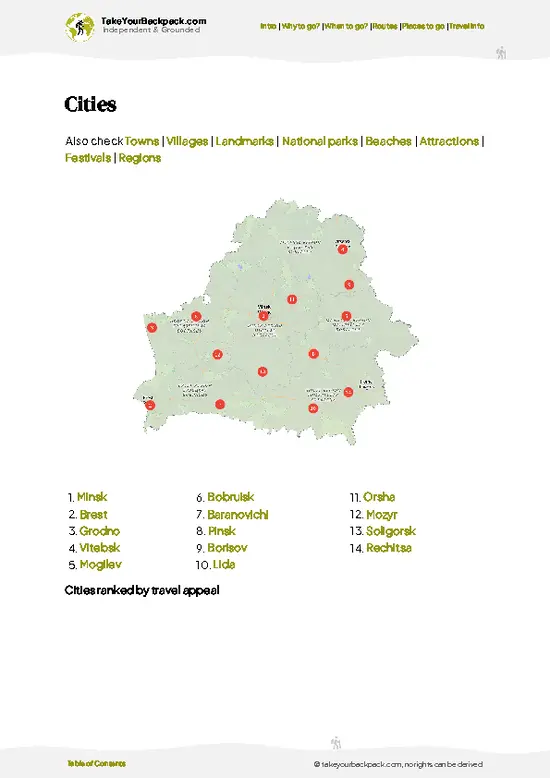
The Main Entrance—The Star-Shaped Gateway
Forget the Instagram shots of people posing under the giant concrete star. The real impact hits when you walk through it. This isn’t just a dramatic entryway; it’s a psychological reset. The star carves a black void through a bunker-thick wall, swallowing up the outside world. Sound changes. Light drops. You’re funneled into the fortress’s story whether you’re ready or not. It’s not subtle, and that’s the point: this is Soviet monumentalism at its most theatrical, and it works. You don’t just see history—you’re swallowed by it.
The Courage Monument
You’ve seen photos, but nothing prepares you for the sheer scale. This 100-foot-tall concrete head and clenched fist isn’t here to be pretty. It’s here to intimidate, to mourn, and to demand respect. The … read more 👉
Forget the Instagram shots of people posing under the giant concrete star. The real impact hits when you walk through it. This isn’t just a dramatic entryway; it’s a psychological reset. The star carves a black void through a bunker-thick wall, swallowing up the outside world. Sound changes. Light drops. You’re funneled into the fortress’s story whether you’re ready or not. It’s not subtle, and that’s the point: this is Soviet monumentalism at its most theatrical, and it works. You don’t just see history—you’re swallowed by it.
The Courage Monument
You’ve seen photos, but nothing prepares you for the sheer scale. This 100-foot-tall concrete head and clenched fist isn’t here to be pretty. It’s here to intimidate, to mourn, and to demand respect. The … read more 👉
The Main Entrance—The Star-Shaped Gateway
Forget the Instagram shots of people posing under the giant concrete star. The real impact hits when you walk through it. This isn’t just a dramatic entryway; it’s a psychological reset. The star carves a black void through a bunker-thick wall, swallowing up the outside world. Sound changes. Light drops. You’re funneled into the fortress’s story whether you’re ready or not. It’s not subtle, and that’s the point: this is Soviet monumentalism at its most theatrical, and it works. You don’t just see history—you’re swallowed by it.
The Courage Monument
You’ve seen photos, but nothing prepares you for the sheer scale. This 100-foot-tall concrete head and clenched fist isn’t here to be pretty. It’s here to intimidate, to mourn, and to demand respect. The face is all sharp angles and raw grief. Stand beneath it and you’ll feel small, and that’s intentional. The monument doesn’t care about your selfie; it’s a punch in the gut, a reminder that this place was a killing ground. The drama is real, and so is the silence that hangs around it.
The Ruins of the Original Fortress
Don’t skip the battered red-brick walls and bullet-pocked archways. This is where the Instagram crowd thins out, and the real story starts. You can run your hands over bricks that survived artillery barrages and close-quarters combat. There’s no velvet rope, no glass barrier—just raw, scarred history. It’s not polished, and that’s exactly why it’s powerful. If you want to feel the weight of the siege, this is where you linger.
The Eternal Flame
It’s easy to get jaded about eternal flames—they’re everywhere in the former USSR. But this one, burning in the heart of the fortress, feels earned. It’s surrounded by names, not just of generals, but of ordinary defenders. The flame is small, almost modest, but it’s relentless. If you visit at dusk, the effect is haunting. The crowds thin, the fortress glows, and the flame becomes a quiet act of defiance against forgetting.
The Museum of the Defense of the Brest Fortress
Skip the expectation of dry dioramas. This museum is a crash course in the chaos of June 1941. You’ll find personal letters, battered helmets, and photos that put faces to the numbers. The exhibits don’t sugarcoat the brutality or the desperation. If you want context—real, messy, human context—this is where you get it. The museum is compact but dense, and you’ll leave with your head buzzing.
The Soundscape—Soviet Anthems on Loop
It’s not a single monument, but you can’t ignore it: Soviet military music plays on a loop throughout the complex. It’s surreal, sometimes jarring, and absolutely intentional. The soundtrack turns the whole site into a living memorial, not just a static ruin. It’s a reminder that this place is still a touchstone for national memory, not just a relic for tourists. If you’re looking for quiet reflection, you’ll have to find it between the brass and drums.
Forget the Instagram shots of people posing under the giant concrete star. The real impact hits when you walk through it. This isn’t just a dramatic entryway; it’s a psychological reset. The star carves a black void through a bunker-thick wall, swallowing up the outside world. Sound changes. Light drops. You’re funneled into the fortress’s story whether you’re ready or not. It’s not subtle, and that’s the point: this is Soviet monumentalism at its most theatrical, and it works. You don’t just see history—you’re swallowed by it.
The Courage Monument
You’ve seen photos, but nothing prepares you for the sheer scale. This 100-foot-tall concrete head and clenched fist isn’t here to be pretty. It’s here to intimidate, to mourn, and to demand respect. The face is all sharp angles and raw grief. Stand beneath it and you’ll feel small, and that’s intentional. The monument doesn’t care about your selfie; it’s a punch in the gut, a reminder that this place was a killing ground. The drama is real, and so is the silence that hangs around it.
The Ruins of the Original Fortress
Don’t skip the battered red-brick walls and bullet-pocked archways. This is where the Instagram crowd thins out, and the real story starts. You can run your hands over bricks that survived artillery barrages and close-quarters combat. There’s no velvet rope, no glass barrier—just raw, scarred history. It’s not polished, and that’s exactly why it’s powerful. If you want to feel the weight of the siege, this is where you linger.
The Eternal Flame
It’s easy to get jaded about eternal flames—they’re everywhere in the former USSR. But this one, burning in the heart of the fortress, feels earned. It’s surrounded by names, not just of generals, but of ordinary defenders. The flame is small, almost modest, but it’s relentless. If you visit at dusk, the effect is haunting. The crowds thin, the fortress glows, and the flame becomes a quiet act of defiance against forgetting.
The Museum of the Defense of the Brest Fortress
Skip the expectation of dry dioramas. This museum is a crash course in the chaos of June 1941. You’ll find personal letters, battered helmets, and photos that put faces to the numbers. The exhibits don’t sugarcoat the brutality or the desperation. If you want context—real, messy, human context—this is where you get it. The museum is compact but dense, and you’ll leave with your head buzzing.
The Soundscape—Soviet Anthems on Loop
It’s not a single monument, but you can’t ignore it: Soviet military music plays on a loop throughout the complex. It’s surreal, sometimes jarring, and absolutely intentional. The soundtrack turns the whole site into a living memorial, not just a static ruin. It’s a reminder that this place is still a touchstone for national memory, not just a relic for tourists. If you’re looking for quiet reflection, you’ll have to find it between the brass and drums.
Spotted a mistake or missing something? Contact us.

 Best Backpacking
.jpg) Hi, I’m Johan (Netherlands 🇳🇱), the creator of TakeYourBackpack. Over the past 3 decades, I’ve backpacked through 90+ countries across six continents, gaining extensive experience with independent travel, long-term trips, and overland routes.
Hi, I’m Johan (Netherlands 🇳🇱), the creator of TakeYourBackpack. Over the past 3 decades, I’ve backpacked through 90+ countries across six continents, gaining extensive experience with independent travel, long-term trips, and overland routes.