v2.webp)
- Brest Hero-Fortress Memorial Complex — The defining stop: immense WWII memorial, ruined citadel walls, huge sculptures and underground wartime exhibits. It’s solemn, visceral and the best place to feel Brest’s 20th-century history on your skin.
- Berestye Archaeological Museum — A rare, well-preserved display of a medieval wooden town found under the city. Walk above the excavated timbers and artifacts — it’s an unexpectedly intimate window into Brest’s deep past.
- Brest Railway Museum (open-air) — Rows of steam and Soviet-era locomotives and rolling stock you can walk around and photograph. Good for gearheads and anyone who likes industrial heritage; it sits close to the station so it’s easy to slot into a day.
- Brest Regional Museum (Local History) — The place to pick up context: regional
- Brest Hero-Fortress Memorial Complex — The defining stop: immense WWII memorial, ruined citadel walls, huge sculptures and underground wartime exhibits. It’s solemn, visceral and the best place to feel Brest’s 20th-century history on your skin.
- Berestye Archaeological Museum — A rare, well-preserved display of a medieval wooden town found under the city. Walk above the excavated timbers and artifacts — it’s an unexpectedly intimate window into Brest’s deep past.
- Brest Railway Museum (open-air) — Rows of steam and Soviet-era locomotives and rolling stock you can walk around and photograph. Good for gearheads and anyone who likes industrial heritage; it sits close to the station so it’s easy to slot into a day.
- Brest Regional Museum (Local History) — The place to pick up context: regional archaeology, ethnography and exhibits on Brest’s multiethnic past. Solid displays that make the fortress and city streets mean more when you visit them after.
- Central (Gorky) City Park — Big green lungs for the city with paths, benches, small amusement rides and summer concerts. A nice contrast to the heavy history elsewhere — good for people-watching, picnics or a slow afternoon.
- Mukhavets River Embankment — The riverside promenade offers relaxed walks, calm views and local life (kids, anglers, couples). It’s pleasant at sunset and gives a different, quieter perspective on Brest than the fortress area.
- Sovetskaya / pedestrian centre — The heart of downtown: cafes, Soviet and interwar architecture, small shops and street life. It’s where you’ll overhear Belarusian, Russian and Polish conversations and get a feel for everyday Brest.
- Brest Central Railway Station (border vibe) — Architecturally interesting and historically important, this is also where cross-border trains stop and the Russian/European gauge change happens in the railyard. Even from outside the platform you can soak up the border-town atmosphere.
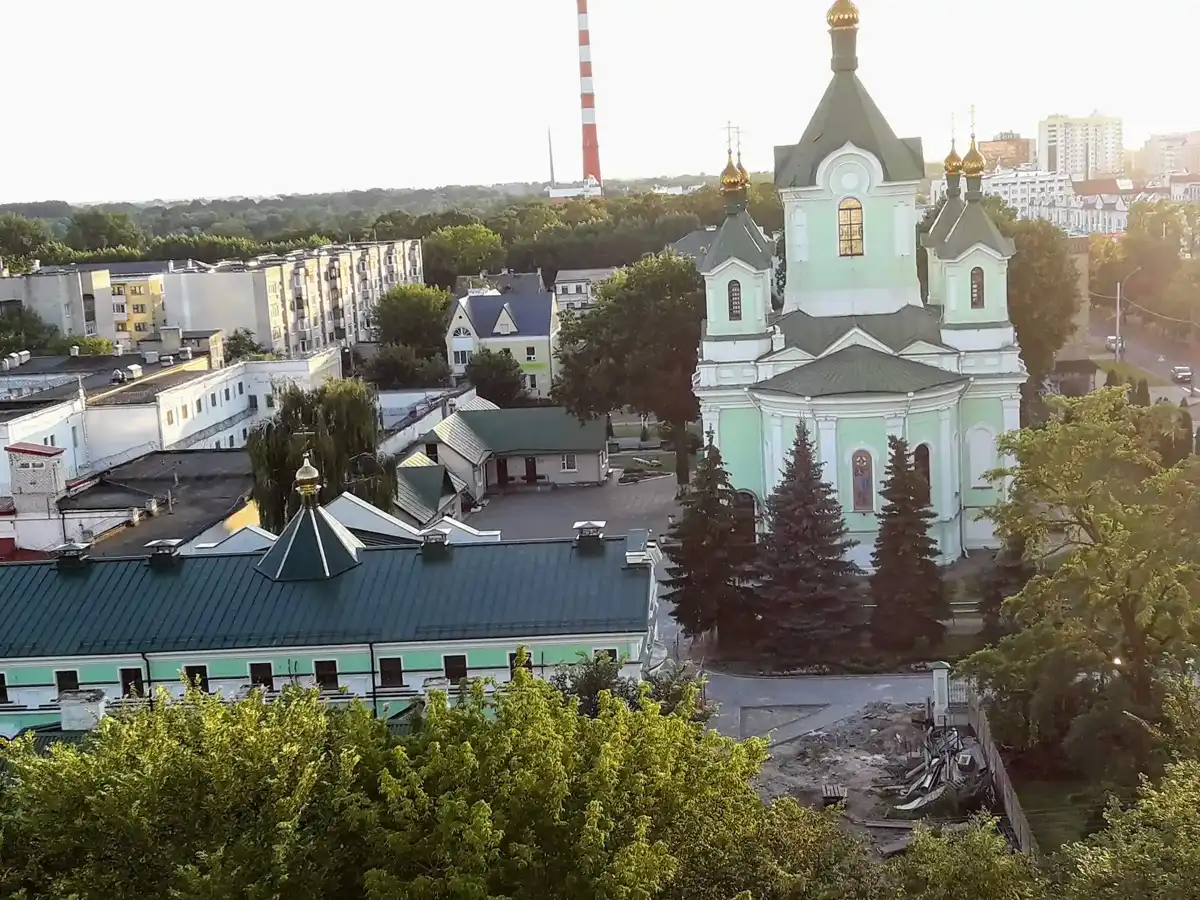
- St. Nicholas (Orthodox) Church — A handsomely restored church that anchors local religious life; good for seeing local worship practices, icons and quieter architecture away from the larger tourist sites.
- Central Market (Rynok) — A lively, smelly, colorful place to try local cheeses, smoked fish, fruits and cheap practical gear. Markets are where locals do life — useful, social and great for budget meals or finding supplies.
Spotted a mistake or missing something? Contact us.
 Best Backpacking
.jpg) Hi, I’m Johan (Netherlands 🇳🇱), the creator of TakeYourBackpack. Over the past decade, I’ve backpacked through 80+ countries across six continents, gaining extensive experience with independent travel, long-term trips, and overland routes.
Hi, I’m Johan (Netherlands 🇳🇱), the creator of TakeYourBackpack. Over the past decade, I’ve backpacked through 80+ countries across six continents, gaining extensive experience with independent travel, long-term trips, and overland routes.