v2.webp)
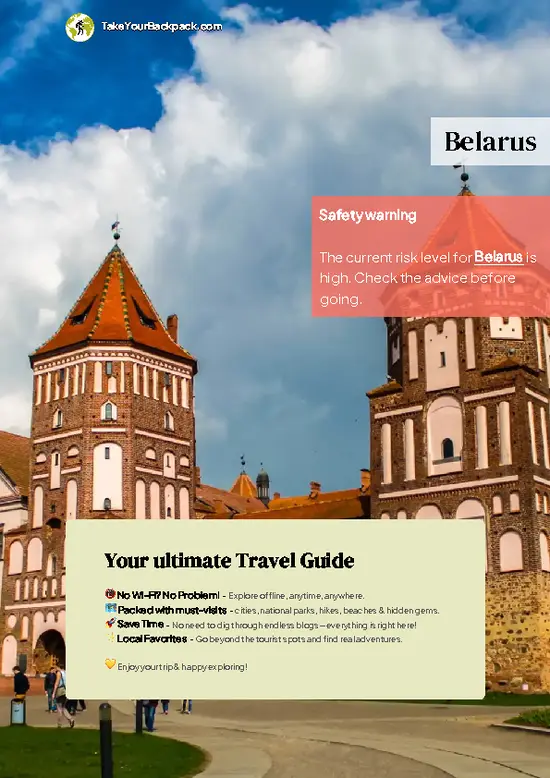




- Mir Castle Complex — The obvious must-see: a surprisingly well-restored 16th-19th century fortress owned by the Radziwiłłs, all turrets, brickwork and moody courtyards. It’s the anchor of the town and the best place to feel Mir’s layers of history.
- Castle Park and the Lakes — The leafy landscaped park that wraps around the castle, with small bridges, walking paths and quiet lakeside spots. Great for a slow wander, a picnic, or to watch the castle reflect in the water at golden hour.
- Castle Towers & Panoramic Lookouts — Climb one of the towers for short, rewarding views over Mir’s rooftops, park and surrounding countryside. It’s a compact way to orient yourself and get a feel for how the town sits in the landscape.
- Castle Interior & Museum Exhibitions — Inside the castle you’ll find period
- Mir Castle Complex — The obvious must-see: a surprisingly well-restored 16th-19th century fortress owned by the Radziwiłłs, all turrets, brickwork and moody courtyards. It’s the anchor of the town and the best place to feel Mir’s layers of history.
- Castle Park and the Lakes — The leafy landscaped park that wraps around the castle, with small bridges, walking paths and quiet lakeside spots. Great for a slow wander, a picnic, or to watch the castle reflect in the water at golden hour.
- Castle Towers & Panoramic Lookouts — Climb one of the towers for short, rewarding views over Mir’s rooftops, park and surrounding countryside. It’s a compact way to orient yourself and get a feel for how the town sits in the landscape.
- Castle Interior & Museum Exhibitions — Inside the castle you’ll find period rooms, local art and historical displays (including arms, furnishings and Radziwiłł-family artefacts). The curated rooms turn the stone walls into stories you can actually walk through.
- Mir Yeshiva Memorial / Jewish Heritage Spots — Mir was home to the famous Mir Yeshiva; the town still bears that memory in plaques, sites and local remembrances. Visiting these markers and talking with local guides gives real insight into Mir’s important Jewish history.
- Old Jewish Cemetery — Weathered matzevot and quiet lanes mark one of the most tangible traces of the pre-war Jewish community. It’s a solemn, powerful place—important for history and reflection, and respectfully visitable.
- Local History Museum (Mir District Museum) — Small, low-key and full of local artifacts: agricultural tools, photos, folk costumes and everyday objects that explain how people around Mir actually lived. A short visit gives context the castle can’t provide alone.
- Central Square & Wooden-House Streets — Stroll the town centre to see old wooden houses, small shops and market stalls. It’s where daily life happens: cheap cafés, a bakery, and the kind of unpolished local flavor you won’t get inside the castle gates.
- WWII / Holocaust Memorials — There are memorials and sites in town commemorating wartime events and victims. They’re sober stops but essential for understanding the 20th-century history that shaped Mir’s population and landscape.
- Seasonal Events & Castle Courtyard Performances — If your timing’s right, the castle courtyard runs medieval fairs, concerts and historical reenactments. These events turn the site from museum to a lively, sensory experience—check the schedule before you go.
Spotted a mistake or missing something? Contact us.

 Best Backpacking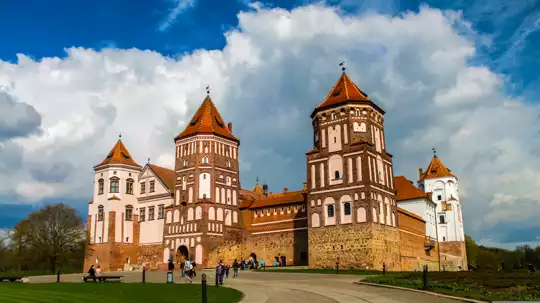
.jpg) Hi, I’m Johan (Netherlands 🇳🇱), the creator of TakeYourBackpack. Over the past 3 decades, I’ve backpacked through 90+ countries across six continents, gaining extensive experience with independent travel, long-term trips, and overland routes.
Hi, I’m Johan (Netherlands 🇳🇱), the creator of TakeYourBackpack. Over the past 3 decades, I’ve backpacked through 90+ countries across six continents, gaining extensive experience with independent travel, long-term trips, and overland routes.